
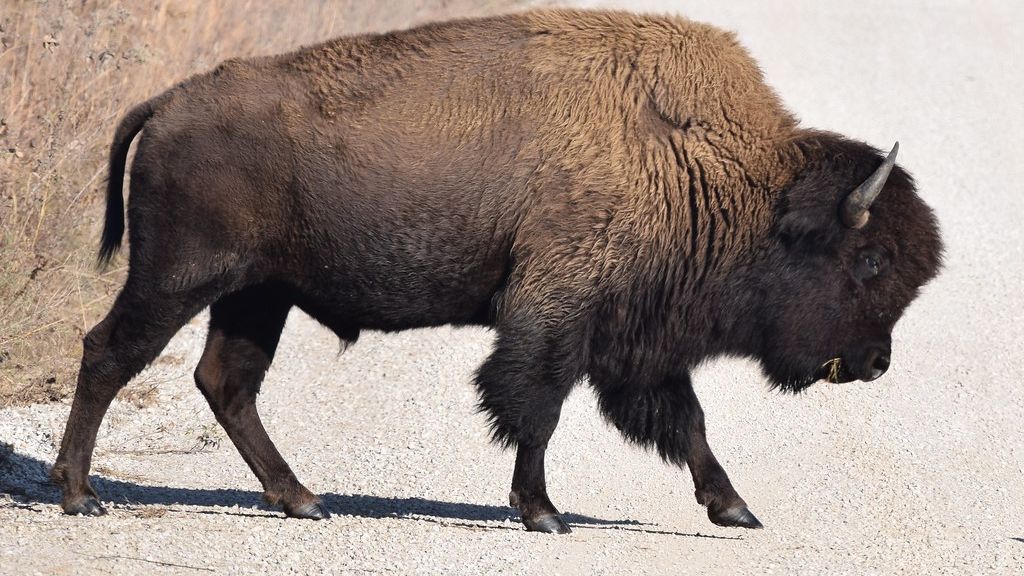
Standing at the edge of a restored grassland in Kane County, Illinois, in the winter of 2025, a small crowd gathered not for a ceremony or a festival, but to welcome back an animal that had been absent from that landscape for over two centuries. Members of the Native American community came together in December to witness a herd of bison return to Burlington Prairie, a long-awaited homecoming led by the American Indian Center, honoring Native stewardship of the land and reconnecting culture, history, and community.
This moment in Illinois is part of something much larger. Across the US prairies, from Montana to South Dakota to Oklahoma, one of the continent’s most iconic animals is finding its way back. The story is one of ecological science, Indigenous partnership, and the slow repair of a wound that went far deeper than most people realize.
From Sixty Million to the Brink of Gone
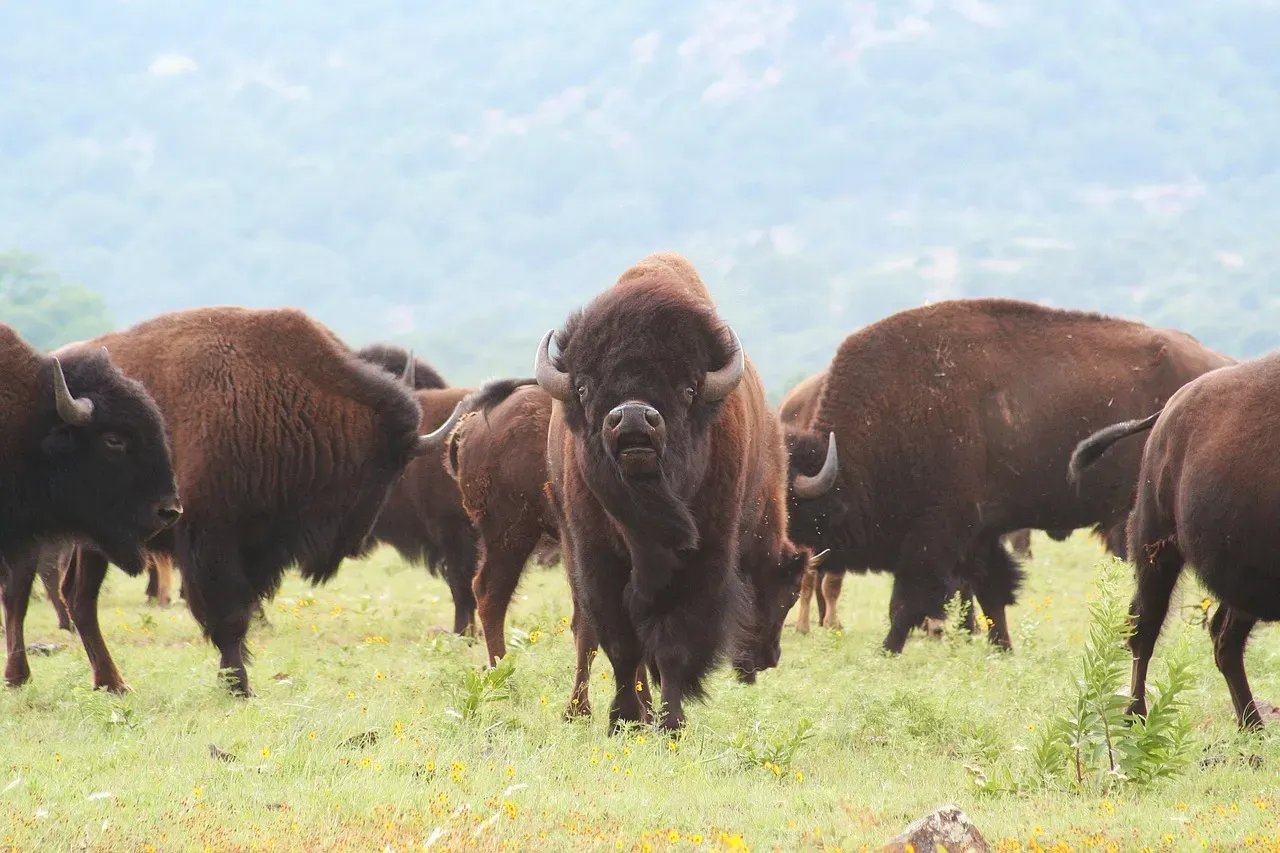
The scale of what was lost is still staggering to reckon with. Before European settlement, an estimated 30 to 60 million bison roamed North America’s grasslands, creating one of the largest concentrations of large mammals ever documented on Earth. They shaped the entire prairie ecosystem through their movement, their grazing, and their sheer mass.
In the 19th century, bison were nearly driven to extinction through uncontrolled hunting and a US policy of eradication tied to intentional harm against and control of Tribes. By 1889, only a few hundred wild bison remained. What followed was ecological collapse on a continental scale.
The persecution of bison contributed to the decline of healthy grassland ecosystems and eventually to the Dust Bowl in the 1930s. The loss of this keystone species, coupled with land conversion, led to declines of other important grassland wildlife, such as migratory birds and pollinators. The prairie had lost its architect.
The near decimation of the species unraveled fundamental ties between bison, grassland ecosystems, and Plains Indians’ cultures and livelihoods. The two losses, ecological and cultural, were always deeply intertwined.
How Bison Actually Rebuild a Prairie
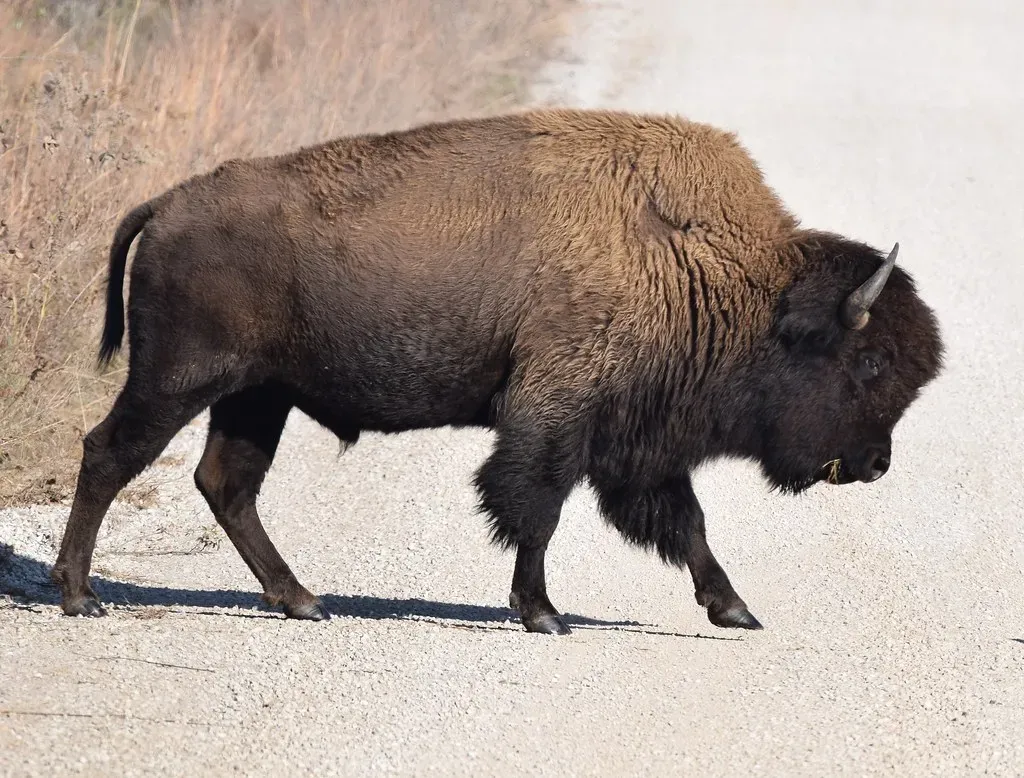
Bison are not simply large animals that eat grass. They function more like a slow, living plow, shaping the land in ways that no other grazer quite replicates. Free-roaming bison in Yellowstone significantly enhance prairie ecosystem health by accelerating the nitrogen cycle, increasing plant protein content by over 150%, and promoting plant diversity.
By munching through grasses, bison speed up the nitrogen cycle, supercharging plants with nutrients. The result is forage that is more than 150% richer in protein, a gift to every creature that feeds on the prairie, from elk and deer to pronghorn and bighorn sheep. The benefits radiate outward through the entire food chain.
Bison are more selective grazers than cattle, preferentially consuming grasses while avoiding many forbs, which creates more diverse plant communities. Their grazing patterns are less uniform than cattle, creating a patchwork of heavily and lightly grazed areas that increases habitat heterogeneity. That patchwork turns out to matter enormously to species that depend on varied vegetation height.
The shallow depressions bison create when they wallow collect seeds and may fill with water in spring, becoming small wetlands with distinctive vegetation. Because of their large size, bison are also an important protein source for scores of carnivores and scavengers, and their decomposing bones and flesh create rich patches of nitrogen and phosphorus for plant growth. Even in death, they feed the land.
A Recovery Built on Collaboration
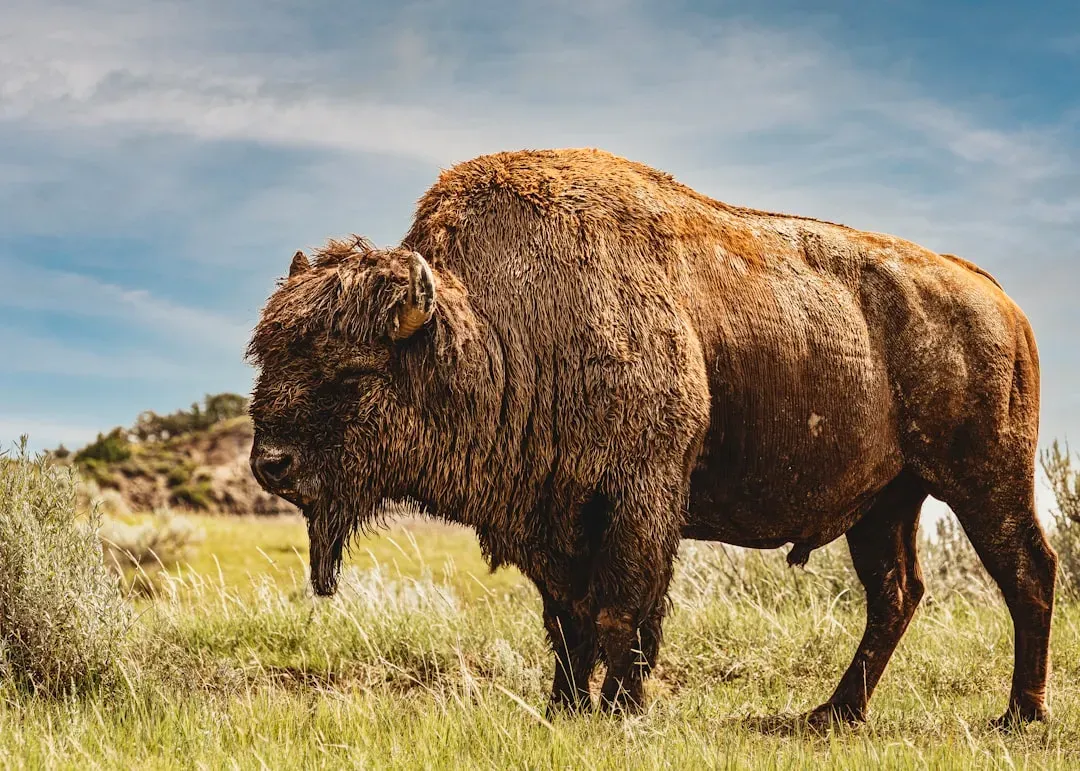
The path back has not been a straight line. Beginning in the early 20th century with the support of President Theodore Roosevelt, conservationists and scientists made a collective effort to restore the American bison. Since then, careful conservation and restoration efforts increased the number of wild bison in the United States from fewer than 500 to more than 15,000.
Today, the effort has grown into a broad network of partners. American Prairie announced that 107 bison from its herds found new homes with Tribal Nations in Montana, South Dakota, and Washington State, representing one of the organization’s largest transfers of bison since returning bison to its lands in 2005. Specific transfers included bison to the Cheyenne River Sioux Tribe, the Blackfeet Nation, the Kalispel Tribe, and others.
The nonprofit conservation organization regularly collaborates with the InterTribal Bison Council, a collective of 80 tribes who facilitates the return of bison and management of bison across tribal lands in North America. That network continues to expand year by year.
The Nature Conservancy’s Tallgrass Prairie Preserve in Oklahoma maintains a herd of approximately 2,500 bison on 40,000 acres. Similar programs operate in states including South Dakota and Colorado, reflecting a coast-to-coast recognition that restoration requires scale.
The Challenges That Still Remain
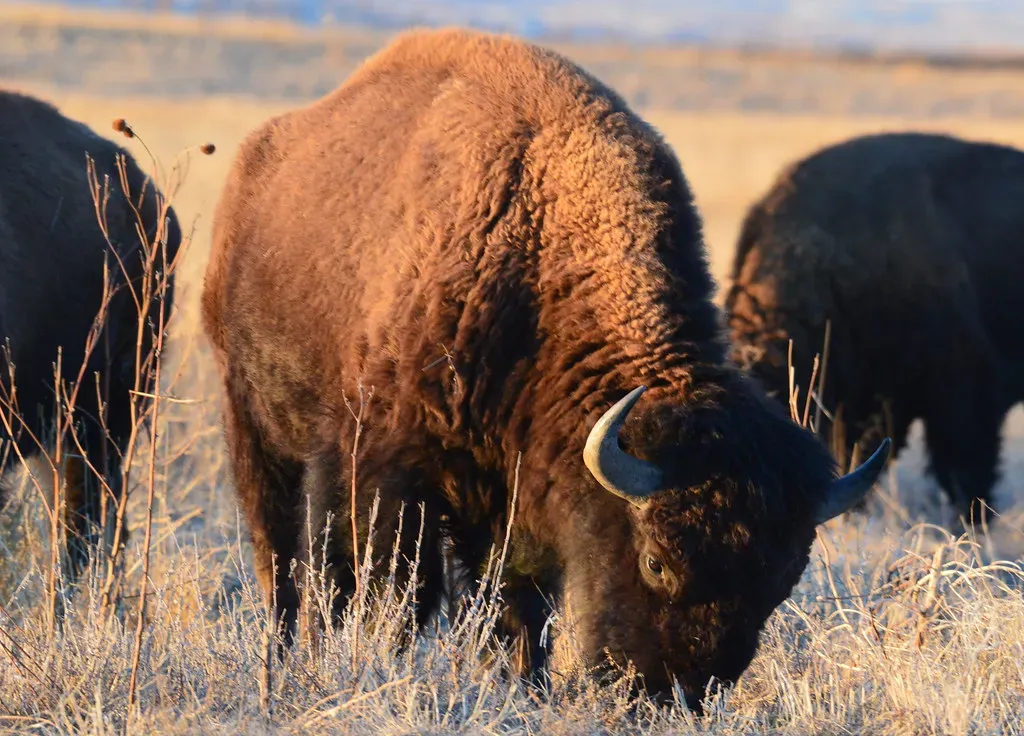
For all the genuine progress, the recovery is far from complete, and the obstacles are real. Hundreds of thousands of bison remain in North America today, but most are raised for commercial uses in herds on small acreages behind fences. Less than ten percent of existing bison are managed for conservation or as a wild species.
Most conservation herds are very small, numbering in the dozens to a few hundred, and are mostly confined to small, fenced-in areas. These conditions threaten the genetic health of bison and greatly hinder their ability to roam widely and display natural behaviors. A bison that cannot migrate is not fully functioning as a bison.
Ranchers argue that bison allowed to roam would smash fences, mix with cattle and spread disease. These concerns are not unfounded, and they represent a genuine tension in rural communities where cattle operations have been a way of life for generations. Finding workable coexistence remains one of the harder problems in prairie restoration.
What is left of the Great Plains shortgrass prairie landscapes is under serious threat to its ecological integrity from unhealthy land use and grazing practices on privately owned rangelands. Bison restoration cannot succeed in isolation from the broader question of how prairie land is managed and who controls it.
A Cultural and Ecological Renaissance
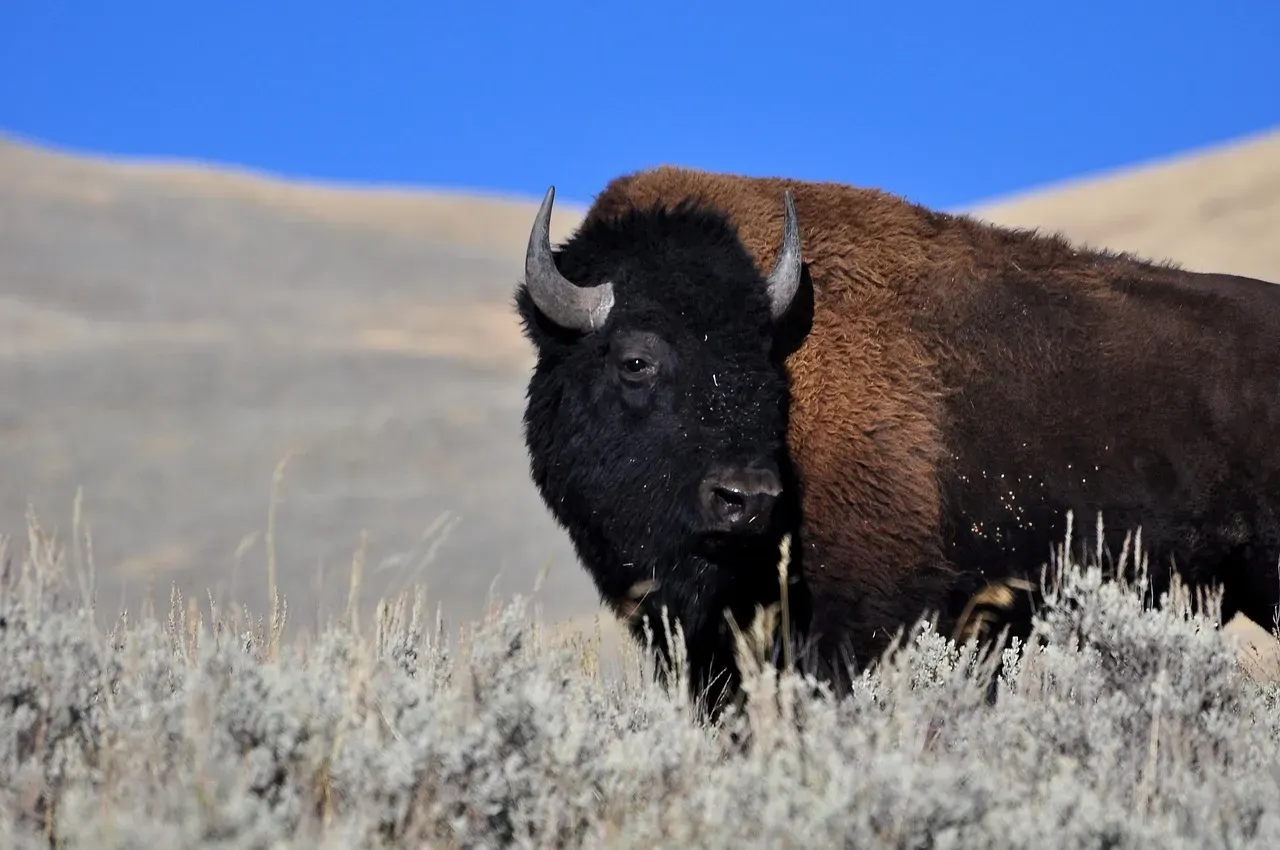
Across Indigenous communities, the return of bison carries weight that goes well beyond wildlife management. Plains bison, commonly called buffalo, hold tremendous cultural and spiritual significance. They are considered relatives among many of North America’s Indigenous people who historically relied on them for food, shelter, and clothing.
The restoration of bison to American prairies extends beyond ecological considerations to encompass cultural and economic dimensions. For Native American tribes, bison restoration represents cultural revitalization and sovereignty. The Blackfeet Nation in Montana, for example, has reestablished a connection to bison that was central to their cultural practices for centuries before European settlement.
Returning plains bison also improves food availability and food sovereignty in some of the most food-scarce areas of the United States. This is both an environmental justice issue and a conservation issue. The two are rarely so cleanly aligned, which is part of what makes this restoration effort genuinely unusual.
A study published in Nature Ecology and Evolution found that bison-grazed areas stored more carbon than comparable cattle-grazed or ungrazed areas. Additionally, the patchwork grazing pattern of bison creates varying vegetation heights that can increase prairie resilience to drought and extreme weather events associated with climate change. This gives bison restoration an increasingly relevant role in climate discussions as well.
Conclusion
The bison’s story is one that conservation rarely gets to tell. A species brought to the edge of extinction, reduced to a few hundred animals, is now a living presence again across prairies that had been silent for more than a century. That is not a small thing.
The return of bison to America’s prairies represents far more than the recovery of a single species; it demonstrates the possibility of restoring entire ecological processes that maintain healthy grassland ecosystems. As bison resume their role as ecosystem engineers through their grazing, wallowing, and nutrient cycling, researchers are documenting cascading benefits for plant diversity, wildlife habitat, soil health, and even climate resilience.
The work is patient, complicated, and unfinished. Successful restoration depends on long-term planning, land availability, monitoring, and collaboration across institutions. But the direction is clear. Across the prairies of North America, the ground is beginning to remember what it was built for.
