
Most people walk through their yards without giving much thought to the greenery around them. A flowering shrub here, a climbing vine there. It all looks harmless enough. The trouble is, some of the most common and visually appealing plants in residential gardens carry toxins capable of sending people or pets to the emergency room.
More than 700 species of plants located in the United States and Canada can cause illness or death in humans. That’s a sobering number, especially when you consider how many of those species are quietly growing along fences, in flower beds, and around the edges of perfectly ordinary suburban homes. Knowing what you’re dealing with is the first step toward keeping your family and animals safe.
The Deceptively Beautiful Ones: Foxglove, Lily of the Valley, and Oleander
Some of the most dangerous yard plants are also the ones most likely to show up in a garden catalogue. Foxglove, lily of the valley, and oleander are three that deserve serious attention.
Foxgloves are beautiful, old-fashioned garden flowers, but their dangerous toxins can stop the heart. Foxgloves have been reported to kill livestock, pets, and humans. The risk isn’t limited to direct contact either. Children have even been poisoned by drinking the vase water from flower arrangements containing foxgloves.
If ingested, the blooms, orange-red fruits, and leaves of lily of the valley can cause blurred vision, slowed heartbeat, collapse, and even death. The smallest amount of the plant can cause heart problems in dogs if ingested.
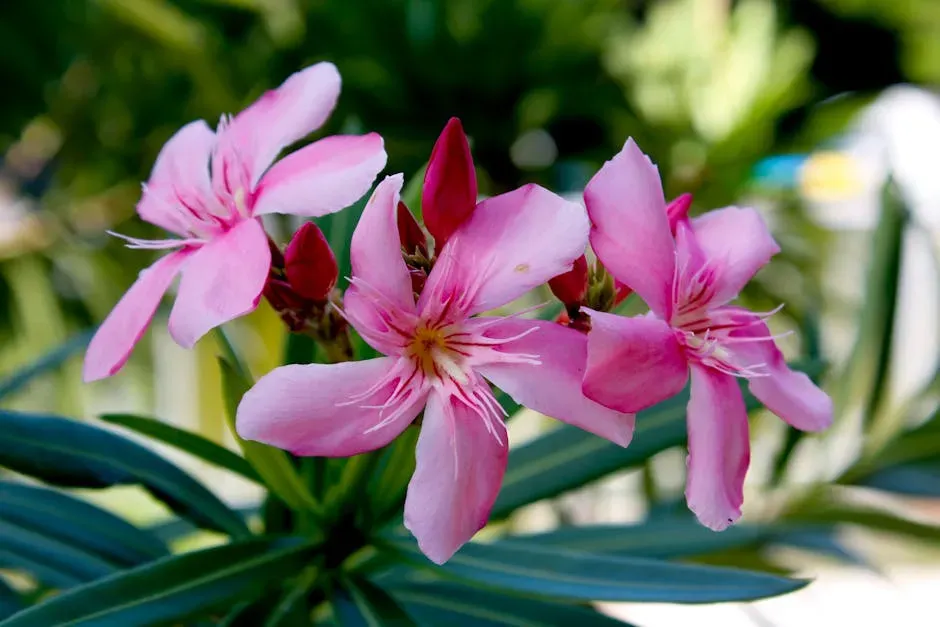
Oleander is a popular ornamental shrub, but every part of the plant is toxic. Some of the most dangerous plants for dogs include sago palm, oleander, foxglove, and lily of the valley. These plants can cause severe symptoms such as organ failure, abnormal heart rhythms, seizures, or even death if ingested.
Yard Invaders That Look Totally Harmless
Not every dangerous plant announces itself with dramatic foliage or unusual shapes. Some of the most problematic ones look completely ordinary at a glance, which is part of what makes them so risky.
Vining morning glories have beautiful flowers that attract bees, hummingbirds, and moths, but their profuse seeds are poisonous. They contain toxic alkaloids that cause disorientation, nausea, and diarrhea if consumed. The papery seed capsules rattle and release angled black seeds when crushed, so they attract kids and occasionally pets. Morning glory seed packets are also a danger, so keep them out of reach of children if you choose to grow these annual vines.
Wisteria contains the toxic glycoside “Wisterin,” present in its seeds, pods, and bark. Sometimes mistaken for bean or pea pods, curious children and hungry pets are especially vulnerable to wisteria seeds.
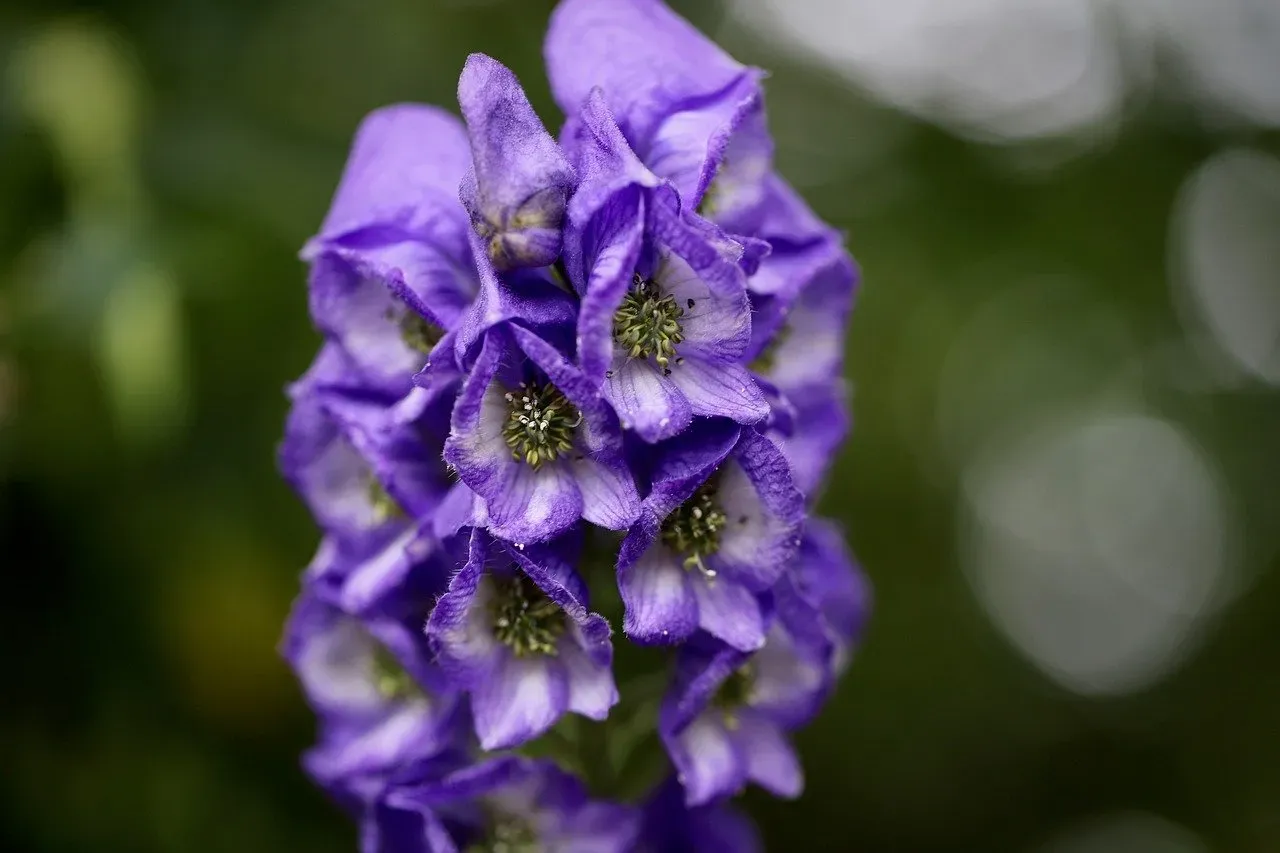
Beautiful hooded purple flowers make monkshood a popular garden perennial, but its deadly poison, aconitine, can enter the body from the skin as well as the mouth, so take caution when cutting it back. It’s one of the rare plants where even handling it bare-handed can be a problem.
The Threat to Pets: What Dog and Cat Owners Need to Know
Pets interact with the yard differently than people do. They dig, chew, sniff, and sometimes swallow things without any hesitation. That combination of curiosity and limited self-restraint puts them at real risk from plants that might only be a nuisance to an adult human.
The ASPCA Animal Poison Control Center reported that in 2022, over eight percent of all calls were related to pets ingesting plants toxic to them, making it sixth on their list of the top ten pet toxins. That figure reflects confirmed calls alone. The real number of exposures is likely considerably higher.
All parts of the rhododendron plant are toxic for dogs. The leaves are the most harmful, although the flowers and nectar can also be dangerous. All parts of flowering azaleas contain grayanotoxin, and the reaction a dog gets depends on how much they’ve eaten.
Lilies are the top of the list for plants poisonous to cats. If a cat eats the petals or ingests the pollen, even if the pollen gets on a cat’s fur and then licked off, it can cause kidney failure and other serious problems. Take a cat to the vet immediately if it consumes any part of a lily, and avoid having lilies in any vases inside.
When the Risk Goes Beyond the Garden Bed
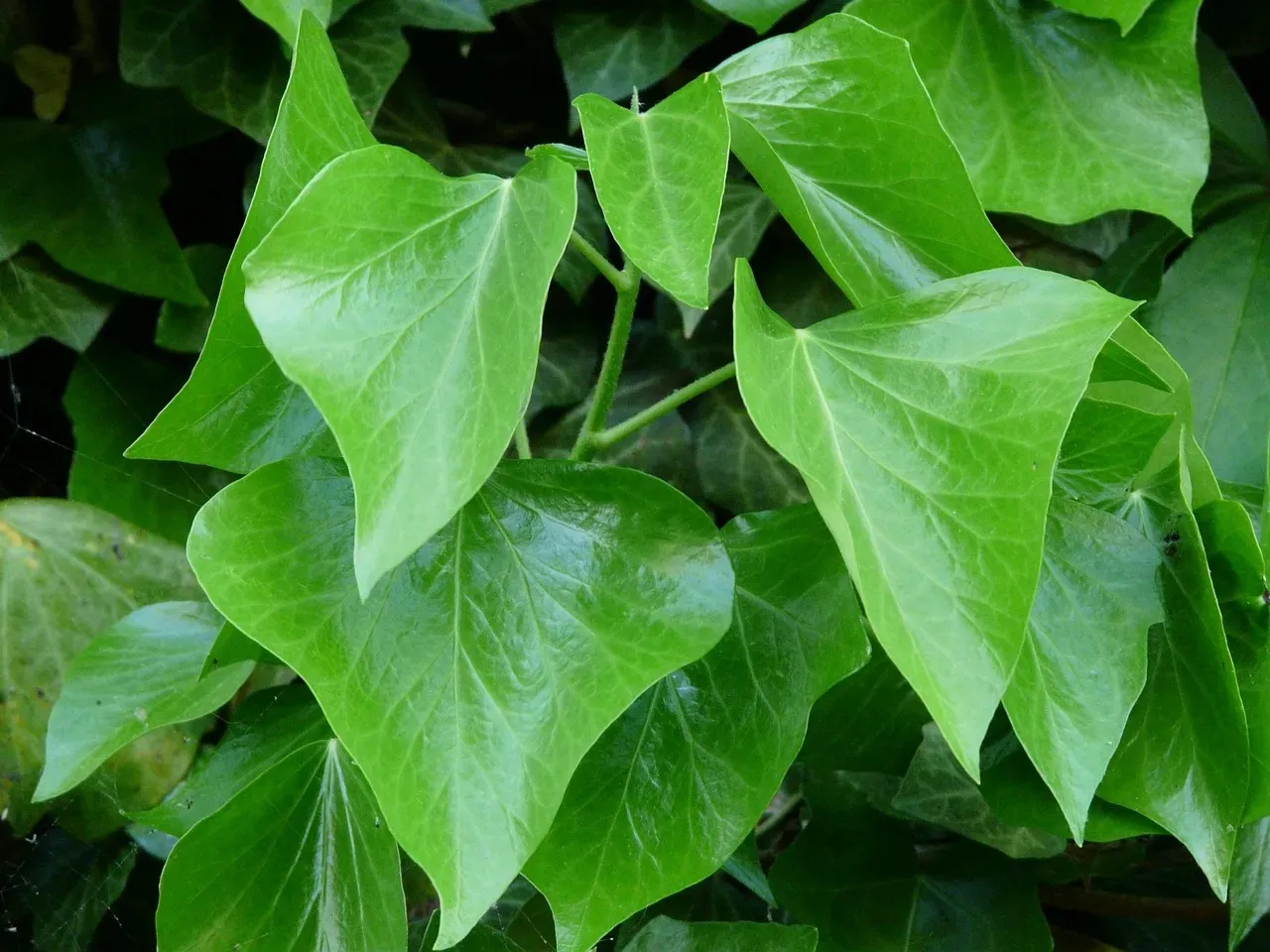
It’s easy to focus on the plants you deliberately chose and planted. The ones that sneak in uninvited can be just as dangerous, sometimes more so, because they’re harder to identify and easier to overlook.
Poison ivy may be number one on everyone’s short list of plants to watch out for in the yard. Knowing how to identify it is critical to steering clear of this plant, which can cause reactions in humans ranging from a red, itchy rash to blistering or even anaphylaxis. You can also pick up the irritating oil by patting a dog or cat that has come in contact with poison ivy, oak, or sumac.
Gardeners should also look out for the common field weed called jimsonweed. It is just as toxic as cultivated forms and can appear in the garden unannounced. Its seeds are particularly dangerous and it spreads easily in disturbed soil.
Poisonous plants are more than a gardening issue. They can create health hazards, lead to emergency medical situations, and in some cases expose homeowners to liability if a guest or child is injured. That’s a dimension of yard safety most people never consider until it’s already a problem.
How to Protect Your Family and Act Fast If Something Goes Wrong
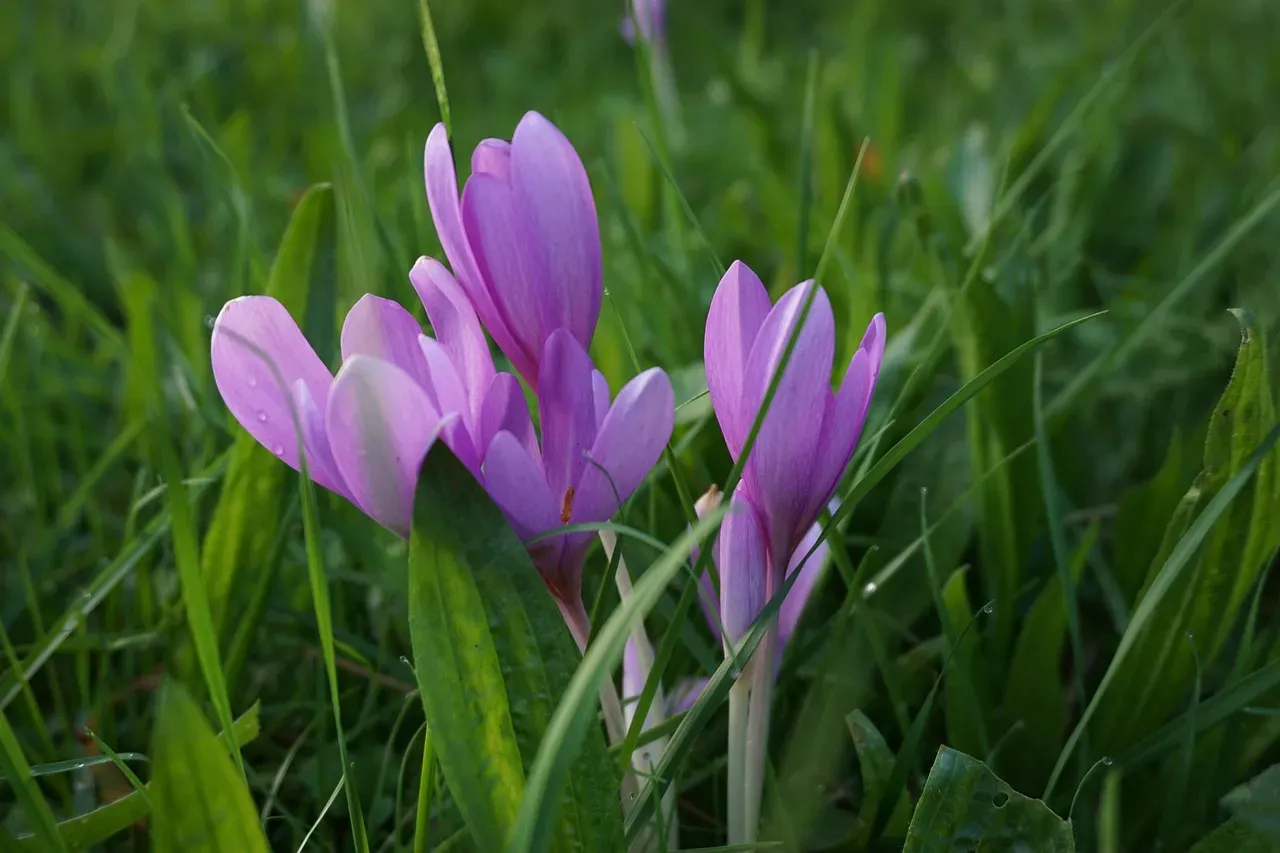
The good news is that awareness and a few practical steps go a long way. You don’t have to rip out every plant in your yard. You do need to know what’s growing there.
Knowing what plants are growing in your garden is important if you have curious children around who may accidentally ingest a poisonous plant. A specific identification is needed, preferably with the scientific name. If you are uncertain of a plant’s identity, take it to a nursery or florist for identification.
Some plants can cause skin reactions when handled. Wear gloves, long sleeves, and eye protection when removing toxic plants. Do not burn poisonous plants. Bag them securely and follow local disposal guidelines.
Symptoms can appear within minutes to hours, depending on the plant and amount ingested. Some toxins act rapidly, while others may cause delayed effects, making early intervention critical. If you aren’t sure what your pet ate, call the ASPCA’s Animal Poison Control Hotline at 888-426-4435 or the Pet Poison Helpline at 855-764-7661. They’re available 24 hours a day, 365 days a year. For humans, each year over 100,000 people in the United States call Poison Control Centers about potential plant and mushroom exposure, and that number reflects how real the problem actually is.
Conclusion
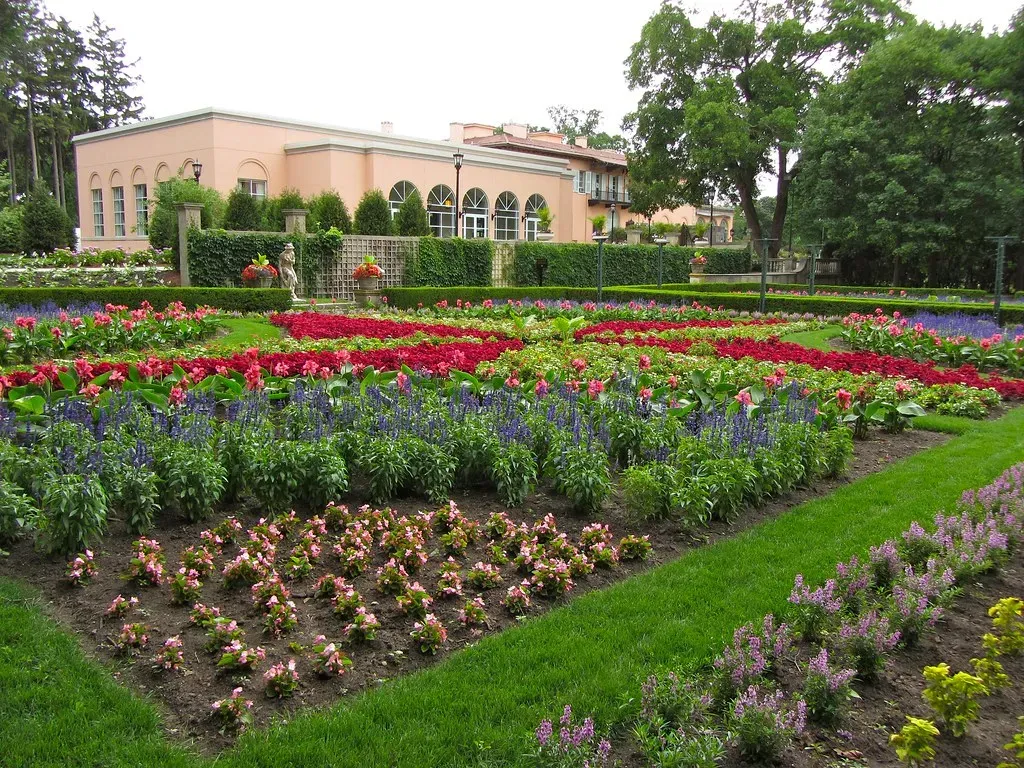
A yard full of beautiful plants is worth having. The risk doesn’t mean you need to garden defensively, surrounding yourself only with approved safe species. It means taking one afternoon to walk through your property, look things up, and know what you’re working with.
While it is not necessary to eliminate all toxic plants from the home garden, you should be prepared to identify any plant on your property and have some knowledge of adverse symptoms associated with poisonous plants. Some of the most beautiful trees, shrubs, vegetables, and vines are poisonous. They may provide shade, colorful flowers, or food, but parts of the plant may also cause skin rashes, serious illness, or death.
The plants themselves aren’t villains. They’re simply doing what plants do. The responsibility falls on the people who choose to live alongside them, and a little knowledge here can genuinely matter. That walk through your yard might just be the most useful thing you do this season.
