

There are moments in conservation history worth pausing over. The bald eagle coming back from the edge of extinction is one of them. Sixty years ago, it teetered on the verge of disappearing from the American landscape entirely. Today, it circles above rivers, coastal waterways, and inland reservoirs in numbers that were once unimaginable.
The bald eagle population has risen from a mere 417 nesting pairs in 1963 to more than 71,400 nesting pairs and an estimated 316,700 individual birds in the lower 48 states today. That transformation didn’t happen overnight, and it didn’t happen by accident. It’s the result of decades of coordinated effort, legal protection, and one critically important environmental decision that changed the trajectory of the species forever.
From the Brink: How Low Things Really Got
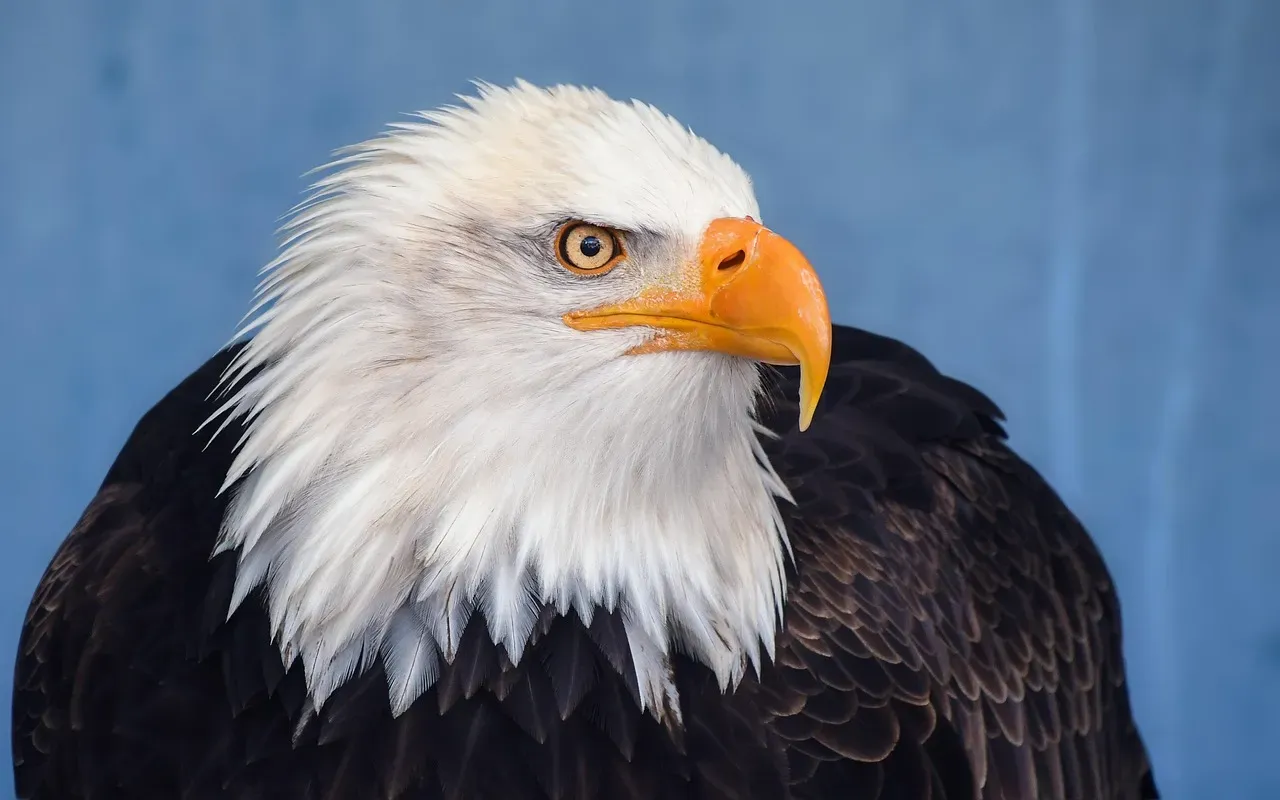
To understand just how remarkable this recovery is, it helps to know how dire the situation once was. Across much of their range, bald eagles had fallen to near-extinction levels due to the effects of pesticides, as well as other factors like habitat loss and illegal shooting.
The main culprit was DDT, a widely used insecticide that became prevalent after the mid-1940s. After DDT was used extensively after the mid-1940s, bald eagle populations declined catastrophically. DDT caused the eggshells to become so thin that they would easily break. By 1963, only 417 nesting pairs were found in the lower 48 states.
DDT use was banned in the U.S. in 1972, and the bald eagle has been the focus of over 40 years of conservation efforts that have included habitat protection and programs that reintroduced the birds to their natural habitat. It was, in hindsight, the single most consequential act of environmental policy in the species’ modern history.
The Endangered Species Act, signed into law in 1973, gave the recovery effort a strong legal backbone that had been missing before. With both pieces of legislation in place, nature was finally given the room it needed to respond.
A Population Quadrupled: The Numbers Tell the Story
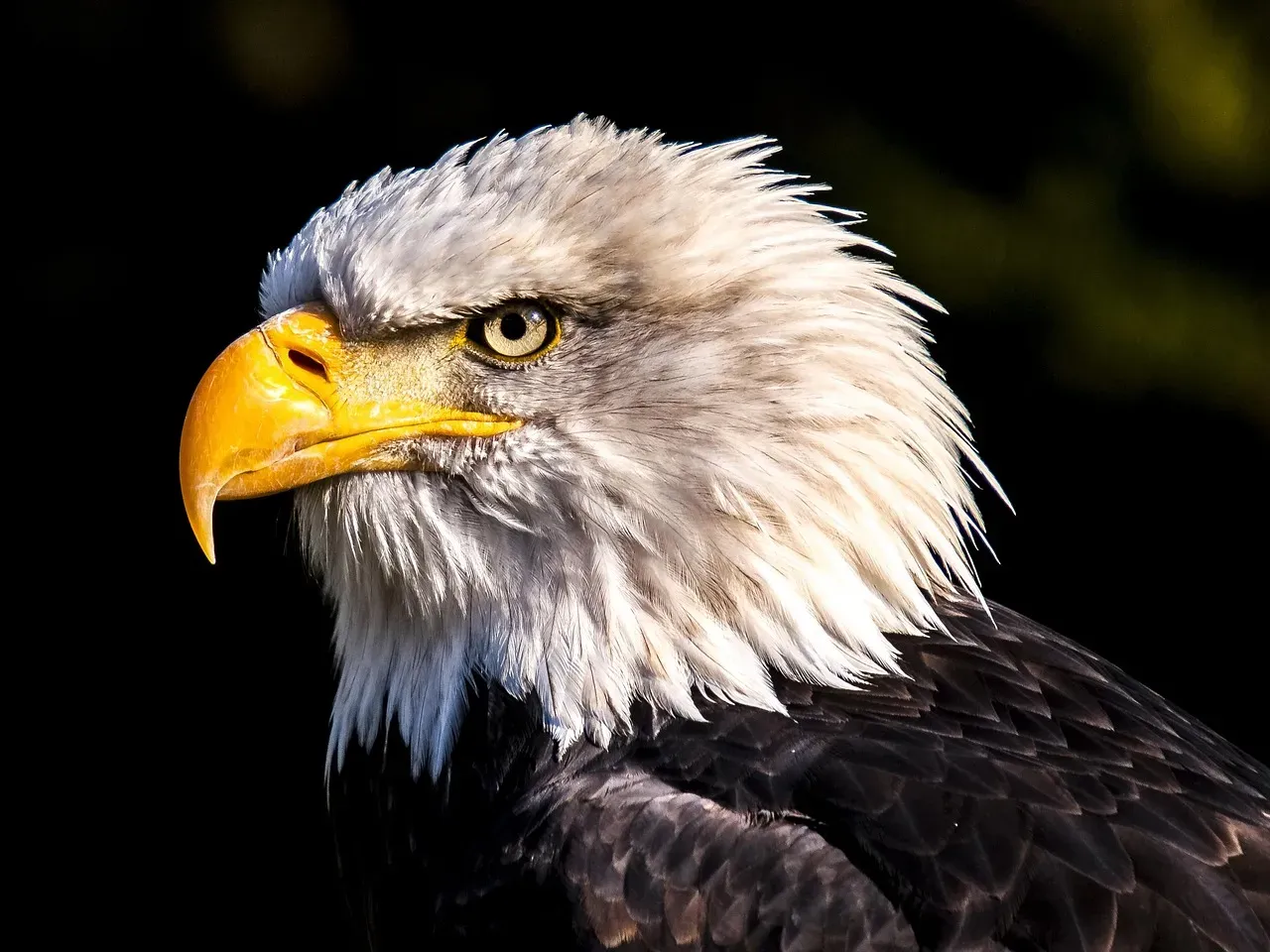
According to scientists from the U.S. Fish and Wildlife Service’s Migratory Bird Program, the bald eagle population climbed to an estimated 316,700 individual bald eagles in the lower 48 states, indicating the bald eagle population has continued to increase rapidly since the previous survey.
The bald eagle population has climbed to an estimated 316,700 individual bald eagles, including 71,400 nesting pairs. This estimate indicates that the bald eagle population has quadrupled since the last set of data was collected in 2009. That kind of growth, sustained across decades and across dramatically different regional landscapes, speaks to how broadly the species has re-established itself.
By 2007 the number of nesting pairs had grown to 10,000, which prompted the removal of the bald eagle from the Endangered Species list. That milestone was significant, but the numbers kept climbing well beyond what the delisting suggested was possible.
From 1966 to 2015 bald eagle numbers increased substantially throughout their winter and breeding ranges, and as of 2018 the species nests in every continental state and province in the United States and Canada. That is a geographic reach that would have seemed impossible to wildlife biologists working in the 1970s.
State by State: Where the Eagles Are Thriving Most
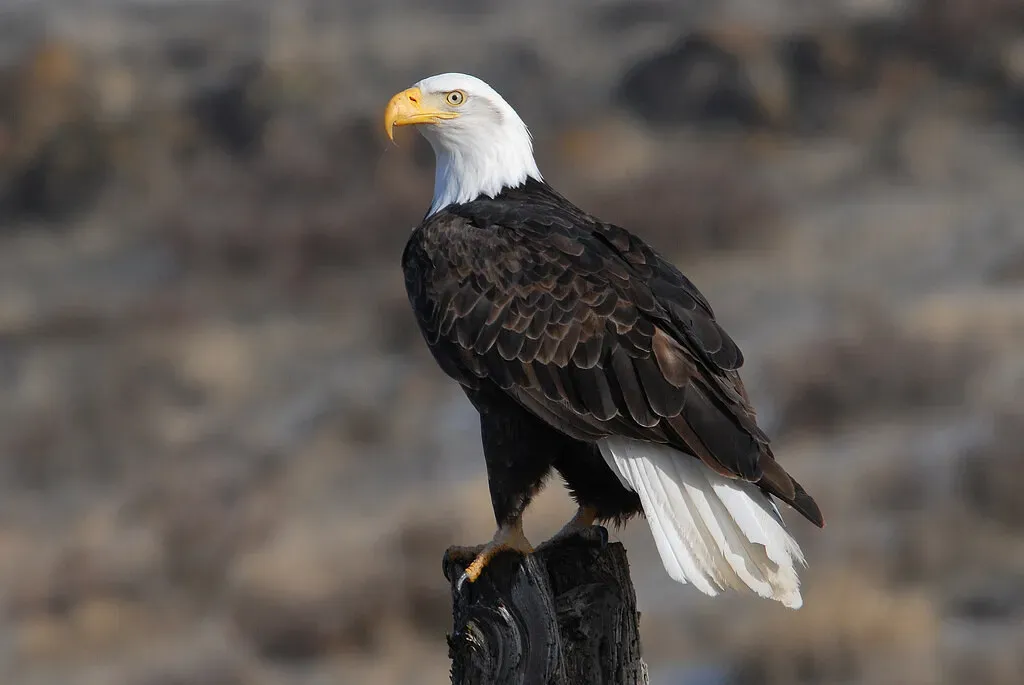
Alaska leads the pack with an estimated population of around 30,000 bald eagles, making it one of the prime habitats for these iconic birds. Minnesota follows closely behind with approximately 9,800 bald eagles, showcasing the species’ thriving presence in the region.
In states like Florida and Wisconsin, bald eagle populations have rebounded impressively, with around 1,500 individuals in each state. Some of the most striking regional stories come from places where the birds had almost completely disappeared. In 2025, the Maryland Bird Conservation Partnership estimates there are over 1,400 breeding pairs in Maryland. In 1985, that same state had only 62 breeding pairs.
In central interior California, the known bald eagle population increased by an annual average of 19% from four known nesting pairs in 2011 to 31 pairs in 2024. Further northeast, recovery has been equally striking. By 2025, New Hampshire reached a new high of 128 nesting pairs statewide, and Vermont was up to 38, with most of those along the Connecticut River.
In Colorado, after dwindling to three or four nests in the 1970s, there are now estimated to be over 300 nests across the state. Iowa tells a similar story. After the 2025 nesting season, Iowa had 832 active bald eagle territories. These are not isolated pockets of recovery. They represent a truly continental-scale resurgence.
What Made the Comeback Work
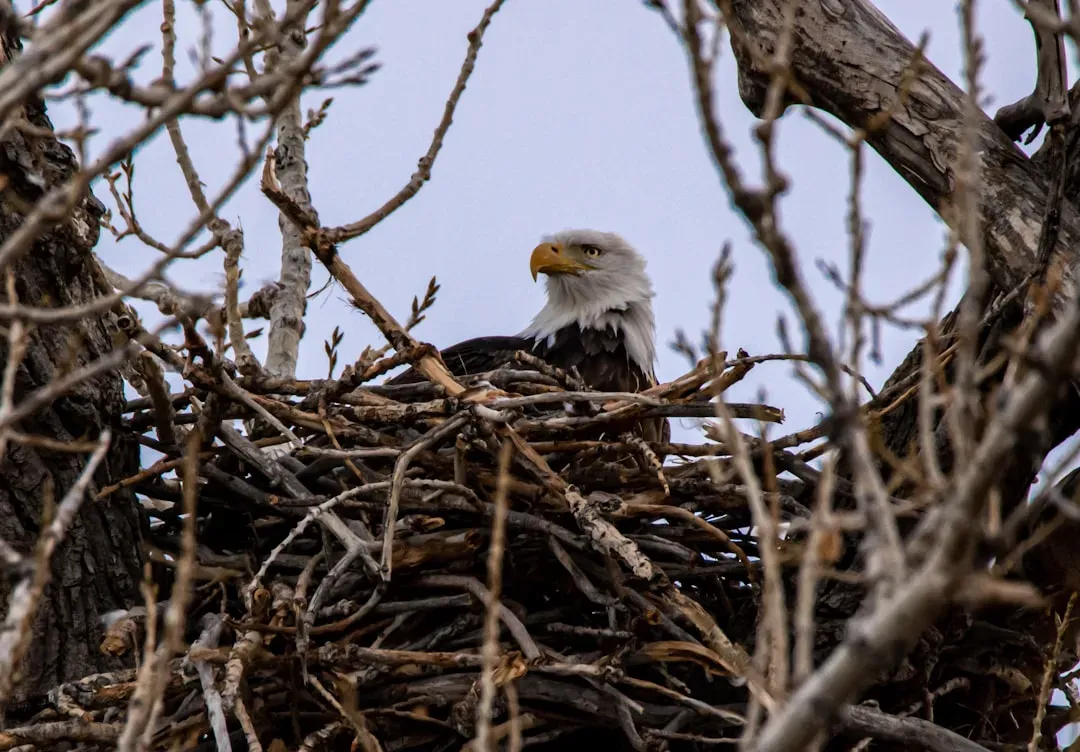
Thanks to legal protections, captive-breeding programs, and habitat protection around nests, the bald eagle population rebounded. Removing the core chemical threat was essential, but it was never sufficient on its own. Active management filled in the gaps that legislation alone couldn’t address.
Approximately 15 states have released bald eagles from artificial nests in hack towers to restore natural nesting. The principle behind eagle hacking programs is that eagles tend to return within approximately 75 miles of their maiden flights to nest after they reach sexual maturity at 4 to 5 years of age.
The Chesapeake Bay Protection Act of 1984 established protections for “critical areas” within 1,000 feet of tidal waters, which safeguarded bald eagle nest sites from development and disturbances. That kind of targeted, habitat-focused legislation gave nesting pairs the stability they needed to raise young successfully year after year.
Biologists explain that saving the bald eagle was far less a great feat of human intervention in nature than it was a matter of getting humans out of the way and allowing nature to function as it should. There is something quietly profound in that assessment. Sometimes conservation is less about action and more about restraint.
The Threats That Remain
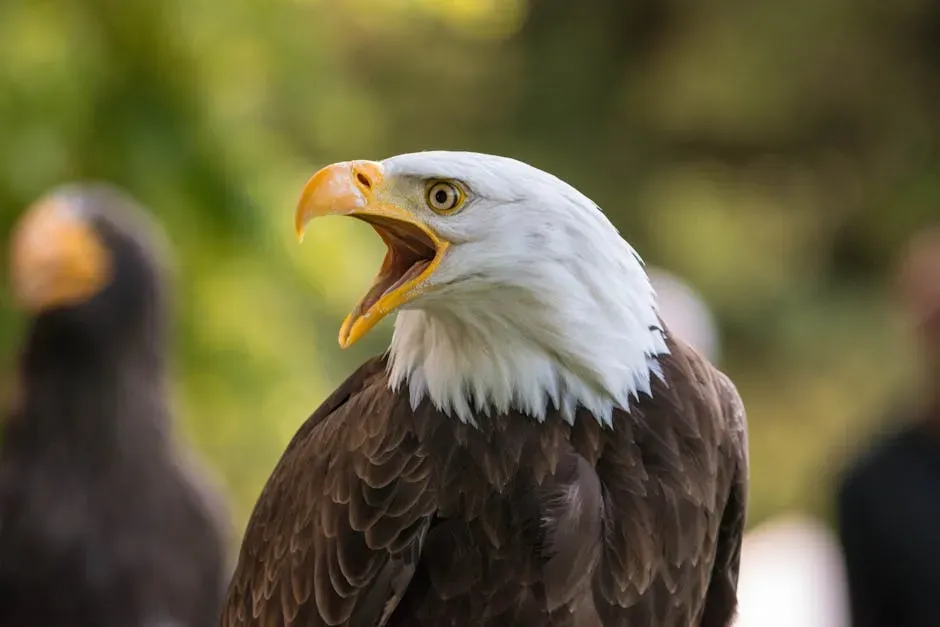
Recovery is real, well-documented, and worth celebrating. It hasn’t, however, eliminated every danger the species faces. Illegal shooting and lead poisoning are among the primary threats to bald eagles. Habitat loss, power line electrocution, and collisions with vehicles and structures also play a role in eagle deaths.
Lead poisoning in particular has emerged as a serious, ongoing concern. A study partially funded by the Bald Eagle Research Grant revealed that 47% of bald eagles and 46% of golden eagles had signs of chronic lead poisoning, which is the result of repeated lead exposure. Lead poisoning typically occurs when an eagle eats lead ammunition fragments lodged inside an animal carcass or in gut piles left behind when game is dressed in the field.
Poisoning at the levels found in the study is causing population growth rates to slow for bald eagles by 3.8 percent annually. That’s a quiet but measurable drag on a population that has otherwise been one of conservation’s greatest success stories. A lead fragment the size of a grain of rice is lethal to a mature bald eagle, and the deadly metal accumulates in an eagle’s system over the course of their lives, meaning that there is no safe amount of lead exposure.
As both eagle and human populations expand, competition for natural habitat is intensifying, pushing more eagles inland in search of suitable nesting sites. This shift has brought them closer to roads and highways, where they increasingly scavenge on roadkill. These are new pressures shaped by a changing landscape, and they require updated thinking in how we protect these birds going forward.
Conclusion: A Story Still Being Written
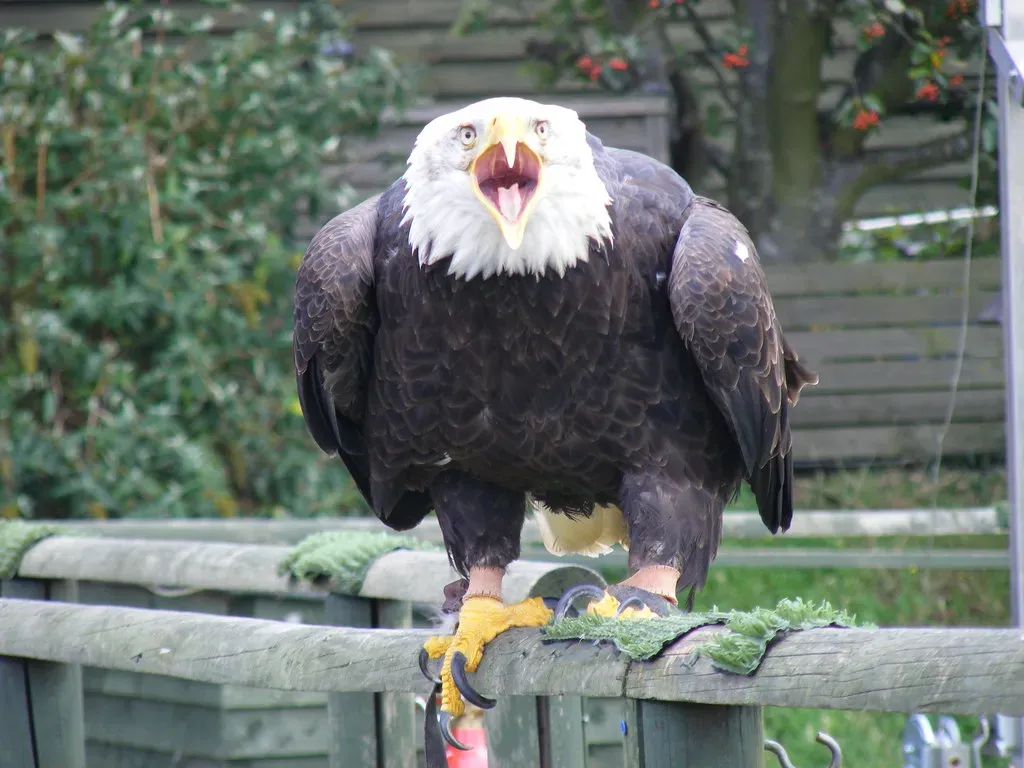
The bald eagle’s recovery is, by any measure, one of the most compelling wildlife conservation stories the United States has produced. Despite concerning trends across broader bird populations, the recovery of certain species emphasizes that conservation efforts can succeed when adequately supported. The eagle stands as living proof of that.
The 2025 State of the Birds report highlights the economic significance and well-being benefits of bird watching as additional reasons to support conservation efforts, noting that encounters with birds have proven beneficial for human well-being, including reducing stress, anxiety, and depressive symptoms. The eagle’s return isn’t just an ecological victory. It resonates personally for millions of Americans who simply look up and feel something when they see one.
The real lesson here isn’t just about eagles. It’s about what becomes possible when the right pressures are removed and the right protections are put in place. The bird that once vanished from most of its range now nests in every continental state. That fact, more than any statistic, is worth holding onto.
