
Nature has had roughly 500 million years to solve one basic problem: how do you stay alive when everything around you wants to eat you? The solutions it has come up with range from the clever to the genuinely disturbing. Some animals rely on speed or strength, sure. Others have taken a very different path.
Over millions of years, evolution has produced a vast range of defense strategies, from camouflage and armor to venom and escape tactics. Yet those widely known adaptations are really just the basics. A stranger side of nature exists, one filled with defenses so unusual they almost seem made up. What follows are ten real, verified examples that prove survival pressure can push biology into genuinely bizarre territory.
The Hairy Frog That Breaks Its Own Bones
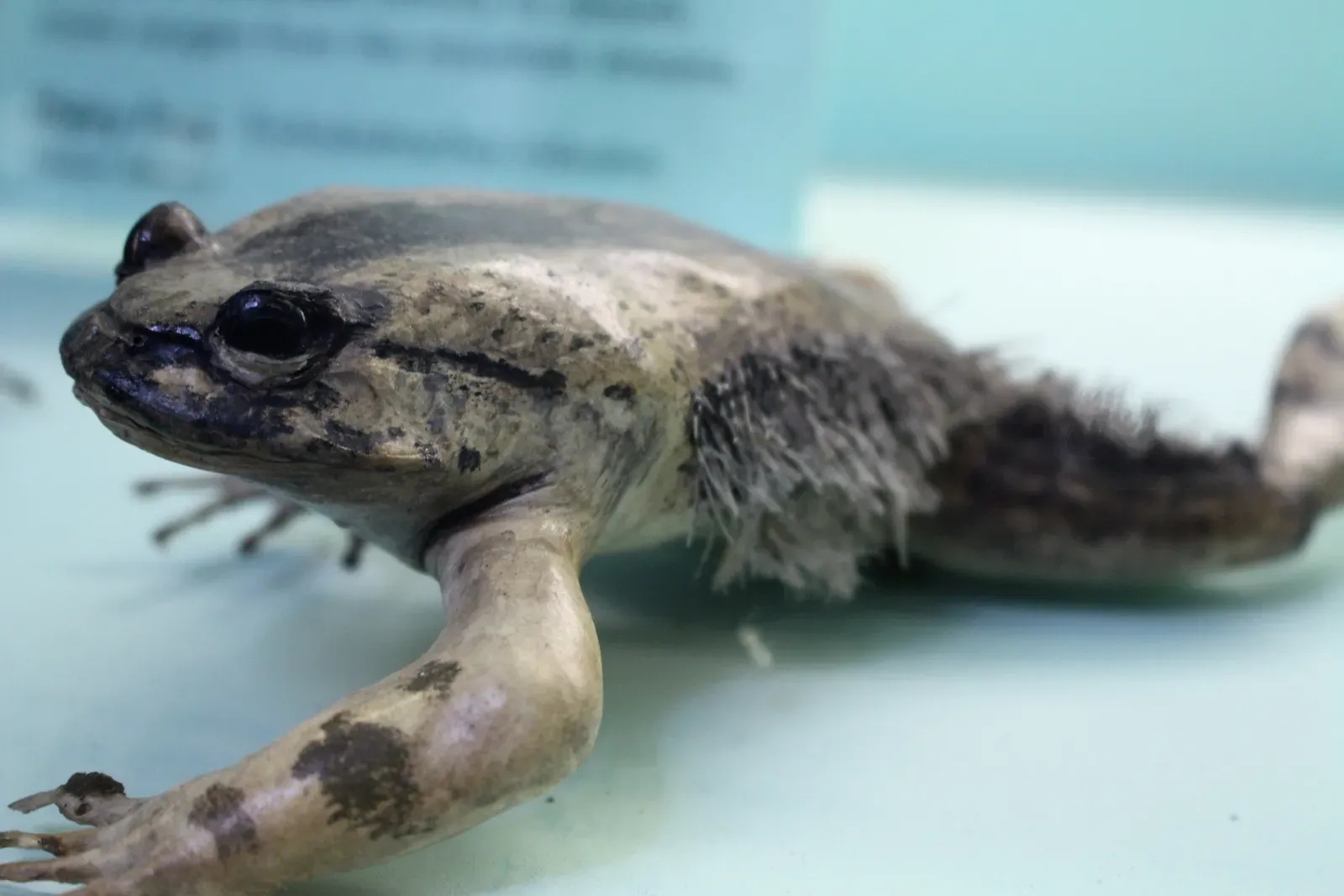
Of all the entries on this list, the hairy frog might be the most unsettling. Native to Central Africa, this amphibian intentionally breaks its own toe bones when threatened, pushing them through its skin to create sharp, functional claws. It essentially gives itself puncture wounds on purpose as a defense strategy.
Sometimes called wolverine frogs, these animals create their own weapons using their bones. When threatened, they crack their own finger bones and poke them through the skin to use defensively like claws, thanks to a special arrangement of muscles in their hind feet.
What remains unclear to scientists is whether the claw retracts once it has pierced through the skin, meaning the frog may simply have to heal over again after every confrontation. That’s a steep price for self-defense, but apparently one worth paying.
The Sea Cucumber That Ejects Its Own Organs
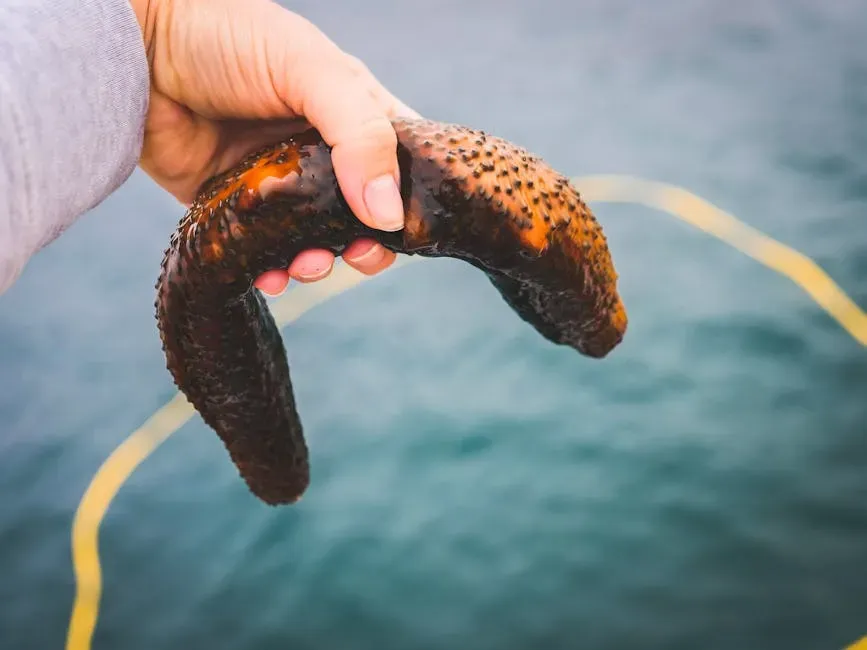
Sea cucumbers take the concept of sacrificing a part to save the whole to extreme levels. When threatened, certain species violently contract their body muscles and forcibly expel their internal organs through their anus or a body wall rupture. These expelled sticky threads, called Cuvierian tubules, can entangle and distract predators while the sea cucumber makes its escape.
Even more remarkably, sea cucumbers can regenerate their entire digestive system and other expelled organs within a few weeks. Some species have also evolved the ability to produce and concentrate potent toxins in their body tissues called holothurins, which can kill fish and other predators in confined spaces.
The regenerative abilities of sea cucumbers have fascinated scientists, particularly in regenerative medicine and tissue engineering. Studies on their capacity to regrow complex organs could eventually lead to advances in human medicine and new treatments for organ damage. It’s a reminder that what looks grotesque in the ocean might one day have real clinical value.
The Mimic Octopus That Impersonates Other Animals
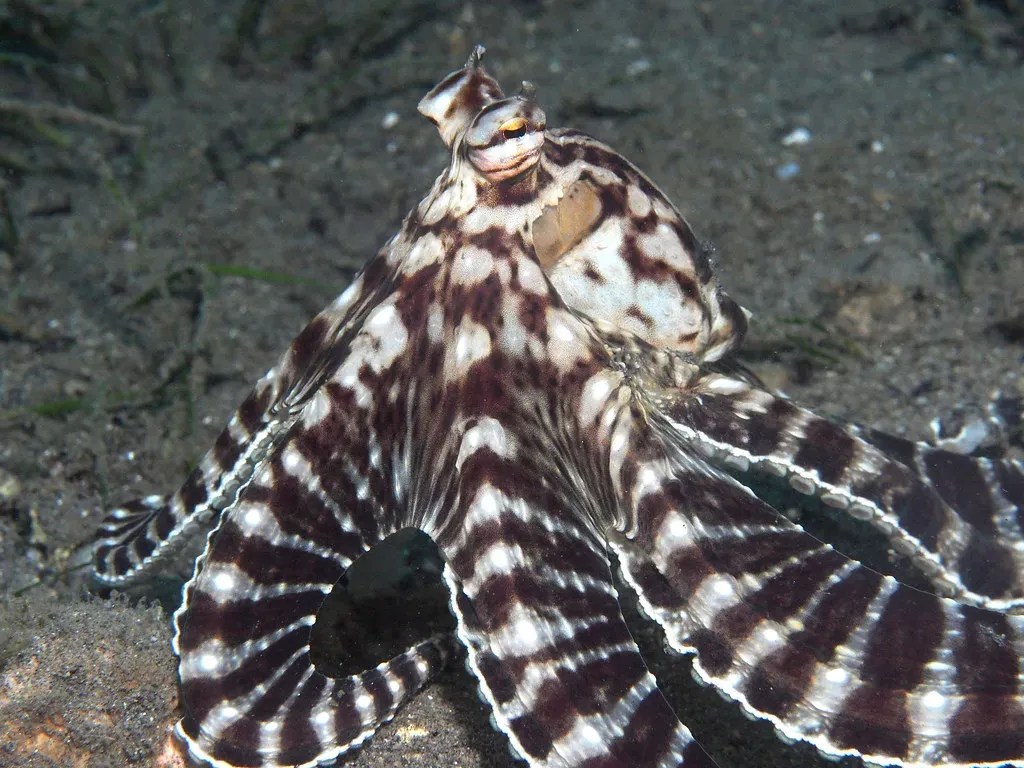
The mimic octopus has an extraordinary defense mechanism: it can mimic the appearance and behavior of more than 15 marine species. It can contort its body to take on the appearance of lionfish, sea snakes, flatfish, and several others. This isn’t just a color change. It’s a full-body performance.
This form of mimicry is not just passive camouflage but an active strategy to confuse or deter predators by imitating species known to be venomous or unpalatable. The mimic octopus achieves this using color-changing cells called chromatophores covering its skin, which it can rapidly expand or contract.
This defense mechanism has intrigued biologists and neuroscientists, leading to ongoing research into the neural mechanisms and cognitive processes behind such complex behavior. For an animal with no skeleton and a lifespan measured in months, that’s a remarkable level of tactical sophistication.
The Bombardier Beetle With a Built-In Chemical Weapon
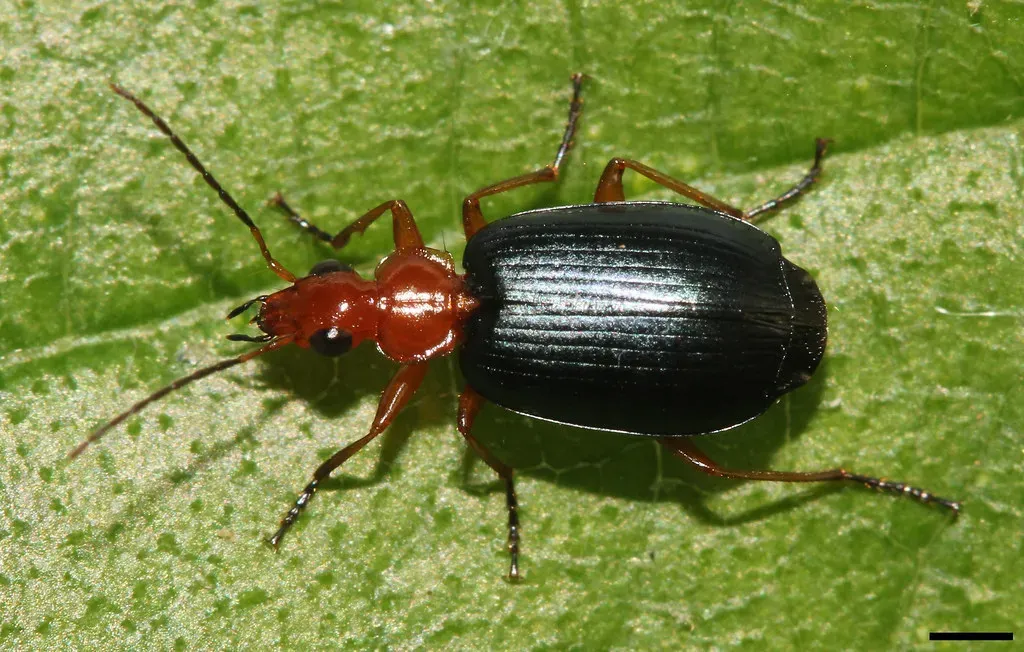
Perhaps one of the most explosive defense mechanisms in nature belongs to the bombardier beetle. When threatened, this insect mixes chemicals from two separate glands in its abdomen, hydroquinones and hydrogen peroxide, with catalytic enzymes. The resulting reaction creates a boiling, caustic liquid that reaches temperatures of 212 degrees Fahrenheit.
There are hundreds of species of bombardier beetles, but they all share the same tactic. They have two chambers in their abdomen, one containing hydroquinone and the other hydrogen peroxide. When threatened, both chemicals are discharged simultaneously, producing intense heat. The resulting liquid is directed at the attacker in a rapid series of pulses.
The precision of this spray is what makes it especially effective. The beetle can aim it with accuracy, and the scalding bursts are enough to make most predators rethink the encounter entirely. It’s essentially a tiny, living flame thrower.
The Texas Horned Lizard That Squirts Blood From Its Eyes
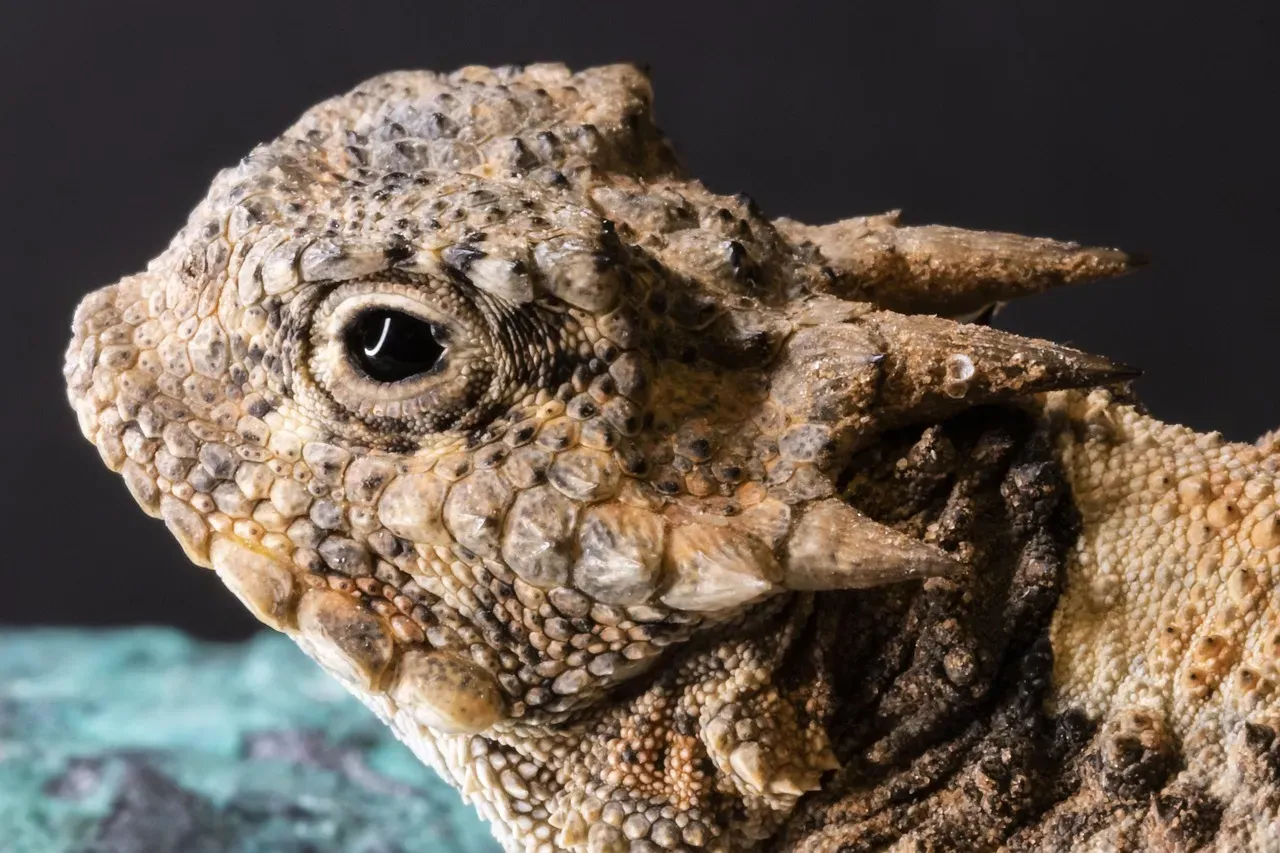
The Texas Horned Lizard is already an intimidating-looking creature. Brown, plump, and perfectly camouflaged in sandy terrain, its first line of defense is its spiky exterior. If that doesn’t work, it squirts a well-aimed stream of blood from its eyes. The stream can travel as far as five feet and is mixed with a foul-tasting chemical that repels predators.
Horned lizards are commonly found across North and Central America in arid and semi-arid habitats, and this ability to shoot blood from their eyes is one of the most distinctive defense mechanisms in the entire animal kingdom. It’s deployed specifically against canids, whose digestive chemistry makes the blood’s chemical compounds especially nauseating.
The lizard restricts blood flow from its head, building up pressure until it can rupture small blood vessels near the eye sockets. It’s physically costly, but it works. Most coyotes and dogs retreat immediately after a face full of it.
The Malaysian Exploding Ant
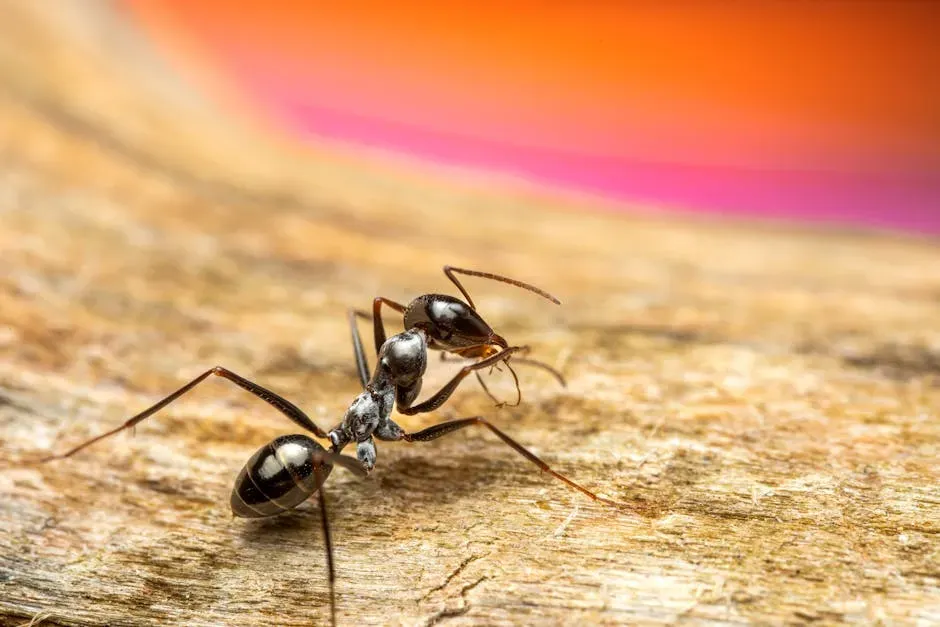
The Malaysian exploding ants have taken collective defense to an extreme. When threatened, workers can contract their abdominal muscles forcefully, rupturing the glands inside to release a sticky, toxic substance onto their attacker. This act of self-sacrifice protects the colony by warding off predators at the cost of the individual ant.
Soldier Malaysian ants have two large poison glands they employ to incapacitate invaders. By violently flexing, the abdomen splits open and the fluid-filled glands burst, spraying the enemy with a sticky, poisonous substance. This ends the soldier ant’s life but can seriously hamper or even kill the attacker.
This defense represents one of the most dramatic examples of altruistic behavior in the animal kingdom. The ants often attack in groups, creating a devastating chemical assault that few predators can withstand. Scientists have identified several unique compounds in the explosive secretion that may even have medicinal applications.
The Hagfish and Its Suffocating Slime
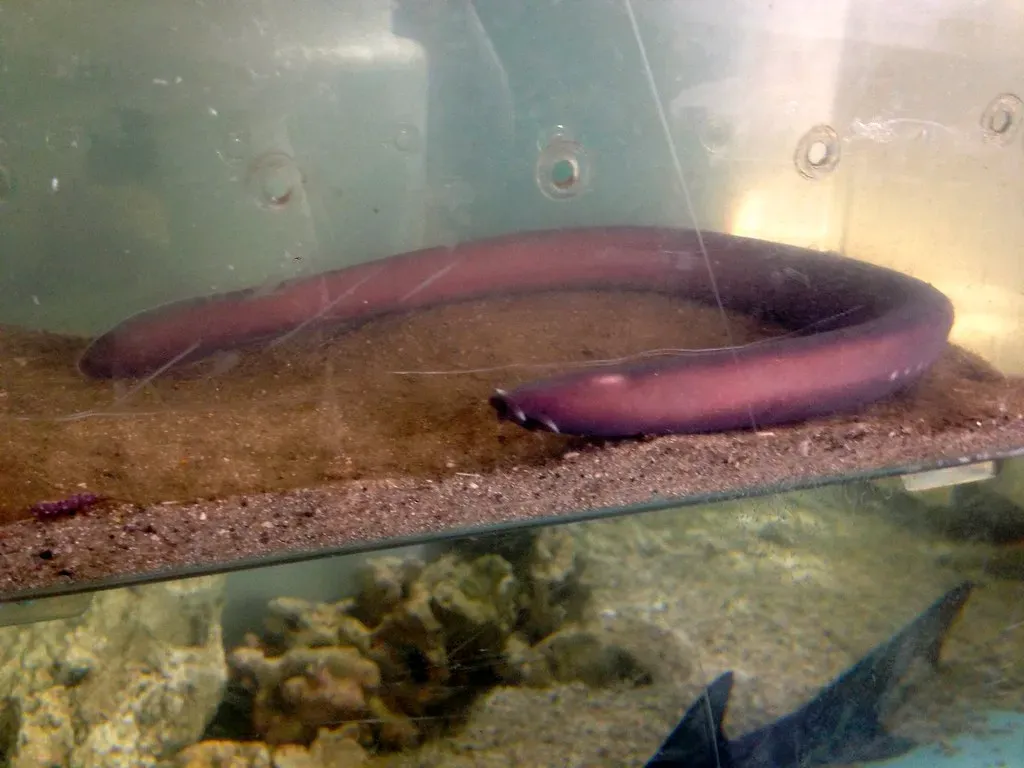
Hagfish are among the oldest living creatures on the planet, having existed for at least 300 million years. They possess a remarkable, if deeply unpleasant, slimy substance they can expel when attacked. Once this substance mixes with water, it expands and can clog and choke an attacking fish’s gills.
Hagfish are eel-shaped marine animals with the incredibly useful ability to slime their enemies. When threatened, they emit slime from their pores that, when mixed with water, expands into a gelatinous goo that can either trap predators or suffocate them by clogging their gills.
The hagfish then has to escape its own slime by tying its body into a knot and scraping the goo off as it slides free. It’s one of the few animals whose defense mechanism requires a cleanup routine. Still, for something that hasn’t changed much in hundreds of millions of years, it clearly works.
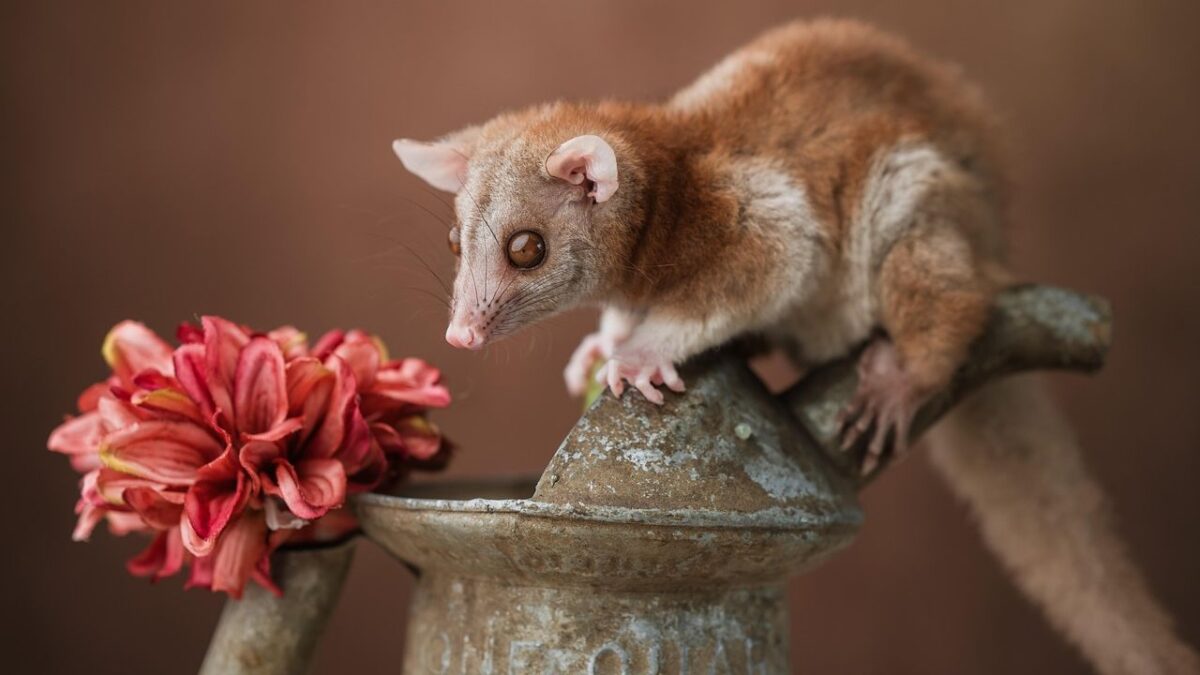
The Opossum’s Involuntary Death Performance
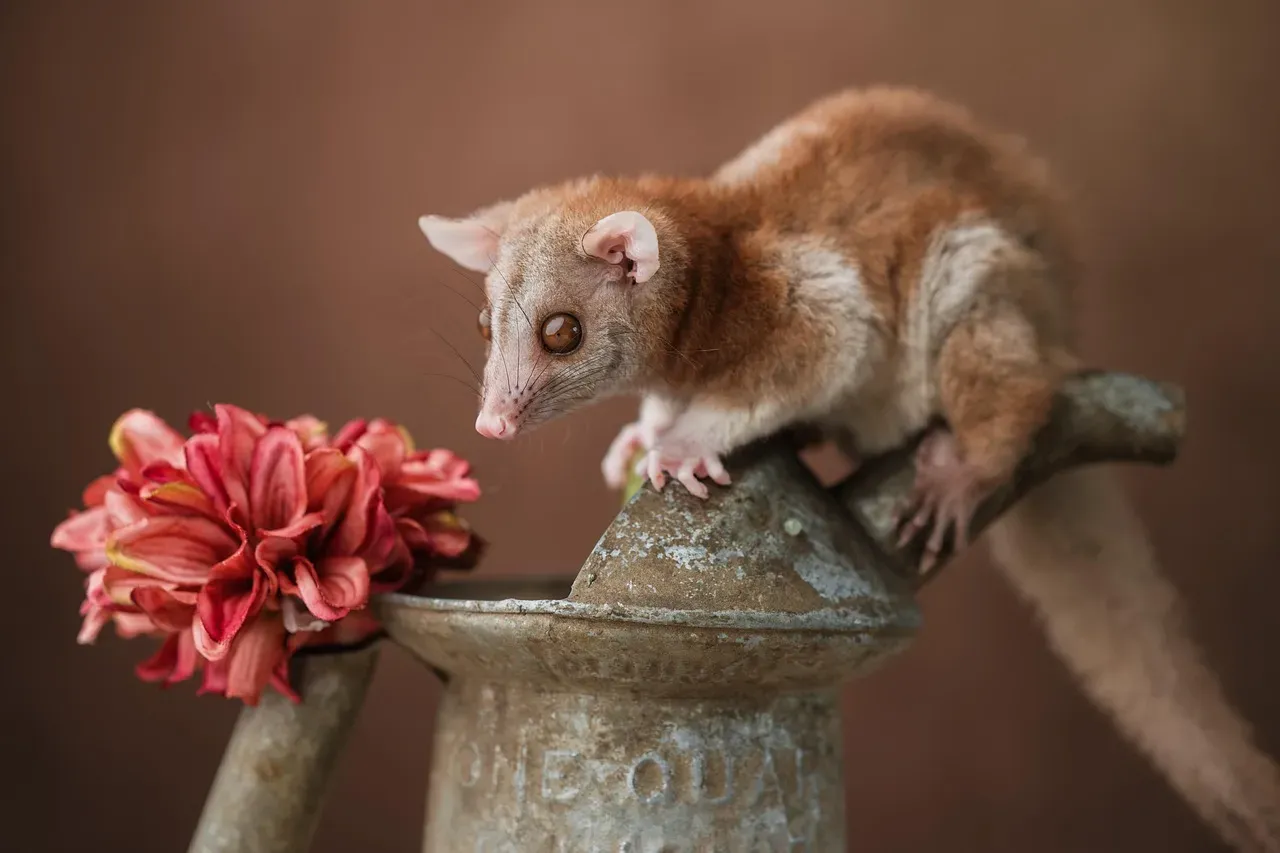
The act commonly called “playing dead” by opossums is not a performance at all. It’s completely involuntary. Under intense fear, opossums fall into a comatose-like state that can last for hours, long enough to convince any predator the animal is already dead. Fear also causes them to emit a corpse-like smell that reinforces the illusion.
When an opossum enters this state, it bares its teeth, foams at the mouth, and secretes a fluid from its anal glands that gives off a foul odor. All of these responses add to the convincing appearance of death, helping to keep predators at bay. The animal can remain in this catatonic state for anywhere from a few minutes to a few hours.
It’s worth noting that the opossum doesn’t choose any of this. Evolution essentially programmed a panic response that looks so convincing even the animal can’t override it. For a creature with relatively few other defenses, that involuntary trick has kept the species going for a very long time.
The Boxer Crab That Wields Living Weapons
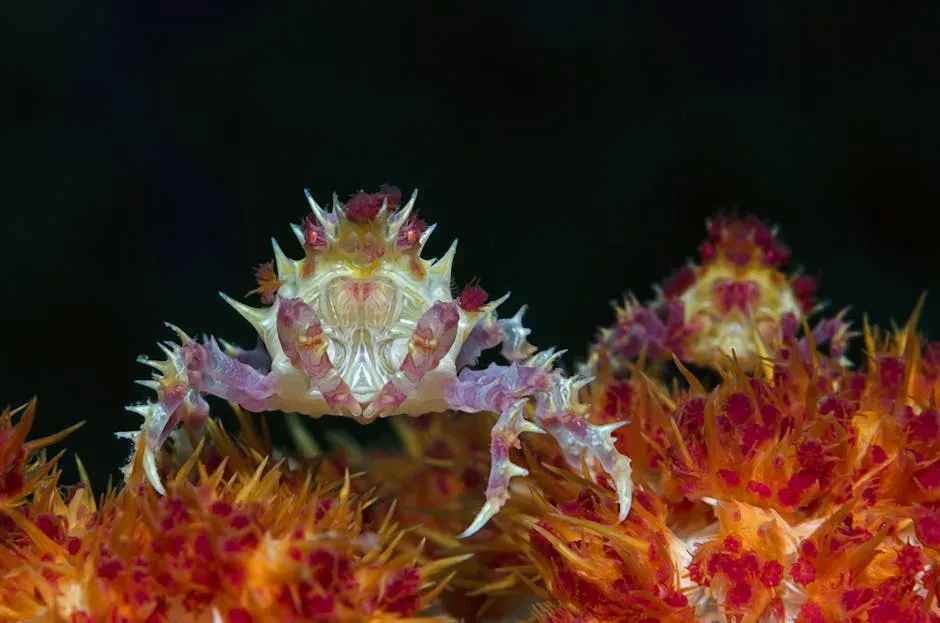
The boxer crab carries venomous sea anemones in each of its claws and waves them at predators. Sea anemones are surrounded by dangerous tentacles covered in stinging cells. By entering into a mutually beneficial relationship, boxer crabs allow anemones to get a free ride on their claws, and in return, the crab gets to use them as poisonous boxing gloves.
If a boxer crab has just one anemone, it will tear it in half to create two smaller ones, which then regrow, effectively farming its own weapons. The anemones benefit from this arrangement by accessing food particles the crab stirs up while moving and feeding.
This mutualistic relationship has evolved to such specificity that certain boxer crab species will only use particular anemone species for their defense. Scientists have observed the crabs waving their anemone-armed claws in a boxing-like motion at threats, demonstrating one of the most sophisticated examples of tool use for defense in invertebrate animals.
The Spanish Ribbed Newt That Weaponizes Its Own Skeleton
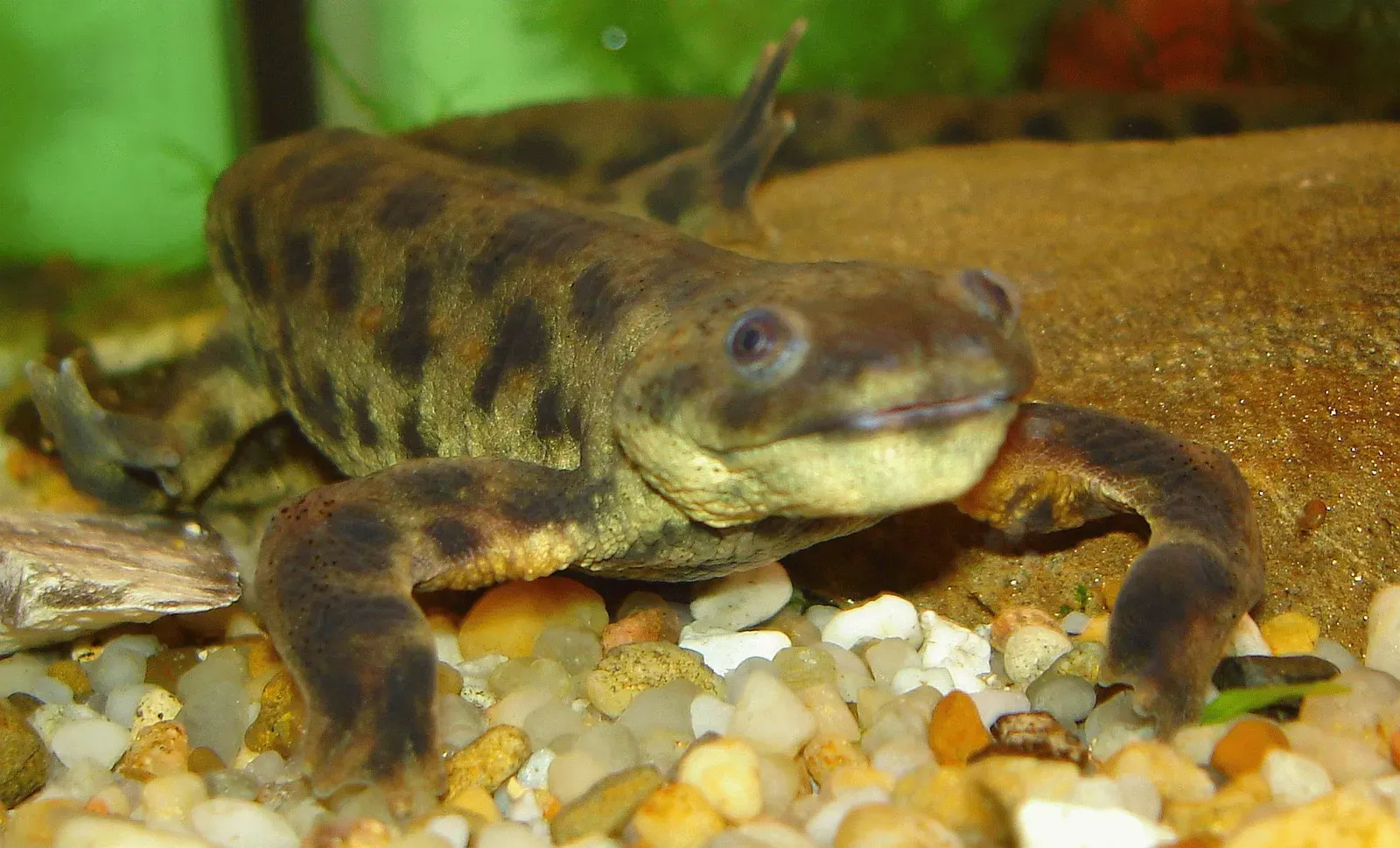
When attacked, the Spanish ribbed newt shifts its ribs forward at an angle and pushes them through its stretched skin, creating a row of spikes on either side of its body. It’s a different approach to the same category as the hairy frog, though the mechanism here involves the ribs rather than the toes.
The newt forces the bones through its own skin every time it is attacked, but the mechanism appears to cause little or no lasting harm to the creature. The skin and tissue apparently heal well enough that this can be repeated across the newt’s lifetime without serious consequence. That level of built-in resilience is almost as remarkable as the defense itself.
This adaptation is sometimes paired with toxic skin secretions, meaning a predator that attempts to bite the newt gets a mouthful of both sharp ribs and chemical irritants. The combination makes the Spanish ribbed newt genuinely dangerous to attack, despite being a small, slow amphibian by most measures.
Conclusion: Survival Has No Rulebook
What connects all ten of these animals is a simple, uncomfortable truth: when survival is on the line, evolution doesn’t care about elegance. These bizarre defenses aren’t random oddities. They are finely tuned survival techniques formed over millions of years by specific predators and harsh environments.
The remarkable defense mechanisms these creatures demonstrate show the extraordinary creativity of evolutionary processes. From chemical warfare to physical adaptations and behavioral tricks, animals have developed astonishing strategies to survive. What makes these defenses particularly fascinating is how they often represent trade-offs, as the hagfish must clean itself of its own slime, and the exploding ant sacrifices its life entirely.
There’s something worth sitting with in all of this. Every one of these creatures, from the self-eviscerating sea cucumber to the bone-breaking frog, arrived at its strategy through pressure, time, and chance. No design committee. No blueprint. Just an arms race between predator and prey that, over enough generations, can produce outcomes that no one would have predicted. That, perhaps more than any individual mechanism, is the most astonishing part of the story.
