
The desert is not a place most creatures could call home. The biological processes of animal tissue can function only within a relatively narrow temperature range, and when that range is exceeded, the animal dies. For four or five months of the year, daily temperatures in the desert may actually exceed that range. It’s an environment that should, by all logic, be mostly empty.
Yet it isn’t. Beneath the searing sun and across landscapes that shimmer with heat, an astonishing array of creatures endures, in a world of scarcity where temperatures soar beyond the limits of most life and water is extraordinarily rare. What these animals have quietly evolved over millennia is nothing short of remarkable, a collection of tricks, tools, and biological workarounds that continue to surprise researchers even today.
Masters of Timing: The Art of Avoiding the Sun Altogether
The most fundamental desert survival strategy isn’t about tolerating heat. It’s about avoiding it entirely. The primary strategy for dealing with high desert temperatures is avoidance: many mammals simply sidestep the high daytime temperatures by being nocturnal or crepuscular, meaning they’re active at dusk or dawn.
Many animals, especially mammals and reptiles, are crepuscular, active only at dusk and again at dawn. For this reason, humans rarely encounter rattlesnakes and Gila monsters. Many animals are completely nocturnal, restricting all their activities to the cooler temperatures of the night. Bats, many snakes, most rodents, and some larger mammals like foxes and skunks sleep in a cool den, cave, or burrow by day.
The Northwest African cheetah, a rare and critically endangered subspecies found in the Sahara’s grasslands, has a pale coat with faint spots that provides camouflage in the arid landscape. It hunts mainly at night to avoid the extreme daytime heat, and preys on small to medium-sized ungulates like antelopes and hares, using their blood as a hydration source rather than seeking water directly. It’s an elegant workaround, solving two problems with one strategy.
Many birds are active primarily at dawn and within a few hours of sunset, retiring to a cool, shady spot for the remainder of the day. Some birds, such as the kingbird, continue activity throughout the day but always perch in the shade. Even the animals that venture out in daylight have learned to carve out the coolest possible pockets within a hostile environment.
Built-In Radiators: How Body Design Beats the Heat
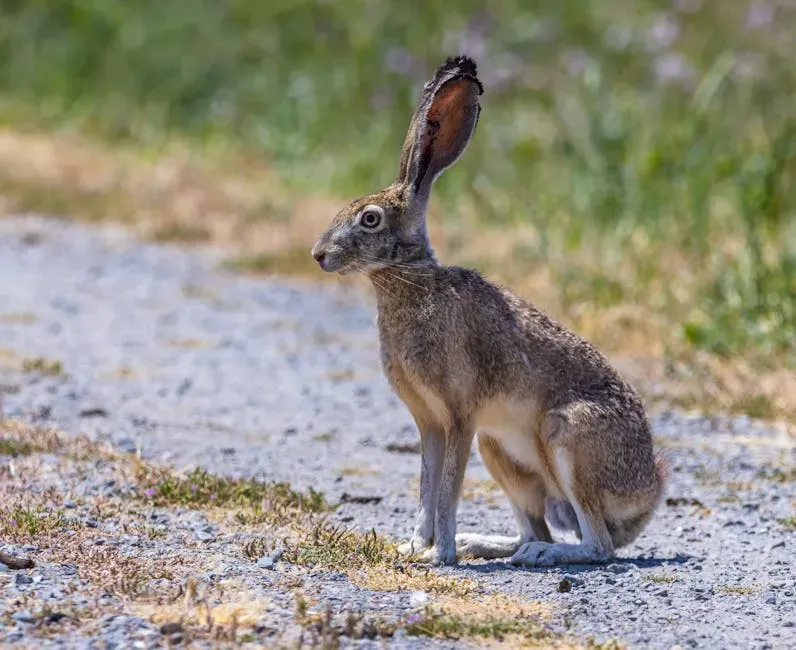
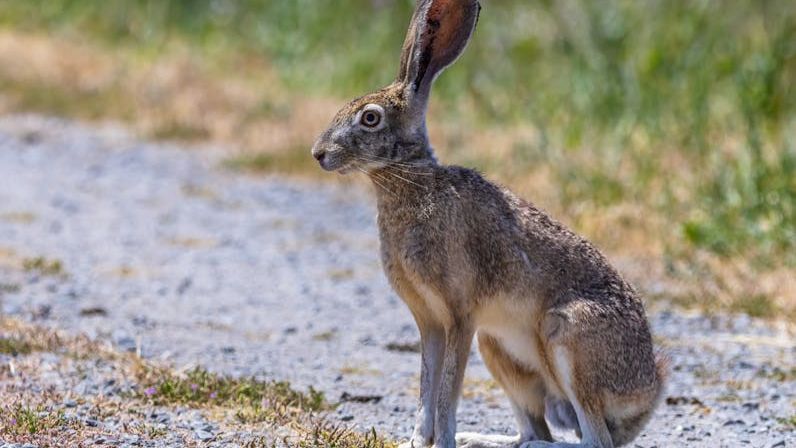
Many desert mammals have evolved long appendages to dissipate body heat into their environment. The enormous ears of jackrabbits, filled with many blood vessels, release heat when the animal is resting in a cool, shady location. Their relatives in cooler regions have much shorter ears. It’s a deceptively simple solution hidden in plain sight.
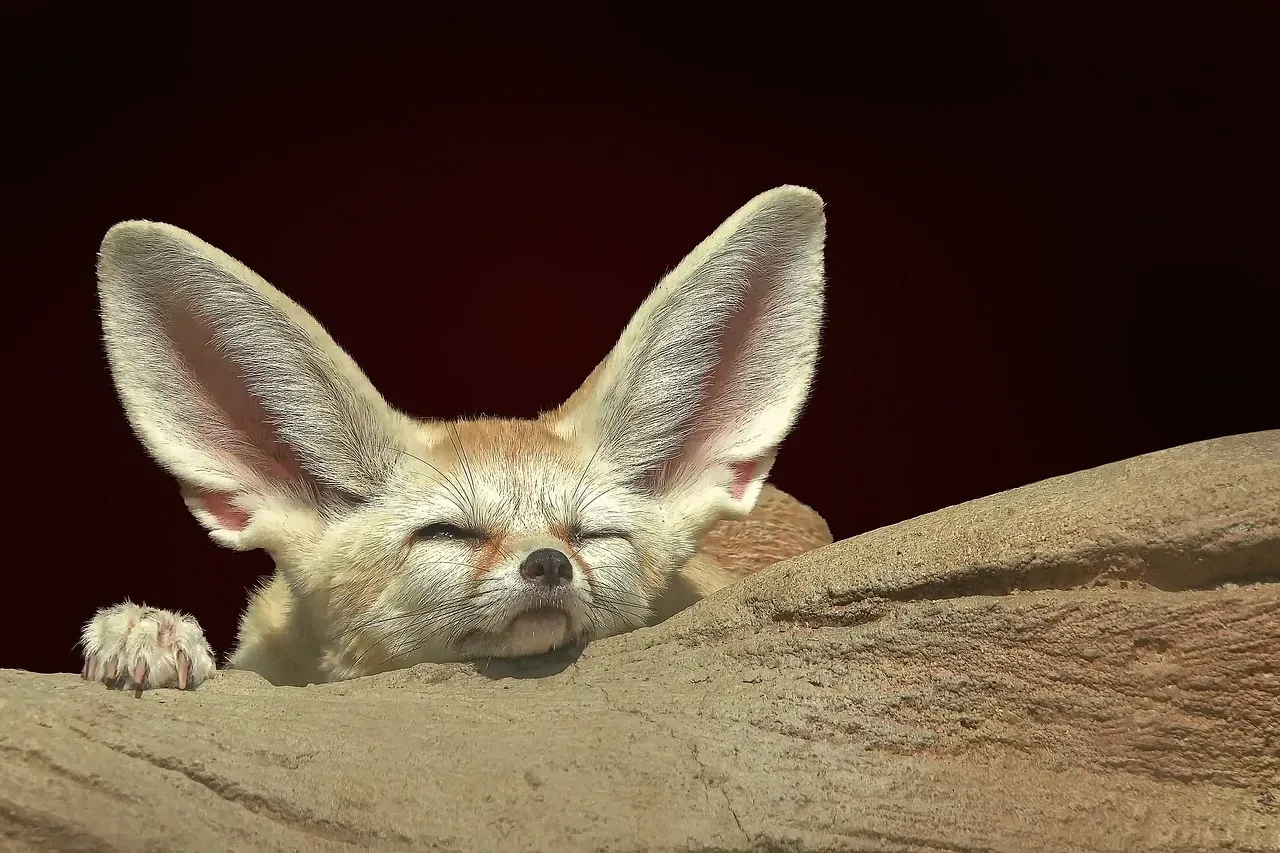
Fennec foxes dissipate heat through their oversized ears, and their light-colored fur reflects sunlight to reduce heat absorption. Large ears are more than just endearing features; they act as high-performance cooling systems. Species like the Greater Bilby rely on their oversized ears as radiators, with blood flowing close to the thin skin of the ear, releasing heat to the surrounding environment.
Many desert animals are paler than their relatives in more moderate environments. Pale colors may appear in feathers, fur, scales, or skin, and they not only help the animal take in less heat from the environment but also make it less conspicuous to predators in the bright, pallid surroundings.
New World vultures, such as turkey and black vultures, are dark in color and absorb considerable heat in the desert. To compensate, they excrete urine on their legs, cooling them by evaporation and circulating the cooled blood back through the body. This behavior, called urohydrosis, is shared with storks. Both vultures and storks may also escape the hot midday temperatures by soaring high on thermals of cooler air. Nature, it turns out, has no shortage of creative workarounds.
Underground Engineers: The Power of the Burrow
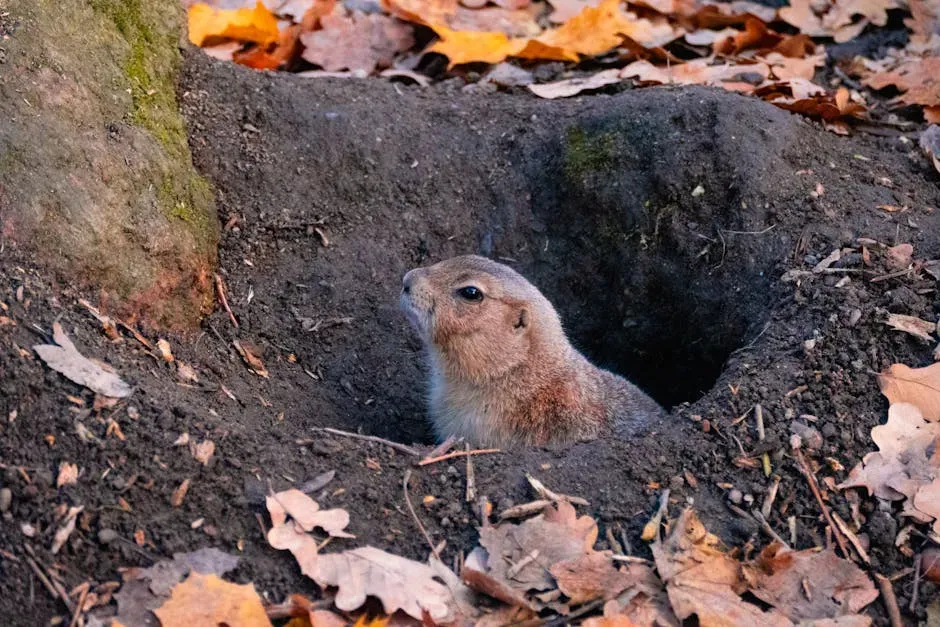
During the heat of the day, many reptiles take shelter underground. Burrows and crevices retain cooler air, often up to 15 degrees Celsius lower than surface temperatures. By emerging during the cooler mornings and late afternoons, reptiles carefully balance the need for thermoregulation with the search for food.
Certain desert mammals, such as kangaroo rats, live in underground dens that they seal off to block out midday heat and to recycle the moisture from their own breathing. These ingenious rodents also have specialized kidneys with extra microscopic tubules to extract most of the water from their urine and return it to the bloodstream. Much of the moisture that would be exhaled in breathing is also recaptured in the nasal cavities by specialized organs.
The kit fox is a notable exception among larger desert mammals. Unlike any other North American canid, the kit fox uses burrows year-round. Burrows help it thrive in hot, dry desert valleys, an environment that proves too challenging for other canids.
Gila monsters, tarantulas, and desert tortoises make their homes under the sand or soil, where it is cooler. The Gila Monster spends most of its life underground and can go months between meals by living off fat stored in its tail, a handy survival trick during the dry season in its Sonoran Desert habitat. Going underground isn’t retreating. For these animals, it’s winning.
Water From Thin Air: Extraordinary Ways to Stay Hydrated
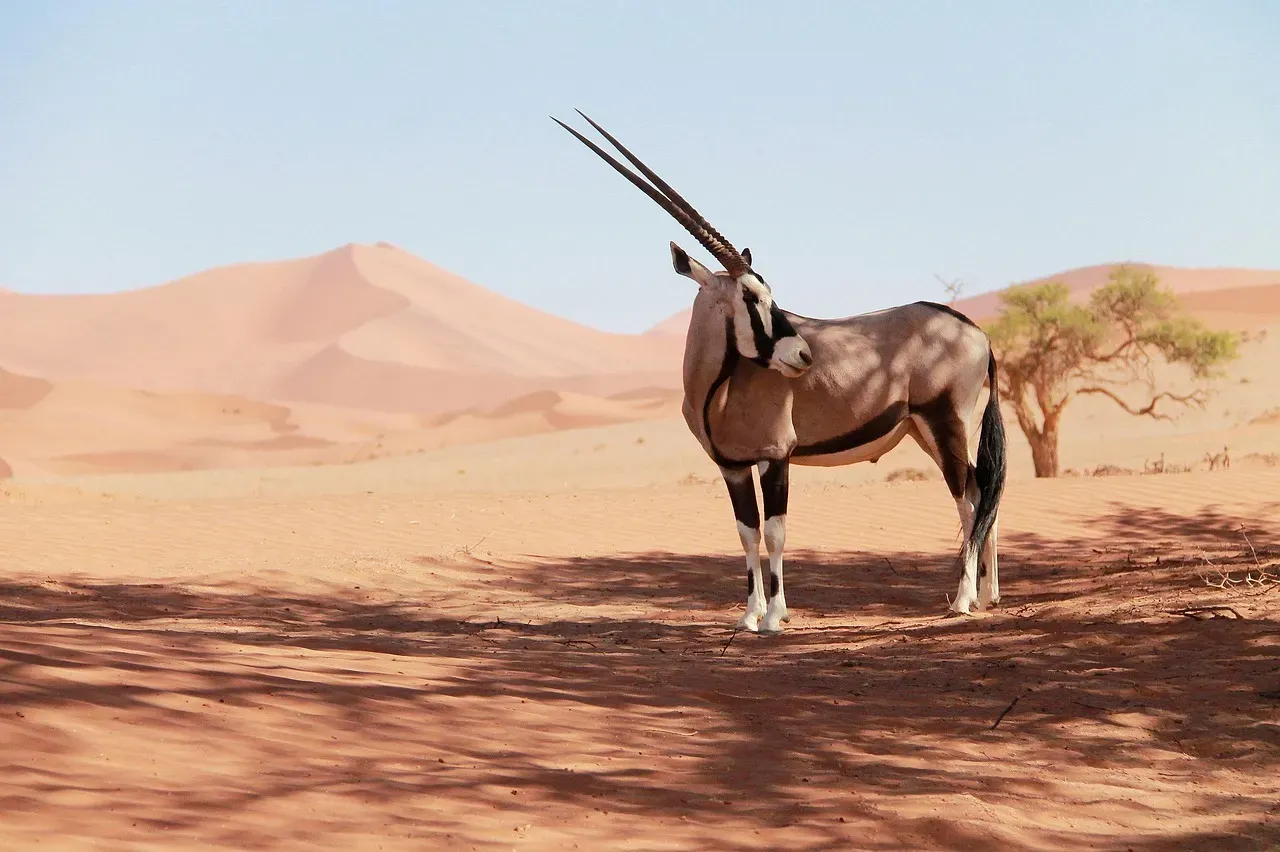
Many desert species have evolved physiological mechanisms to extract and retain every drop of moisture from food and minimal rainfall. The challenge of finding water in a landscape that barely receives any is, arguably, the defining problem of desert survival.
Kangaroo rats have kidneys that concentrate urine to extraordinary levels, extracting up to roughly nine-tenths of available water from dry seeds, and can survive without direct water intake for months. They actually manufacture their water metabolically from the digestion of dry seeds. These highly specialized desert mammals will not drink water even when it is given to them in captivity. That’s not stubbornness. That’s biology at its most refined.
The thorny devil, a small desert lizard, has a network of microscopic grooves in its skin that act like capillary channels, transporting dew or rainfall across its body and funneling it directly into its mouth. This allows the animal to drink without seeking open water, a crucial advantage in regions where free-standing water may be absent for months.
The Namib Desert in Africa has very little fresh water, but due to its proximity to the sea, it receives a daily dose of fog in the cool early morning hours. Fogstand beetles have learned to stand still and let the fog condense on their bodies in the form of water droplets, which they then drink. It’s a reminder that in the desert, survival often comes down to noticing what others miss.
Estivation, Skin, and the Science of Slowing Down
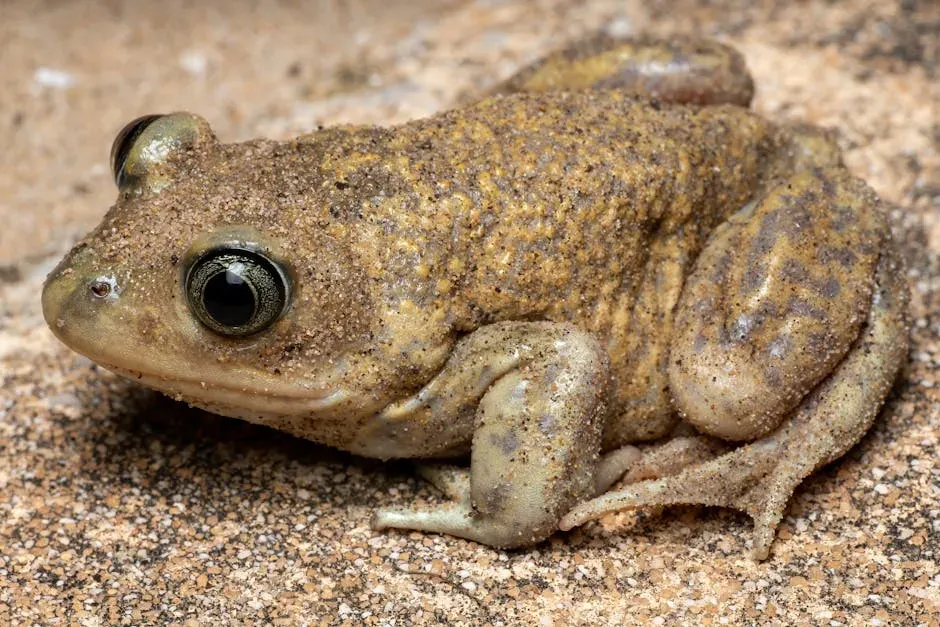
The spadefoot toad is a remarkable adaptable species found in deserts across the world. These amphibians have unique spade-shaped feet that allow them to dig deep into sand and soil in search of food and water. Spadefoot toads can also go into a state of suspended animation for extended periods, allowing them to conserve energy when water or food resources are scarce.
The Eastern Water-holding Frog remains dormant underground during hotter months, sealed in a protective cocoon of its own mucus. By retreating below the surface during the hottest, driest months, it conserves water and energy, an essential adaptation for surviving arid and unpredictable climates. The strategy has a faintly surreal quality to it, surviving summer by essentially sleeping through the worst of it.
Many desert reptiles have specialized skin that helps reduce water loss. Their scales are highly impermeable, minimizing the amount of water that evaporates from their bodies. Mammals inhabiting deserts show remarkable adaptive traits that have evolved repeatedly and independently in different species across the globe, in response to similar selective pressures of extreme temperatures, aridity, and water and food deprivation.
The desert is a crucible of evolution, an arena where natural selection operates with brutal efficiency. Mutations and traits that confer even marginal advantages in heat resistance or water conservation can mean the difference between extinction and expansion. Each strategy, whether biochemical, behavioral, or structural, represents millions of years of trial and error compressed into a body perfectly calibrated for one of Earth’s most punishing environments.
Conclusion
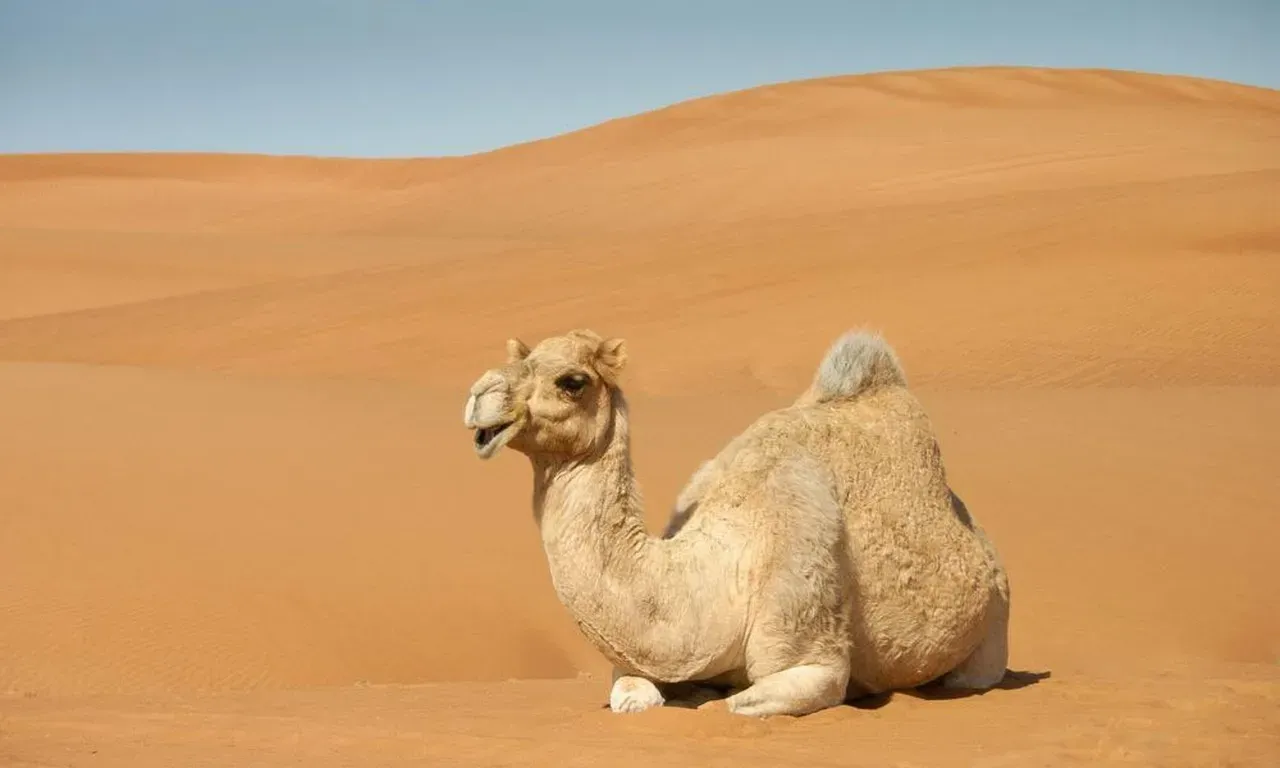
Desert animals don’t simply endure the heat. They’ve reshaped themselves around it, tuning their bodies and behaviors over vast stretches of time into systems that are, in many ways, more sophisticated than anything human engineering has yet replicated. Biomimicry is beginning to apply these adaptations for human benefit, with camel-inspired nasal cooling improving HVAC systems, among other innovations. Studying these adaptations not only highlights nature’s ingenuity but also inspires advances in engineering, medicine, and environmental management for harsh climates.
As summers grow hotter and more unpredictable, these adaptations become even more essential. For many species, survival hinges on both their natural coping mechanisms and the availability of intact, complex habitat that provides shade and cool refuges. The pressure isn’t easing. If anything, it’s intensifying.
What these creatures ultimately teach us is that life is far more flexible than it appears. The desert looks empty from a distance. Up close, it’s full of answers.
