

Most dog owners have been there. Your well-behaved companion starts chewing the furniture, barking at nothing, snapping without warning, or suddenly having accidents in the house. It’s frustrating, confusing, and often feels personal. Like they’re doing it on purpose.
Dogs don’t act out simply to be difficult or spiteful. Their behavioral changes often stem from underlying issues that require careful attention and understanding. The behavior you’re seeing is usually a message, and decoding it makes all the difference between a quick fix and a long, exhausting cycle of scolding and confusion.
Research out of Texas A&M found that more than 99% of dogs in the United States show behaviors that are potentially problematic, with the top categories being separation and attachment behaviors, aggression, and fear and anxiety. So if your dog is struggling, you’re not alone, and your dog is not broken.
1. Hidden Physical Pain or an Underlying Health Problem

This is one of the most overlooked explanations, and arguably the most important one to rule out first. Health problems cause behavior issues more often than people realize. Think about it: if you’re not feeling well, you’re probably going to be cranky or not yourself. Your dog is the same way, except a dog doesn’t have words to tell you.
Health issues that can change your dog’s behavior include arthritis, hip dysplasia, luxating patellas, sore teeth, thyroid problems, epilepsy, ear infections, digestive issues, skin or environmental allergies, yeast infections, hearing loss, eyesight loss, and cancer.
Physical pain is one of the most commonly overlooked drivers of behavioral change. Research published in Frontiers in Veterinary Science found that dogs with chronic musculoskeletal pain displayed higher rates of aggression and took significantly longer to recover from stressors. Pain keeps the body’s stress-response system activated, meaning a dog in discomfort enters every interaction already physiologically primed for a bigger reaction.
A pet behaviorist will typically recommend a veterinary check-up before beginning behavioral modification to rule out medical causes. That’s not a formality. It’s genuinely the smartest first step.
2. Separation Anxiety and Deep Attachment Issues

Separation anxiety is one of the most well-known causes of stress in dogs. If your dog becomes distressed when left alone, barks excessively, chews furniture, or has accidents in the house, separation anxiety could be the cause.
Destructive behavior, such as chewing furniture, digging holes, or destroying household items, often indicates insufficient mental or physical stimulation. Dogs with separation anxiety may also engage in unruly behaviors. The timing matters here. If the damage happens within the first 30 minutes after you leave, that’s a strong indicator of anxiety rather than boredom.
Training methods such as desensitization, positive reinforcement, and consistent routines can help reduce anxiety. For more severe cases, a conversation with your vet is worth having, since there are both behavioral and medical options available to support dogs with genuine separation distress.
3. Fear, Stress, and Environmental Changes

Changes in the household, such as new pets or people, moving, loud noises, or other fear-inducing situations, can cause significant stress and anxiety in pets, leading to various behavioral problems. Dogs are creatures of routine, and disruptions that seem minor to us can feel seismic to them.
Thunderstorms, fireworks, construction, or even household appliances like vacuum cleaners can trigger fear and panic in some dogs. The reaction isn’t stubbornness. It’s a stress response, and punishing it typically makes things worse.
Just like humans, dogs experience stress and anxiety. When a dog feels anxious, their behavior can change dramatically. They may become more clingy, act out, or even withdraw from interactions. Recognizing the trigger is half the battle. Once you can identify what sets your dog off, you can begin building a calmer, more structured response to it.
4. Lack of Mental Stimulation

Often-forgotten mental stimulation is essential for a well-balanced dog. Mental exercise can be just as tiring as physical; someone who works a desk job can be as tired at the end of the day as a landscaper. That’s not a small point. A dog that’s physically exercised but mentally understimulated is still a bored dog.
Destructive chewing in puppies is often due to teething, but in adult dogs, it can signal boredom or anxiety. Chewing the couch leg isn’t rebellion. It’s a dog entertaining itself with the tools it has available.
Utilizing your dog’s daily rations for food-enrichment activities or for a bit of training as often as you can will go a long way toward tiring your dog mentally. Something as simple as hiding your dog’s meal or spreading the food in the yard can be an enrichment activity. Dogs love to forage or work for their meals.
Mental stimulation through training, puzzle toys, and nose work games tires your dog’s brain as effectively as physical exercise. Even 10 minutes of training can exhaust a dog mentally. That’s genuinely useful to keep in mind on days when a long walk isn’t possible.
5. Inadequate Socialization or Early Life Adversity

A large study published in Scientific Reports in 2025, involving 4,497 dogs, found that adverse experiences in the first six months of life were significantly associated with increased fearfulness and aggression in adulthood, even after accounting for breed and sex. This is a significant finding because it shifts the conversation away from blame and toward understanding.
Early and ongoing positive reinforcement training is vital for dogs to learn acceptable behaviors. Proper socialization during their formative months helps them develop into well-adjusted companions. Dogs that missed out on that window don’t necessarily stay that way forever, but the work required is different and requires more patience.
Rescue dogs or dogs with a history of neglect may be more prone to anxiety and fear-based reactions. If you adopted an adult dog whose early life is a mystery, their behavior may reflect experiences you’ll never fully know. That context deserves compassion, not frustration.
6. You May Be Unintentionally Reinforcing the Behavior
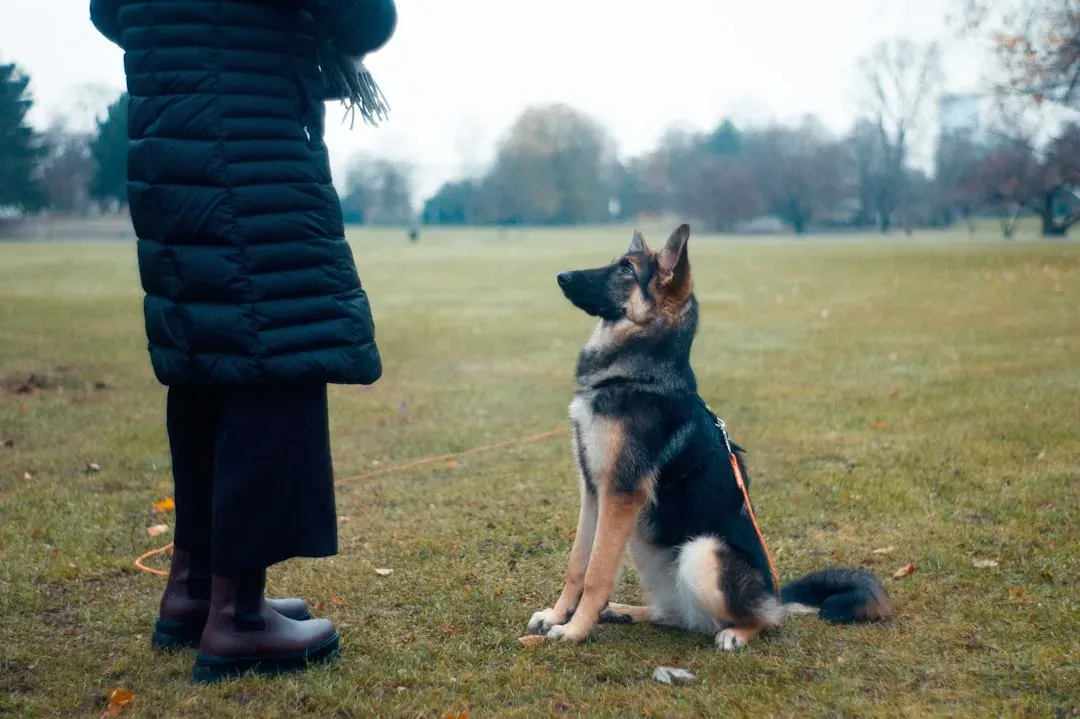
This one surprises a lot of dog owners, but it’s a well-documented dynamic. If your dog has a behavior problem, look to yourself and how you respond. There’s an excellent chance you’ve been reinforcing the behavior with attention, and may have actually trained your dog to perform that behavior.
A common example is barking. Dog barks, you yell, the dog thinks you’re barking along. Dog barks more, you scold more, dog barks more, and on it goes. The cycle is almost automatic, and it’s easy to get caught in it without realizing.
Having a consistent set of boundaries and rules in your house helps your dog understand that the environment is predictable. It also shows your dog that you provide guidance and access to all the good things. Take the time to teach your dog rules using patience and positive reinforcement.
7. Cognitive Decline in Older Dogs

As pets age, they may experience cognitive decline, which can lead to confusion, disorientation, and changes in behavior. This is sometimes called Canine Cognitive Dysfunction, and it’s more common than most owners realize. It can look like a personality shift, a loss of house training, or unexplained nighttime restlessness.
Some of the most common health problems that lead to behavior changes in dogs include arthritis or joint pain. Older dogs or those with painful joint issues may avoid jumping on furniture, playing, or even walking as much as they used to. Slowing down isn’t always laziness. It’s often discomfort.
Behavioral problems in animals that lead to sleep alterations are common, above all in elderly patients with cognitive dysfunction syndrome. If your senior dog is pacing at night, getting confused in familiar spaces, or seems “lost” in the house, a conversation with your vet about cognitive aging is well worth having. Early management can genuinely improve quality of life.
What to Do When Your Dog Is Acting Out
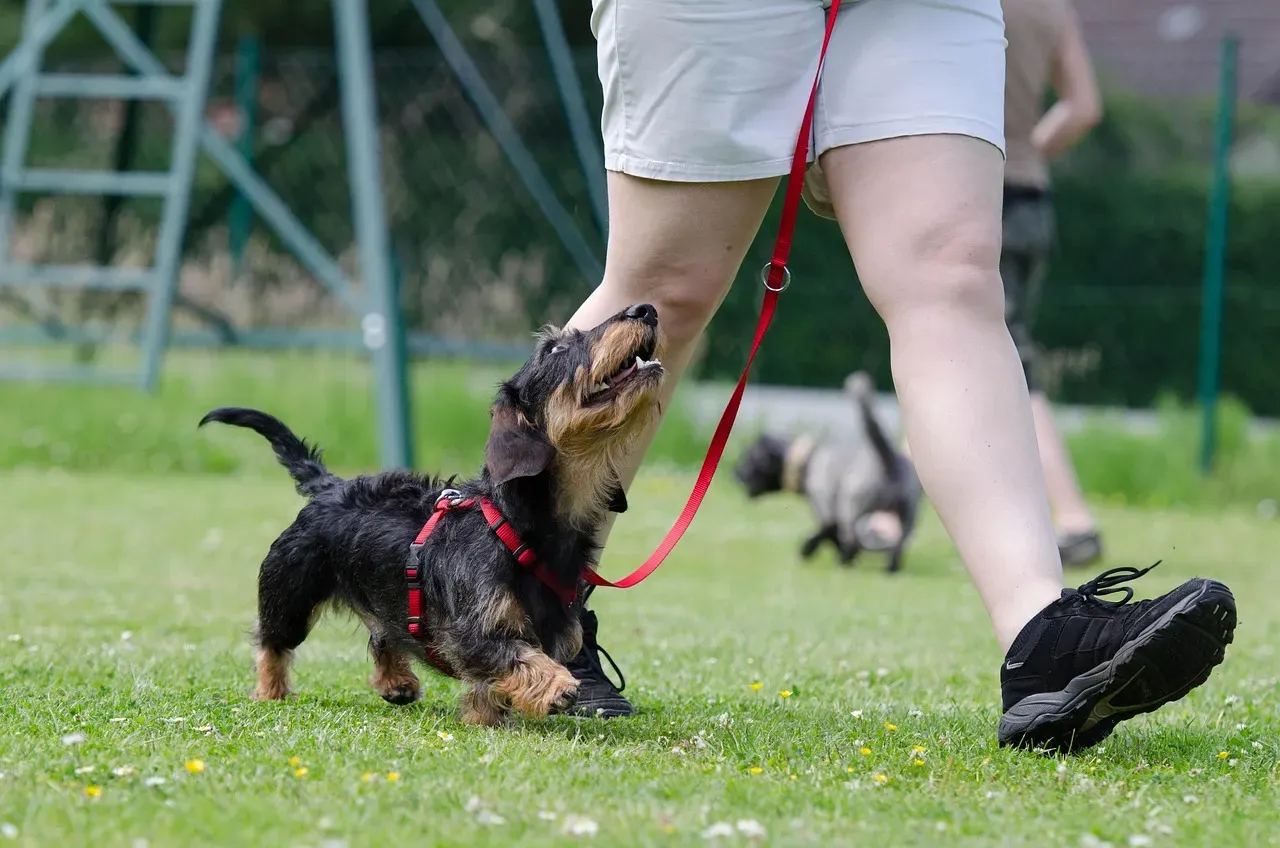
What remains clear from research is that behavior is a crucial element of dog ownership and should be considered carefully by both dog owners and veterinarians so that mild problems do not escalate into severe ones. In other words, acting early matters.
Effective tools for addressing behavior issues include positive enrichment, reward-based training, establishing consistency and routine, desensitization techniques, and seeking guidance from professional pet behaviorists or certified trainers. Most of these aren’t complicated, but they do require consistency over time.
Behavior problems in dogs are not a sign of a “bad” pet. They are a message that something is off in the dog’s environment, routine, or emotional well-being. By taking the time to understand your dog’s behavior and responding with patience and care, you can make real improvements.
Conclusion

The through-line across all seven of these reasons is actually pretty consistent: dogs communicate through behavior, and when that behavior shifts, something in their world has shifted too. It might be physical, emotional, environmental, or learned, but it’s never random.
The most useful thing any owner can do is resist the immediate instinct to label it as defiance, and instead ask what their dog might be trying to say. One of the most important ways of preventing unwanted behaviors in dogs is for owners to educate themselves about canine body language so they can better recognize emotions like fear before they turn into aggression.
Understanding your dog doesn’t require perfection. It requires paying attention. Most of the time, that’s exactly what they’ve been asking for all along.
