

Walk into any house and you’ll probably think you know exactly who lives there: a couple of humans, maybe a dog, a cat, a few plants. But hidden in the corners, gliding through pipes, or simply napping in your favorite chair, there’s an entire little ecosystem sharing your space. Some of these animals are beloved; others are invisible… until they aren’t.
Once you start paying attention, it’s honestly a bit shocking how crowded your home really is. From microscopic roommates to backyard wildlife that slips in unnoticed, many of these creatures are far more common than most people realize. Let’s pull back the curtain and meet eleven of the animals quietly living with you, whether you invited them or not.
1. House Dust Mites
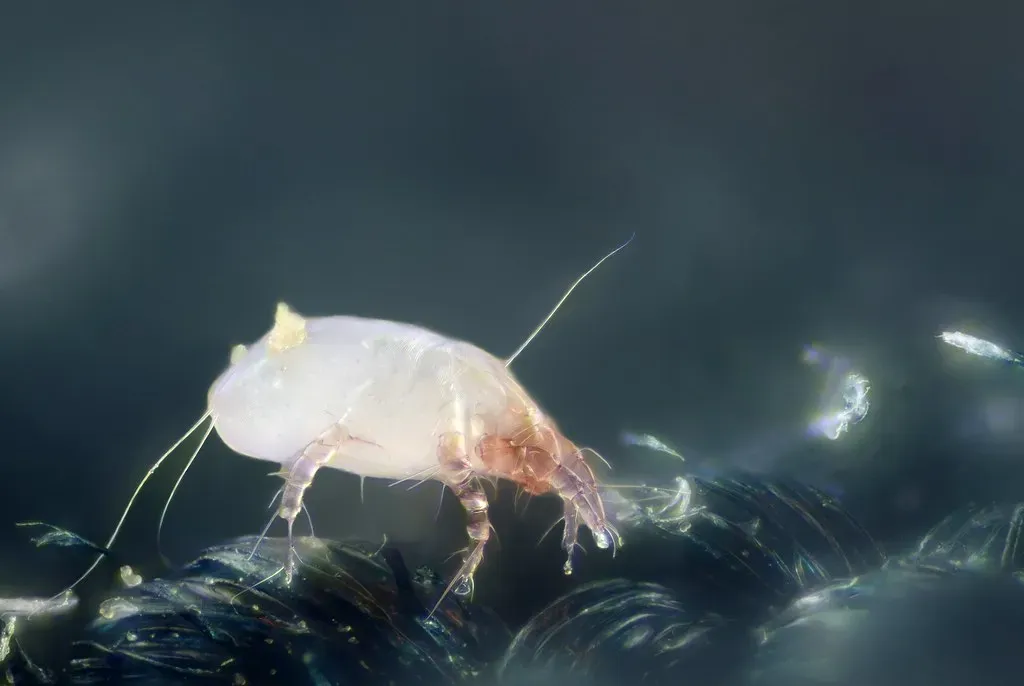
Imagine a tiny creature, smaller than the tip of a pin, living in your pillow, mattress, and favorite blanket right now. That’s a house dust mite – and in most homes, there are thousands, if not millions, of them. They’re not insects, but microscopic relatives of spiders, and they feed mostly on flakes of human and pet skin that we’re constantly shedding. Warm, humid places like mattresses, carpets, and soft furniture are basically their version of a luxury hotel.
The unsettling part is that dust mites are almost impossible to avoid entirely, even in very clean homes. What really causes trouble for people is not the mite itself, but its droppings and body fragments, which can trigger allergies and asthma. Regularly washing bedding in hot water, vacuuming with a HEPA filter, and reducing indoor humidity can help keep their numbers down. You’ll never evict every last one, but you can make your home a lot less comfortable for them.
2. House Spiders
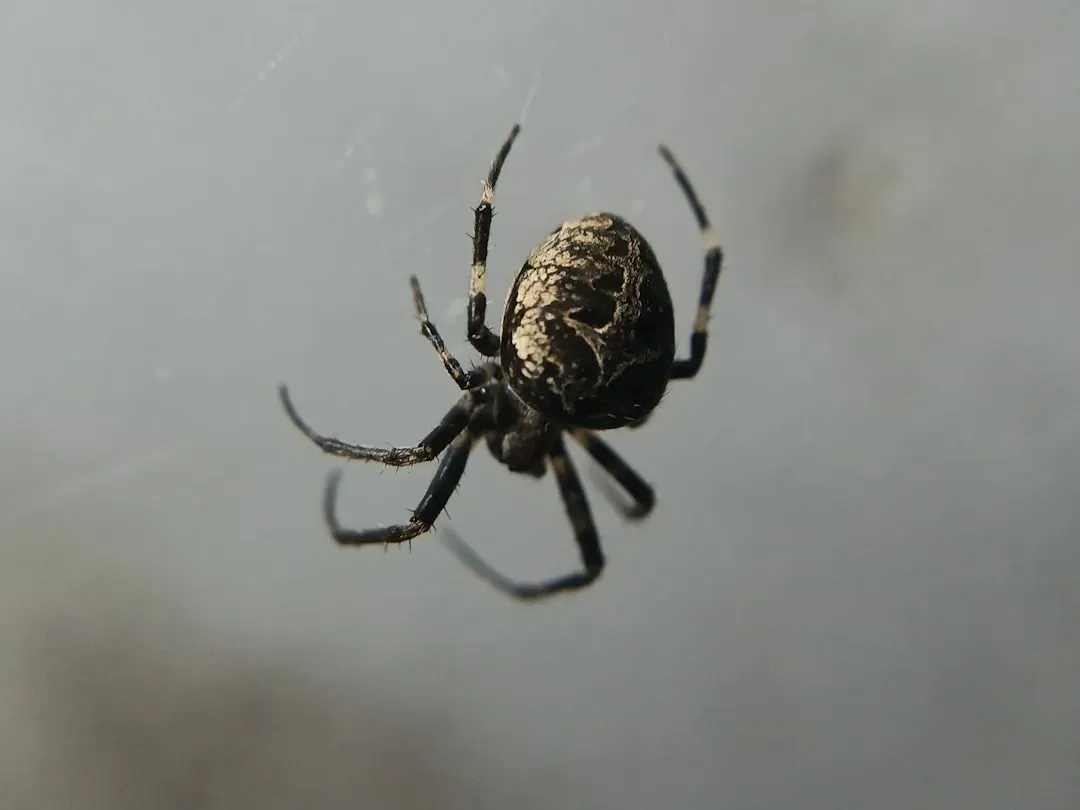
If you think you don’t have spiders in your home, you almost certainly just haven’t seen them yet. House spiders are incredibly common in corners, basements, behind furniture, and around windows, quietly building webs and minding their own business. Many of the spiders people find indoors actually live their entire lives inside and are adapted to human environments. They’re usually small, shy, and far more interested in catching insects than in bothering you.
While spiders can be unnerving, they’re surprisingly useful roommates. They help control flies, mosquitoes, and other insects that slip into your house, acting like tiny, eight-legged pest control agents. Bites from true house spiders are rare, and most species have venom that’s harmless to humans. If you’re not comfortable with them, relocating them gently outside is a good compromise. But in a strange way, a few spiders around can be a sign that the invisible insect population is being kept in check.
3. Ants
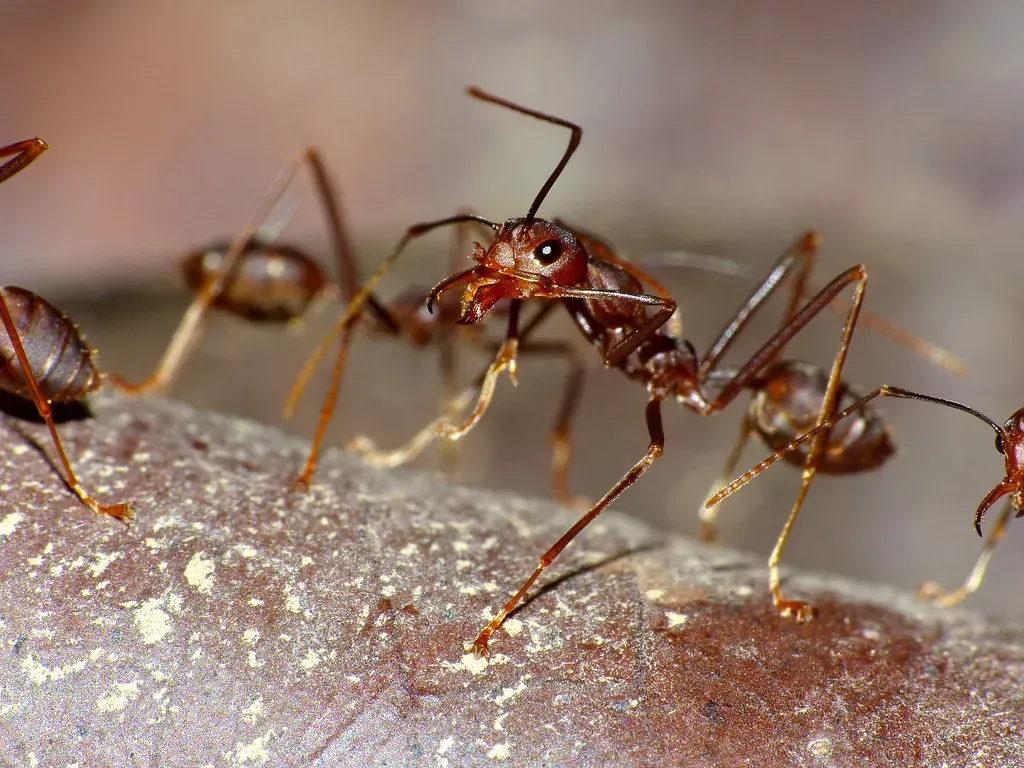
Almost every household will experience an ant trail at some point, usually appearing overnight as if from nowhere. In reality, those ants were already living in nearby soil, cracks in foundations, or walls, patiently waiting for the right opportunity. A crumb on the floor, a sticky jar, or a leaking pipe can be all it takes to trigger a scouting mission. Once a few ants find food, they lay down scent trails so others can follow, which is why that thin line of insects suddenly becomes a marching highway.
Some species, like tiny “sugar ants” or odorous house ants, are particularly well-adapted to living close to humans. They’re not out to get you; they’re just extremely efficient at finding resources. Cleaning up spills quickly, sealing food in containers, and closing entry points can do more than just spraying random chemicals around. It’s a bit like closing a buffet early – if there’s no reward, the ants usually move on to easier targets.
4. House Mice
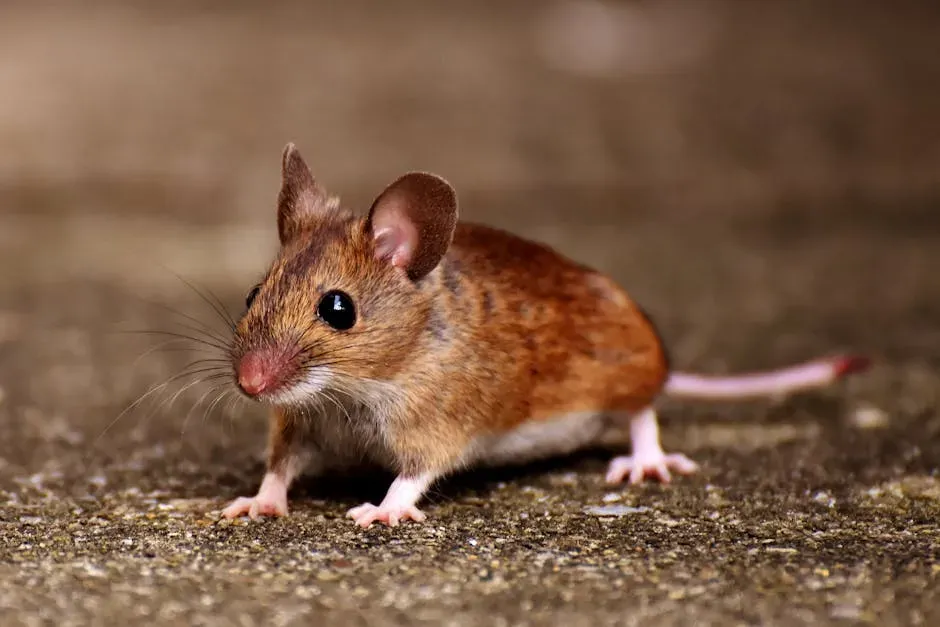
Mice are the classic uninvited house guests, and they’re more common than many people admit. In cooler months especially, house mice slip through tiny gaps around pipes, vents, or doors in search of warmth and food. They’re fast breeders, incredibly good climbers, and can flatten themselves to fit through openings much smaller than you’d expect. Often, the first signs are subtle: scratching noises at night, droppings in hidden corners, or chewed packaging in the pantry.
Beyond the “ick” factor, mice can spread bacteria and contaminate food, which is why health experts take infestations seriously. Sealing entry points, storing food in hard containers, and reducing clutter are crucial steps if you want to keep them out. Humane traps and professional help are often more effective than random store-bought poisons, which can create cruelty issues and secondary risks for pets. You might never see a mouse in your home, but in many neighborhoods, they’re living just a wall or two away.
5. Cockroaches
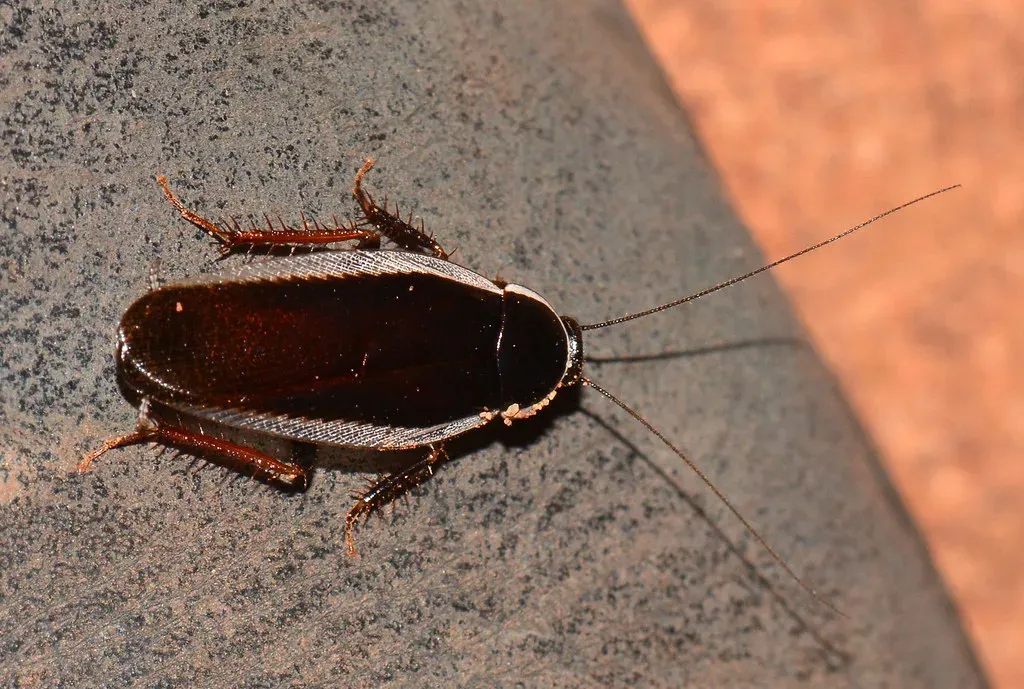
The word alone makes most people shudder, but cockroaches are one of the most successful urban animals on the planet. They love warm, dark, moist areas like under sinks, behind refrigerators, inside wall voids, and around drains. Contrary to popular belief, they’re not only found in dirty homes; even tidy apartments in old buildings or dense cities can struggle with them. Cockroaches are drawn to water, food scraps, and cluttered hiding spots more than anything else.
These insects are more than just gross – in many cities, their droppings and shed skins are major triggers for asthma, especially in children. Because cockroaches reproduce quickly and hide well, early detection is important. Fixing leaks, taking out trash regularly, reducing cardboard piles, and using targeted baits usually work far better than foggers or sprays alone. If you’ve ever turned on a kitchen light at night and seen one dart away, you’ve just gotten a glimpse of a population that’s probably bigger than you’d like to imagine.
6. Silverfish
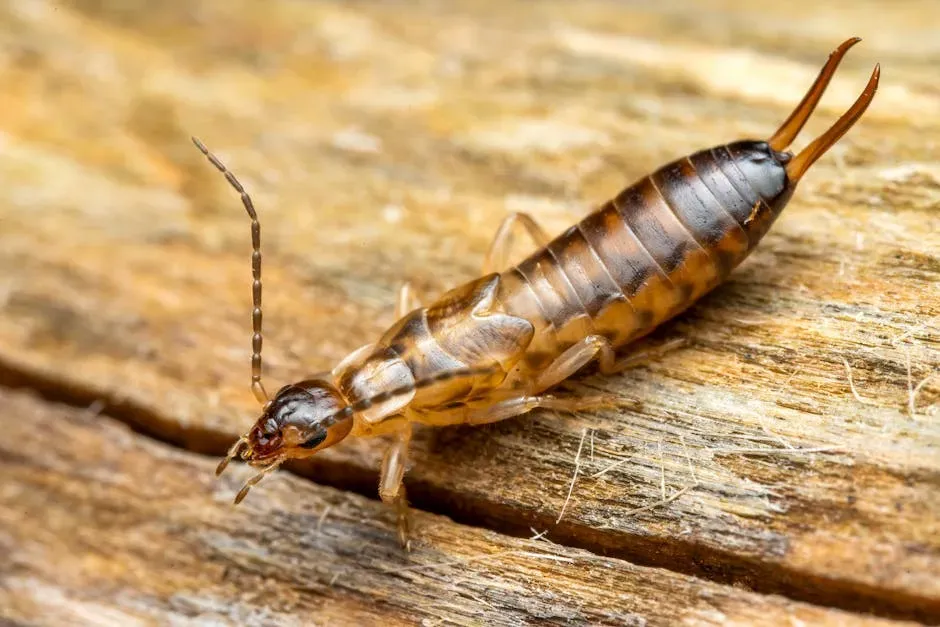
Those quick, silvery, carrot-shaped insects that dart away when you move an old box or lift a book? That’s a silverfish, and they’re quietly living in far more homes than most people realize. They prefer cool, dark, and slightly damp places such as basements, attics, behind baseboards, or in bathroom cupboards. Silverfish feed on starchy materials like paper, cardboard, book bindings, glue, and even some fabrics, which is why they’re sometimes discovered in old photo albums or stored clothing.
While they don’t bite or spread disease, silverfish can be surprisingly destructive to cherished items. They are patient, slow eaters, but over time their feeding can leave tiny irregular holes or scratch-like damage. Reducing humidity with dehumidifiers or better ventilation, sealing cracks, and storing important papers in sealed containers can make your home less attractive to them. Once you know what to look for, it’s almost startling how often you realize they’ve been there for years without you noticing.
7. Fleas (Even If You Don’t Think You Have Pets)
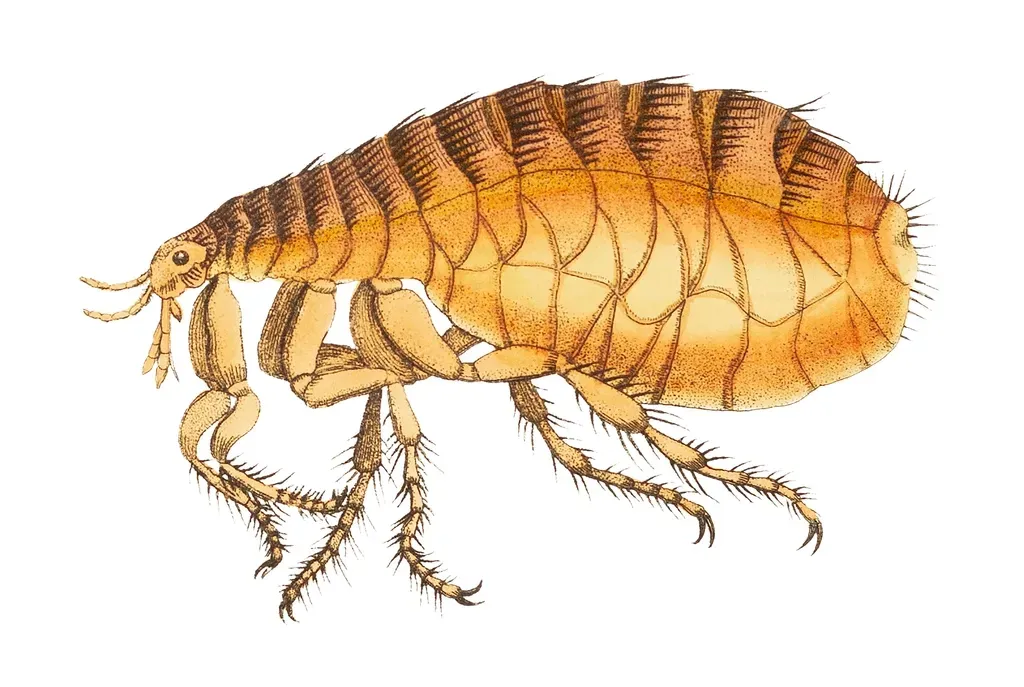
Most people connect fleas with dogs and cats, but these tiny jumpers can show up in homes that don’t currently have pets. Fleas can hitchhike in on visiting animals, wildlife under the house, used furniture, or on clothing from an infested environment. Their bites are small but intensely itchy, often appearing around ankles, legs, or the waistline. The insects themselves are hard to spot, but you might see tiny dark specks – flea dirt – on bedding or carpets.
The tricky thing about fleas is their life cycle: eggs and larvae can hide in carpets, floor cracks, and upholstery, waiting for the right conditions to emerge. That’s why a treatment that seems successful for a week can suddenly “fail” when new adults appear. Thorough vacuuming, washing fabrics in hot water, and treating any animals and their bedding are all part of breaking the cycle. Even if you only dog-sit once in a while or feed stray cats outside, fleas are more likely to visit your home than you might think.
8. Carpet Beetles
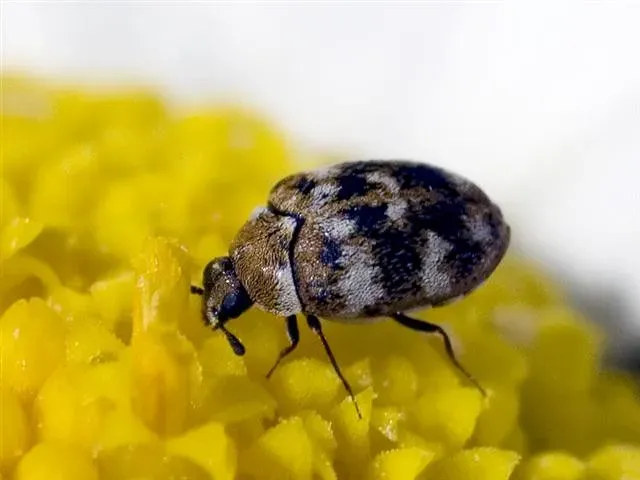
Carpet beetles are small, often colorful little beetles that many people never notice – but their larvae can quietly damage clothes, carpets, and natural fabrics. Unlike moths that target mainly wool and similar fibers, carpet beetle larvae will feed on a wider range of materials, including feathers, hair, and leather. They tend to hide along baseboards, under furniture, or in the backs of closets, slowly nibbling away where you rarely look. Sometimes people blame “moths” for holes in clothing, when carpet beetles are the real culprits.
Adult carpet beetles are often attracted to light and can be found near windows, while larvae prefer darker, undisturbed areas. Regular vacuuming, especially under furniture and in closets, can go a long way toward preventing infestations. Storing off-season clothing in sealed bags or containers also helps protect delicate fabrics. Once you’ve seen a close-up photo of a carpet beetle larva, you may never look at that “mystery hole” in your sweater the same way again.
9. Fruit Flies and Drain Flies
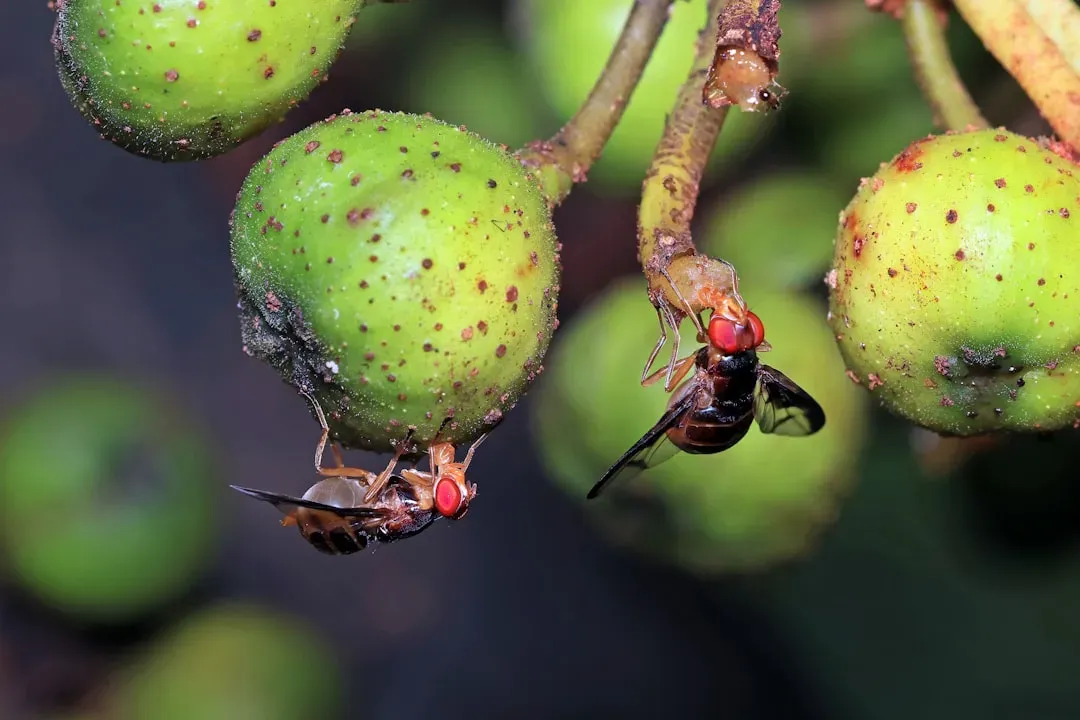
Those tiny flies that seem to appear from nowhere the moment a banana gets too ripe are almost certainly fruit flies. They’re masters at finding fermenting food, from forgotten produce to a little puddle of juice under the fridge. Drain flies, on the other hand, look fuzzier and hover near sinks, tubs, and floor drains, feeding on the slimy buildup inside pipes. Both types are astonishingly common in kitchens and bathrooms, especially in warm weather or in homes where food waste lingers.
The good news is that these flies are more annoying than dangerous in most cases. Getting rid of them usually requires dealing with the source: cleaning drains thoroughly, taking out trash more often, rinsing recycling, and storing fruit in the fridge or sealed containers. Traps made with vinegar and a bit of dish soap can help catch adult fruit flies while you tackle the root cause. It’s a bit humbling to realize how quickly these tiny insects can invade your space over one overripe peach or a neglected sink.
10. Bats in Attics and Eaves
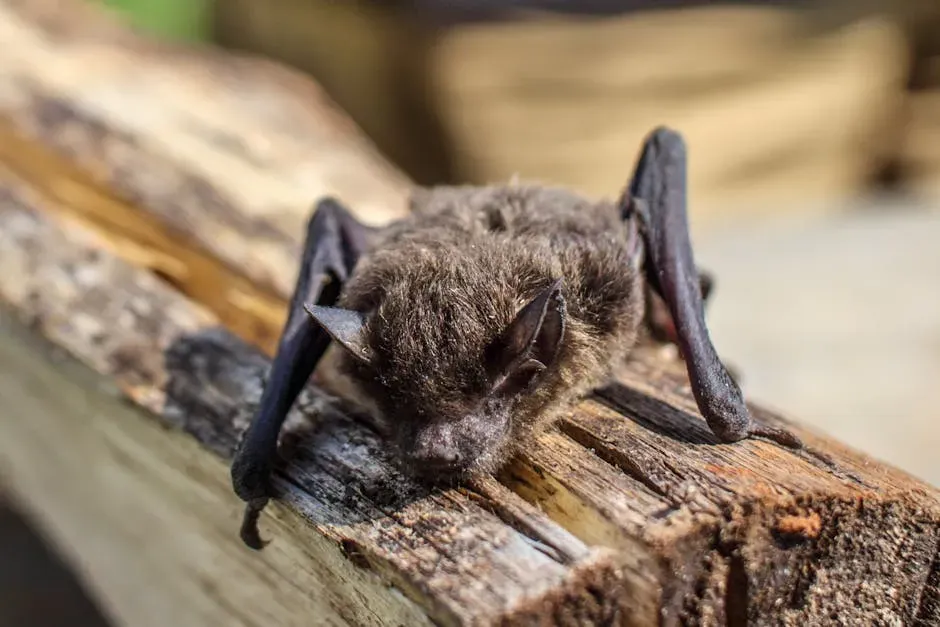
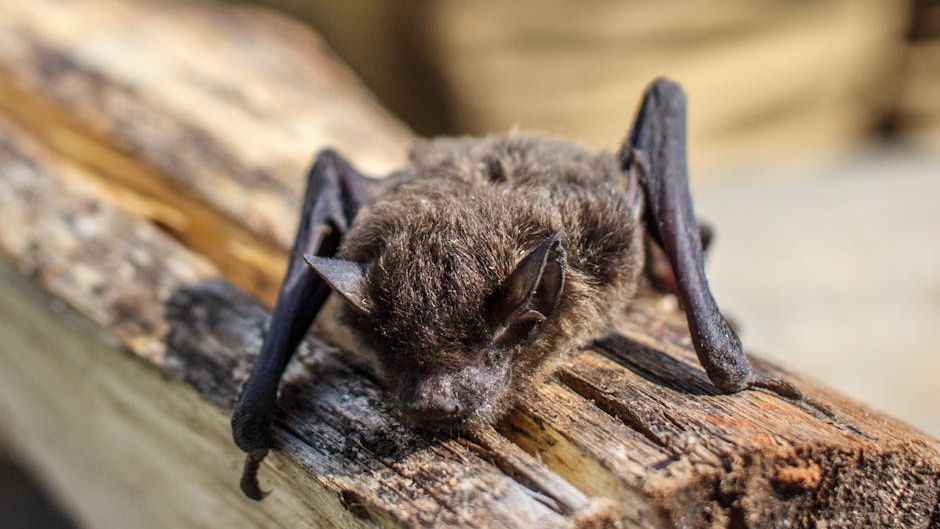
Bats might sound like a rare or dramatic visitor, but in many regions, they’re surprisingly common in attics, eaves, and roof spaces. They usually enter through small gaps around vents, roof edges, or loose siding, especially in older houses. Most homeowners never see them directly and only notice faint scratching sounds, droppings (guano) beneath a roosting area, or a bat accidentally flying into a living room one evening. Bats are nocturnal, quiet, and skilled at staying out of sight, which adds to the sense of mystery around them.
While rabies risk is real but statistically low, bat droppings can create health issues if allowed to accumulate. At the same time, bats are major natural controllers of insects and are legally protected in many areas, so removing them has to be done carefully and humanely. Professionals typically use one-way exclusion devices that let bats leave but not re-enter, followed by sealing gaps. It’s one of those situations where you can be grateful for the good they do outdoors while still being very sure you do not want them living above your bedroom ceiling.
11. Raccoons and Squirrels in Roofs and Chimneys
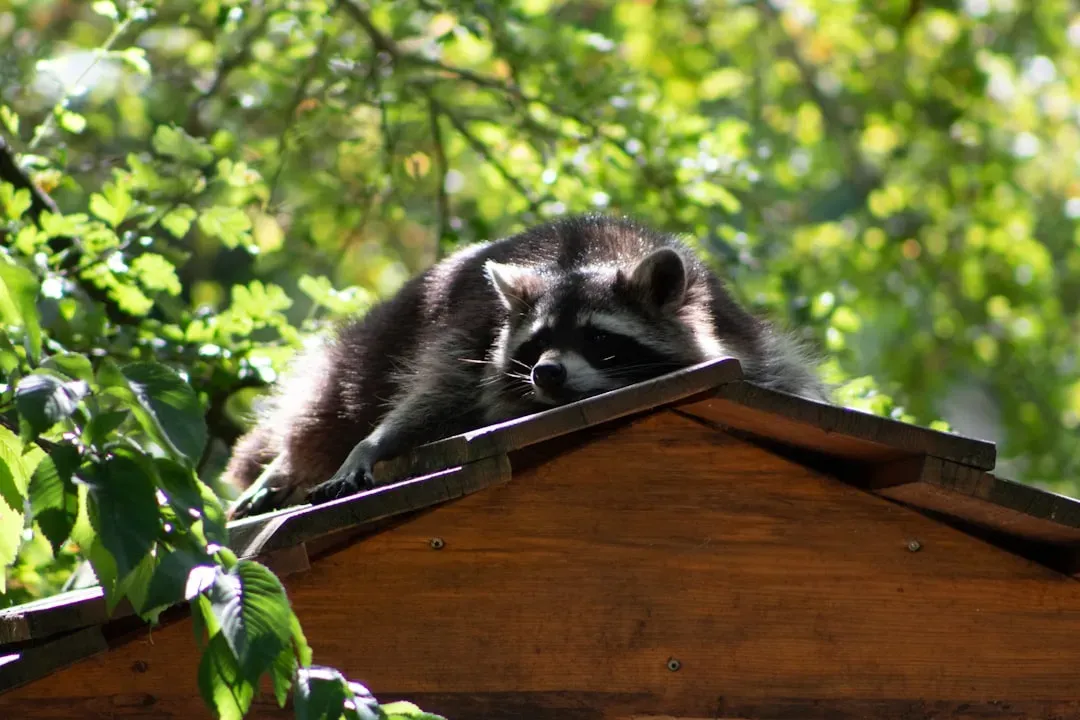
Raccoons and squirrels are classic backyard visitors, but many people don’t realize how often they move right into homes themselves. Attics, chimneys, crawl spaces, and even wall cavities can become nesting spots, especially in spring when mothers look for safe places to raise their young. Typical signs include heavy thumping or scampering noises, torn insulation, droppings, and sometimes a very distinctive smell. Raccoons are clever and strong, while squirrels are agile and persistent, making them surprisingly effective at getting past loose shingles or vent covers.
Wild animals in your home can cause structural damage, chew electrical wires, and leave behind waste that’s a health concern. Simply blocking holes while animals are inside can backfire, trapping them or separating mothers from babies. Wildlife control experts usually recommend humane removal, followed by sturdy repairs with metal mesh or heavy-grade materials. I once helped a friend investigate a “ghost in the attic,” only to discover a family of squirrels that had calmly built a nest right over her bedroom – a reminder that the line between indoors and outdoors is thinner than it feels.
Conclusion: A House Full of Hidden Neighbors
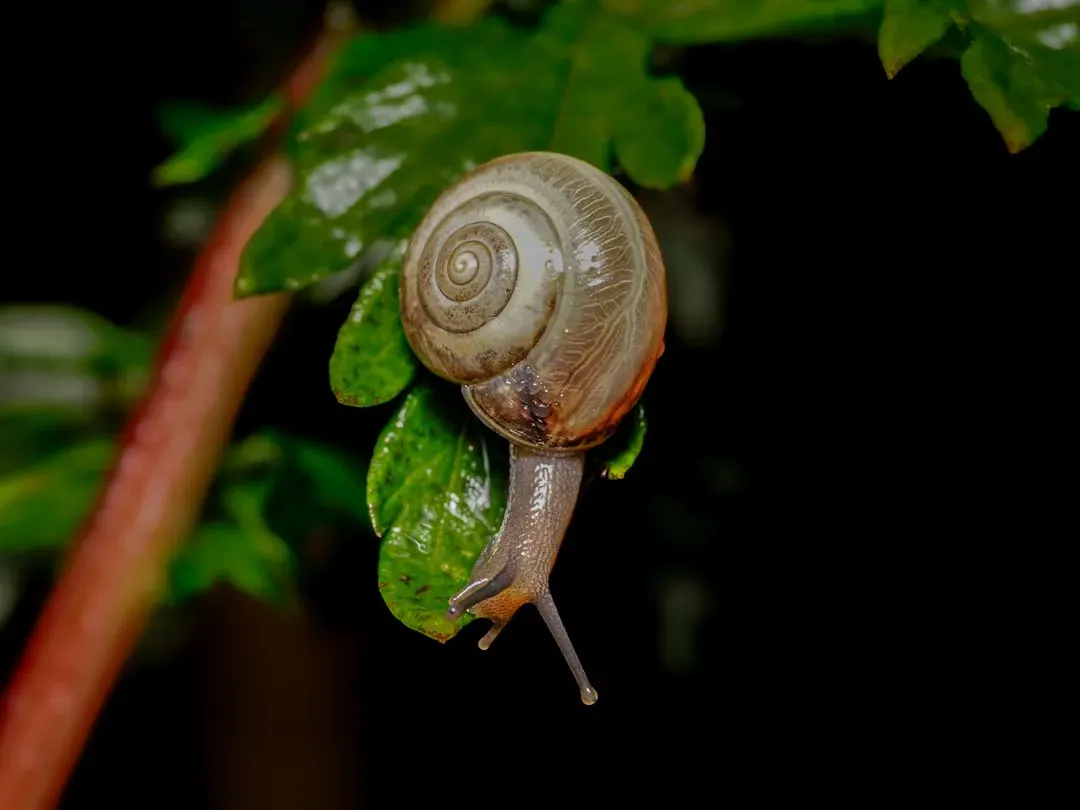
When you step back and think about it, your home is less a sealed box and more a living, breathing habitat. Dust mites in your pillows, spiders in the corners, ants in the walls, maybe bats or squirrels in the roofline – it sounds like a horror story, but it’s really just ecology up close. Some of these animals are genuinely problematic and need to be managed; others are mostly harmless, or even helpful, as long as they stay in the background. The key is awareness: knowing what might be there lets you protect your health, your belongings, and yes, your sanity.
You don’t have to panic or obsess over every tiny creature, but a calmer, more realistic view of your home as a shared space can be strangely empowering. With good cleaning habits, proper maintenance, and the occasional call to a professional, you can keep the balance tilted firmly in your favor. And next time you hear a faint rustle in the wall or spot a fast-moving shadow on the floor, you might find yourself wondering: which of these eleven unexpected housemates just said hello?

- South Texas Eyes U.S. Record for Hottest Winter Temperature With 106°F Inferno in February - May 9, 2026
- Bats Play a Crucial Role in Controlling Insect Populations Across the United States - April 30, 2026
- The Recovery of the California Condor Offers Hope for Other Critically Endangered Birds - April 30, 2026