
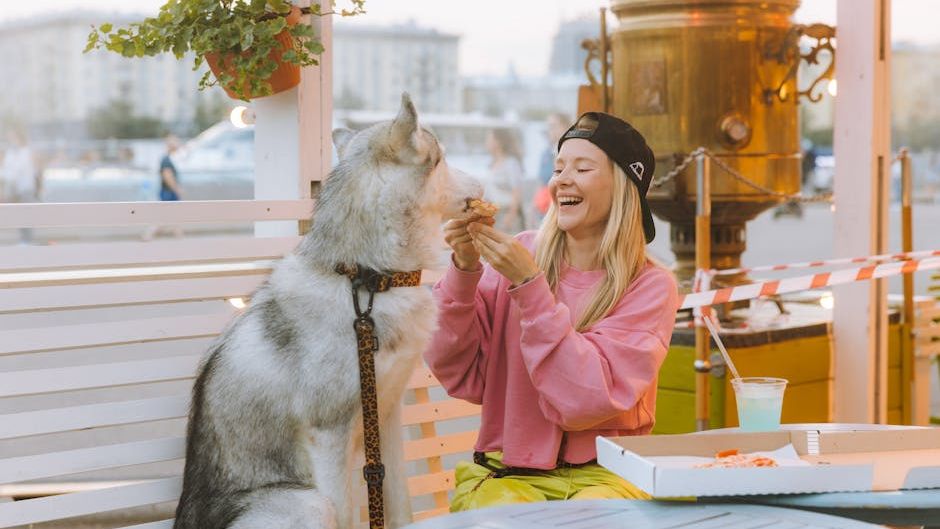
Dogs have been living alongside people for thousands of years, yet we still find ourselves wondering: is my dog actually happy? It’s a fair question. Dogs have the emotional capacity of a roughly two-year-old child, meaning they can experience joy, fear, and anger, but they lack the vocabulary to tell you how they feel. That places the responsibility squarely on us to pay attention.
The good news is that dogs are remarkably expressive. Once you know what to look for, the signals are often clear and surprisingly consistent. While every dog expresses joy a little differently, there are several common signals that can indicate happiness, and from body language to behavior, these signs provide real insight into your dog’s emotional well-being.
Their Whole Body Seems to Wag, Not Just the Tail
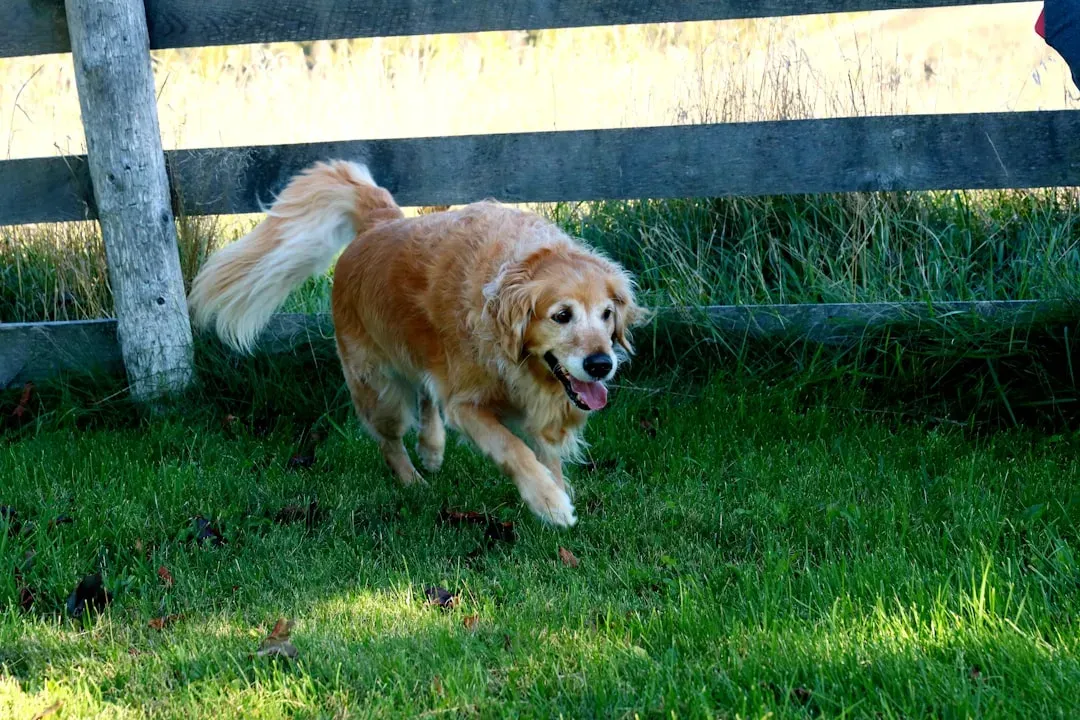
Most people think a wagging tail equals a happy dog. That’s partly true, but the full picture is richer than that. When a dog is happy, their whole body and tail look relaxed and they quite often wiggle. A happy dog’s whole body can wag along with their tail, and a wriggling dog showing you their belly is likely a very happy and comfortable dog.
The direction and rhythm of the wag matters too. A study on tail-wagging showed that dogs tend to wag their tails more to the right when they’re feeling positive about something, such as interacting with their owner, while tails wagged more to the left when dogs faced something negative.
A stiff, rapidly twitching tail tells a different story entirely. A happily wagging tail will be relaxed and make broad strokes, where slower broad strokes may indicate shyness and faster broad strokes suggest excitement. The whole-body wiggle, though, is really the gold standard of canine joy.
They Sleep Soundly and in Vulnerable Positions
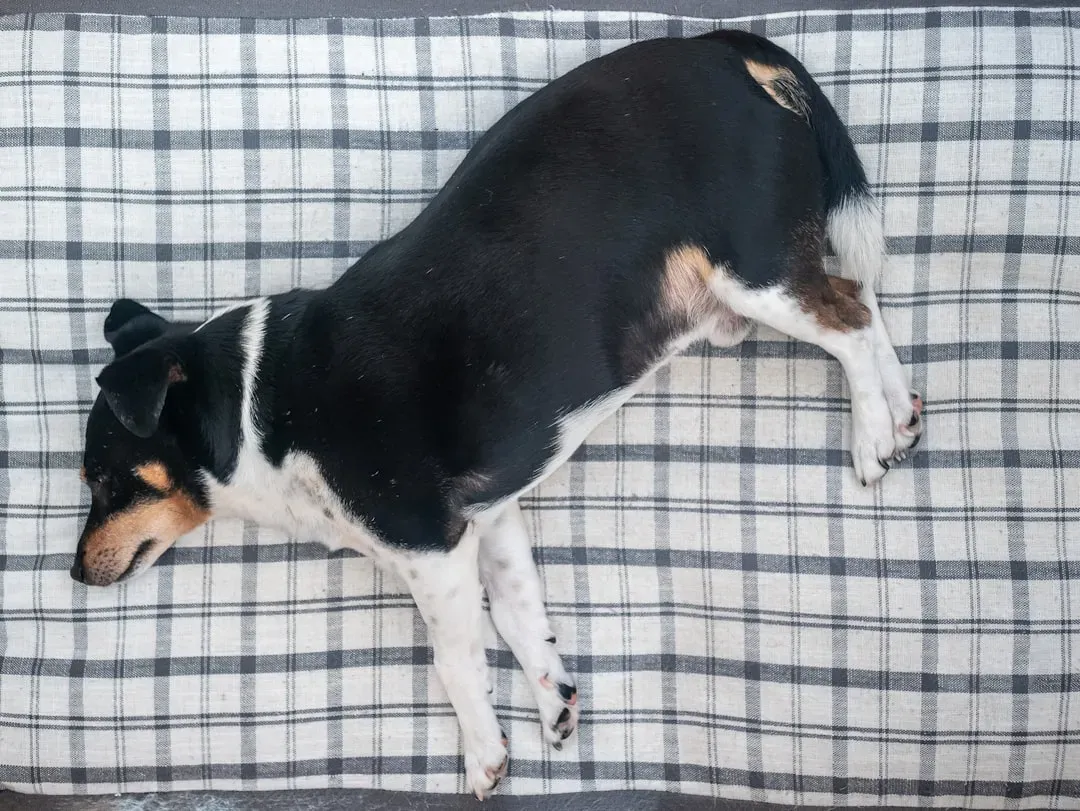
You can tell a lot about a dog’s happiness by how they sleep. Dogs who snooze on their back with all four paws in the air or sprawled out like a starfish feel very comfortable and safe in their environment, and in these positions their belly is left exposed, which means they trust you completely.
Sleep quantity matters, too. Healthy, happy adult dogs usually sleep for up to 16 hours a day, and if your dog isn’t sleeping that much, it could be a sign of stress or illness.
One of the top signs dogs show they’re feeling cheerful is by regularly engaging in naps, and if your dog sleeps consistently and peacefully, they have a sense of trust and security, and ultimately, happiness. A dog that genuinely relaxes in your home is one that feels safe there.
They Make Soft, Lingering Eye Contact With You
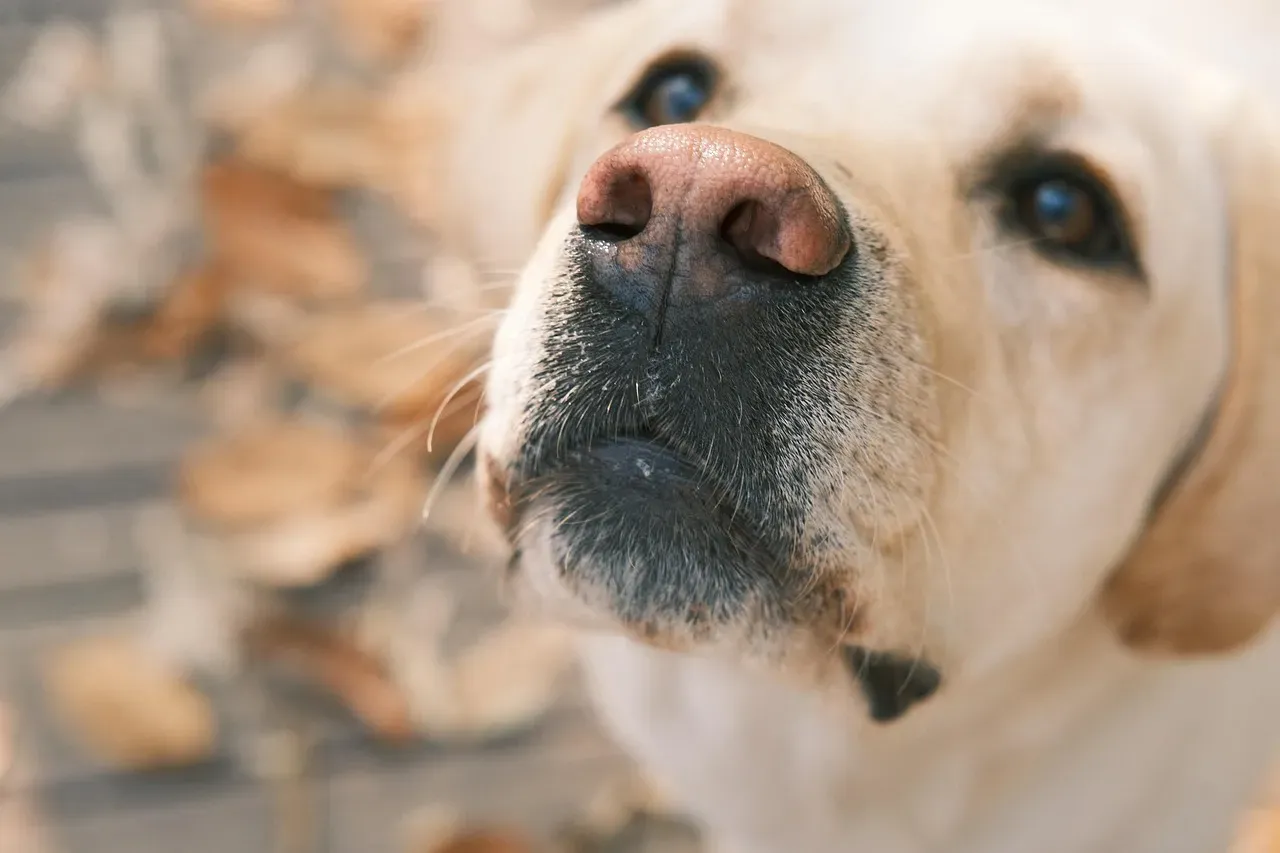
Softly locking eyes with your dog isn’t just your imagination. Studies show that domesticated dogs have learned to use eye contact differently than their wild ancestors, and soft eye contact is a special way dogs communicate with us, the same way humans connect with each other.
There’s actual chemistry behind this. Softly locking eyes with your pup triggers an oxytocin release, strengthening your special connection. That’s the same bonding hormone humans experience with each other.
If your dog is making eye contact with you, blinking, and maintaining a calm and relaxed demeanor, they are trying to express their love to you. Gentle, voluntary eye contact from a relaxed dog is one of the quieter but most meaningful signals of trust and contentment.
They Greet You with Genuine Enthusiasm
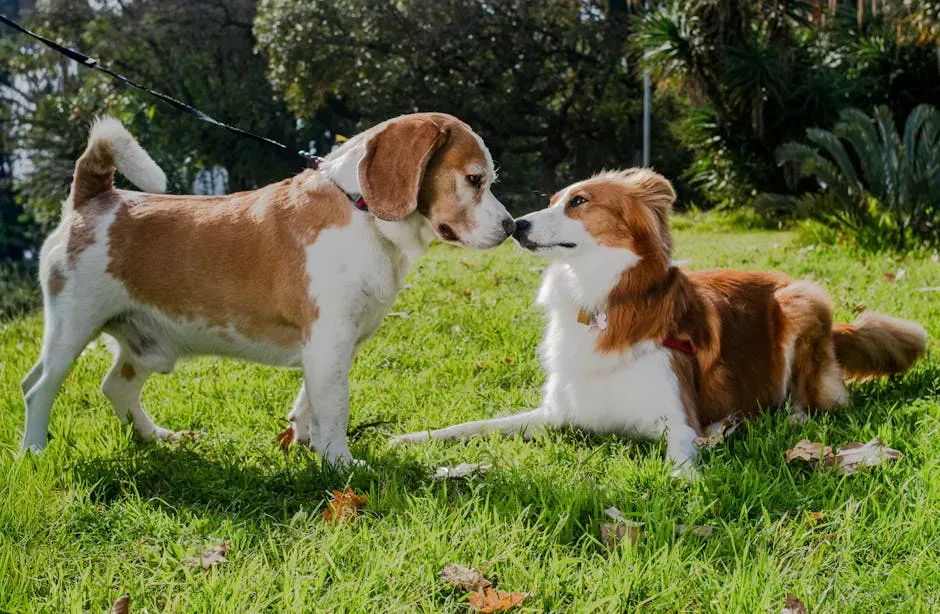
Few things compare to an exuberant greeting from your furry companion upon returning home, even if only after a short absence. That burst of excitement when you walk through the door is real, and it’s worth paying attention to.
Some dogs get so happy that their whole body breaks out into a wiggly little dance, which is one of the most obvious signs your dog is happy and feels loved. It’s hard to fake that kind of full-body enthusiasm.
Keep in mind that the quality of the greeting matters more than its intensity. The excitement of a dog greeting you at the door is partly a release of tension from when you left, which feels different from the open, settled contentment of a dog that is simply at ease in its environment. Both are positive, but they mean slightly different things.
They Bring You Their Toys and Prized Possessions
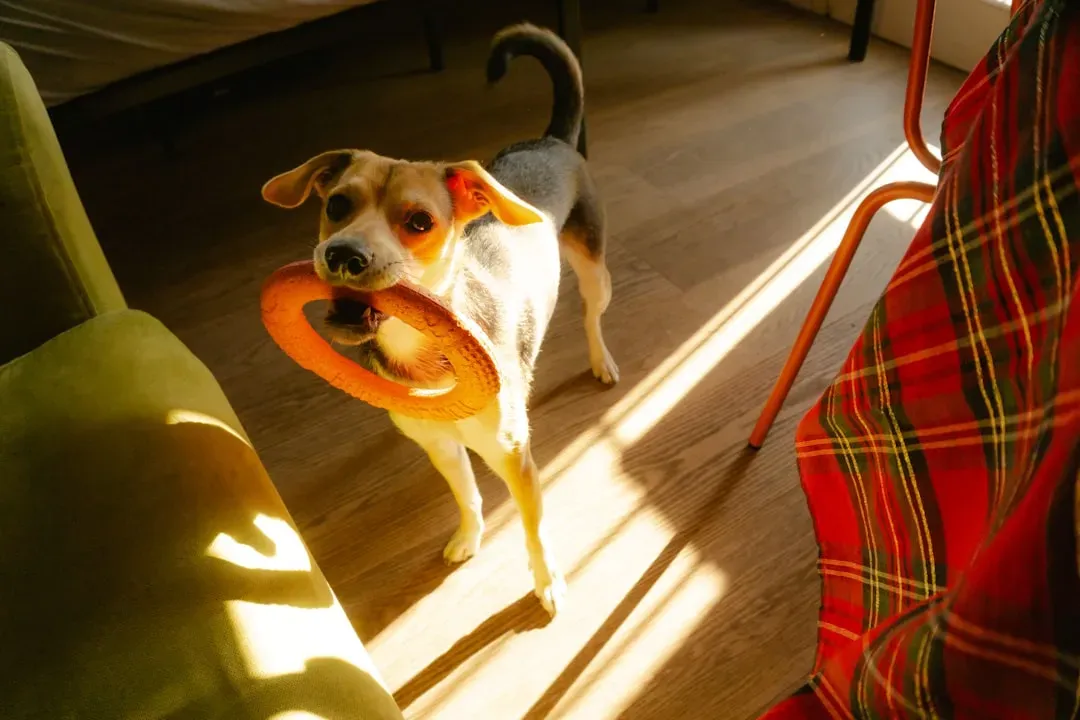
If your dog brings you a toy or other objects they find fun, it’s likely a sign that you’re someone they love and trust, and they probably want you to have fun too, with a good chance they want the human they love to play with them.
Pet behavior experts believe that dogs, as relatively territorial animals, carry their toys around for a sense of security, and they only share their toys or allow other people to touch them when they feel a sense of safety, respect, or love for that person.
So while a slobbery tennis ball dropped on your laptop might not be your idea of a gift, your dog sees it very differently. It’s an act of generosity that reflects genuine emotional attachment.
They Have a Healthy, Consistent Appetite
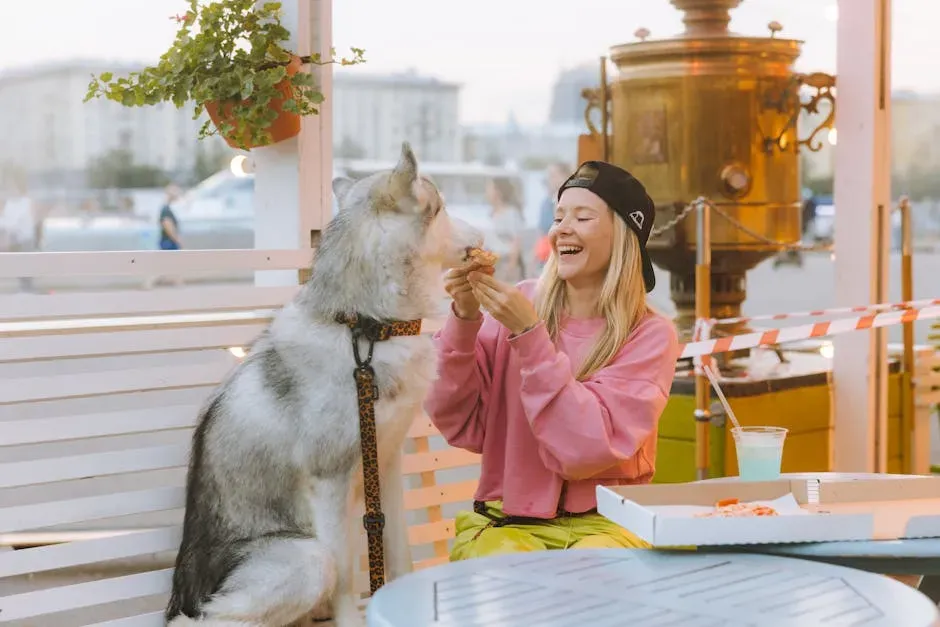
A happy dog has a good appetite and will eagerly chow down at mealtime. This is one of the more practical and easily observable signs of a dog that’s doing well, both physically and emotionally.
Dogs that are content and feeling well have good appetites, and a change in your dog’s appetite is one of the first signs of potential illness or unhappiness. A sudden disinterest in food should never be brushed off as picky eating without looking deeper.
Some breeds are naturally more food-motivated than others. Wags and woofs of joy at mealtime can be a clue, and for many dogs, especially food-motivated breeds like beagles and Labrador retrievers, mealtime tops the list for switching on happy behavior. Consistent enthusiasm around meals is a reliable baseline for overall wellness.
They Initiate Play and Show the Play Bow
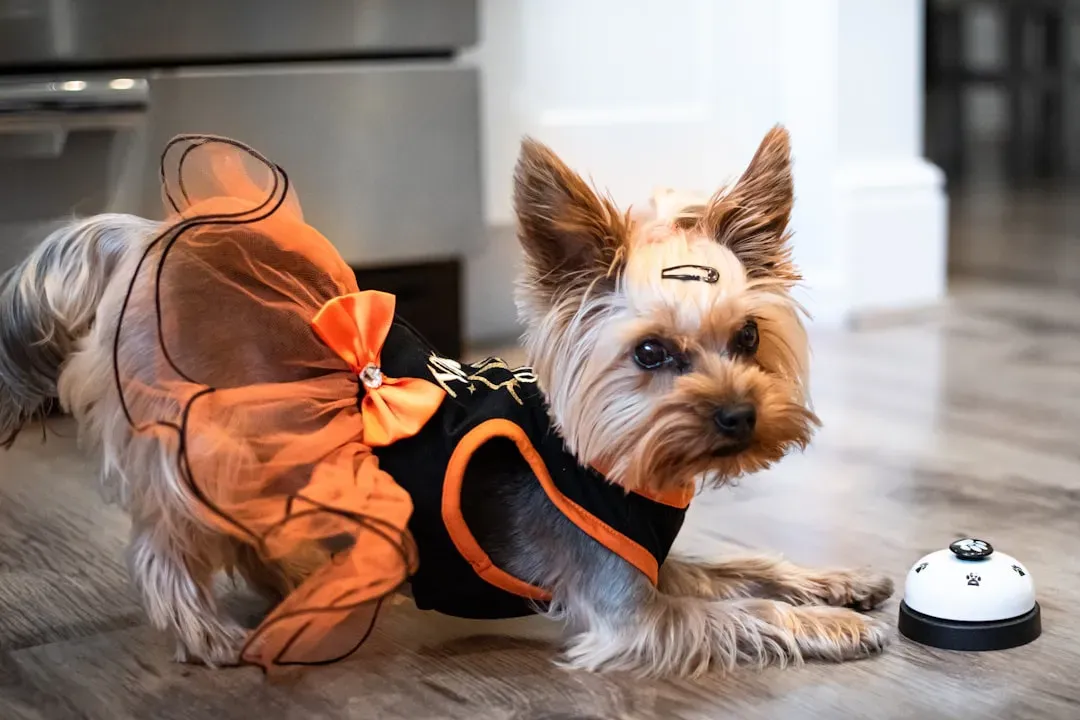
Dogs in a happy, playful mood may scooch their chest down to the floor with their bottom in the air, a stance called a play bow, which they use before a play session to signal that they are ready to play and want to play with you.
One of the clearest signs of a happy dog is their love for playtime. They might initiate a game of fetch, run around with their tails wagging, or even get the zoomies, but if your dog’s eyes light up every time you reach for a toy, it’s a sure sign they’re enjoying life.
Zoomies deserve a mention of their own. Zoomies, or sudden bursts of energy and running around, are a playful way your dog can show off their happiness. It’s pure, unfiltered joy, and it’s pretty contagious too.
They Follow You From Room to Room
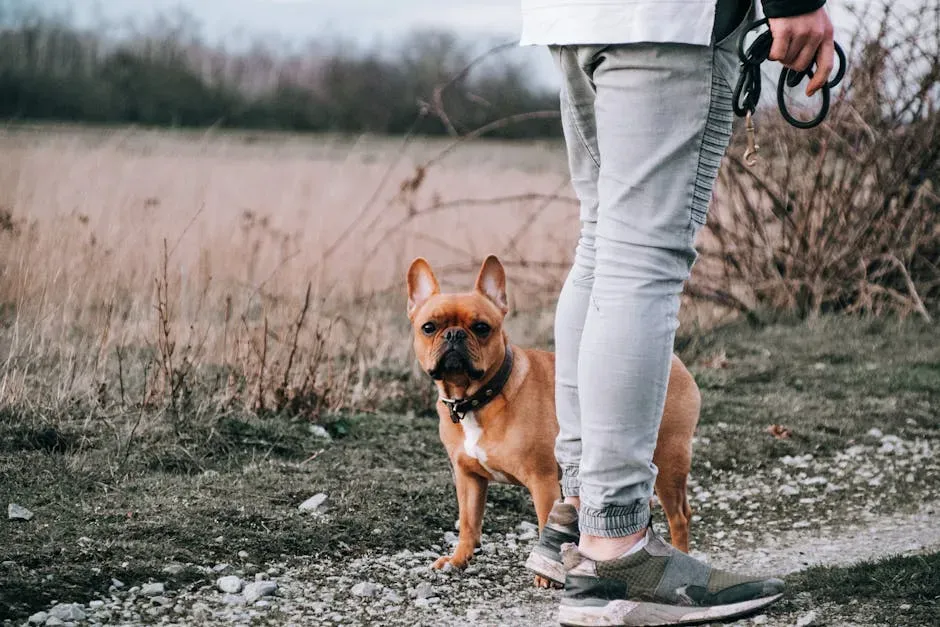
If your dog feels like your shadow at times, your furry family member may be trying to tell you they’re living their best life with you by their side. It’s one of those simple behavioral signals that’s easy to overlook because it happens every day.
Dogs are pack animals at heart, which means they love being around their family. They might follow you from room to room, nudge you for belly rubs, or curl up next to you on the couch, and these little gestures show they feel safe, loved, and bonded to you.
This kind of proximity-seeking is rooted in deep biological instinct. It means your home and your presence register as safe to your dog, which is arguably the most meaningful form of happiness a domestic animal can experience.
They Lean Into You and Seek Physical Contact
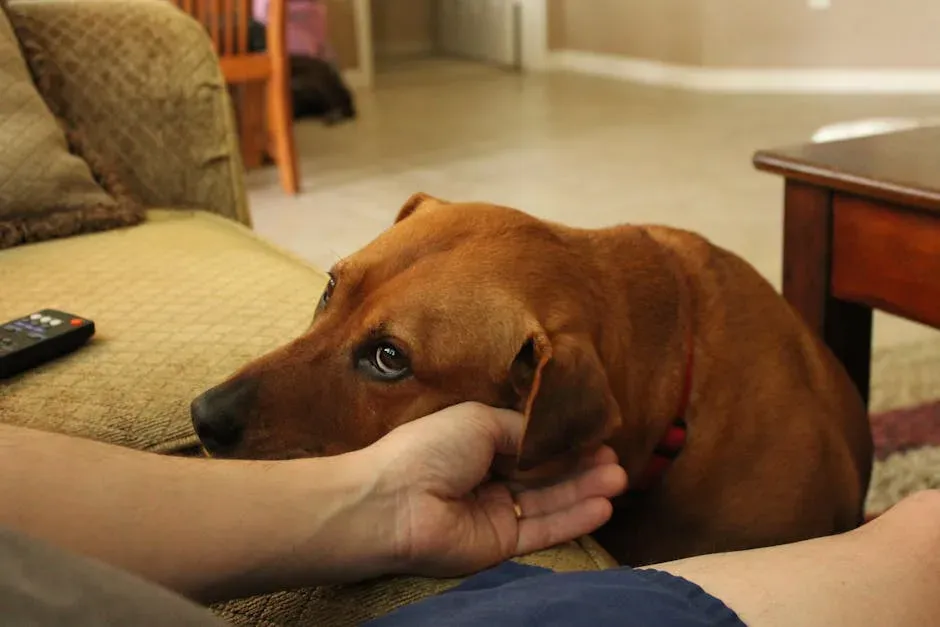
When your dog leans their weight into you, it’s not accidental. Dogs only do this with people they feel safe with, and it’s a quiet way of saying, “I trust you,” because being near their person makes them feel calm and secure.
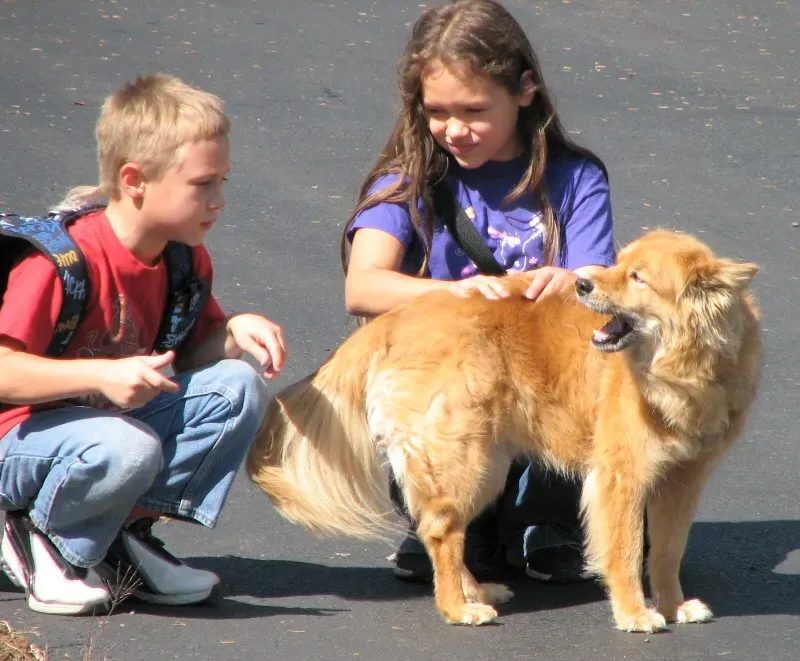
Happy dogs tend to make a lot of body contact with their favorite humans. If your dog stays close or even leans in toward your hand while being petted, they are happy and enjoying the contact.
This gentle physical seeking is distinct from anxious clinginess. When leaning is a sign of happiness, this behavior is typically accompanied by relaxed, loose body language and a soft wagging tail, and it can be a sign that the dog is comfortable with physical affection and feels safe enough to stay so close.
They Explore Confidently During Walks and Outdoors
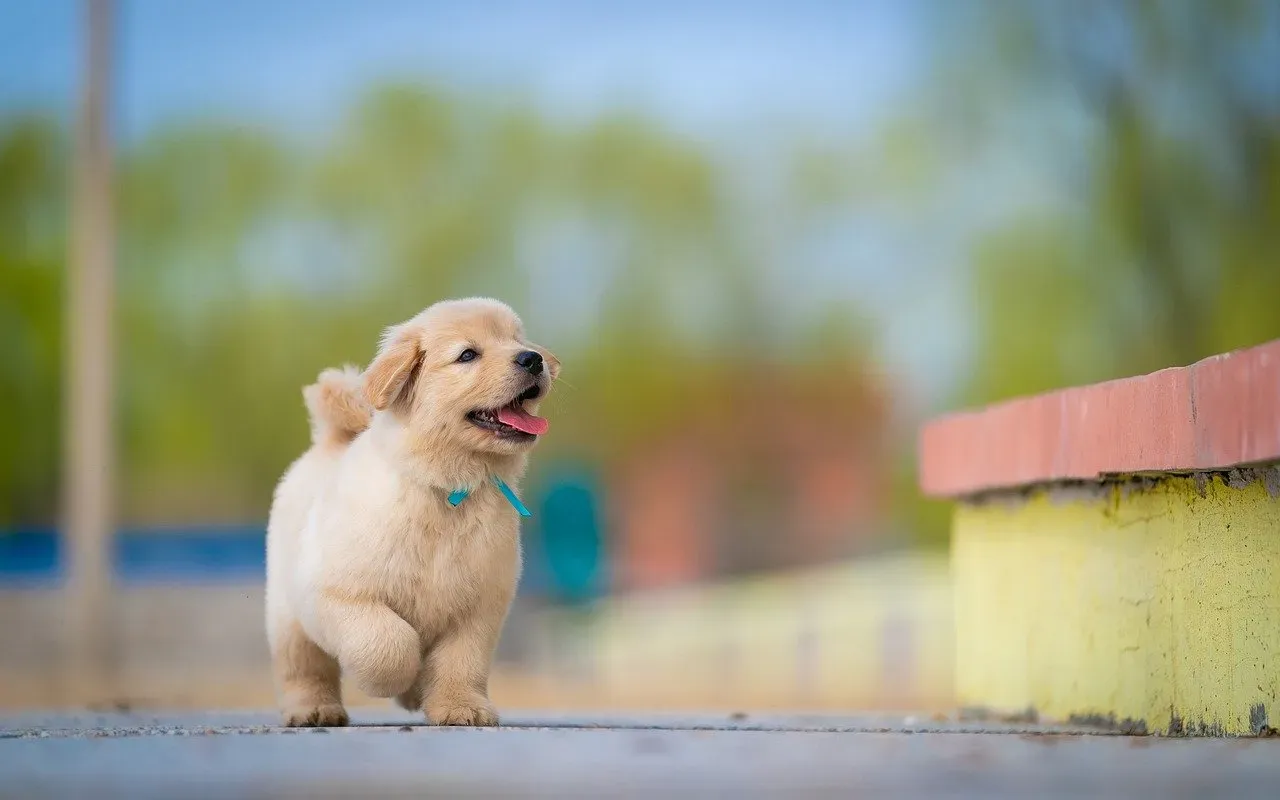
A happy dog will display normal dog behavior, such as sniffing at plants and flowers and engaging with other friendly dogs and passersby. Happy dogs take their time to explore everything around them during their walks, enjoying every moment.
That nose-to-the-ground investigation is more than just curiosity. Happy dogs love to explore, especially through scent. When they sniff bushes, follow smells, and look around with interest, they’re engaging confidently with the world, and curiosity shows they feel safe and stimulated rather than fearful or shut down.
Curiosity is another strong indicator of a happy dog. Content pups are eager to explore new environments, sniff new smells, and investigate anything that piques their interest, which you might notice on walks when your dog pauses to sniff every lamppost or bush. A dog that walks with ease, taking in the world around them, is a dog that feels genuinely secure.
They Display a Relaxed, Open Facial Expression
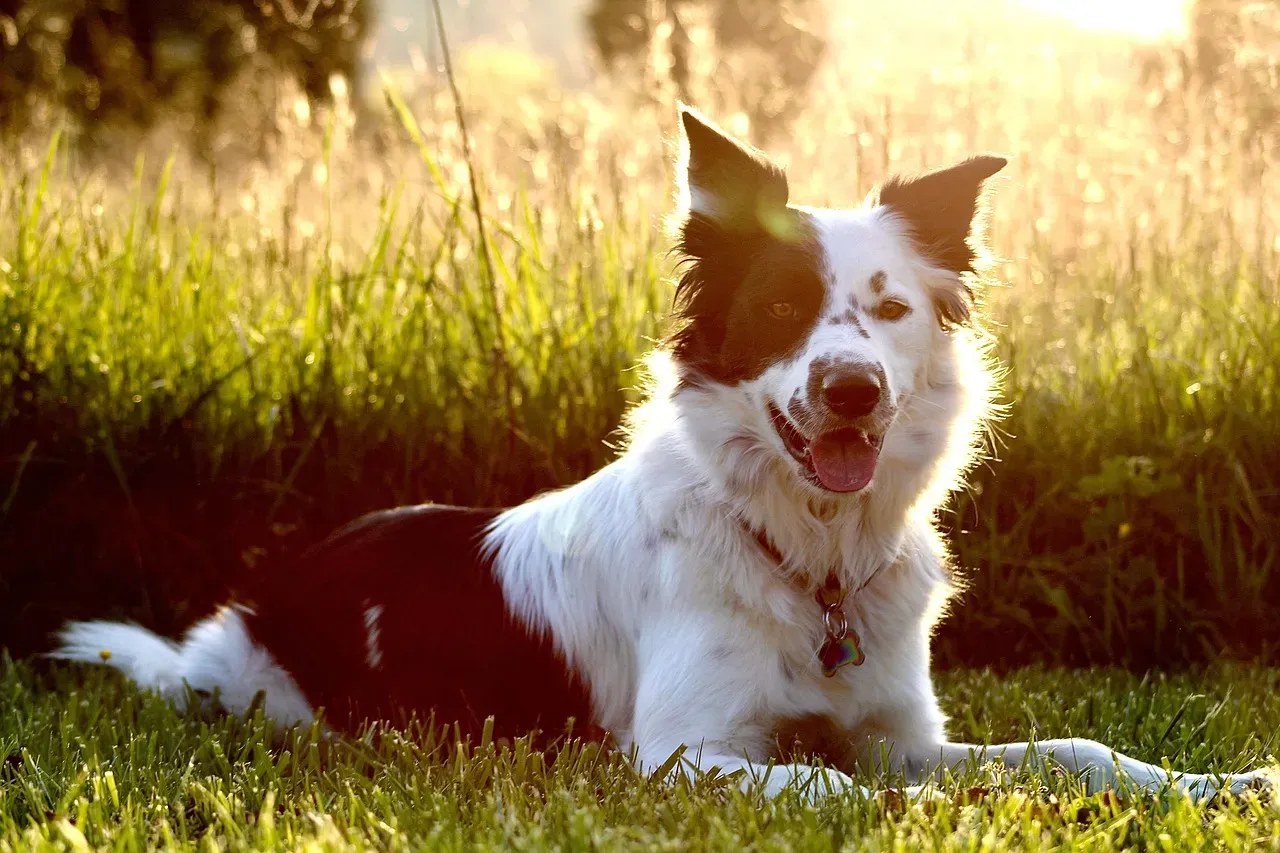
A smiling dog describes the relaxed, open-mouthed expression many dogs display when they feel content, calm, and comfortable. Pet owners often associate this look with happiness, and in many cases, that interpretation is correct. A smiling dog typically shows soft eyes, a loose body, and an easy-going posture, all of which signal emotional comfort.
A happy dog has an open countenance, a relaxed expression, a lack of stress lines around the face, and no tension in their body. These fine details are easy to miss until you know what a tense dog looks like by comparison.
Dogs make more facial expressions when their human is paying attention, suggesting that these expressions are deliberate attempts at communication. The most notable is the canine smile, a sign of a happy pup. When a dog smiles at you on a quiet evening at home, it’s not a coincidence. It’s communication.
Conclusion: Your Dog Is Telling You All the Time
Understanding your dog’s basic body language allows you to gain insight into their thoughts and feelings about the world around them and what they are experiencing. That understanding doesn’t require a science degree, just consistent, attentive observation.
The hormone oxytocin plays a crucial role in the emotional bonds between dogs and humans, and research shows that both species experience oxytocin release during positive interactions, creating a biological foundation for the deep connections many people feel with their dogs. The bond is genuinely mutual.
Your dog has unique habits, quirks, and behaviors that make them who they are, and as their person, you’re often the best judge of their emotional state. No checklist replaces that knowledge. The signs covered here are reliable guides, but your own daily attentiveness to your dog is ultimately the most valuable tool you have. A happy dog isn’t a mystery. They’re telling you, in every wag, every lean, every slobbery toy dropped at your feet, exactly how they feel.
