

There’s something almost magnetic about the way certain birds behave in a backyard. One arrives with a blaze of color and sheer confidence. Another moves with a quiet, methodical patience that borders on meditative. A third won’t stop singing. There’s something quietly satisfying about watching birds in a backyard. A cardinal blazes through a gray winter morning. A chickadee darts in, takes a seed, and disappears in a single second. A mourning dove just sits there, unbothered by everything. Each one feels like a distinct personality, not just a bird.
That instinct isn’t wrong. Birds have been shown to exhibit stable, individual behavioral differences that meet the scientific definition of personality, and far from being simple automata, they possess unique temperaments that shape their interactions with their environment. The twelve signs of the zodiac have long served as a map of human character types, from fire-driven risk-takers to deeply empathetic dreamers. Overlay those archetypes against the birds most likely visiting your yard right now, and the connections are, at the very least, worth a second look.
#1 Aries (March 21 – April 19): The Northern Cardinal
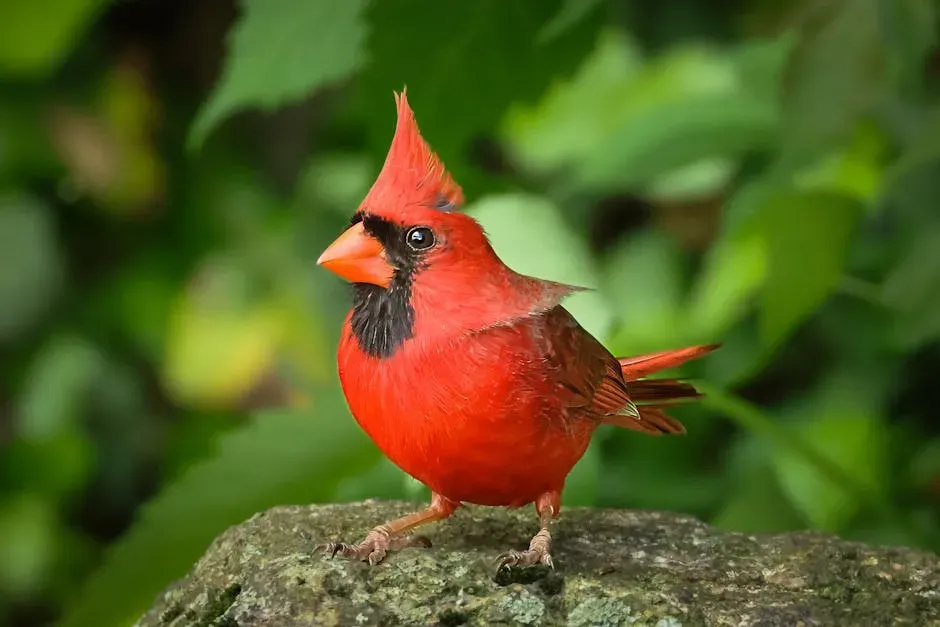
Aries is the first sign, the one that charges straight in with total conviction and zero hesitation. No backyard bird captures that energy quite like the Northern Cardinal, especially the blazing red male that announces himself on a fence post like he owns the entire neighborhood.
The Northern Cardinal is one of the most recognizable birds in North America, especially the bright red males, while females are a more subdued brown with reddish tinges on their wings, tail, and crest. That visual boldness matches the Aries archetype perfectly: vivid, unapologetic, and impossible to miss.
The Northern Cardinal is the official bird of seven U.S. states, and the female is one of only a few female songbirds on the continent that actually sings. That last detail matters. Aries energy isn’t just a male trait. It’s a force of will, regardless of who’s carrying it.
#2 Taurus (April 20 – May 20): The Mourning Dove
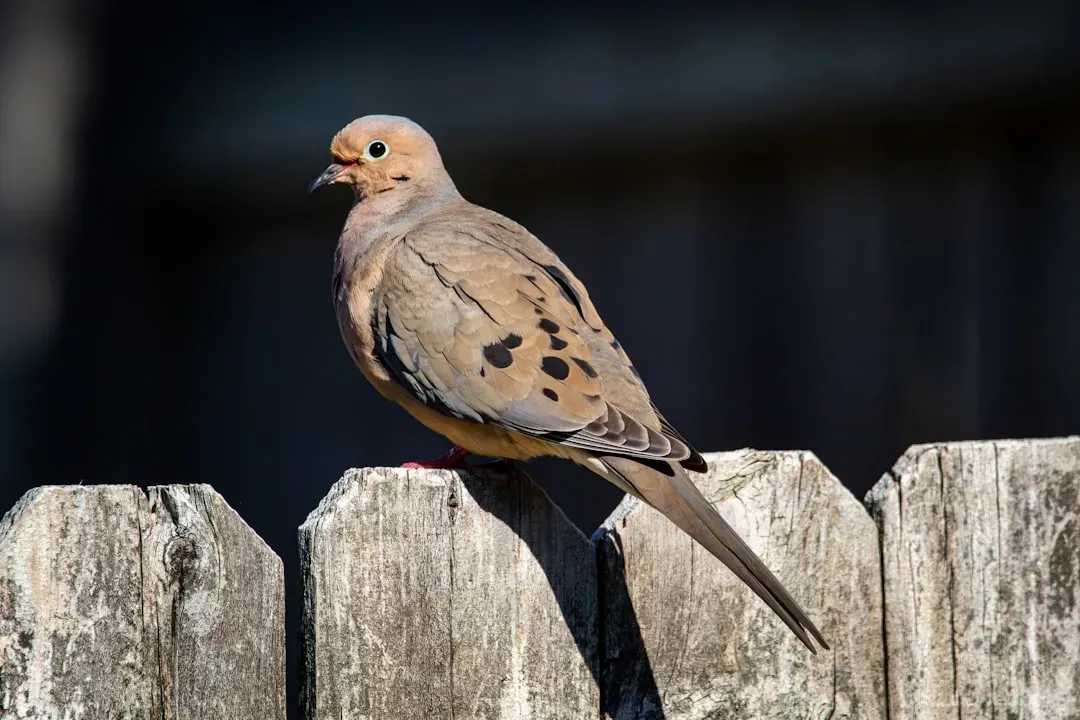
Taurus is steady, sensory, and unhurried. This is the sign that genuinely enjoys sitting still, taking its time with food, and refusing to be rushed by anyone. The Mourning Dove fits this energy without even trying.
Symbols of peace and tranquility, birders everywhere love doves, especially the mourning dove. They’re not the most graceful fliers, but they make up for it in song. Listen for their calming call, which comprises a set of cooing notes. You’ll usually find them feeding on the ground, or at a ground or platform feeder. Taurus rules comfort and earthly pleasures, and this bird practically lives there.
The Mourning Dove doesn’t compete aggressively at feeders. It doesn’t rush. It simply settles in, eats calmly, and stays long after other birds have moved on. That quiet tenacity is a very Taurus way of operating, holding ground through presence rather than force.
#3 Gemini (May 21 – June 20): The Black-capped Chickadee
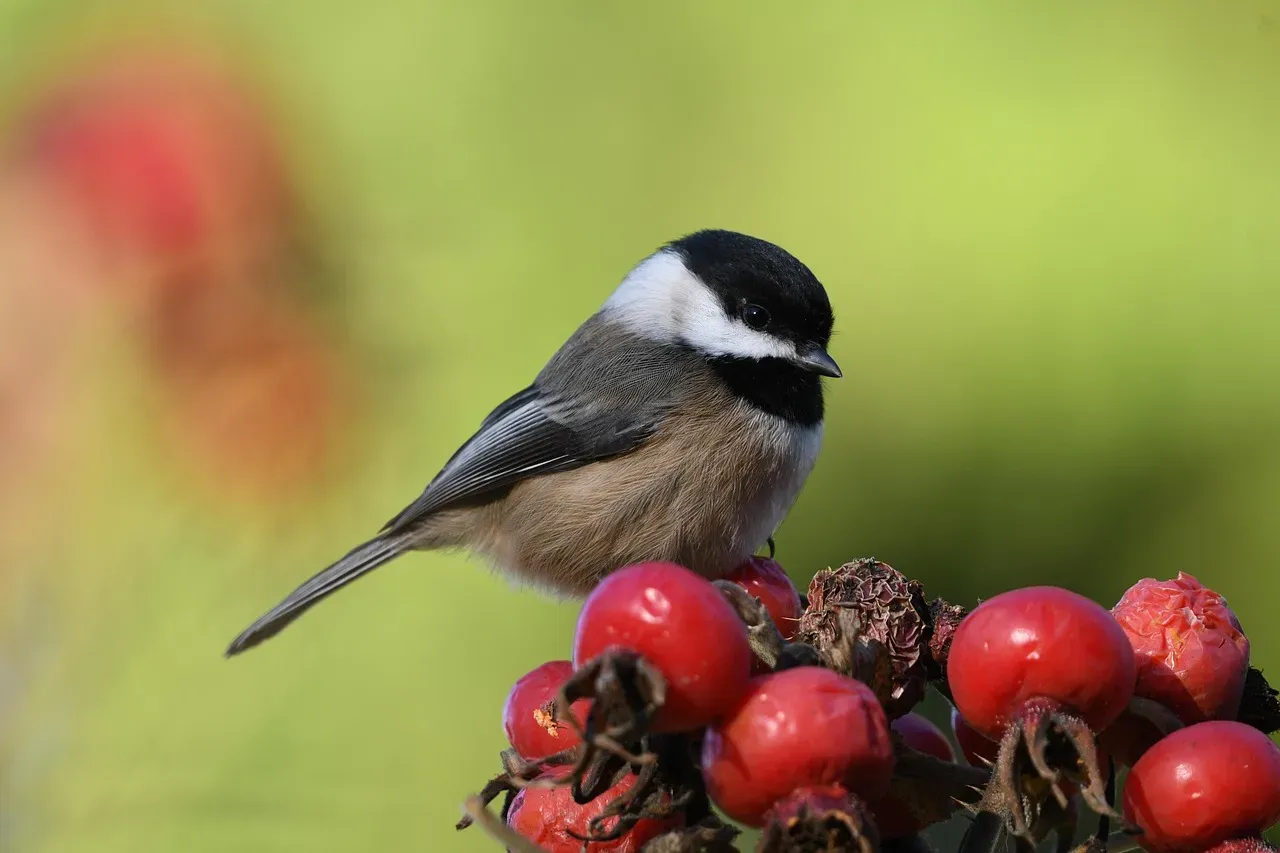
The Black-capped Chickadee is one of the friendliest common small birds in America. Their “chickadee-dee-dee” call is one of the first many birders learn to recognize, and there are six other chickadee species in North America, all with winning personalities. Gemini, ruled by Mercury and forever curious, could hardly ask for a better match.
Gemini shifts quickly between ideas, moods, and social settings. Chickadees do the same, physically. Spend enough time watching chickadees at your feeder and you might start to recognize individuals by their behavior. Maybe one chickadee acts like a little tyrant, monopolizing all the food. Another might have a penchant for skulking timidly on the outskirts. That variability within the species mirrors Gemini’s reputation for being many things at once.
Chickadees are known for their friendly behavior and are often willing to approach humans. They primarily eat insects and seeds, with a preference for sunflower seeds and peanuts. Their distinctive “chick-a-dee-dee-dee” call is a hallmark of their presence. In short: quick, social, curious, always talking. That’s Gemini’s entire personality in bird form.
#4 Cancer (June 21 – July 22): The House Wren
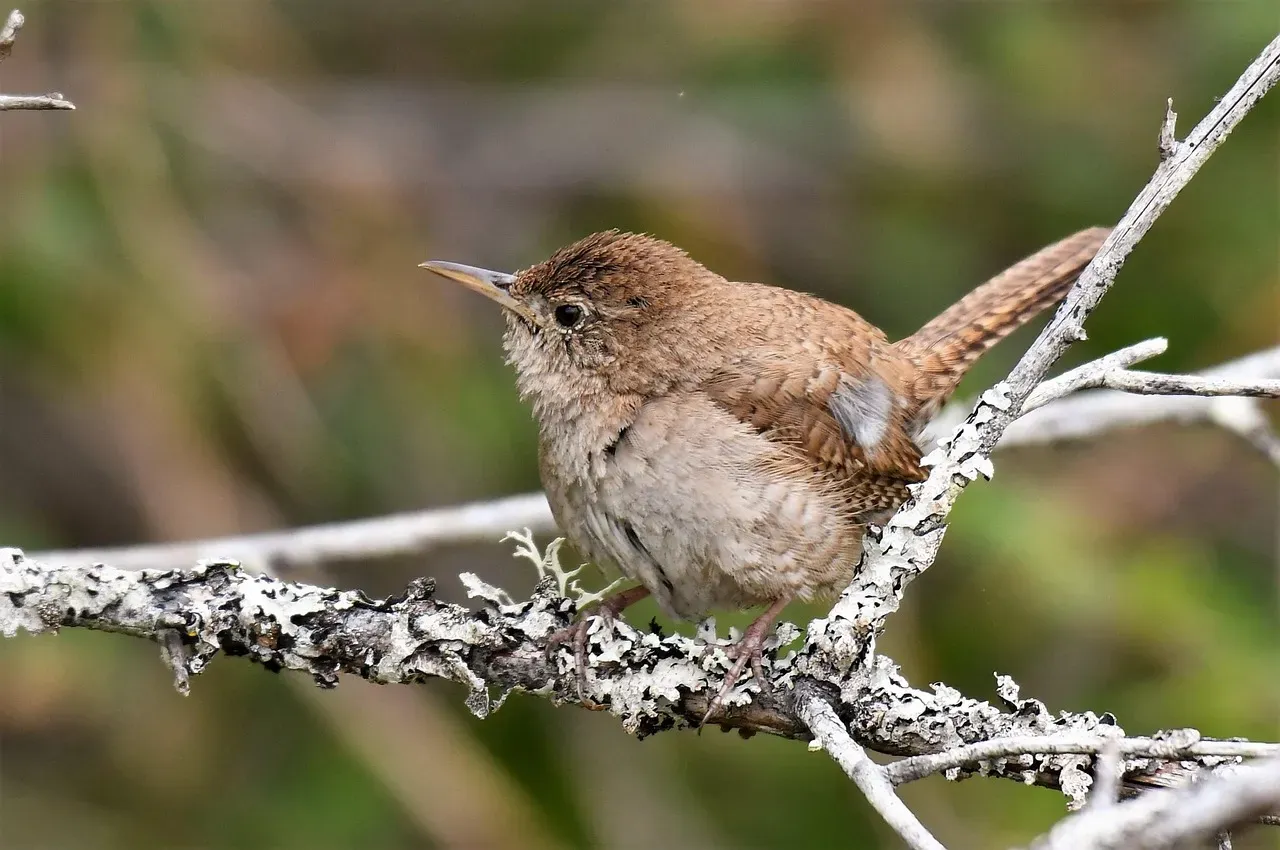
Cancer is the nurturer of the zodiac. Home matters deeply. Protecting what belongs to them matters even more. There’s no bird more intensely committed to the domestic sphere than the House Wren, a small creature with a genuinely outsized devotion to nest-building.
Wrens have unique chirping and complex nesting behavior. They can produce clear and loud songs and imitate and respond to each other’s singing. In terms of nesting, wrens are very diligent, always able to cleverly create a foothold in spreading leaves and other shelters to prevent enemy attacks. In human culture, wrens are often regarded as lucky charms and sources of inspiration.
These common birds quickly dart across shrubs and low tree branches to collect food, and they build their twig nests almost anywhere, including cans, boots, and boxes that they find in yards, frequently using nest boxes. That creative, resourceful approach to home-making is pure Cancer energy. They make a sanctuary out of whatever they’ve got.
#5 Leo (July 23 – August 22): The Blue Jay
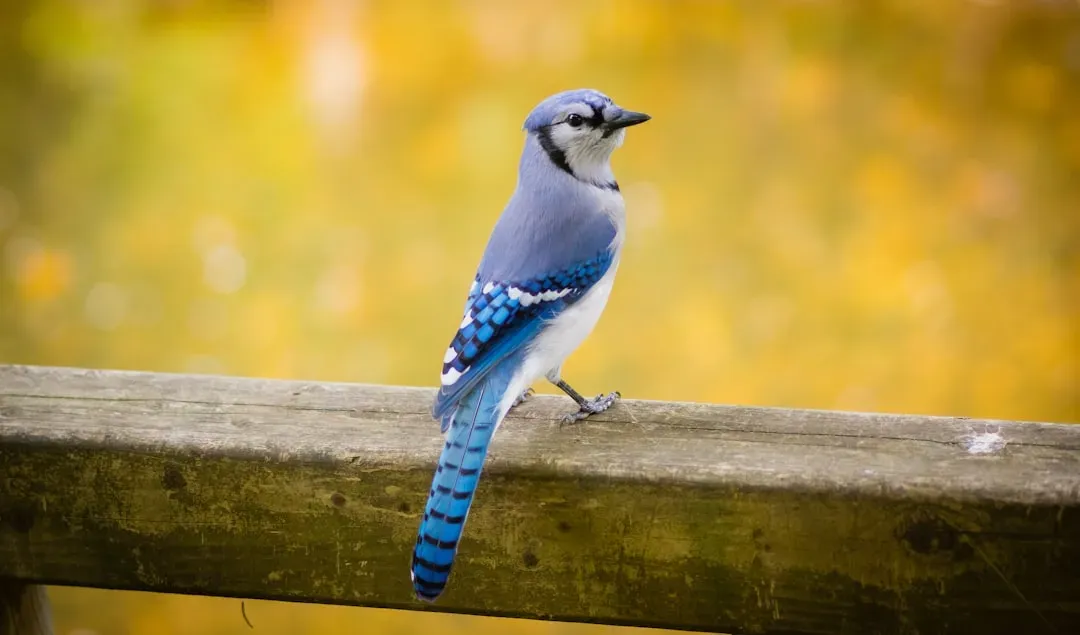
Leo commands the room. Loud, striking, and confident, this is the sign that shows up and makes sure everyone knows it. The Blue Jay has been playing this role in North American backyards since long before anyone thought to name it.
Blue jays can be expected at feeders any time of the year in all of the Northeast Region. They’re aggressive and dominant at feeders, submissive only to starlings, common grackles, red-bellied woodpeckers, and crows. They favor all yard conditions, including urban yards with sufficient trees. That social dominance is instinctive, not performed. Much like Leo, who doesn’t really try to take charge. It just happens.
Blue jays are some of the most beautiful common birds in North America because of their stunning blue and white feathers. They’re vocal, territorial, and deeply loyal to their flock. Leo energy written in feathers: unmistakable, beautiful, and unapologetically present.
#6 Virgo (August 23 – September 22): The White-breasted Nuthatch
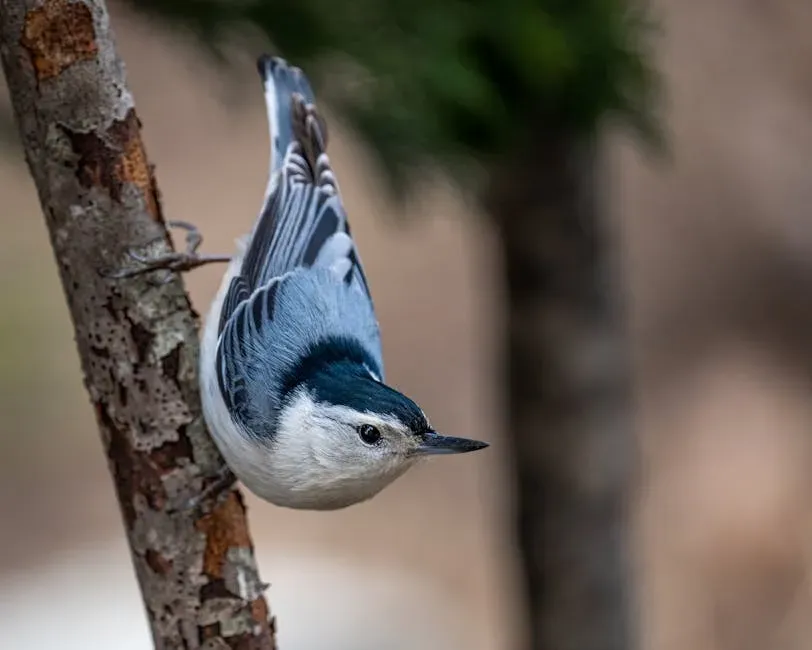
Virgo is methodical, detail-oriented, and quietly exceptional at practical tasks. This is the sign that plans three steps ahead and actually follows through. The White-breasted Nuthatch is that energy made ornithological.
You can recognize this bird by its white face and underside, bluish back and wings, and dark crown, its nasal “yank-yank” call, and its habit of creeping down tree trunks headfirst. Year-round residents even in cold areas, nuthatches nest in natural cavities and old woodpecker holes. They survive the winter by caching seeds in bark crevices to eat later.
A white-breasted nuthatch is easy to spot due to this backyard bird’s unique habit of hopping around upside-down. The nuthatch will eat just about everything you serve at feeders and has a special love for large seeds like peanuts and acorns. They jam these nuts into tree crevices and whack them to open and pry out the meat. There are three other nuthatch species found in North America, and all of them are amazingly acrobatic. Virgo would appreciate every bit of that systematic efficiency.
#7 Libra (September 23 – October 22): The American Goldfinch
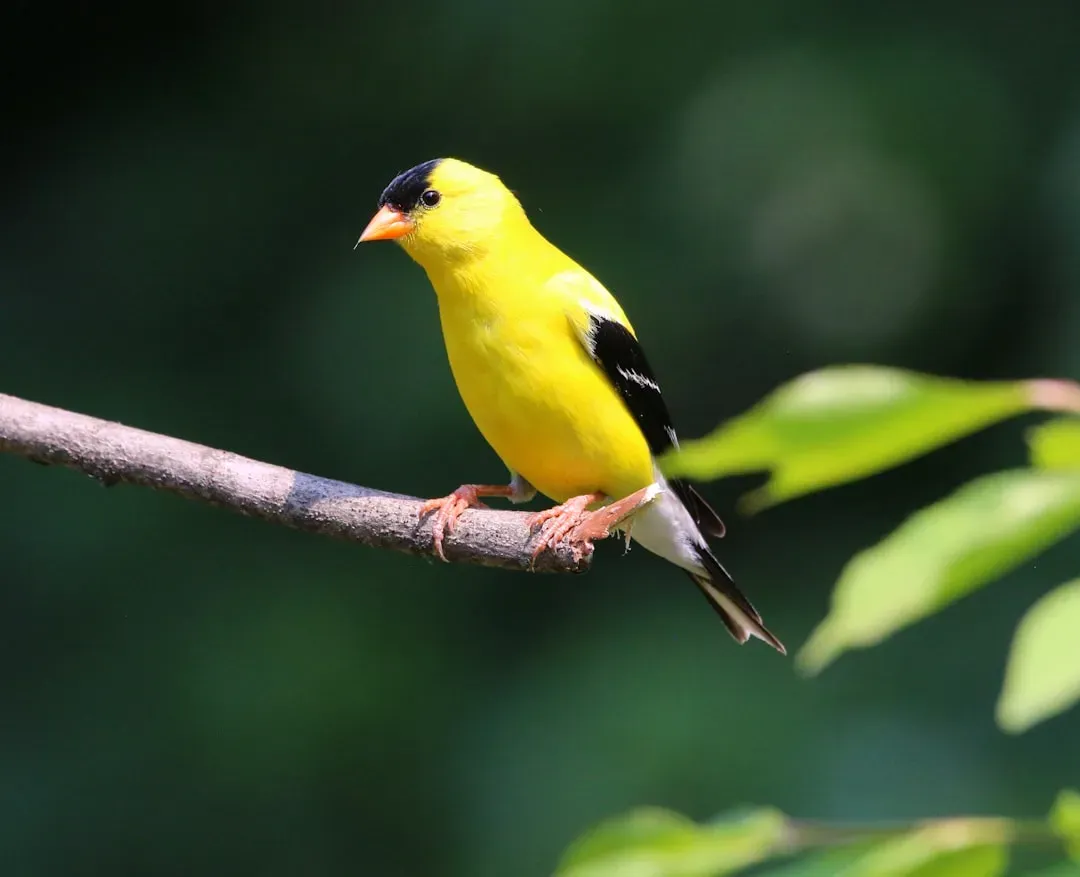
Libra is drawn to beauty. This is the sign that genuinely can’t walk past a well-arranged room or a striking color without pausing. The American Goldfinch, with its vivid yellow plumage and elegant flight pattern, is the most visually harmonious bird in the backyard.
The sunny yellow plumage of male American Goldfinches in spring and summer has earned these birds the nickname “wild canary,” but females and winter males are actually a duller, buffy color. That seasonal shift between vivid and understated is very Libra, too. Always beautiful, but quietly so when the moment calls for it.
Goldfinches often flock with Pine Siskins and Common Redpolls. Spring males are brilliant yellow and shiny black with a bit of white. Females and all winter birds are more dull but identifiable by their conical bill, pointed notched tail, wingbars, and lack of streaking. Sociable, aesthetically remarkable, and graceful in movement. Libra would feel entirely at home in that description.
#8 Scorpio (October 23 – November 21): The American Crow
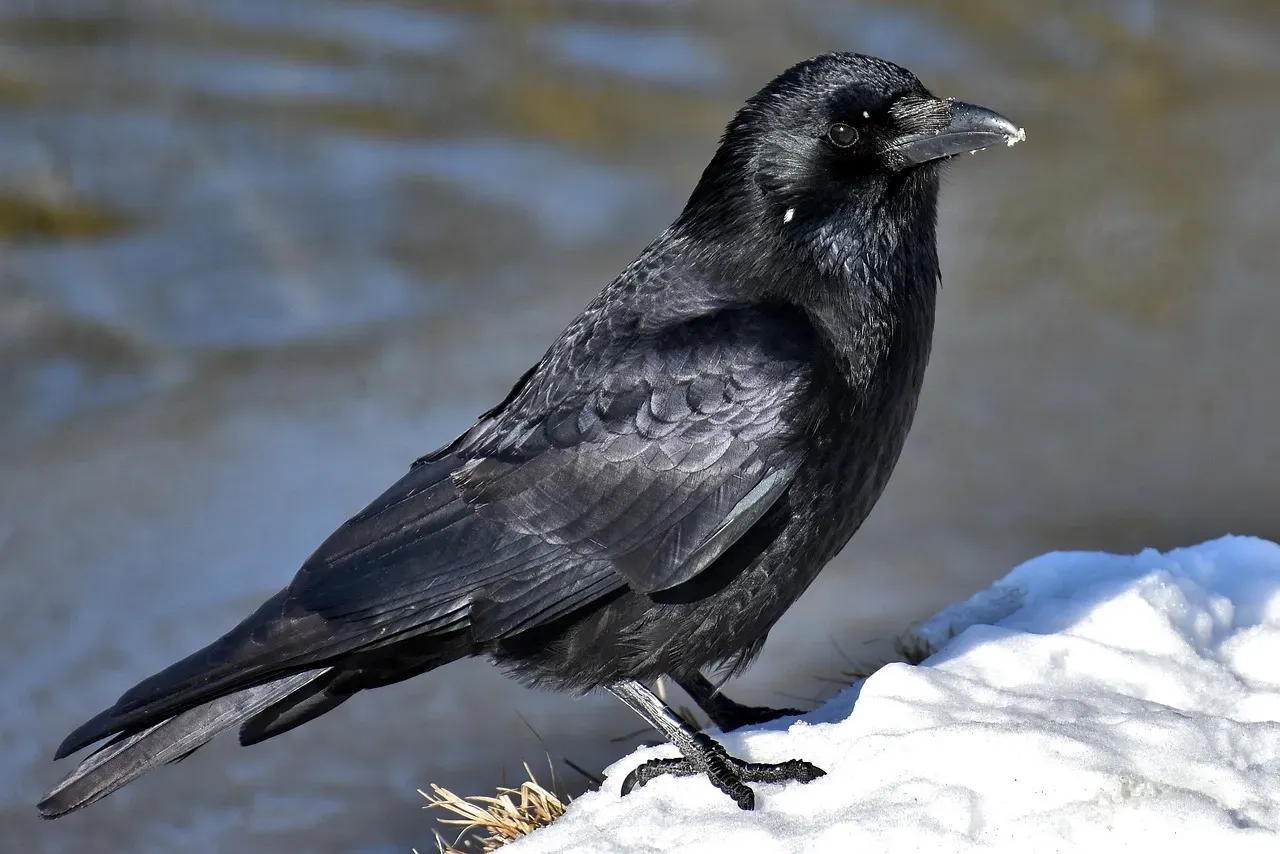
Scorpio is intense, perceptive, and comfortable with depths that others tend to avoid. There’s a reason crows feel like the birds of autumn and shadow. They watch more than they reveal, and they remember everything.
American crows are large all-black birds that make a hoarse, cawing sound. They have a loud cawing call and are known for their communal behavior, often gathering in large groups. American Crows are highly intelligent and can recognize individual human faces. That last detail is genuinely remarkable, and very Scorpio. They know who you are. They haven’t forgotten.
Scorpio is intense, deep, and often connected to mystery. The raven reflects this strong and thoughtful energy. Ravens are known for their intelligence and their calm, watchful presence. The crow shares all of that. It’s a bird that commands respect rather than affection, which is, honestly, very on-brand for Scorpio.
#9 Sagittarius (November 22 – December 21): The American Robin
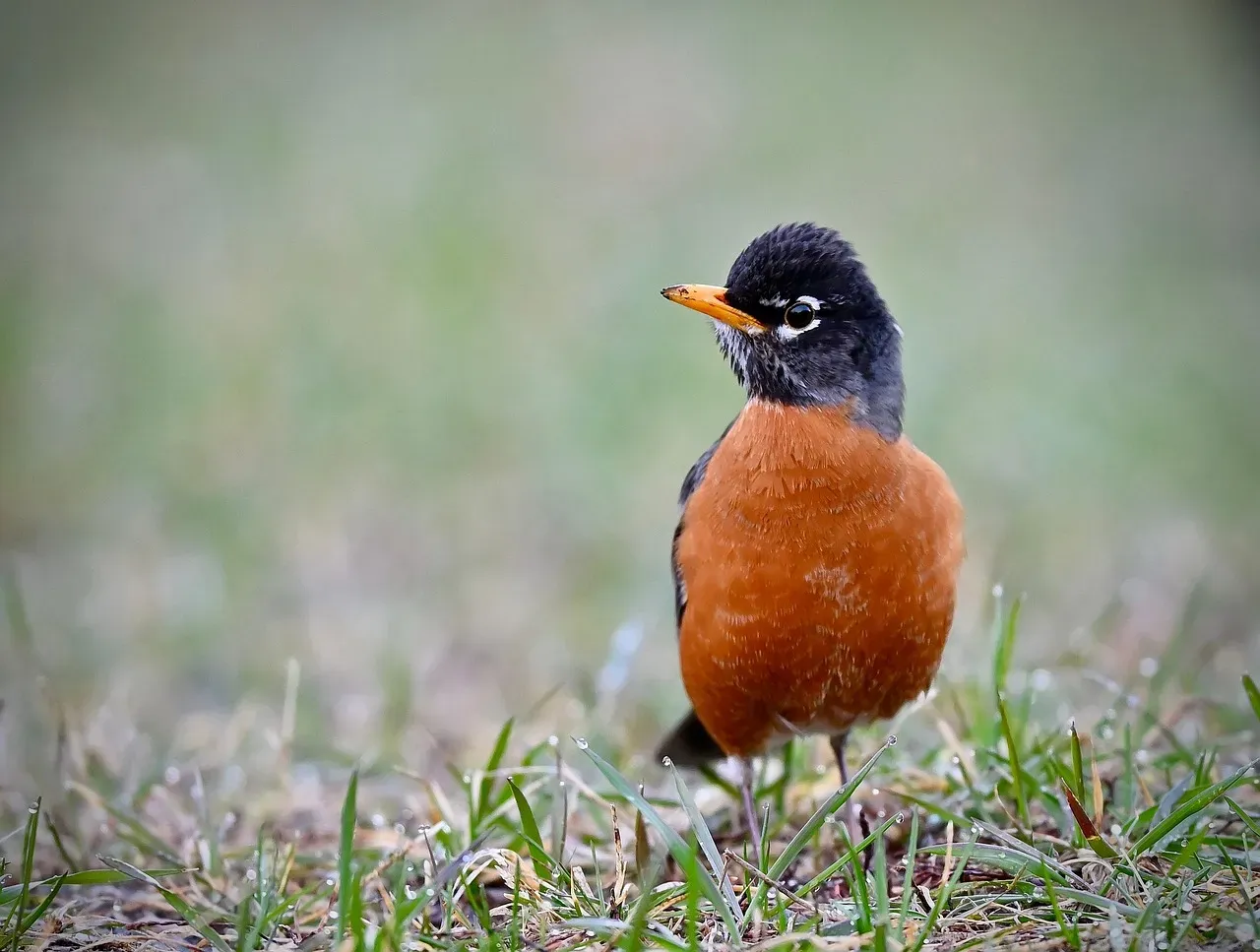
Sagittarius is the eternal optimist, the traveler, the one who arrives somewhere new and immediately feels at home. The American Robin is practically the ornithological symbol of that restless, forward-moving spirit.
Perhaps no other North American bird is as familiar to the general public as the American Robin. Widespread, common, and conspicuous, these medium-size birds can be found in every state in the Lower 48, every Canadian province, and Alaska. They are easy to spot with their rusty orange bellies and gray backs. This is the kind of reach Sagittarius dreams about. Everywhere, always, unafraid.
American robins are known for their foraging behavior, often seen hopping on the ground in search of worms, insects, and berries. They typically feed on earthworms and grubs in spring and summer, switching to fruits and berries in the fall and winter. They’re also commonly seen singing during the early morning hours, heralding the arrival of spring. Always adapting, always moving, always announcing something new. Sagittarius through and through.
#10 Capricorn (December 22 – January 19): The Dark-eyed Junco
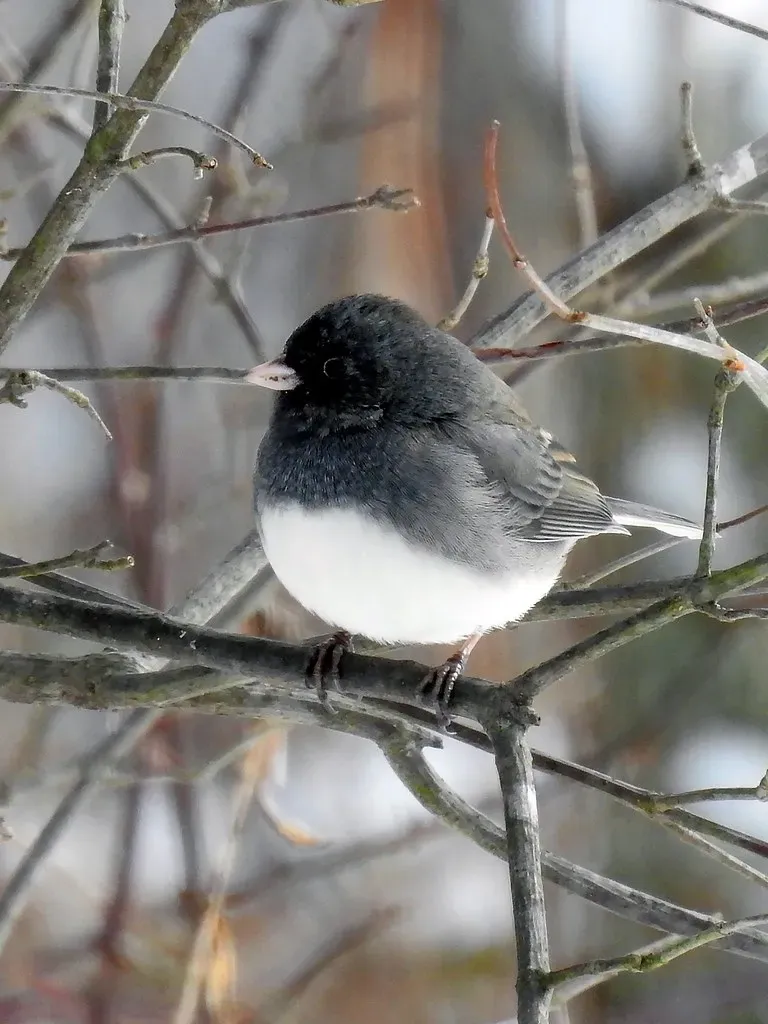
Capricorn is practical, persistent, and entirely unfazed by difficulty. Winter doesn’t break this sign. It motivates it. The Dark-eyed Junco, showing up reliably when temperatures drop and staying long after other birds have sought warmth, is a near-perfect embodiment of that trait.
Juncos are a popular and widespread winter visitor to almost all of the United States from the boreal forests of the North and high mountains. They prefer mixed woods and coniferous habitat, but they are staples of backyards, where they bounce around under feeders foraging and eating spilled seeds. The eastern version features a white belly and a slate head and back, but there are a few different subspecies of the bird that vary geographically. Dark-eyed Juncos are colloquially known as “snowbirds” due to their sudden appearance throughout much of the country when the temperature starts dropping.
Dark-eyed Juncos are neat, even flashy little sparrows that flit about forest floors of the western mountains and Canada, then flood the rest of North America for winter. They’re easy to recognize by their crisp markings and bright white tail feathers they habitually flash in flight. Dark-eyed Juncos are among the most abundant forest birds of North America. Reliable, understated, present when it matters most. That’s exactly the kind of reputation Capricorn works a lifetime to earn.
#11 Aquarius (January 20 – February 18): The Downy Woodpecker
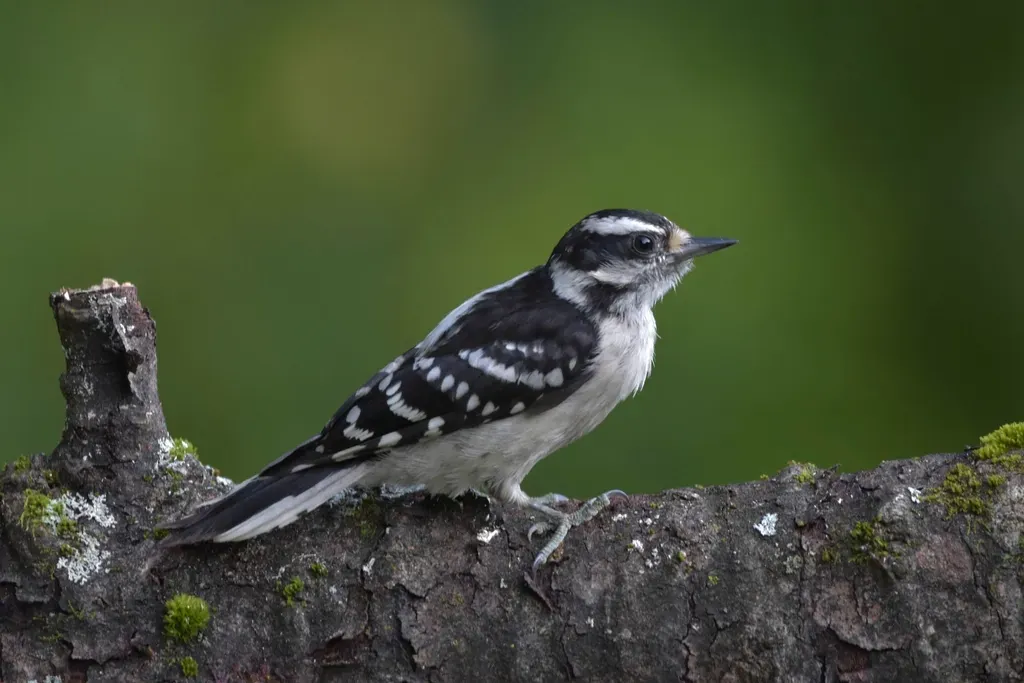
Aquarius does things its own way. Not out of rebellion, exactly, but because the conventional approach rarely makes the most sense to this sign. The Downy Woodpecker operates by its own rules too, and somehow makes it look effortless.
Downy Woodpeckers are the smallest woodpeckers in North America. These stubby-billed, black-and-white birds live in deciduous woods and tree-filled urban and suburban parklands, where they forage on trees, shrubs, and large weeds for insects and other arthropods. Although the Downy Woodpecker and its cousin the Hairy Woodpecker look very similar, you can differentiate them based on the Hairy’s larger size, longer bill, and its more strident vocalizations.
The Downy Woodpecker, doing its own thing quietly and brilliantly, is a good symbol for Aquarius: ahead of its time and utterly unconcerned about it. The downy is the smallest and most abundant woodpecker in North America, occurring across the U.S. year-round, and is easy to attract to your yard with a suet feeder, found in a variety of habitats from deep woods to urban parks and backyards. Independent, original, adaptable. Classic Aquarius.
#12 Pisces (February 19 – March 20): The House Finch
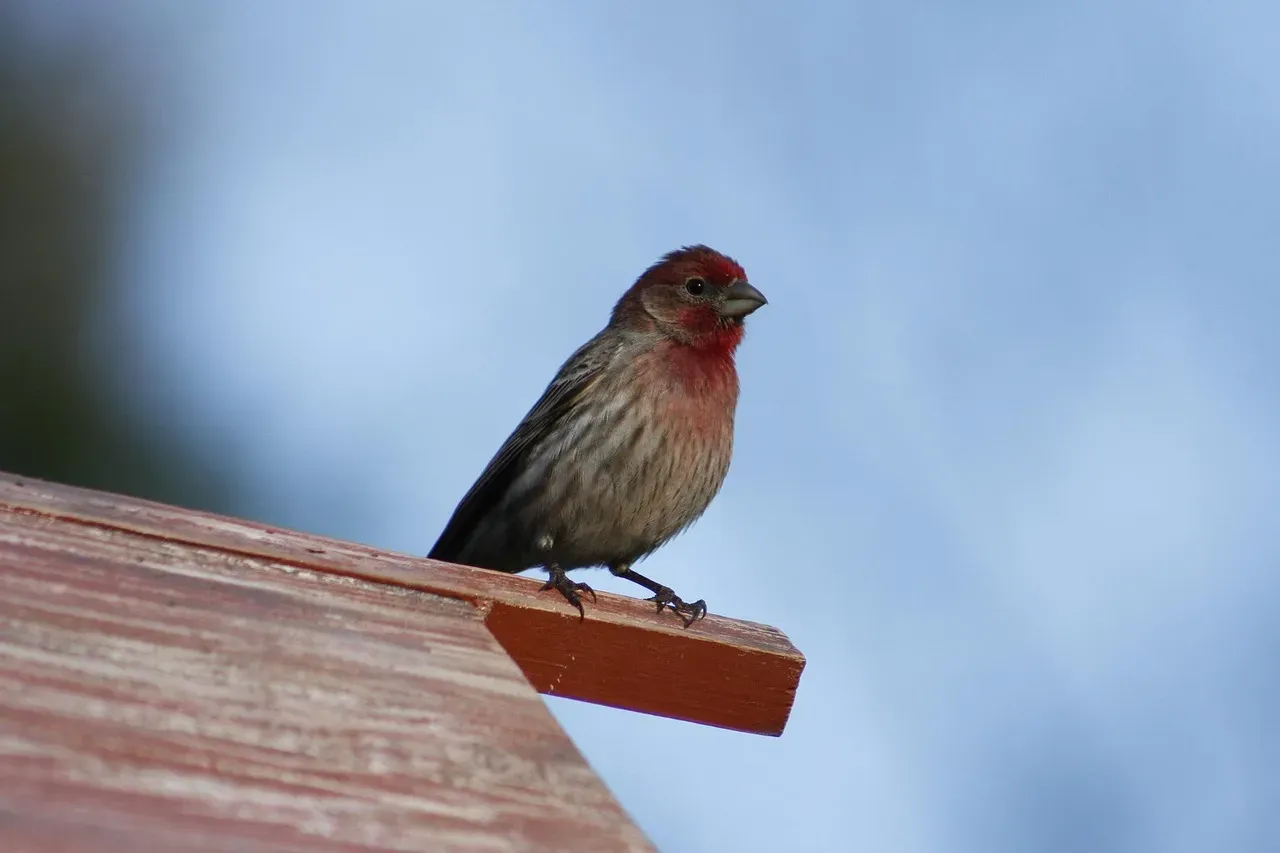
Pisces is the dreamer, the empath, the one with music running through them at all times. The House Finch carries that spirit in every note it sings from a fence post or a backyard feeder on a quiet morning.
Pisces is the dreamer of the zodiac. Pisceans are empathetic, artistic, and intuitive, known for their compassionate nature and creative talents, though they can be escapist and overly trusting. The House Finch carries that gentle, musical, wandering quality in everything it does.
House finches can have slight appearance variations depending on where they live. Their size, shape, wing length, tail length, and color differ regionally, which is why they’re divided into 11 subspecies. Even their songs vary, as if they have different accents. That variety within a single identity is deeply Piscean, a sign that contains multitudes and shifts its expression depending on who’s listening.
Conclusion: The Backyard as a Mirror
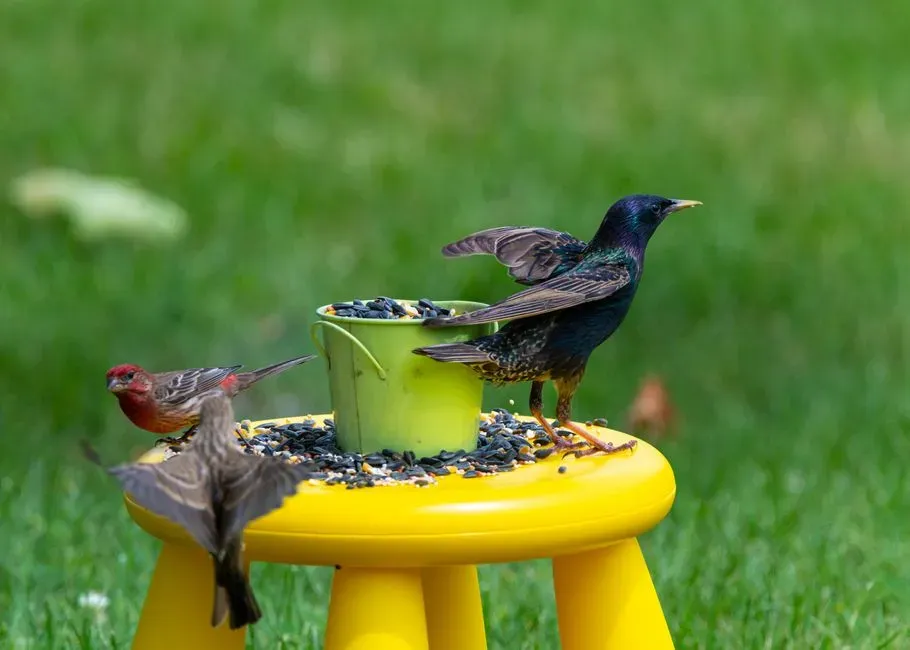
There’s something worth sitting with here, even if you take astrology lightly. Some backyard birds behave differently from others, even when they’re the same species, and over the past decade an avalanche of research has revealed that individual birds as well as other animals have unique personalities. Science and folklore, for once, are pointing in the same direction.
While astrology for animals is more for fun than science, many people find that zodiac traits match their subject’s personality surprisingly well. The real value in exercises like this is the nudge toward noticing something, about yourself, about your surroundings, about the small creatures living their entire lives a few feet from your back door.
Honestly, that might be the most useful takeaway here. Whether you’re a blazing Aries cardinal or a patient Virgo nuthatch, the birds in your backyard are already living out something that feels strangely familiar. The zodiac didn’t invent these personality types. It just gave us a language for them. Turns out, the birds were speaking it all along.
