
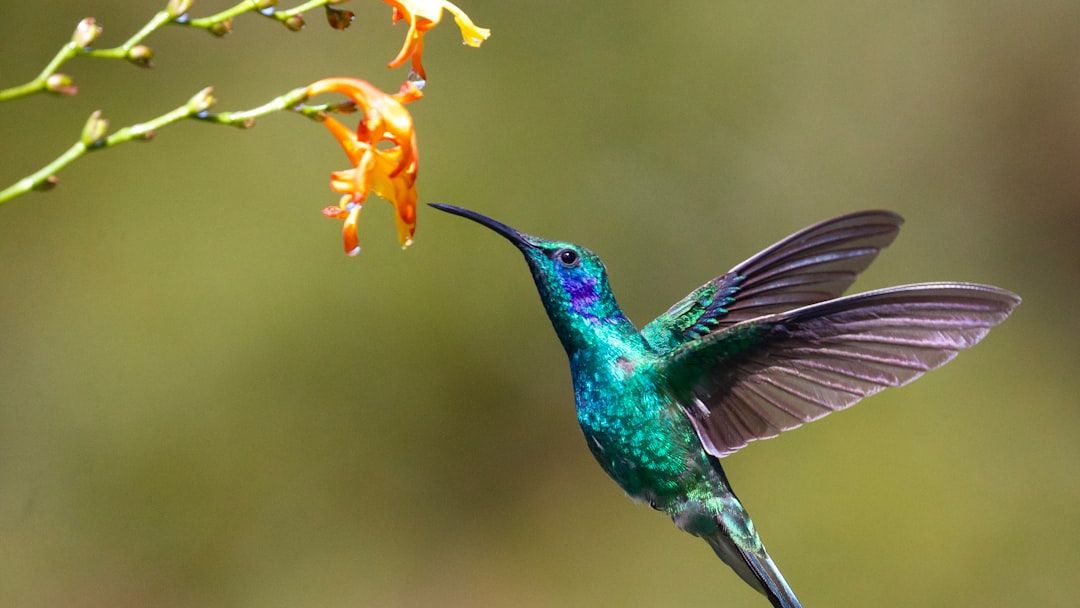
There’s a good chance you’ve stood in a garden, jaw slightly dropped, watching something dart past so fast you weren’t entirely sure it was real. Hummingbirds have that effect on people. They’re tiny, they’re impossibly quick, and they seem to operate by a completely different set of rules than every other creature on the planet.
What most people don’t realize is that beyond the flash of color and the blur of wings, hummingbirds are walking – well, hovering – biological miracles. The more you learn about them, the more extraordinary they become. Here are twelve facts that genuinely earn the word “surprising.”
#1: They’re the Only Birds That Can Fly Backwards
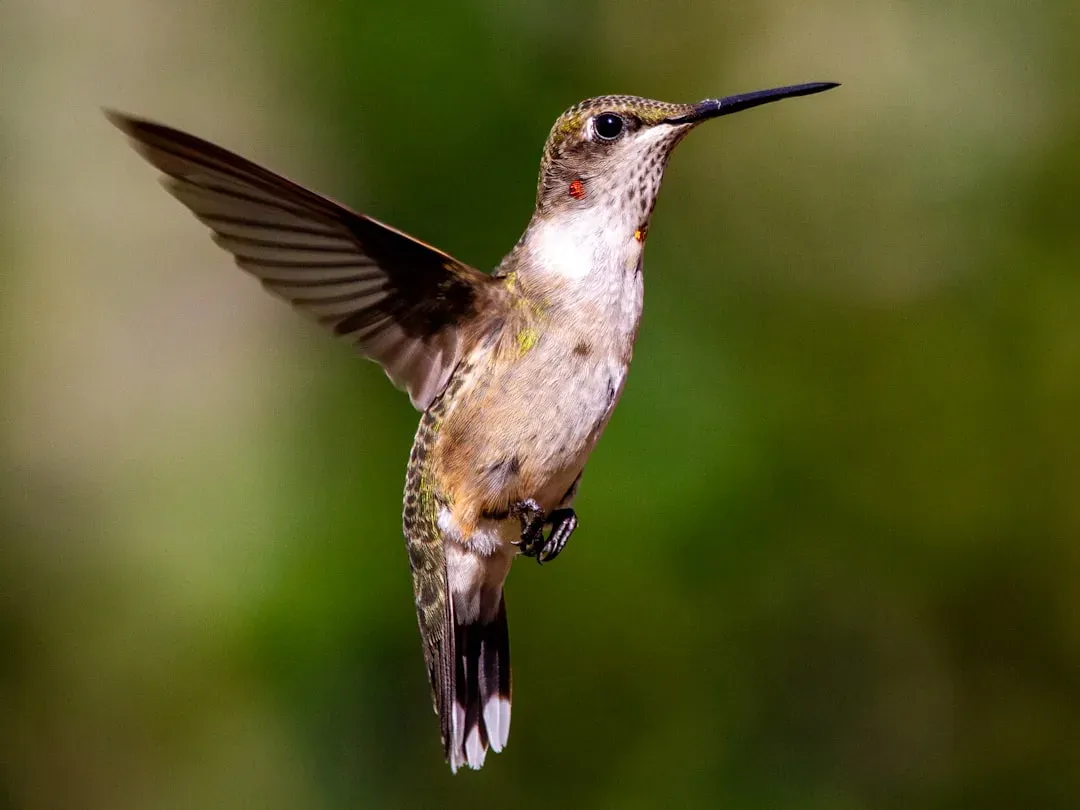
Most birds produce lift only on the downstroke of their wings. When birds flap their wings, most species create lift and drag on the downstroke of the wingbeat, but at roughly 40 beats per second, hummingbirds create lift and drag during both the downward and upward stroke of each wingbeat. That full-rotation control is what makes backward flight possible.
Hummingbirds are the only birds that can fly backwards. They can fly forward, backward, and even upside down, and are also the only vertebrates capable of hovering for a sustained period during flight. That’s not a party trick. It’s a finely engineered survival tool that allows them to retreat from flowers and navigate dense environments with total precision.
#2: Their Hearts Beat at a Rate That Defies Belief
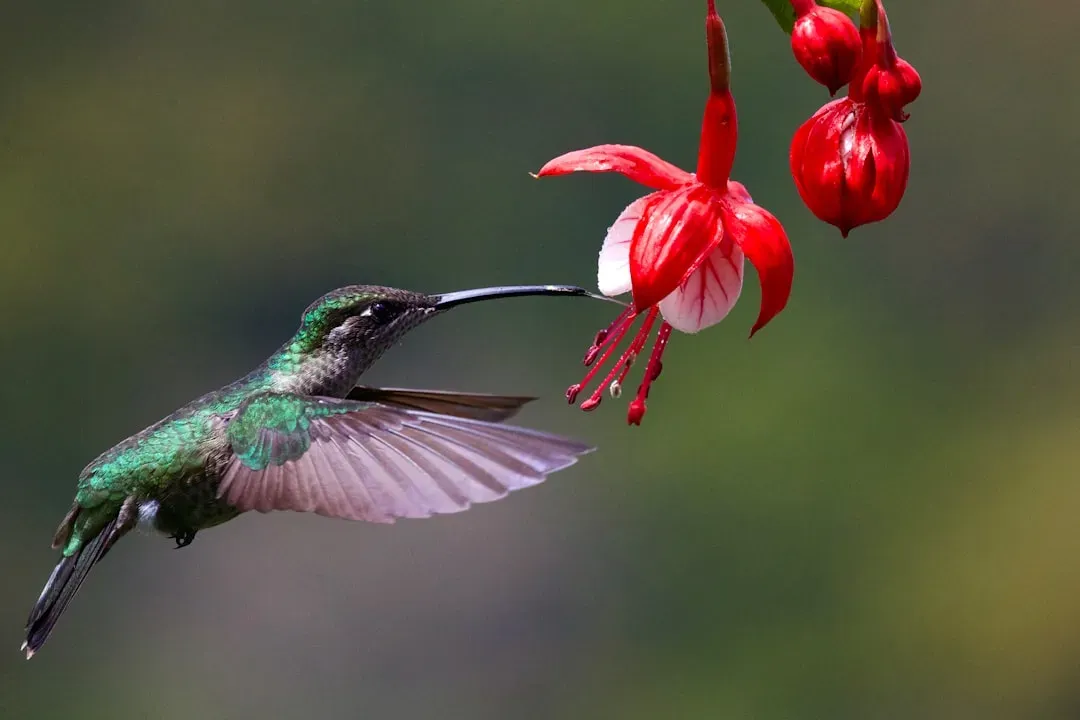
During active flight, the heart can beat at rates often exceeding 1,200 times per minute, with the highest recorded rate being an astounding 1,260 beats per minute in some species. For context, a healthy human heart averages somewhere between 60 and 100 beats per minute at rest. The gap is almost too large to picture.
A hummingbird’s heart is relatively the largest of all animals at 2.5% of its body weight. Their blood also contains a higher concentration of red blood cells compared to other birds, which enhances their oxygen-carrying capacity and supports their high heart rate. Every system in their body is built around the demands of that relentless engine in their chest.
#3: They Enter a Near-Death-Like Sleep Every Night
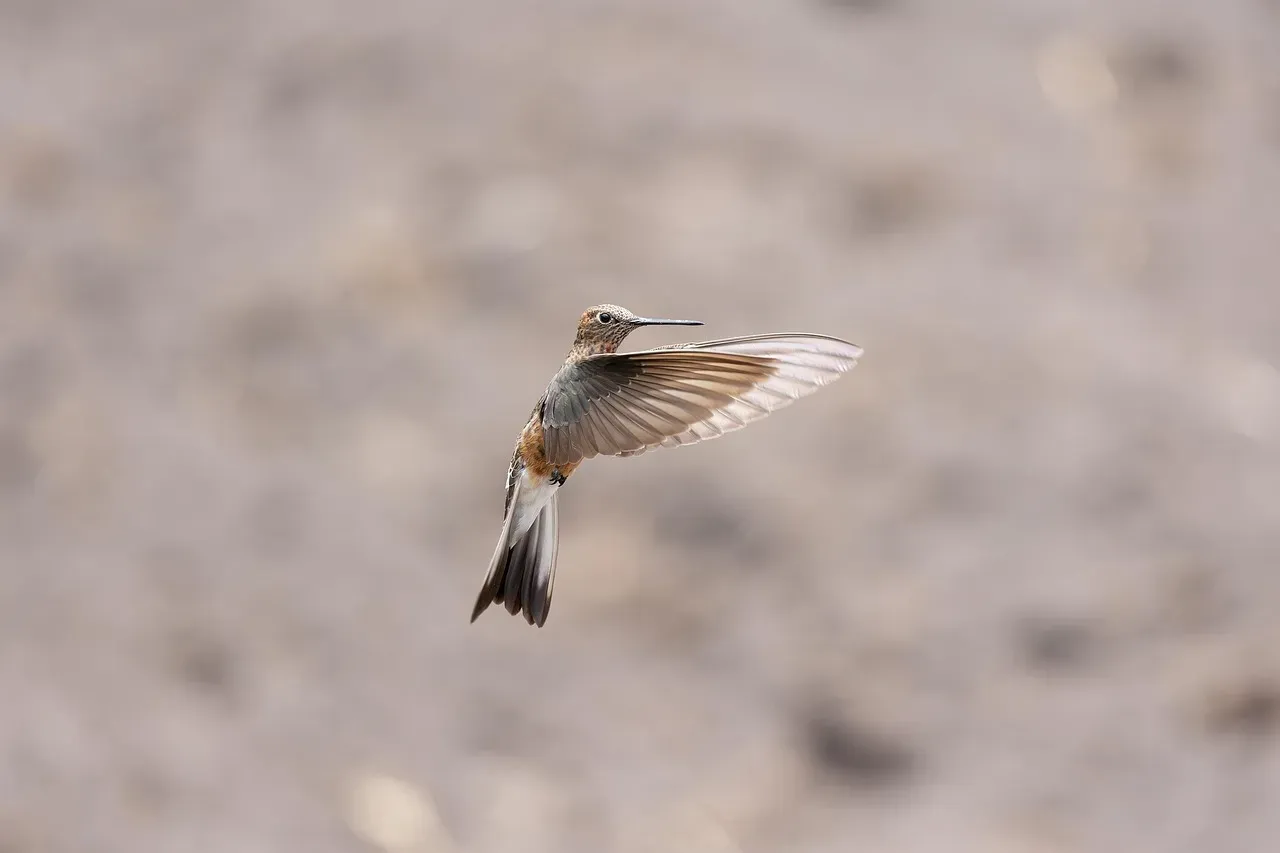
Torpor is a state that hummingbirds enter every night while they’re resting – a hibernation-like state that helps these tiny birds conserve their energy for the next day’s activities. It’s not a light snooze. It’s a dramatic physiological shutdown that most people would struggle to distinguish from death.
During torpor, the bird’s body temperature can fall by nearly 50 degrees Fahrenheit from its normal active temperature of about 105 degrees, and the heart rate slows down by over 90 percent from its active state, dropping to a range of 50 to 180 beats per minute. Some hummingbirds may even stop breathing for short periods of time to conserve energy. They emerge from this state each morning as if rebooting from scratch.
#4: Their Metabolism Is Faster Than Almost Any Animal on Earth
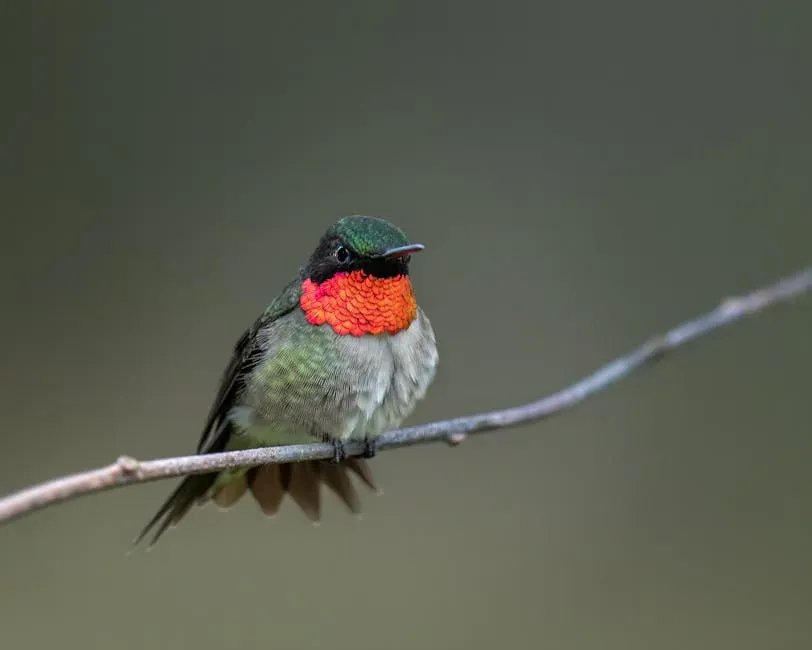
The Journey North research team at the University of Wisconsin-Madison reports that ruby-throated hummingbirds have the fastest metabolisms not only in the bird world, but also in the whole of the animal kingdom, and they can eat up to three times their weight in nectar every day. That’s a caloric demand that’s almost comical by human standards.
According to the San Diego Zoo, hummingbirds require around three to eight calories per day, which doesn’t seem like much at first, but translating that into human terms, it would mean consuming 155,000 calories a day. A hummingbird’s metabolism is about 100 times faster than an elephant’s. They’re not just fast flyers. They’re fast everything.
#5: Their Feathers Contain No Color Pigment – It’s All Physics
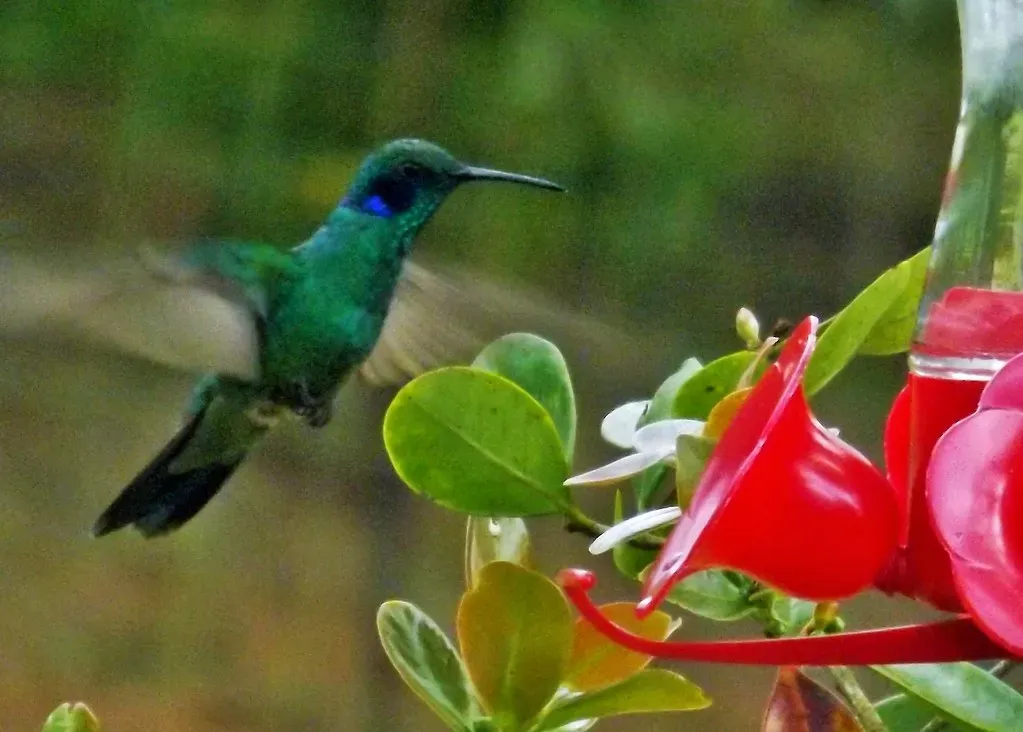
The bright colors of hummingbird feathers result from prismal cells within the top layers of feathers of the head, gorget, breast, back and wings, and when sunlight hits these cells, it is split into wavelengths that reflect to the observer in varying degrees of intensity, with the feather structure acting as a diffraction grating. The color you see shifts depending on your angle. That’s not paint. That’s light manipulation.
The colors depend on the angle of light, as microscopic platelets in feathers interfere with light waves differently as viewing angle changes, creating the shifting rainbow effect. Female hummingbirds typically have much less iridescent coloring than males, an evolutionary adaptation that helps them stay camouflaged while nesting. The dazzle, it turns out, is strategic.
#6: They Can See Colors Completely Invisible to Humans
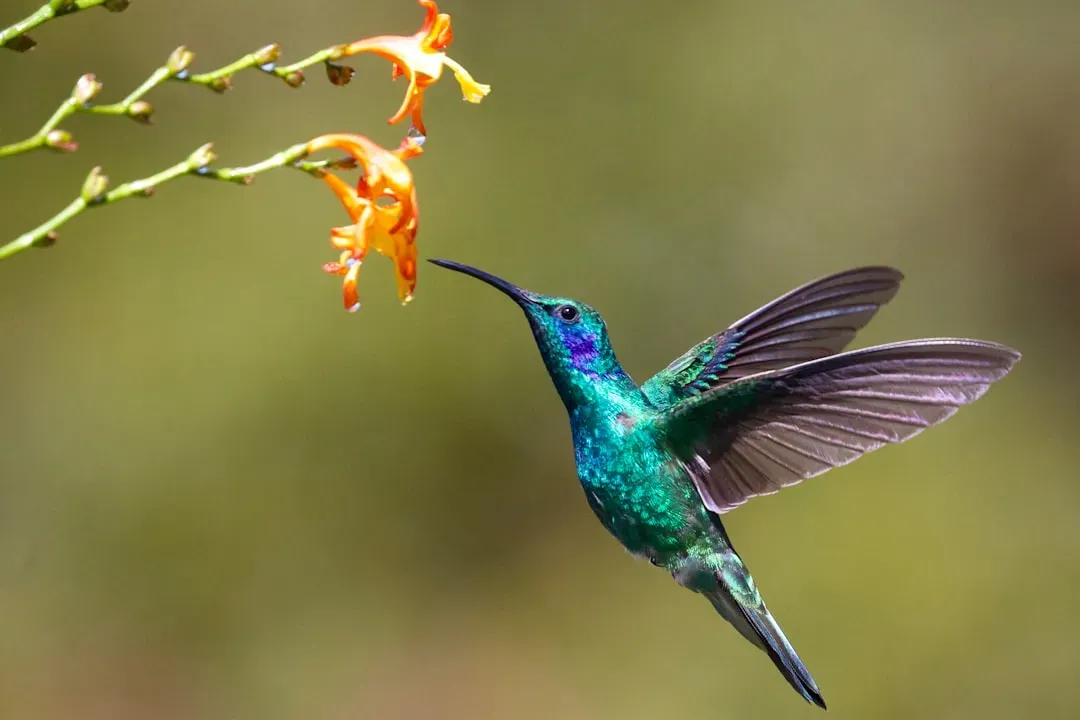
Humans have three types of color receptor cones, making our vision trichromatic, whereas hummingbirds have four cone types, making their vision tetrachromatic, which allows them to perceive wavelengths of light and see colors that humans can’t even imagine. We are, in every sense, operating in a duller world.
Hummingbirds can see an impressive array of colors that are invisible or appear very different to the human eye, and in a series of experiments involving sugar water and LED tubes, researchers found that wild broad-tailed hummingbirds can discern colors created from various combinations of ultraviolet and visible light. This ability likely helps the birds home in on nectar-bearing flowers covered in patterns that are imperceptible to people. Every flower is a coded message they can read and we cannot.
#7: They Have a Freakishly Powerful Memory
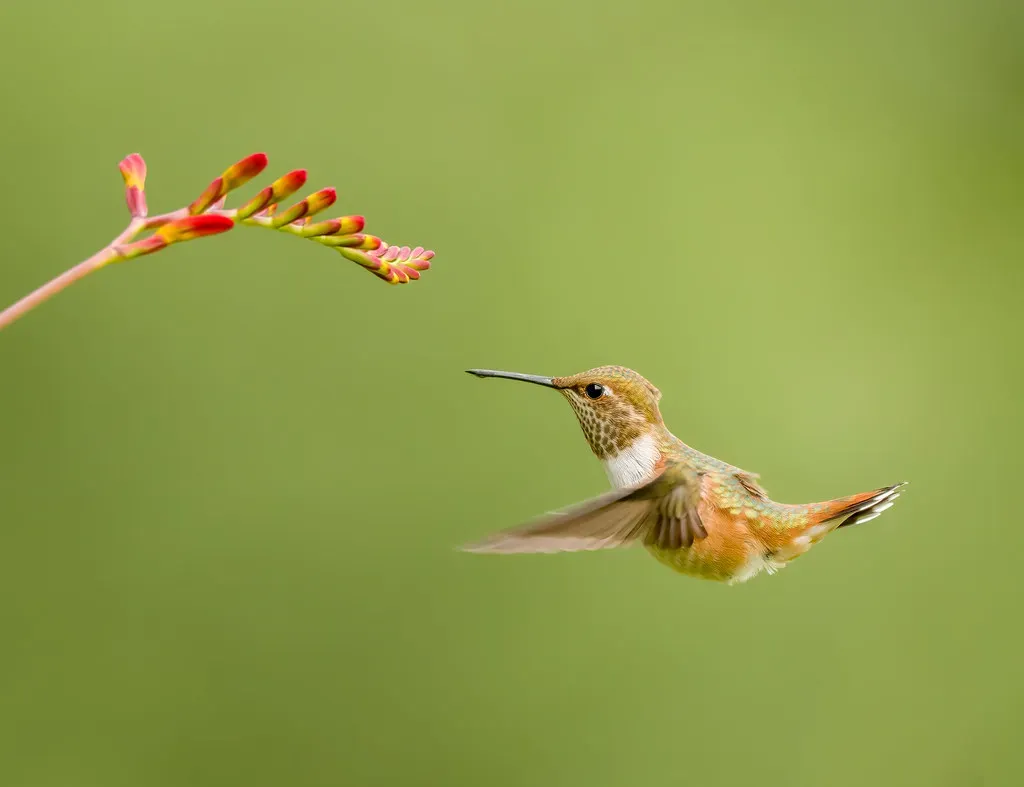
Hummingbirds possess an exceptional memory, especially for locations and sources of food, and studies show they can remember every flower they’ve visited and how long it will take each flower to refill with nectar, with this retention skill extending to feeders and the people who refill them. That’s not instinct. That’s genuine spatial intelligence.
The hummingbird brain is 4.2% of its body weight, the largest in proportion of the wild bird group. They can remember flower locations, nectar availability, and even the timing of nectar replenishment, which allows them to efficiently manage feeding routes and maximize energy intake. For a creature that weighs less than a coin, the cognitive horsepower is genuinely remarkable.
#8: They Weigh Almost Nothing, Yet Migrate Thousands of Miles
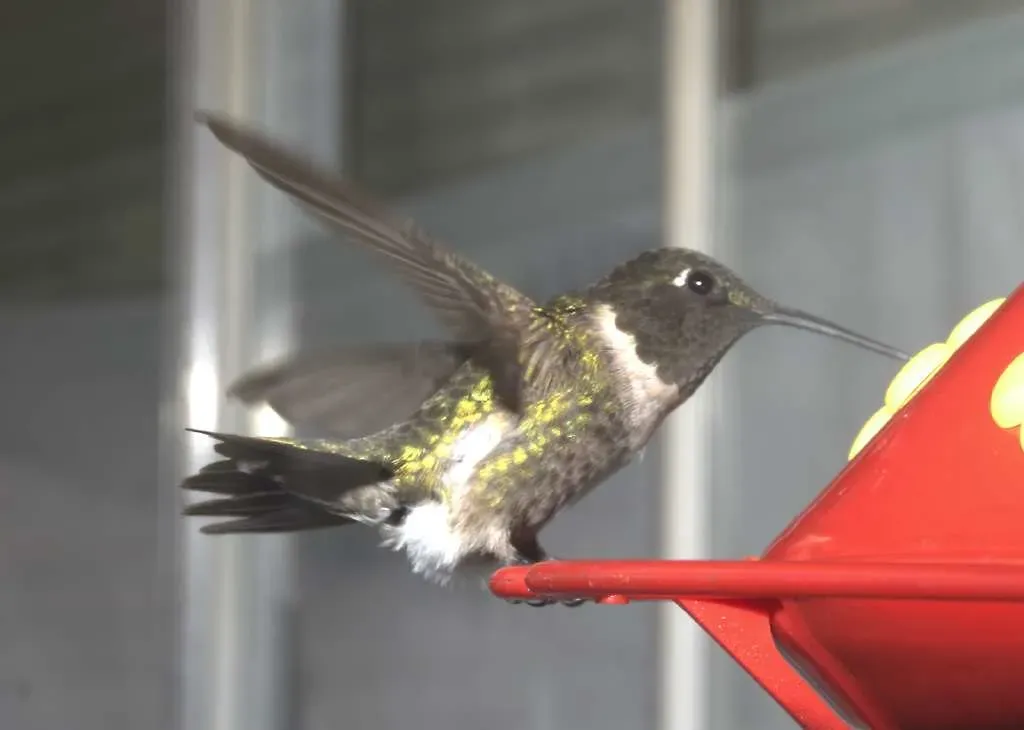
Hummingbirds are the lightest North American birds, with most weighing less than two pennies at 3 to 4 grams. Holding that number in mind makes what comes next even more staggering. Ruby-throated hummingbirds can travel around 500 miles non-stop when they cross the Gulf of Mexico, and this can take the little birds at least 20 hours.
Even more remarkable is the migratory flight of the Rufous hummingbird, which travels over 3,700 miles on its journey from Mexico to Alaska. Hummingbirds typically gain 25 to 40 percent of their body weight before they start migration in order to make their trip, and they generally fly alone, often on the same path they’ve flown earlier in their life. Solitary, tiny, and absolutely unstoppable.
#9: Their Tongues Are Stranger Than You’d Expect
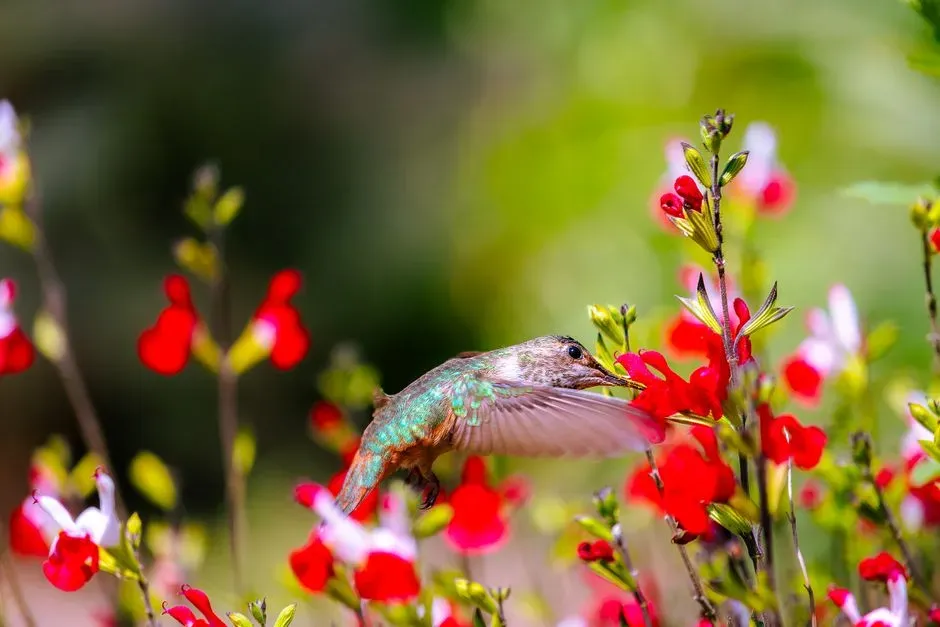
A hummingbird has a tongue that can stretch twice as long as its beak. That alone is worth sitting with for a moment. The hummingbird’s tongue is a marvel of nature, specially adapted for nectar feeding – long and extendable, it can reach deep into flowers, and its tip splits into two, forming a tube-like structure that traps nectar as it retracts.
Hummingbirds have tiny hairs on the tips of their tongues to help them lap up nectar, similar to a cat. The tongue itself is flat and split at the tip, bifurcated like a forked tongue. It’s an engineering solution that evolution refined over millions of years, perfectly matched to the shape of the flowers these birds depend on.
#10: They Have No Sense of Smell – But Extraordinary Hearing
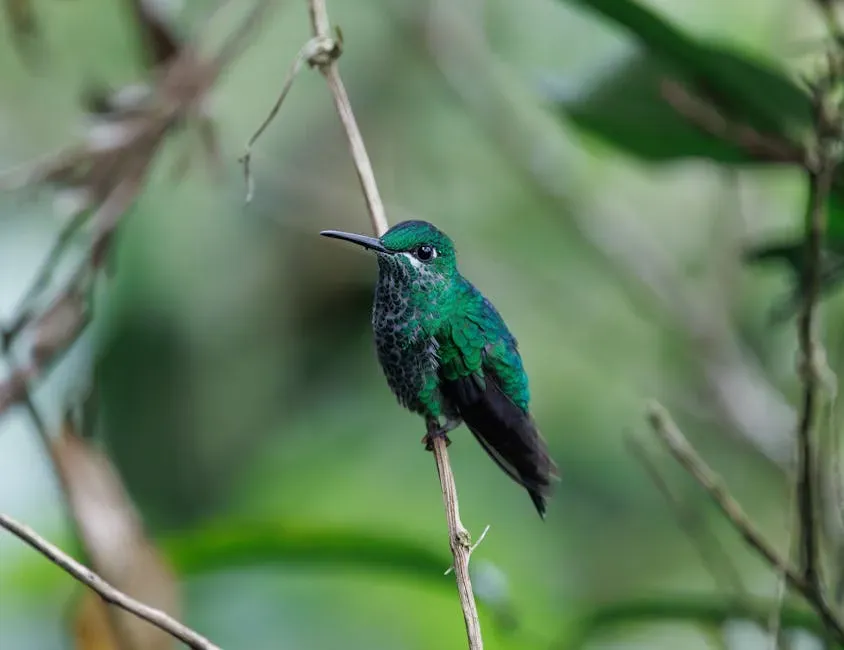
Hummingbirds have no sense of smell. For a creature so precisely adapted to finding flowers, that might seem like a strange gap. Instead, they rely on their exceptional vision to find food sources, with their keen eyesight allowing them to detect colors and patterns that indicate nectar-rich flowers, an adaptation particularly beneficial for locating food quickly in diverse environments.
Hummingbirds have no sense of smell, but can hear better than humans. Bright colors, especially red and orange, attract hummingbirds and lead them to abundant food sources, and despite the absence of smell, their other senses compensate, enabling them to thrive. Nature rarely leaves a gap without filling it with something else.
#11: Their Wings Produce the Sound That Gave Them Their Name
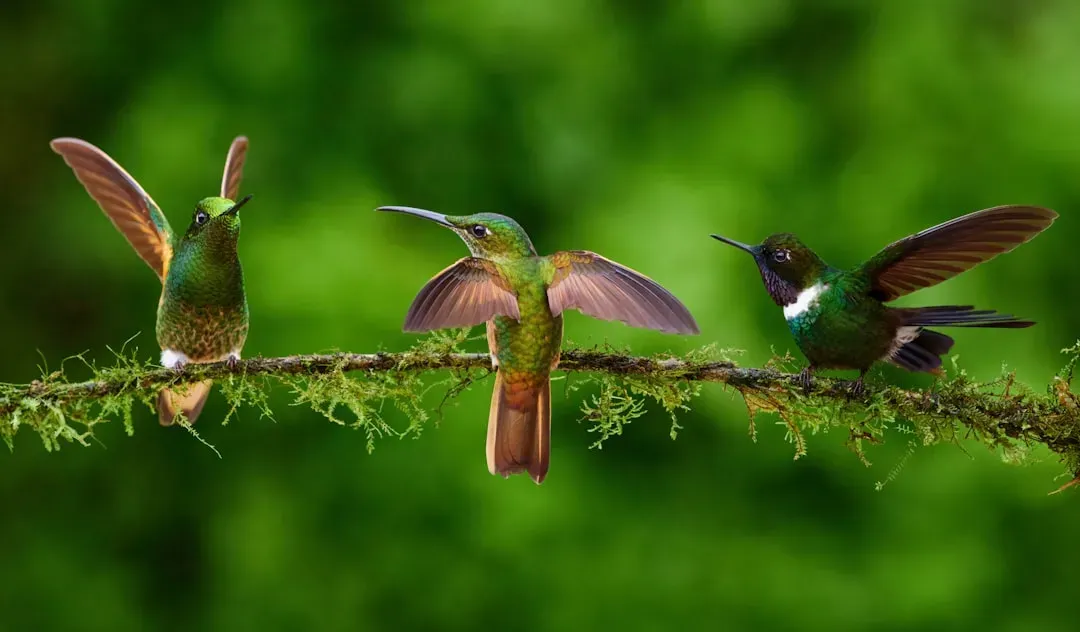
The humming we hear comes not from their voice, but the sound of the hummingbird’s wings as they flap. The force and volume of these wingbeats makes the familiar “hum” noise that earned the hummingbird its name. It’s an accidental signature, a byproduct of pure mechanical power.
The number of times a hummingbird’s wings beat differs from one species to another and ranges from 720 to 5,400 times per minute when hovering. Approximately 25 to 30 percent of a hummingbird’s body weight is flight muscle, as opposed to other birds, which average around 15 percent. That muscle ratio explains a lot about how they pull off what they pull off.
#12: The Smallest Bird in the World Is a Hummingbird
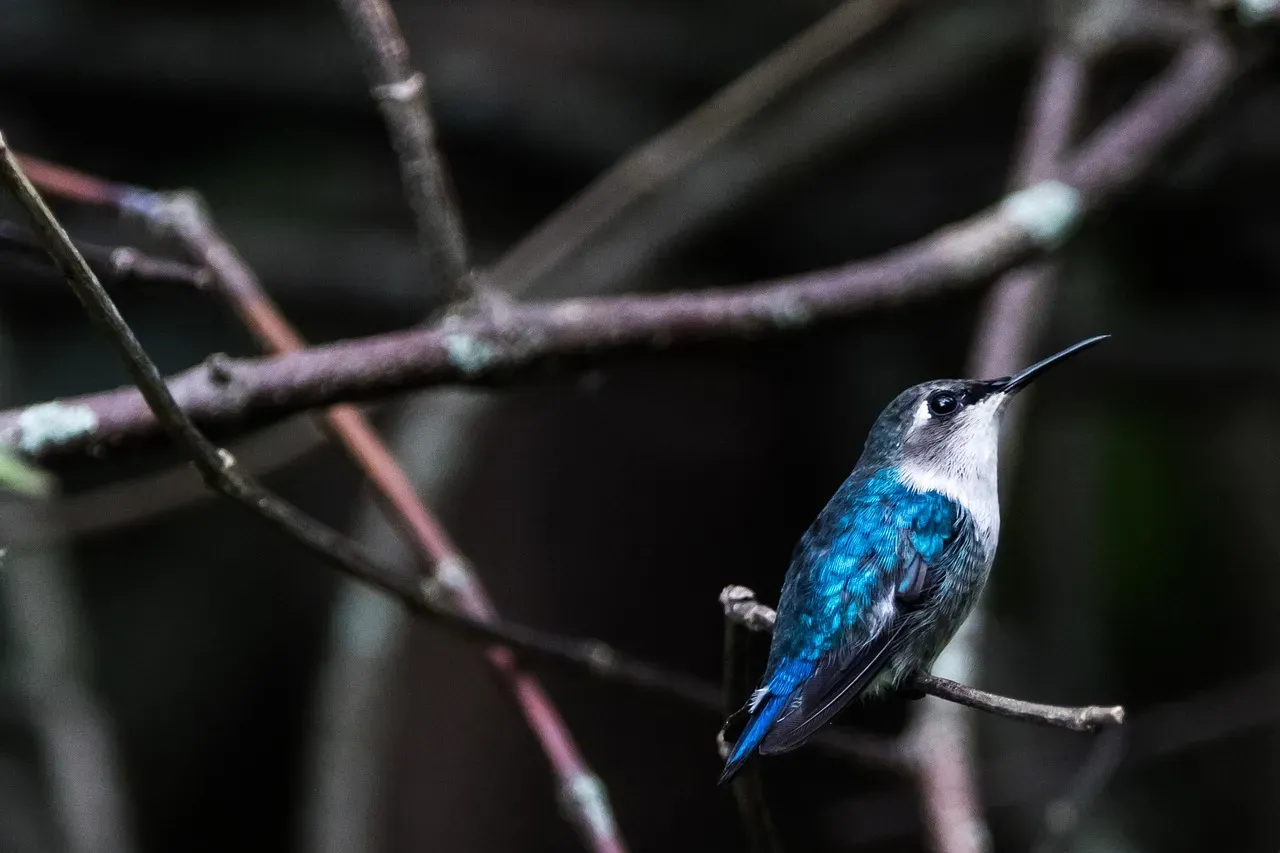
The bee hummingbird, native to Cuba, holds the title for the smallest bird in the world, weighing less than a dime and measuring about 2.2 inches in length. Hummingbirds are some of the smallest birds in the world, and the bee hummingbird is by far the smallest at just one inch in length, weighing two grams. For perspective, a standard paperclip weighs about a gram more.
The bee hummingbird has evolved a long and protractile tongue to gather nectar from flowers more effectively, and has a unique ability of moving its wings in a figure-of-eight pattern. Despite their small stature, they exhibit extraordinary flying capabilities. It’s the perfect closing reminder that size has absolutely nothing to do with being extraordinary.
Final Thought
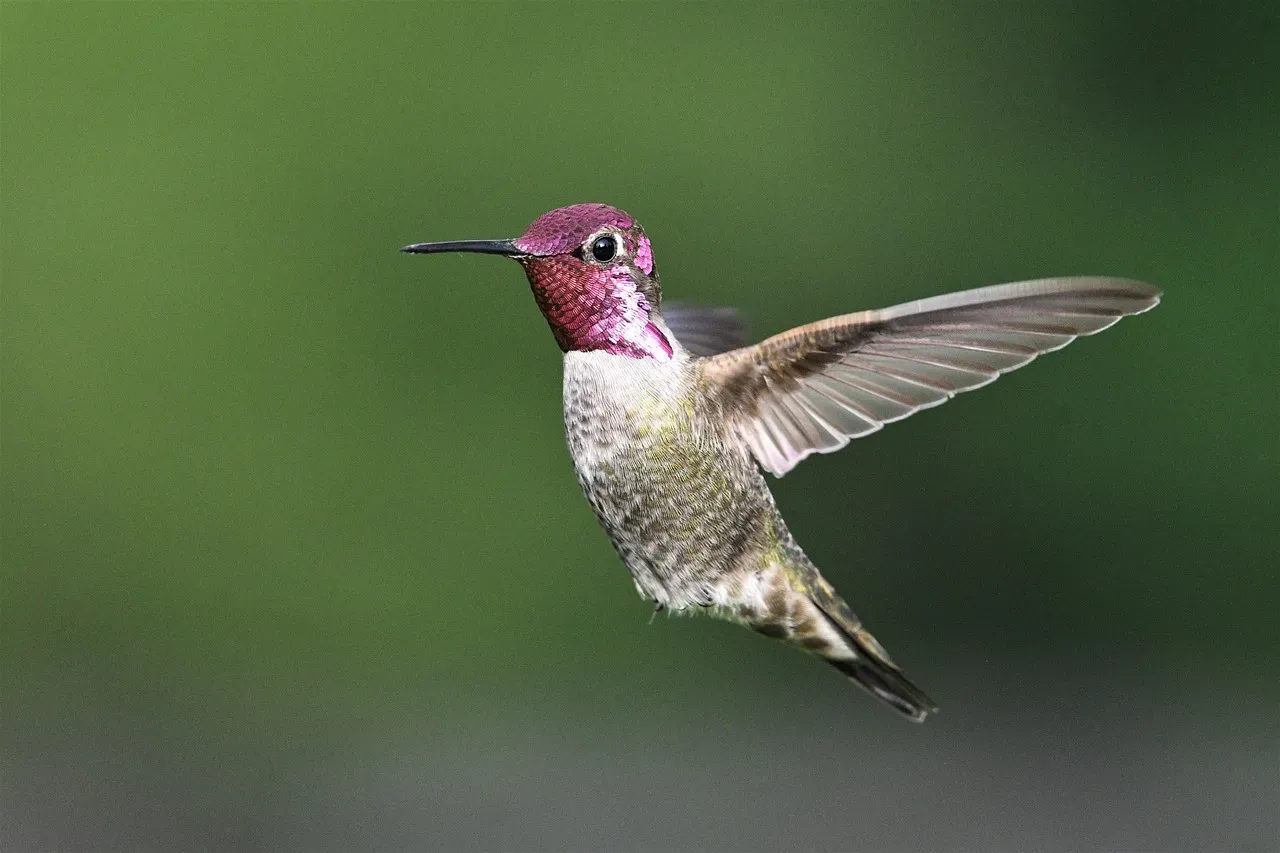
Hummingbirds are not just remarkable for their speed or their shimmer. They’re remarkable because almost every system in their body operates at what seems like the outer limit of what biology can sustain. A heart hammering over a thousand times a minute. A memory sharp enough to map every flower in a garden. A tongue that folds twice into a beak. A metabolic engine so demanding that simply existing requires near-constant refueling.
The next time one hovers outside a window for a few quiet seconds, it’s worth pausing. What looks effortless is actually one of the most intricate performances in the natural world. Some things are genuinely as extraordinary as they appear.
