
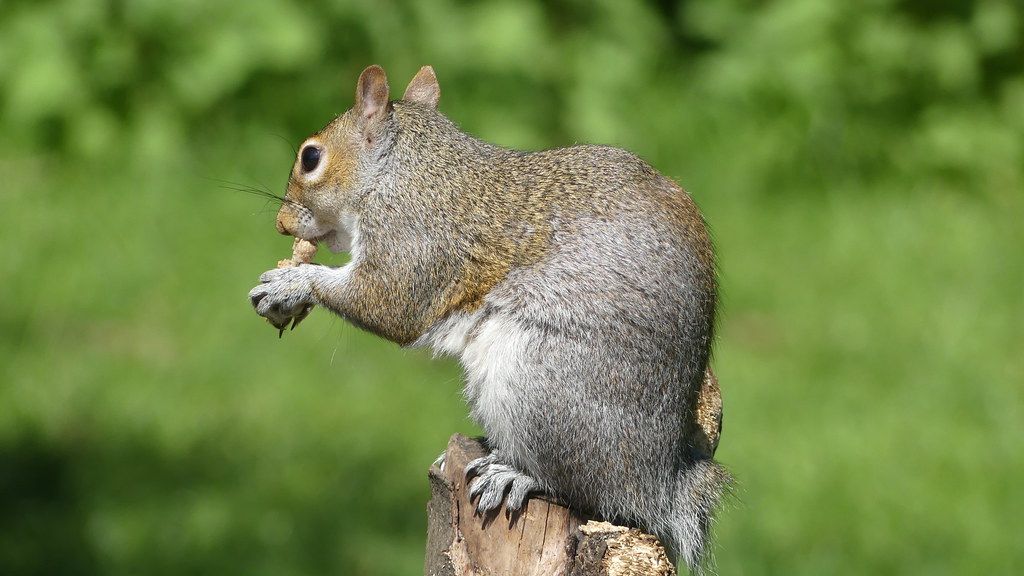
You’re watching two squirrels blur around the trunk of an oak tree, spiraling up and down faster than seems physically possible. It looks like a chaotic game. It looks like fun. It’s neither – or at least, not only that.
That tight, looping chase around a tree is one of the more recognizable behaviors in the animal kingdom, visible in parks, backyards, and forest edges across the world. Yet most people who witness it have no idea what they’re actually watching. The answer turns out to be surprisingly layered, drawing together instinct, social hierarchy, reproduction, and survival in one continuous blur of motion.
#1. The Spiral Around the Tree Is a Territorial Signal
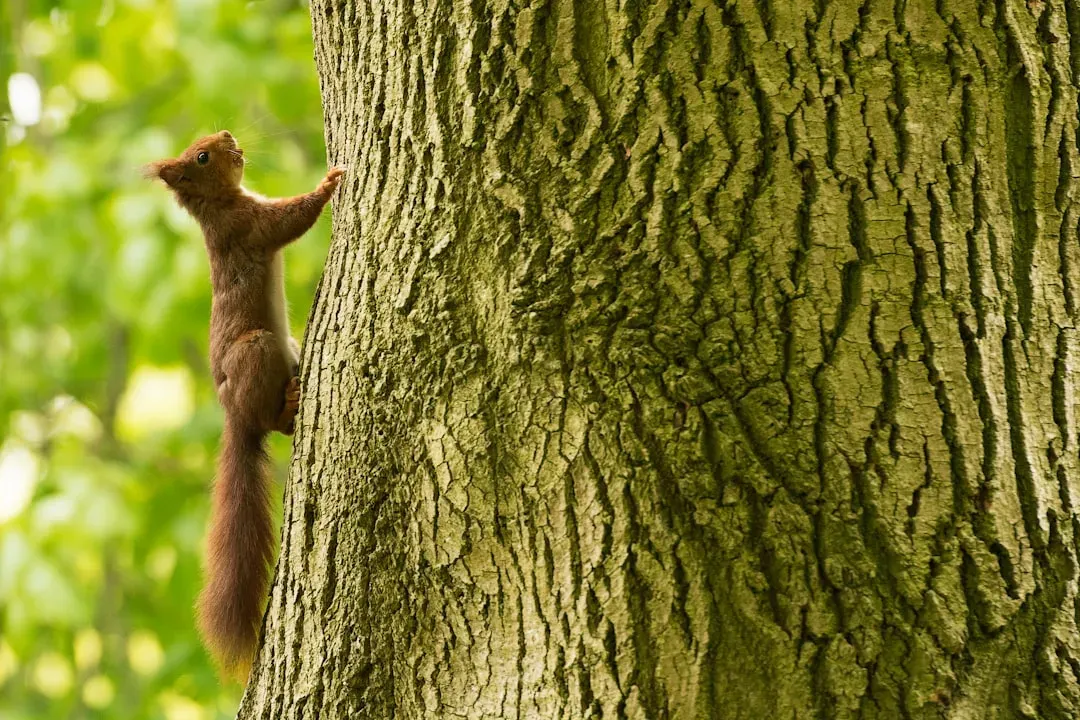
When squirrels wrap themselves around a trunk in a spiraling chase, they’re not being playful. The up-and-down spiraling pattern around a tree displayed during some chases is a sure sign of a territorial dispute. The tree itself becomes a kind of battleground tool. In territorial disputes, the defender uses the trunk to block access, keeping the intruder from advancing by staying between them and the resource they’re protecting.
The reason for holding territory is to protect a resource found within it. These resources are food, water, nesting sites, mates, or anything a squirrel deems necessary enough to risk bodily harm over keeping. The spiral pattern isn’t random athleticism. It’s a message: this tree, this patch, this stash of acorns belongs to the resident squirrel, and the intruder needs to leave. How long a chase lasts usually depends on the more dominant squirrel. When they are satisfied the intruder has learned its lesson, they call off the chase, and the dominant squirrel returns to their feeding area while the loser moves off.
#2. Not All Species Play by the Same Rules
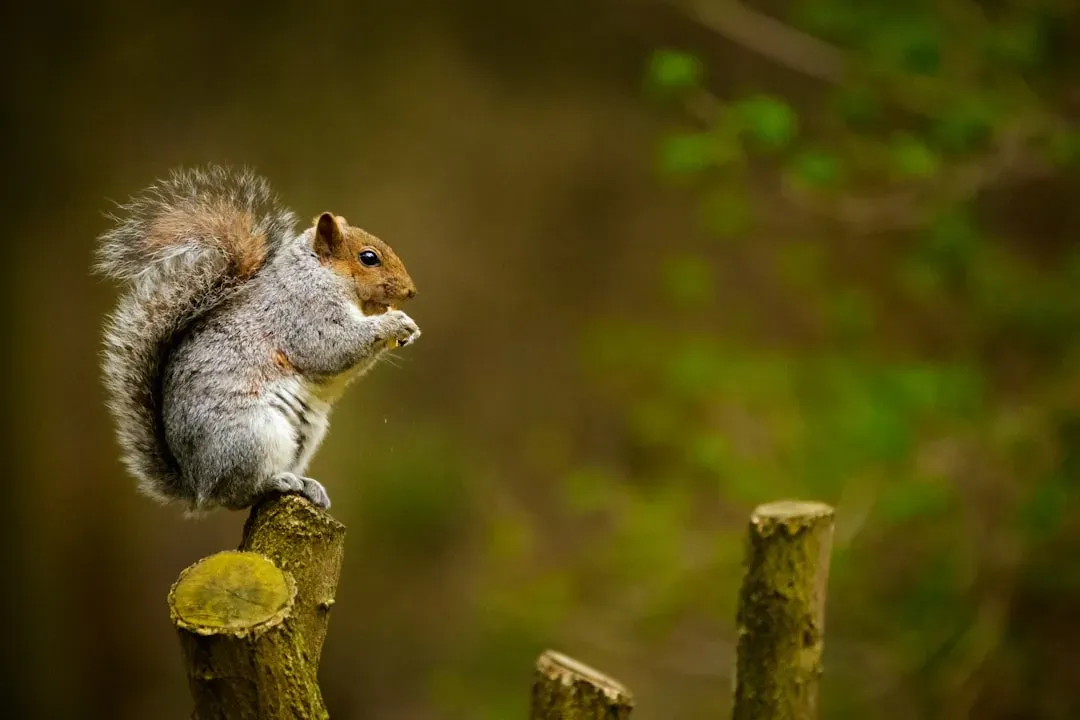
Many species of squirrels are territorial, including northern flying squirrels and American red squirrels. However, other species, such as the fox squirrel, are not. This distinction matters quite a bit when interpreting what you’re seeing. The behavior looks identical on the surface, but the motivation behind it shifts depending on the species involved.
Grey squirrels, which are among the most common squirrels in the United States, are not territorial, but they also use chasing as a way to show other squirrels who’s the boss. American red squirrels and California ground squirrels are the most territorial of all North American species, while gray squirrels are the least territorial. So for a red squirrel, a spiral chase around a tree might be a genuine eviction notice. For a gray squirrel, it’s more of a social assertion – a way of saying “I outrank you” rather than “get off my land.”
#3. Mating Season Turns the Chase into Something Else Entirely
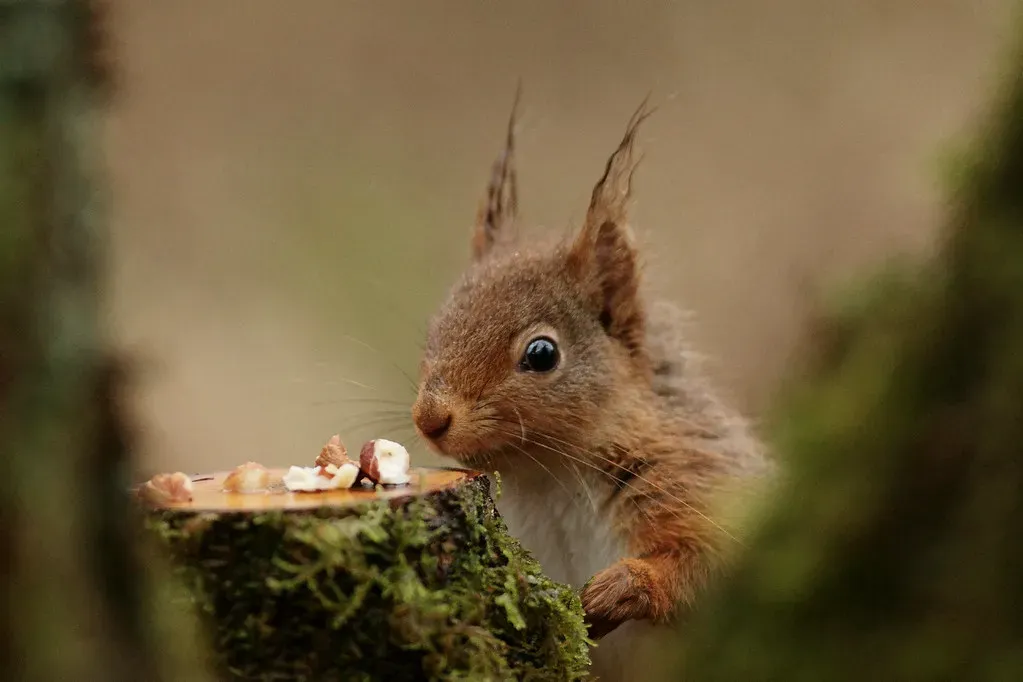
The most frequent cause of intense, looping chases among squirrels occurs during the breeding season. Eastern gray squirrels typically have two breeding periods per year: one from mid-December to February and another from June to July. During these windows, females enter estrus for just a few hours, making timing absolutely critical for males. That narrow window explains the urgency behind the spiraling, the darting, and the sheer speed of these chases.
When a female is ready to mate, she releases pheromones detectable by nearby males. This triggers a pursuit involving multiple suitors, often three to five males, who race after the female in rapid succession. These chases can last several minutes and cover large distances, frequently circling trees and doubling back across lawns. The female’s ability to evade her pursuer is her way of ensuring she’s selecting a strong, healthy mate. The chase isn’t just excitement – it’s a fitness test.
#4. Dominance Hierarchies Drive Behavior Year-Round
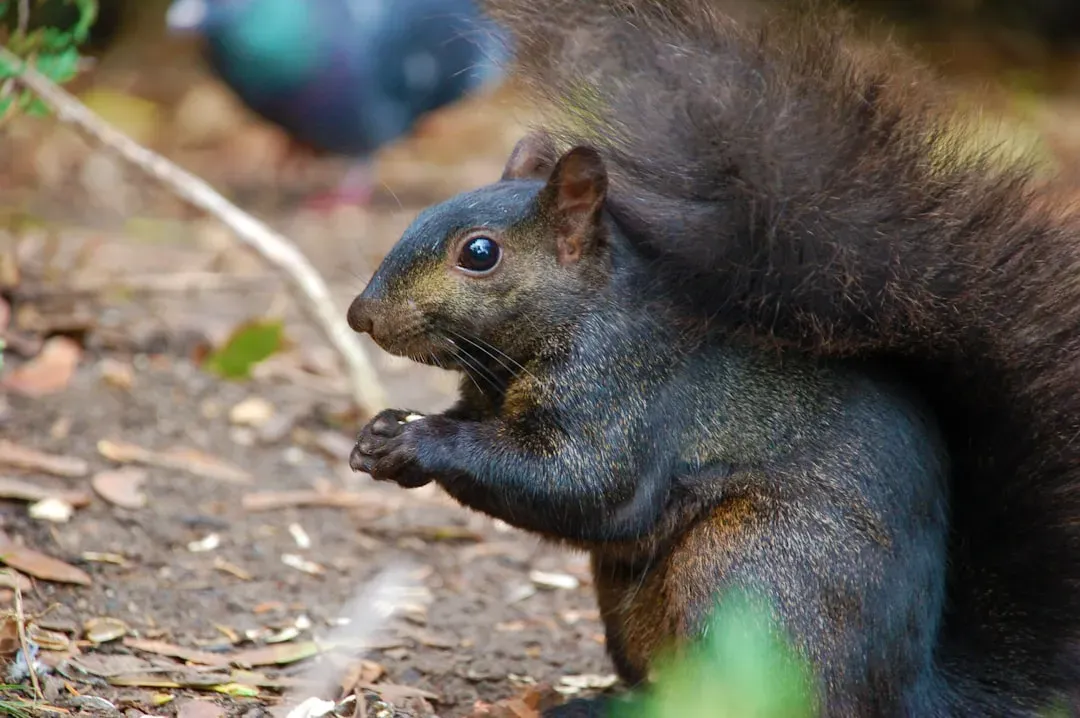
Squirrels use chasing to establish a hierarchy known as the pecking order. Dominant males are more likely to be the ones doing the chasing, while non-dominant males flee or fight back. As they chase, dominant squirrels can establish clear boundaries and defend their territory from intruders. This social order runs quietly in the background of squirrel life, whether mating season is active or not.
Dominance is established through aggressive behaviors, including chasing, vocalizations, and physical confrontations. Subordinate squirrels often defer to dominant individuals by yielding food or retreating from contested areas. The males chase each other in an effort to establish dominance and run the other males out of the area. This sort of chase can go on for an hour or a few minutes depending on the strength of the males involved. The strongest male left after the chase is the one able to mate with the female. Status earned through these spiraling chases carries real reproductive consequences.
#5. Young Squirrels Chase for Entirely Different Reasons
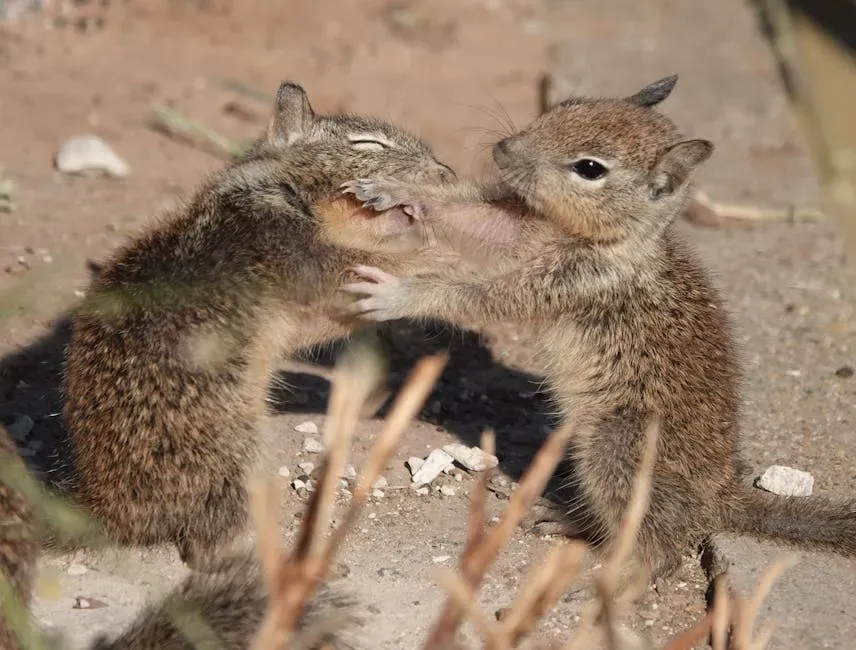
Young squirrels, typically between 8 and 16 weeks old, engage in playful chasing as part of their development. After leaving the nest in spring or summer, juveniles spend weeks refining motor skills, spatial awareness, and social cues through mock pursuits. What looks like two squirrels goofing around is actually a serious developmental curriculum. Playful chases resemble adult behaviors but lack aggression or urgency. The movements are looser, with frequent pauses, role reversals, and acrobatic leaps that serve no immediate survival purpose.
Play fighting helps young animals, including squirrels, to gain strength and develop coordination. Since squirrels routinely engage in aerial acrobatics to travel, find food, and evade predators, these abilities are particularly important to them. These sessions strengthen muscles, improve coordination, and help young squirrels learn how to interpret body language, which is critical for avoiding predators and navigating group dynamics later in life. The spiral chase, in this context, is rehearsal. Every loop around a trunk is a small lesson in survival.
How to Read the Chase: What to Look For
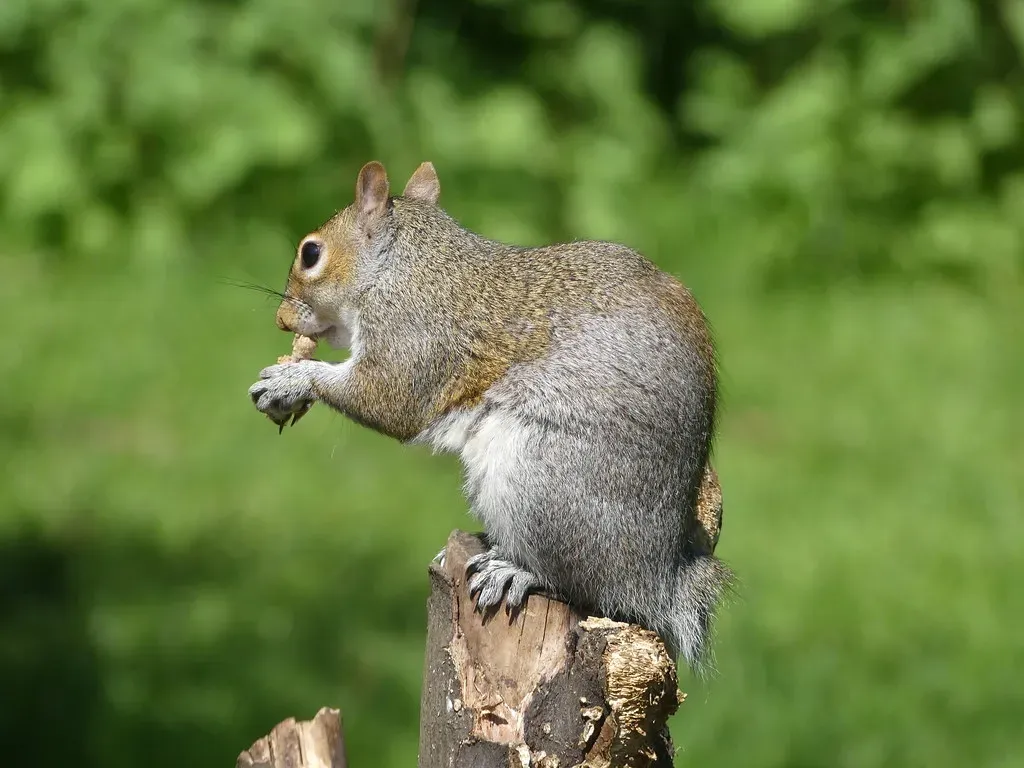
Squirrels don’t just rely on physical chases to communicate intentions. They also use body language, sounds, and scents. When a squirrel quickly flicks its bushy tail, it’s like sending a warning signal. This behavior can show they feel annoyed, threatened, or want to assert dominance over others in the area. Watching for these signals alongside the chase itself tells you much more about what’s going on.
When you take some time to study the behavior of these small creatures, listen to the sounds they make, and consider the current season, you can determine the reason behind the chase. A group of three to five squirrels following a single one in late December? That’s almost certainly a mating pursuit. Two adults locked in a spiraling standoff around a tree with nipping involved? Territorial defense. A pair of smaller, looser, giggle-worthy acrobats swapping chaser and chasee roles every few seconds? Juveniles, learning the grammar of squirrel life one lap at a time.
Conclusion: A Spiral Has a Story
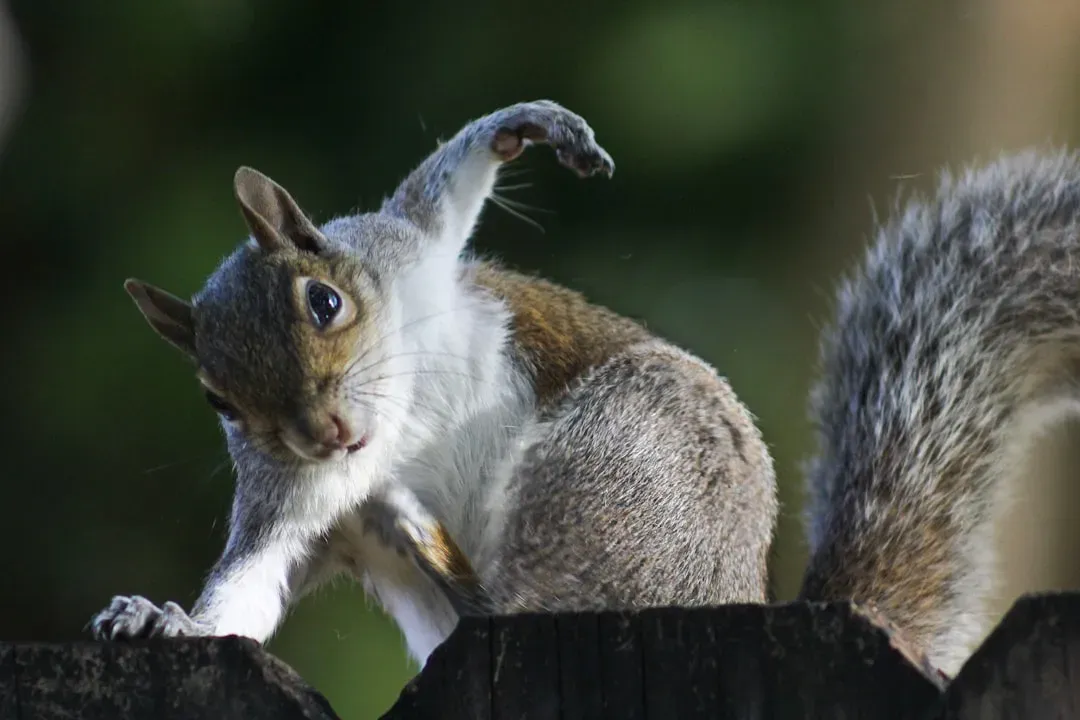
The next time you glance out a window and catch two squirrels locked in one of those dizzy, high-speed spirals, it’s worth pausing for a moment before writing it off as noise. This seemingly chaotic game of tag is more than just random energy. It’s a complex display of instinctual behavior shaped by survival, reproduction, and social dynamics, and many of its purposes are invisible to the casual observer.
What’s remarkable is how much biology gets compressed into a few seconds of motion. Territory, fitness, rank, learning, and reproduction all express themselves through the same basic act of one animal chasing another around a tree. Their chases aren’t aimless – they’re messages written in motion. Whether it’s a male pursuing a female during breeding season or a dominant squirrel enforcing boundaries, these interactions communicate status, intent, and readiness.
Squirrels have been doing this for a very long time. The spiral is ancient, refined, and purposeful. It just looks like play.

- 12 Tender Things a Senior Dog Does Only for the Person It Loves Most - July 30, 2026
- 22 Horse Breeds Vets Refuse to Let Their Own Children Ride - July 30, 2026
- 22 Horse Breeds Vets Refuse to Let Their Own Children Ride - July 30, 2026