
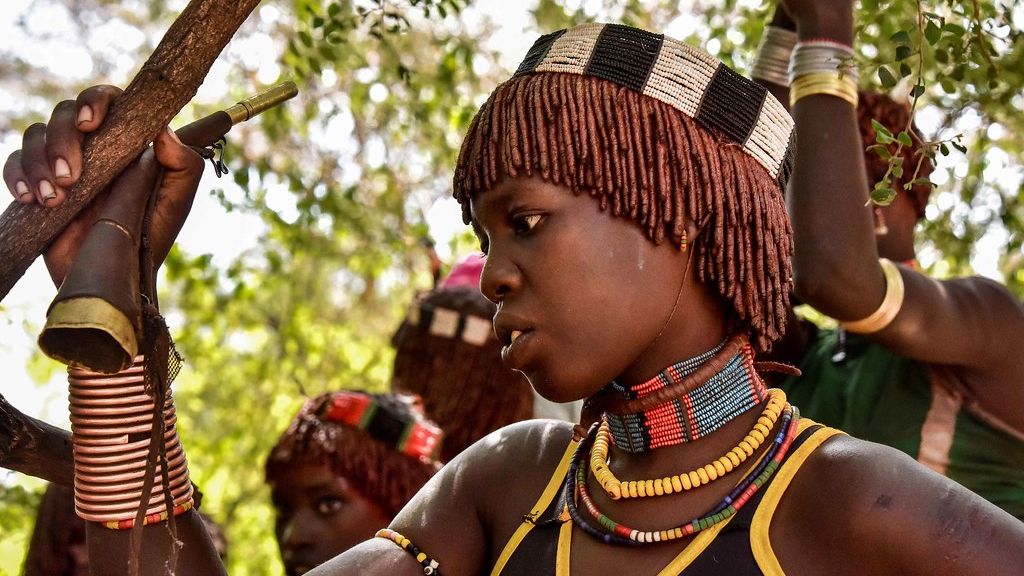
Stories of human beginnings once felt straightforward, a tidy march from ape like ancestors to modern minds. Fresh evidence keeps shifting the picture, though, revealing layers of mixing, earlier milestones, and unexpected branches that make the tale far more tangled than textbooks once suggested.
These shifts do not just tweak dates on a timeline. They invite a closer look at how small groups survived, adapted, and connected across vast distances, leaving traces that still shape bodies and behaviors today.
Our Species Emerged Far Earlier Than Once Believed
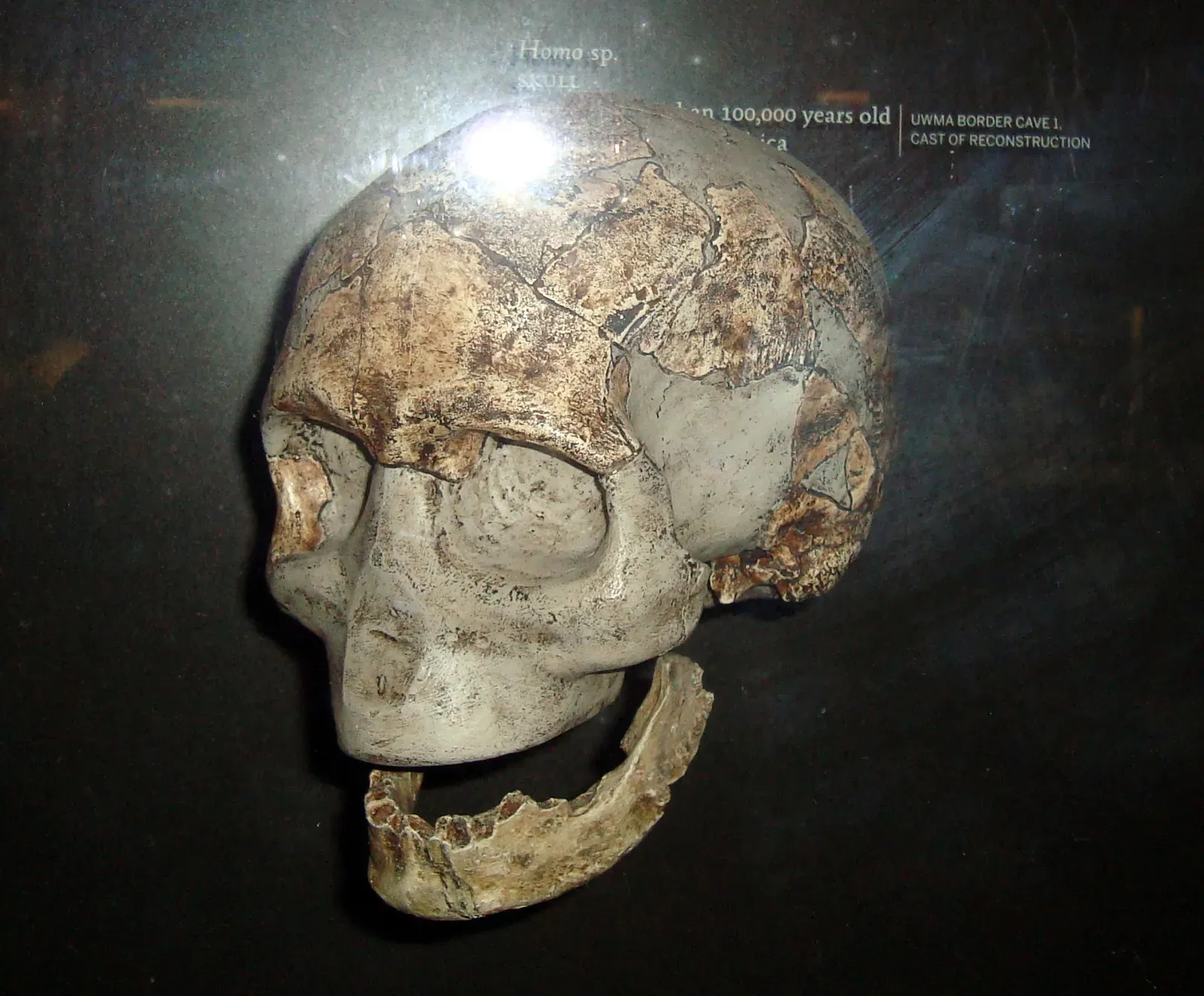
Fossils from Morocco push the appearance of Homo sapiens back to roughly three hundred thousand years ago. That timeline stretches the window for cultural and biological changes by a hundred thousand years or more. Researchers pieced together skull fragments and stone tools that already show modern facial features alongside older traits.
The find upends the idea of a single East African cradle. Instead it points to a wider African stage where different populations experimented with new ways of living. Such an extended origin story leaves room for more experimentation before groups ventured outward.
Neanderthals Passed On Useful Genes Still Active Today

Modern humans outside Africa carry one to two percent Neanderthal DNA on average. Some of those segments influence immune responses and skin adaptation to colder climates. The exchange happened during overlapping periods in Eurasia tens of thousands of years ago.
Far from a simple replacement, the record shows repeated contact and gene flow. Certain Neanderthal variants even helped early migrants survive new environments. The legacy appears in everything from disease resistance to slight differences in metabolism.
Denisovans Contributed Altitude Adaptations Still Seen in Tibetans

High altitude living in the Himalayas owes part of its success to a gene variant inherited from Denisovans. That segment improves oxygen use in thin air. The discovery came from comparing ancient DNA with living populations.
Denisovans themselves left few fossils, yet their genetic fingerprints turn up across Asia and Oceania. The pattern suggests wide ranging encounters between groups that looked quite different from one another. Those meetings added survival tools that persist in descendants.
Homo Floresiensis Lived Alongside Modern Humans Until Recently
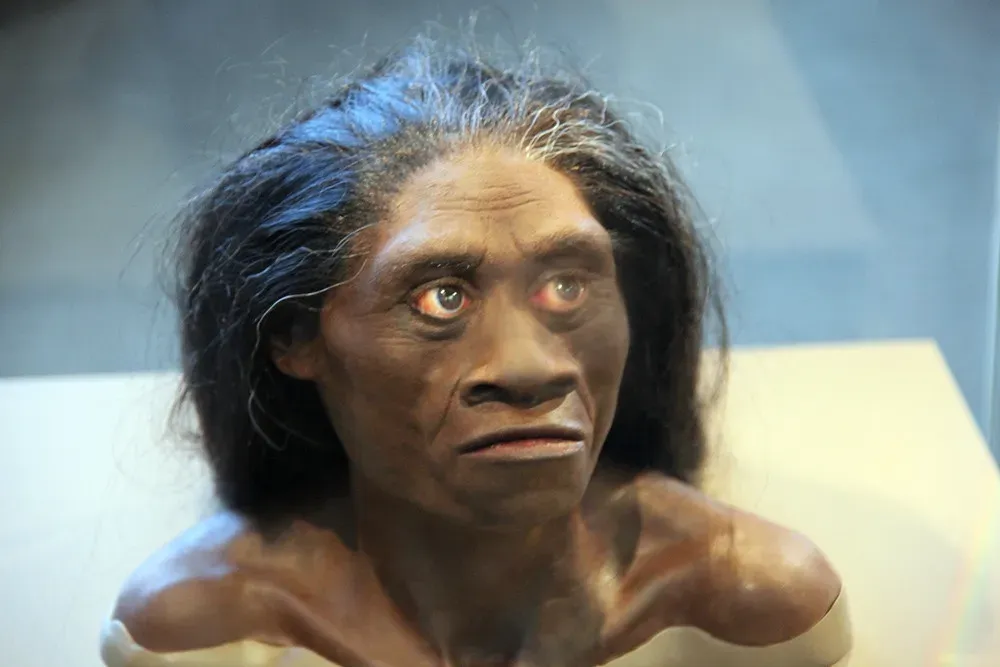
The small bodied hobbit like people on Flores island survived until perhaps fifty thousand years ago. Their tools and remains indicate they hunted and used fire despite limited brain size. The species likely descended from earlier hominins that reached the island long before sapiens arrived.
Isolation produced dramatic changes in body proportions over generations. The case shows evolution can take surprising routes when populations stay cut off. It also raises questions about how many such island experiments occurred worldwide.
Stone Tools Appeared Hundreds of Thousands of Years Before Homo Sapiens
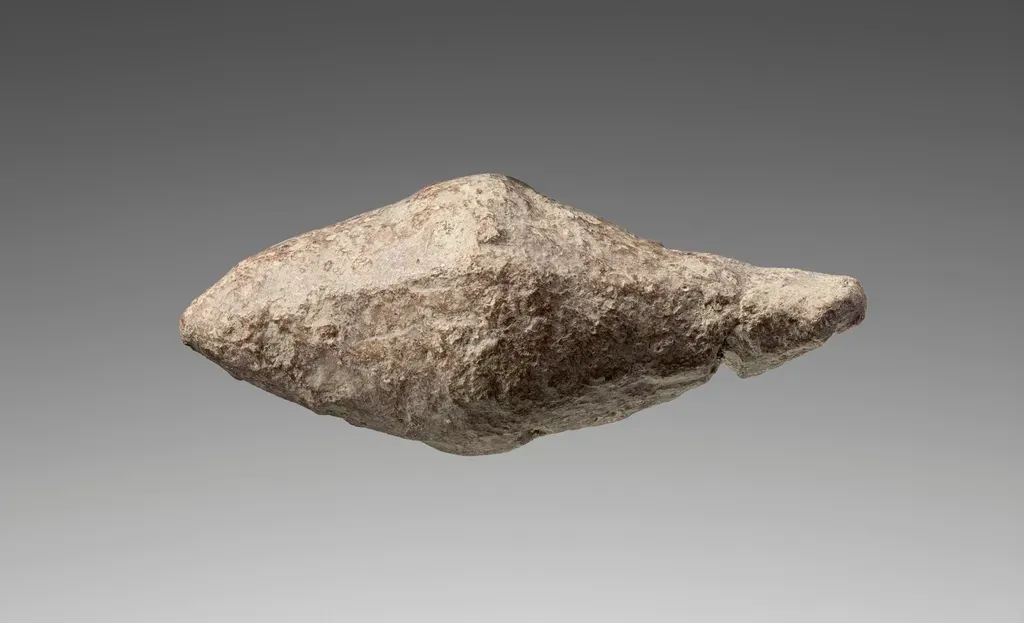
Simple cutting implements date back more than three million years in East Africa. Those early artifacts predate any known member of our genus by a wide margin. Whoever made them possessed planning skills once credited only to later species.
The finds force a reevaluation of when cognitive leaps occurred. Tool making may have emerged gradually across several lineages rather than in one sudden burst. Later refinements built on that foundation instead of starting from scratch.
Fire Use Began Much Sooner Than Traditional Estimates

Evidence of controlled fire stretches back at least one million years in southern Africa. Ash layers and burned bones suggest repeated use for cooking and warmth. Such an early start would have altered diets and social patterns long before large brains fully developed.
Cooking softens food and increases energy yield, which may have supported bigger bodies and brains over time. The practice also created new opportunities for sharing and cooperation around hearths. Those changes ripple through later chapters of the human story.
Symbolic Behavior Emerged Tens of Thousands of Years Earlier
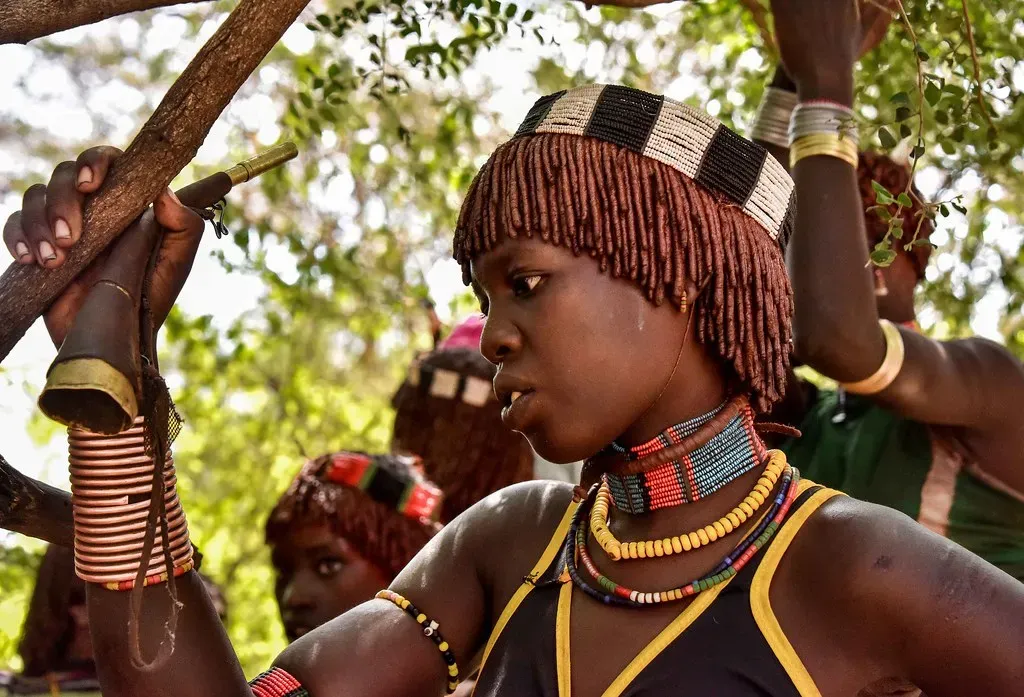
Engraved ochre pieces and shell beads from South Africa date to around one hundred thousand years ago. The objects show deliberate patterns and choices of material that go beyond utility. Similar finds appear in other regions at comparable times.
These traces point to abstract thinking and social signaling well before the famous cave art of Europe. The capacity for symbolism seems to have arisen in multiple places rather than spreading from one center. It hints at deeper roots for language and ritual.
Multiple Waves Left Africa Instead of One Great Migration

Genetic and fossil data reveal several exits from the continent over tens of thousands of years. Some early groups reached the Levant more than one hundred thousand years ago. Later pulses followed different routes and carried distinct genetic packages.
The pattern replaces a single triumphant departure with a series of experiments. Some lineages died out while others mixed with local populations. The result is a patchwork ancestry visible in living people across continents.
African Populations Hold the Greatest Genetic Diversity
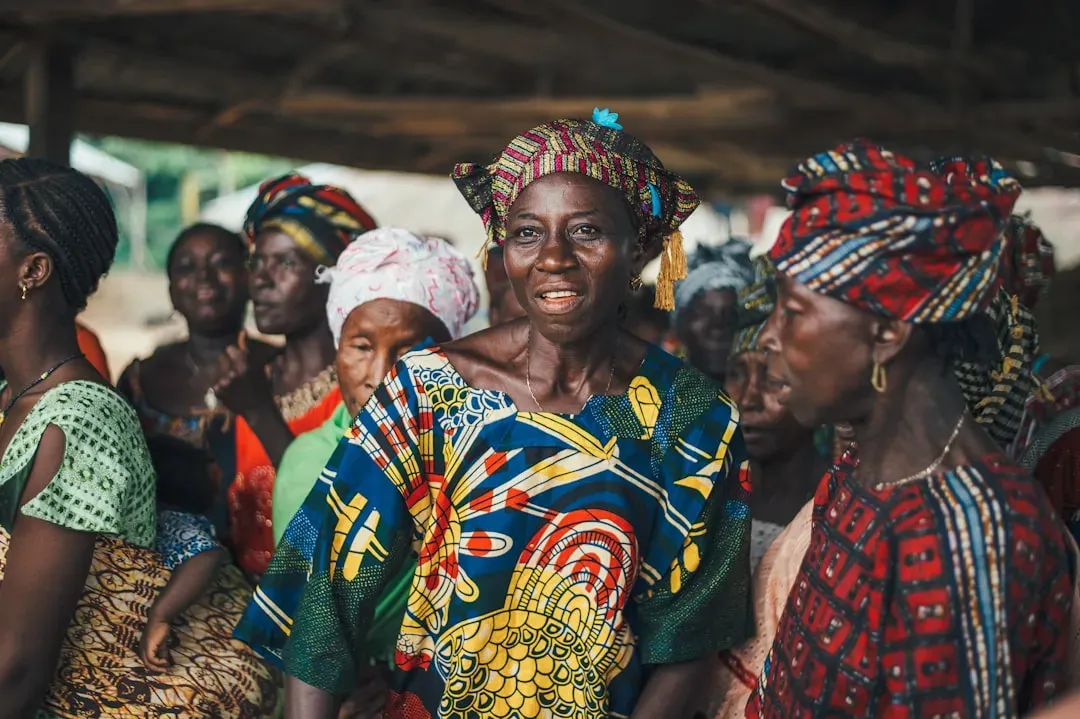
Modern groups in Africa display more variation in their DNA than all other populations combined. That richness reflects the longer time our species spent on the continent. It also preserves ancient branches that disappeared elsewhere.
Studies of hunter gatherer communities reveal lineages stretching back deep into the past. Those findings underscore Africa as the primary reservoir of human genetic heritage. Diversity there continues to inform medical and evolutionary research.
Island Southeast Asia Hosted Unexpected Human Relatives
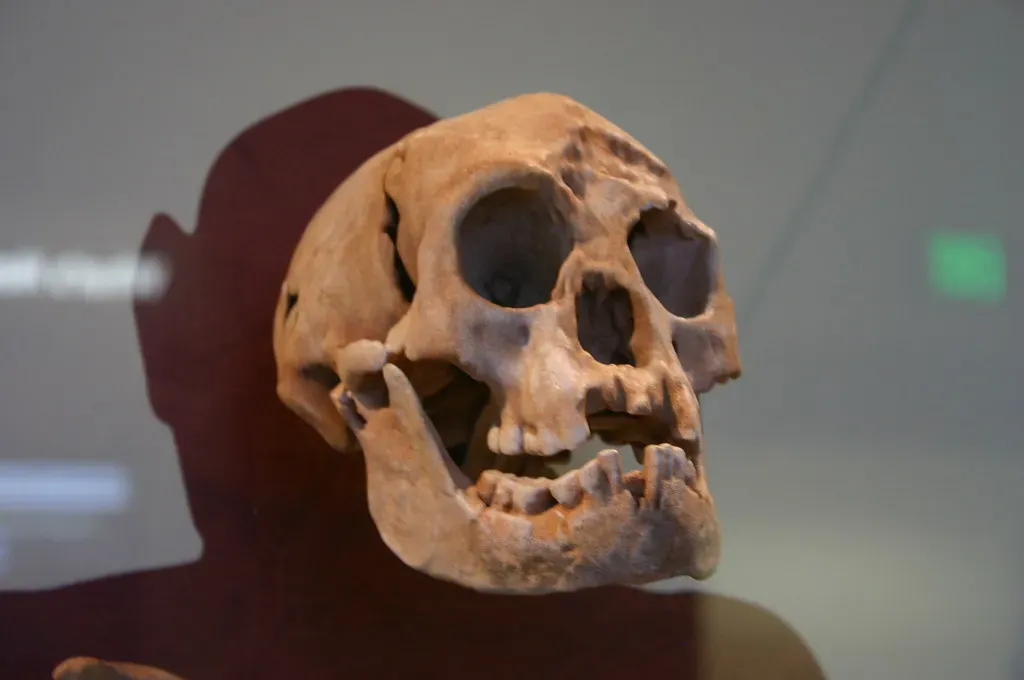
Recent discoveries on Luzon and other islands reveal small hominins with unusual tooth and bone features. These groups lived alongside or near modern humans for extended periods. Their presence expands the cast of characters in the regional story.
Island environments appear to have fostered repeated instances of size reduction and specialized adaptations. The pattern suggests human evolution explored many forms when geography limited gene flow. Each new find adds texture to an already complex map.
Behavioral Flexibility Outpaced Brain Size Increases

Some of the most striking cultural advances occurred while average brain volumes stayed relatively stable. Sophisticated hunting strategies and long distance trade networks appear in the record without corresponding jumps in cranial capacity. The emphasis shifts toward how groups organized knowledge and cooperation.
Flexibility in social rules and technology allowed rapid responses to changing climates and resources. That adaptability may explain survival through bottlenecks that eliminated other lineages. Brains mattered, yet so did the ways people used them together.
Recent Finds Keep Rewriting the Timeline in Unexpected Places

Every few years new sites in unexpected regions push dates or locations further. Discoveries in the Arabian Peninsula and central Asia fill gaps between Africa and farther east. The pace of revision shows the field remains wide open.
Each addition connects previously separate threads into a denser web. The human story gains depth rather than a single clean line. Ongoing work promises still more surprises as methods improve and remote areas receive attention.
These twelve glimpses illustrate a past far richer and more interconnected than earlier models allowed. The evidence keeps accumulating, reminding us that origins involve countless small experiments rather than one straight path. What seems settled today may shift again with the next careful excavation or genetic comparison, leaving the narrative open ended and alive.

- If Your Cat Is Over 12 These 18 Quiet Changes Are the Ones Vets Never Ignore - August 8, 2026
- 16 Wild Animals Sanctuary Workers Say Choose One Human Early and Never Once Change Their Mind - August 8, 2026
- 18 Animals That Bond So Completely With One Person They Never Truly Settle With Anyone Else Again - August 8, 2026