
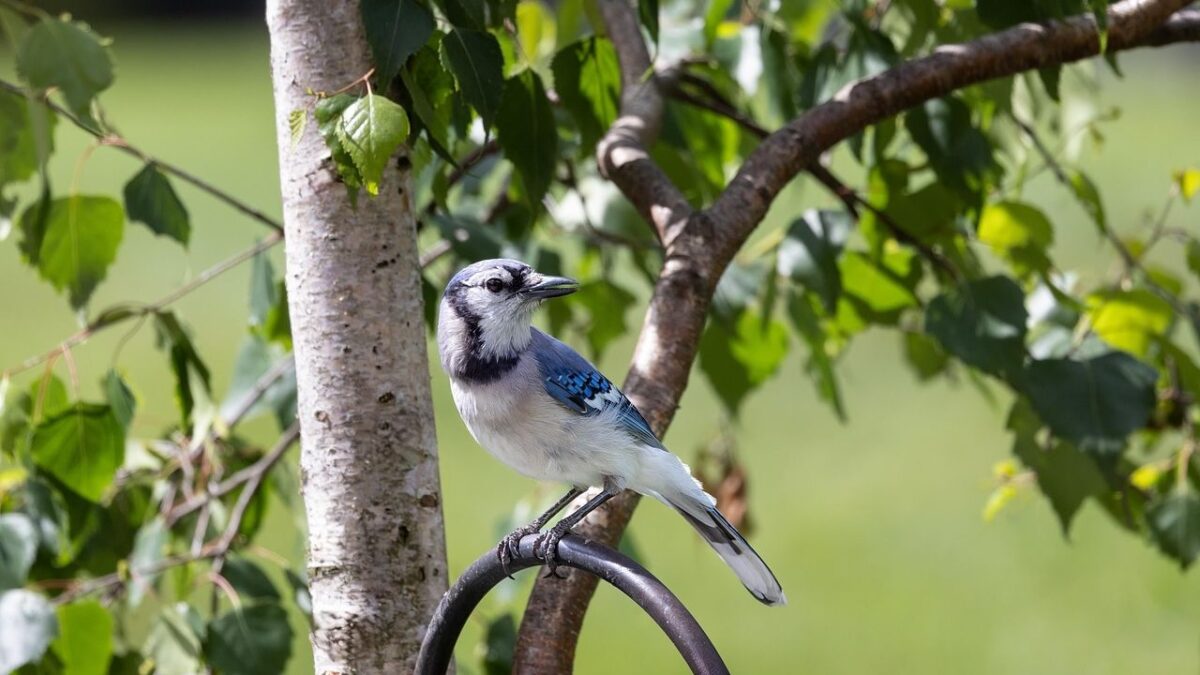
People often wake to the same flash of bright blue feathers pressed against the glass. The repetition feels deliberate, almost like the bird has chosen your home as part of its routine.
Ornithologists have spent years tracking these visits, and the patterns they describe point to straightforward bird behavior rather than mystery or omen. Still, the consistency invites closer attention to what the blue jay actually needs each day.
Blue Jays as Familiar Backyard Residents
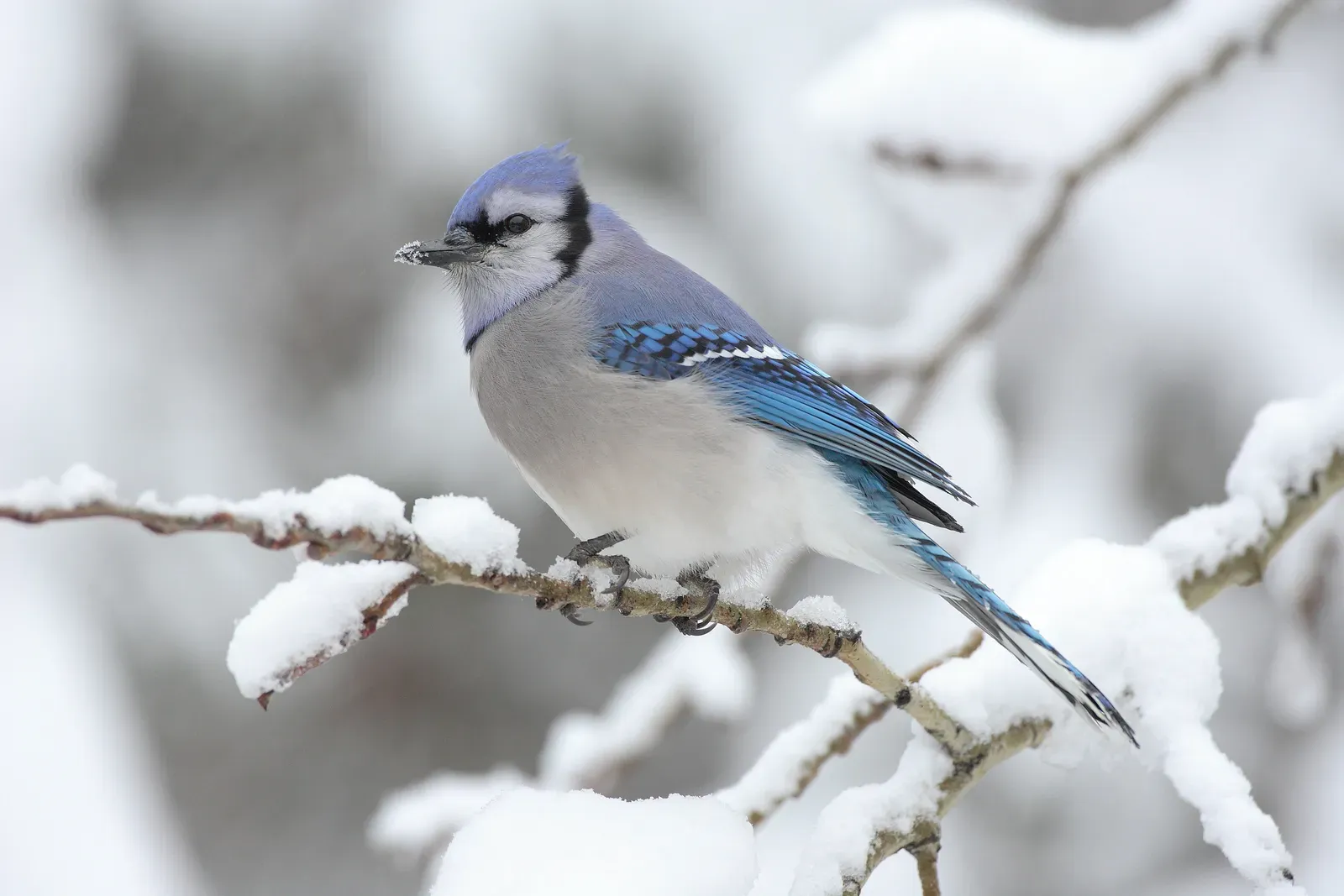
Blue jays belong to the corvid family, the same group that includes crows and ravens. They thrive across much of eastern North America in forests, suburbs, and city parks where oak and beech trees provide acorns and shelter. Their bold coloring and loud calls make them easy to notice once they settle near human homes.
These birds stay in one area year round in many regions, though some shift southward when food grows scarce. Their presence near windows often begins when a reliable source of seeds or insects appears nearby. Over time the same individuals learn the layout of a yard and return to it daily.
The Morning Timing Explained

Early daylight brings cooler temperatures and fewer predators, so blue jays move quickly to secure food before the day warms. They also use the first light to check territory boundaries and locate cached nuts from previous days. A window can serve as a convenient vantage point during these patrols.
Researchers note that corvids often follow predictable routes at dawn because energy reserves are lowest after the night. The bird at your glass may simply be scanning for movement that signals breakfast. Once the pattern repeats for several mornings, the jay treats the spot as part of its regular circuit.
Reflections and Territorial Instincts

Windows create clear reflections that blue jays sometimes mistake for another bird. When they see their own image they may approach to challenge what looks like an intruder. This reaction occurs most often in spring and summer when nesting territories are defended fiercely.
Ornithologists have observed the same behavior in other species that attack car mirrors or shiny surfaces. The jay does not understand glass, so the reflection triggers an automatic response. Over repeated mornings the bird may continue the visits even after realizing no rival exists, simply because the route has become familiar.
Food Caching and Window Proximity
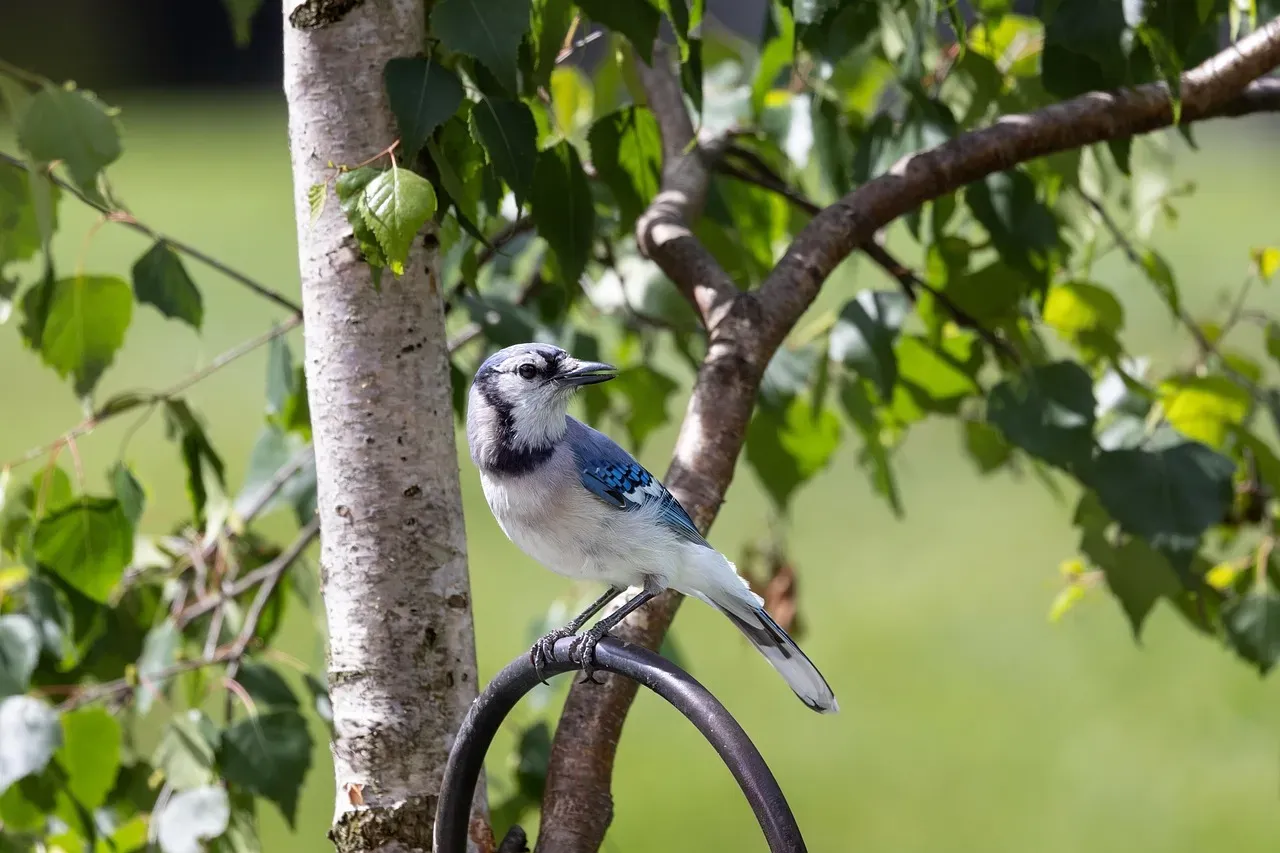
Blue jays store thousands of acorns and seeds each fall, hiding them in bark crevices or under leaves. They remember hundreds of these locations and check them regularly. A window ledge or nearby feeder can become part of that mental map when humans leave out sunflower seeds or peanuts.
The morning visit may coincide with the bird retrieving or adding to a nearby cache. If your home sits near mature trees, the jay likely passes the window while traveling between storage spots and open feeding areas. This practical need explains why the same bird appears at the same time rather than random chance.
Intelligence and Learned Routes
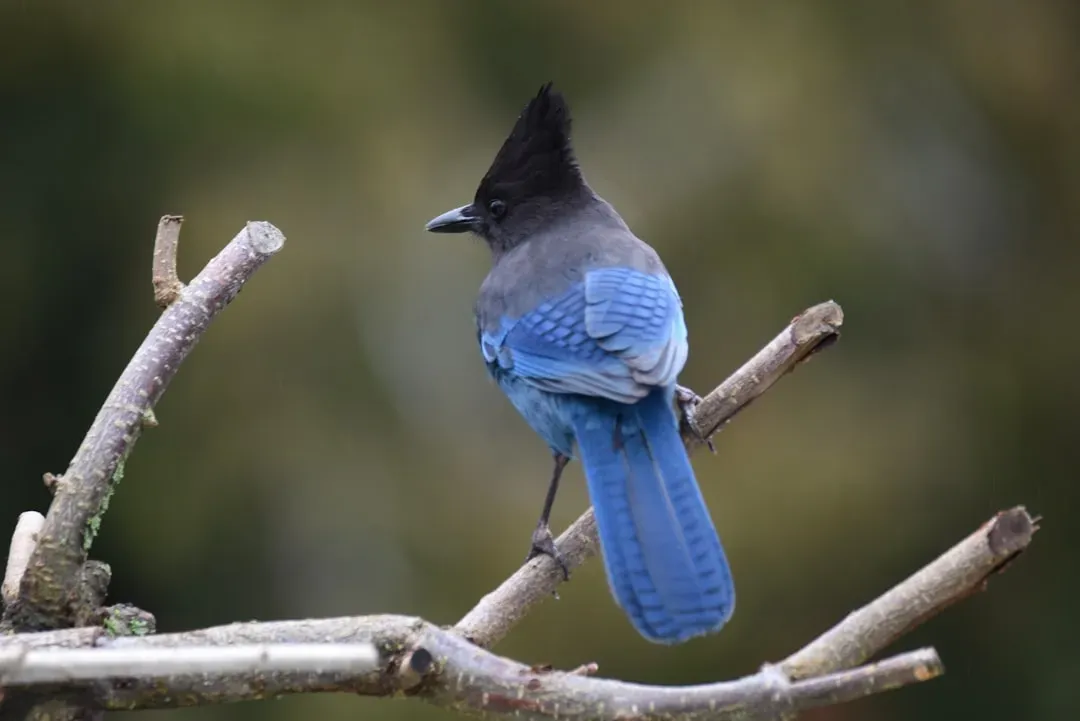
Studies of captive and wild corvids show they solve puzzles and remember human faces. Blue jays apply similar skills to their surroundings, noting which houses offer safe perches or easy meals. Once a route proves reliable, they repeat it without hesitation.
Young birds watch adults and copy successful paths, so an entire family group may adopt the same window stop. This social learning turns a single sighting into a daily pattern that lasts through multiple seasons. The behavior looks intentional because it is, yet it stems from survival advantages rather than any message meant for the homeowner.
Seasonal Shifts in Frequency

Visits often increase during breeding season when parents gather extra protein for nestlings. In fall the focus turns to acorn collection, and in winter the birds seek any available calories near heated buildings. Each change in season alters how often a jay lingers at the glass.
Harsh weather can push more individuals into suburban yards where food remains accessible. Observers report fewer morning appearances during migration periods when some birds move through an area only briefly. Tracking these shifts helps explain why the pattern strengthens or fades without any deeper symbolism attached.
Appreciating the Visit Without Overinterpreting
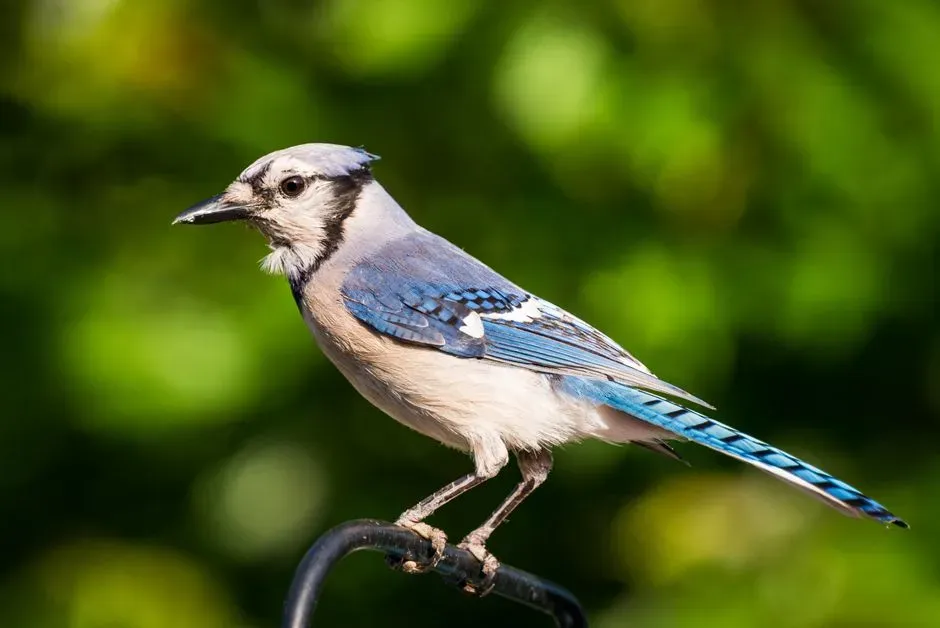
Seeing the same blue jay each morning offers a small window into the life of a clever, adaptable species. The bird is simply managing its territory, food supply, and daily energy needs in the space it knows best. Recognizing that reality turns the encounter into quiet observation rather than speculation.
Many people find comfort in the routine because it connects them to the natural world outside their walls. Yet the pattern carries no special prediction or warning. It simply shows a resourceful bird making efficient use of its environment, and that alone is worth noticing.

- 17 Things Cat Owners Did in the 1980s That Vets Would Never Recommend to Anyone Today - August 9, 2026
- What Cats Really Do at Night Will Surprise You 19 Behaviours Researchers Still Cannot Explain - August 9, 2026
- 18 American Places Park Rangers Say Almost Nobody Visits That Genuinely Deserve Far More Attention - August 9, 2026