
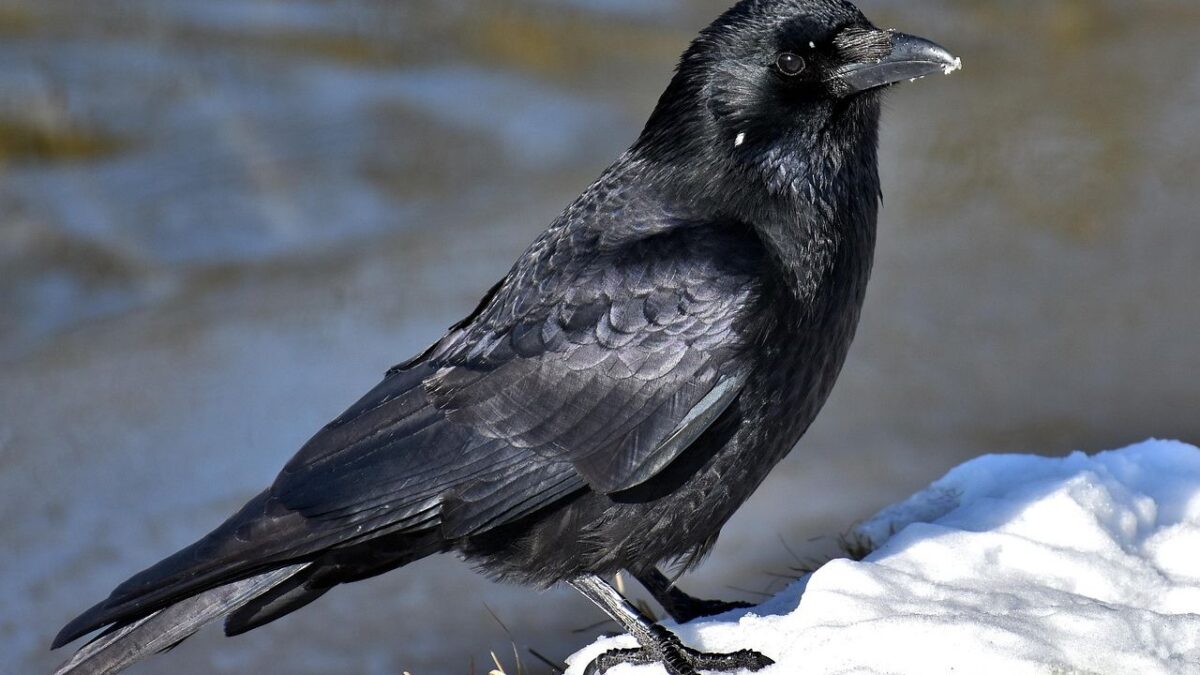
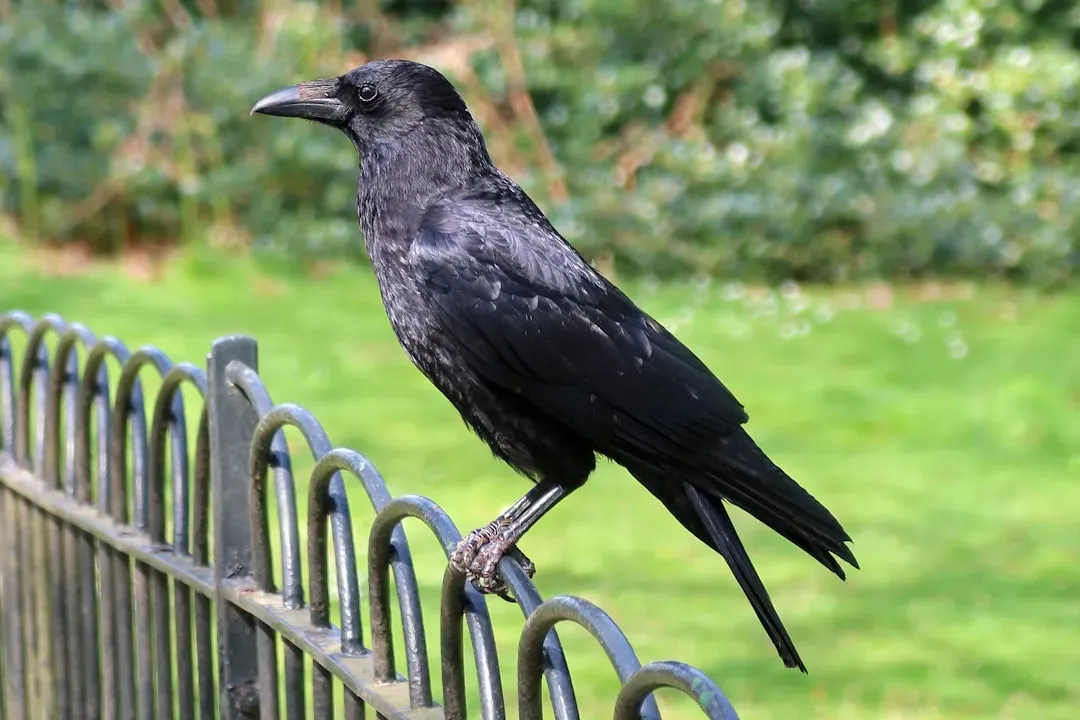
Most people glance out the window at the same black bird perched on the fence rail day after day and wonder if something odd is happening. The repetition feels deliberate, almost like the crow has chosen that exact spot for a reason. Wildlife observations suggest these patterns often tie into the bird’s sharp awareness of its surroundings rather than random chance.
The Remarkable Mind of a Crow
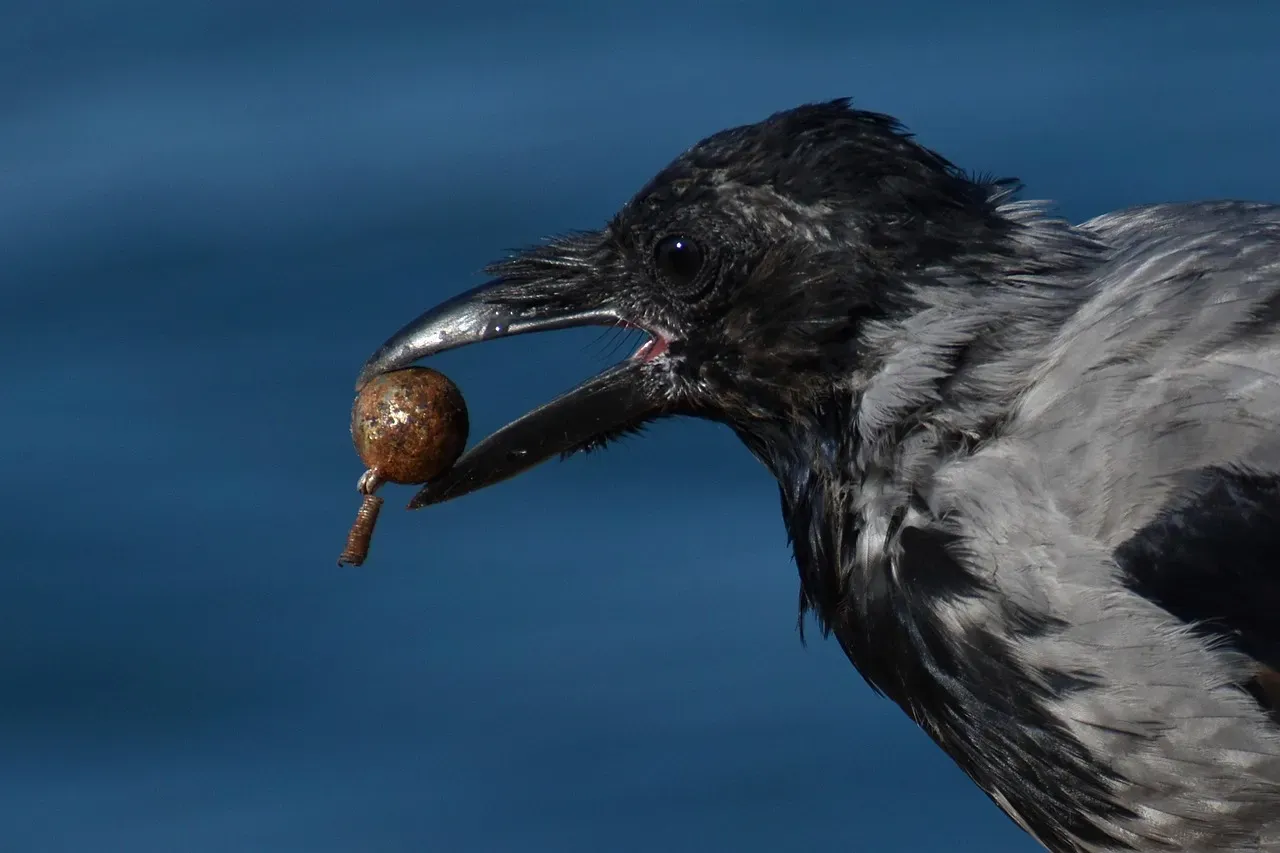
Crows rank among the most intelligent birds, capable of solving puzzles, using tools, and recognizing individual human faces over long periods. Their brains support strong memory skills that help them track safe locations and reliable food spots across seasons. This cognitive ability turns a simple fence perch into part of a larger strategy for survival.
Observers note that crows adjust their daily movements based on past experiences, which explains why one might return to the same rail each morning. Such consistency reflects planning rather than coincidence. The bird may be testing the area for changes or simply following a route that has worked before.
Daily Routines and Morning Habits
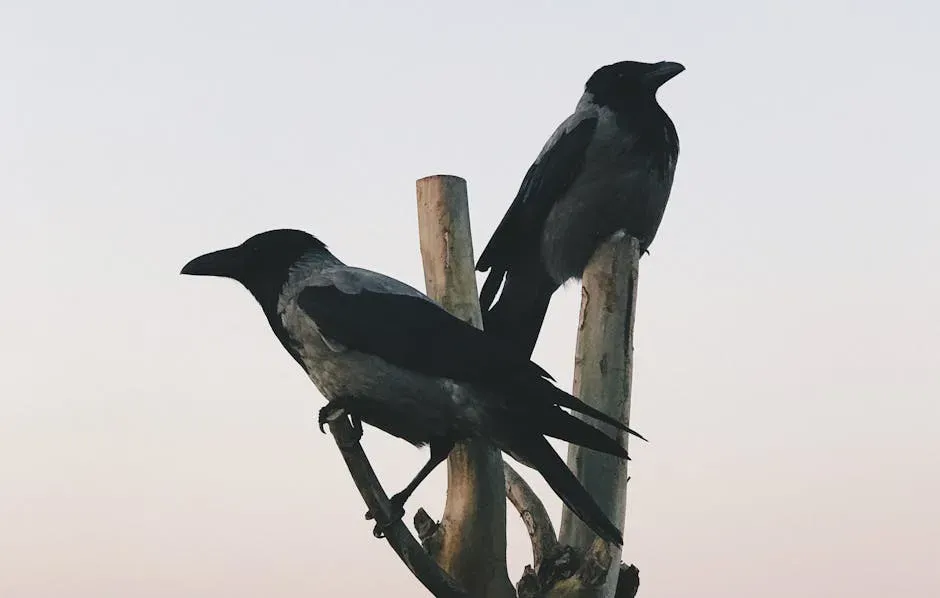
After leaving large nighttime roosts, crows often spread out individually or in small groups to check familiar territories at first light. A lone bird on a fence can serve as an early scout, surveying the yard before others arrive. This timing aligns with their natural dispersal from communal sleeping sites.
Experts describe these morning checks as efficient ways to locate food or note any new activity in the neighborhood. The fence offers a clear vantage point without much effort. Over time the pattern becomes a reliable part of the crow’s schedule.
Territorial Signals in Action
Breeding pairs of crows defend areas year round, and a solitary perch can signal ownership or readiness to respond to intruders. The bird watches for rivals or potential threats while staying visible to its mate or family members nearby. This quiet vigilance helps maintain boundaries without constant loud calls.
Even outside breeding season, crows remember and revisit spots that provide safety or resources. A fence rail becomes a convenient lookout because it sits at a useful height for scanning the ground. The repetition shows the location holds ongoing value to that individual.
Food and Resource Scouting
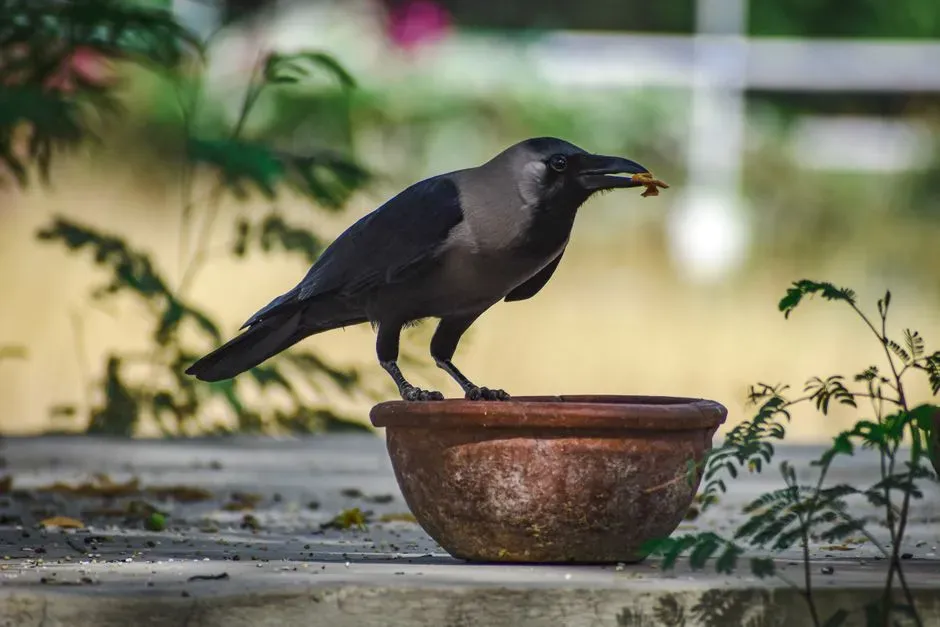
Crows cache food and revisit sites where meals have appeared before, so a daily fence visit might mark the start of a foraging circuit. The bird could be waiting for scraps, insects, or seeds that appear at predictable times. Yards with feeders or open compost often attract this kind of steady attention.
Because crows learn quickly, one that finds easy pickings will keep returning to the same perch as a staging area. The fence keeps it elevated and ready to drop down when something edible shows up. This behavior turns the morning sighting into a practical habit rather than an accident.
Sentinel Behavior Within the Group
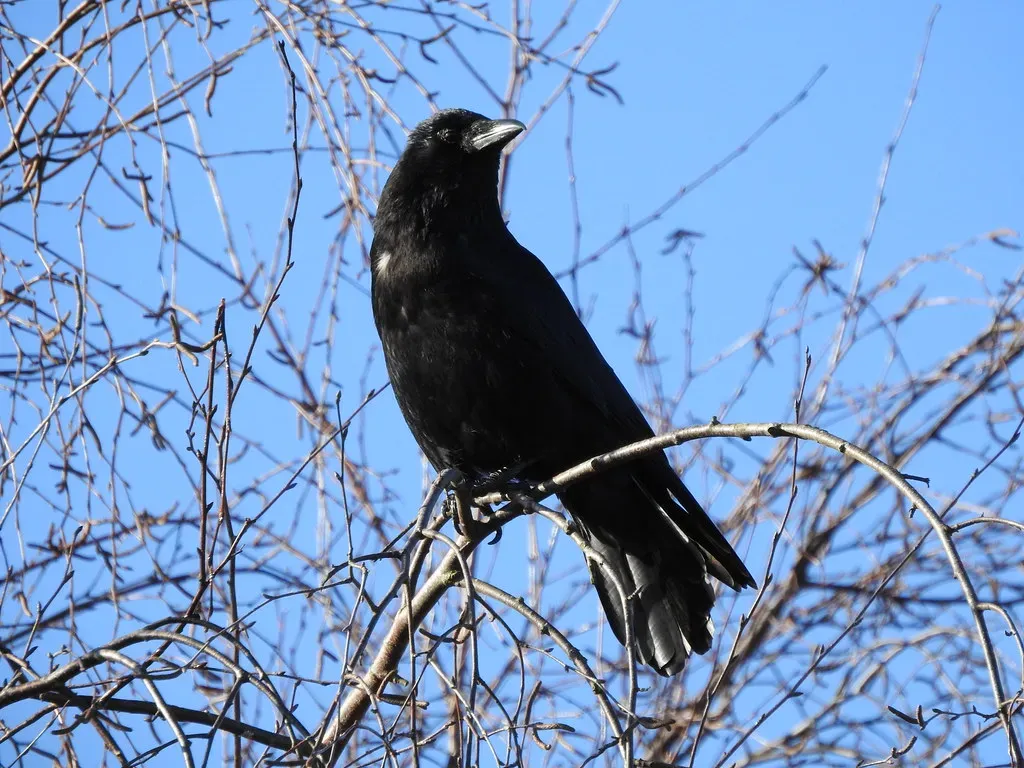
Crows sometimes assign roles during the day, with one individual acting as a lookout while others search for food. The lone fence sitter may fill that watcher position, calling out if danger appears. Height and visibility make the rail an ideal post for this task.
Group members rotate these duties, which keeps the flock safer overall. A single crow holding the spot every morning suggests it has claimed or been given that responsibility. The pattern fits the species’ cooperative approach to daily life.
Human Interactions and Habituation
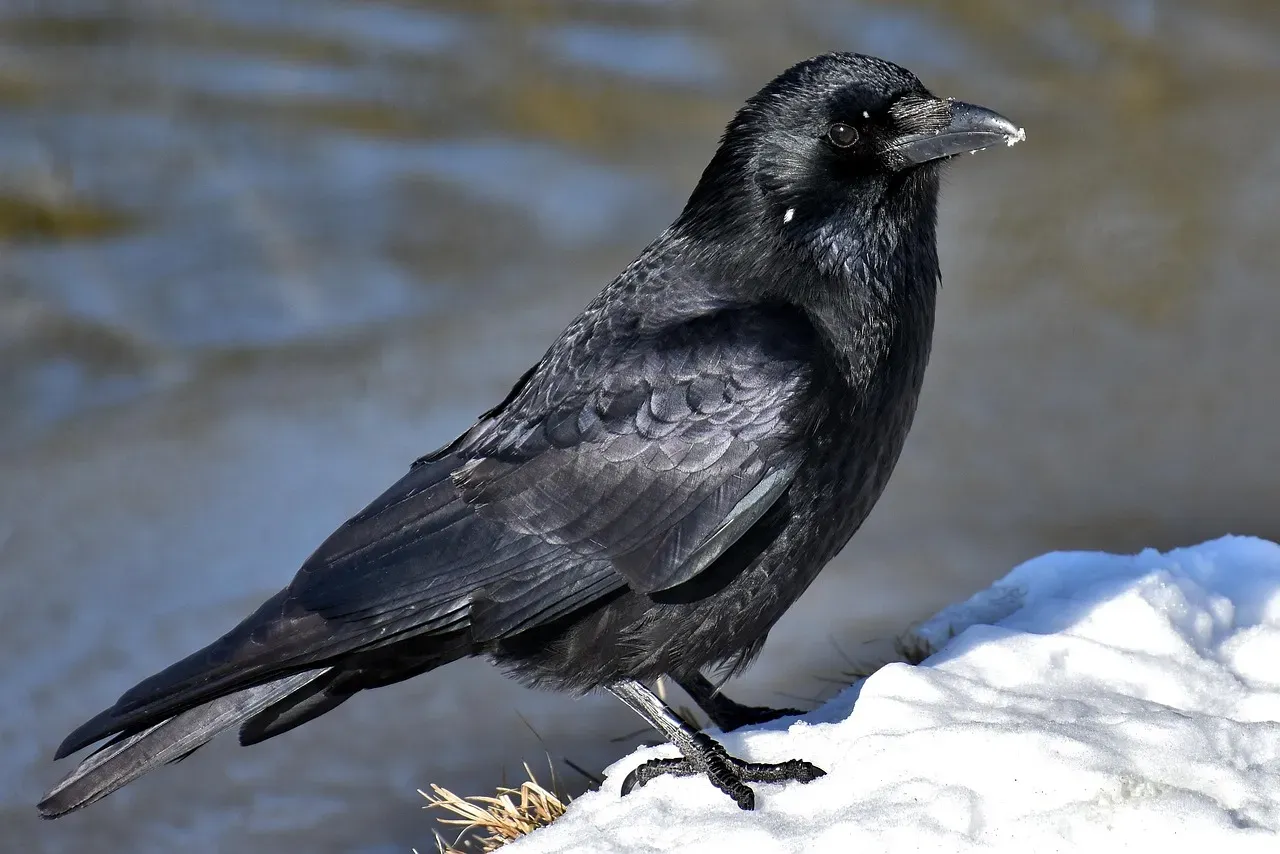
Crows quickly notice when people provide food or leave areas undisturbed, leading them to treat certain yards as reliable stops. A fence perch can become part of that learned route once the bird feels secure. Over weeks or months the visit turns into an expected part of the morning.
Residents who feed birds or maintain gardens often see this kind of steady presence develop naturally. The crow does not need to be tame to recognize a safe, rewarding location. The routine simply reflects successful adaptation to the local environment.
A Thoughtful Perspective on Coexistence
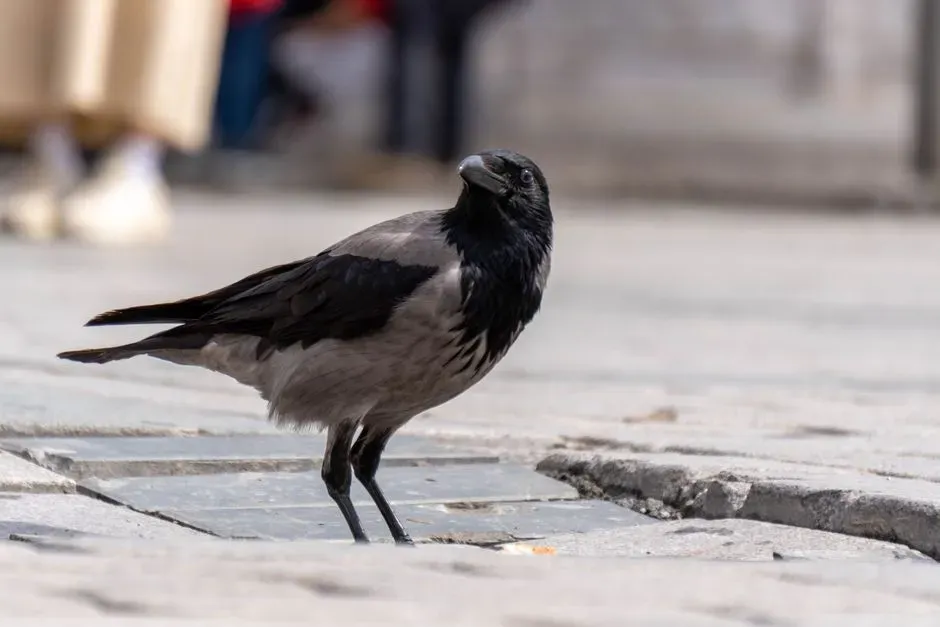
Noticing the same crow each morning invites a closer look at how these birds fit into suburban and urban spaces. Their choices reveal intelligence and adaptability that deserve respect rather than dismissal. Simple observation can turn a repeated sighting into an appreciation for the quiet strategies at work.
Leaving the fence clear and avoiding sudden disturbances lets the pattern continue without interference. In return, the crow offers a small window into a complex social world that unfolds just outside the window. Paying attention to these details enriches the everyday view of the neighborhood.
