
Imagine standing at the edge of a dense forest as the first light of day begins to creep over the horizon. The world is still, wrapped in the hush of early morning, when suddenly, a haunting chorus of howls pierces the silence. This isn’t just a random occurrence; it’s a profound communication from one of nature’s most enigmatic creatures – the wolf.
The Dawn Chorus: A Wolf’s Wake-Up Call
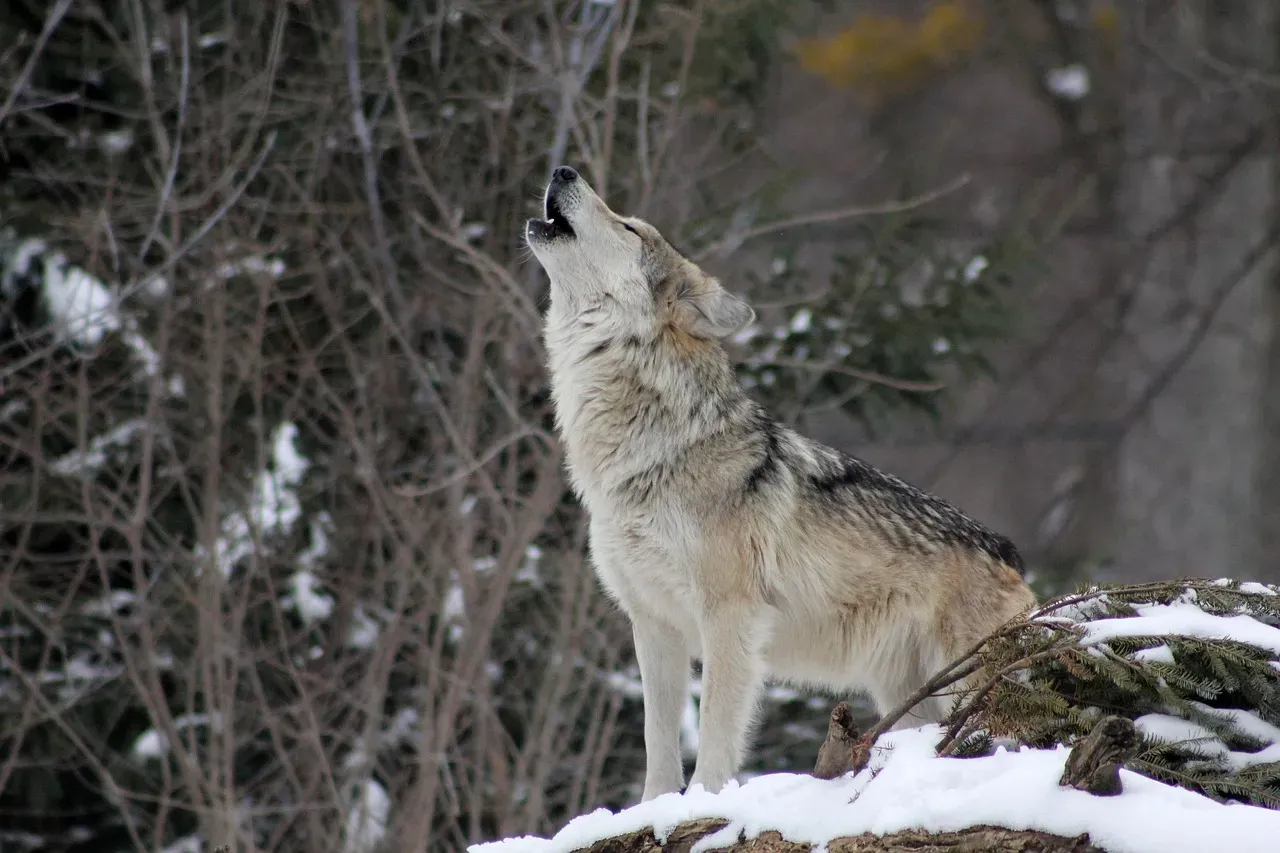
Wolves are crepuscular animals, meaning they are most active during the twilight hours of dawn and dusk. As the night gives way to morning, wolves often howl to signal the start of their daily activities. This pre-dawn howling serves as a rallying cry, gathering pack members who may have been scattered during the night’s hunts or explorations.
These howls are not mere noise; they are intricate messages that convey information about the pack’s location, intentions, and readiness to move. It’s akin to a family calling everyone to the breakfast table, ensuring all members are accounted for before the day’s endeavors begin.
Territorial Declarations: Marking Boundaries with Sound
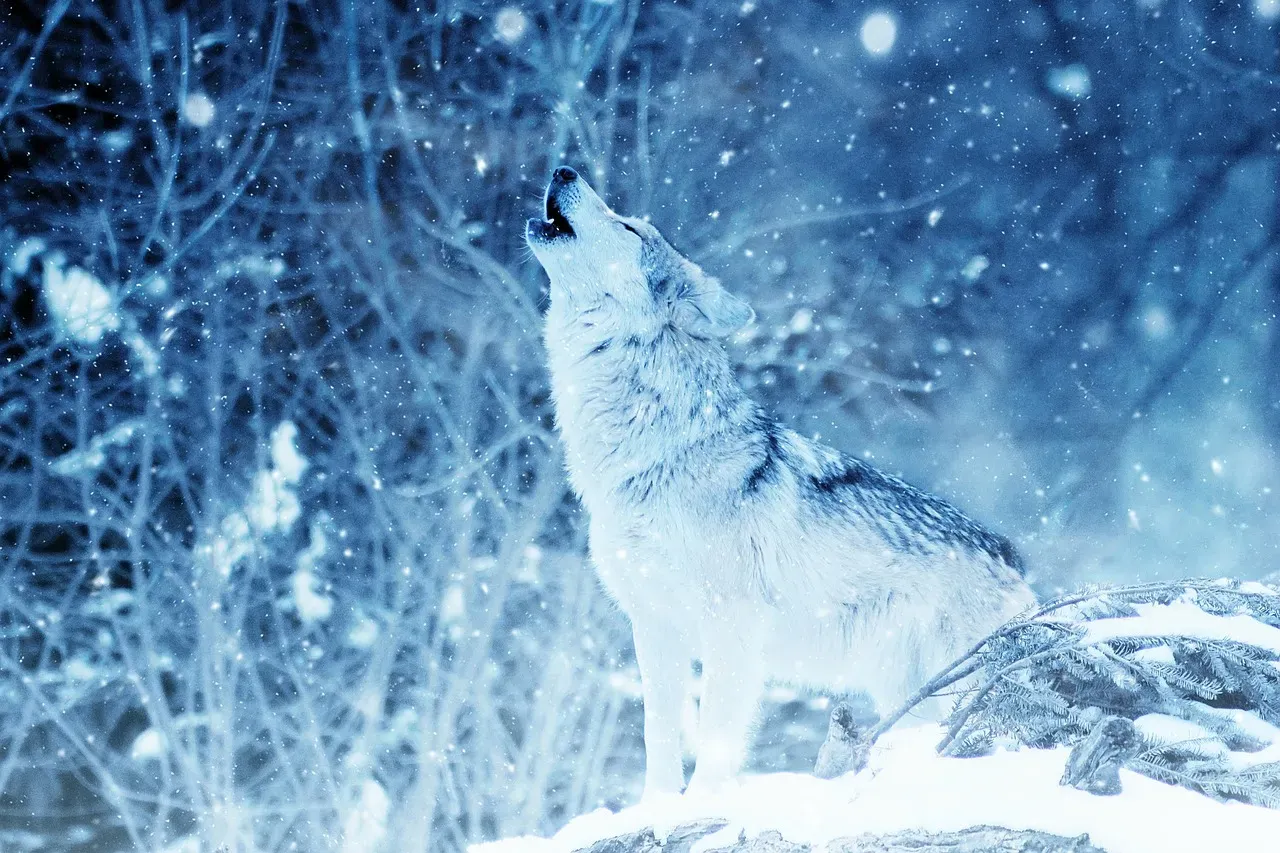
In the vast wilderness, territory is everything. Wolves use their howls to assert dominance over their domain, sending a clear message to neighboring packs: “This land is ours.” By howling just before dawn, wolves reinforce their territorial claims at a time when sound travels farthest, thanks to the cool, dense air of early morning.
This vocal marking helps prevent conflicts by establishing clear boundaries. Neighboring packs recognize these auditory signposts and are less likely to trespass, maintaining a delicate balance in the ecosystem.
Social Bonding: Strengthening Pack Ties
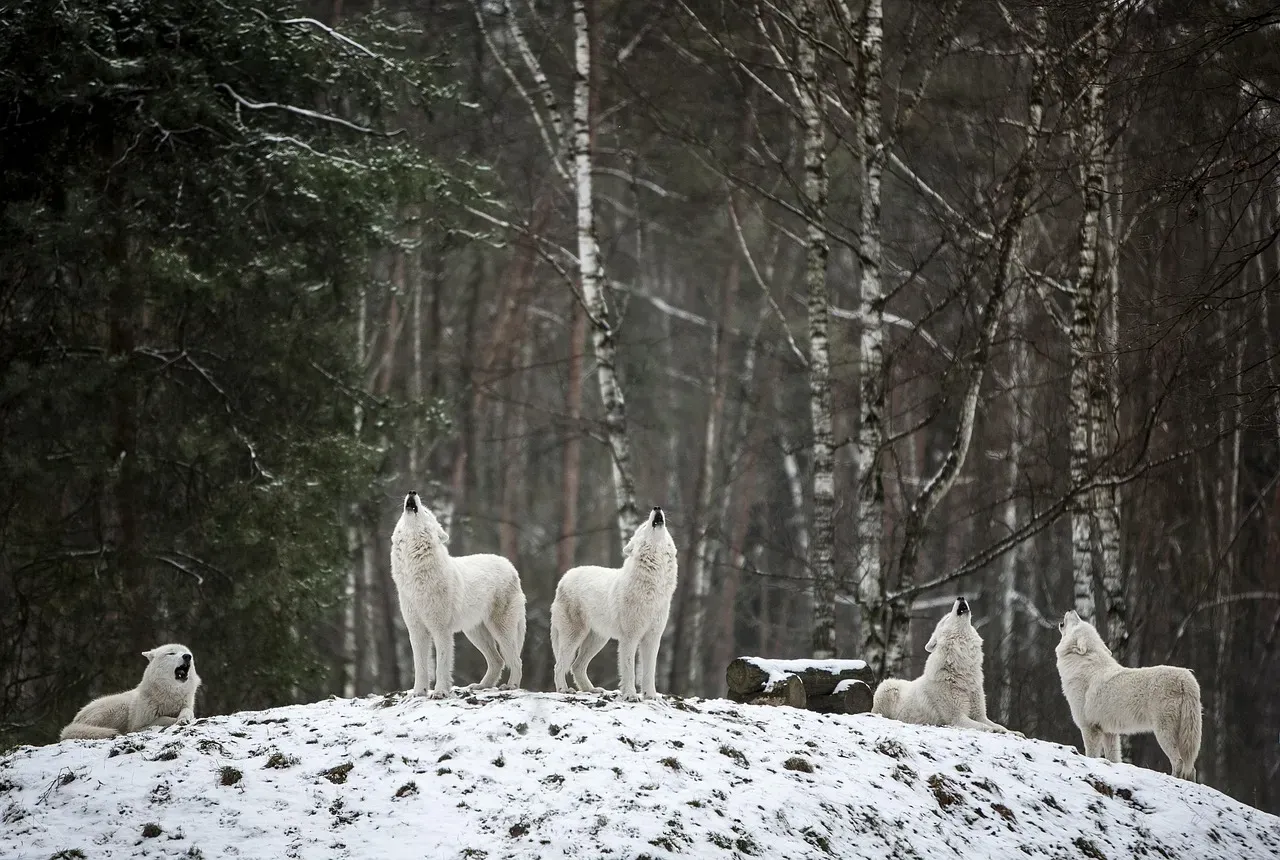
Beyond practical purposes, howling serves as a social glue for wolf packs. Engaging in group howls just before dawn strengthens the bonds between pack members, fostering unity and cooperation. This communal activity is vital for maintaining the hierarchical structure and ensuring the pack operates as a cohesive unit.
Think of it as a team huddle before a big game. The collective howl boosts morale and reaffirms each member’s role within the group, setting the tone for the day’s activities.
Coordinating Hunts: Synchronizing Strategies
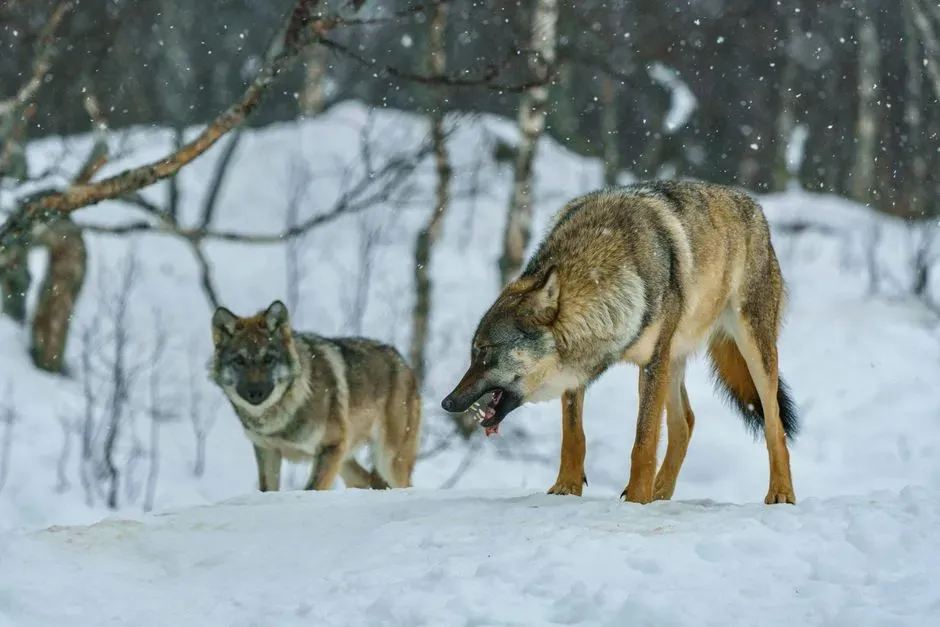
Hunting is a coordinated effort for wolves, requiring precise communication and timing. Pre-dawn howling allows pack members to synchronize their movements and strategies before embarking on a hunt. This ensures that each wolf knows its role, whether it’s leading the chase, flanking prey, or guarding the rear.
Such coordination increases the likelihood of a successful hunt, which is crucial for the pack’s survival. The early morning hours provide the perfect backdrop for these preparations, as many prey animals are also active during this time.
Responding to Environmental Cues: Adapting to the World Around Them
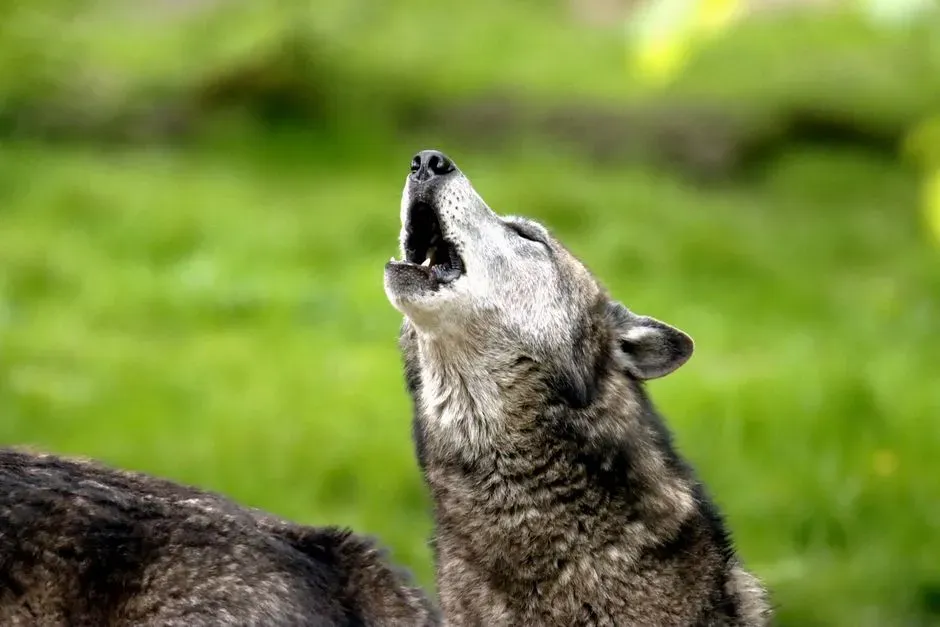
Wolves are highly attuned to their environment. Pre-dawn howling can be a response to various stimuli, such as the presence of other predators, changes in weather, or human activity. By vocalizing, wolves can alert pack members to potential threats or opportunities, allowing them to adapt their behavior accordingly.
This adaptability is a testament to the wolf’s intelligence and resilience, enabling them to thrive in diverse habitats around the world.
Dispelling Myths: Wolves and the Moon
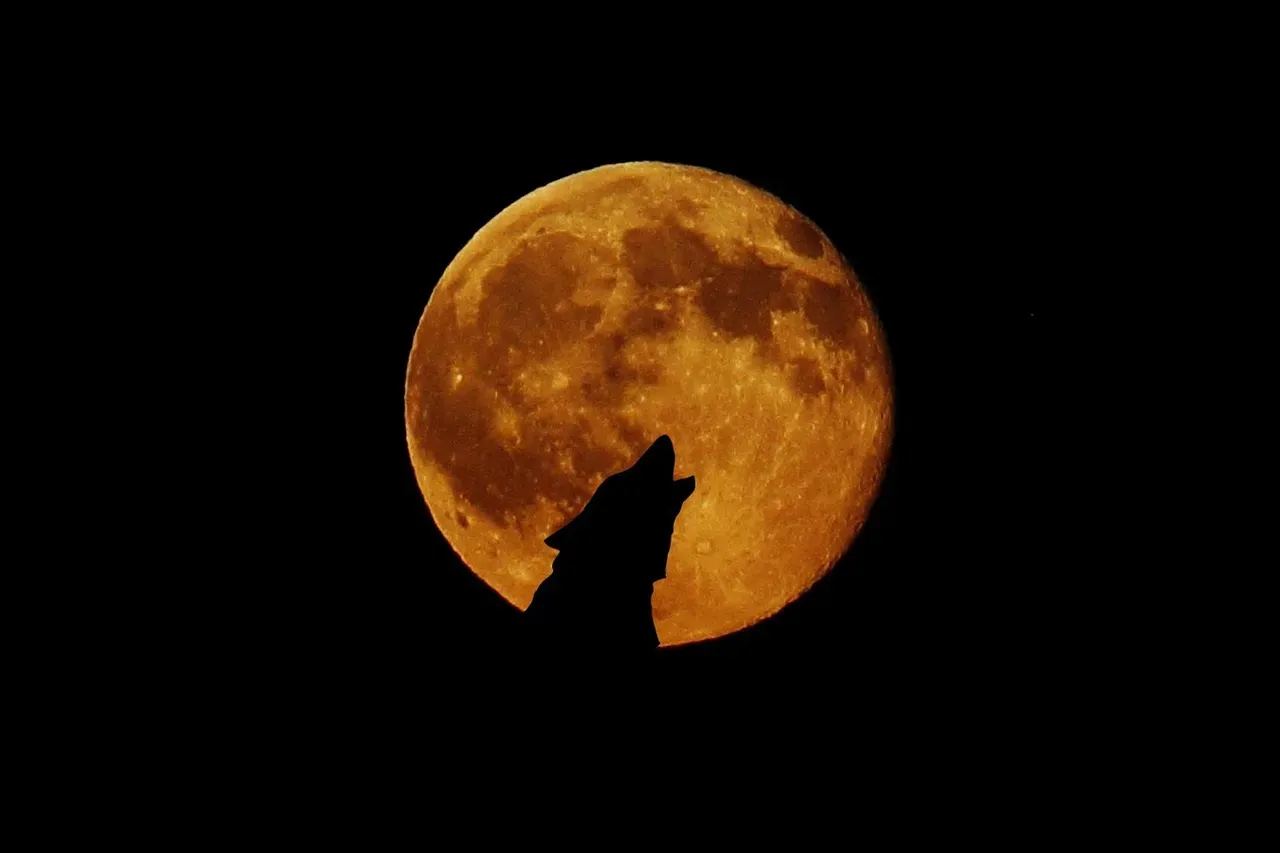
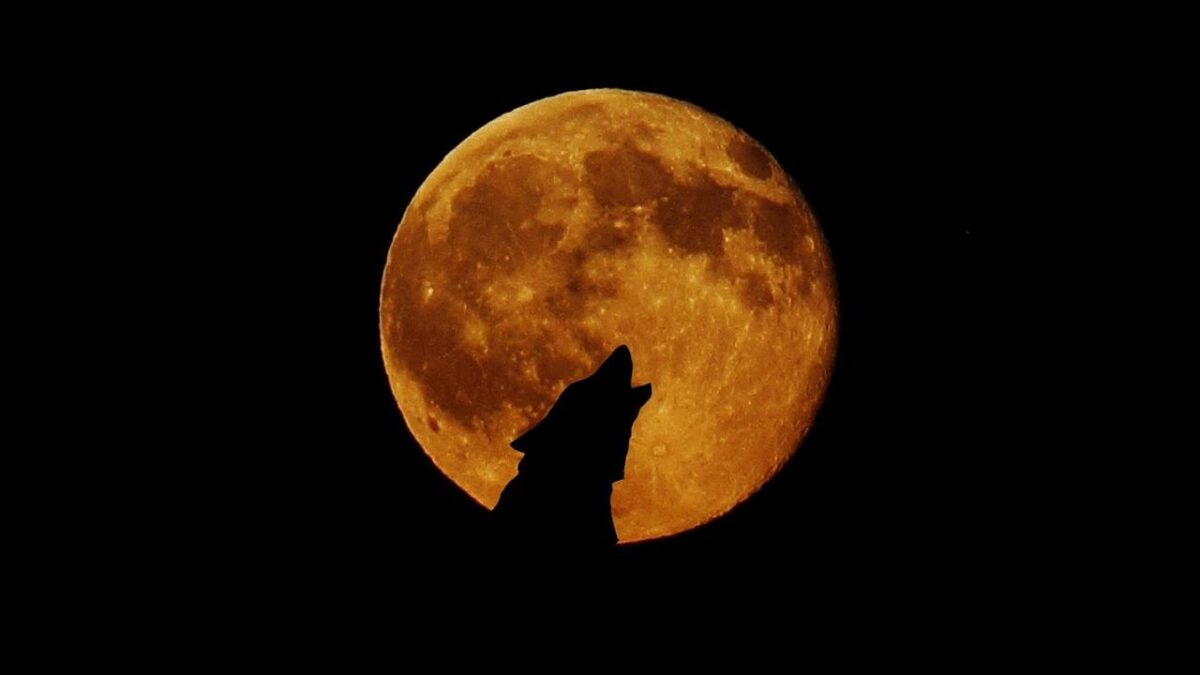
One of the most enduring myths is that wolves howl at the moon. In reality, wolves howl regardless of the moon’s phase. Their howling is more closely tied to their social structure and environmental factors than to lunar cycles. The image of a wolf silhouetted against a full moon is more a product of human imagination than natural behavior.
Understanding this helps demystify wolf behavior and fosters a more accurate appreciation of these complex creatures.
The Human Connection: What Wolf Howls Evoke in Us
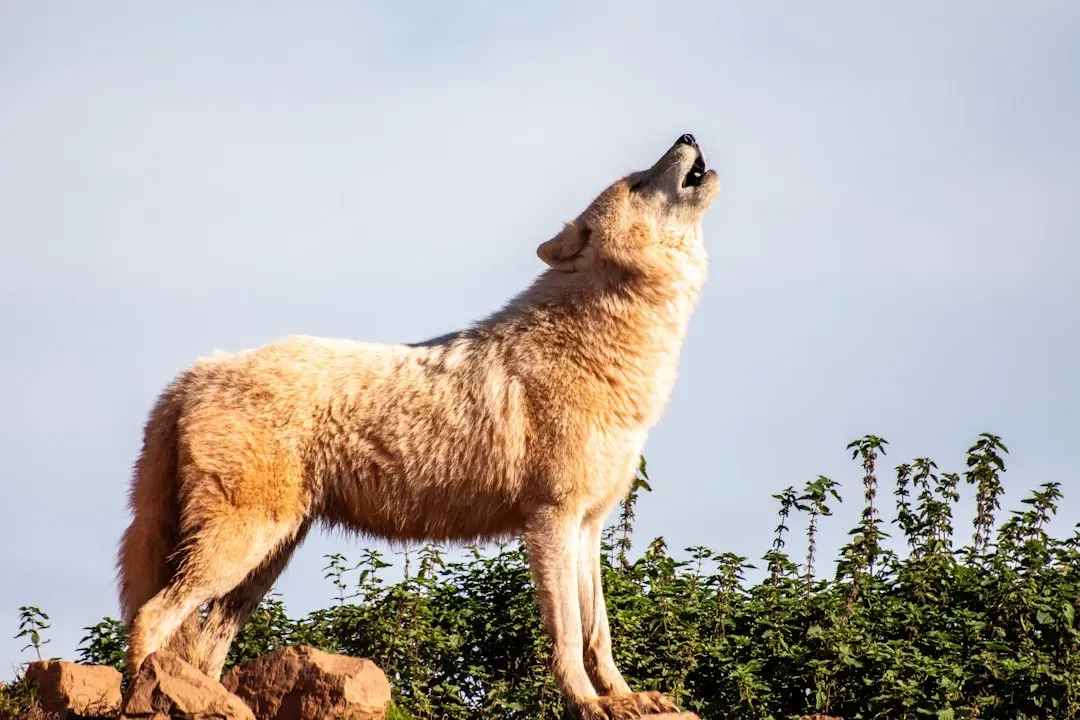
Hearing a wolf howl just before dawn can be a profound experience for humans. It connects us to the wild, stirring something primal within our psyche. This haunting sound reminds us of the untamed world beyond our urban landscapes and the intricate web of life that continues, often unseen, around us.
It’s a call to remember our place in the natural world and to respect the creatures that share this planet with us.
In conclusion, the pre-dawn howls of wolves are a multifaceted form of communication, encompassing territorial claims, social bonding, hunting coordination, and environmental awareness. Far from being mere noise, these howls are the lifeblood of the pack, essential for their survival and cohesion. So, the next time you hear that eerie chorus as night transitions to day, consider the rich tapestry of meaning woven into each note. Isn’t it remarkable how much can be conveyed in a single, haunting howl?

- 10 Cat Breeds That Tolerate Dogs Surprisingly Well - August 14, 2026
- Which North American Flower Are You According to Your Zodiac Sign - August 14, 2026
- How to Attract Orioles to Your Garden - August 14, 2026