
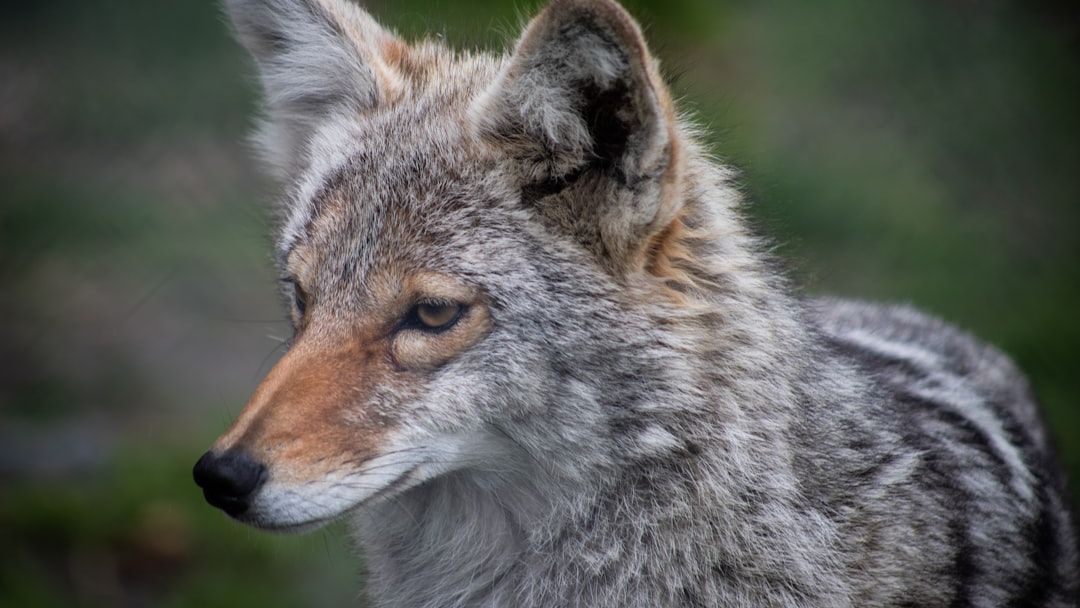
Imagine strolling through Chicago’s bustling streets, the last place you’d expect to encounter wildlife. Yet, beneath the city’s neon glow and amidst its towering skyscrapers, a remarkable adaptation story unfolds. Coyotes, once confined to rural landscapes, have seamlessly woven themselves into the urban fabric of Chicago, challenging our perceptions of city life and wildlife boundaries.
From Prairie Ghosts to City Dwellers
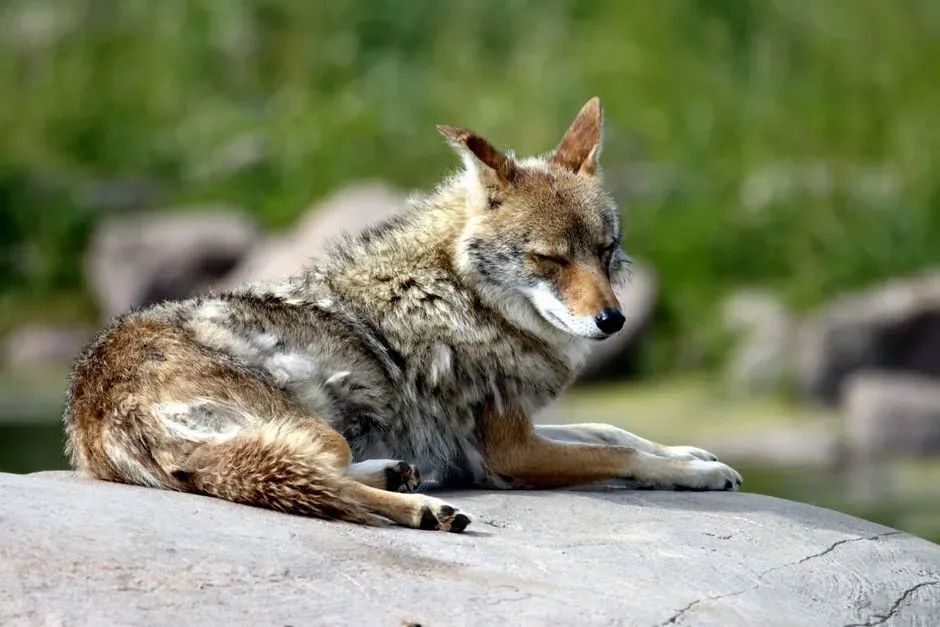
Historically, coyotes roamed the vast prairies and deserts of North America, steering clear of human settlements. However, as urban sprawl encroached upon their habitats, these adaptable canines began infiltrating cities, with Chicago emerging as a notable hotspot. Today, it’s estimated that approximately 2,000 coyotes reside within the Chicago metropolitan area, coexisting with over nine million humans. This urban migration underscores the coyote’s unparalleled adaptability and resilience.
Mastering the Urban Maze
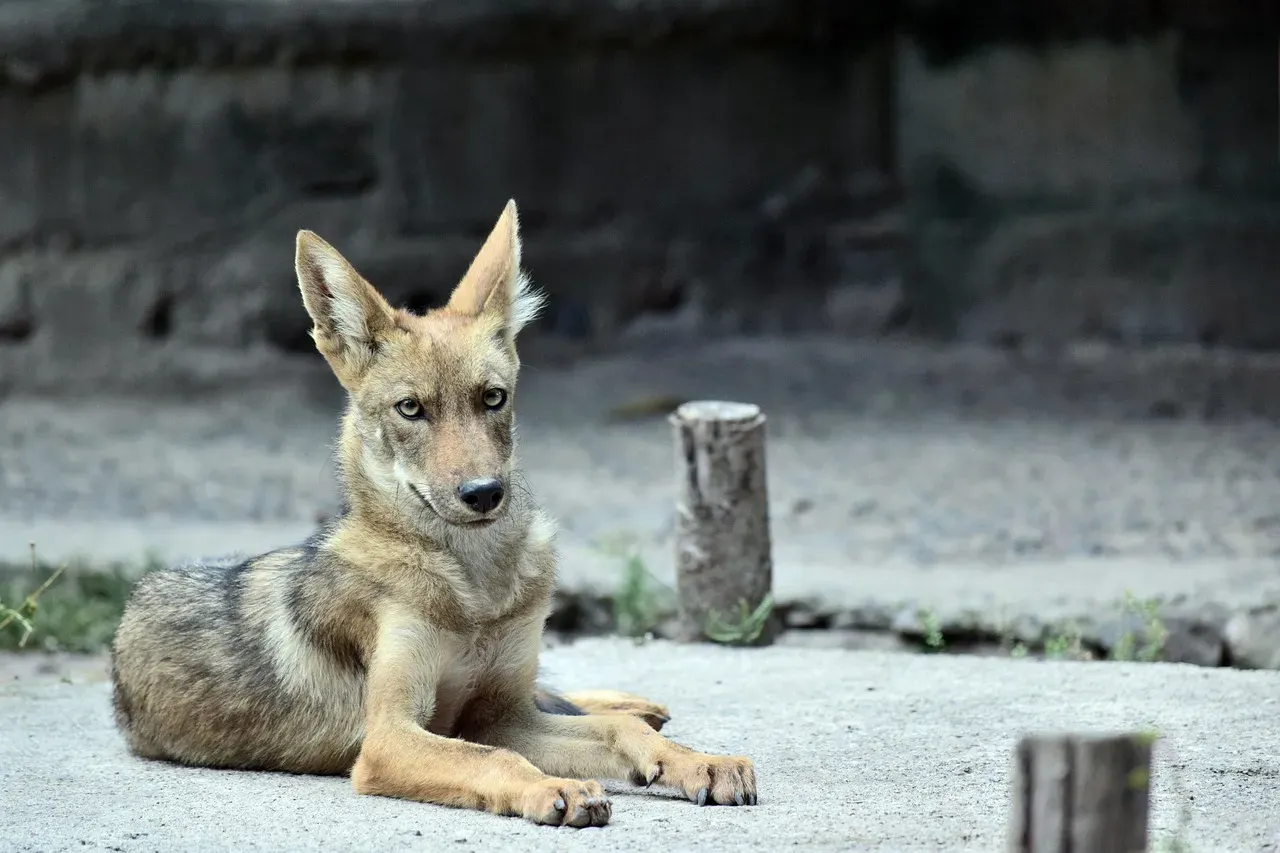
Navigating a city like Chicago is no small feat, yet coyotes have become adept urban explorers. They’ve learned to traverse busy streets, often waiting patiently at intersections, mirroring pedestrian behavior. Their nocturnal nature allows them to move under the cover of darkness, reducing human encounters. Remarkably, some have even established dens in unconventional spots, such as parking lots and underpasses, showcasing their ability to exploit available urban niches.
A Natural Diet Amidst Concrete
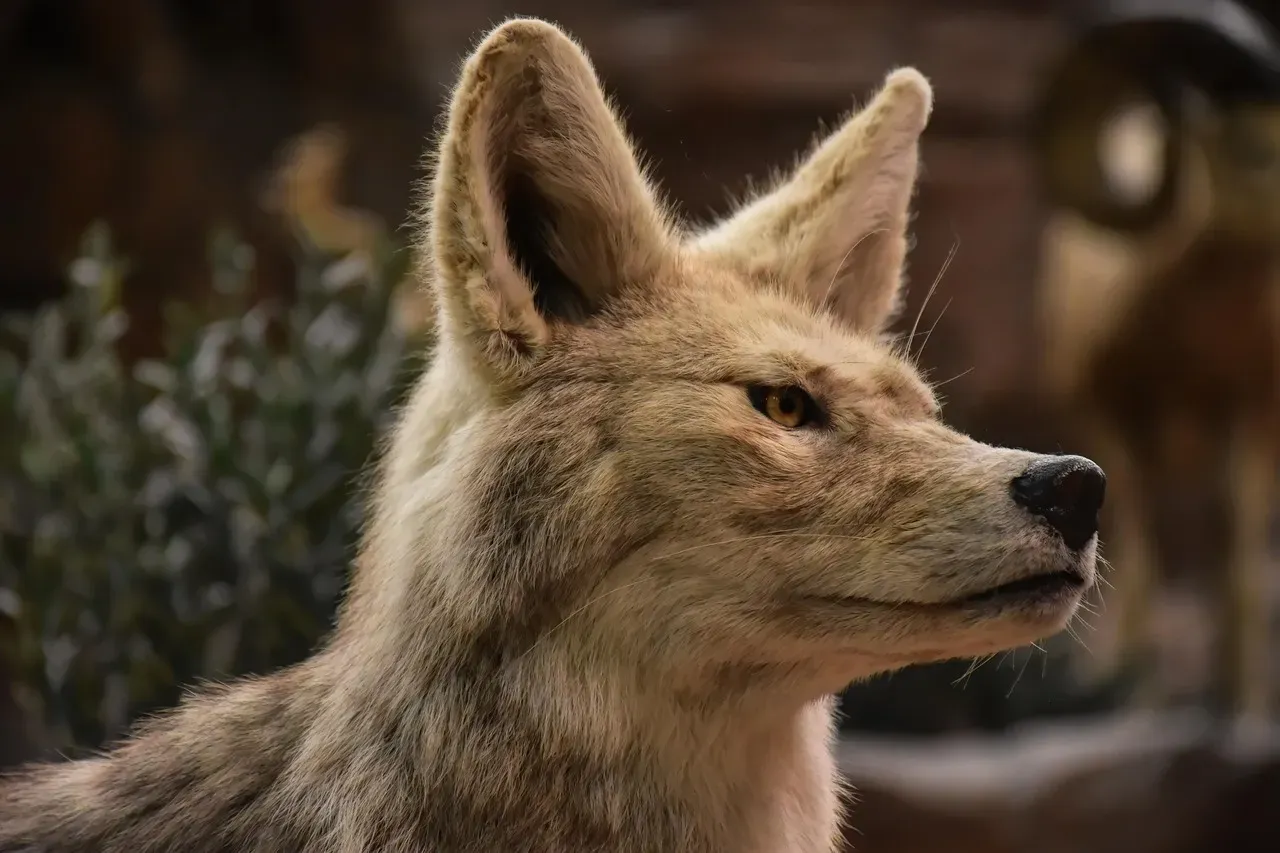
One might assume that urban coyotes scavenge human leftovers, but studies reveal a different narrative. Their diet predominantly consists of natural prey like rabbits, rodents, and birds. This preference not only aids in controlling urban pest populations but also highlights their role in maintaining ecological balance within the city. Their ability to sustain themselves without relying heavily on human food sources speaks volumes about their adaptability.
Social Structures in the City
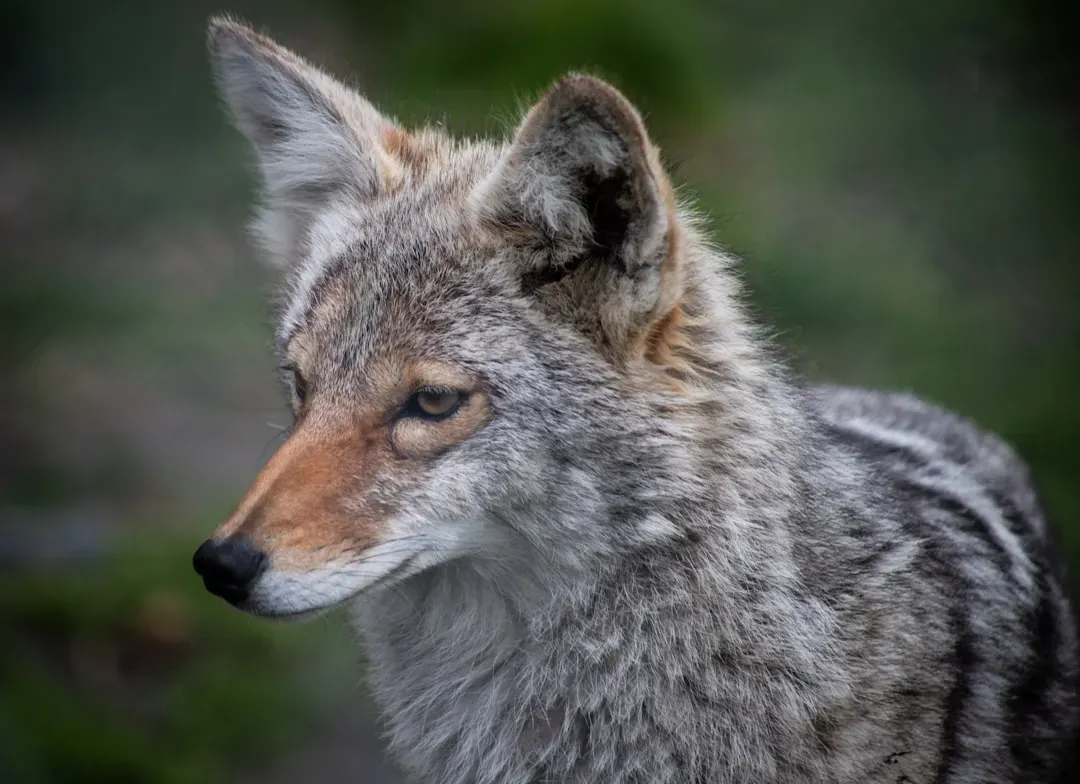
Urban life hasn’t eroded the coyote’s social fabric. They maintain strong family units, often forming monogamous pairs that last a lifetime. These pairs collaboratively raise their young, teaching them the intricacies of urban survival. Such stable social structures contribute to their success in navigating the challenges of city life, from finding food to avoiding threats.
Human-Coyote Interactions: A Delicate Balance
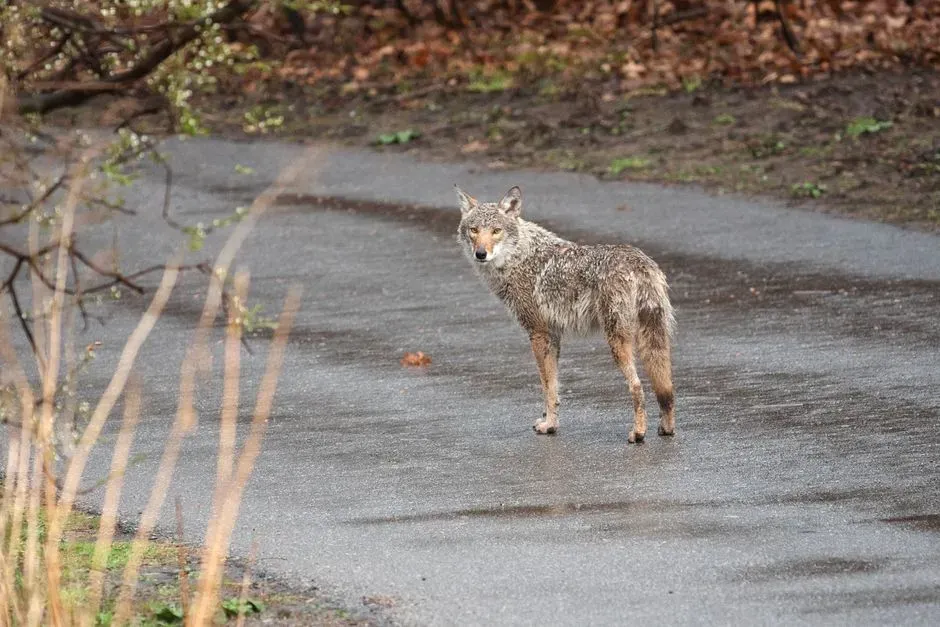
While the idea of coyotes in urban settings might raise concerns, actual conflicts are rare. Most urban coyotes are elusive, avoiding human contact. However, occasional sightings or incidents, like predation on small pets, do occur. Public education initiatives emphasize coexistence strategies, such as securing garbage and supervising pets, to minimize potential conflicts and foster a harmonious relationship between humans and coyotes.
Implications for Urban Ecosystems
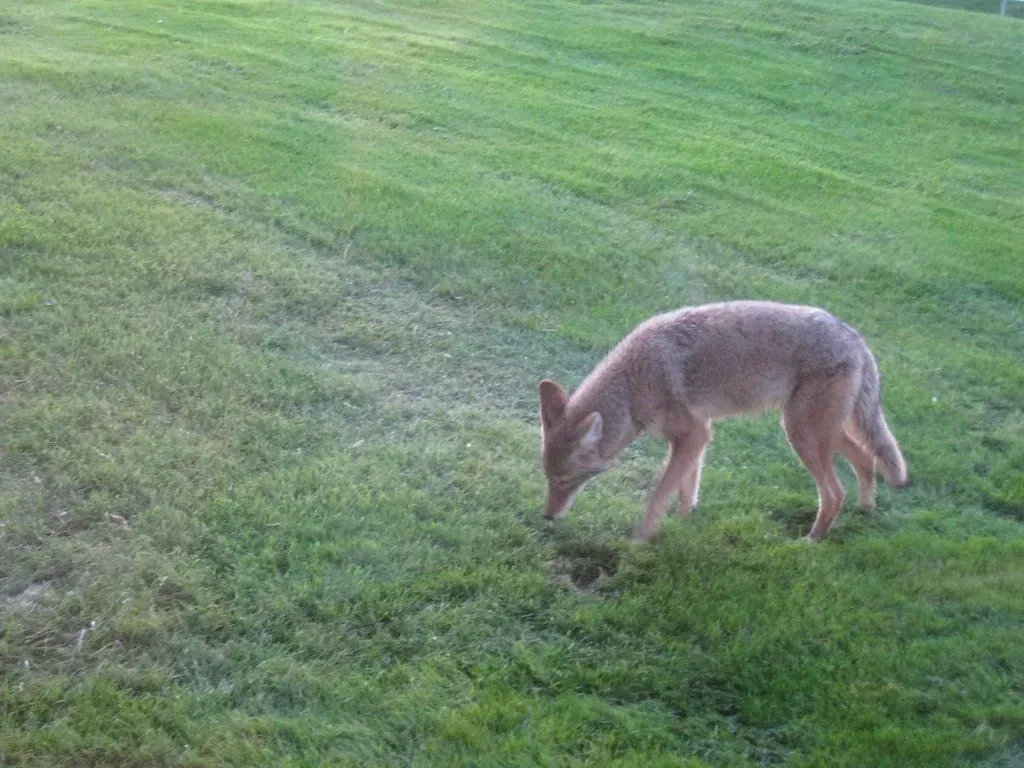
The presence of coyotes in Chicago isn’t just a testament to their adaptability; it has broader ecological implications. As apex predators, they help regulate populations of smaller mammals, contributing to a balanced urban ecosystem. Their success also raises questions about the potential for other large predators to adapt to city life, prompting further research into urban wildlife dynamics.
Looking Ahead: Coexisting with Urban Coyotes
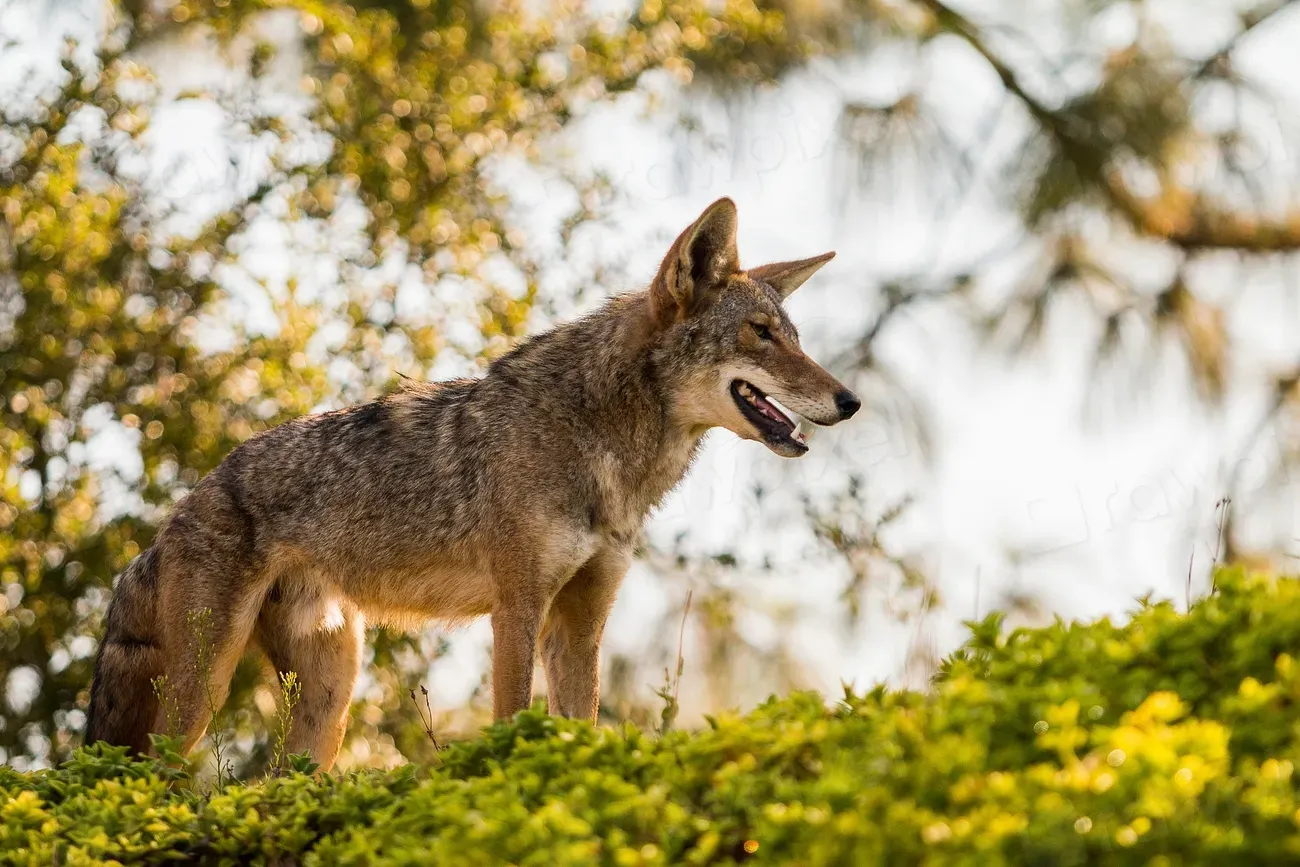
As urban landscapes continue to expand, the intersection of human and wildlife habitats becomes increasingly common. Chicago’s experience with coyotes offers valuable insights into coexistence strategies. By understanding and respecting these animals, cities can develop policies that ensure the safety of both residents and wildlife, paving the way for a more integrated urban ecosystem.
In conclusion, the story of Chicago’s urban coyotes is a compelling narrative of adaptation and resilience. Their ability to thrive amidst the challenges of city life challenges our perceptions and invites us to reconsider the boundaries between the urban and the wild. As we move forward, fostering a spirit of coexistence and mutual respect will be paramount. After all, if coyotes can adapt to our world, perhaps we can adapt to theirs. What other surprises might the urban wilderness hold?

- How to Attract Orioles to Your Garden - August 14, 2026
- If These 10 Birds Visit Your Garden, It Means You're Doing Things Right - August 14, 2026
- 10 So-Called Difficult Dog Breeds That Have Been Unfairly Judged for Their Reputation - August 14, 2026