
If you’ve ever locked eyes with an animal and felt, just for a second, that it was reading your mind, you’re not imagining things. Science keeps uncovering ways that animals quietly outsmart our expectations, solving problems, remembering details, and even manipulating other creatures in ways that feel uncomfortably familiar.
We tend to reserve the word “intelligent” for humans and a few celebrity species like dolphins and chimpanzees. But a whole cast of underrated animals is out there running mental marathons in the background while we barely notice. Once you see how clever they really are, it becomes hard to look at them the same way again.
#1 Pigs: The Farmyard Problem-Solvers
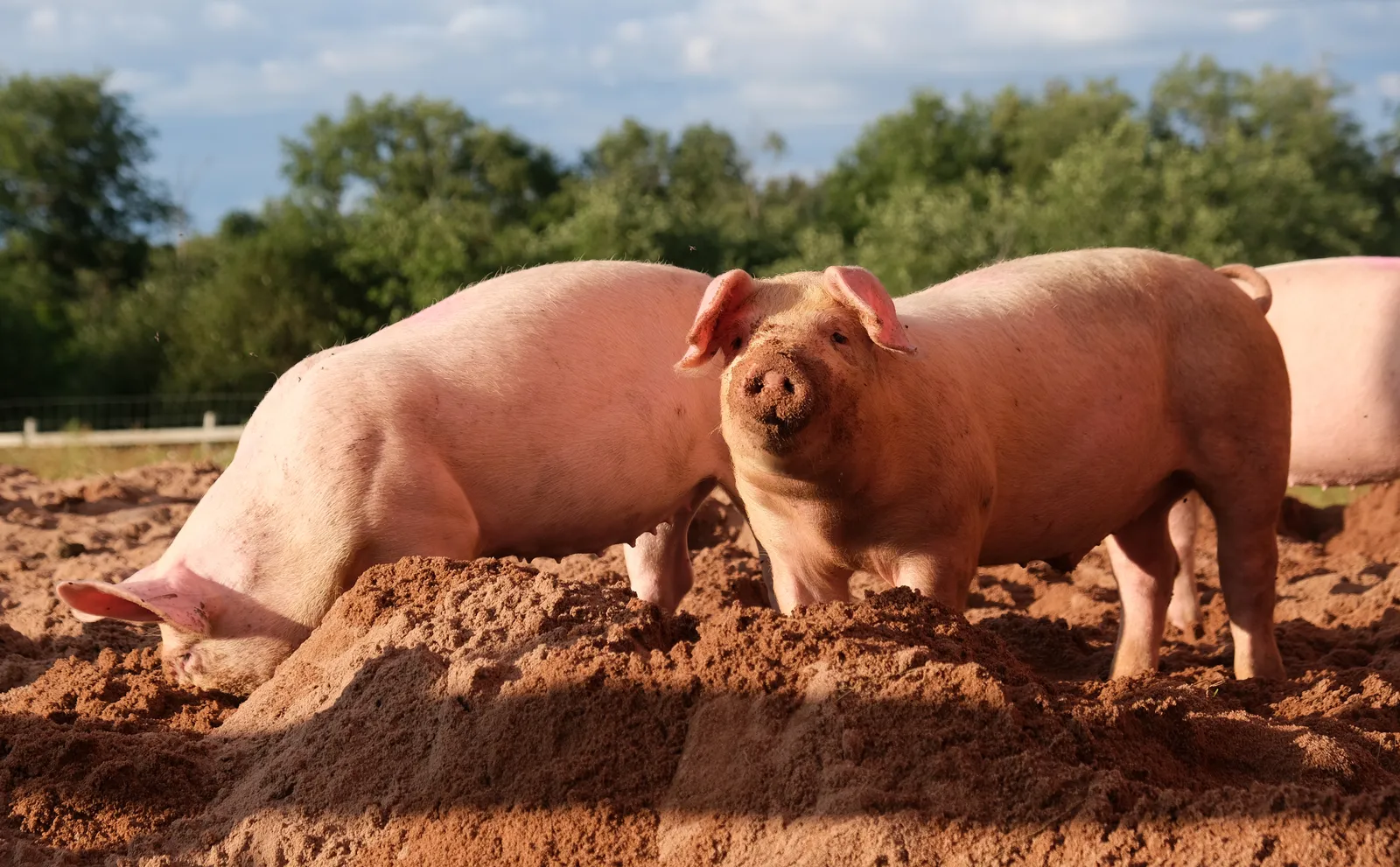
Pigs are often stereotyped as dirty and dumb, but in controlled tests they’ve shown they can solve puzzles, learn from each other, and even use simple computer interfaces with joysticks and touchscreens. They remember where food is hidden, navigate mazes, and adapt their strategies when conditions change, which is a pretty solid definition of flexible intelligence.
On farms and in sanctuaries, pigs also recognize individual humans, respond to their names, and quickly figure out who brings food or attention. Watching a pig work out how to unlatch a gate or nudge a human in just the right way to get a treat feels less like watching a “livestock animal” and more like watching a particularly food-motivated toddler.
#2 Crows: The Engineers Of The Sky
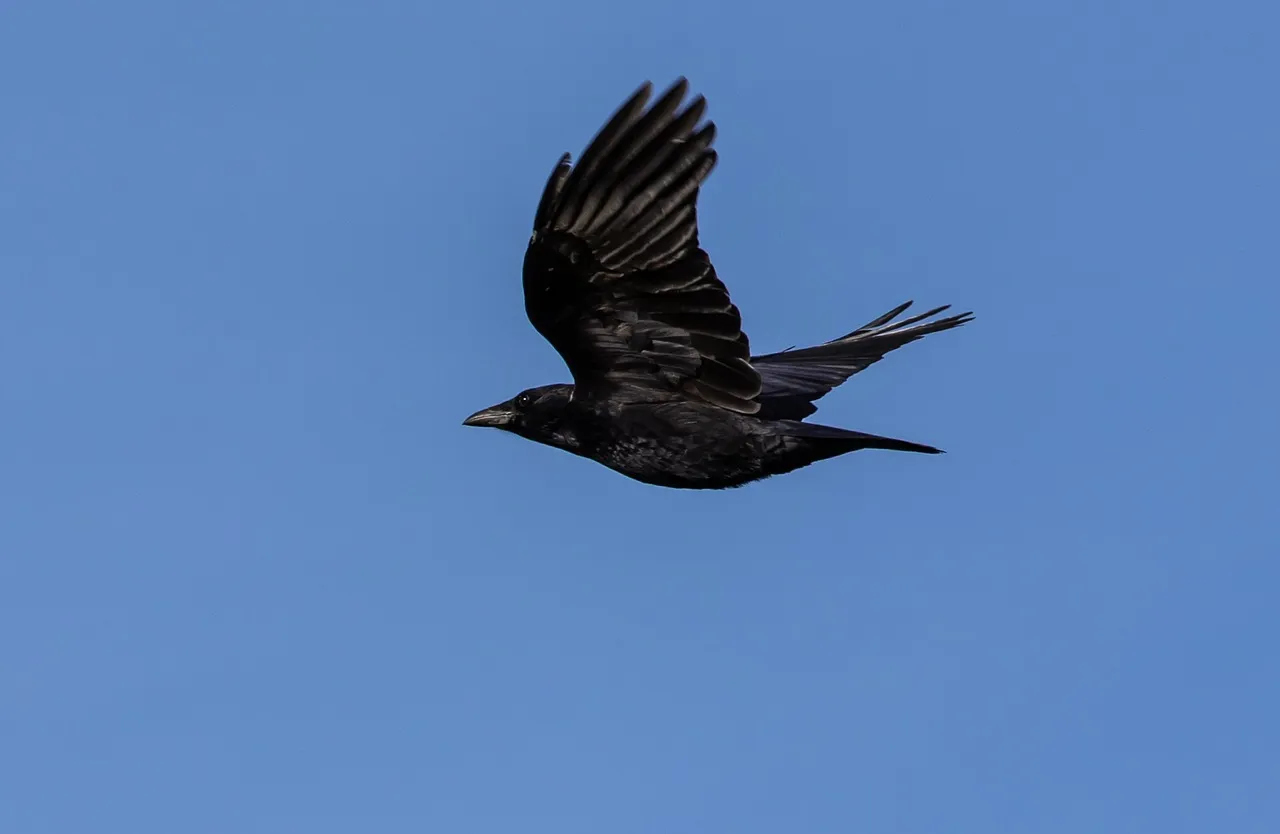
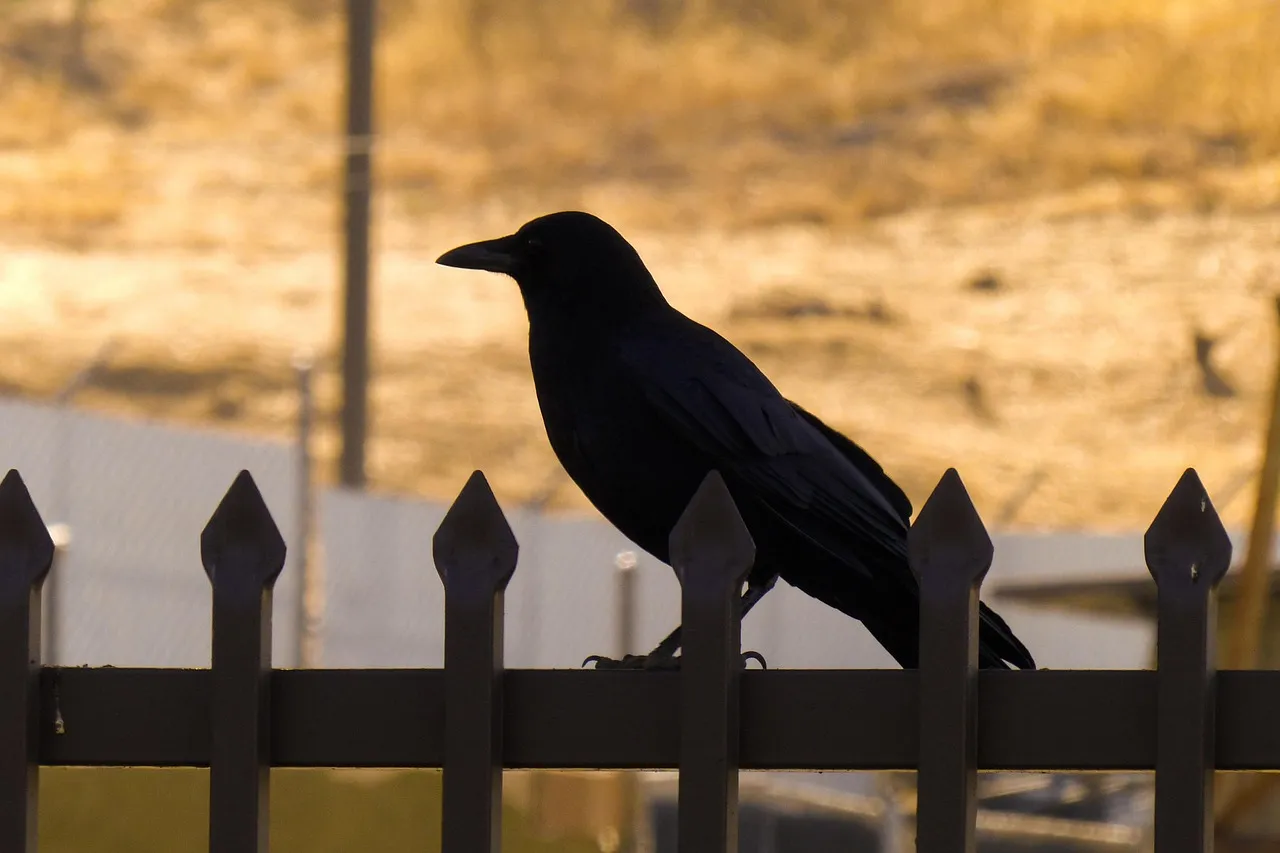
Crows, especially members of the crow and raven family, are notorious for their ability to create and use tools, which is something we once believed was almost uniquely human. They bend sticks into hooks, drop nuts onto roads so cars crack them, and use traffic lights like their own nut-cracking service, waiting for red lights to retrieve the food safely. That’s not just instinct; it’s planning.
They also recognize individual human faces, remember who treated them well or badly, and sometimes even “tell” other crows about dangerous people. It’s a bit unsettling to think a bird can hold a grudge longer and more accurately than many people, but that’s exactly what long-term studies keep showing with these dark-feathered strategists.
#3 Octopuses: The Escape Artists Of The Ocean
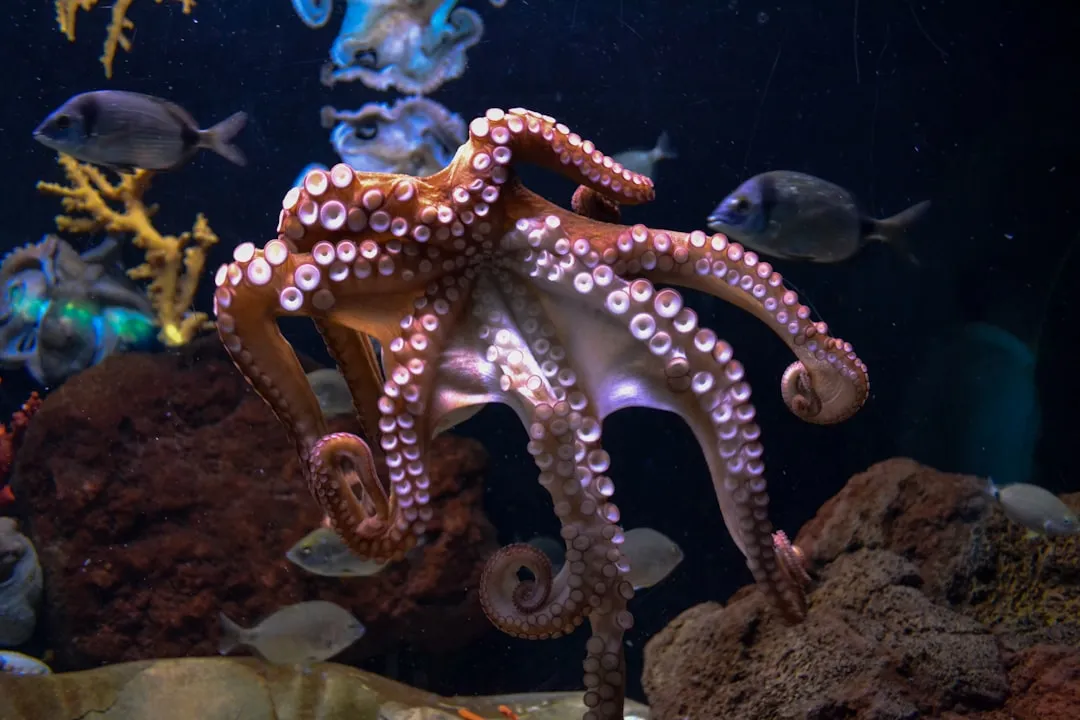
Octopuses are basically alien brains in soft, squishy bodies, and they use that brainpower to an almost mischievous degree. They open jars from the inside, unscrew lids, navigate complex tanks, and can remember the layout of their environment to revisit favorite hiding spots and hunting grounds. Their problem-solving often looks like trial and error mixed with real learning, not just automatic behavior.
In aquariums, keepers have countless stories of octopuses escaping tanks through impossibly small holes, sneaking over to other enclosures for a midnight snack, and then slipping back home as if nothing happened. When an animal can figure out plumbing routes in a building better than most tenants, it deserves a serious upgrade in our mental ranking of “who’s smart.”
#4 Rats: The Tiny Psychologists
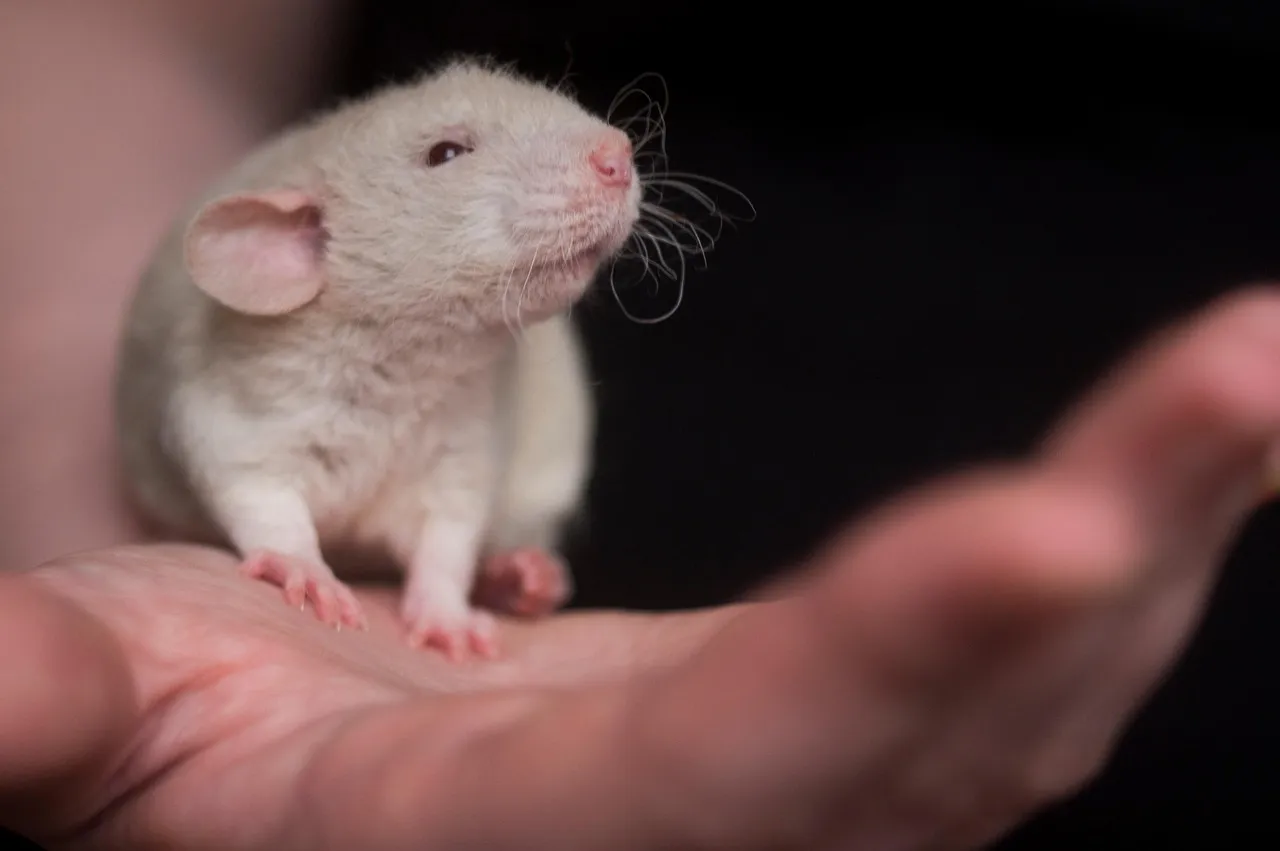
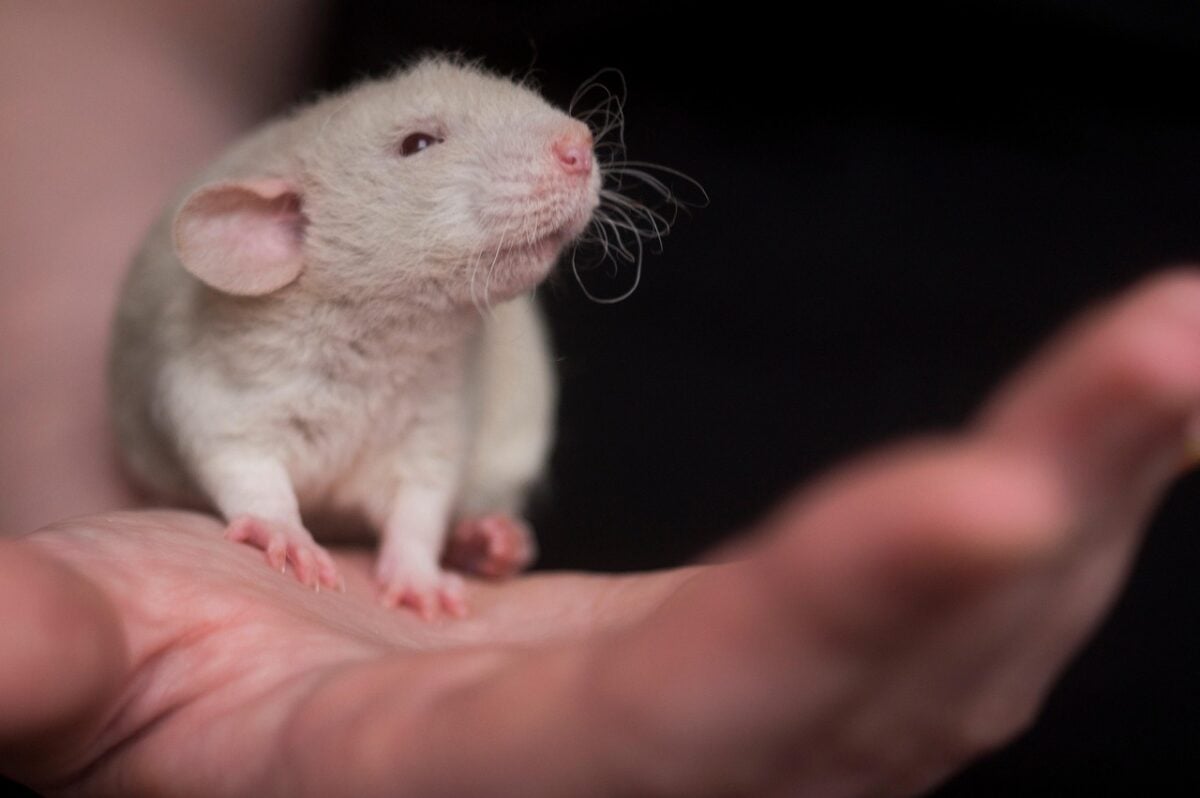
Rats are used in labs worldwide not because they are simple, but because they are mentally sophisticated enough to model complex behavior and learning. They can run mazes, remember routes, and adapt when the path changes, sometimes performing better than humans do in unfamiliar navigation tasks. Their ability to link cause and effect and learn patterns makes them surprisingly capable little analysts.
What really surprises people, though, is how emotionally tuned-in rats can be. In some experiments, rats will work to free a trapped companion even when there is no obvious personal reward. They seem to value social connection and relief of distress, hinting at a form of empathy that many people do not expect from a creature they mostly associate with subways and dumpsters.
#5 Parrots: The Feathered Linguists
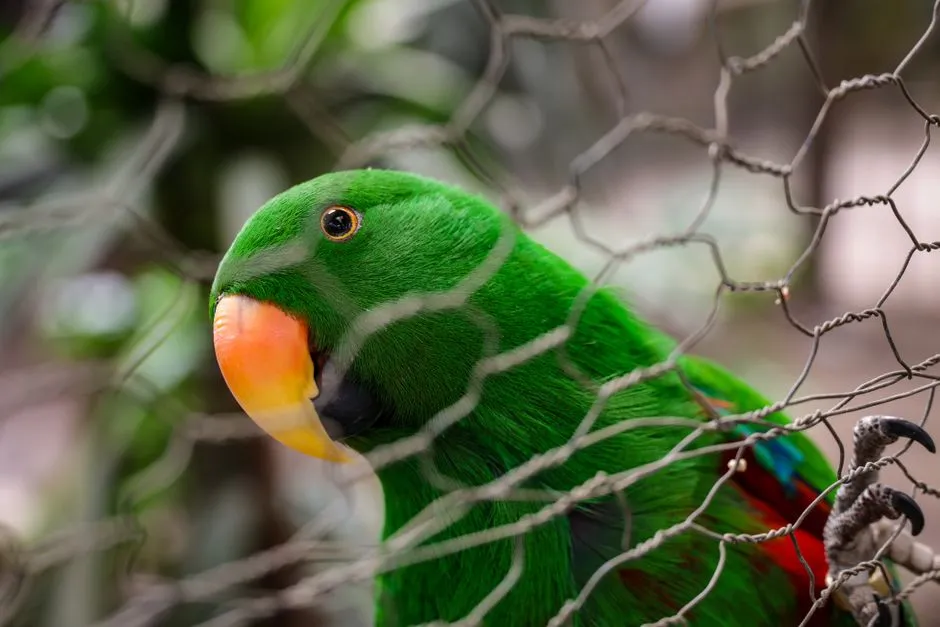
Parrots are famous for mimicking human speech, but imitation is only the shallowest layer of what some of them can do. Certain parrots can learn to use words in context, distinguish shapes, colors, and quantities, and respond differently depending on what they are asked. Recognizing that “red” and “blue” are categories, not just sounds, is a cognitive step that young children also have to work through.
Living closely with humans, parrots pick up our routines, moods, and patterns with eerie accuracy. Many owners notice their birds anticipating daily events like someone coming home from work or the sound of a specific car outside, reacting before any direct signal is obvious. It feels a bit like living with a roommate who cannot pay rent but can absolutely read the room.
#6 Raccoons: The Urban Hackers
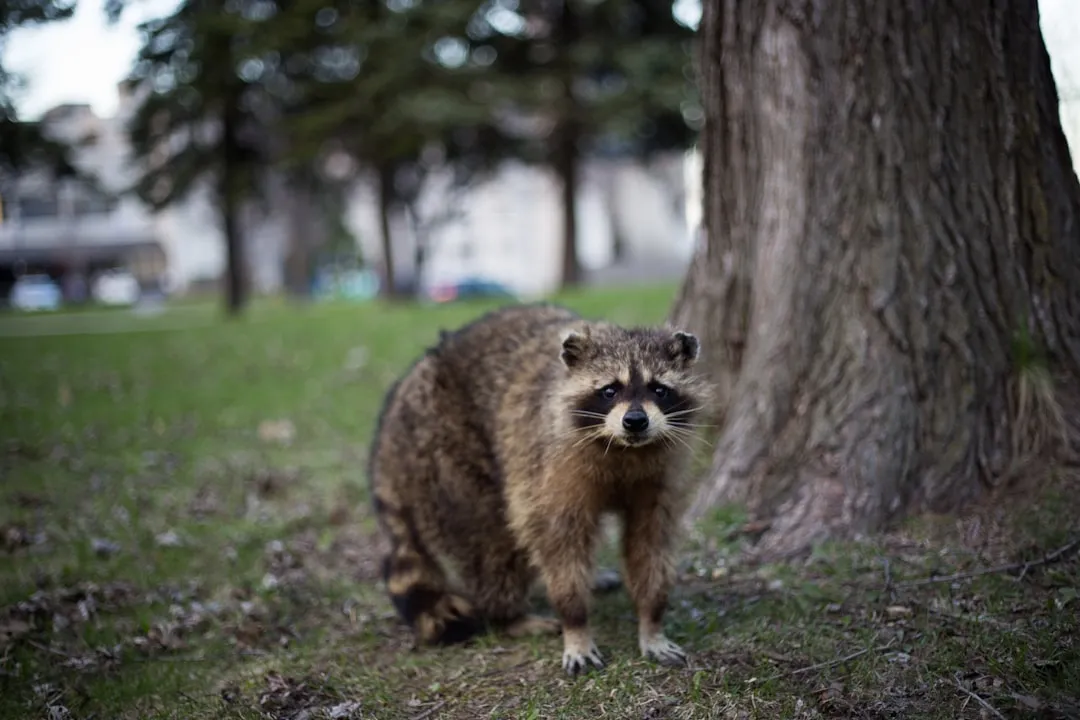
Raccoons have turned modern cities into their personal brain gyms. They manipulate latches, open coolers, untie knots, and break into trash cans designed specifically to keep them out, often by trying multiple tactics until something works. Once a raccoon figures out a trick, it tends to remember it for a long time, which is exactly what you’d expect from a sharp problem-solver, not a mindless scavenger.
These masked foragers also learn from observing each other, passing along techniques like expert lock-pickers training apprentices. When you watch a raccoon calmly testing the edges of a bin, pulling, pushing, and checking hinges, it looks less like random fumbling and more like a systematic security audit conducted by a furry little engineer.
#7 Bees: The Micro Navigators And Communicators
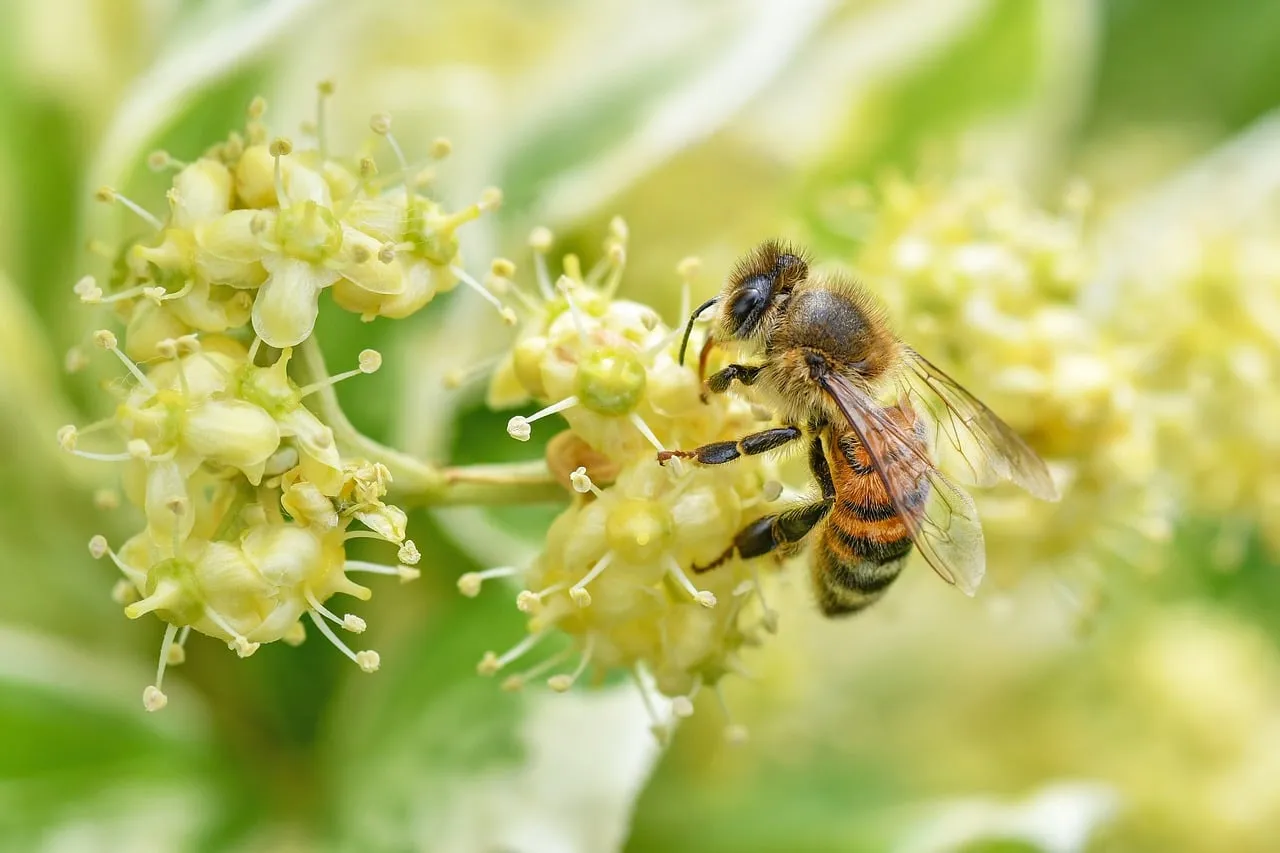
Bees are so small that it’s tempting to treat them like flying dots, yet their navigation and communication skills are impressively complex. Foragers remember flower locations, calculate efficient routes between them, and adjust based on changing conditions in ways that resemble problem-solving in logistics. They keep track of not just where food is, but also how rewarding each source is over time.
Inside the hive, bees perform intricate body movements to “tell” others where to find good nectar sources, using angle and duration to encode direction and distance. It is a kind of symbolic communication that allows information about the world to be shared and acted on. For a brain smaller than a grain of rice, that level of collective coordination is almost absurdly impressive.
#8 Border Collies: The Canine Strategists
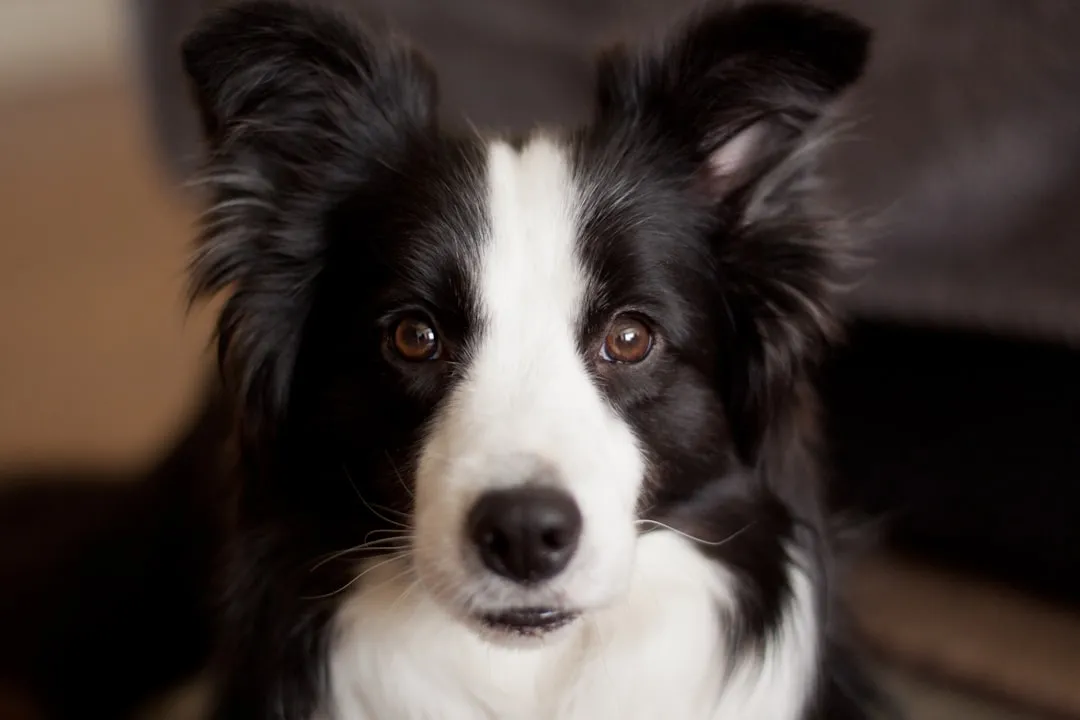
Many people know dogs are smart, but border collies operate on a level that still catches researchers off guard. Some individuals learn the names of hundreds of toys and can fetch the correct one on command, which requires not only memory but also the ability to match a specific sound to a specific object. They also infer new meanings, figuring out that an unfamiliar word probably refers to a new toy rather than something they already know.
Out in the field, their intelligence becomes even clearer as they control flocks of sheep using a mix of training, independent decision-making, and real-time judgment. A good border collie reads the animals, the terrain, and the human handler almost simultaneously, adjusting tactics in seconds. Watching one work can feel like watching a living algorithm, constantly recalculating the best move for the next few steps.
Conclusion: Rethinking Who We Call “Smart”
Spending time with animals like these quietly shifts your sense of what intelligence even means. It stops being just about test scores and spoken language and starts looking more like the ability to adapt, learn, remember, and sometimes even care about others in ways we did not expect. In that light, a pig opening a latch or a bee navigating miles back to a hive is not “just an animal trick” but a genuine expression of a different kind of mind.
My own opinion is that we routinely underestimate animals because it is more comfortable to see them as background characters in our human story, rather than as thinking, feeling problem-solvers sharing the same stage. Once you notice how often they outthink our assumptions, it becomes harder to justify treating them as if their inner lives do not matter. So the real question is not whether animals are smart enough, but whether we are finally ready to pay attention to what their intelligence has been telling us all along – what would you have guessed before reading this?
