
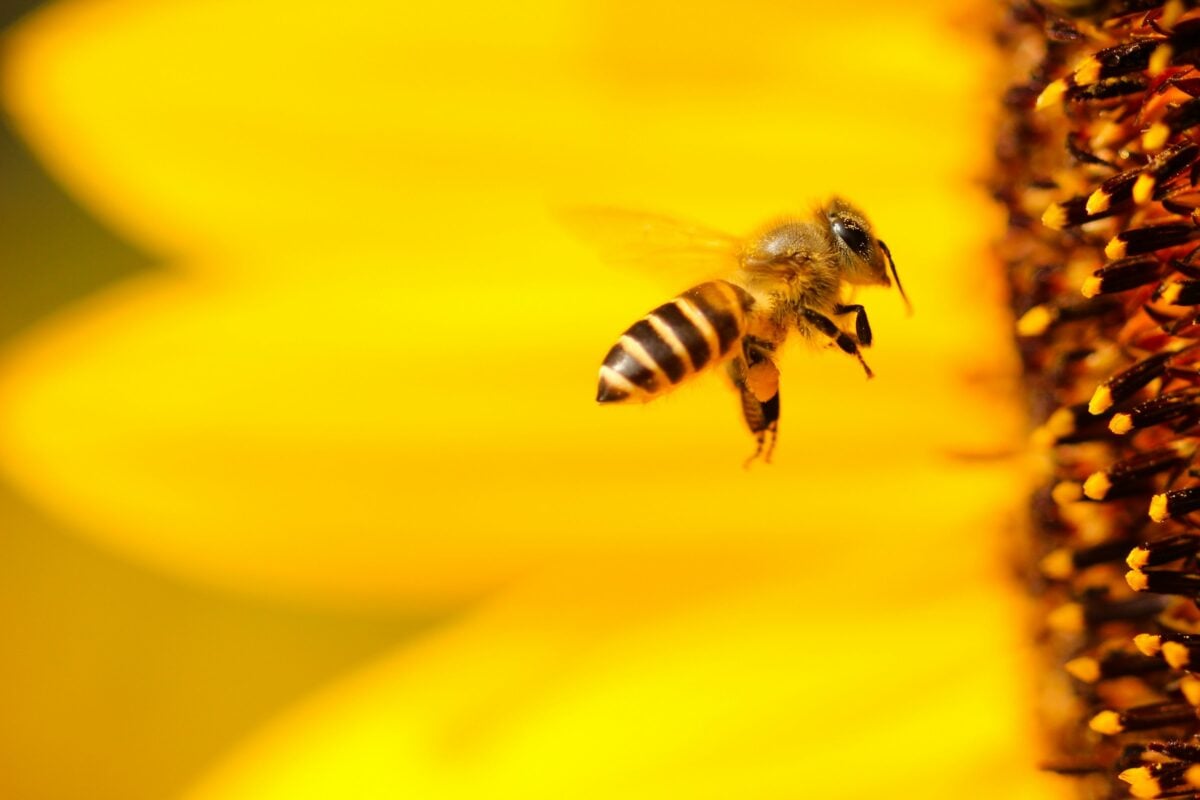
If you’ve ever thought of insects as little more than tiny robots running on instinct, bumblebees are here to ruin that illusion in the best possible way. Recent animal science research suggests these fuzzy little pollinators can actually , a skill that pushes them closer to what we normally associate with birds, mammals, or even toddlers. That idea is both thrilling and a bit unsettling: if bees can watch, copy, and improve, where does “simple instinct” end and “culture” begin?
I still remember the first time I saw a video of a bumblebee moving a tiny ball to earn a sugary reward. It looked less like a bug and more like a student who’d figured out the trick to passing a test. The wild part? Some bees learned the task faster just by watching a trained bee do it first. It is a quiet but radical reminder that even tiny brains can do surprisingly big things.
Bees Are Not Little Robots: Inside Their Surprisingly Smart Brains
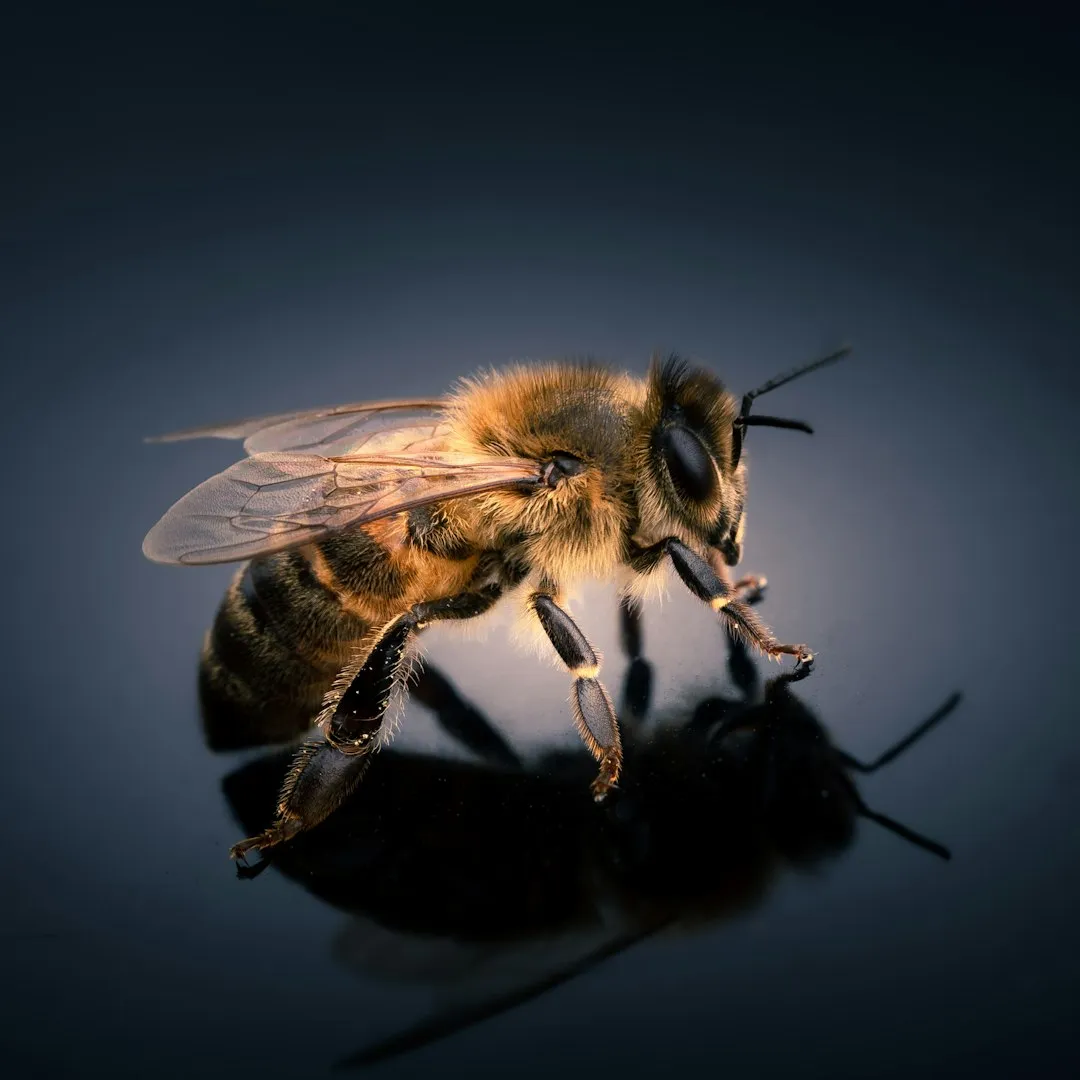
Most of us grow up with the idea that insects are basically hardwired machines, born knowing everything they will ever do. Bumblebees smash that stereotype. Even though their brains are roughly the size of a poppy seed, they can navigate complex landscapes, remember flower locations, and flexibly change their behavior when conditions shift.
Animal scientists have been steadily uncovering how much problem-solving power is crammed into those miniature nervous systems. When you realize a bumblebee can figure out a multi-step task, ignore distractions, and adapt when the rules change, it becomes really hard to keep calling them “simple.” In a way, their brains are like minimalist smartphones: tiny hardware, surprisingly powerful software.
How Scientists Actually Test Whether Bees Can Learn by Watching
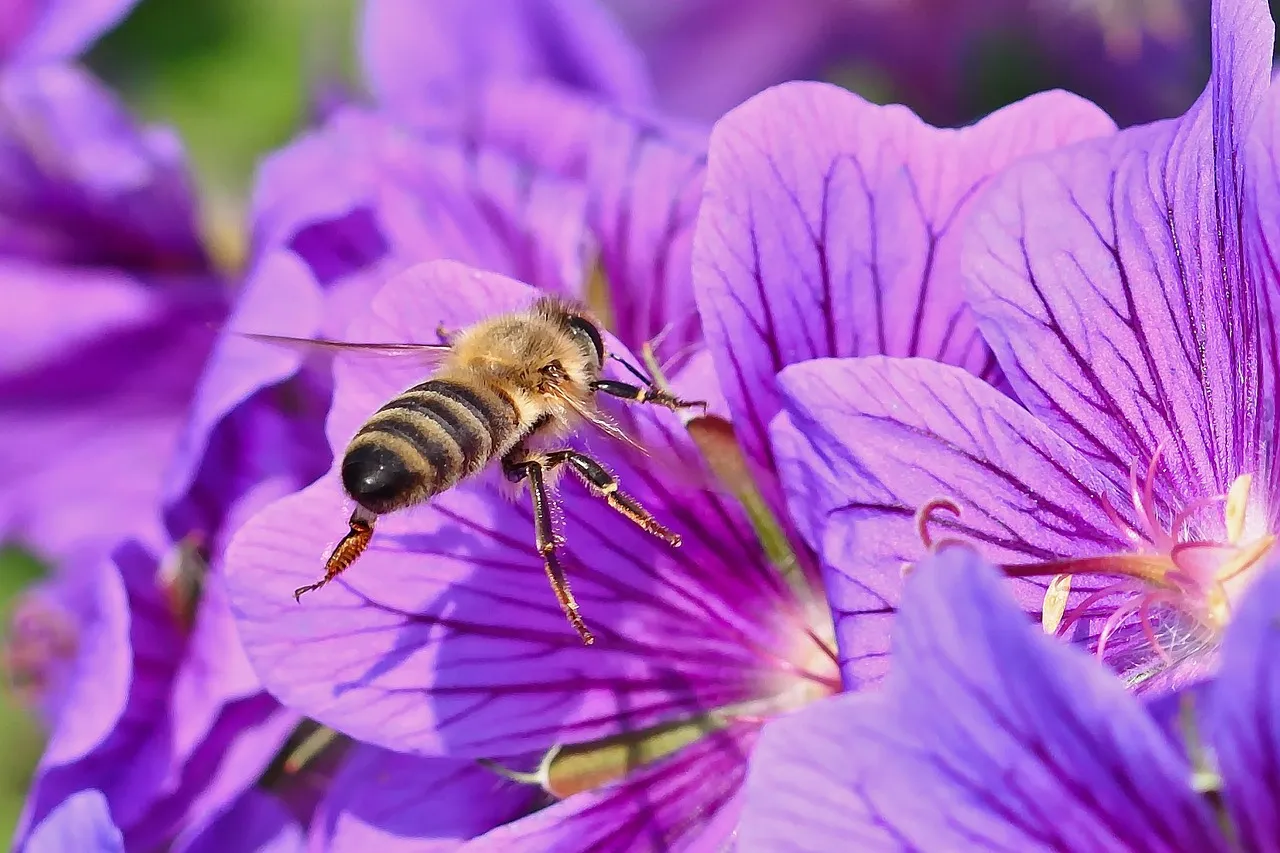
It is one thing to say bees learn from each other and another to prove it in a lab. Researchers design clever experiments that tease apart instinct from imitation, often using tasks bees would never encounter in nature. For example, scientists might create a little puzzle where a bee has to move an object, pull a string, or roll a small ball into a target to get access to a drop of sugar solution.
To test social learning, they train a “demonstrator” bee to master the puzzle first, then let naive bees watch that expert through a transparent barrier or in the same arena. If the observers solve the task faster or more successfully than bees who never saw a demonstration, that is strong evidence they learned at least part of the behavior by watching. It is basically a bee version of classroom instruction, just with sugar instead of grades.
The Ball-Rolling Experiments That Changed How We See Bumblebees
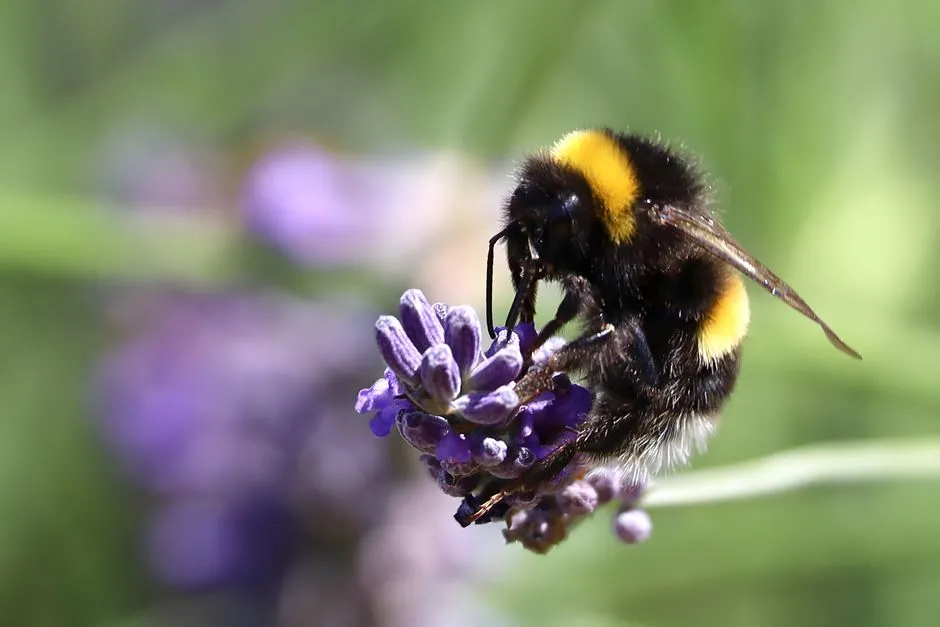
Some of the most striking research comes from ball-rolling tasks, where bumblebees learn to move a tiny ball into a specific location to earn a reward. At first glance, the setup looks almost like a mini arcade game: a platform, a ball, and a goal zone that unlocks sugar when the ball hits the right spot. Trained bees figure out this bizarre rule and reliably push or pull the ball into position.
Here’s the twist: other bees, who had never done anything like this in their lives, watched the trained bees perform the task and then copied it. Many of them not only repeated the behavior but sometimes chose quicker or more efficient routes to move the ball. For an animal that is supposed to run solely on instinct, that level of flexible, observed problem-solving feels almost rebellious.
From Copycats to Innovators: Bees Improving on What They See
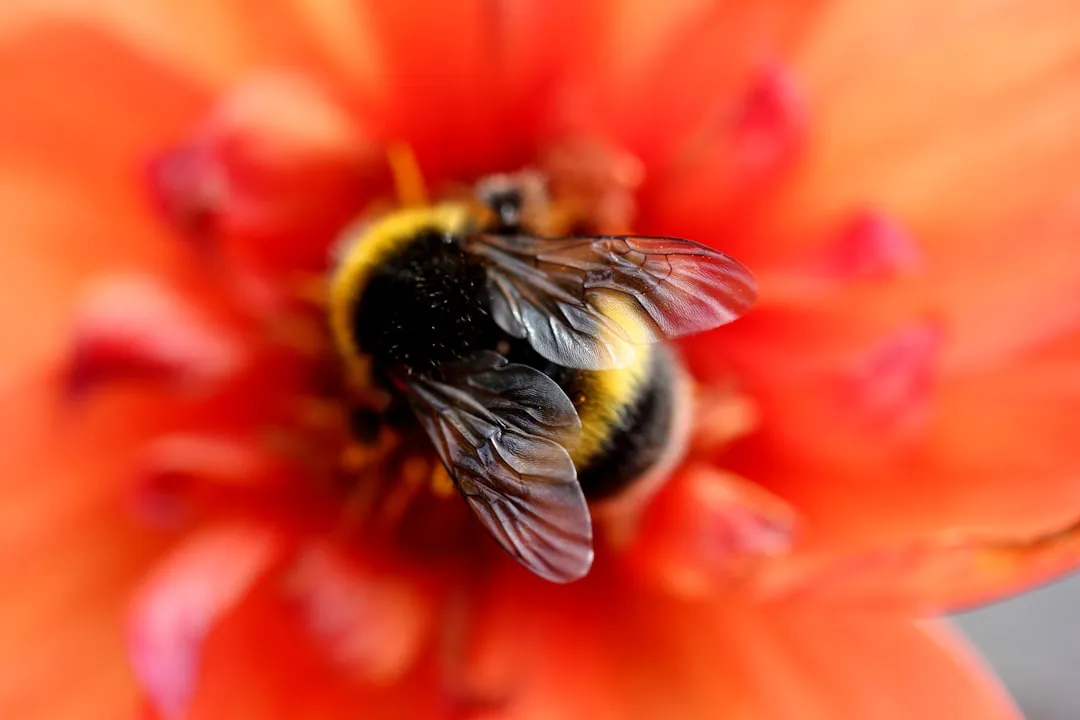
What really grabs my attention is that bumblebees are not just blind copycats. In some experiments, once they have watched another bee solve the task, they begin to tweak the method. They might move a closer ball instead of the one the demonstrator used, or find a shorter path to the goal, shaving off effort like a student who discovers a shortcut after learning the basics.
This suggests that bees are blending social learning with their own trial-and-error strategies. They seem to treat what they observe as a starting point, not a script carved in stone. That kind of behavior looks a lot like what we see in more traditionally “intelligent” animals, where individuals refine or optimize a learned technique rather than slavishly imitating it.
Social Learning in a Hive: Do Bees Have Tiny Traditions?
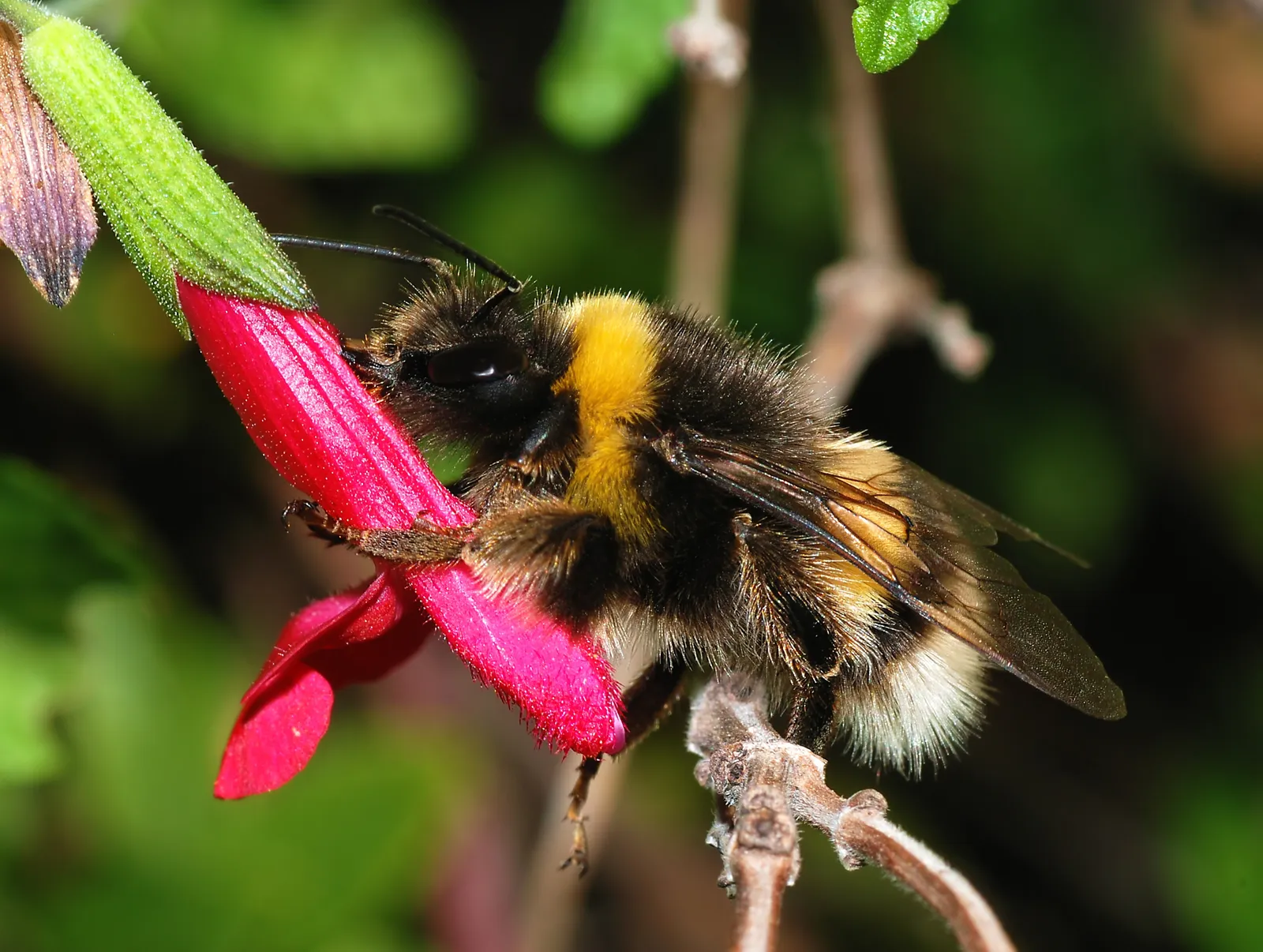
Once you accept that a bee can learn a new task by watching, the next question is obvious: can these behaviors spread like traditions within a colony? Some experiments hint that once a few individuals pick up a new technique, others can adopt it too, especially if the original learners are active, successful foragers that many bees encounter around shared resources. Over time, one solution can become the “normal” way to do things in that group.
This starts to sound uncomfortably close to the word culture, which we usually keep reserved for humans and a handful of other animals. We are not talking about bee art or bee music, but about shared, socially transmitted habits that persist beyond a single individual. The idea that a bumblebee colony might have its own learned habits, like a favorite hack for getting food faster, makes the world feel richer and more layered than most of us were taught in school.
Why Bumblebee Learning Matters for Conservation and Technology
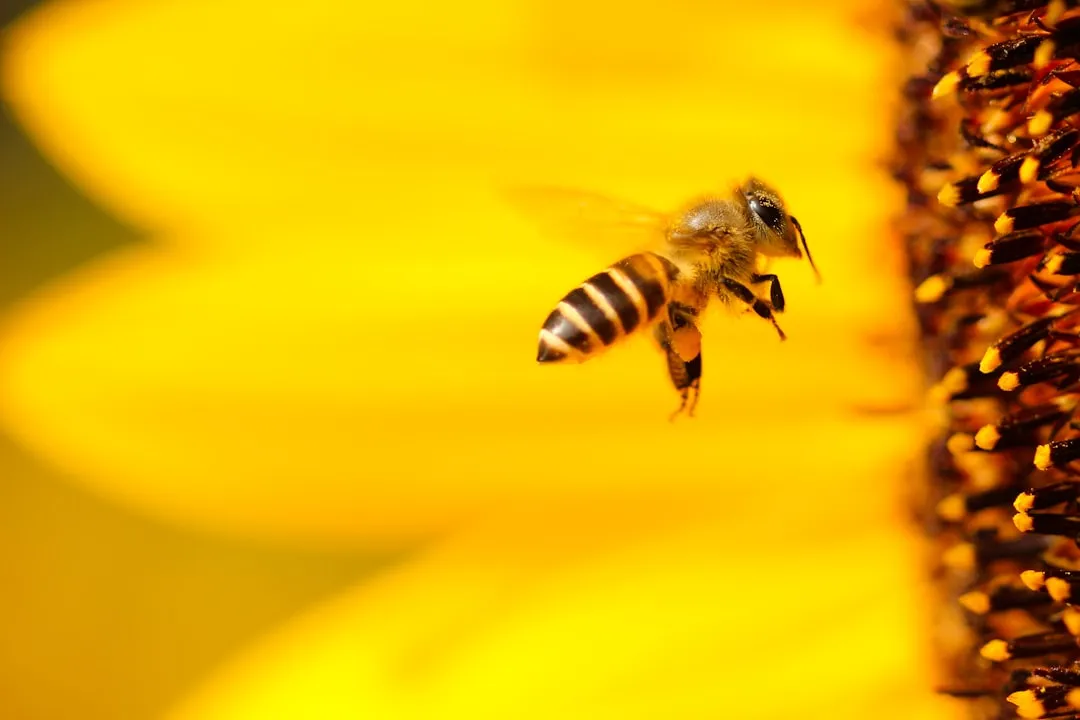
Understanding that bumblebees can learn from each other is not just a fun trivia fact; it has real-world stakes. If bees adjust their foraging strategies based on experience and social learning, they may be better at coping with changing landscapes, new flowering plants, or human-created obstacles. On the flip side, if habitats become too fragmented or colonies are constantly disrupted, we might be wiping out not only individuals but also fragile pockets of shared know-how.
There is also a technological angle. Engineers and roboticists are paying close attention to how insects pull off such complex behavior with minimal neural hardware. The way bees watch, copy, and then improve on tasks offers a blueprint for designing small, energy-efficient robots that learn from a few demonstrations instead of needing mountains of data. For all our pride in human intelligence, we are now borrowing strategies from tiny, buzzing teachers.
Rethinking Who Counts as “Smart” in the Animal World
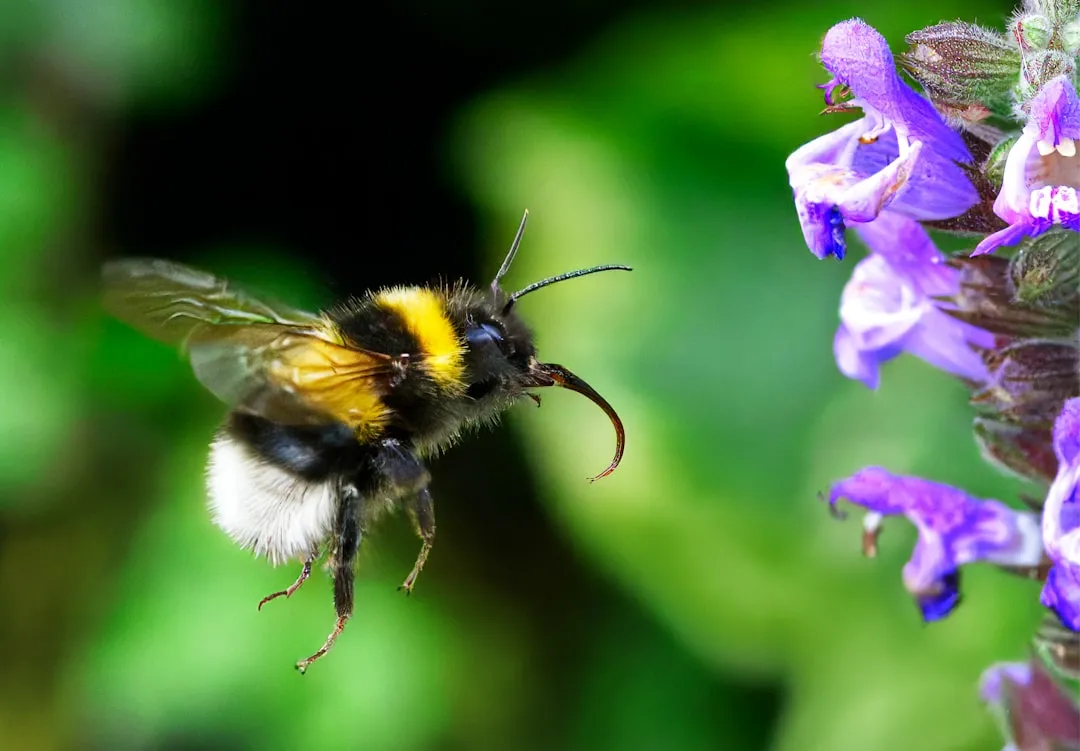
Personally, I think bee research forces us to drop the lazy habit of equating big brains with big intelligence. Seeing bumblebees learn new, unnatural tasks purely by watching others should make us suspicious of any simple ranking of species by brain size. Intelligence, at least the kind that matters in everyday life, might be more about flexibility, learning, and collaboration than about how many neurons you can brag about.
It is tempting to dismiss this as just cute science, but I do not think it is. If we keep discovering rich learning abilities in creatures we used to ignore, then our moral circle has some catching up to do. Maybe we should stop assuming that insects are background noise and start treating them as complex, learning participants in our shared ecosystems. The real question is not whether bees are “smart enough,” but whether we are willing to update our views when the evidence buzzes right in front of our faces.
