
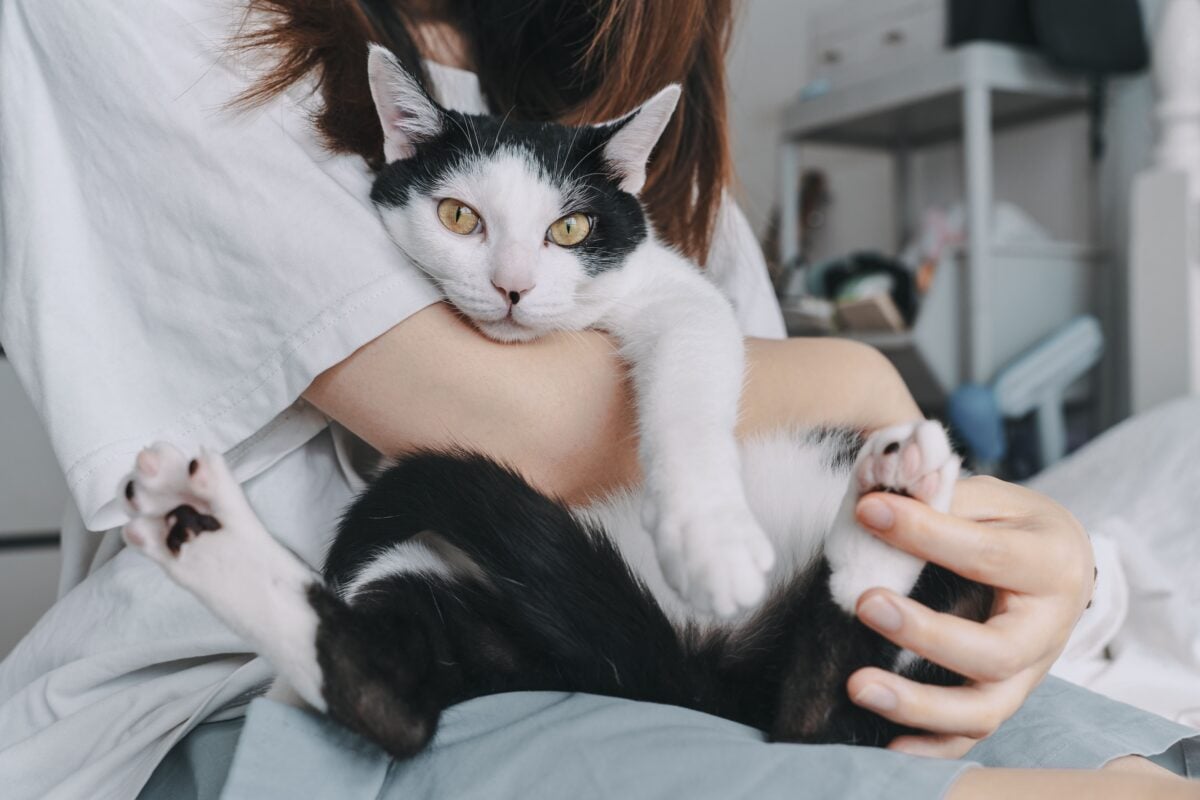
There’s something strangely haunting about a quiet house at 2 a.m. and the soft sound of paws padding down the hallway. Many owners shrug it off as their cat just being “weird” or “cat-like,” but those late‑night changes can be your first real clue that your best friend is getting old. The trouble is, most of us miss them until they’re impossible to ignore.
I still remember the first time I realized my own senior cat had shifted from quirky to vulnerable: same house, same cat, totally different feel at night. What used to be playful zoomies turned into slow pacing and confused yowls. It hit me that she wasn’t just “acting out” – she was asking for help in the only language she had. Once you see it that way, you never unsee it.
1. Restless Pacing Through The House

One of the earliest and most overlooked signs is that steady, aimless pacing from room to room after dark. At first, it seems kind of normal: cats are crepuscular, right, more active at dusk and dawn. But with an ageing cat, the pacing often looks different – less like hunting or exploring, more like they’re walking laps without a destination.
Owners usually blame it on boredom or a random burst of energy, but restless pacing can be a subtle red flag for pain, anxiety, or even early cognitive decline. Imagine feeling like you forgot why you walked into a room, only it happens over and over all night long. That’s what many older cats are living with while we sleep. If your cat has suddenly started doing midnight marathons, it’s worth asking what discomfort they might be trying to walk away from.
2. Sudden Night-Time Yowling Or Crying
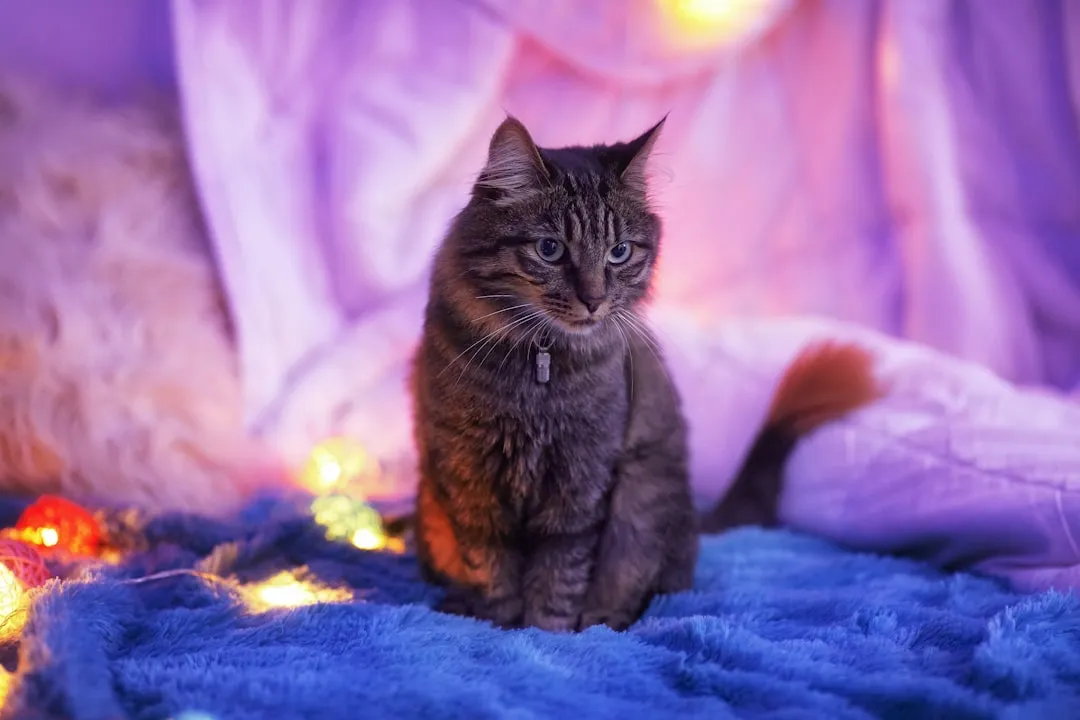
Few things jolt you out of sleep like a cat letting out a long, echoing cry at 3 a.m. A lot of people joke that their cat is “performing opera” or complaining about an empty food bowl, and sometimes that’s true. But in an ageing cat, new or louder night-time vocalizing is often a sign of confusion, disorientation, pain, or even age-related hearing loss that makes them over‑project their voice.
Those cries can be the equivalent of a senior person calling out into the dark because they’re not sure where they are or what’s going on. It’s heartbreaking once you frame it that way. If your older cat has gone from quiet to constantly calling at night, especially if there’s a confused edge to the sound, that’s not just “being dramatic” – that’s a conversation you and your vet need to have.
3. Getting Stuck Or Hesitating At Stairs And Furniture
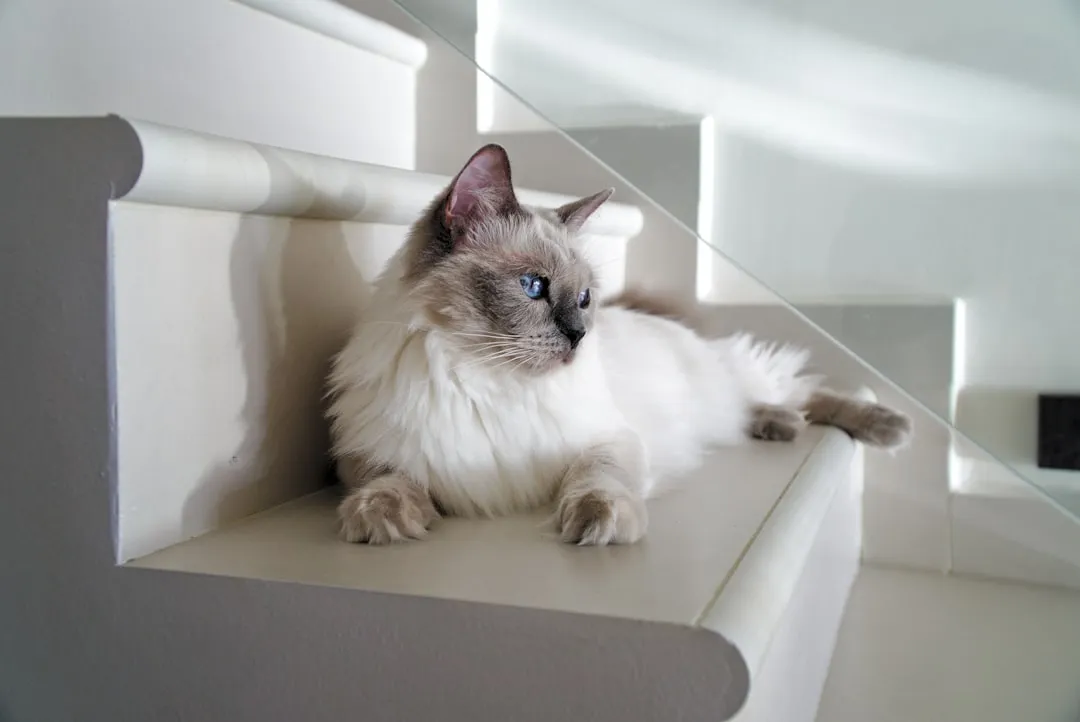
You might notice your cat standing at the bottom of the stairs, staring up like it’s suddenly Mount Everest, or hesitating before jumping onto the bed they’ve leapt onto for years. At night, when the house is darker and quieter, these moments become more obvious and, sometimes, more frequent. Many owners laugh it off as their cat being “lazy” or “in a mood.”
In reality, that pause can be a sign of joint pain, muscle weakness, reduced vision, or a combination of all three. Cats are expert compensators; they’ll quietly find new routes or routines rather than show you they’re struggling. So when you finally do see them freeze on a step or misjudge a jump at night, you’re catching just the tip of what they’ve been managing for a while.
4. New Clinginess At Bedtime
Some ageing cats suddenly turn into velcro at night, insisting on sleeping right against you, following you to the bathroom, or crying if you close the bedroom door. People often think it’s adorable and say the cat has “finally become cuddly with age.” While that can be one part of the story, there’s often something deeper going on.
Older cats can feel more vulnerable when the lights go out – vision is poorer, their hearing may be dulled, and their internal sense of the world is not as sharp. Sticking to you like a furry shadow is their way of anchoring themselves to something safe and familiar. It’s sweet, yes, but it can also be a quiet signal of anxiety, confusion, or simply the natural need for reassurance that comes with ageing.
5. Hiding More Once The House Is Quiet
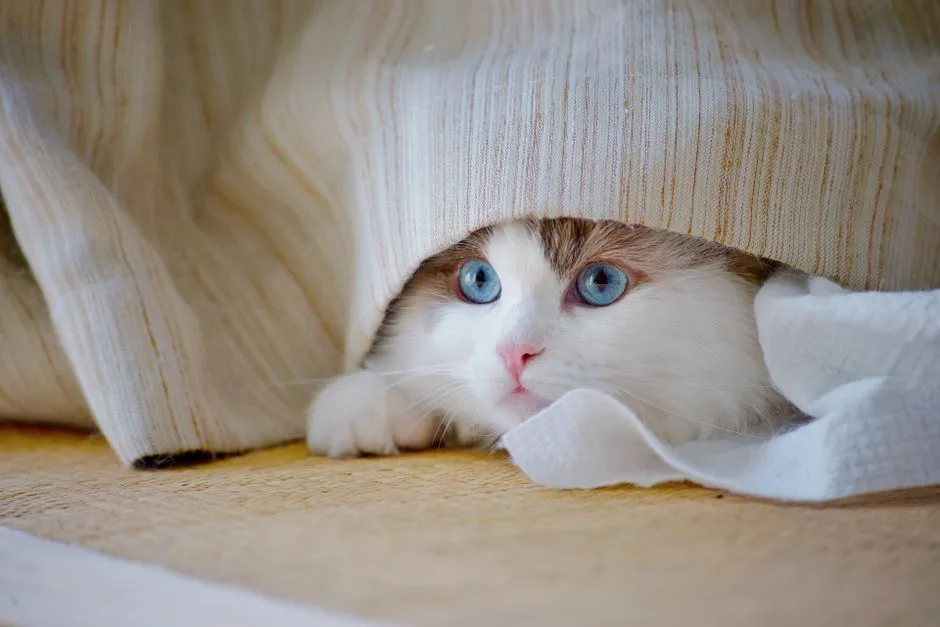
Night-time used to be hunting time for your cat, even if “hunting” just meant attacking a sock. If you suddenly realize your senior cat has vanished every evening and you find them tucked under a bed, behind a couch, or in the back of a closet, that’s easy to chalk up to “she likes her alone time.” But cats often hide when they feel sick, sore, or stressed.
Ageing bodies come with more aches, and dark, quiet spaces can feel safer and less overwhelming. Think of it like a person wanting to lie down in a dark room when they have a migraine. If your once social cat now disappears like clockwork at night, don’t just assume they’re being introverted; they might be trying to cope with discomfort in the only way they know.
6. Increased Night-Time Drinking Or Visiting The Water Bowl

Many owners never notice how often their cat hits the water bowl until they hear that faint clink of a collar tag or the soft lapping in the silence of night. When an older cat starts drinking much more in the evenings or getting up multiple times overnight to drink, people often brush it off as “they must have played hard earlier” or “the heating is on.”
But in senior cats, a noticeable increase in thirst – at any time, including night – is a classic sign tied to several common age-related conditions like kidney disease, hyperthyroidism, or diabetes. It’s not about counting every sip like a detective; it’s about noticing patterns. If the night now sounds like a series of water breaks, your cat isn’t just extra thirsty for fun – their body might be trying very hard to compensate for something.
7. Frequent Night-Time Trips To The Litter Box
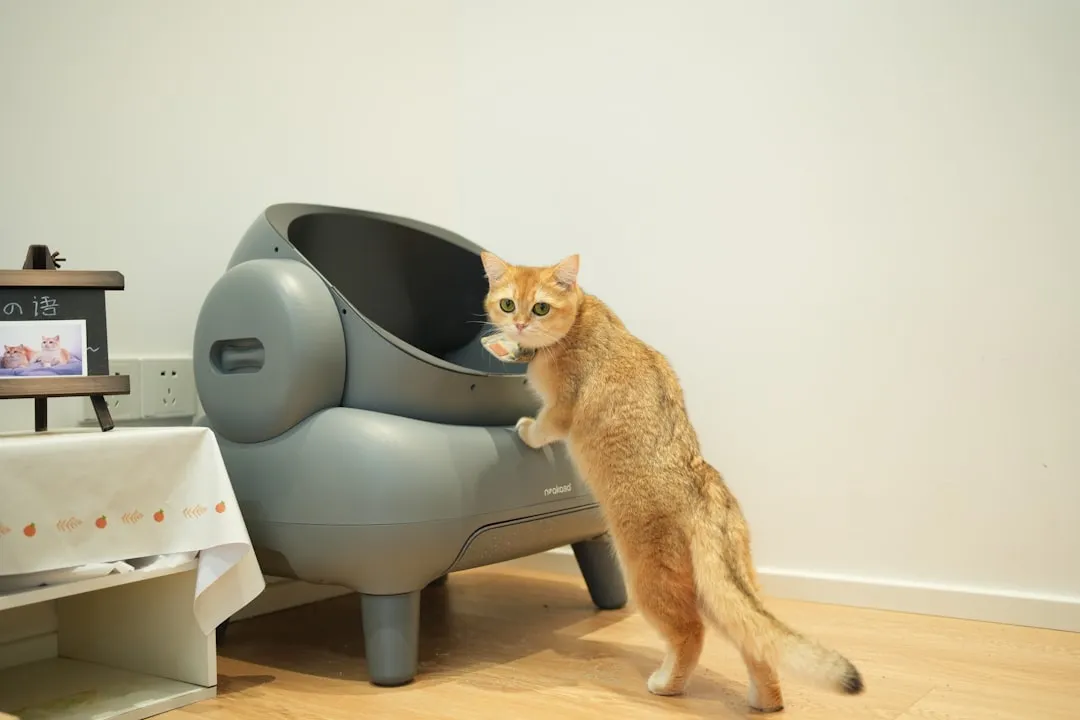
Hearing your cat scratch around in the litter box once or twice is normal. Hearing them go in and out repeatedly through the night, or staying in there longer than usual, is not something to just shrug off. Many people assume their cat is just being fussy with the litter, or they blame the brand of litter itself.
For older cats, frequent or urgent urination at night can be linked to kidney issues, urinary tract problems, diabetes, or even constipation and discomfort. Sometimes you will not see anything in the box even though they keep trying. That’s a red flag, not a quirk. If your nightly soundtrack now includes a lot more litter scratching, it’s time to pay attention instead of just rolling over and going back to sleep.
8. Accidents Outside The Litter Box After Dark
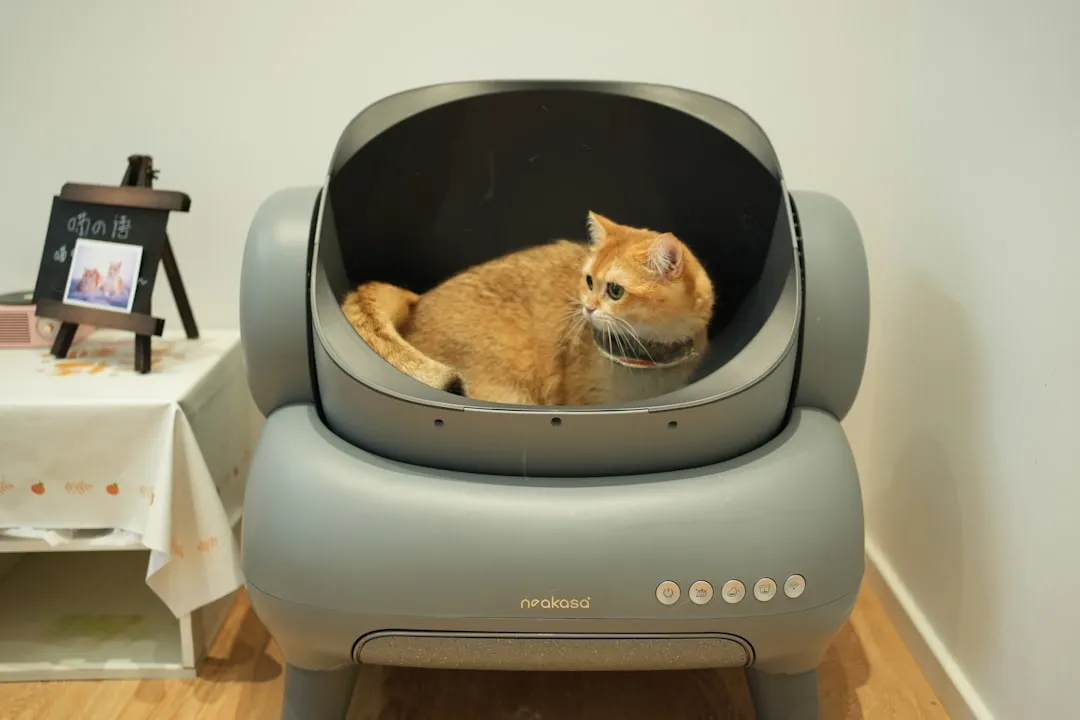
Few things annoy cat owners more than stepping into a surprise puddle or discovering a hidden poop behind the couch in the morning. It’s really common to write this off as “she’s mad at me” or “he’s being spiteful because I was away.” The truth is, spite is almost never the reason. Especially in an ageing cat, night-time accidents scream of something medical, not malicious.
It might be arthritis making it painful to climb into a high-sided box, confusion about where the box is in the dark, urgency from kidney or bladder issues, or even cognitive problems that make the cat forget their usual toilet habits. If an older cat that was always reliable suddenly has night-time accidents, your carpet isn’t the problem – something else probably is.
9. Grooming Less And Looking Messy In The Morning
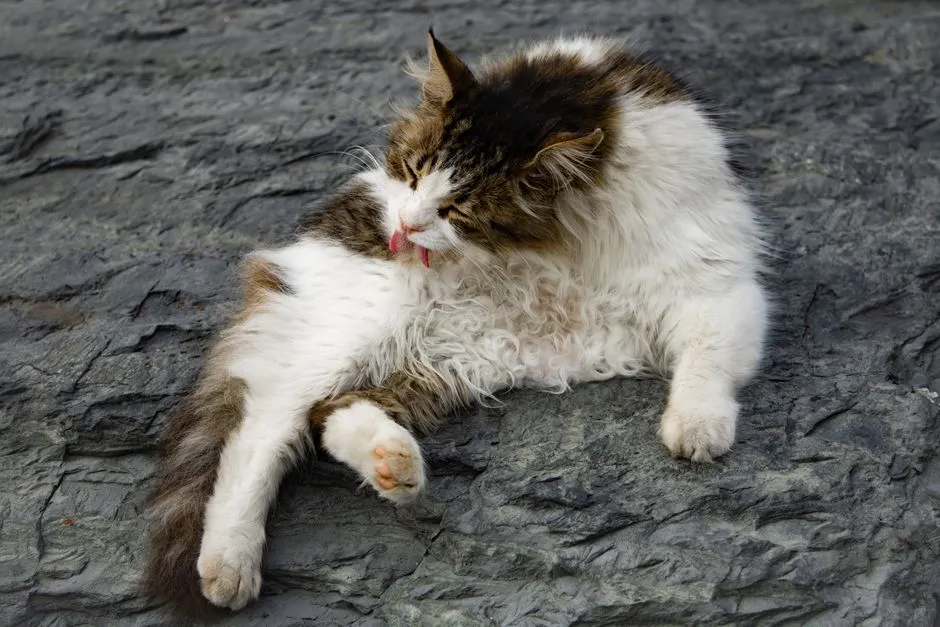
You might start noticing that your senior cat looks especially unkempt in the morning: dull fur, greasy patches, maybe some matting around the back or belly. Many people laugh it off as “bed head” or assume their cat is just getting lazy with age. But cats are naturally fastidious groomers; when that changes, it’s usually meaningful.
Painful joints can make it hard to twist and reach certain spots, and fatigue can mean they simply do not have the energy for a full grooming session at night anymore. Cognitive decline can also make them forget their usual routines. When you start every day by brushing fur off the sheets and noticing your cat looks a bit more disheveled than before, that’s your cue to think health, not hygiene laziness.
10. Overgrooming Or Licking The Same Spot Repeatedly

The flip side is when an ageing cat starts obsessively grooming, especially at night. Maybe you’re lying in bed and all you can hear is the relentless sound of licking and nibbling. Owners often joke that their cat is “doing a spa night” or think nothing of it unless they see bald spots. But overgrooming is more like a silent alarm.
It can be driven by pain, itchiness, anxiety, or even nerve issues, and night-time is when there are fewer distractions to pull them away from that drive. Imagine having an itch you can’t explain or a sore knee you keep rubbing out of habit – that’s your cat stuck in an uncomfortable loop. If you find little tufts of fur on the bed or notice thinning patches, that nightly grooming routine deserves attention, not dismissal.
11. Changes In Appetite Specifically At Night
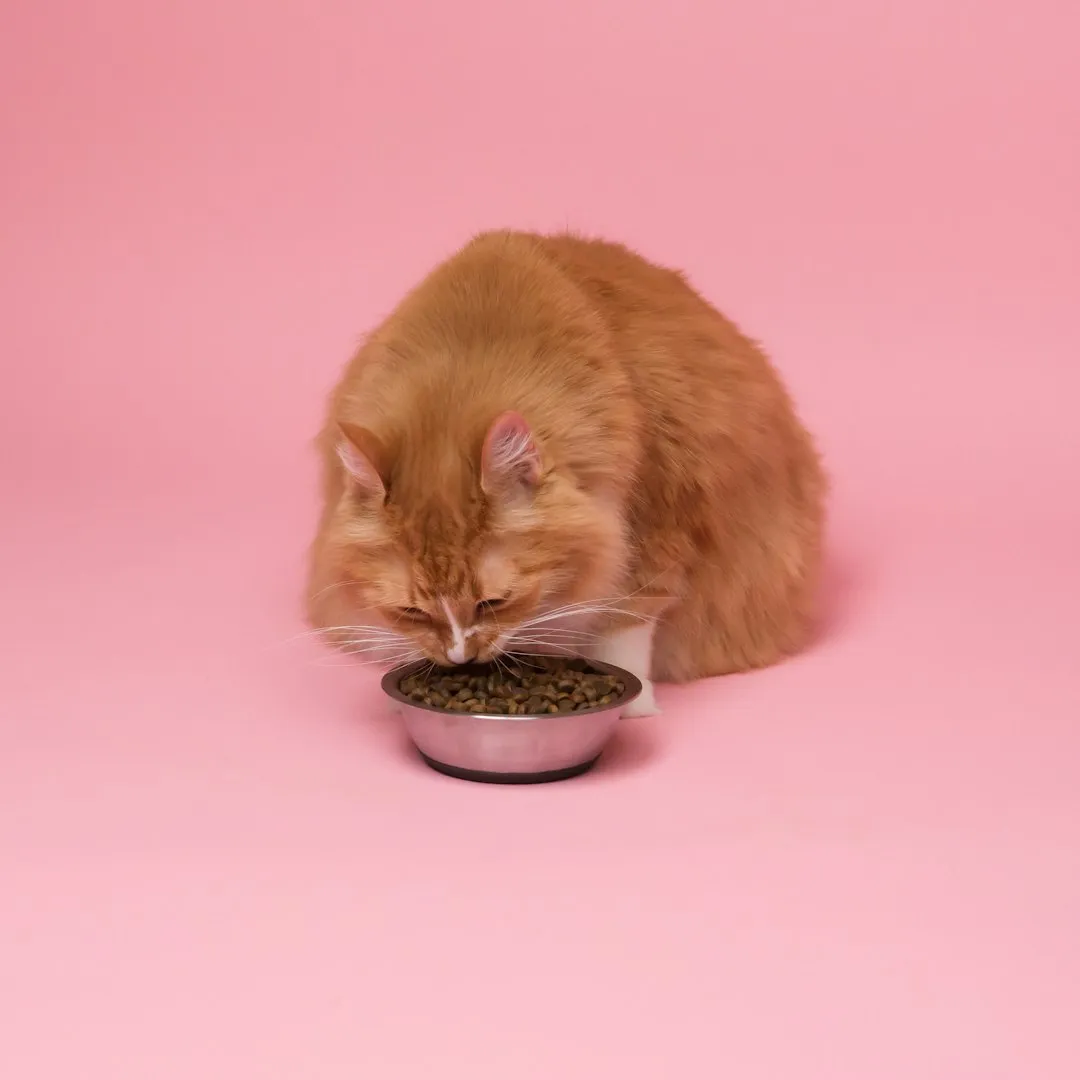
Some senior cats become midnight snackers, obsessively begging for food or waking owners up to demand an extra meal. It’s tempting to say they’re just spoiled or “gaming the system,” especially if you cave and feed them. But big shifts in night-time hunger can be tied to metabolic changes, thyroid problems, or simply a disrupted internal clock in older cats.
On the other end, some cats stop coming for their usual evening meal, or they nibble and walk away. Owners often assume they’re just not hungry right then and will catch up later. A subtly shrinking appetite at night can be an early hint of nausea, dental pain, or systemic illness. When your cat’s evening food rituals change, that’s a story worth reading, not skimming past.
12. Appearing Confused Or “Lost” In Familiar Rooms
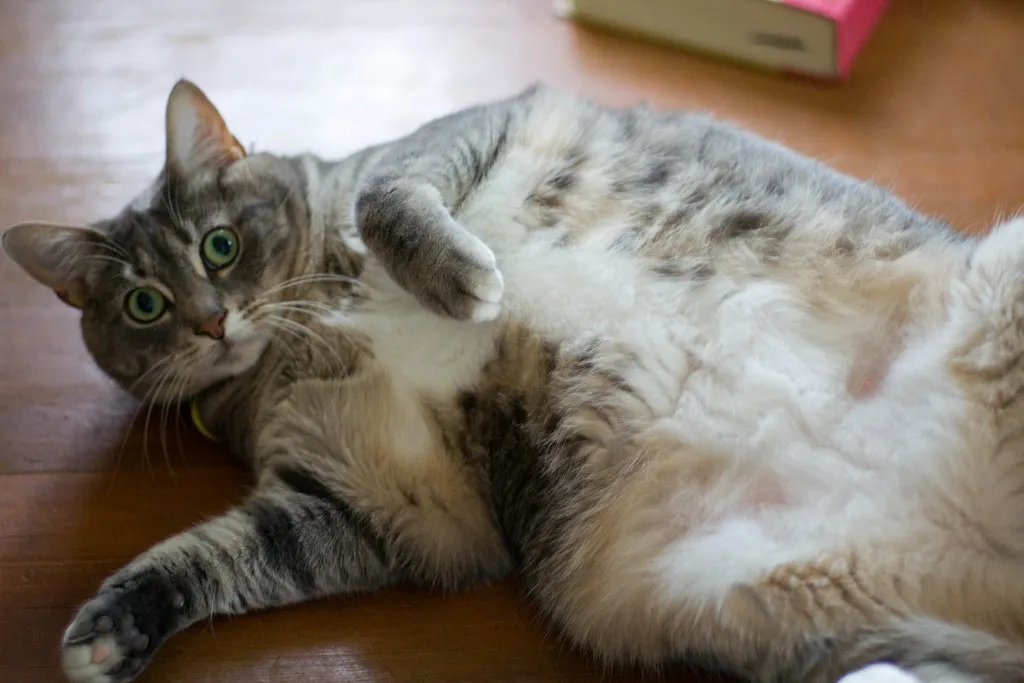
One of the most gut‑wrenching things to see is a cat standing in the middle of a room they’ve known for years, looking unsure. At night, they might walk into a space and stop, turn in circles, or look around like something is off. Many people laugh and say their cat has “forgotten what they were doing,” like we sometimes do with the fridge door open.
In cats, though, this can be a sign of cognitive dysfunction, a type of dementia. The dark and quiet of night can intensify that disorientation, just like sundowning in older humans. If your cat seems to get stuck in corners, stares at walls, or meows for you even when they are only a few steps away, that’s not just a cute senior moment – it could be a genuine neurological change that deserves some compassion and investigation.
13. Sleeping Far More Lightly Or Waking Very Easily
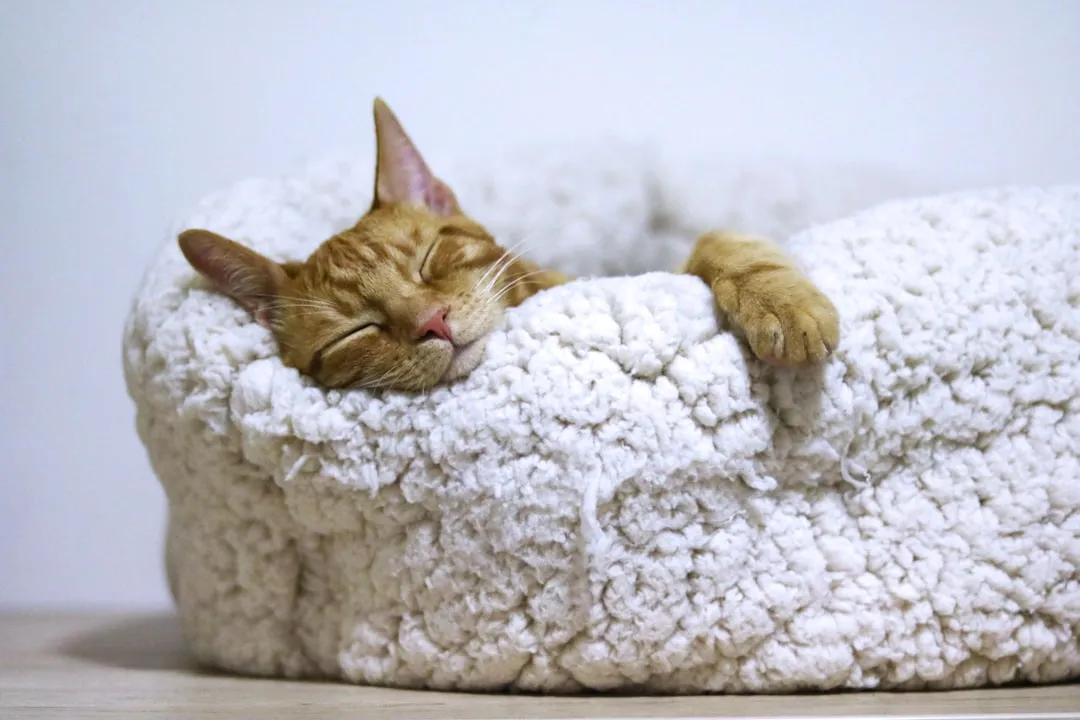
You might notice your older cat startling awake at the slightest noise, or constantly changing sleeping spots overnight. Owners sometimes chalk this up to them being “on guard” or having weird cat instincts. But ageing can change sleep architecture, just like it does in people, leading to lighter, more fragmented sleep.
Pain, anxiety, and internal discomfort make it harder to fall into deep, restorative rest. So your cat naps, wakes, moves, repeats – and you wake up thinking they’ve been busy all night when really they just could not get comfortable. If your senior cat seems more tired during the day yet constantly stirred at night, that is a cycle that can and should be gently questioned.
14. More Startling, Jumpiness, Or Night-Time Spooks
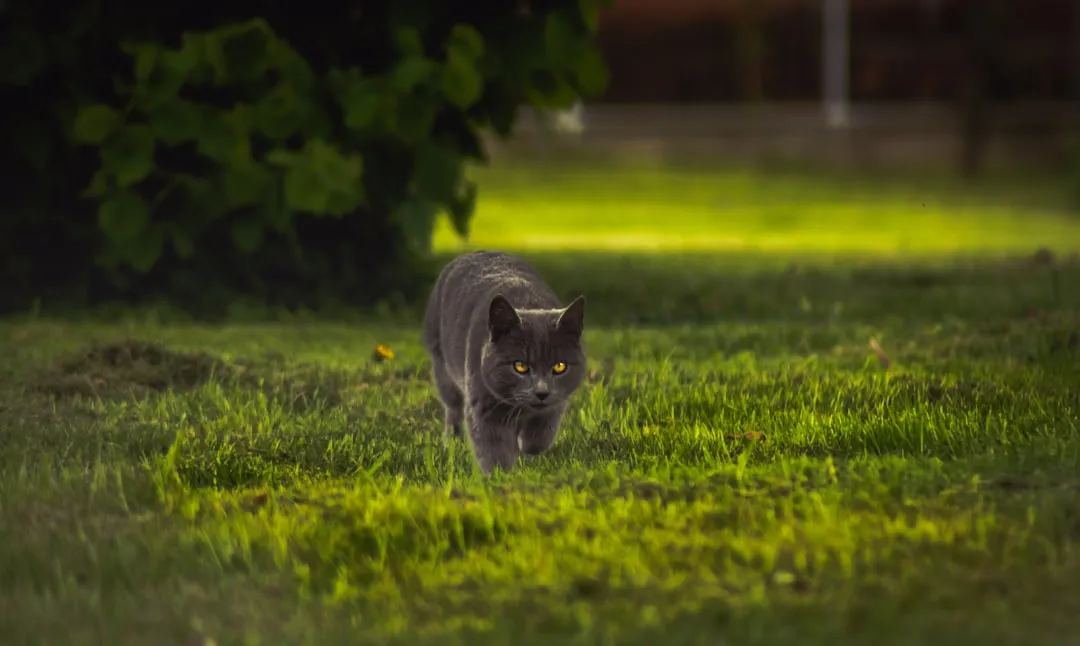
An ageing cat that suddenly startles at everyday sounds in the evening – the TV turning on, a door creaking, a phone buzzing – is often passed off as being “jumpy” or “dramatic.” Sometimes people even think it’s funny. But increased startle responses can be linked to impaired senses, chronic stress, or nervous system changes with age.
Imagine living in a world that is a bit blurrier and quieter than before; every unexpected noise or movement feels bigger. That’s the reality for many senior cats. The dark magnifies it, and suddenly a fridge hum feels like a threat. If your cat bolts, flattens their ears, or hides at minor night-time sounds, they are not overreacting – their threshold has genuinely shifted.
15. Changes In Breathing Sounds While Resting At Night
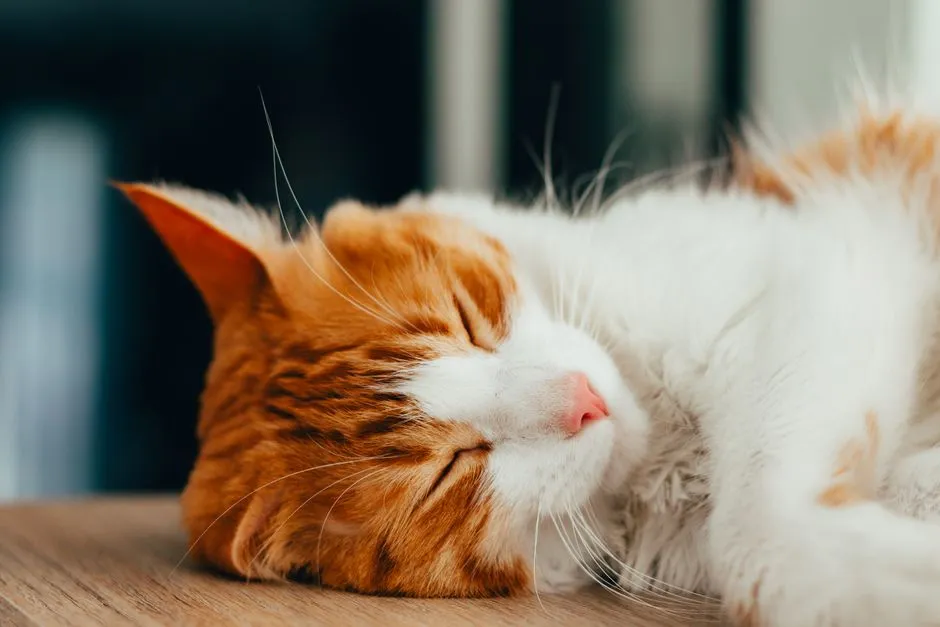
When the house is silent, you sometimes notice things you would have missed in the daytime noise – like how your cat breathes while sleeping next to you. If your older cat now snores loudly, wheezes, or seems to breathe more heavily at night, it’s easy to joke that they “snore like a tiny bear.” But those changes can matter.
Ageing can unmask underlying heart or respiratory issues, weight gain, or even changes in the upper airways. A mild snore is not always an emergency, but a new or clearly louder pattern of breathing at night isn’t something to ignore either. When you find yourself listening to your cat’s breathing as you fall asleep, that’s your own instincts quietly nudging you that something might be different.
16. Sudden Play Bursts That Feel Oddly Desperate
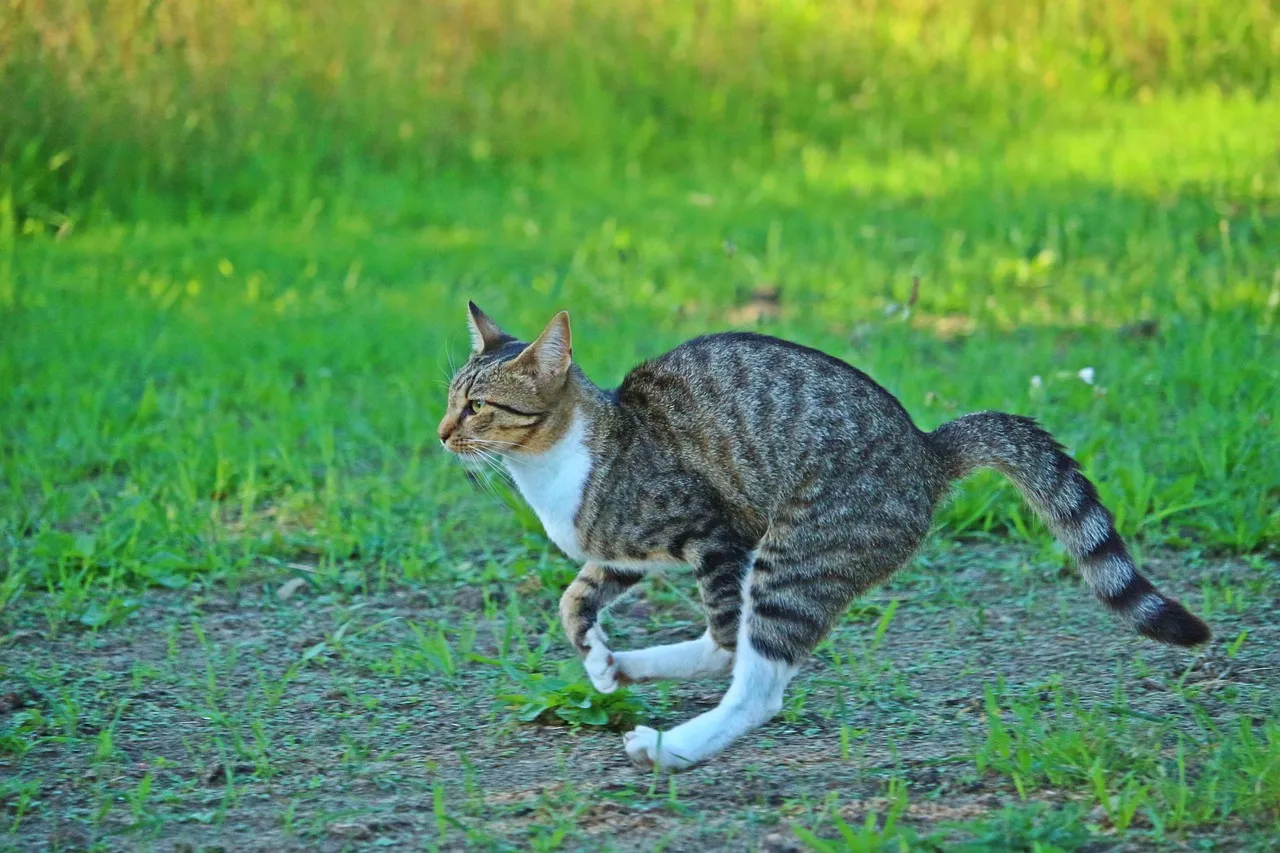
Sometimes older cats get oddly revved up at night, batting at shadows, attacking toys they ignored for years, or sprinting down the hall. People usually celebrate this, saying their cat has “regained their kitten energy,” and sometimes it really is just a happy spark. But occasionally, that manic energy has a restless, driven edge to it that feels off.
Hyperactivity at night can be related to anxiety, sensory confusion, or hormonal issues like an overactive thyroid. It is the difference between joyful play and agitation in disguise. If the play seems frantic rather than fun, or your cat cannot seem to settle afterward, it is worth viewing those midnight zoomies as possible discomfort rather than a cute personality quirk.
17. Vocalizing At Doors Or Windows As If Something Is Wrong

An older cat suddenly obsessing over doors and windows at night – crying at the back door, yowling at a hallway door that has always been closed, or pawing at a window – is usually blamed on strays outside or random cat drama. Sometimes, yes, they smell or hear another animal. But in seniors, this can also be about boundaries feeling confusing.
When vision and cognition change, closed spaces can feel more threatening or more isolating, even if your home hasn’t changed at all. That cat crying at the door may not want to go outside as much as they want control, reassurance, or simply a clearer sense of where they belong. If the night is now filled with that insistent door-side cry, it might be your cat’s way of saying their world feels smaller and stranger than before.
18. Seeking Unusual Night-Time Comfort Spots
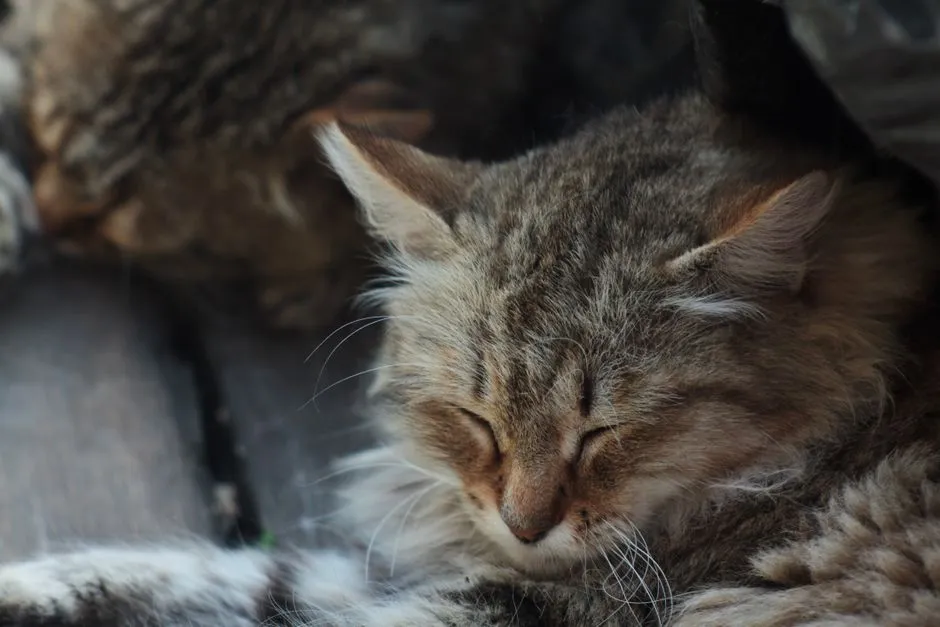
Maybe one day you wake up and realize your ageing cat is no longer sleeping at the foot of your bed but curled up in the bathroom sink, on a pile of shoes, right by a heater, or half under the couch. At first it seems like a funny new preference – cats are weird, right? But older cats often choose these spots very deliberately, especially at night.
Cool sinks, warm vents, firm surfaces, or enclosed nooks can relieve pain, soothe sore joints, or make them feel less vulnerable. It is less about being quirky and more about self‑medicating with location. When your senior cat changes their usual sleeping spot and especially when they cling to that new choice every night, it is a quiet clue about what their body is asking for.
Conclusion: Night-Time Is When The Truth Shows Up
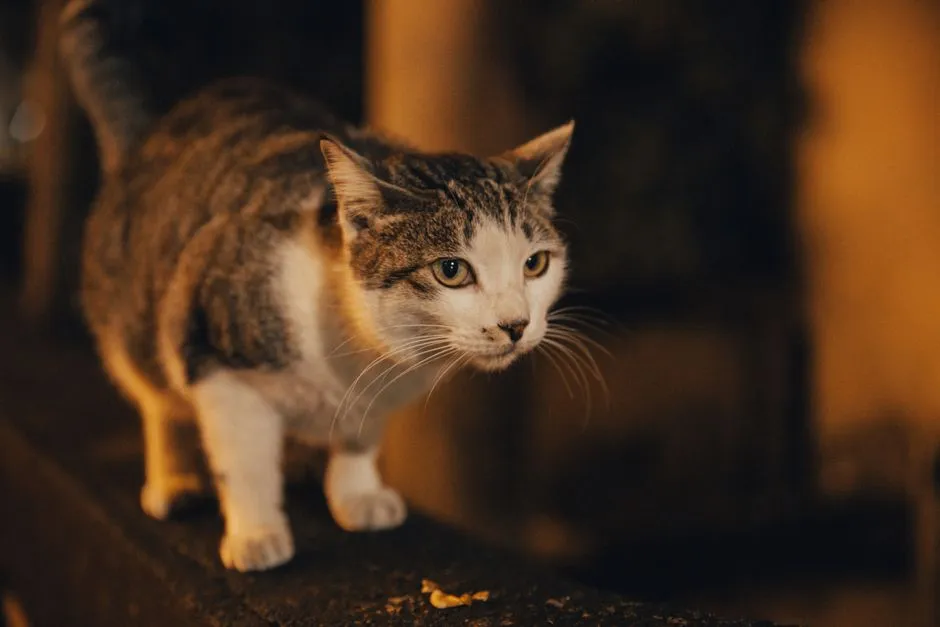
The hard truth is that most of these 18 “weird” night-time behaviors are not weird at all – they’re messages. As owners, we are often so used to laughing off cat oddities that we miss the moment when a harmless quirk turns into a coping strategy for pain, confusion, or illness. I used to tell myself my cat was just being dramatic at night, until the day I finally admitted that she was trying to tell me something, and I hadn’t been listening.
Ageing in cats is not a tragedy; it is a phase that can be deeply tender, if we respect what their behavior is showing us instead of explaining it away. Paying attention at night – to the pacing, the cries, the hiding, the clinging – is one of the most loving, practical things you can do for a senior cat. Maybe the better question is not whether your older cat is “acting strange,” but whether their body and brain are asking for help in a language you are finally ready to learn. Now that you know what to look for, what will you notice the next time your house goes quiet and your cat starts to move?
