

Worried about unexpected vet bills?
Pet insurance can cover thousands in unexpected vet costs. Get a free quote from Lemonade in under 2 minutes.
Get My Free Quote →Sponsored · Opens Lemonade.com
The allure of keeping exotic pets has grown significantly over the past few decades. From vibrant parrots to intriguing reptiles and exotic mammals like sugar gliders, the appeal of owning a unique animal has captured the imagination of many. Despite the fascinating charm of these creatures, the exotic pet trend carries inherent risks that impact both the animals involved and the ecosystems they may inadvertently disrupt. This article explores the various dimensions of these risks, aiming to shed light on the critical implications of this ongoing trend.
The Impact on the Animals Themselves

Exotic animals are often removed from their natural habitats and thrust into environments vastly different from those they are adapted to thrive in. This transition can be extremely stressful and detrimental to their well-being. Many exotic animals require specific environmental conditions, diets, and social structures that cannot be adequately replicated in domestic settings.
Stress and improper care can lead to a host of health issues, including malnutrition, behavioral problems, and even death. Furthermore, the journey from their natural habitats to pet stores or private homes often involves harsh and traumatic experiences, given that the illegal wildlife trade is a common avenue for acquiring these animals. Consequently, the demand for exotic pets perpetuates a cycle of suffering and exploitation.
Threats to Local Ecosystems

When exotic animals escape or are released into non-native environments, they can pose serious threats to local ecosystems. These animals may become invasive species, competing with native wildlife for resources. They can alter the ecosystem balance, leading to the decline or extinction of indigenous species. In many cases, these disturbances are irreversible, resulting in long-term ecological damage.
For example, the Burmese python, an exotic pet released in the Florida Everglades, has become a major threat to local wildlife. Its presence has resulted in significant declines in populations of native mammals and birds. Such invasive species can also introduce diseases native species have no immunity against, further endangering local biodiversity.
Human and Animal Health Risks

Owning exotic pets can also present health risks to humans and other animals. Many exotic animals carry zoonotic diseases, which can be transmitted from animals to humans. Salmonella infections from reptiles and amphibians, as well as the risk of contracting diseases like rabies and monkeypox from other exotic creatures, highlight the potential dangers involved.
Moreover, some exotic animals can pose physical dangers due to their size, strength, or venom. For instance, large constrictor snakes and big cats have been involved in attacks on their owners. Such incidents not only threaten human safety but also lead to increased scrutiny and stricter regulations, which in turn affect the exotic pet industry and animal welfare.
Conservation and Ethical Considerations
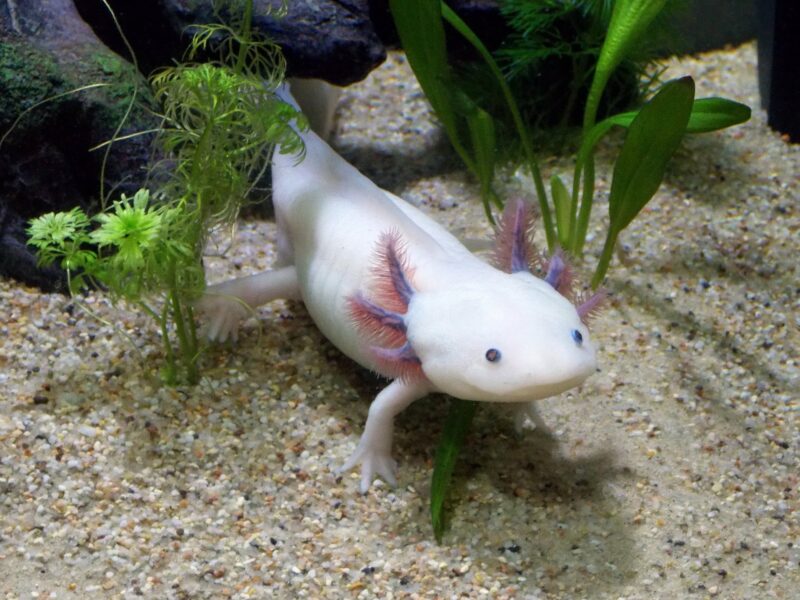
The exotic pet trade raises significant ethical concerns. Many of these animals are taken from the wild, contributing to population declines and disrupting conservation efforts. For species that are already endangered or threatened, the demand for exotic pets can be particularly devastating.
In some cases, breeding exotic animals in captivity is touted as a solution, but it often fails to address the core issues. Captive breeding does not replace lost natural habitats or reinstate viable wild populations. Instead, it creates a false sense of security regarding the conservation status of these species.
Steps Toward Responsible Pet Ownership

Addressing the risks associated with the exotic pet trend requires a combination of public education, strict legislation, and wildlife conservation efforts. Potential pet owners need to be educated on the ethical and ecological implications of owning exotic animals. Governments and organizations must enforce regulations that restrict the capture, importation, and sale of these animals.
Promoting awareness about responsible pet ownership and encouraging the adoption of pets that can thrive in domestic environments are essential steps in curbing the demand for exotic wildlife. Support for conservation programs that protect natural habitats and preserve wildlife populations is also crucial.
Conclusion: Balancing Curiosity and Conservation

While the fascination with exotic pets may never completely fade, it is imperative to balance this curiosity with a commitment to animal welfare and ecological preservation. By understanding the significant risks involved and making informed choices, society can work toward fostering harmonious coexistence with the animals and ecosystems that share our world.
What is your opinion on the trend of exotic pet ownership? Let us know in the comments!
Worried about unexpected vet bills?
Pet insurance can cover thousands in unexpected vet costs. Get a free quote from Lemonade in under 2 minutes.
Get My Free Quote →Sponsored · Opens Lemonade.com

- The 14 Most Energetic Dog Breeds That Never Stop Running - June 11, 2026
- The Fastest Dog Breeds That Rival Cheetahs - June 11, 2026
- 10 Tips to Avoid Snake Encounters During Floods - June 11, 2026