
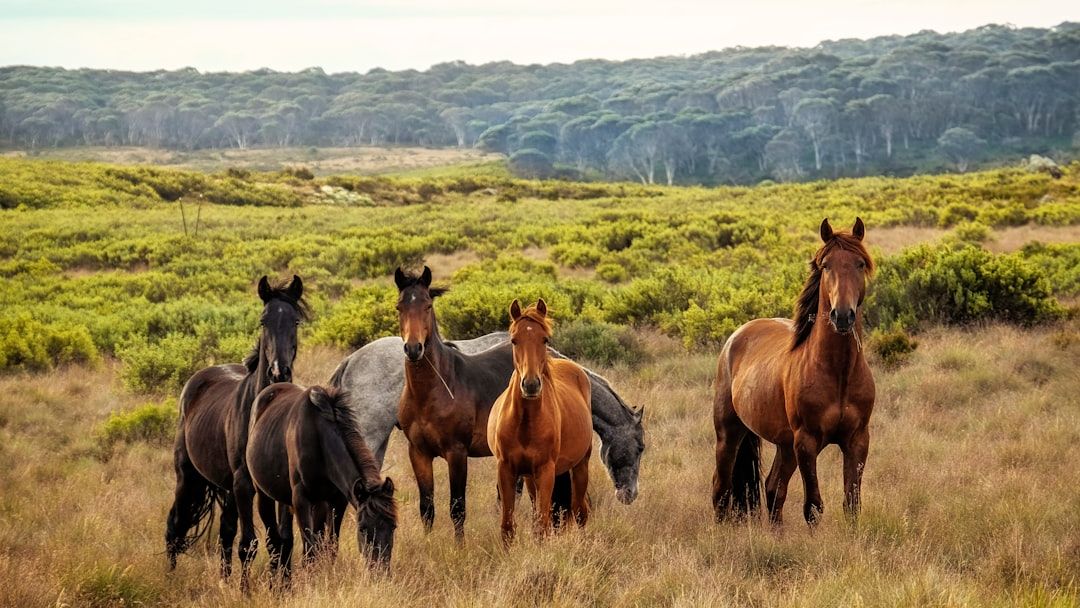
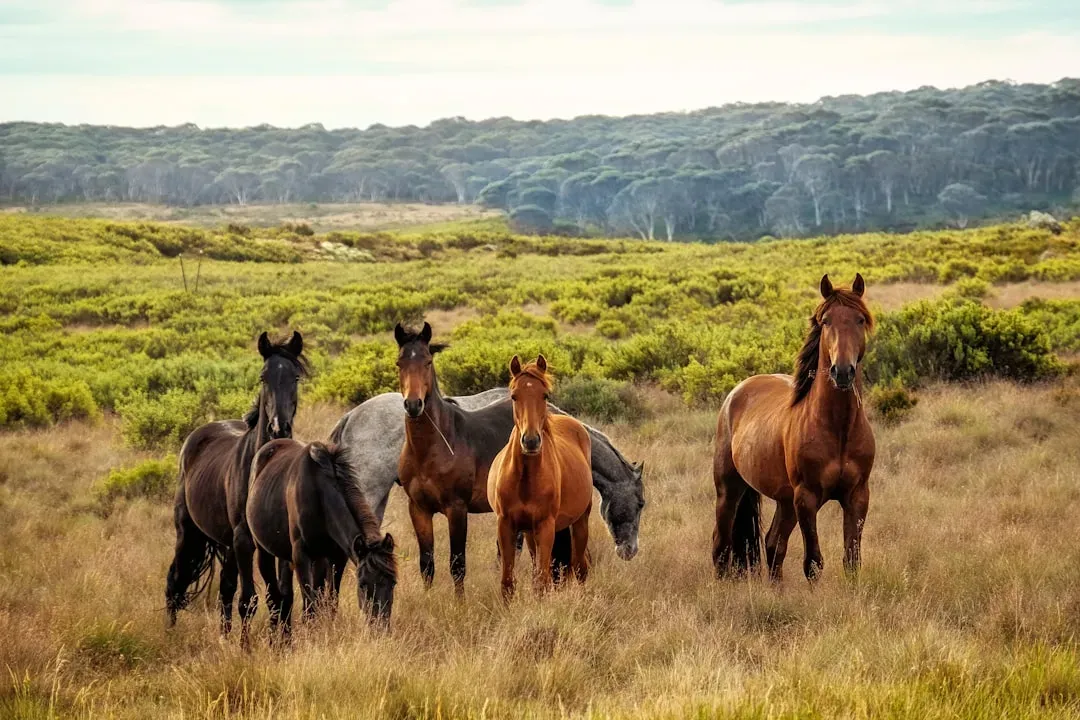
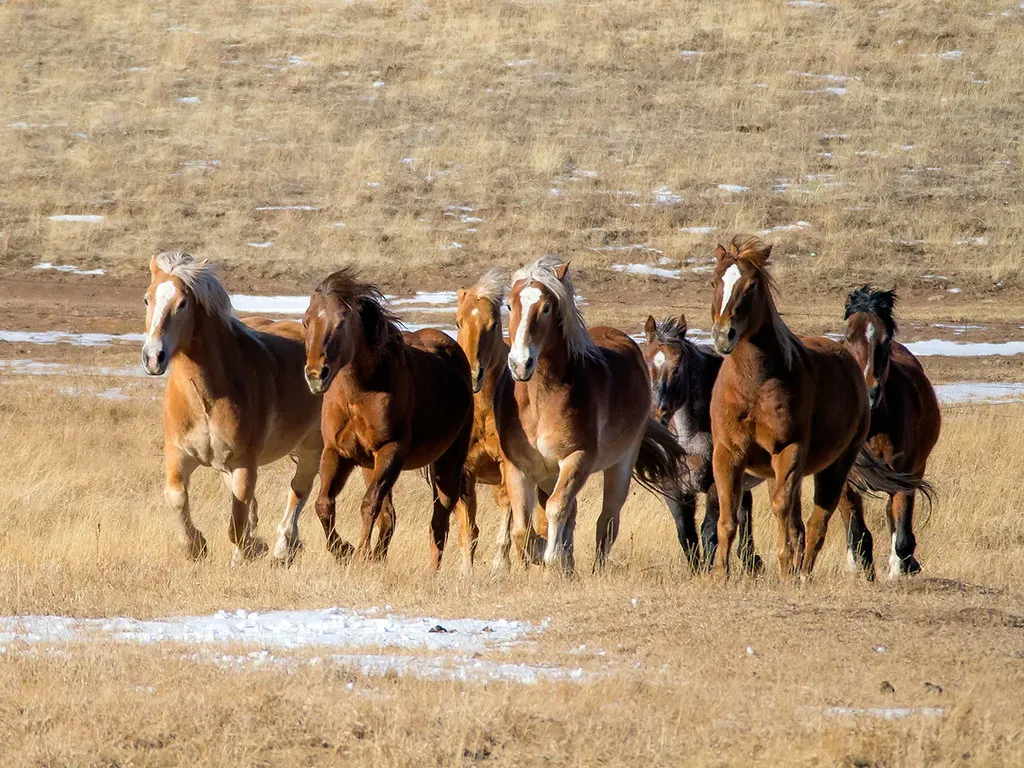
Few images stir the American soul quite like a herd of mustangs thundering across the open plains, manes flying, dust rising behind them like a testament to freedom itself. These animals are more than just horses. They are living mythology. They are the American West made flesh and bone.
Yet right now, in 2026, those same iconic animals are caught in one of the most heated, emotionally charged, and politically tangled debates in the history of public lands management. The story of America’s wild horses is not simply about animals. It’s about identity, power, money, and what kind of nation we want to be. Let’s dive in.
Symbols on Four Legs: The History of Wild Horses in America
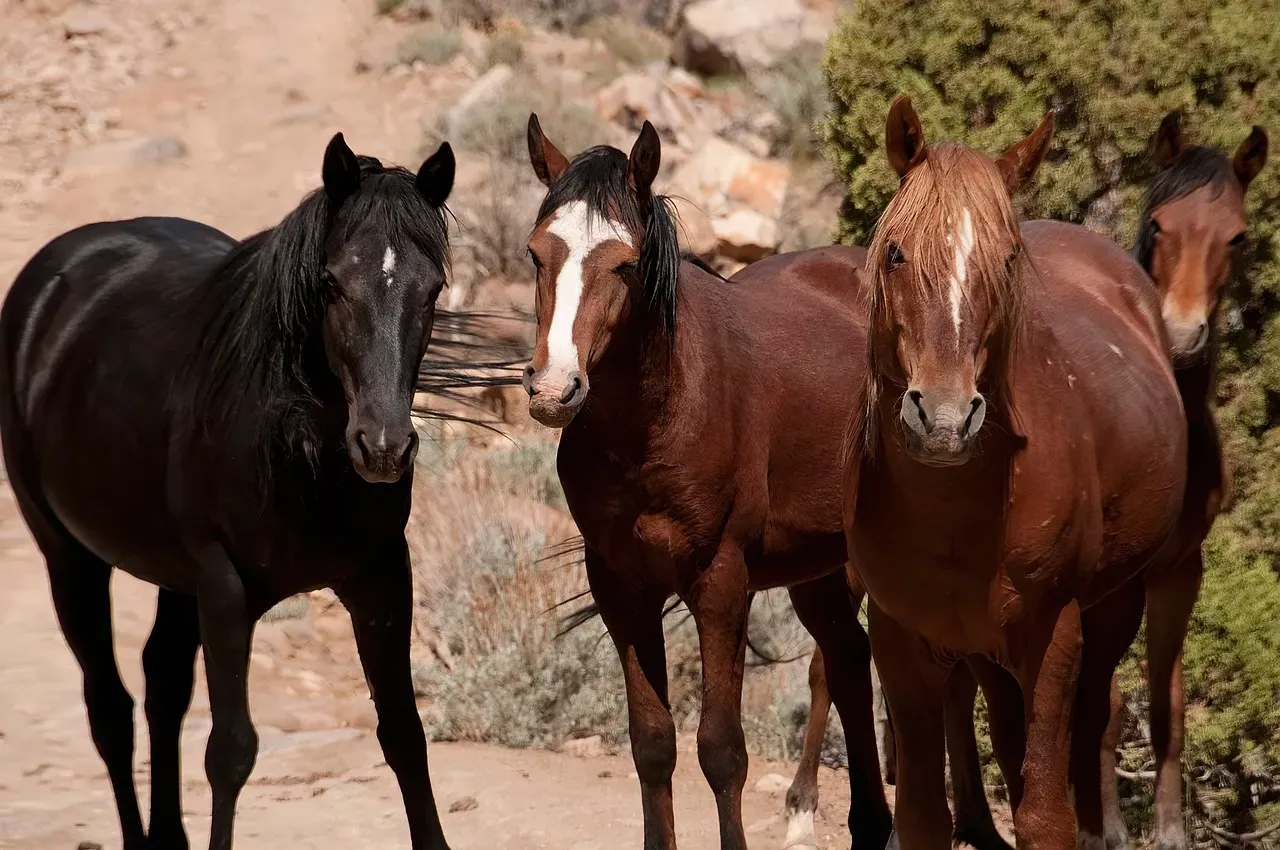
The mustang is a free-roaming horse of the Western United States, descended from horses brought to the Americas by the Spanish conquistadors. Though widely called “wild” horses, they are technically feral, meaning they descend from once-domesticated animals that returned to open range life. That distinction matters to scientists, though honestly, it does very little to diminish the awe you feel watching them run.
In 1971, the United States Congress recognized that “wild free-roaming horses and burros are living symbols of the historic and pioneer spirit of the West, which continue to contribute to the diversity of life forms within the Nation and enrich the lives of the American people.” That wasn’t just poetic language. It was a legal statement of identity.
By the 1950s, the mustang population had dropped to an estimated 25,000 horses. Abuses linked to certain capture methods, including hunting from airplanes and poisoning water holes, led to the first federal free-roaming horse protection law in 1959. The public outcry was fierce, and that anger eventually built the political will for landmark legislation.
Back in 1959, it was the courageous Velma Johnston, better known as Wild Horse Annie, who first inspired the passage of legislation to preserve and protect America’s Wild Mustangs and Burros. One ordinary woman, armed with nothing but conviction, changed the course of history for hundreds of thousands of animals. That’s a story worth remembering.
The Numbers Problem: Too Many Horses, Not Enough Solutions
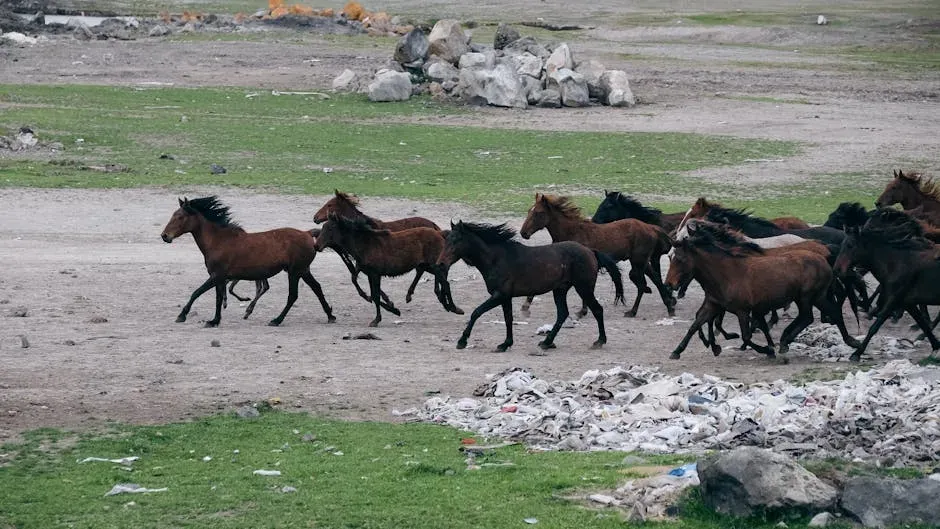
Here’s where things get complicated, and I want to be honest about that complexity. The population question is real, and it is not easily dismissed.
The nationwide population estimate stands at 85,466 wild horses and burros as of March 1, 2026, a significant jump from just one year prior. An estimated 73,000 wild horses and burros continue to roam public lands as of March 2025 and reproduce at 15 to 20 percent annually. Think of it like a bathtub with the tap left running and the drain barely open. The math eventually becomes impossible to ignore.
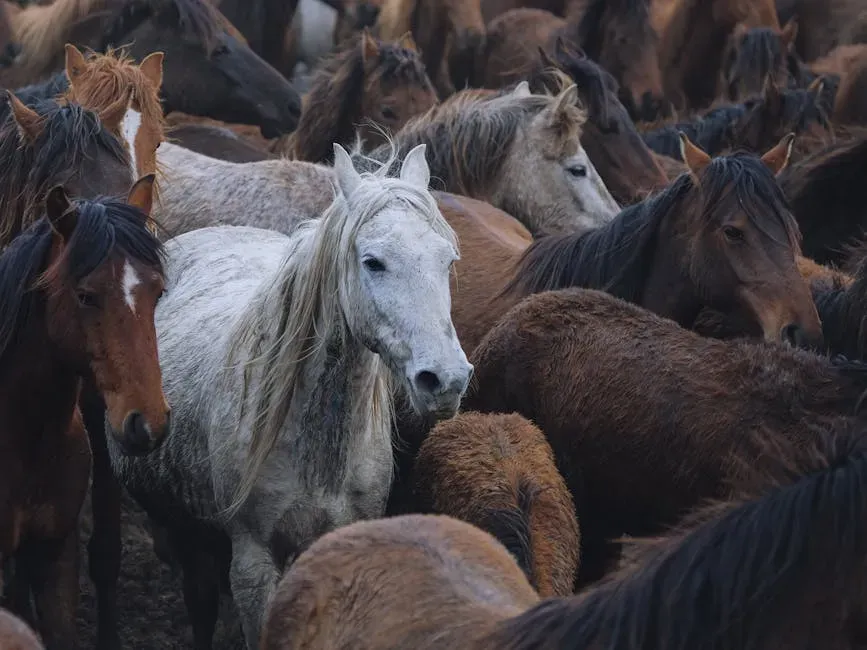
The current total population of 73,000 animals on public land is nearly triple the national estimated sustainable threshold of 27,000. On top of that, the BLM currently cares for nearly 63,000 unadopted and unsold animals in off-range corrals and pastures, costing taxpayers more than $100 million annually. That figure keeps climbing, year after year, without a sustainable solution in sight.
Wild horses and burros have virtually no natural predators and their herd sizes can double about every four years. That biological reality is at the core of every argument about what to do next. Without predators and without effective fertility management, the herds simply keep growing, straining both the land and the federal budget.
Roundups, Ranchers, and the Battle Over Public Land
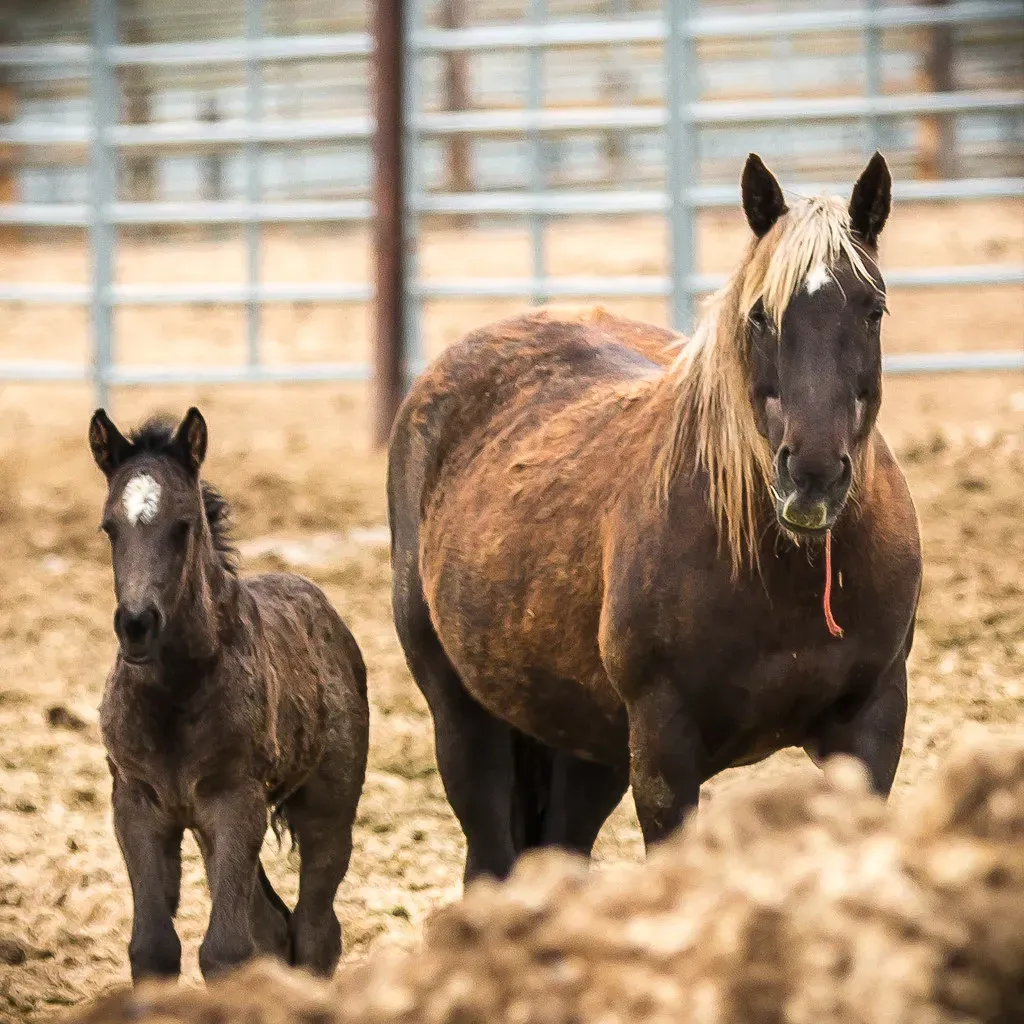
The roundup debate is, in many ways, a proxy war for a much larger conflict: who gets to use the American West and on whose terms.
Many advocates for wild horses have decried BLM’s roundups, which often involve using helicopters to gather the animals and can result in some horses being fatally injured. While they acknowledge some herd management areas are overcrowded, they support leaving them on the range and controlling populations with birth control.
The use of helicopters to chase equines over prolonged distances, usually on rough terrain, is particularly dangerous, and can frighten the animals and lead to deadly situations, often miles from public view. There’s something deeply troubling about that image. These are federal lands, funded by taxpayers, and yet the public is often kept far from what happens during a gather.
For every wild horse that is removed from public lands, a cow and calf can replace that one horse. That is ultimately what the ranchers and cattlemen want. Critics have long argued that the push to remove mustangs has less to do with ecological balance and more to do with freeing up grazing territory for the livestock industry. It’s a charge that the ranching community disputes, but the pattern is hard to unsee.
Historically, the Bureau of Land Management’s Wild Horse and Burro Program has spent less than one percent of its budget on implementing fertility controls. That single statistic is staggering. Less than one percent. While billions flow into roundups and holding facilities, the one tool most experts agree could actually work long-term has been given almost nothing.
The Budget Crisis and the Threat of Slaughter
This is the part of the story that should make every American sit up and pay attention. Because what is happening right now, in 2026, represents a turning point that could be irreversible.
The Trump Administration’s Fiscal Year 2026 budget proposal slashes funding for the Bureau of Land Management’s Wild Horse and Burro Program by 25 percent and removes long-standing protections against horse slaughter, paving the way for the mass killing of up to 64,000 federally protected wild horses and burros currently in government holding facilities. Let that sink in for a moment.
The proposal eliminates the long-standing prohibition on the destruction of healthy wild horses and burros and their sale for commercial slaughter. This protection has been in place for decades, maintained by both Republican and Democratic administrations alike. Its removal is not a minor adjustment. It is a fundamental shift in the government’s relationship with these animals.
For the first time ever, more wild horses are held in captivity than remain free in the wild. As the costs to feed and house these animals continue to climb, so does the risk that Congress will legalize lethal options as a cost-cutting strategy. The fiscal argument is being used as a crowbar to pry open a door that animal welfare advocates have kept shut for a generation.
The American people, roughly four out of five of whom support protecting wild horses, stood against slaughter in 2017. In the end, the Senate held the line, and the slaughter ban remained in place. It has happened before. The question now is whether that public will is still strong enough to hold back the current political tide.
A Path Forward: Fertility Control, Adoption, and the Fight for Survival
I think most people, when they look at this honestly, would agree that doing nothing is not an option. The population issue is real. The cost issue is real. The cruelty of mass slaughter is also real. So what does a genuine solution actually look like?
Experts have agreed that with greater will, better planning, and proper resources, the BLM could effectively manage wild horses and burros primarily through the use of fertility control vaccines. To reach that point, however, would take 10 years and require four key BLM commitments. A decade is a long time. Still, it’s far more humane than the alternative being proposed.
American Wild Horse Conservation implements the largest wild horse fertility control program in the world through a partnership with the State of Nevada for wild horses that live in the Virginia Range near Reno. That program proves the concept works. It is not theoretical. It is already happening, successfully, right now.
Last year, 83 bipartisan members of Congress called for humane wild horse management in the Fiscal Year 2026 House Appropriations legislation. Their request for increased funding for fertility control aligns with recommendations of the BLM’s National Wild Horse and Burro Advisory Board and overwhelming public opinion. The political will exists. It just needs to be sustained.
The adoption incentive program is one promising tool that can help mitigate the current crisis and promote long-term fiscal sustainability. The BLM will need to deftly use all of the options at its disposal to restore overpopulated ecosystems and alleviate the taxpayer burden of rising wild horse and burro populations while preserving safeguards for the animals it is mandated to protect. It’s a balancing act, no doubt. But balance is exactly what is called for.
Conclusion: America’s Choice
The story of America’s wild horses has always been about more than horses. It’s about what we value as a people, how we treat the living symbols of our own history, and whether short-term budget pressures can override long-term moral commitments. Those are questions worth sitting with.
If sale expansion, weakened practical limits, and chronic removal of horses from their ranges continue, the promise of protection from “capture, branding, harassment and death” could be hollowed out, leaving only a paper statute and a pipeline that quietly moves America’s wild horses off the land and into oblivion. That is not a dramatic exaggeration. That is a documented trajectory.
The horses cannot speak for themselves in a Senate chamber or a budget committee meeting. They cannot lobby, donate, or vote. What they can do is run, and for now, some of them are still running free across the Nevada high desert, across Wyoming’s wide open basins, across the landscapes that made America look the way it does in every Western film you’ve ever loved.
The real question isn’t whether we can afford to save them. It’s whether we can afford to live with ourselves if we don’t. What do you think America owes these animals? Tell us in the comments.
