
Think about the last time you faced a major life shift. Did you jump in headfirst or carefully analyze every angle? Maybe you completely froze up or decided to run away from it all.
Interestingly, the animal kingdom offers countless examples of creatures that mirror our own approaches to change. From the cautious tortoise to the adaptable octopus, these fascinating beings demonstrate different strategies for handling life’s inevitable transitions. Some embrace transformation with remarkable flexibility, while others rely on time-tested methods that have served their species for millennia.
The Cautious Turtle: The Slow and Steady Approach
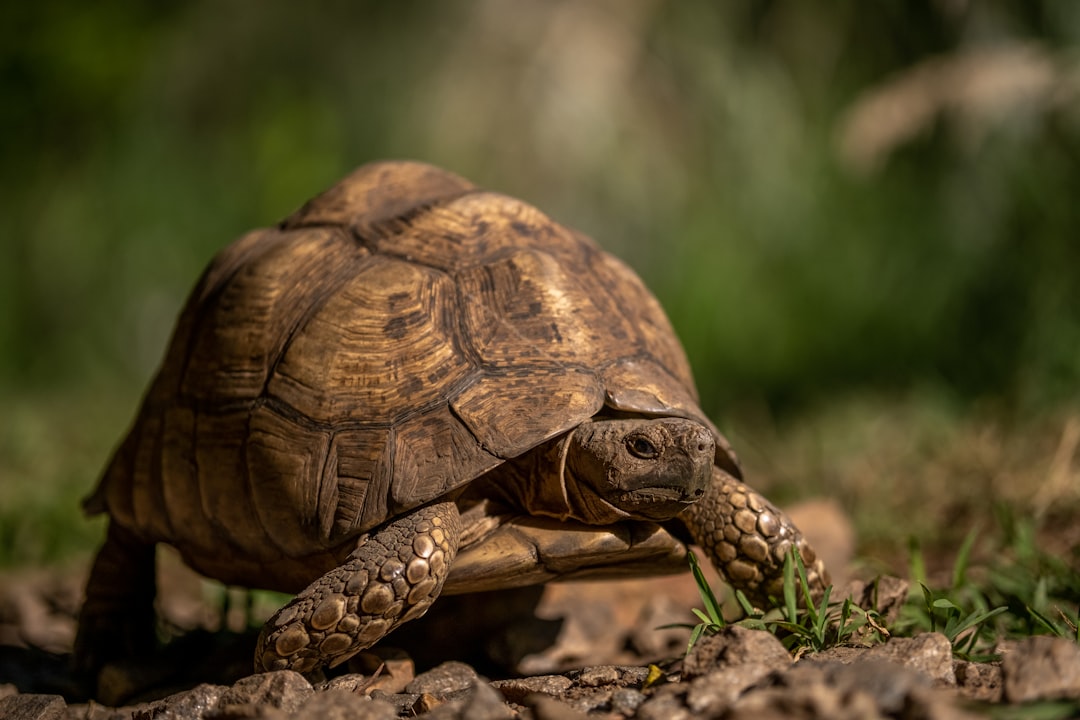
Turtles embody the philosophy that good things come to those who wait. Bears enter a state of deep sleep during winter to conserve energy when food is scarce, but turtles take a different approach to seasonal changes. When environmental conditions shift, these reptiles don’t panic or make hasty decisions.
Instead, they methodically assess their surroundings before making any moves. Their protective shells represent the psychological barriers we sometimes create when facing uncertainty. If you’re someone who prefers to retreat into your comfort zone during times of change, you might recognize yourself in the turtle’s deliberate pace.
This cautious approach isn’t necessarily a weakness. Sometimes the most profound transformations happen when we give ourselves permission to move at our own speed, processing each step thoroughly before taking the next one.
The Adaptable Chameleon: Master of Instant Transformation
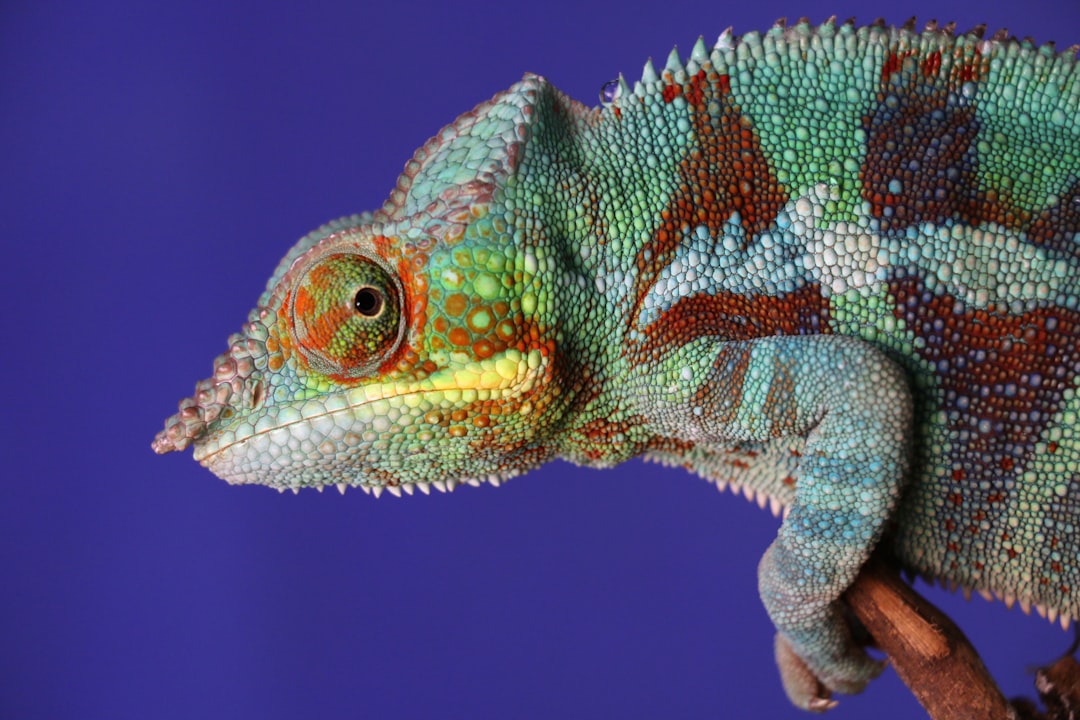
Chameleons can change the color of their bodies. They do this to hide from their enemies, which is one of the ways they try to survive. These remarkable creatures represent the ultimate in behavioral flexibility, adjusting not just their appearance but their entire demeanor based on their environment.
If you identify with the chameleon, you’re likely someone who thrives on variety and can quickly adapt to new social situations or professional challenges. You might find yourself naturally shifting your communication style depending on who you’re speaking with, or easily picking up new skills as circumstances demand.
However, like the chameleon, this adaptability sometimes comes with questions about authentic identity. The key is learning when to blend in and when to stand out, using your natural flexibility as a strength rather than losing yourself in constant change.
The Migrating Monarch: Embracing Life’s Seasonal Changes
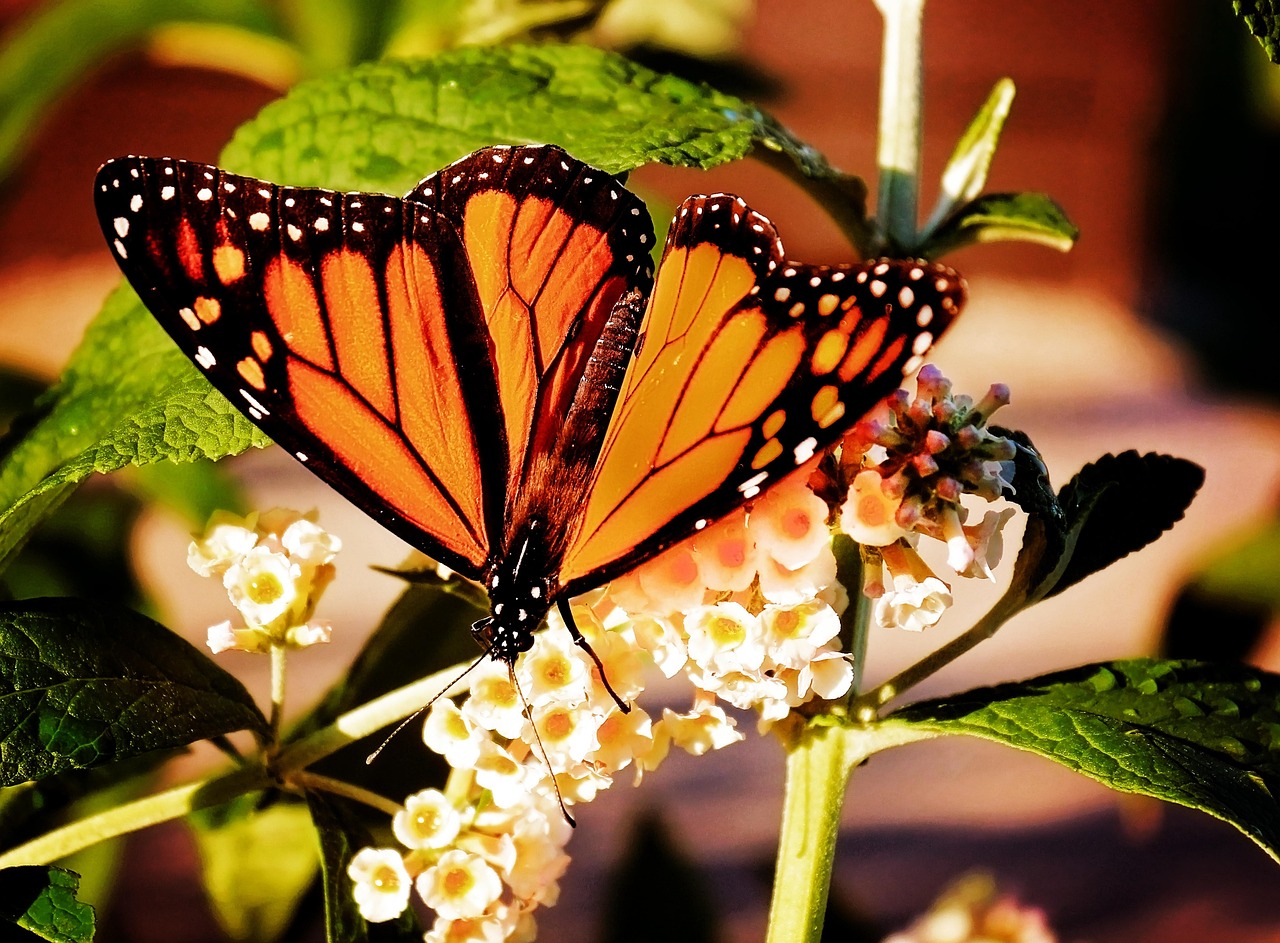
Monarch butterflies have adapted to fly south for the winter and return north when it warms up. Monarch butterflies migrate south in the fall, just like birds do, to escape the cold weather up north. It’s important to know that the monarch is the only type of butterfly known to do this two-way migration.
These extraordinary insects understand that sometimes change means completely leaving behind what you know. The Arctic tern flies over 44,000 miles annually between polar regions – more than any other creature, but monarchs make their own impressive journey, traveling thousands of miles based on instinct and environmental cues.
If you’re a “monarch” type, you probably view major life changes as adventures rather than obstacles. You might be the friend who moves to a new city for work without hesitation, or who completely changes career paths when you sense it’s time for something different.
The Hibernating Bear: Taking Time to Recharge
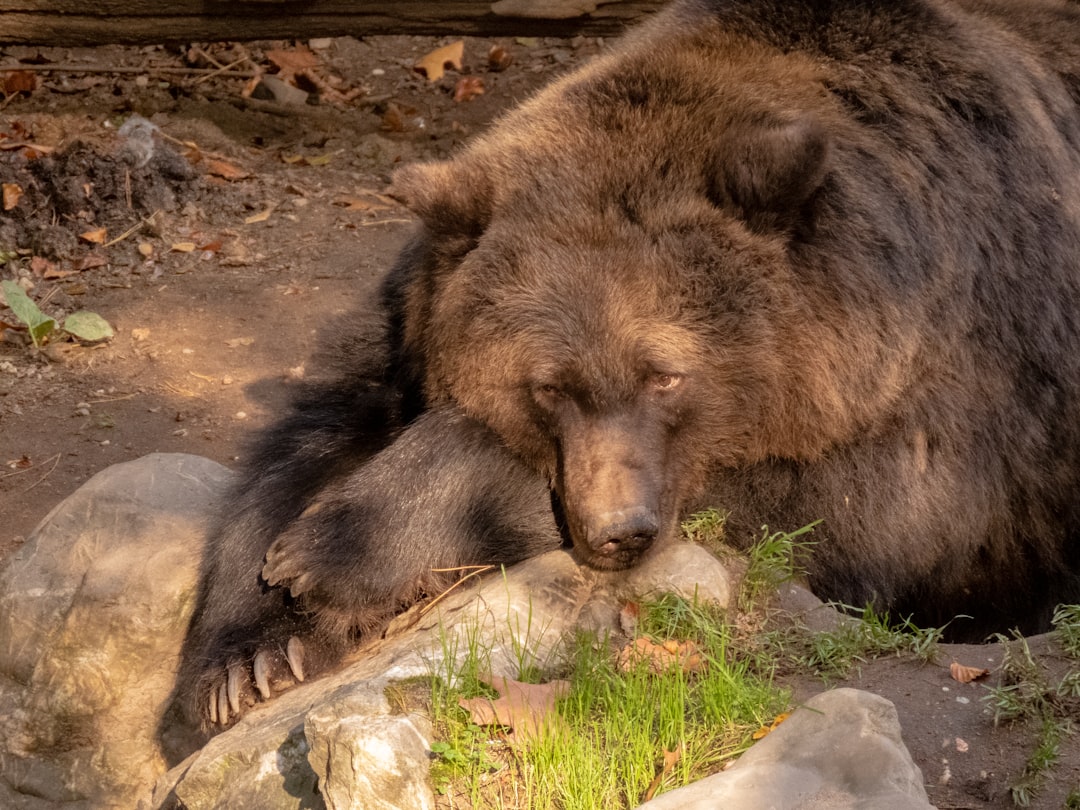
So how do bears stay alive during hibernation? Ideally, they store enough fat in their body over the summer so they can survive the longest, coldest months of the year. This behavioral adaptation is helpful when food is scarce in the winter.
Bears represent those who handle change by creating periods of intense preparation followed by intentional withdrawal. Rather than fighting through difficult transitions, they recognize when it’s time to conserve energy and wait for better conditions.
This approach to change involves careful resource management and strategic timing. If you’re bear-like in your change management, you probably prepare extensively for major shifts, then give yourself permission to step back and let things unfold naturally when direct action isn’t productive.
The Social Penguin: Finding Strength in Community
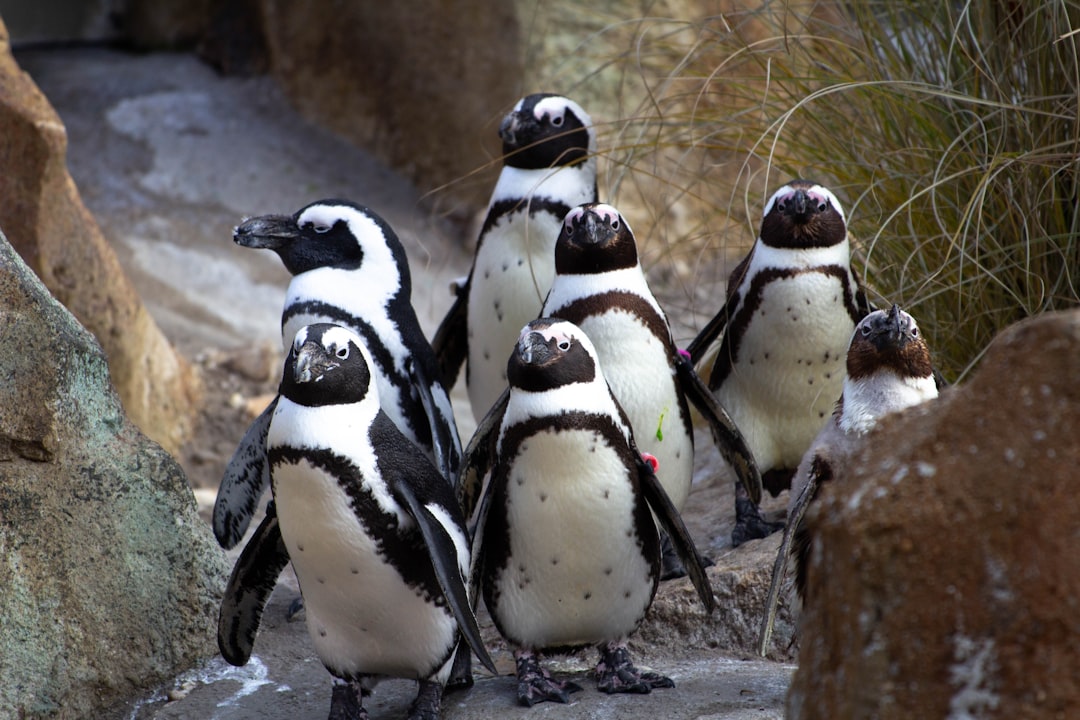
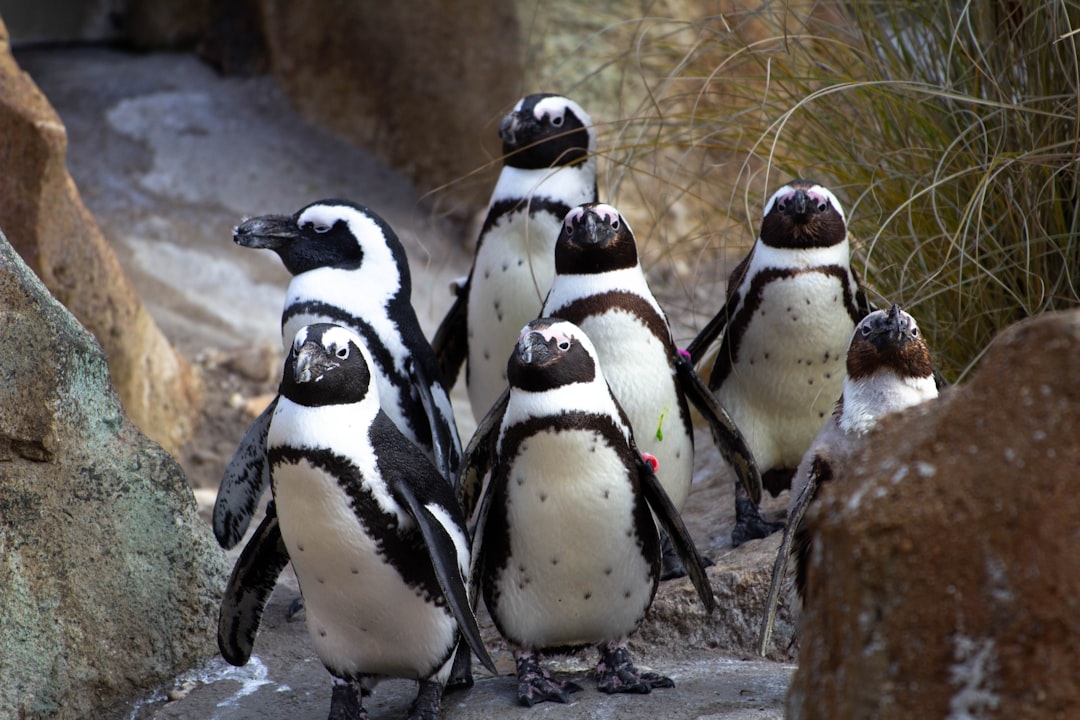
From the stealthy ambush of a cheetah to the communal huddling of penguins in Antarctic blizzards, behavioral adaptations are the stories of countless species. Emperor penguins face some of the harshest environmental changes on Earth, surviving brutal Antarctic winters through collective action.
These remarkable birds huddle together for warmth, taking turns moving from the cold exterior to the warm interior of their group. They understand that surviving major changes often requires community support and cooperation.
If you’re penguin-like, you probably handle change by reaching out to friends, family, or colleagues. You instinctively know that shared challenges are easier to bear, and you’re skilled at both giving and receiving support during difficult transitions.
The Reactive Rabbit: The Flight Response Specialist
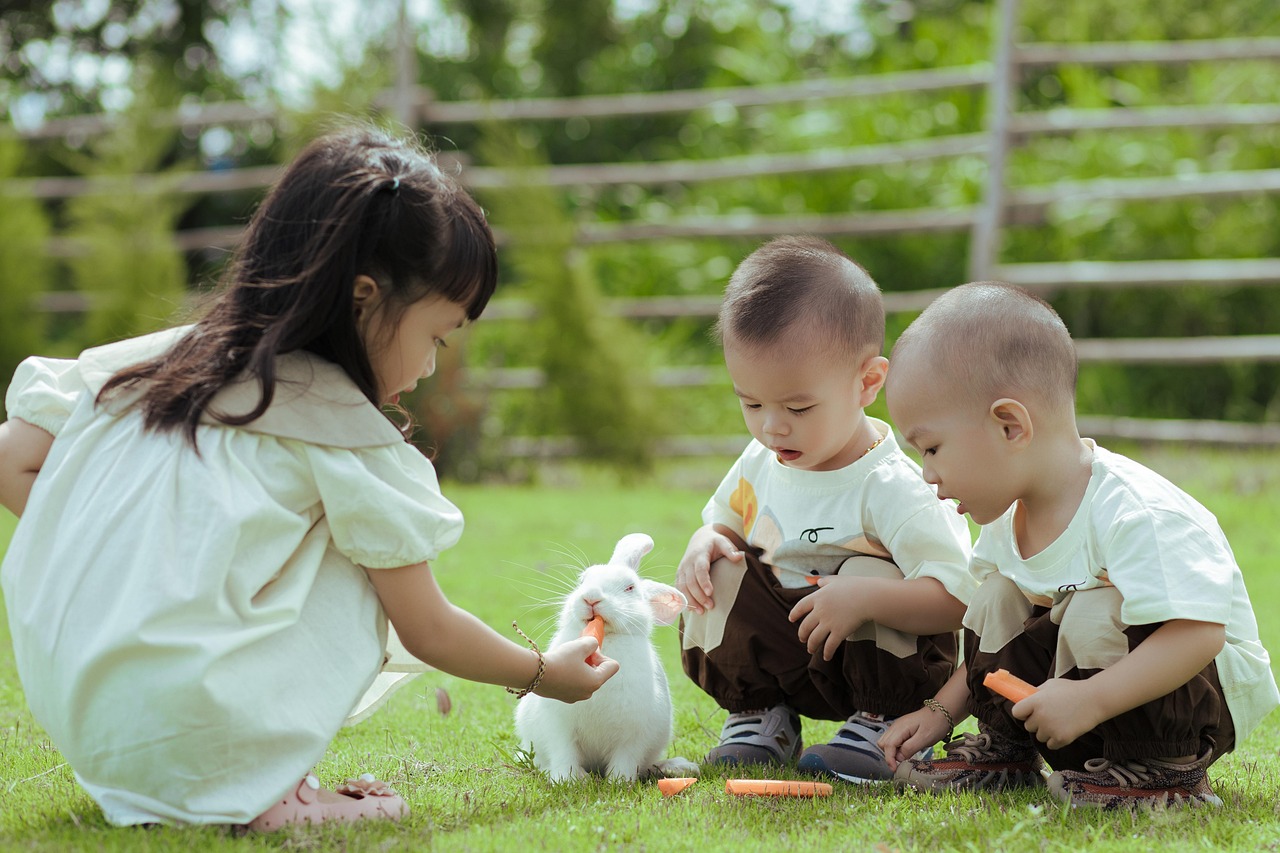
As a small prey animal, rabbits need to be proactive about evading attacks from larger, stronger predators. They often freeze in place or hide to prevent detection. Rabbits have developed highly sensitive stress responses that help them survive in dangerous environments.
This hypervigilance represents those who experience change as potentially threatening, triggering immediate fight-or-flight responses. Studies in feral populations indicate the existence of a proactive and a reactive coping style. These coping styles seem to play a role in the population ecology of the species.
If you identify with the rabbit’s approach, you might find yourself becoming anxious or wanting to escape when faced with unexpected changes. Learning to distinguish between actual threats and normal life transitions can help you channel this natural alertness more effectively.
The Innovative Octopus: Creative Problem Solving
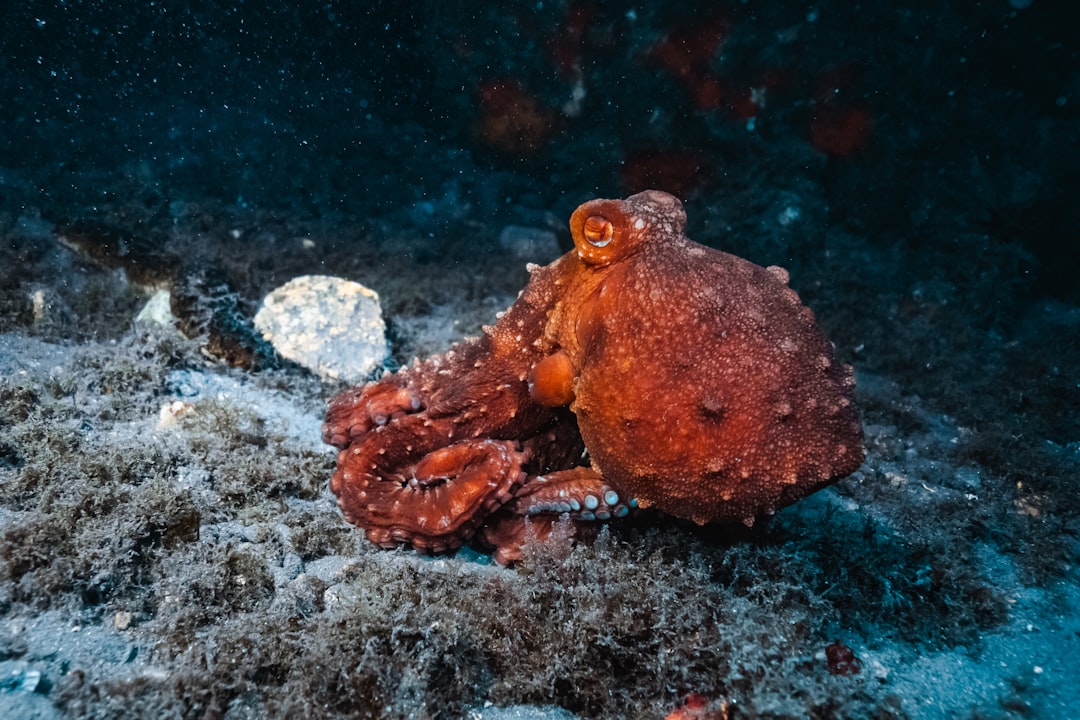
Octopuses represent perhaps the most creative approach to handling change in the animal world. These intelligent creatures can rapidly alter their skin texture, color, and body shape to solve problems or escape danger. They’re known for using tools and finding innovative solutions to challenges.
Human influence on NHP cultural repertoires includes the modification and disappearance of existing cultural traits, as well as the invention of novel traditions with the potential to become cultural. Like some primates, octopuses demonstrate remarkable behavioral flexibility when facing new situations.
If you’re octopus-like in your change management, you probably approach transitions as puzzles to be solved. You’re comfortable thinking outside the box and aren’t afraid to try unconventional solutions when traditional approaches aren’t working.
The Resilient Sparrow: Urban Adaptation Expert
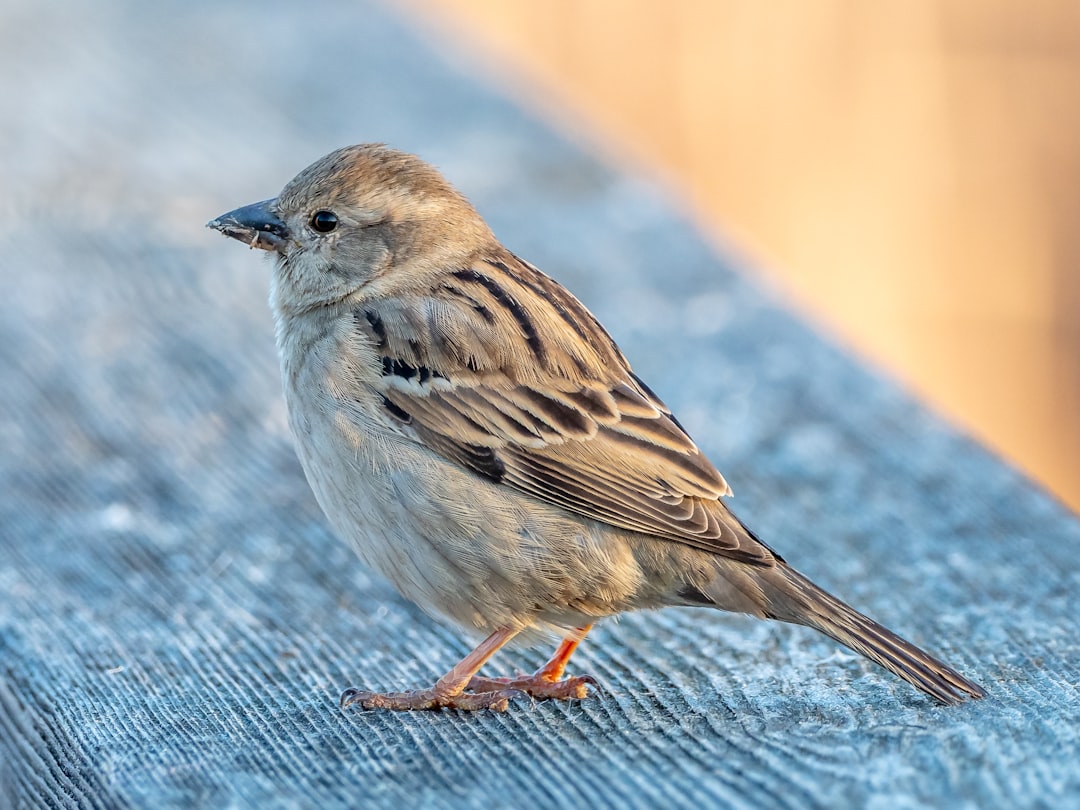
As humans continue to build roads, shopping centers, and housing developments on once-natural habitats, Lattin points out that sparrows and starlings have adapted extraordinarily well to the changes happening around them, whereas most other bird species have not. This adaptive behavior has been successful enough that house sparrows are considered one of the most successful invasive species on the planet.
Socially, the birds flock together and Lattin’s research demonstrates they can show “social learning” where they can teach each other that the new objects are not threatening. Sparrows excel at learning from both their own experiences and the experiences of others in their community.
If like a sparrow, you’re remarkably adaptable and optimistic about new environments. You probably see opportunities where others see obstacles, and you’re skilled at helping others feel more comfortable with transitions through your own positive example.
Conclusion
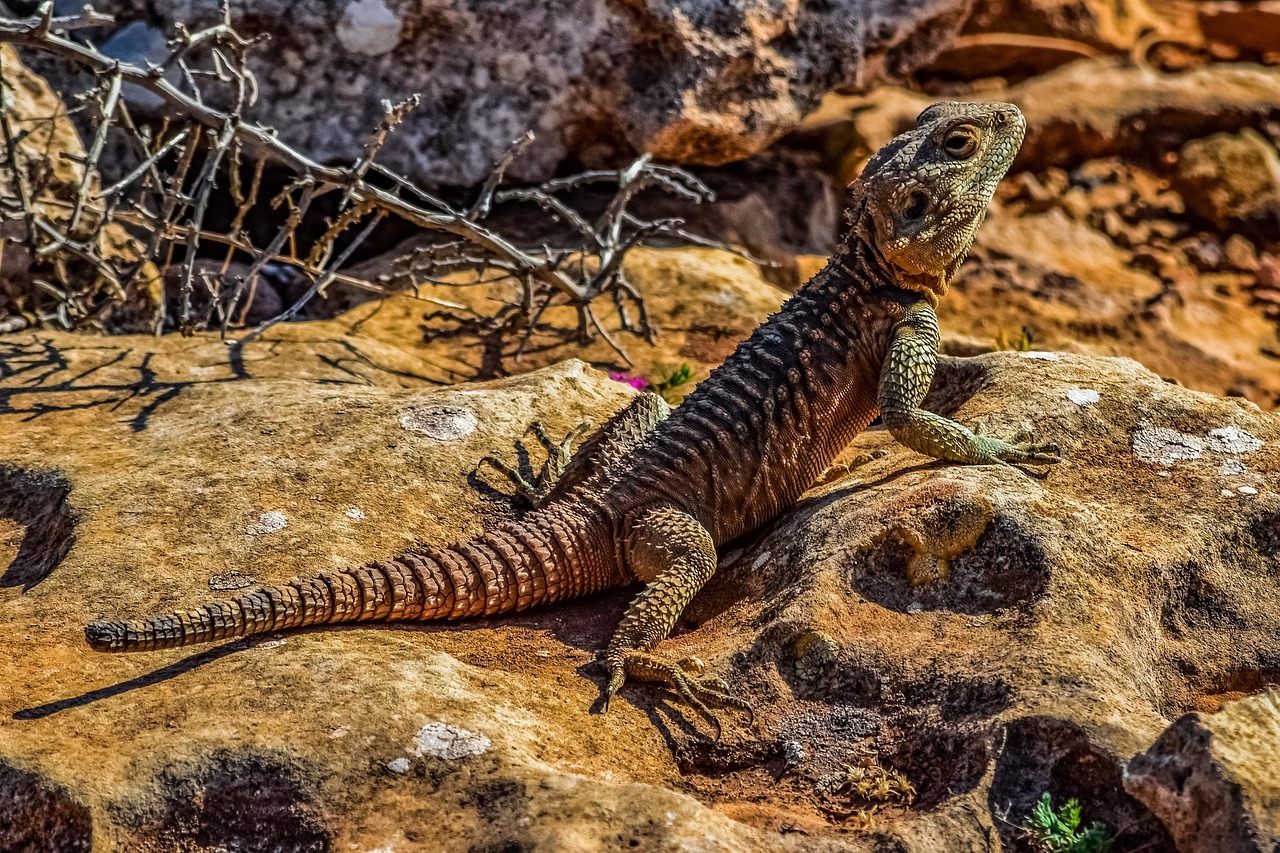
The animal kingdom teaches us that there’s no single “right” way to handle change. These stress-related changes, typically comprising psychological and behavioural adjustments, are often summarily referred to as ‘stress’ (and result in individuals being ‘stressed’). Overall, stress responses allow animals to adapt to stressors, and each species has evolved strategies that work best for their particular circumstances.
Whether you approach change like a cautious turtle, an adaptable chameleon, or a creative octopus, the key is understanding your natural tendencies and learning to work with them rather than against them. Sometimes our initial response to change isn’t the most effective one, but by observing how different animals handle transitions, we can expand our toolkit of coping strategies.
The next time you’re facing a major life shift, consider which animal’s approach might serve you best in that particular situation. What do you think about your own change management style? Tell us in the comments which animal you most identify with.
