


Worried about unexpected vet bills?
Pet insurance can cover thousands in unexpected vet costs. Get a free quote from Lemonade in under 2 minutes.
Get My Free Quote →Sponsored · Opens Lemonade.com
There’s something truly magical about witnessing orcas, also known as killer whales, in their natural habitat. These magnificent black and white marine mammals, the largest members of the dolphin family, capture our imagination with their intelligence, social complexity, and impressive hunting abilities. For many wildlife enthusiasts, spotting orcas in the wild represents a bucket-list experience that connects us to the wonders of the ocean. This comprehensive guide will walk you through everything you need to know about observing these magnificent creatures responsibly and successfully, from understanding their behavior patterns to selecting the right location and time of year for your orca-watching adventure.
Understanding Orca Distribution and Habitat

Orcas are among the most widely distributed mammals on Earth, found in oceans worldwide from the frigid polar regions to tropical seas. However, they tend to be more concentrated in colder waters with high marine productivity, particularly in coastal areas. The highest densities are found in the North Atlantic, North Pacific (especially the Pacific Northwest), and Antarctic waters. While they’re technically found in every ocean, certain populations are resident to specific regions, meaning your chances of spotting them vary dramatically depending on location.
For instance, the waters surrounding Vancouver Island in British Columbia and Washington State’s San Juan Islands host resident orca pods that make these areas particularly reliable for whale watching. Similarly, Norway’s fjords, Iceland’s coastal waters, and New Zealand’s Bay of Islands offer excellent opportunities to observe different orca populations with their own unique behaviors and specializations.
Types of Orca Populations

Understanding the different types of orca populations can significantly improve your chances of spotting them. Scientists generally classify orcas into three ecotypes: resident, transient (or Bigg’s), and offshore. Resident orcas maintain relatively predictable patterns within their home territories and primarily feed on fish, making them somewhat easier to locate for whale watchers. The Southern and Northern Resident populations of the Pacific Northwest are among the most studied orca communities in the world.
Transient orcas, in contrast, have larger ranges and hunt marine mammals like seals and sea lions, making their movements less predictable but often creating dramatic hunting displays when spotted. Offshore orcas remain the most mysterious type, living primarily in deep open ocean and rarely encountered by observers. Each population has distinctive physical characteristics, vocalizations, and behaviors, providing keen observers with clues about which type they’re witnessing. For beginners, focusing on areas with resident populations typically offers the highest probability of successful sightings.
Prime Locations for Orca Watching
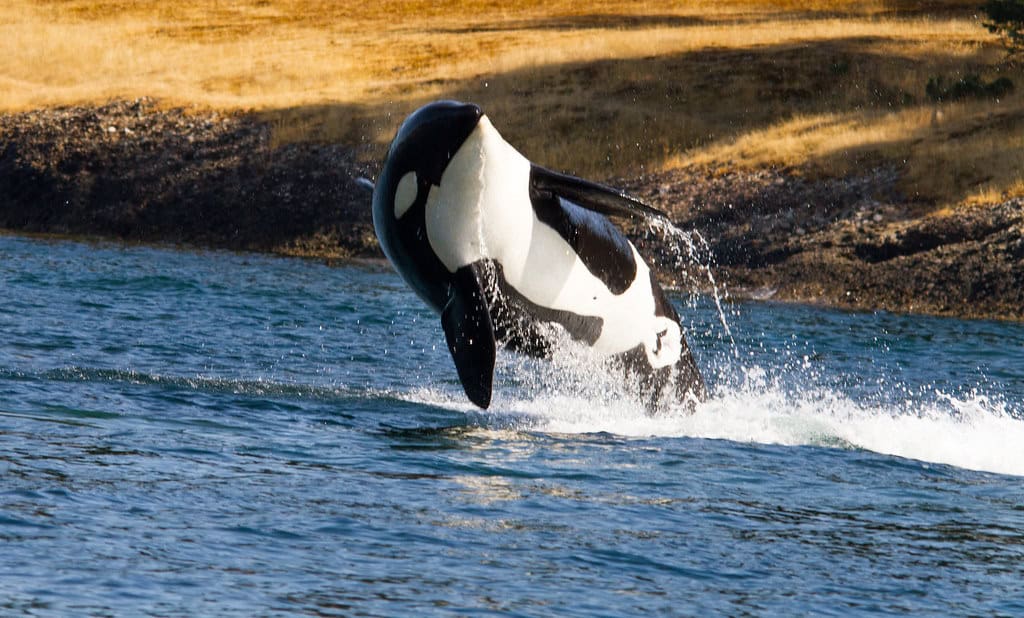
Several regions around the world have earned reputations as premier orca-watching destinations. The Salish Sea, encompassing the waters between Washington State and British Columbia, ranks among the finest locations, with the area between Victoria and San Juan Islands offering particularly reliable sightings of the Southern Resident community during summer months. Further north, the Johnstone Strait near Vancouver Island provides exceptional opportunities to observe Northern Resident orcas, especially from July through September.
In the North Atlantic, Norway’s Lofoten Islands and Tromsø fjords have become hotspots for witnessing orcas feeding on herring schools during winter months, often accompanied by spectacular displays of the Northern Lights. Iceland’s Snæfellsnes Peninsula and Vestmannaeyjar islands offer excellent summer viewing possibilities. In the Southern Hemisphere, New Zealand’s Kaikoura region and Argentina’s Valdes Peninsula provide seasonal opportunities to observe hunting behaviors. For those seeking a truly extraordinary experience, Antarctica’s Ross Sea hosts large numbers of orcas during the austral summer. Each location offers a different orca experience, from populations with distinctive hunting techniques to various seasonal behaviors.
Best Seasons and Times for Spotting Orcas

Timing is critical for successful orca watching, as seasonal patterns strongly influence their movements and visibility. In the Pacific Northwest, the peak season runs from May through October, with July and August offering the highest probability of sightings as resident orcas follow salmon runs. Conversely, Norway’s orca season primarily spans November through February, when herring congregate in the fjords. New Zealand provides good viewing opportunities year-round, but summer months (December through March in the Southern Hemisphere) typically yield more consistent sightings.
Beyond seasonal considerations, daily timing matters too. Early morning and late afternoon often provide optimal viewing conditions, when water surfaces are typically calmer and lighting is favorable for photography. Many orcas also exhibit daily behavioral patterns, with certain activities like hunting or socializing more common at specific times of day. The changing tides can also influence orca movements in coastal areas, as they may follow prey that moves with tidal currents. Researching the specific seasonal and daily patterns of your chosen destination will significantly increase your chances of successful sightings.
Choosing the Right Whale Watching Tour

Selecting an appropriate whale watching tour makes an enormous difference in both your chances of spotting orcas and the quality of your experience. Begin by researching companies with high success rates specifically for orca sightings, as some tours focus more on other whale species. Look for operators with experienced naturalists or marine biologists on board who can provide educational context and help identify different pods or behaviors. Responsible operators should follow wildlife viewing guidelines, maintaining appropriate distances and limiting viewing time to minimize disturbance to the animals.
The vessel type also matters significantly – smaller boats often provide more intimate viewing experiences but may be less comfortable in rough conditions, while larger vessels offer stability but carry more passengers. Some locations also offer land-based viewing opportunities or kayaking tours, each with their own advantages and limitations. Check reviews carefully, focusing on recent experiences, and consider operators who participate in research or conservation efforts. Many reputable companies offer sighting guarantees, providing free return trips if no orcas are spotted during your excursion. Finally, book well in advance for peak season tours, as the most respected operators often sell out months ahead.
Equipment for Orca Watching

Proper equipment enhances both your ability to spot orcas and your overall experience. Binoculars are essential, with 7×50 or 8×42 models offering a good balance of magnification and stability for marine viewing. For photography, a DSLR or mirrorless camera with a telephoto lens (at minimum 200mm, ideally 300mm or longer) allows you to capture detailed images without disturbing the animals. Pack your gear in waterproof bags or cases, as sea spray can damage electronic equipment. Dress in layers with waterproof outer garments, as conditions on the water can be significantly colder than on land, even in summer.
Polarized sunglasses reduce glare from the water’s surface, making it easier to spot dorsal fins breaking the surface. Non-slip, closed-toe shoes provide stability on potentially wet boat decks. For longer excursions, bring motion sickness medication even if you don’t typically experience seasickness, as watching through binoculars or cameras can exacerbate symptoms. A field guide to marine mammals of your region helps with identification, and a waterproof notebook allows you to record observations. Some enthusiasts also bring hydrophones to listen to orca vocalizations, though many tour operators now provide this equipment.
Recognizing Orca Behaviors

Learning to recognize common orca behaviors greatly enriches your whale watching experience. “Logging” refers to when orcas rest at the surface, with their bodies partially visible in a manner resembling floating logs. “Spyhopping” involves the orca rising vertically from the water, exposing its head to seemingly observe the surroundings above water. “Breaching” – when an orca propels itself out of the water and lands with a splash – represents one of the most spectacular behaviors, though scientists debate whether this serves a practical purpose like dislodging parasites or is simply play.
“Porpoising” involves rapid swimming with sequential breaking of the water’s surface, often observed when orcas travel quickly or hunt. “Tail slapping” (or “lobtailing”) occurs when an orca forcefully slaps its tail flukes on the water’s surface, potentially serving as communication. During group hunting, you might witness “carousel feeding,” where orcas work cooperatively to herd fish into tight balls before taking turns feeding. Certain populations display unique behaviors, like Antarctic orcas creating waves to wash seals off ice floes or New Zealand orcas that specialize in stingray hunting. Learning these patterns helps you anticipate what you might witness and appreciate the complexity of orca behavior and culture.
How to Identify Individual Orcas and Pods

For many enthusiasts, learning to identify specific orca individuals and pods adds an exciting dimension to wildlife viewing. The most distinctive identifying feature is the dorsal fin, which in adult males can reach six feet tall and develops a unique shape over time, often with distinctive nicks, scratches, or other markings. Females and juveniles have smaller, more curved dorsal fins but still display identifying characteristics. The saddle patch – the gray or white area behind the dorsal fin – also varies between individuals and can serve as a key identifier. The eye patch shape and any unusual pigmentation patterns provide additional distinguishing features.
In well-studied areas like the Pacific Northwest, researchers have cataloged and named resident pods (designated with letters like J-pod or K-pod) and individual whales within them. Tour operators and naturalists in these regions often carry identification catalogs and can help you recognize specific individuals. Photographing dorsal fins and saddle patches allows later comparison with identification guides. Some regions also have citizen science projects where visitors can submit photos to help track orca movements and populations, allowing you to contribute to conservation research while enhancing your own experience.
Understanding Orca Communication and Social Structure

Orcas possess some of the most complex social structures and communication systems in the animal kingdom, which adds fascinating dimensions to observing them. They live in highly stable family groups called pods, typically led by a post-reproductive female matriarch whose experience guides the group. These pods follow matrilineal lines, with offspring remaining with their mothers for life in many populations. Resident pods can contain three or four generations traveling together, creating strong cultural identities that include distinct dialects of vocalizations unique to each pod. Orcas communicate through an elaborate system of clicks, whistles, and pulsed calls, with each pod developing its own acoustic “signature.”
Beyond communication, they use echolocation—sending out sound waves that bounce off objects—to navigate and locate prey in dark or murky waters. Their social bonds include complex cooperative behaviors, from synchronized hunting strategies to babysitting arrangements where certain pod members watch calves while others hunt. When multiple pods gather, observers may witness socializing behaviors including breaching displays, physical contact between individuals, and increased vocalization. Recognizing these social dynamics transforms simple orca sightings into glimpses of their intricate social world.
Responsible Wildlife Viewing Practices

Ethical wildlife viewing has become increasingly important as orca tourism grows worldwide. Following responsible practices ensures these magnificent animals remain undisturbed while providing sustainable viewing opportunities for future generations. Most regions with regular orca presence have established viewing guidelines, typically requiring boats to maintain minimum distances (often 100-200 meters/yards) and approach from the side rather than head-on or from behind. Boats should never separate pod members or cut off their travel path. Engines should be kept at steady, predictable speeds, avoiding sudden changes that might startle the animals.
In many locations, it’s illegal to feed, touch, swim with, or otherwise attempt to interact with wild orcas. When multiple vessels are present, coordinated viewing systems often limit the number of boats and their viewing duration. As a passenger, you can help by choosing operators who follow these guidelines and by speaking up if you observe violations. For land-based viewing, maintain quiet observation without loud noises or sudden movements that might disturb coastal pods. By practicing responsible viewing, you help ensure that both the current orca populations and future generations of whale watchers can thrive together.
Conservation Challenges Facing Wild Orcas
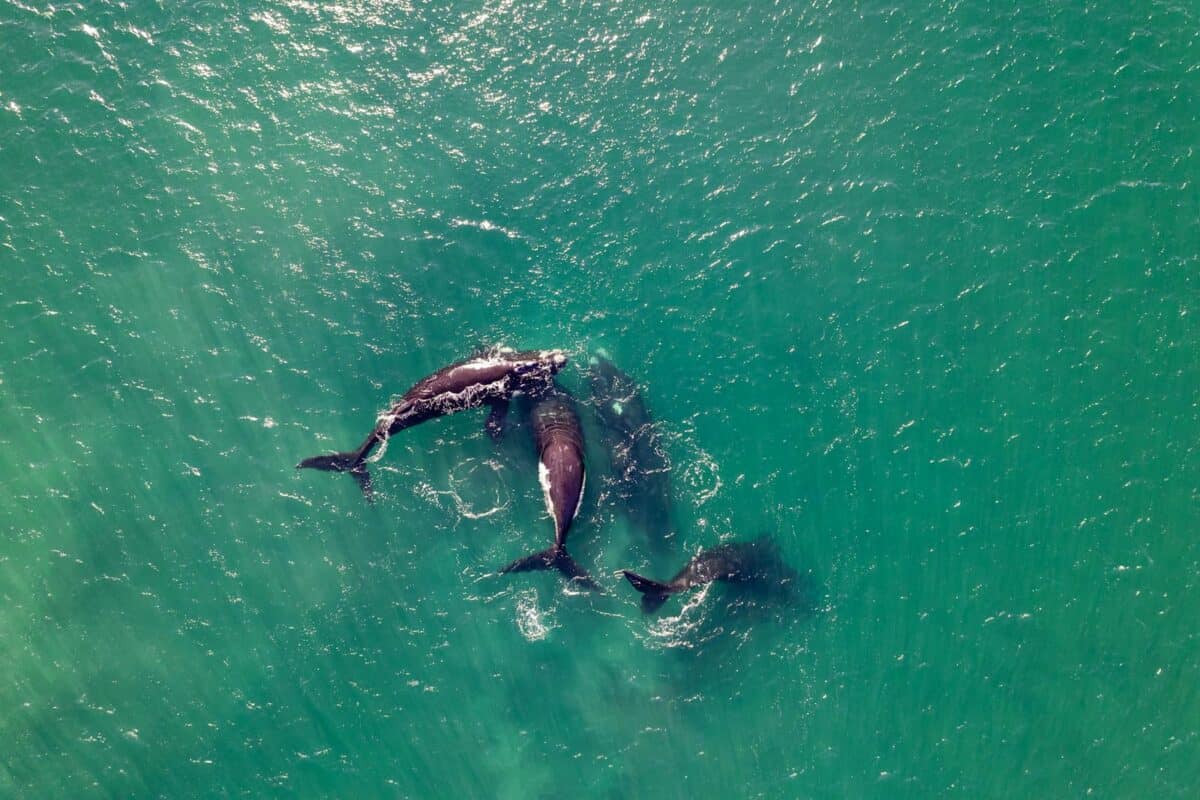
Understanding the conservation challenges facing orca populations adds important context to your wildlife viewing experience. Different orca communities face varying threats, with some populations like the Southern Resident killer whales of the Pacific Northwest listed as endangered. These resident orcas face three primary challenges: food scarcity as their preferred Chinook salmon populations have declined dramatically, accumulation of persistent organic pollutants that concentrate up the food chain, and underwater noise pollution from vessel traffic that interferes with their communication and echolocation. In other regions, orcas face threats from commercial fishing competition and bycatch, habitat degradation from coastal development, and climate change altering prey distribution.
Some populations still bear the legacy of live-capture operations from the 1960s and 1970s, which removed nearly an entire generation of whales for marine park exhibitions. While global orca numbers remain relatively stable at around 50,000 individuals, specific subpopulations face very different prospects. Conservation efforts include protected marine areas, fishery regulations to protect prey species, vessel noise reduction measures, and habitat restoration projects. Many whale watching companies participate in citizen science programs that track orca movements and health, making tourism part of the conservation solution.
Memorable Orca Encounters from Around the World

Remarkable orca encounters happen daily around the world, each with unique characteristics that reflect the diversity of these intelligent animals and their habitats. In Norway’s Tysfjord, lucky observers witness the spectacular “carousel feeding” technique where orcas work together to herd herring into tight balls, stun them with tail slaps, and take turns feeding—sometimes cooperating with humpback whales in an unusual interspecies hunting partnership. New Zealand offers opportunities to see orcas hunting stingrays in shallow waters, using specialized techniques to avoid the rays’ venomous barbs.
In Argentina’s Península Valdés, orcas perform the famous “intentional stranding” behavior, temporarily beaching themselves to capture sea lion pups on the shoreline—a hunting technique passed down through generations and practiced by only a few pods worldwide. The Antarctic Peninsula provides astonishing views of large Type B orcas creating waves to wash seals off ice floes. In the Pacific Northwest, resident orcas sometimes engage in celebratory-seeming behaviors after successful salmon hunts, with synchronous breaching and tail slapping that appears jubilant to human observers. These regional specializations highlight the cultural and behavioral differences between orca populations, making each encounter unique and showcasing their remarkable adaptability and intelligence.
Conclusion: The Transformative Experience of Watching Wild Orcas
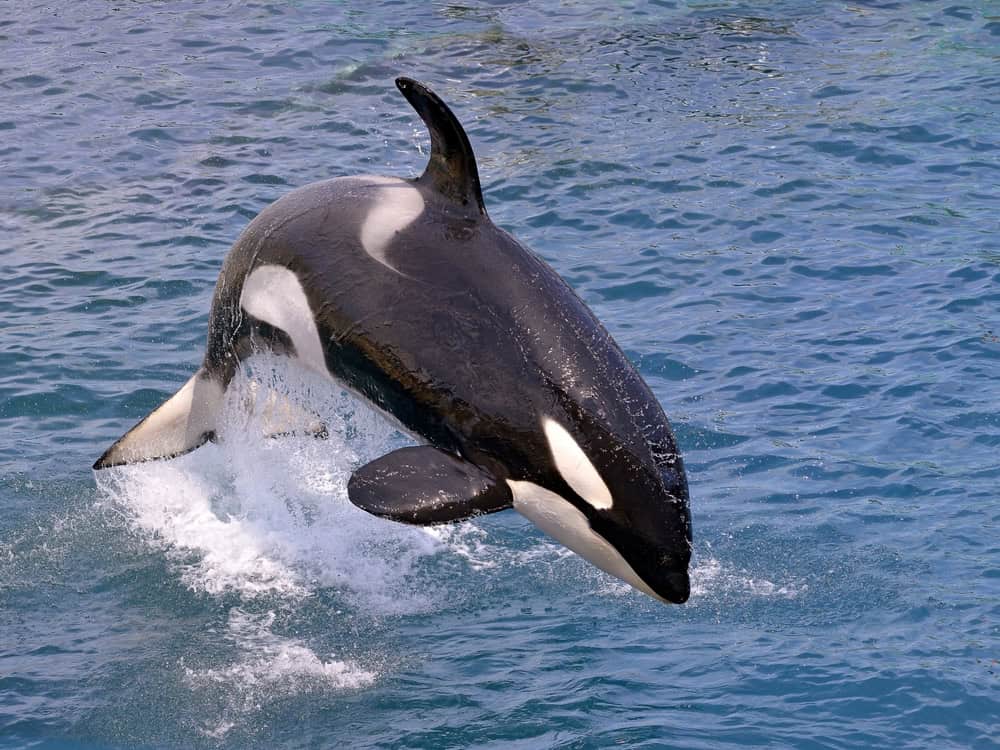
Encountering orcas in their natural environment offers more than just a fleeting wildlife sighting—it provides a window into a complex, intelligent society that has evolved in parallel with our own for millions of years. These magnificent marine predators, with their distinctive black and white coloration and remarkable social structures, captivate us not just with their physical presence but with glimpses of behaviors that suggest profound cognitive and social capabilities. For many observers, witnessing wild orcas represents a transformative experience that deepens their connection to the marine environment and strengthens their commitment to ocean conservation.
While spotting orcas requires preparation, patience, and sometimes a measure of luck, the rewards of seeing these apex predators living freely in their ocean home create memories that last a lifetime. As you embark on your own orca-watching journey, remember that each respectful encounter contributes to a sustainable relationship between humans and these remarkable animals, helping ensure that future generations will continue to experience the wonder of wild orcas.
Worried about unexpected vet bills?
Pet insurance can cover thousands in unexpected vet costs. Get a free quote from Lemonade in under 2 minutes.
Get My Free Quote →Sponsored · Opens Lemonade.com

From exploring the marine wonders in the Azores and witnessing the vast savannas of Kenya, to delving deep into the rich biodiversity of South Africa and traversing iconic landscapes in Australia and the US like Yellowstone, Chris's experiences are vast.
With a penchant for diving alongside sharks, the ocean holds a special place in his heart.
Through his academic insights, he champions wildlife conservation, striving with 'Animals Around The Globe' to cultivate a profound connection between humans and animals, enhancing our mutual appreciation.
Connect with him at Feedback@animalsaroundtheglobe.com.
- 12 Creatures That Only Live in the American Southwest - June 10, 2026
- The Loudest Animal Relative to Body Size Is Tinier Than a Thumbtack - June 10, 2026
- The World’s Smallest Mammal Could Fit on Your Fingertip - June 10, 2026