


Picture the doorbell ringing, a stranger standing on the porch, and a dog that simply looks up, takes a quiet inventory, and goes back to napping. No frantic yapping and no rattling windows. If that’s the soundtrack you want at home, this list is worth your time, and yes, the dog at the top really does almost never bark, even when someone unfamiliar walks through the door.
Most people guess that the quietest dogs are tiny lap breeds with no lung power to speak of. The real ranking is stranger than that. Some of the calmest dogs on this list are giants, a few are sleek racing types, and the number one pick is quiet for a reason that has nothing to do with training. Keep scrolling, because the order may not be what you expect.
#13 – Bulldog: The Snorter Who Rarely Barks
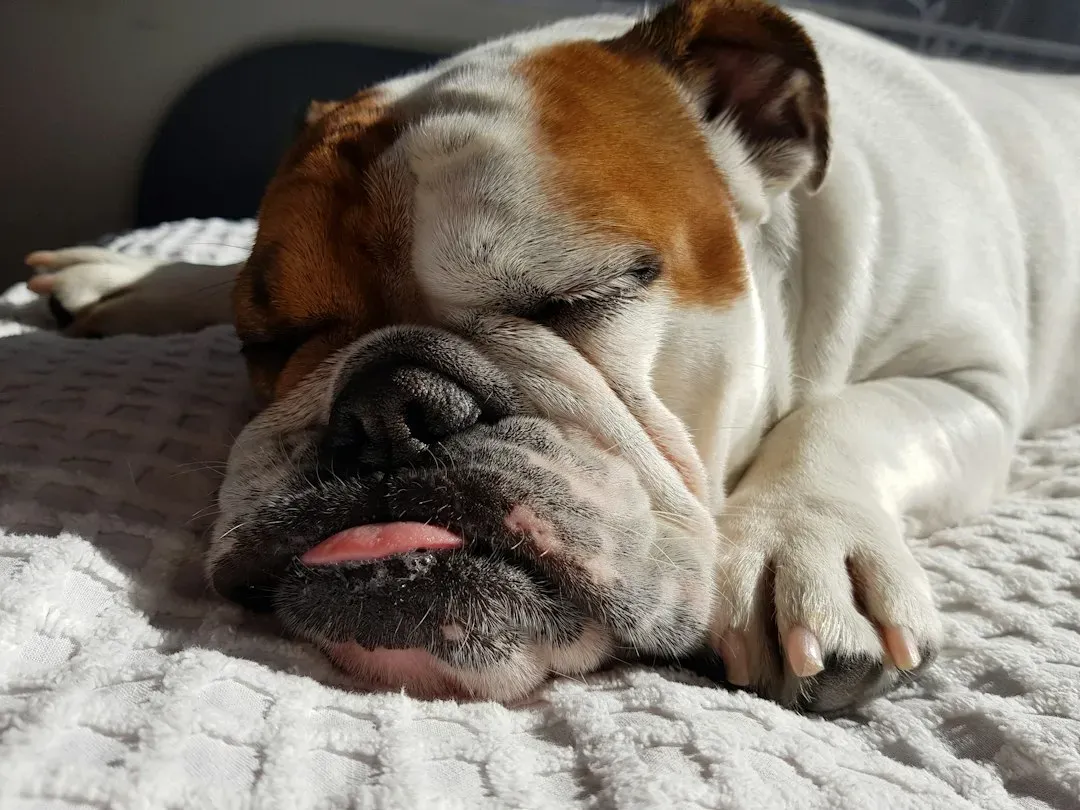
Look at a Bulldog and you’d bet on a territorial noisemaker. The reality is closer to a wrinkly sofa cushion with opinions. Most Bulldogs would much rather conserve energy than announce every passing car or delivery truck.
Their sounds of choice are snorts, grunts, snuffles, and wheezes, all courtesy of that short, flat face. Real barks do happen, but they’re the exception rather than the habit. A low-energy, easygoing temperament simply gives them very few reasons to sound off.
Training is refreshingly simple on the noise front. Bulldogs respond well to positive reinforcement, so you’re not stuck correcting constant barking. Where they get stubborn is everything else, from walks to bath time.
- Typical sounds: snorts, grunts, wheezing, and loud snoring
- Barking triggers: real provocation or big excitement
- Best fit: apartments and calm households
One honest caveat: quiet doesn’t always mean silent. If you’re a light sleeper, a snoring Bulldog can be louder than a barking terrier.
But that’s nothing compared to what we found about #12…
#12 – French Bulldog: The Trendy Pup With a Surprisingly Low Volume
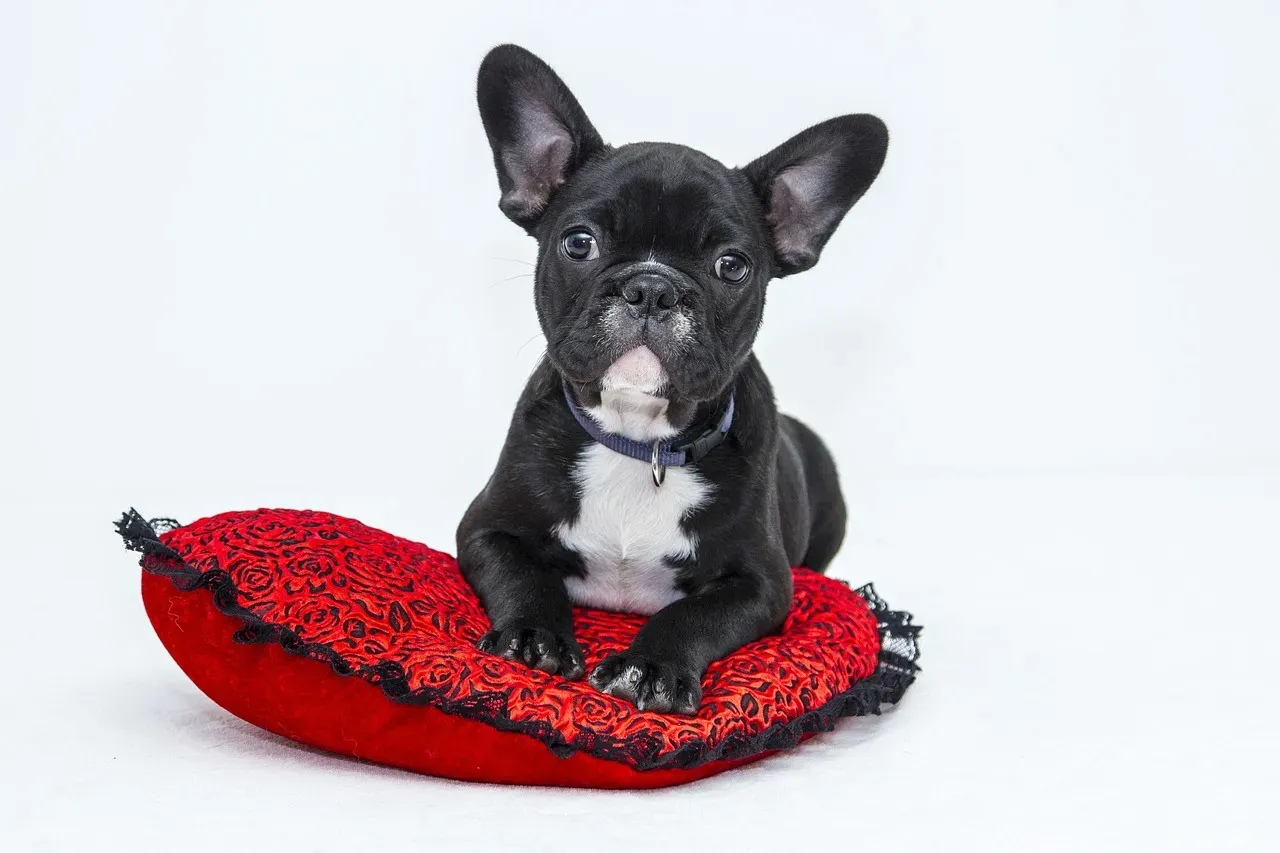
French Bulldogs have climbed to the top of the AKC popularity charts in recent years, and many new owners brace for a yappy small dog. Then the dog arrives and mostly grumbles, sighs, and snorts instead.
Their flat-faced build plays a role, but temperament matters more. Frenchies were developed as affectionate companions, and they’d rather lounge beside you than patrol the window. When a stranger approaches the door, plenty of them just tilt their heads and watch.
Good socialization from puppyhood keeps any leftover noise low, especially in a steady, calm home. A bored Frenchie can get chatty, so a daily walk and a few short play sessions go a long way. Most of the time, though, the loudest thing about them is the snore.
But that’s nothing compared to what we found about #11…
#11 – Shih Tzu: Palace Pet, Not Watchdog
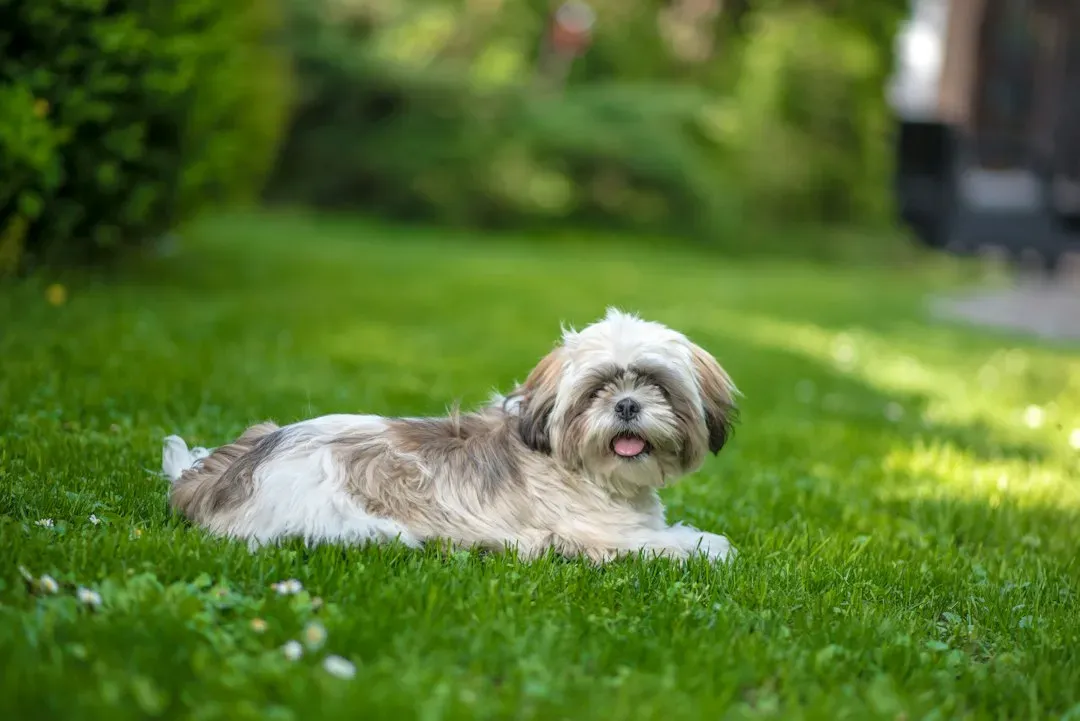
The Shih Tzu spent centuries as a companion in the Chinese imperial court, and that job came with an unwritten rule: be charming, be calm, and don’t make a scene. The breed still carries that royal composure.
Many Shih Tzus prefer to observe a new visitor rather than sound the alarm. Owners often describe them as adaptable dogs that settle into new surroundings without a lot of fuss. Plenty of households report just a handful of barks in a typical week, mostly at the doorbell.
The popular belief that small dogs are automatically noisy takes a real hit here. A Shih Tzu raised in a steady home, and taught early to ignore minor sounds, tends to stay mellow. Consistency is the secret, because a dog who gets rewarded for barking will happily keep doing it.
At a Glance
- Size: typically about 9 to 16 pounds
- Lifespan: often 10 to 16 years
- Original job: imperial court companion
- Noise style: watches first, speaks rarely
But that’s nothing compared to what we found about #10…
#10 – Cavalier King Charles Spaniel: The Velvet-Eared Cuddler
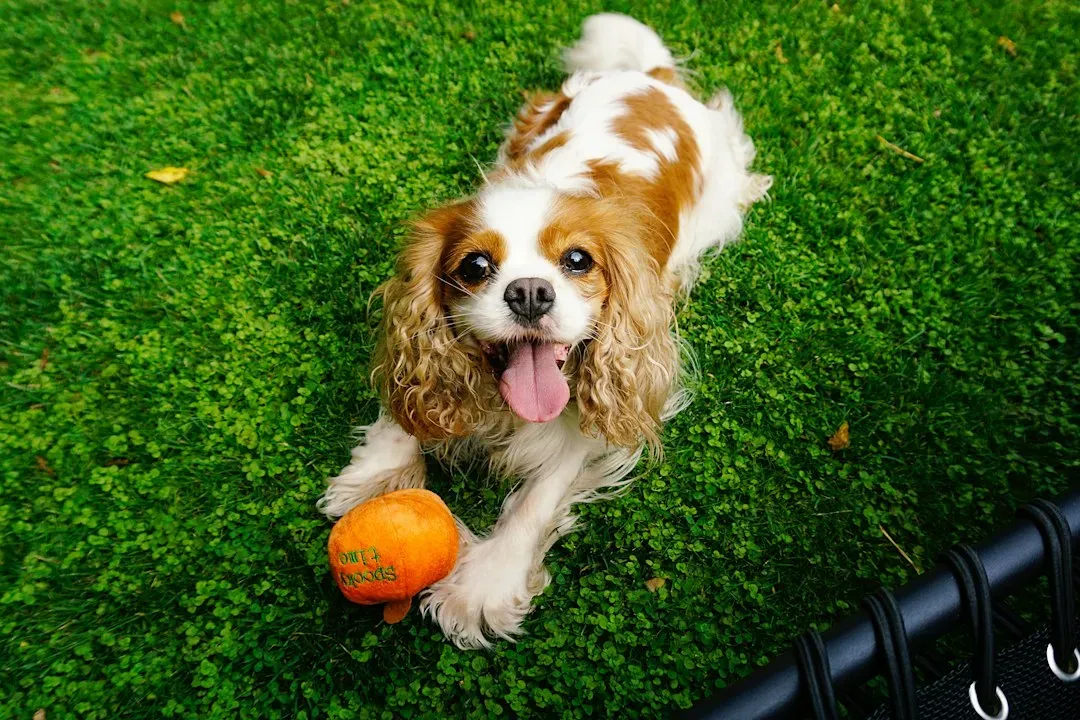
Cavaliers are named for the royal family that adored them, and they’ve never really lost the lapdog lifestyle. They were bred for closeness, not for guarding, so they tend to stay relaxed around the house.
These spaniels form strong bonds with their people and rarely feel threatened enough to bark at every noise. Their eagerness to please also makes them easy to redirect if they do get chatty. A cheerful greeting is far more likely than a warning bark.
The one exception is loneliness. Cavaliers can struggle when left alone for long stretches, and separation anxiety may bring on whining or barking in some individuals. Keep their minds busy with short training games and puzzle toys, and the quiet baseline usually holds.
But that’s nothing compared to what we found about #9…
#9 – Great Dane: The Giant Nobody Hears
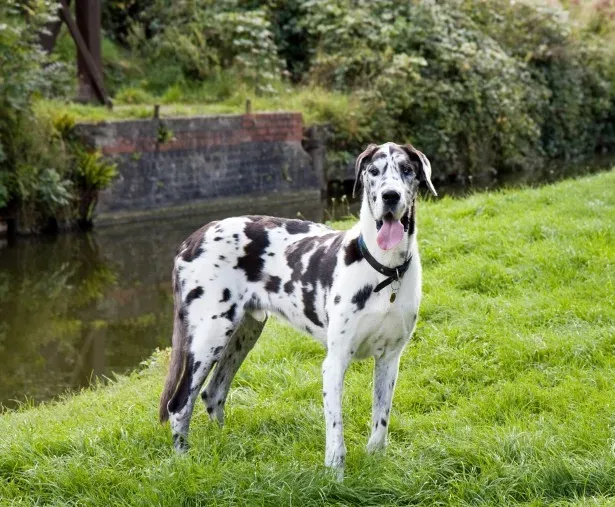
A Great Dane in the doorway looks like a living alarm system. Yet these dogs, originally developed in Germany to hunt boar, have settled into one of the gentlest temperaments in the dog world.
Danes tend to save their energy and speak up only when something genuinely seems off. They’d usually rather lean against your leg and watch the room than raise a fuss. When one does bark, the sound is deep enough to stop a conversation, but it happens so rarely that neighbors sometimes forget the dog lives there.
Daily exercise and early socialization help lock in that calm. A bored, under-socialized giant can still get loud, so a steady routine matters. Their size is the real challenge here, not their volume.
But that’s nothing compared to what we found about #8…
#8 – Bernese Mountain Dog: The Gentle Swiss Farmhand
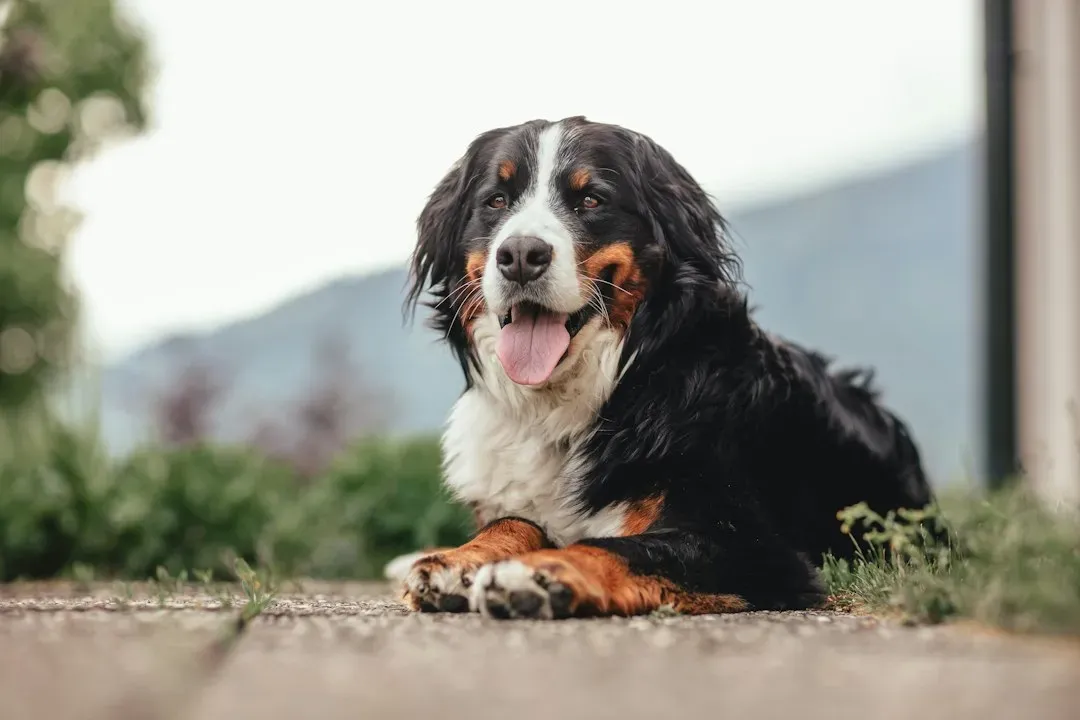
Bernese Mountain Dogs spent generations on Swiss farms, hauling carts, driving cattle, and keeping watch over the property. Noise wasn’t the job. Steadiness was.
That history shows up at home. Berners are known for a sweet, even temperament and a deep devotion to their family. They may offer a few deep warning barks when a visitor appears, but they tend to settle quickly once they decide everything is fine.
Because the instinct to bark is already fairly mild, training usually focuses on rewarding calm instead of correcting noise. Some owners argue Berners make underrated quiet guardians compared with more vocal protection breeds. Their big, fluffy presence does a lot of the talking for them.
- Personality: loyal, family-focused, easygoing
- Barking style: occasional, deep, and brief
- Heads-up: heavy shedding and a big appetite for attention
But that’s nothing compared to what we found about #7…
#7 – Newfoundland: The Nanny Dog Who Speaks in Whispers
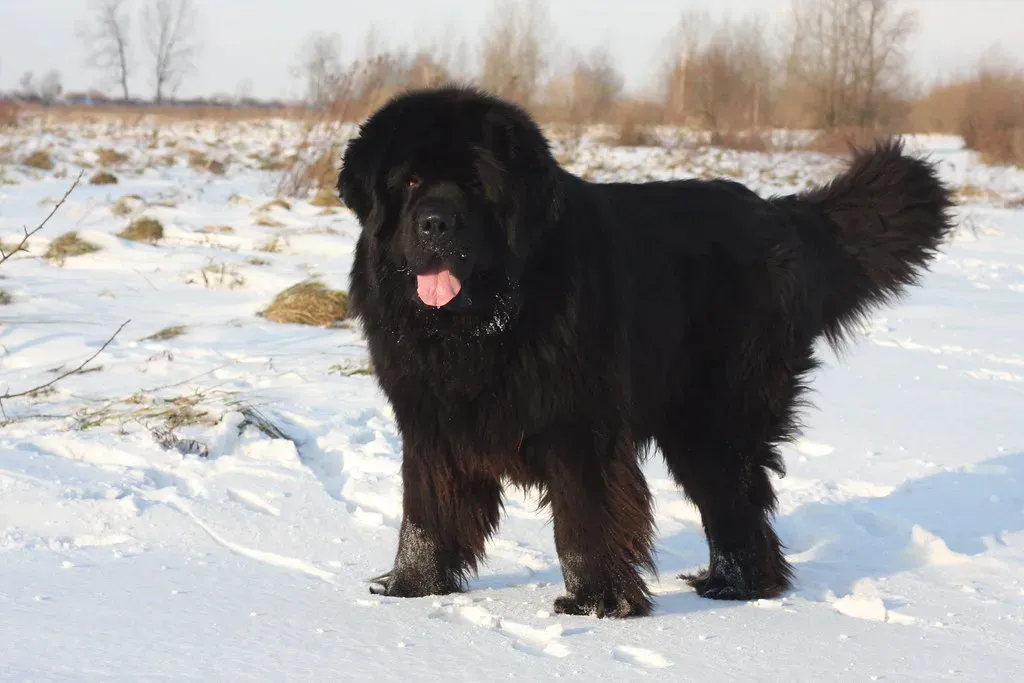
Newfoundlands earned the nickname “nanny dog” for their patient way with children, and their water-rescue heritage explains the rest. Dogs that haul people out of cold water need calm nerves, not loud opinions.
That calm carries into daily life. Newfies tend to greet strangers with a slow, curious look and a swaying tail rather than a barking fit. They can produce a deep woof when needed, but many owners say whole days pass without hearing it.
Daily exercise keeps pent-up energy from turning into noise. Just be ready for drool, fur, and a dog who thinks your lap is still available at 130 pounds or more. The quiet part is easy, and the cleanup is where you earn your keep.
Glass Hummingbird Feeder for Outdoors Hanging
Check Price on AmazonAs an Amazon Associate, we earn from qualifying purchases.
10/7/2026 1:21 pm GMTi

Halloween Cat Costume Cloak Witch Hat Pet Accessories
Check Price on AmazonAs an Amazon Associate, we earn from qualifying purchases.
10/9/2026 2:44 pm GMTi

Professional 7 in 1 Dog Paw Cleaner for Dogs & Cats - Includes 1 Portable Paw Washer, 1 Bath Brush
Check Price on AmazonAs an Amazon Associate, we earn from qualifying purchases.
10/7/2026 1:26 pm GMTi

PetSafe Oasys Pet Fountain, 1/2 Gallon (64 oz), Small Dogs & Cats
Check Price on AmazonAs an Amazon Associate, we earn from qualifying purchases.
10/8/2026 8:14 am GMTi
Halloween Dog Collar with Bow, Orange Cute Ghost Collar,
Check Price on AmazonAs an Amazon Associate, we earn from qualifying purchases.
10/9/2026 2:43 pm GMTi
Fast Facts
- Adult weight: roughly 100 to 120 pounds for females, 130 to 150 for males
- Lifespan: typically around 9 to 10 years
- Built for: cold-water rescue work
- Household reality: big drool, big coat, small noise footprint
But that’s nothing compared to what we found about #6…
#6 – Mastiff: Silent Confidence on Four Paws
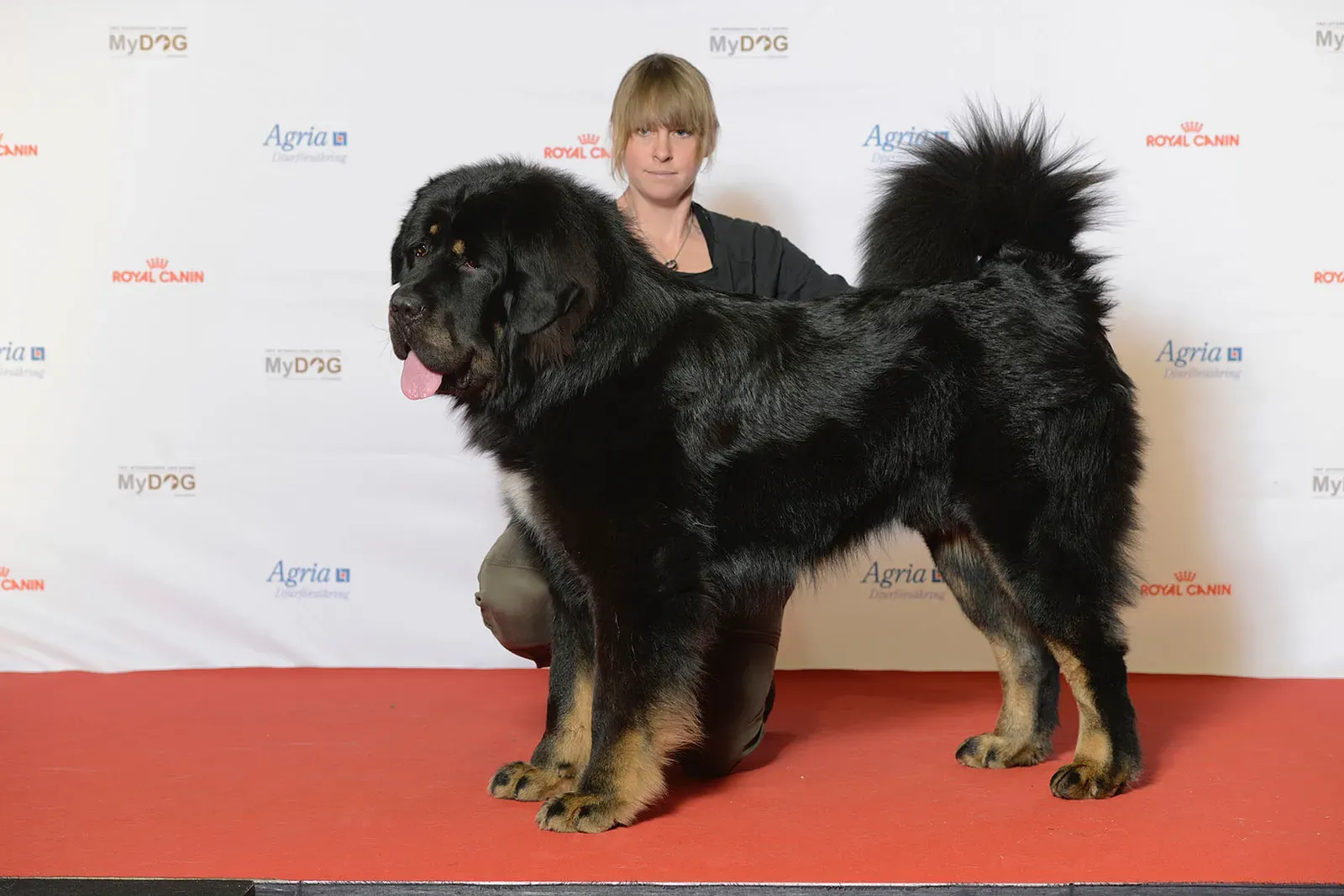
Mastiffs don’t need to bark to be taken seriously. Their sheer size and long history as guardians favored dogs that sized up a situation quietly before doing anything about it.
At home, that translates into a dog who tends to stay calm through routine comings and goings. A Mastiff typically vocalizes only when something truly seems to warrant it. Many owners say the dog’s silent stare at a visitor is more intimidating than any bark.
Proper socialization teaches them to tell a real event from an ordinary one. Mastiffs are sometimes overlooked in quiet-breed conversations because they look so imposing, yet their low-key reputation is well earned. Judging this breed by its size is the mistake.
But that’s nothing compared to what we found about #5…
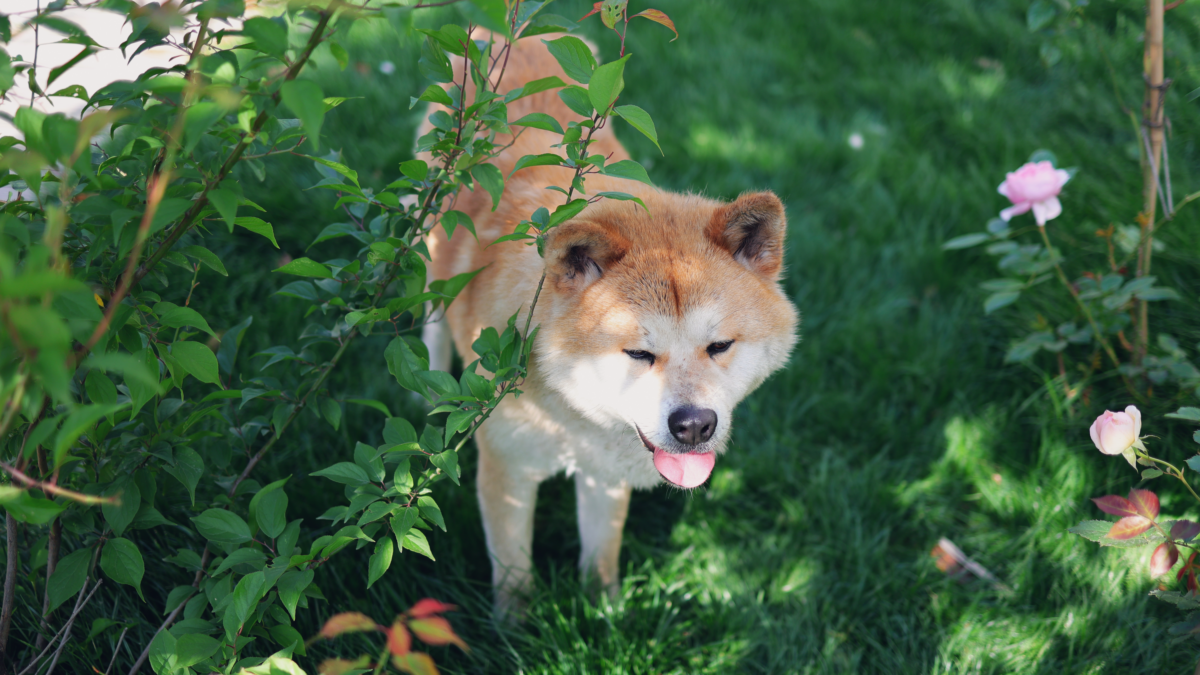
#5 – Akita: The Silent Guardian With a Famous Heart
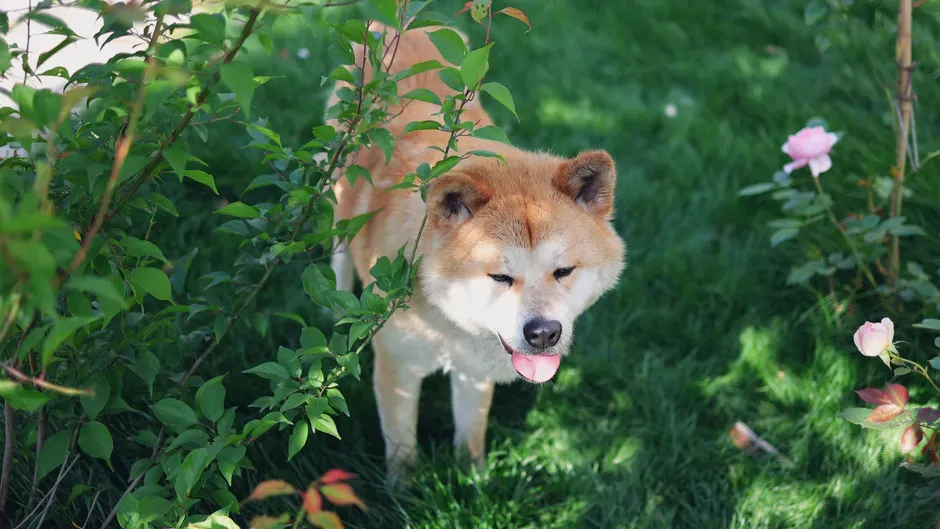
Akitas come from the mountains of Japan, where they were used to hunt large game and guard families. Dogs doing that work learned to be watchful and quiet instead of loud and distracting.
The breed’s reserved, independent personality fits that history. An Akita often studies a stranger for a long moment before reacting at all, and many owners describe a dog who stays silent through deliveries and new guests. When they do talk, it’s often a low grumble rather than a bark.
The most famous Akita in history, Hachiko, waited at a Tokyo train station for nearly ten years after his owner died. That quiet, steady loyalty is the breed’s whole personality in one story. It’s also why Akitas need experienced owners, because the same independence that keeps them quiet can make training a challenge.
Some protective lines can become vocal, so early socialization matters. Done right, the Akita is one of the quieter medium-to-large dogs you can find.
But that’s nothing compared to what we found about #4…
#4 – Borzoi: The Catlike Hound Who Barely Makes a Sound
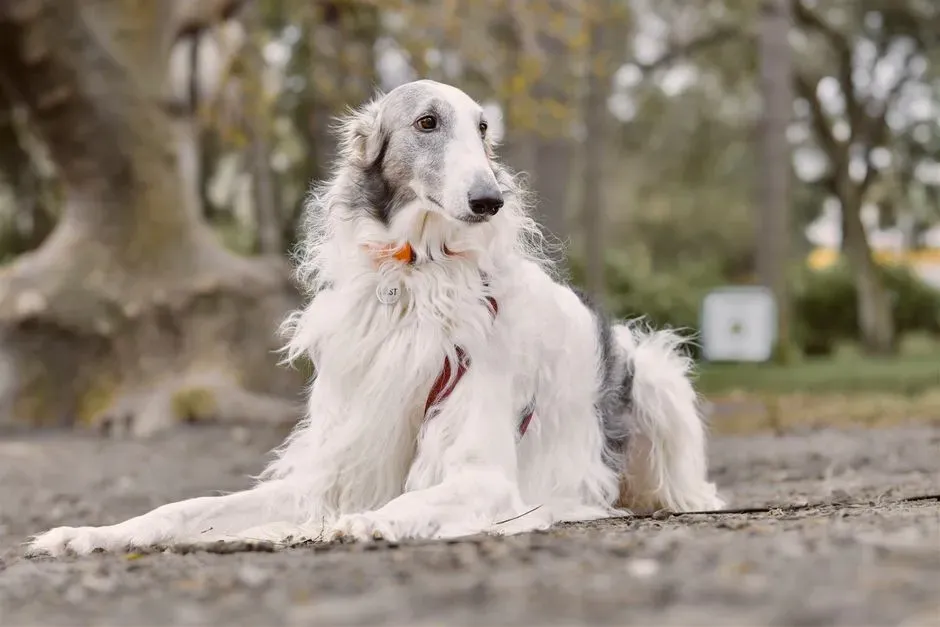
The Borzoi was bred in Russia to chase wolves across open ground, and it looks every bit the aristocrat. You’d expect a hound to be a noisy one. The Borzoi quietly proves that wrong.
Sighthounds hunt by sight and speed, not by baying and tracking scent, so stealth was part of the job. That instinct survives in living rooms today. A Borzoi can lounge for hours, rarely commenting on anything happening around it.
Gentle handling keeps this calm intact, because these are sensitive dogs who don’t respond well to harsh voices. In an apartment, a Borzoi can seem almost invisible, apart from the fact that it takes up an impressive amount of floor space. Just keep the leash firm outdoors, because that old chasing instinct is still very much alive.
Why It Stands Out
- Silent hunter heritage: bred to run down wolves by sight, not scent
- Size without the noise: males often reach 75 to 105 pounds
- Indoor manners: calm, graceful, and surprisingly low-key
- Sensitive soul: responds best to soft, patient handling
But that’s nothing compared to what we found about #3…
Air Purifiers for Home Pets Large Room Up to 3000 Ft²,HEPA Air Cleaner with Washable Double-Side Filter, PM2.5 Air Quality Monitor,15dB Sleep Mode for Bedroom Odor Dust Pollen,White
Check Price on AmazonAs an Amazon Associate, we earn from qualifying purchases.
10/8/2026 8:23 am GMTi

Smart Bird Feeder with Camera Solar Powered, 2K HD Live Video, 10,000+ Bird Species AI Identification
Check Price on AmazonAs an Amazon Associate, we earn from qualifying purchases.
10/7/2026 1:22 pm GMTi

Orthopedic Extra Large Dog Bed, Waterproof Washable XL Pet Bed 44"
Check Price on AmazonAs an Amazon Associate, we earn from qualifying purchases.
10/7/2026 1:32 pm GMTi

Hand Blown Glass Hummingbird Feeders for Outdoors Hanging, 24oz Wild Bird Nectar Feeder
Check Price on AmazonAs an Amazon Associate, we earn from qualifying purchases.
10/7/2026 1:23 pm GMTi

2 Pcs Halloween Pet Hat Bandana Set, Witch Pumpkin Costumes for Dogs
Check Price on AmazonAs an Amazon Associate, we earn from qualifying purchases.
10/9/2026 2:45 pm GMTi
#3 – Whippet: The Sprinter With an Off Switch
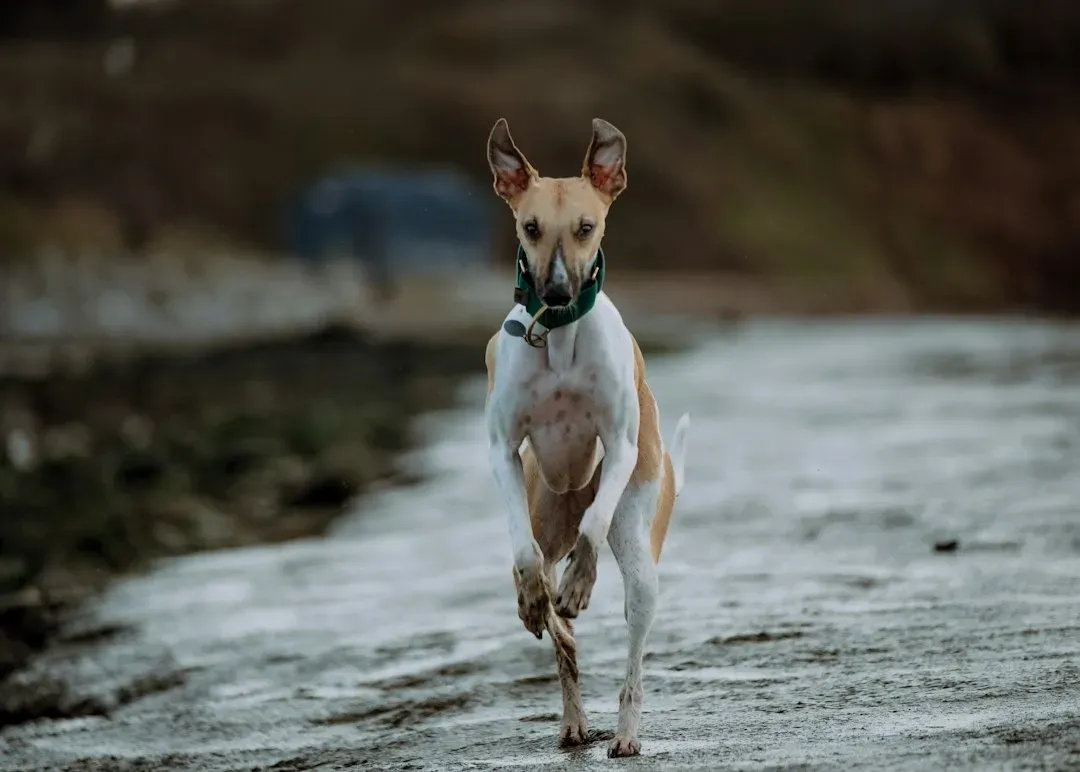
Nicknamed the “poor man’s racehorse,” the Whippet can hit speeds around 35 miles per hour, then curl up on the nearest cushion like nothing happened. That switch from sprint to snooze is the heart of why they’re so quiet.
Like their Greyhound relatives, Whippets spend their energy on running and rest, not on vocal alerts. They communicate through posture, ears, and those big, soulful eyes. In daily life, many owners barely hear them at all.
They may whine softly when excited or when something is missing from their routine, but full barking is rare, even around strangers. A short burst of structured play followed by a long rest tends to reinforce the low-noise pattern. Add a warm blanket, and you’ve got a very happy dog.
But that’s nothing compared to what we found about #2…
#2 – Greyhound: The World’s Fastest Couch Potato
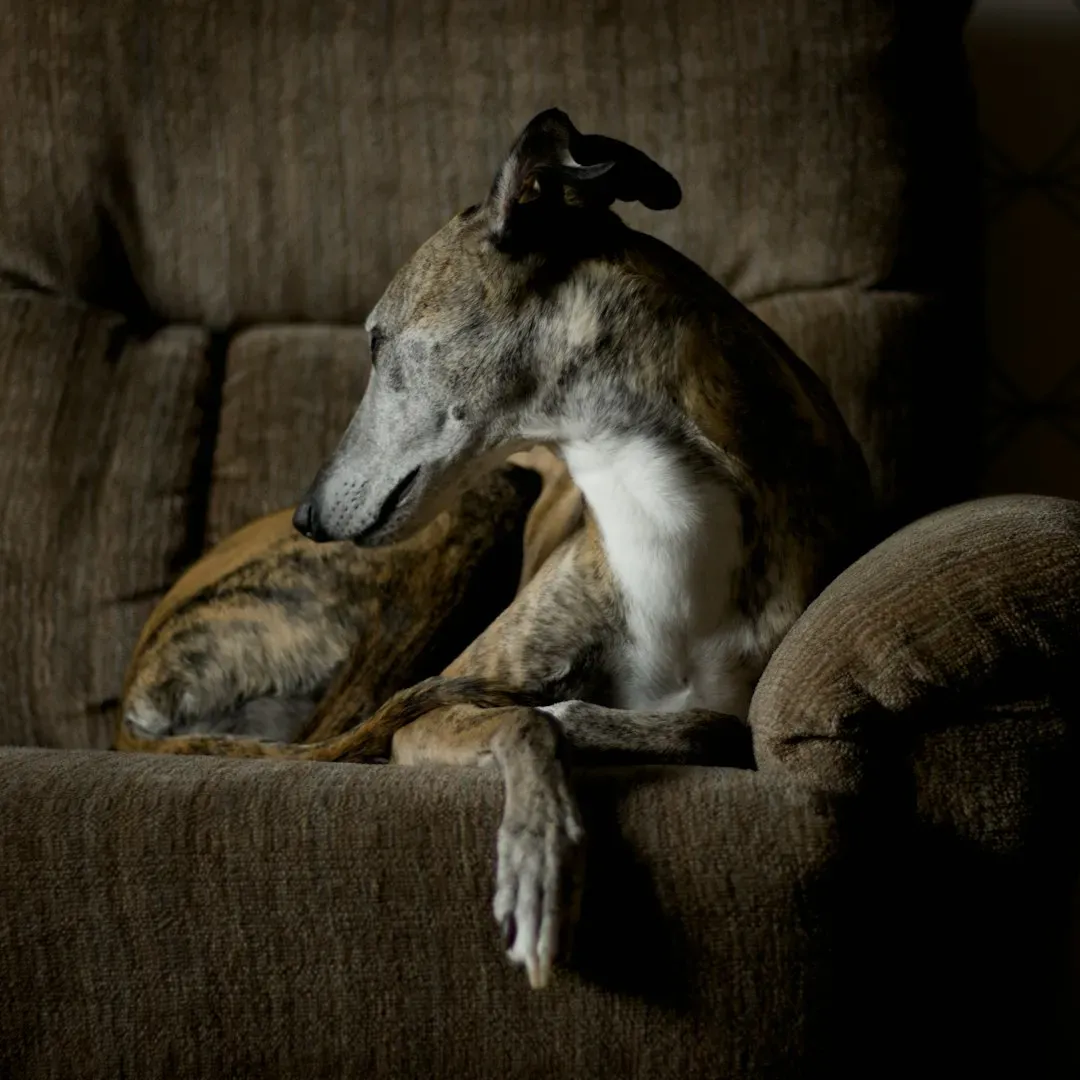
Greyhounds can reach roughly 40 miles per hour or more, yet most spend the bulk of their day asleep. Fans joke that they’re the fastest couch potatoes alive, and the joke holds up.
Racing history favored dogs that stayed calm and focused instead of barking at the track. That even temperament follows them home. Many retired racers settle into family life with almost no vocal issues, and adoption groups often point to their gentle, quiet manner as a big selling point.
They rarely bark at visitors or at random household noises. A new adopter’s biggest surprise is usually how little the dog does, not how much. Many retired racers have never seen stairs, glass doors, or a living room, so they take a little time to adjust.
- Energy: short sprints, then long naps
- Barking: uncommon in the home
- Watch out for: a strong chase instinct around small animals and open spaces
Individual dogs differ, but the Greyhound baseline makes it one of the least noisy large breeds you can bring home.
And now, the dog that tops the list for a reason no training can match…
Dog Stairs for Bed 18" H, 4-Step Dog Steps for High Bed
Check Price on AmazonAs an Amazon Associate, we earn from qualifying purchases.
10/9/2026 2:42 pm GMTi

Earth Rated XL Dog & Puppy Pee Pads, Discreet Top, Max Absorbency
Check Price on AmazonAs an Amazon Associate, we earn from qualifying purchases.
10/7/2026 1:28 pm GMTi

Glass Hummingbird Feeder for Outdoors Hanging, 16 oz Leak-Proof Nectar Feeder with Bee Guards & Ant Moat
Check Price on AmazonAs an Amazon Associate, we earn from qualifying purchases.
10/7/2026 1:22 pm GMTi

Portable Dog Water Bottle Foldable Dog Travel Water Bottle
Check Price on AmazonAs an Amazon Associate, we earn from qualifying purchases.
10/7/2026 1:29 pm GMTi
#1 – Basenji: The “Barkless” Hunter From Africa
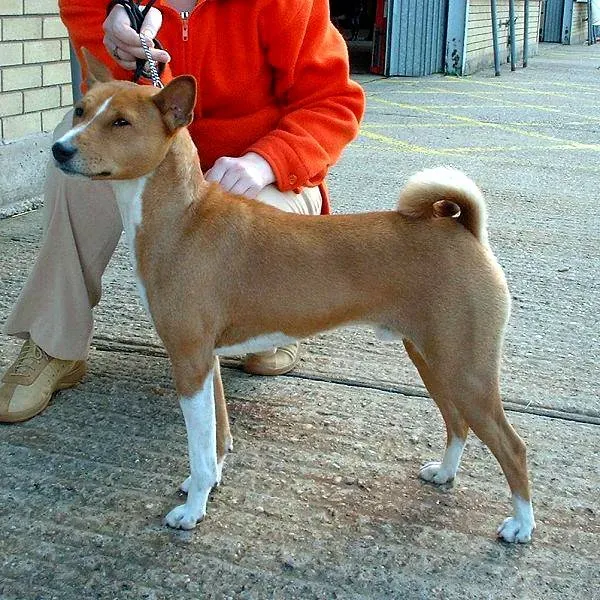
The Basenji is an ancient hunting breed from Central Africa, and it stands alone as the dog that almost never produces a traditional bark, even when strangers arrive at the door. Instead of barking, it may stay completely silent or offer a soft, yodel-like sound often described as a “baroo.”
The usual explanation points to the breed’s unusually shaped larynx, which changes the sound a Basenji can make. Add a hunting heritage that rewarded stealth, and you get a dog whose quiet has nothing to do with training. Owners frequently report days or even weeks going by without a single vocalization.
That doesn’t mean Basenjis are mute. They can whine, chortle, and, when truly upset, let out a piercing scream. They also communicate through body language, from wrinkled foreheads to curled tails, which owners learn to read fast.
- Sounds they make: yodel-like “baroo,” chortles, whines, and the occasional scream
- Personality: independent, curious, and catlike
- Challenge: a strong will and a talent for escaping
Early socialization and plenty of mental enrichment keep any alternative noises appropriate. A bored Basenji is a creative Basenji, and that usually means trouble for your furniture, not your eardrums.
Here’s my take: the biggest myth in this whole conversation is that size decides how loud a dog is. It doesn’t. Breeding purpose does, and the ranking proves it, with giants, racers, and royal companions all beating the yappy small-dog stereotype.
If I had to pick one dog for a typical household that wants peace, I’d lean toward the Greyhound over the Basenji. The Basenji wins on pure silence, but its escape-artist streak and stubborn independence make it a tougher match for beginners. The Greyhound gives you most of the quiet with a lot less drama.
No dog is silent in every situation, and training, exercise, and a stable routine still shape the outcome. But starting with the right breed gives you a big head start. Did we skip a breed that deserves a spot on this list? Tell us in the comments.