

Think Texas, and you probably picture wide open spaces, blazing sun, and tough, hardworking folks who need equally tough companions. Choosing a dog in the Lone Star State isn’t just about picking something cute.
It’s about finding a breed that can handle brutal summer heat, endless acres of land, and maybe even lend a paw with livestock. Some dogs thrive in these conditions while others struggle just to survive. Whether you’ve got cattle that need herding or hogs that need handling, there’s a breed built specifically for the job.
Let’s dive into the best canine companions that were practically made for Texas living.
Australian Cattle Dog: The Tireless Ranch Worker
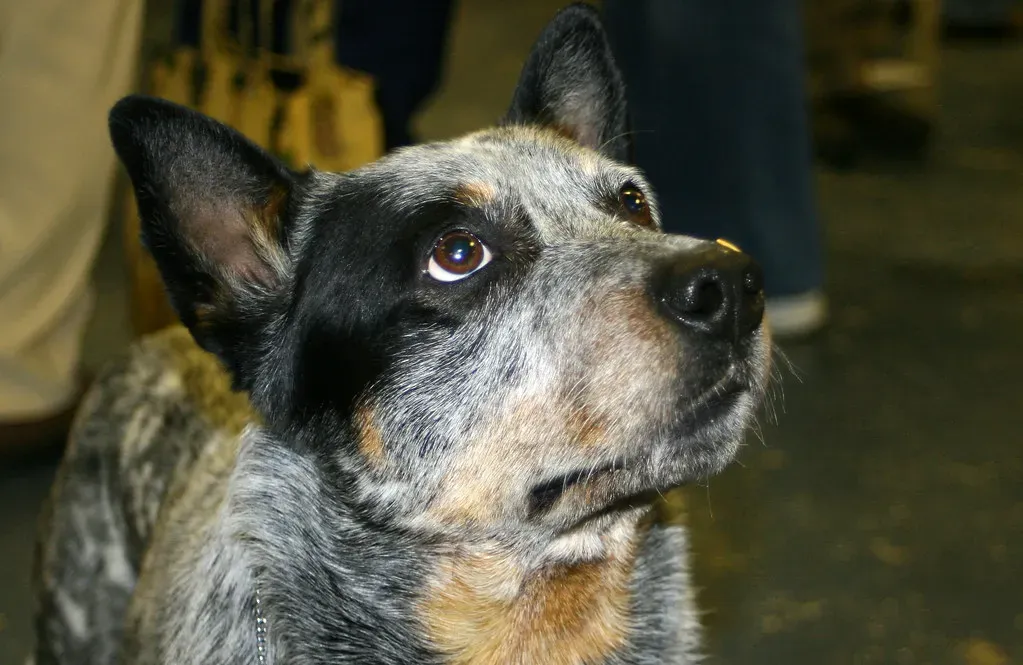
Hailing from hot weather Australia, the Australian Cattle Dog is related to the Dingo in the outback and is accustomed to working in hot weather, bred for herding livestock in harsh Australian conditions with a strong work ethic that can handle the Texas heat. These dogs aren’t just heat tolerant, they’re practically built for it. This Herding Group member is born with a short double white coat that turns gray or red.
Australian Cattle Dogs, better known as “heelers,” are a staple for livestock owners and handlers, compact and built for a hard day’s work around the ranch or out on the summer range. They’ve got powerful herding instincts. They are known for their ability to quickly nip the heels of livestock. If you’ve ever watched one work, it’s honestly kind of mesmerizing how they control cattle that outweigh them by hundreds of pounds.
Let’s be real, these aren’t couch potatoes. Australian cattle dogs like to work despite the heat and Airedales’ wiry coat is thin, allowing heat to escape. Here’s the thing though: they need a job to do. Without work or intense exercise, they’ll find their own entertainment, and you probably won’t like their choices. These dogs are very loyal and just as willing to take a drive in the truck as they are to herd cows.
Bred for endurance in hot, arid environments, Australian cattle dogs are perfect for active owners, and though they do require a lot of physical activity, their coats help dissipate heat, making them well-suited for warm climates. If you’re running a working ranch with acres to cover and livestock to manage, a Cattle Dog might just become your best hired hand. I think one thing people underestimate is just how intelligent these dogs are.
Border Collie: The Intelligent Herding Master
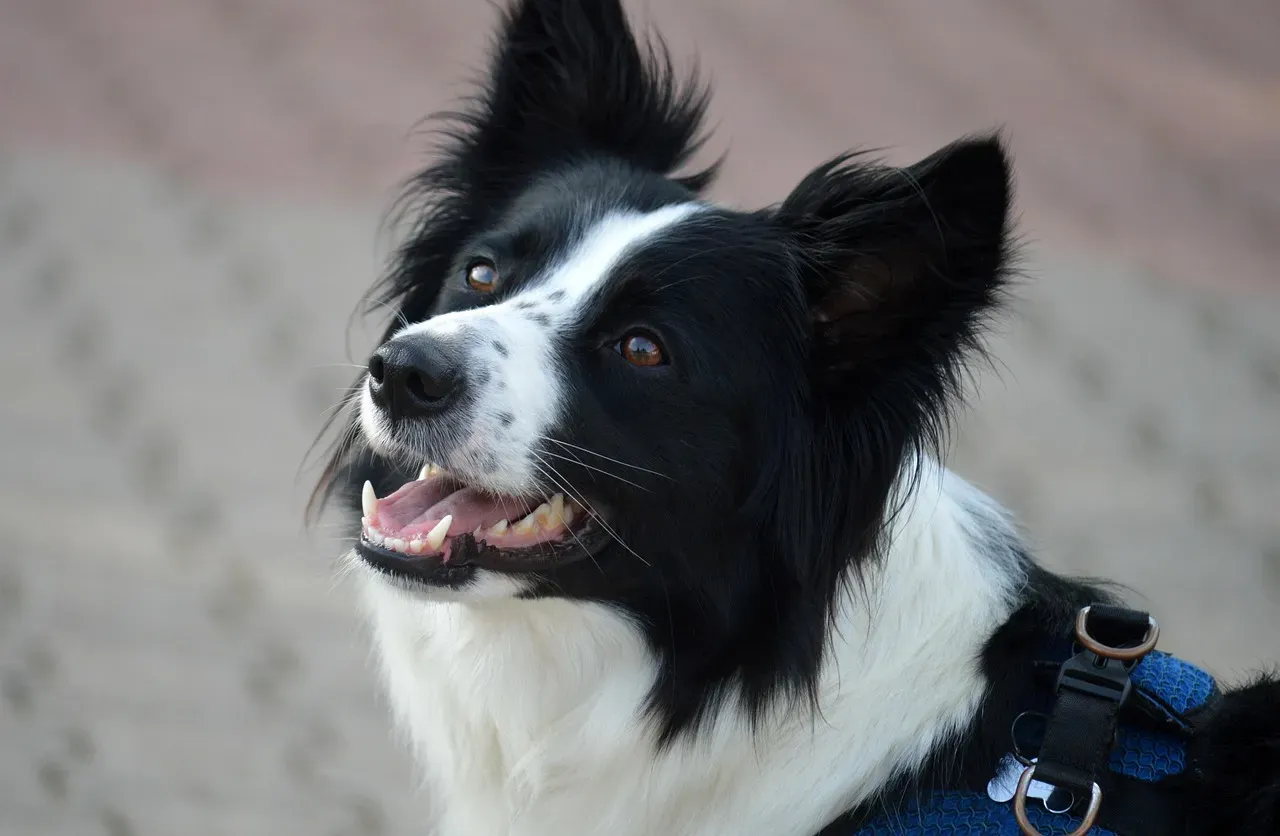
Border collies are one of the smartest breeds and thrive in warm climates. These dogs are basically canine geniuses. Give them a complex task and they’ll figure it out faster than most people would. Border Collies are a common breed used on many farms and ranches, extremely intelligent with a high energy drive and need to work, gentle family members but quick and witty when moving livestock.
The catch? They’re very energetic and need room to run, so they don’t make great apartment pets. Space is non-negotiable with these dogs. They were bred to cover vast distances herding sheep across Scottish highlands, so a suburban backyard just won’t cut it. Texas ranches, though? Perfect.
Border Collies are a common breed used on many farms and ranches, extremely intelligent with a high energy drive and need to work, gentle family members but quick and witty when moving livestock. They learn commands ridiculously fast. These dogs are quick learners and willing to please, and whether you need a buddy to run to town with or a fleet-footed partner moving the livestock, your border collie will be there.
This dog is a cross of four breeds: Border Collie; Catahoula; Kelpie; and Australian Shepherd, and Hangin Tree Cowdogs were developed with the following attributes in mind: short or slick haired with a thick, hardy bone structure to withstand extreme temperatures and environments. Border Collies themselves can handle the Texas heat well enough, especially with proper water access and shade. They’re working dogs through and through, happiest when they have sheep to move or cattle to gather.
Blue Lacy: Texas’ Very Own Breed
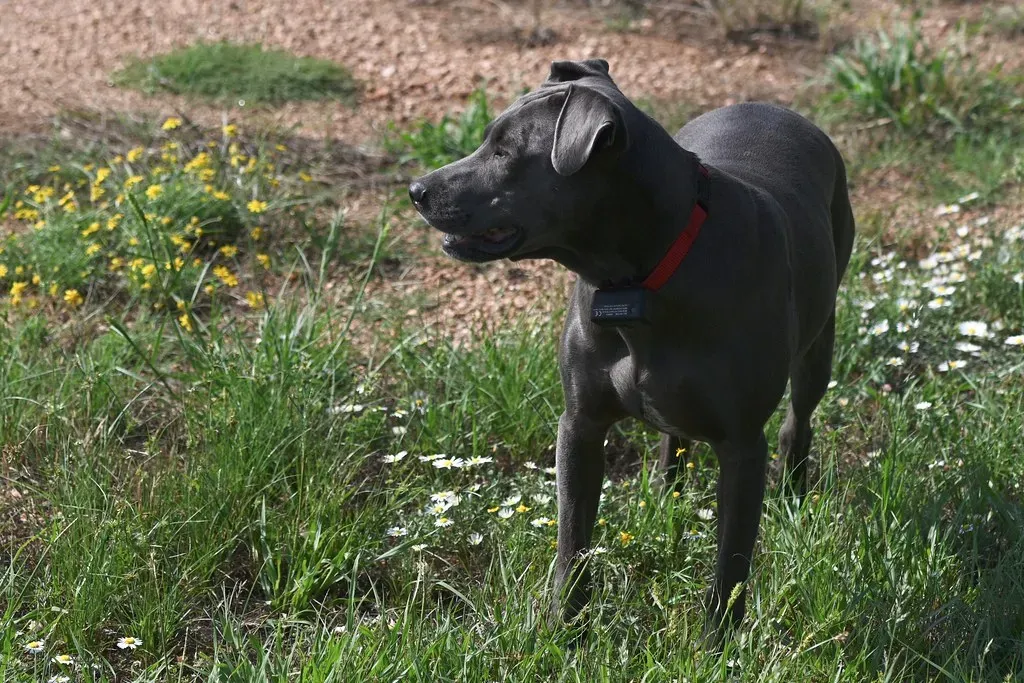
The Blue Lacy, the only dog to originate in Texas, is an energetic, hard-working breed that was brought up on a Burnet County ranch under the supervision of a historic Central Texas family. If any dog understands Texas, it’s this one. The Blue Lacy is the only recognized dog breed developed in Texas, and was created specifically to serve Texas ranchers, with Texas history documenting over a century of Blue Lacys as working dogs on Texas farms and ranches.
The Lacys’ ranching operation included raising free-range cattle and hogs, with hogs fueled by a rich diet of acorns and berries multiplying among the miles of unfenced land like mice in a grain bin, and moving cattle and hogs to market in the mid-19th century was a labor-intensive operation accomplished on horseback with the help of dogs. These dogs weren’t bred for show rings or lap sitting. They had serious work to do.
It takes a gritty, aggressive dog to confront an angry boar, and the Lacy brothers needed a dog that was tough enough to handle the job, beginning with a mix of greyhound – a breed that trails by sight – and scent hound for superior tracking ability. The result is a dog that can track, herd, and hunt. They are powerful dogs with a surprising intelligence that convinces that they are capable of reasoning, and it’s a common saying that one Blue Lacy can do the work of five mounted cowboys.
Blue Lacy numbers have steadily increased, and the recent explosion of Texas’ feral hog population has also helped boost the dogs’ popularity as hunting companions. If you’re dealing with Texas’ notorious wild hog problem, a Blue Lacy might be exactly what you need. They’re built for the heat, bred for the terrain, and understand the job instinctively.
Catahoula Leopard Dog: The Southern Stockdog
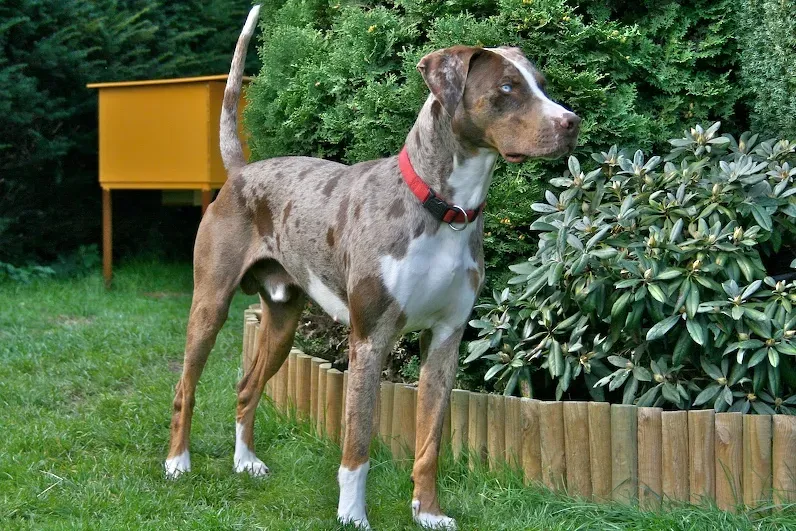
The Catahoula Leopard Dog, originally from the southern United States, is known for its endurance and adaptability, loyal, protective, and can tolerate warm climates. These dogs are striking to look at with their unique coat patterns and sometimes eerie blue eyes. Catahoula Leopard Dogs or just “catahoulas” are smart and athletic canines that have found success in a great variety of jobs including that of stock dogs, agile with great endurance and a keen hound-like sense of smell that helps them seek out and hold livestock for their handlers.
Here’s what makes them special for ranch work: they can handle multiple types of livestock. They are serious about their work and easy to train but very affectionate at home, and as long as these dogs have a job, they are happy and willing. Give a Catahoula something to do and you’ll have a content, loyal companion.
This dog is a cross of four breeds: Border Collie; Catahoula; Kelpie; and Australian Shepherd, and Hangin Tree Cowdogs were developed with the following attributes in mind: short or slick haired with a thick, hardy bone structure to withstand extreme temperatures and environments. Catahoulas bring that Southern toughness and adaptability to any operation. They were developed in Louisiana, so sweltering heat and humidity? They’re used to it.
These dogs aren’t for everyone, though. They need experienced handlers who understand working breeds. But if you’ve got the land and the livestock, a Catahoula can be an absolute game-changer on your property. I know some ranchers who swear they wouldn’t use any other breed.
Great Pyrenees: The Gentle Giant Guardian
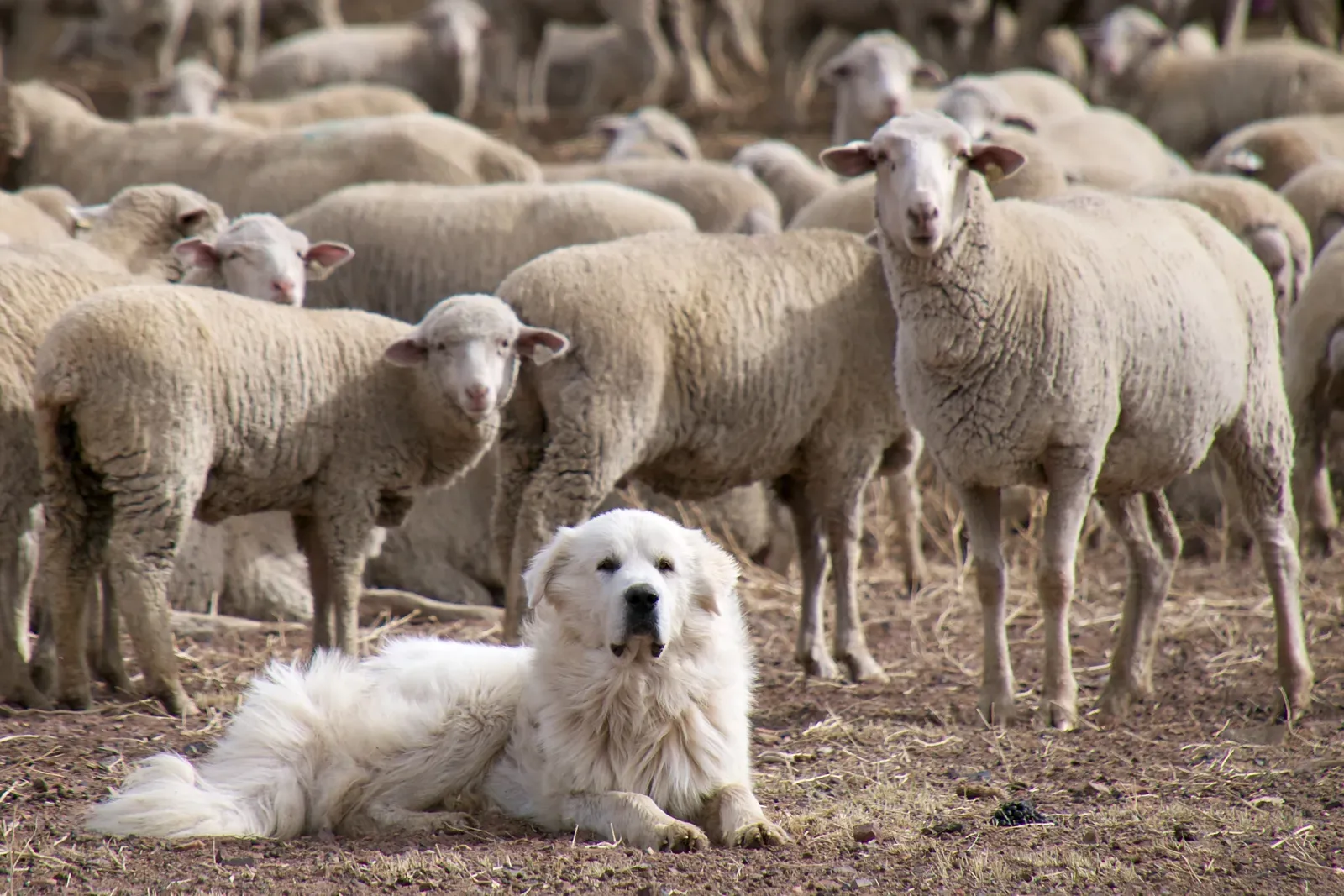
Originating from the Pyrenees Mountains between France and Spain, the Great Pyrenees is one of the most popular and recognizable breeds of livestock guardian dogs, considered to be quite gentle with people and goats and sheep alike, typically sporting a solid white coat that can also have patches of gray or tan, making them the most recognizable as the “big white dog” LGD breed. These massive, fluffy white dogs are what most people picture when they think of livestock guardians.
Like many livestock guardians, the Great Pyrenees was bred to be an independent thinker, and is thus able to guard livestock without human supervision or direction. That means they make decisions on their own about threats. They’re also nocturnal, so they can protect your herd all night. This is hugely valuable when you’ve got predators roaming after dark.
Now, I’ll be honest: their thick coat might seem like a problem in Texas heat. Dogs that are too large suffer more from the heat, therefore they are used exclusively in the colder regions and in mountain pastures, while livestock guardian dogs working with the herds in hot areas are lighter in bone and shorter. Still, with proper shade, water, and care, many Texas ranchers successfully keep Pyrenees.
Given this breed’s function as a livestock guardian, companion owners should keep in mind that this dog will naturally look for some guarding activity as a source of employment, however, they are known for their gentle nature, especially with their families, and it is not uncommon to see a Pyr working as a therapy dog. They’re protective without being aggressive, which makes them excellent around children and families.
Anatolian Shepherd: The Serious Protector
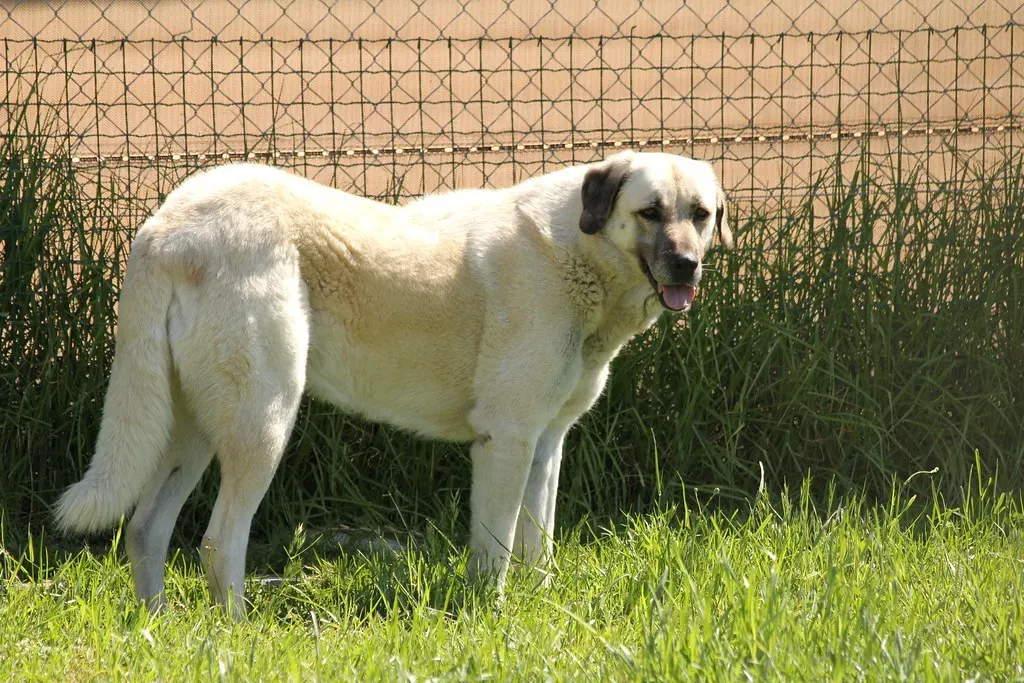
Anatolians are large dogs that are still used today to guard sheep and other livestock, and the breed’s temperament reflects this function, with the AKC breed standard stating that an Anatolian Shepherd Dog should be loyal, independent, and reserved, possessing great endurance, speed, and agility, highly intelligent, courageous, adaptable, instinctively protective, and territorial. These are not casual family pets. They’re serious working dogs with serious guarding instincts.
Originating from Turkey, the Anatolian Shepherd dog is recognizable by its curly tail, short-haired yellowish-brown coat, and black face “mask,” and here in the U.S. they’re often used to guard cattle on large swaths of pasture or open ranges. Texas ranches with hundreds or thousands of acres? That’s Anatolian territory. These dogs were bred to work independently across vast landscapes.
Some of the most common breeds used in Idaho include Great Pyrenees, Akbash and Anatolian Shepherds, and some of the most common breeds used in Idaho include Great Pyrenees, Akbash and Anatolian Shepherds, with ranchers investing a lot of time into training the dogs. The training is crucial because these dogs make independent decisions. Unsocialized Anatolians have been known to become too protective and aggressive toward other dogs, so early socialization is key.
In all farms, where, in the absence of dogs, up to two hundred attacks of wolves per year happened, not a single sheep was lost under the protection of LGDs, and at the same time, none of the predators protected by law got killed: the dogs simply did not allow them to approach the herd. That’s the kind of protection Anatolians provide. If you’re dealing with serious predator pressure from coyotes, wild hogs, or even mountain lions, an Anatolian Shepherd is worth considering. They’re intimidating enough that most predators won’t even try.
Conclusion
Finding the right dog for Texas land isn’t about picking the most popular breed or the cutest puppy. It’s about matching the dog’s natural abilities and heat tolerance to your specific needs. Whether you need a herding dog like the Australian Cattle Dog or Border Collie, a uniquely Texan breed like the Blue Lacy, or a protective guardian like the Great Pyrenees or Anatolian Shepherd, there’s a perfect match out there.
The Texas climate demands dogs with short coats, efficient cooling systems, and the stamina to work in brutal conditions. Open land and livestock operations require intelligence, independence, and strong working instincts. These breeds have proven themselves across generations of Texas ranchers, and they’ll continue doing so for generations to come.
What matters most is giving these working breeds the space, purpose, and respect they deserve. They’re not just pets; they’re partners in managing your land and protecting your livelihood. So which breed sounds right for your Texas home? Think about your land, your livestock, and your lifestyle, then make the choice that works best for everyone involved.
