
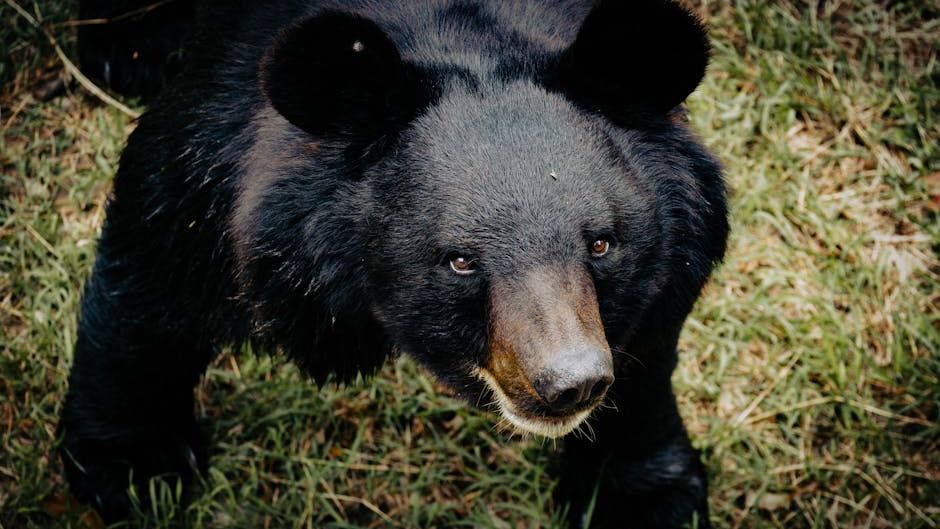
There’s something quietly remarkable happening in the forests of southern Missouri. Trail cameras are catching glimpses of bears that, a century ago, most naturalists believed were gone for good. The black bear, once a fixture of the Ozarks, came so close to disappearing from the state that wildlife officials in the early twentieth century essentially wrote them off.
The story of how they came back isn’t dramatic in the way most wildlife comeback stories are told. There was no single grand rescue effort in Missouri itself. The recovery unfolded gradually, driven by decisions made across a state line, patient forest regrowth, and a species that turned out to be far more resilient than anyone gave it credit for.
How Missouri Lost Its Bears in the First Place
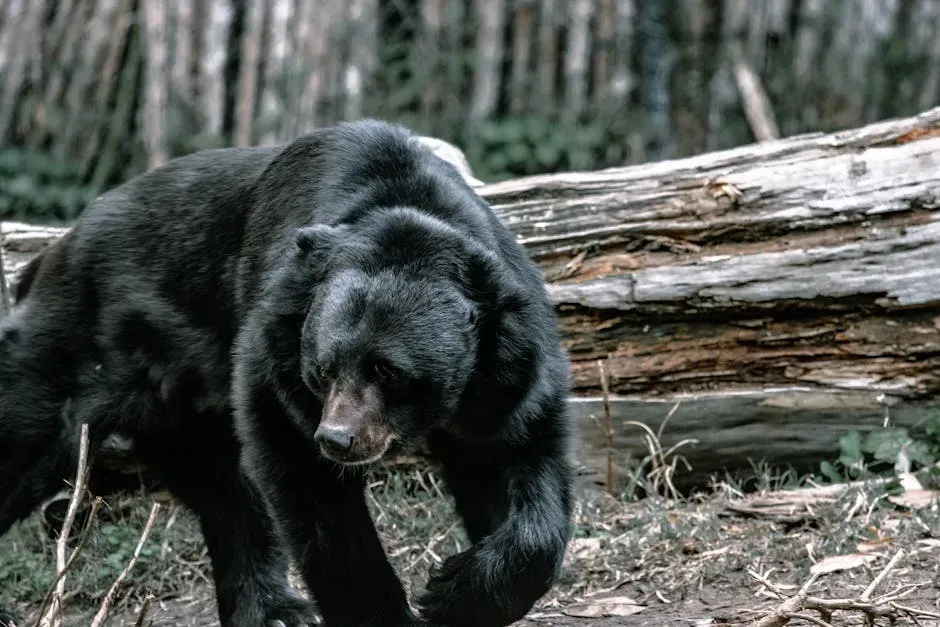
Black bears used to be abundant in Missouri but had become rare by 1850. By 1931, they were thought to have been entirely extirpated. The cause wasn’t mysterious.
Black bears are native to Missouri, once thriving in the forests of the Show Me State. By the late 1800s, logging and hunting had almost wiped the bears from the state, and the animals were rarely spotted.
High bag numbers combined with logging and homestead clearing in the Ozarks stressed black bears to their limit. Timber clearing ramped up dramatically in the 1880s, and by 1890, an animal hardy enough to survive in the Alaskan subarctic and the Floridian subtropics was believed to be extinct in Missouri outside the Bootheel.
In the low, remote swamplands of southeast Missouri, they held on into the 1920s, until the Great Mississippi Flood of 1927 effectively ended that last refuge. It was a slow-motion disappearance that took decades, fueled by both deliberate hunting and the wholesale destruction of the habitat bears needed to survive.
The Arkansas Connection That Changed Everything
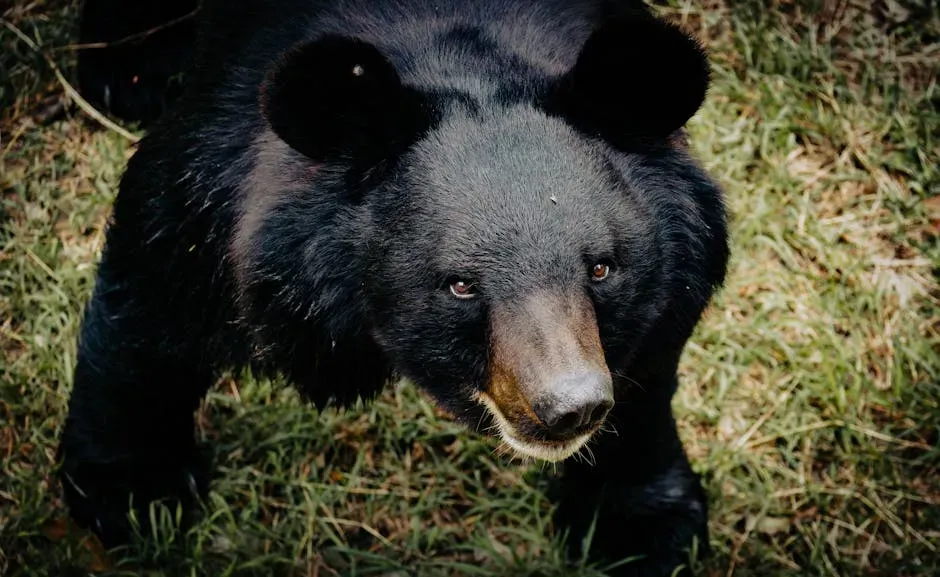
In the 1960s, Arkansas worked to restore their bear population by shipping in bears from Minnesota and Canada. Some of those animals went north, gradually increasing Missouri’s bear population. This is the pivotal moment in the story, even if it happened quietly and across state lines.
In the 1960s, the Arkansas Game and Fish Commission captured and released 254 black bears from Minnesota and Manitoba, Canada, in the Ozark and Ouachita mountain ranges. It was one of the more ambitious wildlife restoration projects of that era in the American South.
Following successful restoration efforts in nearby Arkansas and Oklahoma, black bears began to naturally immigrate back into the Ozarks of southern Missouri. Nobody had to haul bears into Missouri. The population simply rebuilt itself, animal by animal, pushing northward as the forest recovered and pressure eased.
Bear reintroduction in the Ozark Plateau, especially in Arkansas, is considered one of the most successful large carnivore reintroductions in the world. That success is now showing up on Missouri’s trail cameras, and increasingly, in suburban neighborhoods far from the Ozarks.
How Many Bears Are in Missouri Today
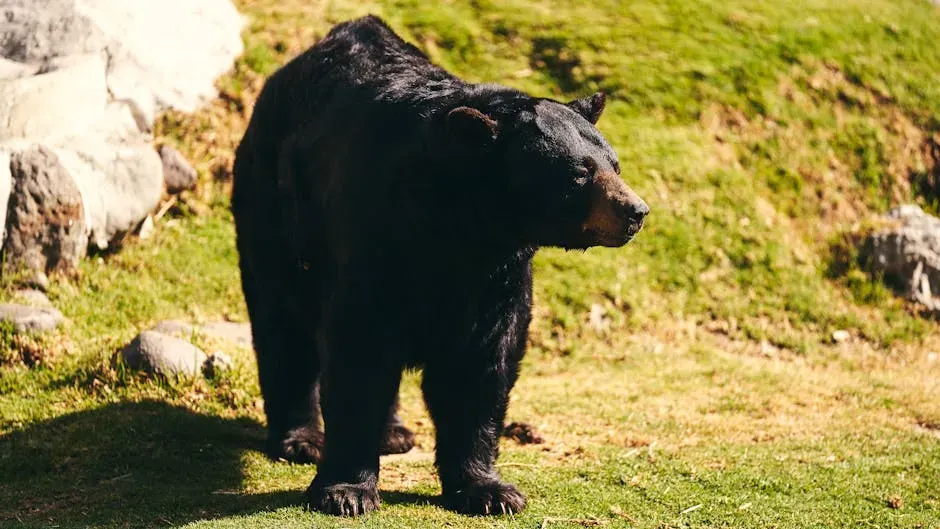
Missouri now has a population of about 900 to 1,000 black bears, up from about 300 in 2010. That kind of growth, more than tripling in roughly fifteen years, is not something wildlife managers take for granted.
Research shows Missouri’s bear population is growing at a rate of about 9 percent per year, which means it could double in a decade. At that pace, the state’s bear landscape will look considerably different by the mid-2030s than it does today.
In 2024 alone, the Missouri Department of Conservation received 372 bear reports in 70 counties. That’s not a handful of remote Ozark sightings. It reflects a population spreading into parts of the state where residents haven’t seen a bear in their lifetimes, if ever.
Most Missouri bears live just south of Interstate 44, which represents their core range, but as the population continues to grow, bears have started to inhabit new areas of the state. Recent sightings have been reported in the St. Louis area and southern Illinois, signaling an increasing bear population across the broader region.
The Science and the Management Behind the Recovery
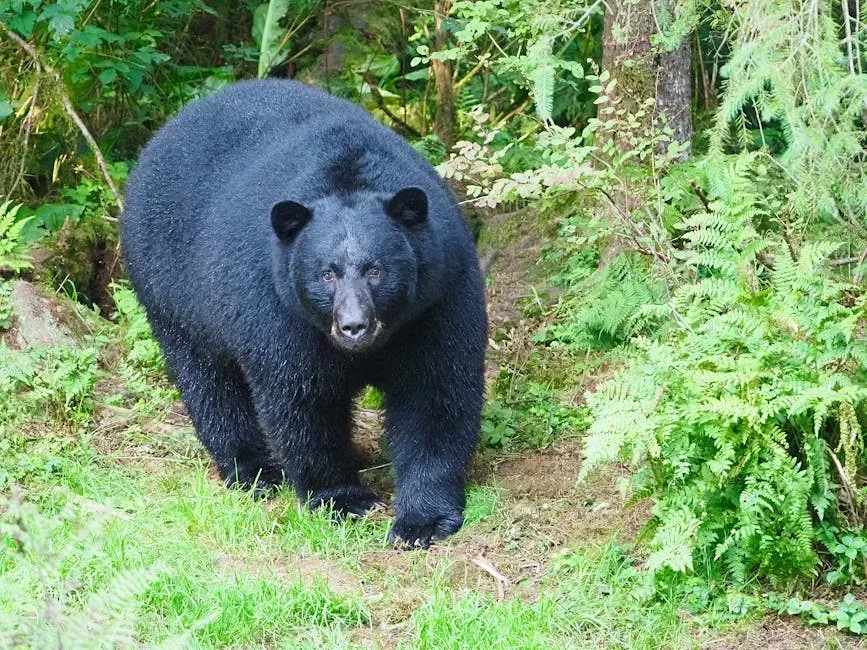
Missouri’s Black Bear Hair Snare study and collaring study were started in 2010. These studies have allowed for better understanding and tracking of the bear population. Before that formal research framework was in place, estimates were rough and population trends were largely guesswork.
Citizen science reports, coupled with population and habitat research, help illustrate the adaptability and range expansion that is occurring as bears recolonize parts of Missouri. Everyday residents filing sighting reports have become an important layer of the data picture.
The presence of a black bear hunting season is a testament to conservation efforts bringing the animal back from the brink of being extirpated from the state in the early 1900s. The Missouri Department of Conservation reports hunters harvested 15 black bears during the state’s fourth bear hunting season in October 2024. More than 5,969 hunters applied during May for just 400 permits for the season.
Around 5,250 hunters applied for hunting permits in the most recent season, but the state only offers a maximum of 600 each season. Of those randomly chosen applicants, 487 hunters purchased permits. The demand far outstrips the available slots, a reflection of how culturally significant the bear’s return has become in the state.
Living Alongside a Growing Bear Population
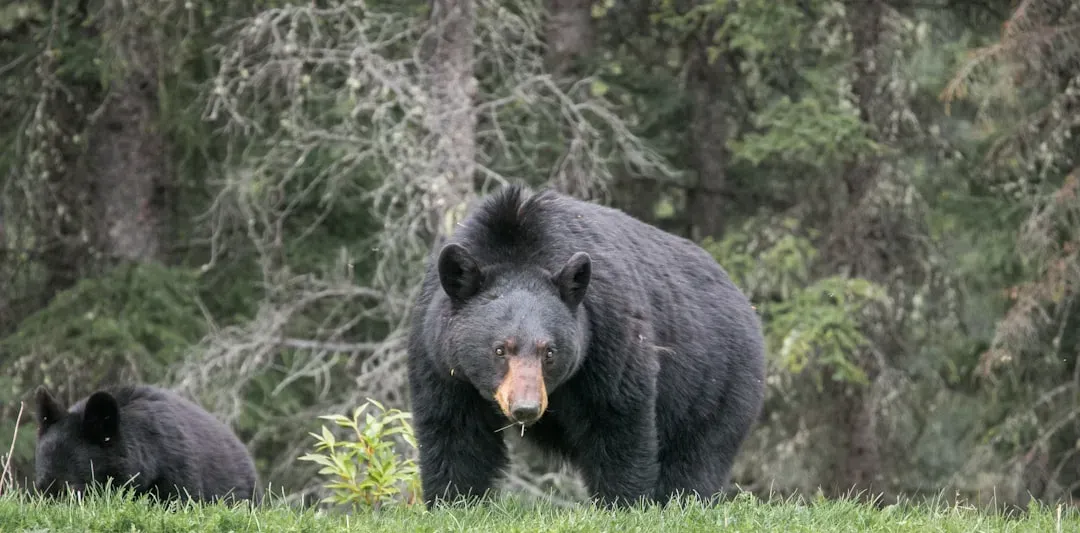
Most problems people have with bears come when bears raid garbage cans, bird feeders, campgrounds, or other areas where humans have provided food sources like bird feed, garbage in unsecured trash cans, pet food, or cattle feed. The conflict isn’t really about bears being aggressive. It’s about opportunity.
If a bear visits an area and is rewarded with food, it is almost certain to return. On these return trips, bears can cause substantial damage to buildings, trailers, vehicles, and any other structure that gets in their way of finding food.
Some bears are covering remarkable distances as they expand their range. One tracked black bear traveled 27 miles in just two days. That kind of mobility means a bear spotted in a suburban yard near St. Louis may have started its journey deep in the Ozarks.
The recovery and growth of Missouri’s black bear population demonstrates the success of conservation efforts, but also presents new challenges as the adaptable animals may start to use more fragmented or marginal habitats. Managing that next phase of expansion, where forest gives way to farmland and suburbs, will require ongoing coordination between wildlife agencies, landowners, and the public.
Conclusion
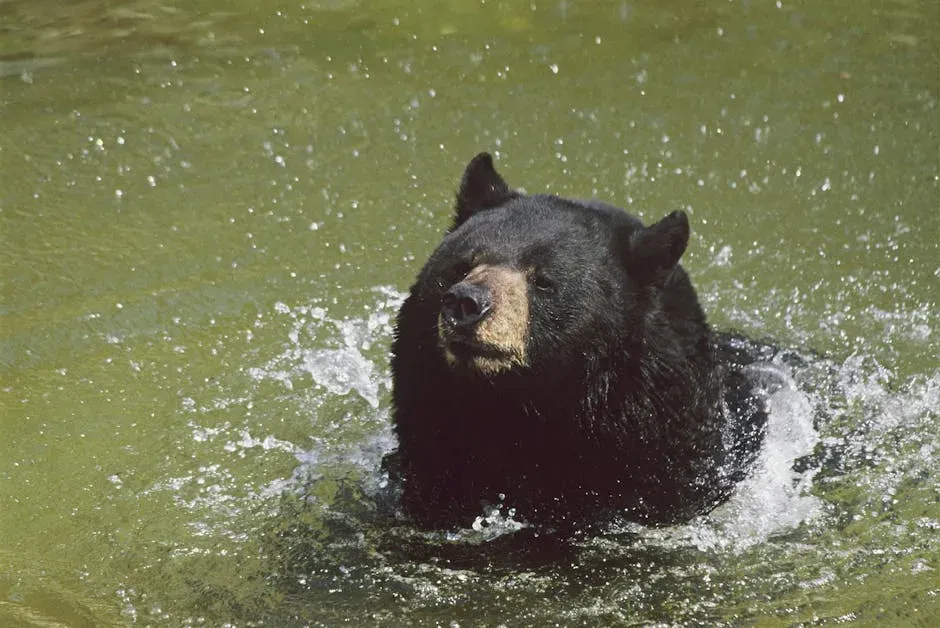
Missouri’s black bear recovery is, by most measures, a genuine conservation success. A species that was effectively written off a century ago now numbers in the thousands and is actively reclaiming territory it lost to logging axes and unregulated hunting.
From anomaly to a normality, that’s the journey black bears have traveled in many parts of southern Missouri. Evidence shows black bear numbers are growing and range is expanding in the state, which provides proof that the species is becoming firmly established.
What makes the Missouri story worth paying attention to isn’t just the numbers. It’s the reminder that wildlife can surprise us. Given enough time, restored habitat, and a reduction in pressure, a species can come back on its own terms. The bears didn’t wait for permission. They simply walked north, one generation at a time, until they were home again.
