
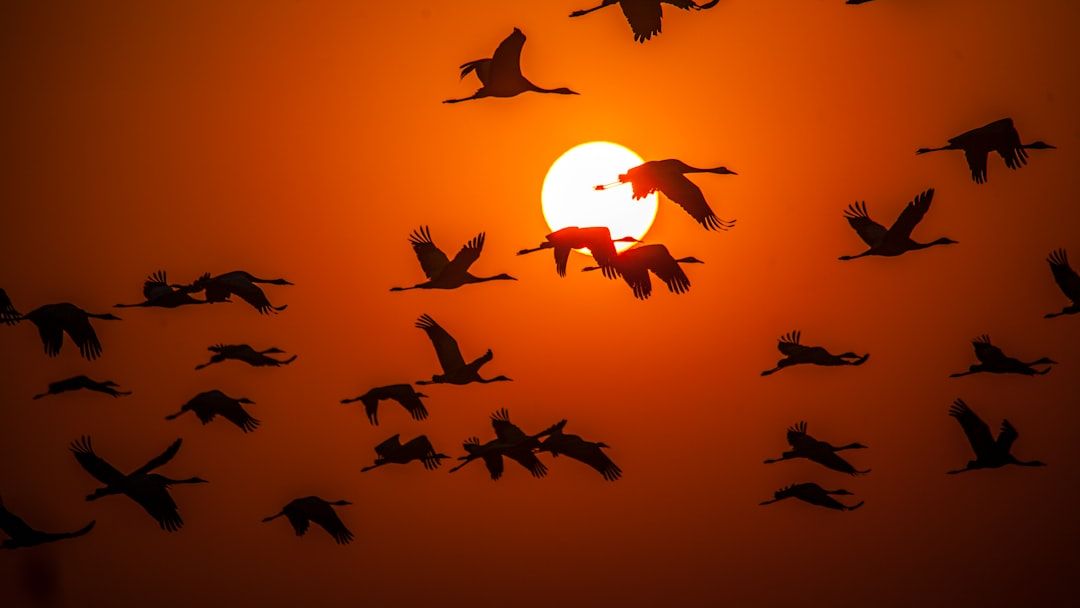
There’s something quietly unsettling about watching a bird that you’ve always associated with a particular place simply stop showing up there. No dramatic disappearance, no sudden warning. Just an absence where there once was a presence. Across America, this is exactly what scientists are documenting as a warming planet rewrites the rules of where birds live, breed, and raise their young.
The shifts aren’t trivial. A 2024 study found that the most densely populated parts of birds’ ranges have already shifted an average of 51 miles north since 1966, across 209 North American species. That’s not a blip. That’s a continent reorganizing itself, one species at a time.
The Great Northward Push
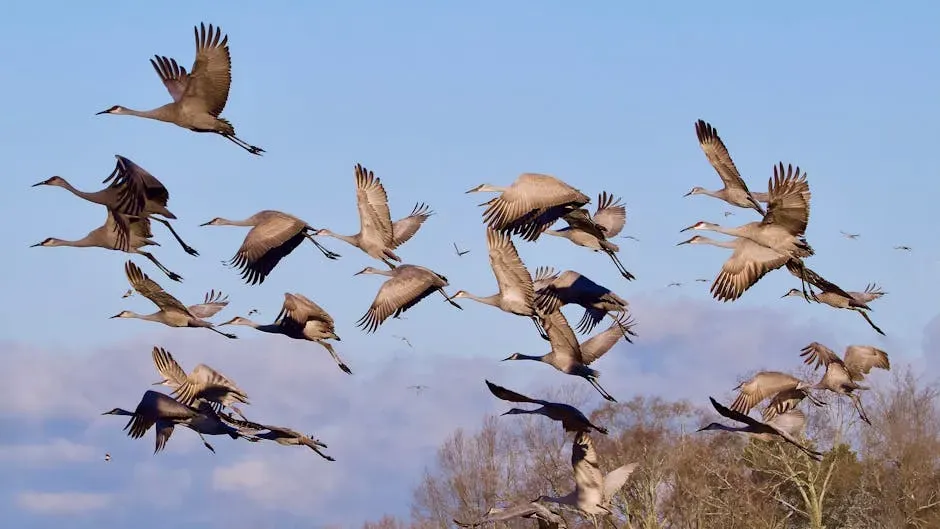
Rising temperatures are forcing some birds to shift their ranges poleward or upslope, and migratory birds are changing the timing of their journeys to their breeding grounds. It’s a pattern playing out across virtually every region of the country, from the Gulf Coast to the Great Lakes.
The most rapid shifts have occurred among species in the western U.S., as their historical breeding grounds rapidly warm and birds make changes to find temperatures suitable for their prey and their habitat. In mountainous zones, the adjustment is vertical rather than horizontal. In addition to moving poleward, bird species near mountains shift to the cooler climate of higher elevations.
As North America heats up due to climate change, animals are responding in three primary ways: moving north, heading to higher elevations, and making phenological changes – adjusting annual cycles such as when they breed. Still, they’re not adapting far or fast enough to keep pace with climate change. That gap between what birds can do and what the climate demands of them is where the real danger lives.
Familiar Birds in Unfamiliar Places
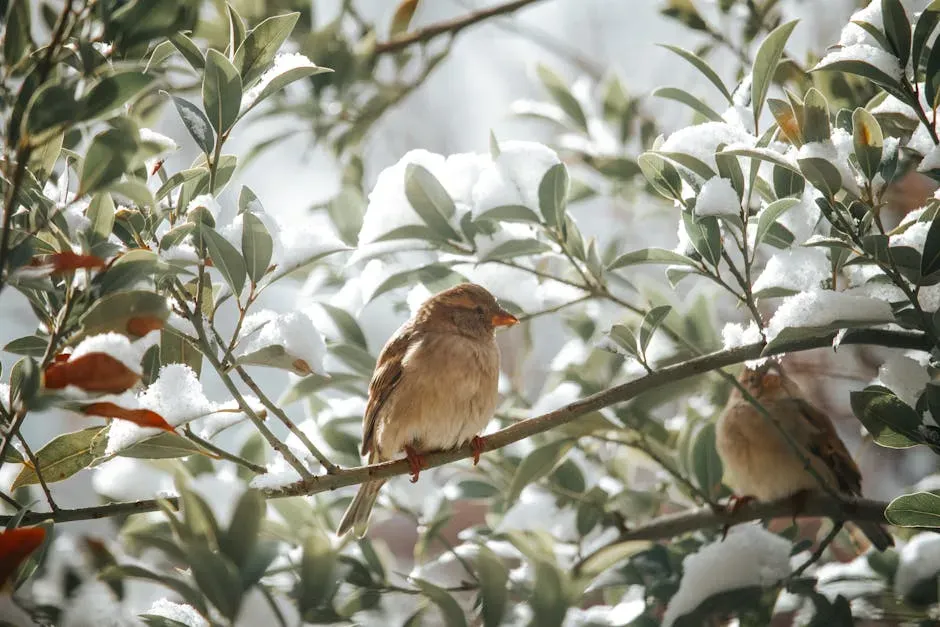
Climate change is happening faster than at any other time in evolutionary history, and much of U.S. land is developed or agricultural, not hospitable for wildlife. Audubon’s research serves an important reminder that climate change is not only affecting rare or endangered bird species, but is affecting the iconic and familiar birds that represent our states.
The species at risk aren’t obscure rarities. They’re birds most Americans recognize immediately. With 3°C of global warming, the Red-headed Woodpecker could face a 94% range loss, mostly in the South, Southeast, and Ohio Valley; the Mountain Bluebird could see a 53% range loss in the Western U.S.; and the American Robin could face a 23% range loss, mostly in the Northern Rockies and Plains, Southwest, and Ohio Valley.
The bald eagle, iconic to the United States and significant in many Native American religions, may lose up to 75% of its current summer range by 2080 under high-emissions scenarios. That’s not a projection drawn from worst-case imagination. It’s a figure grounded in current climate modeling, and it speaks to how deeply this transformation could cut into America’s natural identity.
When Timing Becomes the Problem
Range shifts get most of the attention, but there’s another, subtler crisis unfolding. Climate change brings on a phenological mismatch: birds’ arrival on their breeding grounds may no longer match up with the emergence of vital plants or insects. Nesting success depends on timing, and that timing is increasingly out of sync.
Migratory birds face particular challenges because their migration timing is controlled by day length in wintering areas rather than temperature, making it difficult to synchronize with temperature-dependent food availability in breeding areas. A bird that arrives on schedule by the sun’s calendar may find that the insects it needs to feed its chicks have already peaked and faded.
On average, birds are advancing their breeding dates by about 0.08 of a day per year. To make up for a change of one degree Celsius, they start breeding a day sooner instead of moving 1,000 kilometers to the north or rising a few hundred meters in elevation. It’s a clever short-term workaround, but research suggests it only covers roughly a third of the adjustment that climate change is demanding.
Coastal and Grassland Nesters Face Compounded Threats
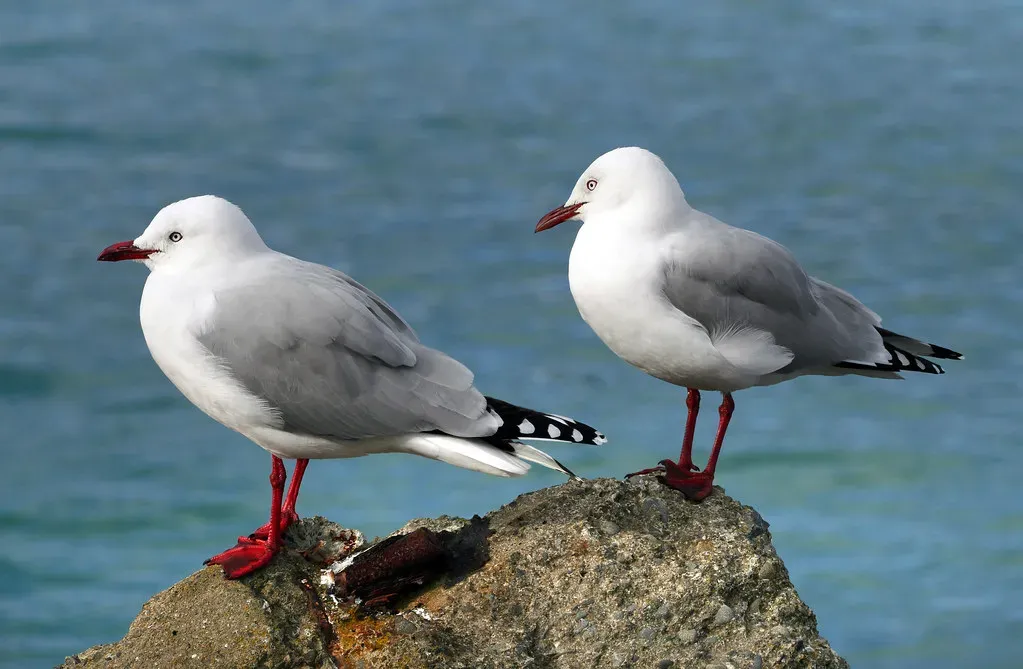
Heavy rain can dislodge nests and flood burrows, killing baby birds or leaving them vulnerable to predators. Sea level rise is likely to inundate sites that shore-nesting birds use to reproduce and can negatively impact wetlands and marshes that act as nurseries for wading birds and waterfowl.
Shorebirds nest in sand, and the coastal populations of least terns and piping plovers are already known to suffer from sand temperatures increasing and at times getting too hot, while desert birds can outright die of dehydration on unprecedentedly hot days. The heat isn’t only displacing birds. In some cases, it’s simply cooking their nests.
Changes to the distributions of bird populations are becoming increasingly common as climate change and habitat loss continue to alter environments at a global scale. Grassland habitats have been disproportionately impacted by these stressors, leading to unprecedented declines of grassland bird species. For ground-nesting birds of the American plains, there’s very little room left to maneuver.
What Hangs in the Balance and What Can Be Done
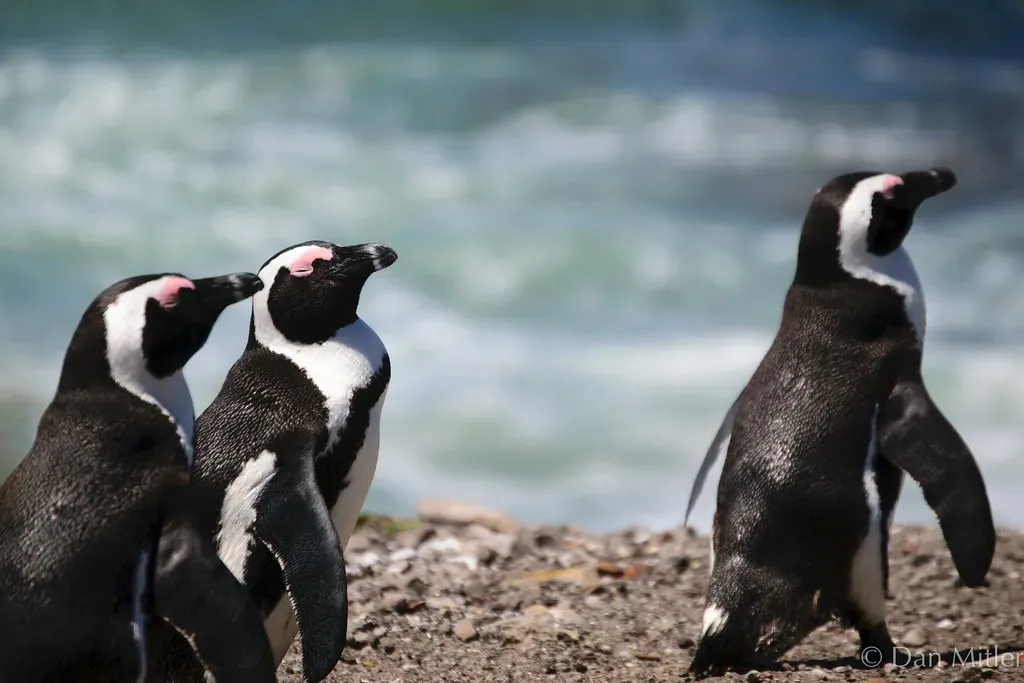
According to National Audubon’s climate report, two-thirds of North American birds are at increasing risk of extinction from global temperature rise. Audubon’s research found that 64 percent of North American bird species are moderately or highly vulnerable to climate change across both breeding and non-breeding seasons. Those numbers cover the full spectrum, from the birds that visit backyard feeders to the ones that define the wild character of entire landscapes.
By stabilizing carbon emissions and holding warming to 1.5°C above pre-industrial levels, 76 percent of vulnerable species will be better off, and nearly 150 species would no longer be vulnerable to extinction from climate change. The outcome isn’t fixed. The scale of the loss still depends significantly on the choices made in the coming years.
The most crucial goal for land stewards is to encourage large, genetically diverse bird populations through conservation planning that identifies land and species priorities and monitors the effectiveness of management strategies. It is key to protect areas that may be used during future shifts in migratory bird range, both seasonally and year-round. In practical terms, that means thinking not just about where birds are now, but where they’re going.
Conclusion
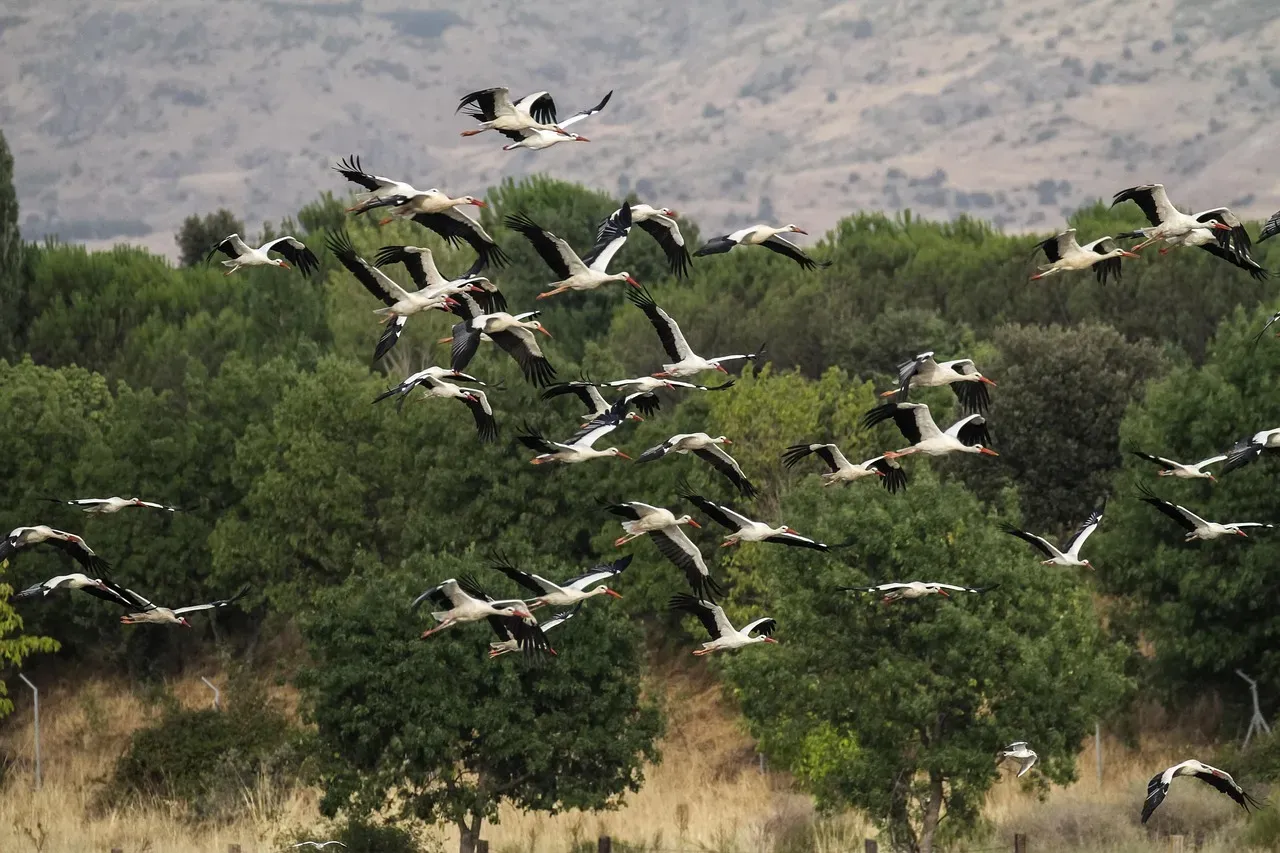
The nesting map of America is being quietly redrawn. Birds that generations of observers knew to expect in certain forests, marshes, and shorelines are recalibrating, following livable conditions northward or upward, or simply declining where they stand. Some will adapt. Others won’t find the room or the resources to make the jump.
What the science makes clear is that this isn’t just an ecological story. It’s a story about place, and about what we lose when the creatures that define a landscape no longer feel at home there. The Red-headed Woodpecker disappearing from an Ohio woodland, the bald eagle retreating from its traditional summer range, the piping plover squeezed between rising tides and developed coastline – these are not abstractions.
The species that nest in America’s wild places serve as early, honest indicators of a system under stress. The question isn’t really whether the birds will move. They already are. The question is whether the places they move to will still exist when they arrive.
