
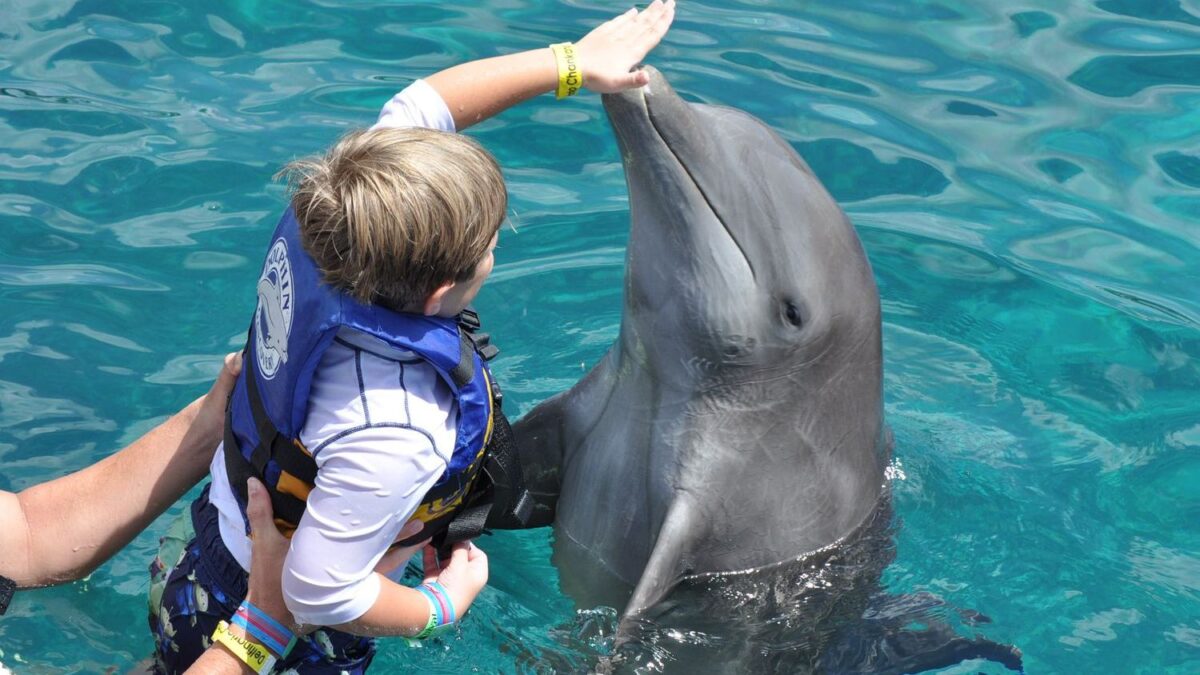
Picture yourself enjoying a peaceful swim in crystal clear waters when suddenly, you notice sleek forms darting beneath the surface around you. Your heart skips as you realize you’re surrounded by dolphins, but these aren’t the playful creatures from the movies. They’re moving with purpose, their behavior eerily reminiscent of wolves circling prey. The water seems to thicken around you as they form a living net, cutting off your escape routes one by one. Could you actually outmaneuver these marine masters if they decided to treat you like a school of fish?
This scenario might sound like something from a thriller, but dolphins regularly employ sophisticated herding tactics that would make any human swimmer think twice about their aquatic confidence. So let’s dive in and discover what marine experts say about your chances against these underwater strategists.
The Speed Game: Why Dolphins Hold All the Cards
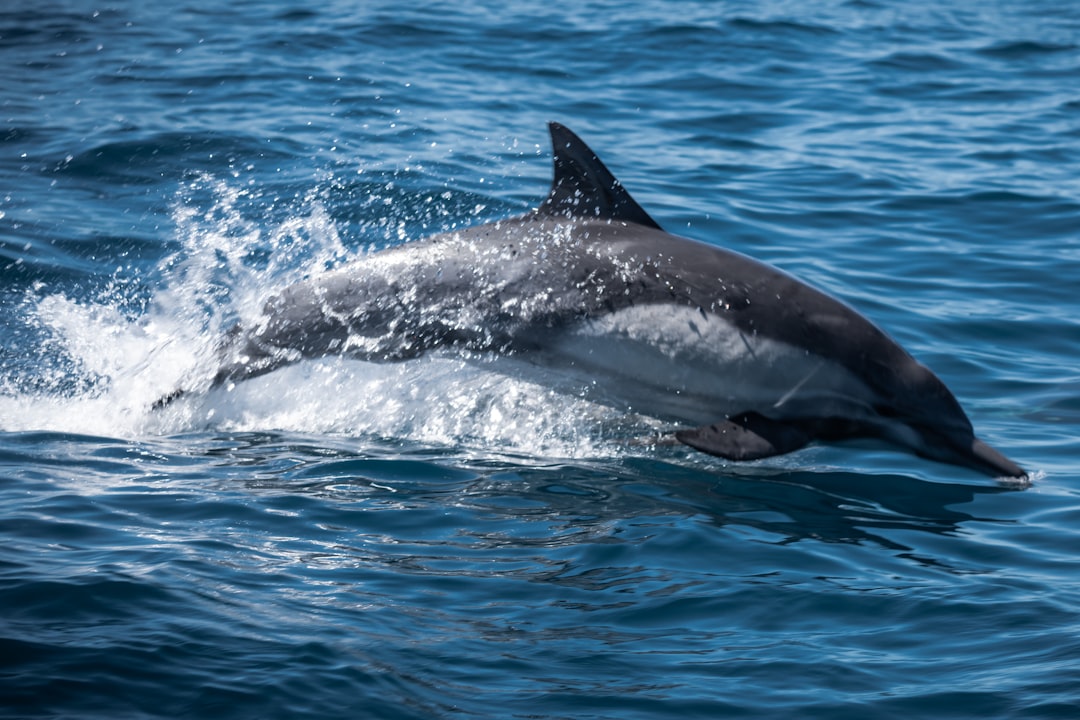
When it comes to a pure speed contest, humans don’t stand a chance against dolphins. Bottlenose dolphins can swim at speeds up to 35 kilometers per hour (22 miles per hour). For comparison, Olympic swimmer Michael Phelps reportedly can swim at about 9.6 kilometers per hour (6 miles per hour). This means even the world’s fastest human swimmer is roughly four times slower than a cruising dolphin.
The speed difference becomes even more staggering when dolphins kick into high gear. The common dolphin swims the fastest of any dolphin, with a top speed of 37mph. Orcas swim the second-fastest, with a top speed of 35mph. Meanwhile, calculations revealed that dolphins are incredibly strong – on the order of 10 times stronger than human swimmers.
Bottlenose dolphins routinely swim at speeds of 4.6 to 10.2 feet per second (3.14 to 6.95 miles/hour; 5.04 to 11.19 km/hour) with a mean speed of 4.9 to 5.6 f/s (3.34 to 3.82 miles/hour; 5.4 to 6.14 km/hour). Even at their leisurely pace, dolphins are moving faster than most humans can sprint through water.
Master Herders of the Ocean
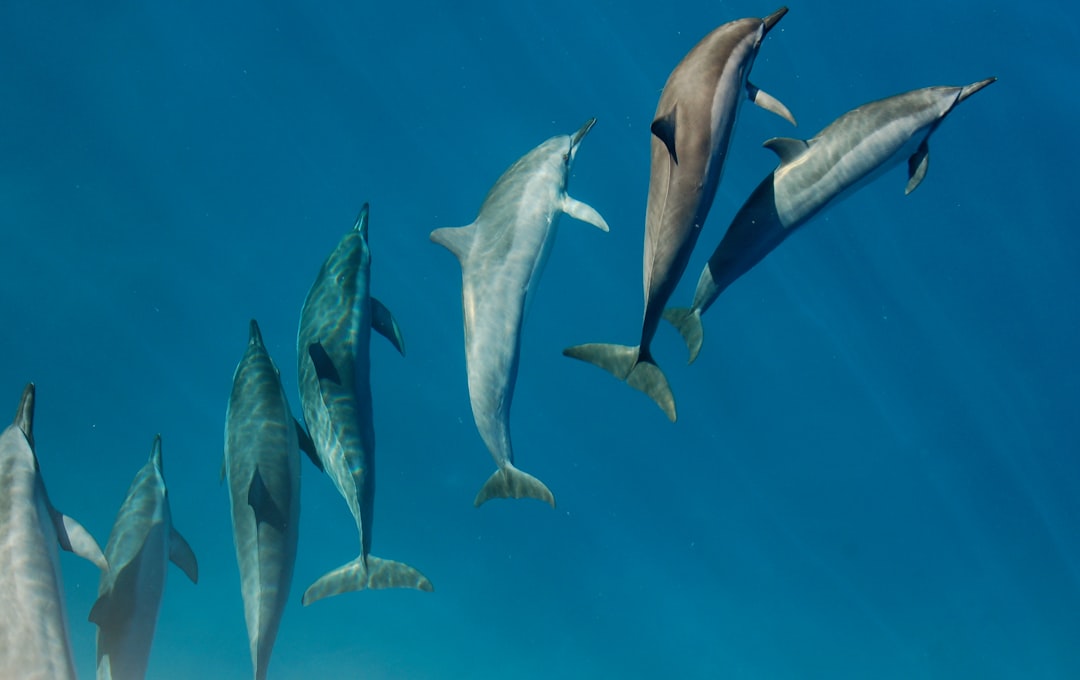
Dolphins don’t just rely on raw speed to control their environment. Dolphins often work together in groups to herd fish into tight balls, making them easier to catch. This cooperative hunting strategy involves precise coordination and tactical thinking that puts military formations to shame.
In Laguna, Brazil, common bottlenose dolphins herd fish toward the shore where fishermen stand waiting. With water up to their chests and their hands full of line, the fishers cast their nets at the precise moment when the dolphins approach. The dolphins have essentially turned humans into hunting partners, demonstrating their ability to manipulate behavior through positioning.
In each group, one dolphin herds fish toward the other two to five dolphins, which line up their bodies to make a wall. As fish jump from the water, the “driver” surfaces alongside the “barrier” dolphins to snatch fish from midair. This level of tactical coordination shows how dolphins can control movement patterns with military precision.
The Echolocation Advantage
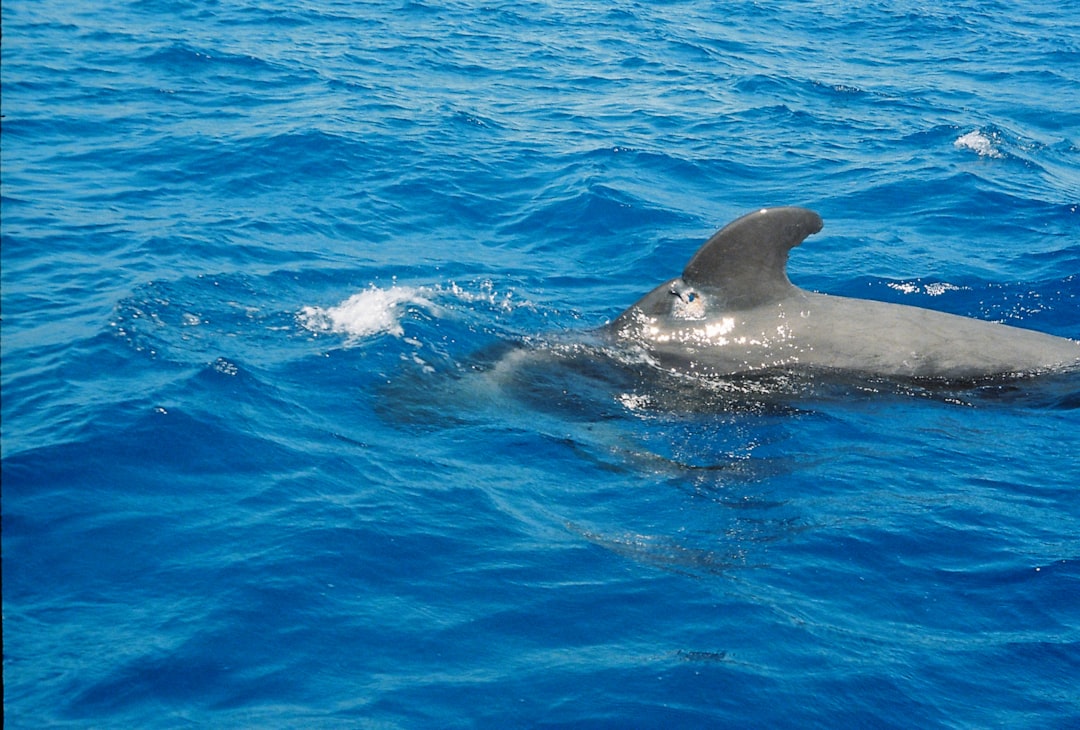
Humans rely primarily on vision underwater, but dolphins possess a biological sonar system that makes them nearly omniscient in their aquatic domain. They have the ability to echolocate with a series of clicks, allowing them to find other dolphins or similar species and prey even in the low-light conditions of the ocean.
This echolocation ability is so sophisticated that dolphin echolocation allows them to detect surgically implanted metal in swimming humans. The human body is comprised of about 75% water, and once in the water, we provide a prime structure for echolocation. They can literally see inside you, detecting your every movement and position with startling accuracy.
Elephants, which communicate with infrasound, have an impressive hearing range but are still outmatched by the dolphins’ precision in detecting high-frequency sounds underwater. This super-hearing allows dolphins to detect and track prey with incredible accuracy, even differentiating between objects as small as a golf ball and a ping-pong ball based on density.
Tactical Formation Swimming
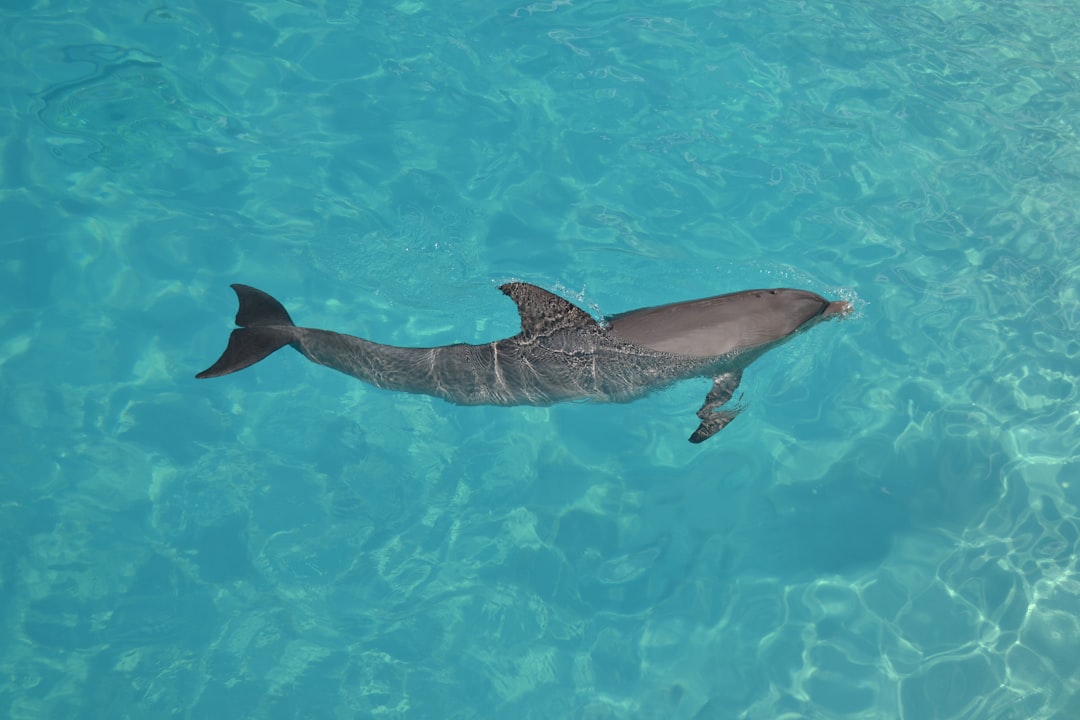
Herding behaviors most often involved dolphins swimming around the side or under prey balls, but dolphins in Argentina more often swam under prey balls (48% of passes) than did dolphins in NZ (34% of passes). This shows how dolphins adapt their herding strategies based on environmental conditions and prey behavior.
The sophistication of their formations is remarkable. Gazda has observed at least two more dolphin groups using the driver-and-barrier method. Like the original groups, these dolphins also specialize as either quarterbacks or receivers, so to speak. Each dolphin has a specific role, much like players on a sports team.
Synchronous swimming with one or more partners is often described as an affiliative behavior in bottlenose dolphins. These behaviors may involve tactile interactions and could facilitate social learnings of prey capture. Their coordinated movements aren’t just instinctive; they’re learned behaviors passed down through generations.
Your Body Language Gives You Away
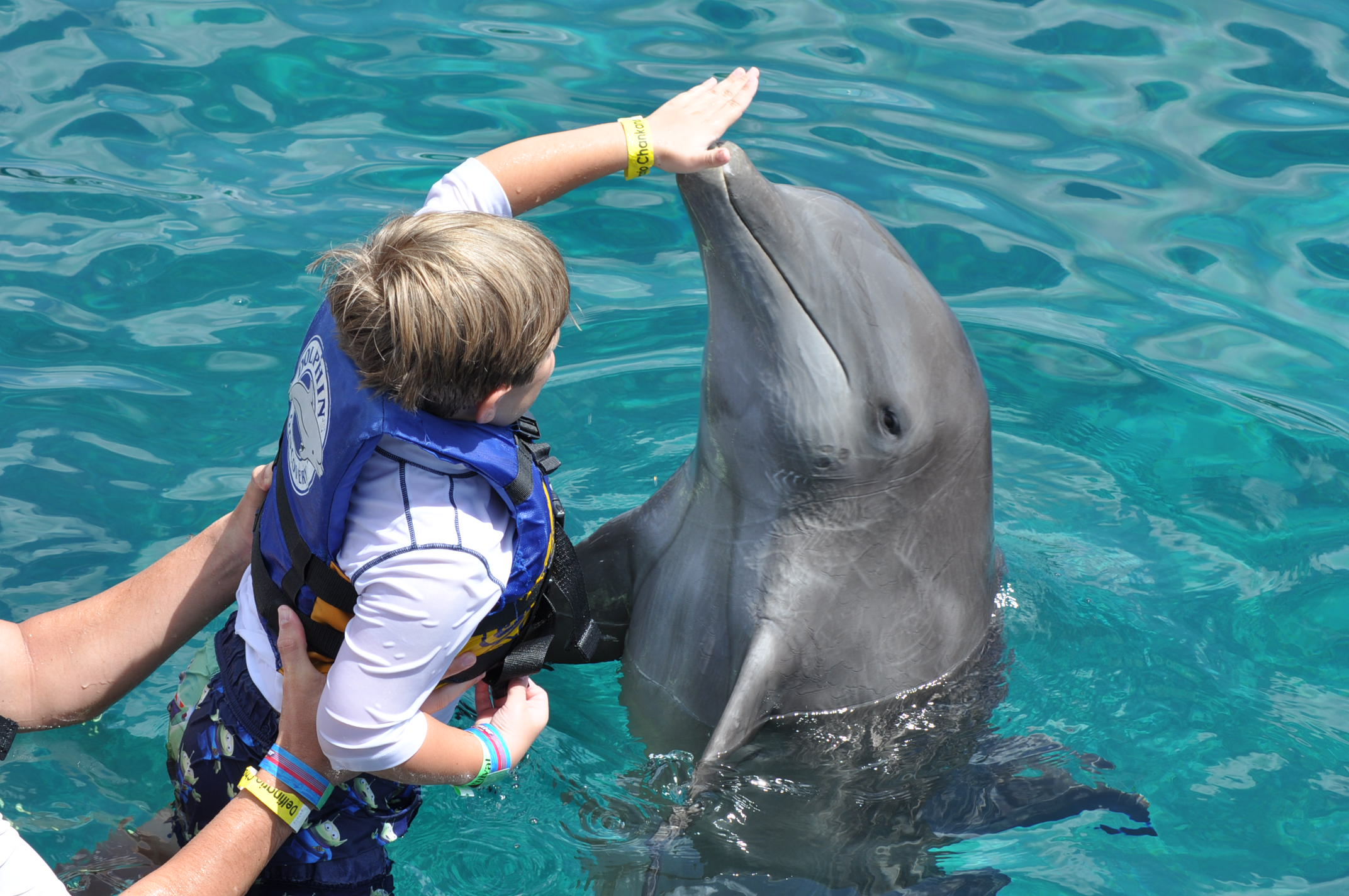
Dolphins are exceptionally skilled at reading movement patterns and body language, both underwater and at the surface. The best approaches underwater to swimming dolphins seem to be from an angle that is from the side or at about 45° (roughly). Direct or head-to-head approaches or fast swims at 90° to others usually signify aggressive activity.
If dolphins can interpret these subtle behavioral cues from their own species, imagine how easily they can read the clumsy, panicked movements of a human swimmer trying to escape. “That is something dolphins are really good at, reading each other’s body behaviors and syncing up, forming bonds in that way”.
Your swimming style, breathing patterns, and directional changes become an open book to creatures that have spent millions of years perfecting the art of underwater navigation and pursuit. Every stroke you take broadcasts your intentions and capabilities to animals that process this information faster than you can think.
Endurance: The Long Game They Always Win

Even if you managed to match a dolphin’s initial burst of speed (which is impossible), the endurance game is where humans truly fall apart. Swimming speed and duration are closely tied: high-speed swimming probably lasts only seconds, while low-speed swimming may last for long periods of time.
Dolphins have evolved specifically for aquatic life, with dolphins are among the world’s most efficient swimmers. A dolphin’s characteristic fusiform shape is quite energy-efficient for swimming. Their entire body design maximizes efficiency in water, while human bodies are optimized for terrestrial movement.
Riding a wave or a wake, a dolphin can go almost twice as fast using the same energy cost. They can literally use environmental features to enhance their performance, while humans struggle to maintain basic swimming form under pressure.
Mob Mentality and Group Coordination
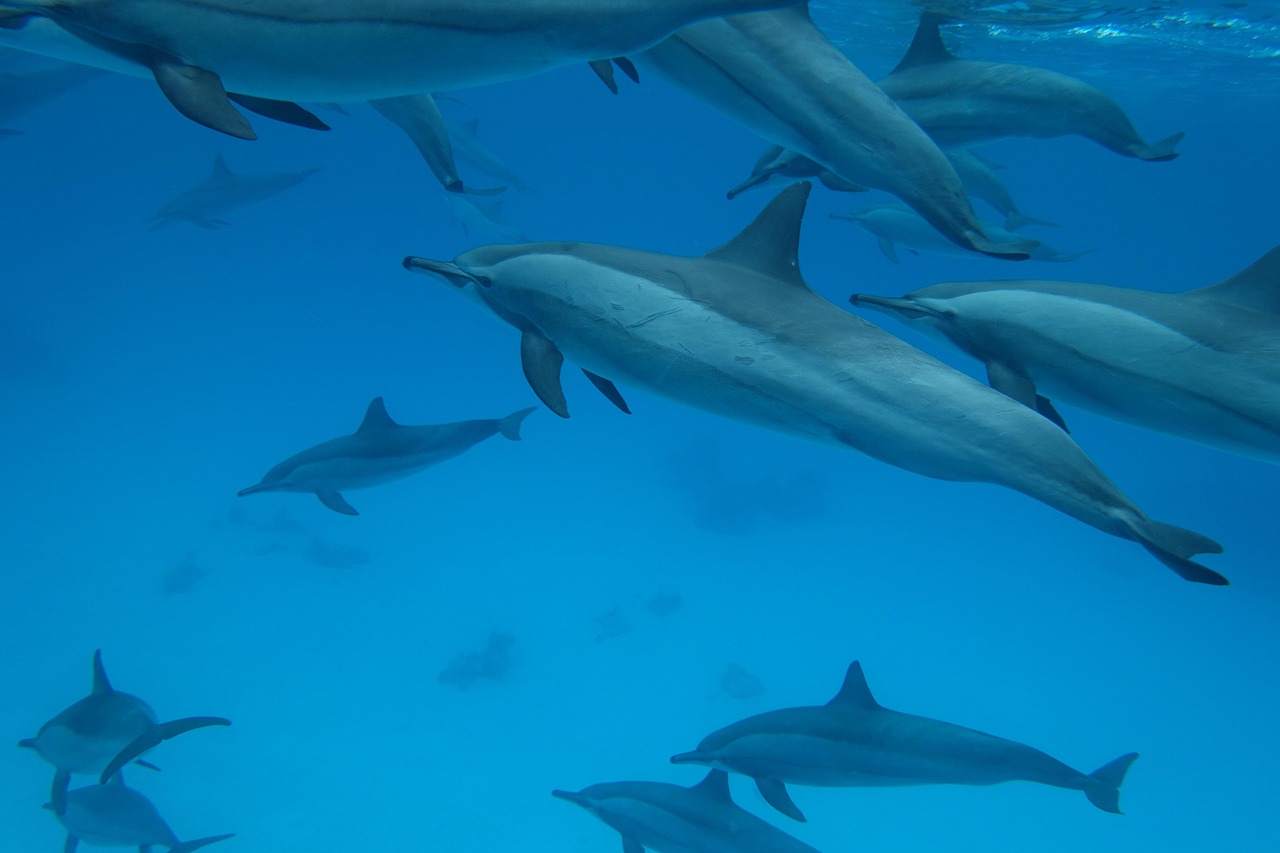
When dolphins decide to herd something, they rarely work alone. In terms of behavior, all species of dolphins are quite gregarious. In fact, many dolphin species can form groups of over 1,000 individuals, known as super pods! Imagine trying to outmaneuver not one, but dozens of coordinated dolphins.
When faced with predators, dolphins can and do work together to defend themselves. A common strategy involves forming a tight-knit circle around vulnerable members, such as calves, while the stronger, more experienced dolphins fend off the threat. If they can coordinate this effectively against sharks, what makes you think you’d fare better?
Dolphins use several tactics to defend themselves against sharks, including swimming in groups, using their agility to evade attacks, and cooperatively mobbing or ramming the shark. The same tactics they use against apex predators would be devastatingly effective against a human swimmer.
Environmental Mastery and Home Field Advantage
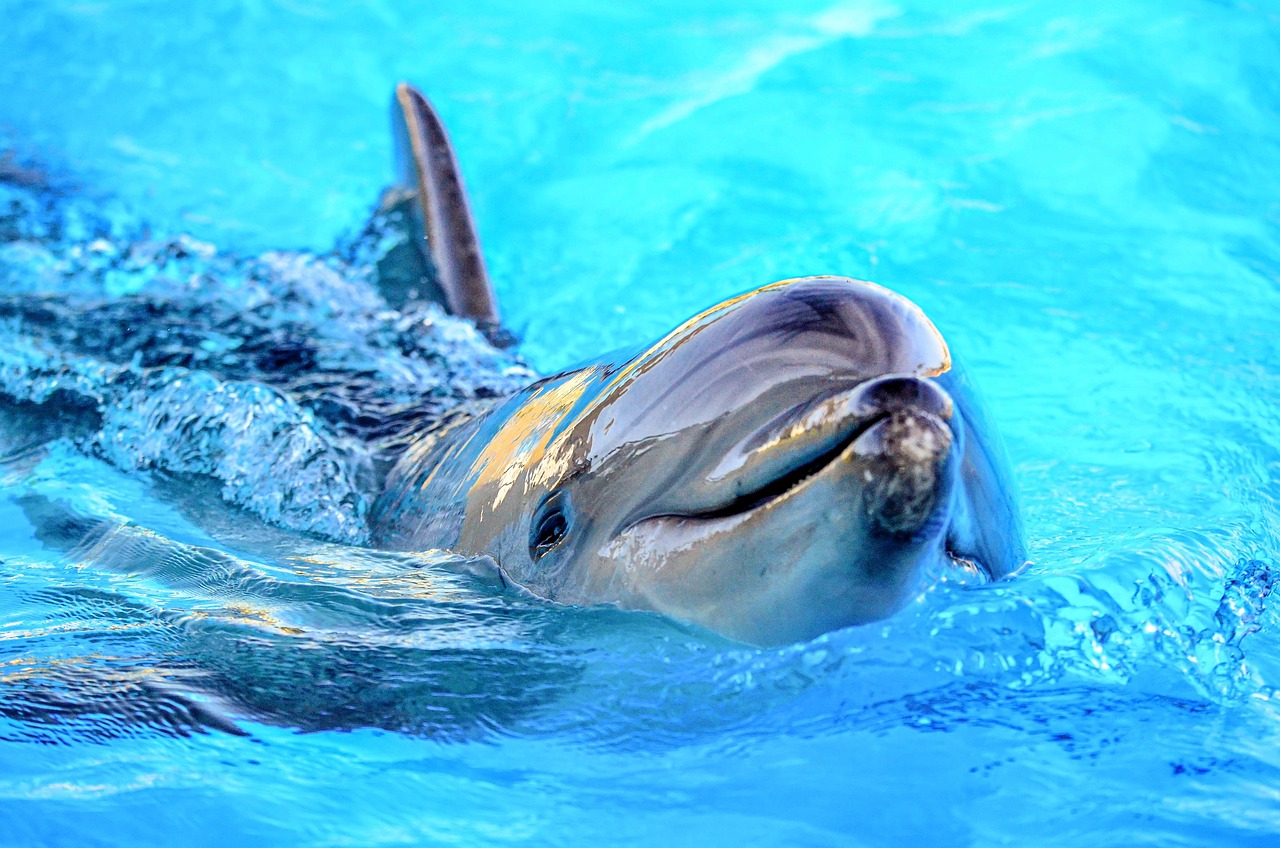
The ocean is the dolphin’s domain, and they know every current, every depth change, and every environmental feature that could be used strategically. With a few strong flicks of their tail and a circular swimming motion, these predators corral a school of fish within a tornado of mud. To the fish, the plume looks like an impenetrable wall, which causes them to panic and try to jump over the barrier at the water’s surface.
They can manipulate their environment in ways that would leave human swimmers completely disoriented. Some dolphins in Australia’s Shark Bay will wallop the water’s surface while foraging with their noses in seagrass below – perhaps as a way to scare fish out of hiding. Scientists have nicknamed the behavior kerplunking.
Dolphins understand three-dimensional movement in water better than humans understand movement on land. They can use depth, surface turbulence, and underwater terrain to control movement patterns with the skill of master tacticians. A human swimmer, stressed and disoriented, becomes predictable prey in comparison.
The Verdict: Your Escape Strategy
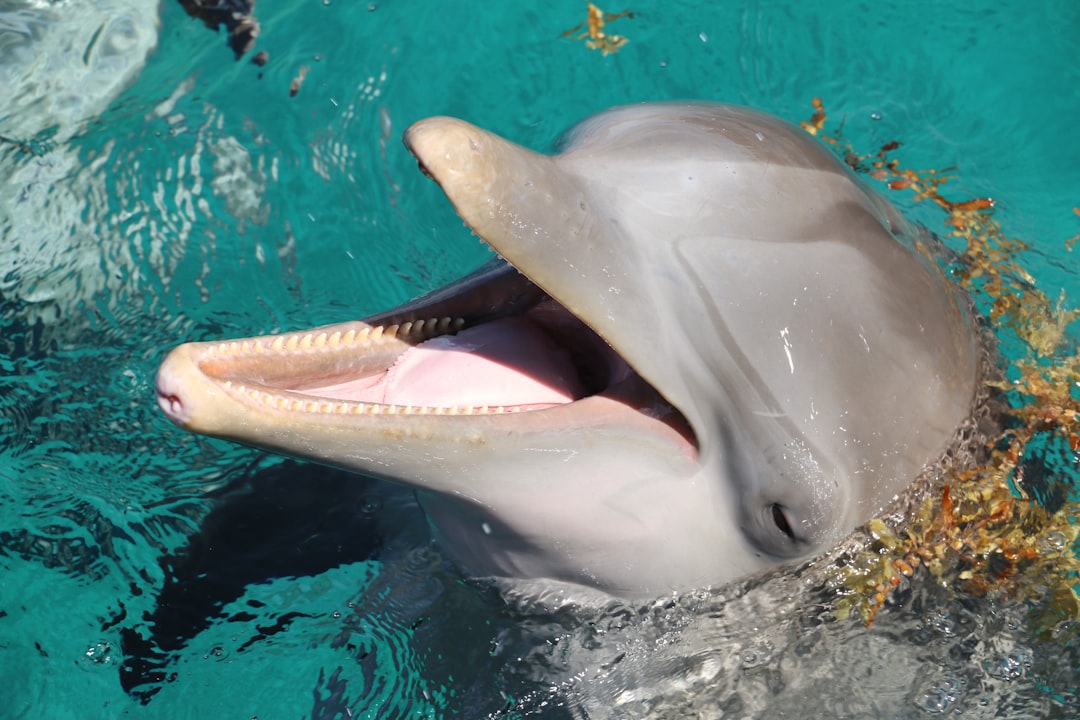
Based on expert analysis, your chances of outswimming a dolphin intent on herding you are essentially zero. The speed differential alone makes escape impossible, but when combined with their echolocation abilities, group coordination, and environmental mastery, humans become completely outmatched.
However, dolphins generally aren’t interested in harming humans. Dolphins are generally not aggressive animals and are known for their playful and friendly behavior. However, dolphins often rely on their social bonds, communication skills, and strategic coordination to overcome challenges and ensure the safety of their pod members.
If you ever find yourself in this hypothetical scenario, your best strategy wouldn’t be swimming faster, but rather staying calm, avoiding sudden movements, and hoping their natural curiosity about humans overrides any herding instincts. Remember, dolphins are naturally curious animals. This curiosity can manifest in dolphins swimming alongside boats, approaching swimmers, or engaging in playful interactions with people.
The ocean belongs to dolphins in a way that land has never truly belonged to any single species. Their mastery of aquatic movement, combined with intelligence that rivals our own, makes them the undisputed champions of underwater pursuit. So the next time you’re swimming in dolphin territory, remember that you’re not the apex species in that environment. What do you think about it? Tell us in the comments.
