
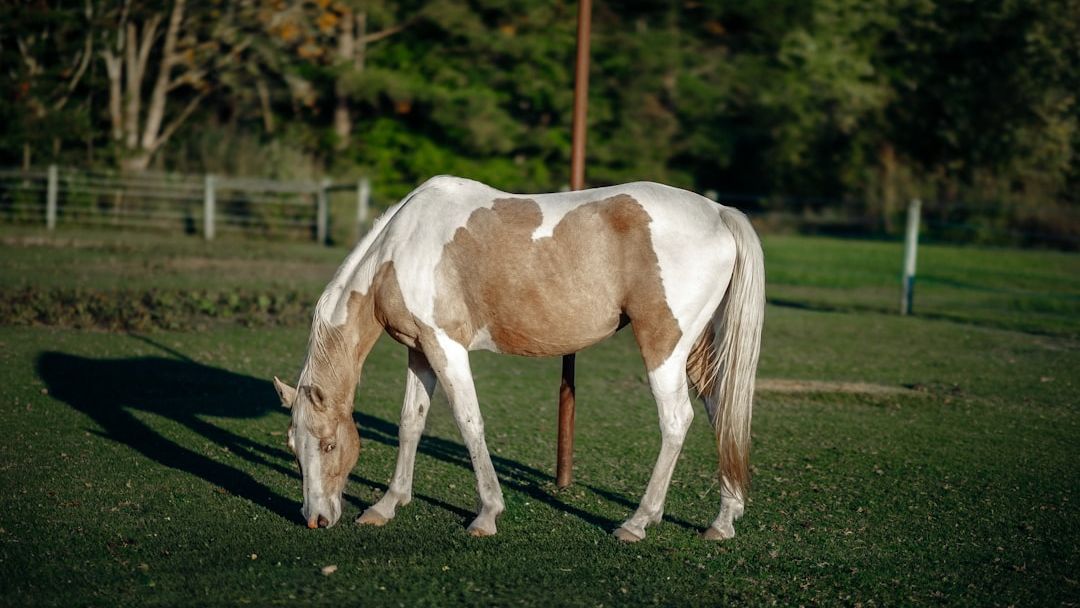
Ever notice how your favorite companion acts different after changing their feed? Maybe they’re suddenly spookier during rides, or their usual calm demeanor has shifted to something more anxious. You’re not imagining it. What lands in your horse’s feed bucket has a profound impact on their emotional well-being, and honestly, it’s something far too many of us overlook.
The connection between nutrition and behavior runs deeper than most people realize. Your horse’s brain and nervous system depend on a complex symphony of nutrients to function properly. When that balance gets disrupted, the changes can be subtle at first but gradually become more noticeable.
The Sugar Rush Reality
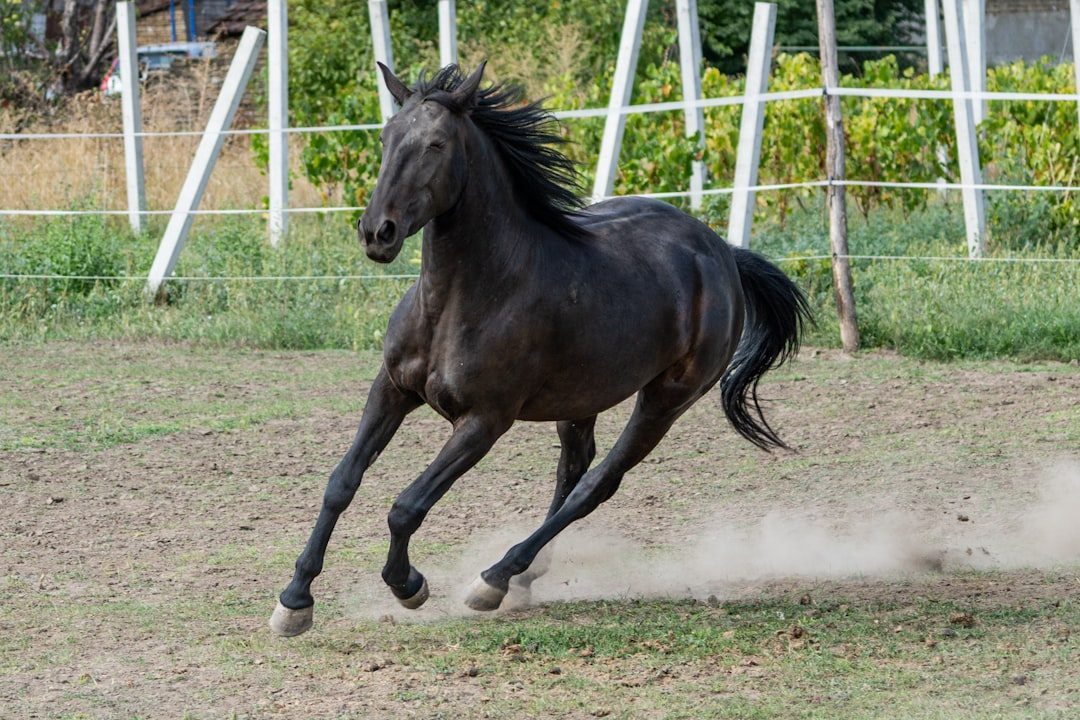
Sweet feeds and high-sugar diets create horses that are livelier, less obedient, more resistant to saddling, and more inclined to buck and run compared to those on hay-only diets. Think about giving a three-year-old child too much candy – the same principle applies to our horses.
Diets high in sugar and starch disrupt the microbiota, which could contribute to unwanted behavior. Fresh spring pasture can be incredibly high in sugar, especially when warm sunny days and chilly nights cause grass to accumulate sugar.
Horses with more sensitive or reactive temperaments are at greater risk of developing behavioral problems when fed excess calories with limited forage. The solution isn’t eliminating all concentrated feeds but rather understanding how they affect your individual horse.
When Gastric Ulcers Change Everything
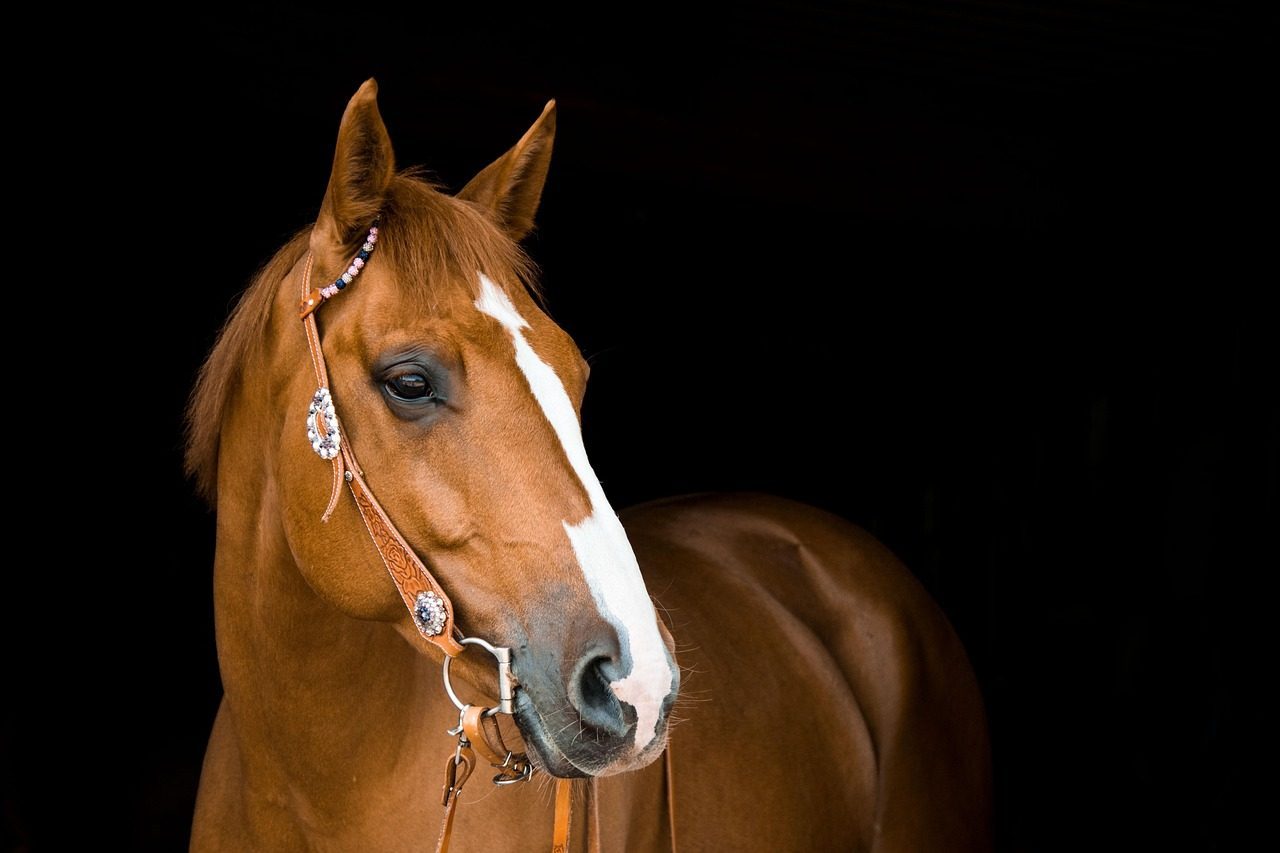
The most easygoing, tolerant horse may suddenly become irritable or aggressive, disrupting herd dynamics, while a once social, friendly horse might withdraw, preferring to isolate itself from others. Common signs of gastric ulcers include teeth grinding, poor appetite, mild colic, attitude changes, and irritability.
The majority of horses with gastric ulcers do not show outward clinical signs and can appear completely healthy. This silent suffering might explain those mysterious mood changes you’ve been puzzling over. Diets high in sugar and starch increase the likelihood of digestive upset, potentially resulting in gastric ulcers or hindgut issues, making some “emotional” horses actually uncomfortable or in pain.
Severity of ulceration is directly associated with behavior, with horses showing severe ulceration displaying significantly higher behavioral issues compared to those with mild ulceration. The good news? Gastric ulcers can be treated and prevented relatively easily, with most responding to treatment within four to eight weeks.
The Magnesium Mystery
Borderline, mild or moderate magnesium deficiencies display symptoms as behavioral or performance changes, including tight muscles, reluctance to work, irritability, fatigue, nervousness and inattention. Yet blood tests for magnesium levels are often inaccurate as most magnesium is stored in bone and soft tissue, with circulating magnesium representing less than one percent of total body stores.
Horses with neurological issues associated with magnesium deficiency may shy or spook, be irritable, inconsistent in their behavior, overly sensitive to sound, touch and grooming and have difficulty focusing on learning tasks. Suboptimal magnesium levels can affect their mood and performance, even if they’re not technically deficient.
The Protein Myth
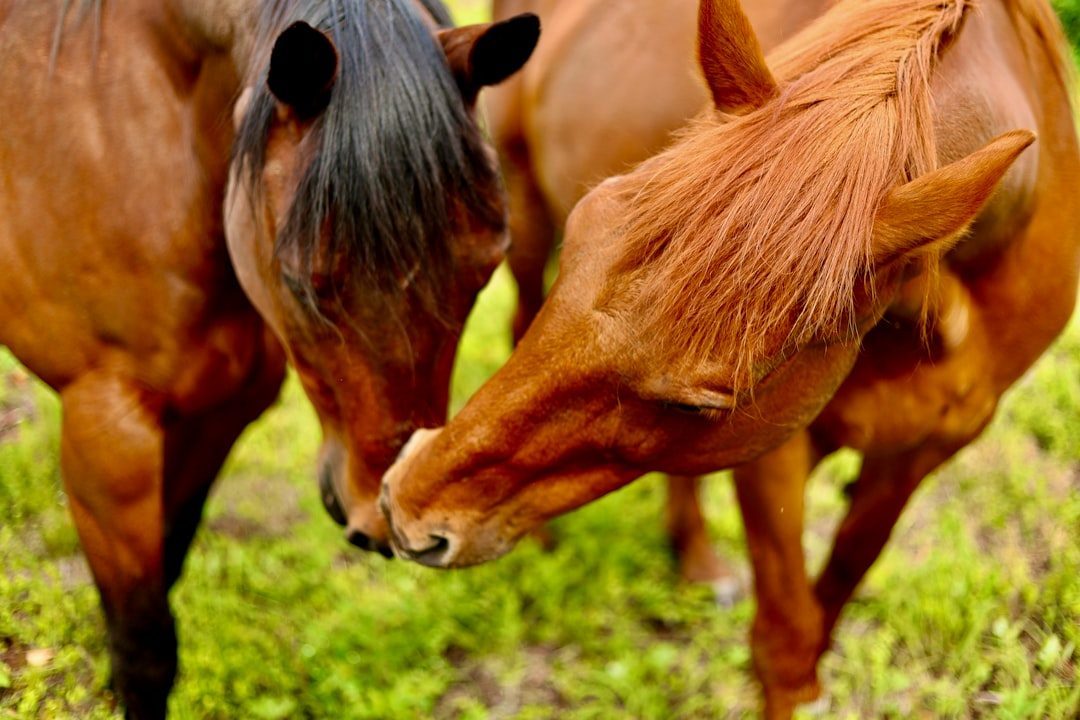
The notion that a high-protein diet causes behavioral issues is incorrect, as protein is not related to energy at all. Excess energy is more related to the calories of the feed source, not the protein content. This common misconception has led many horse owners down the wrong path when trying to calm their horses.
With most grain meals, the horse experiences a large increase in blood sugar and then a release of insulin, which influences the activity of brain neurotransmitters, specifically dopamine and norepinephrine. It’s not the protein causing the issues – it’s the carbohydrate load that comes with many protein-rich feeds.
Feeding Frequency Matters More Than You Think
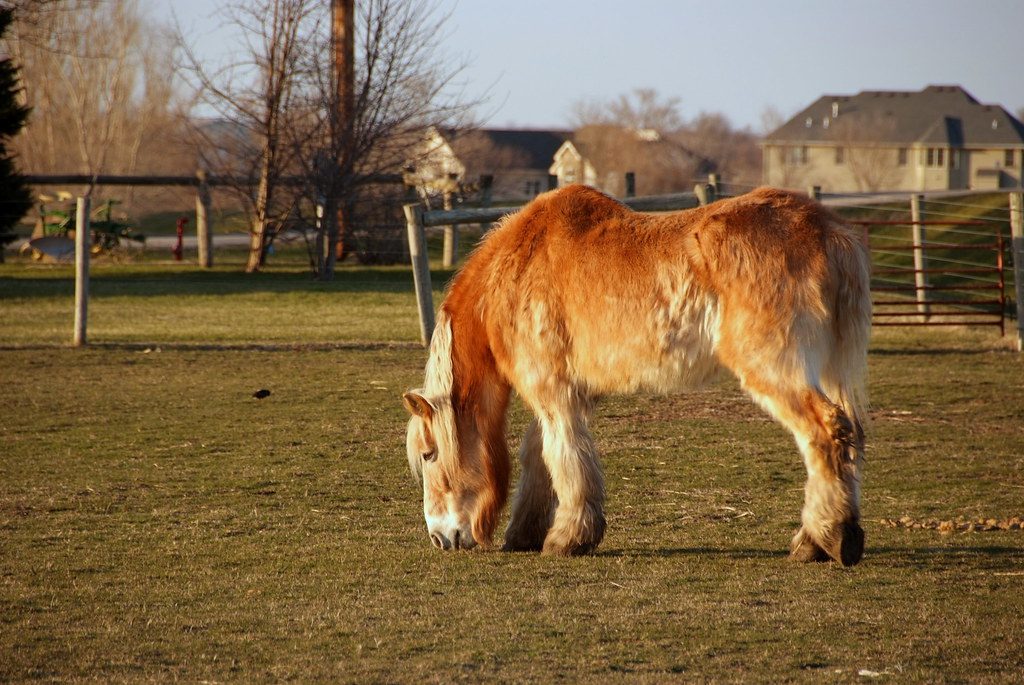
Horses can become anxious or stressed if there are long periods between meals, and they do best when fed on a regular schedule as they are creatures of habit and easily upset by changes in routine. Horse owners often report feeding three large meals a day, which can be the culprit for many behavioral concerns, with horses fed this way exhibiting intestinal irritation.
Because horses are naturally foraging animals meant to graze throughout the day, food loading can inflame the digestive system and ultimately result in nutritional deficiency, as horses are unable to absorb large amounts of nutrients all at once. Switching to smaller, more frequent meals can dramatically improve both digestive health and temperament.
The Fat Factor
When horses are fed a high-carbohydrate diet, they appear to be more excitable with higher heart rates during exercise tests than when fed a high-fat diet. Replacing some energy with a fat-based alternative provides cool, slow-release calories without contributing to excitability.
There is hard evidence of the benefits of higher fat rations on behavior. Fat provides sustained energy without the blood sugar spikes that can trigger reactive behavior patterns.
Environmental Stress and Nutritional Needs
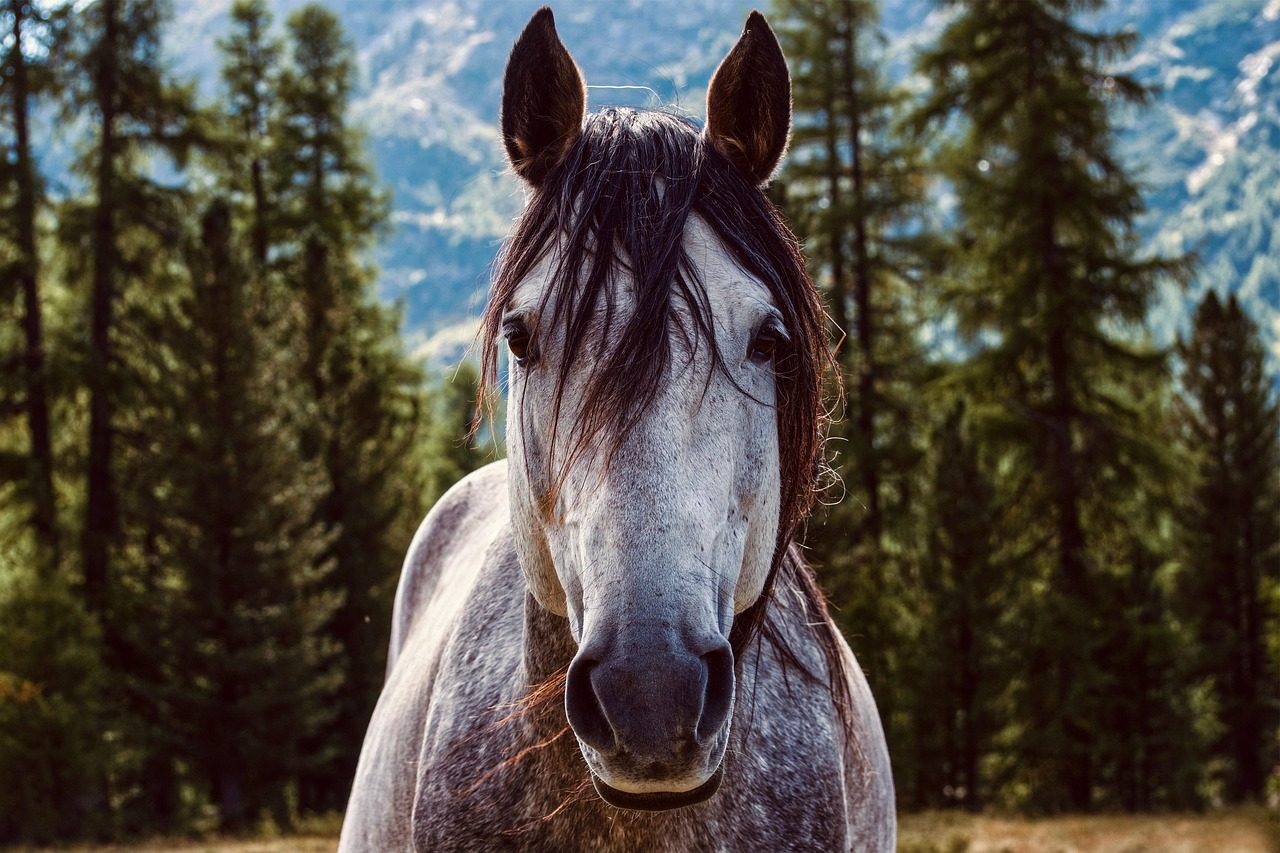
Horses may become excitable, hot or unfocused for various reasons including nutritional imbalances, digestive discomfort, hormonal changes, pain, or environmental stress. Stress, inappropriate training, travel, changing herd environments, extreme temperatures, injury and competition can cause individual horses to require tremendous amounts of magnesium, and if not addressed properly, performance horses can become increasingly deficient, leading to a sour attitude and poor performance.
Understanding that environmental stressors increase nutritional demands helps explain why some horses seem fine at home but become difficult during travel or competition. Their baseline nutritional support may be adequate for low-stress situations but insufficient when demands increase.
Looking at your horse’s diet through the lens of mood and behavior opens up new possibilities for improving their quality of life. Remember, changes in temperament often happen gradually, making them easy to miss until they become significant. Regular evaluation of both nutritional intake and behavioral patterns gives you the best chance of catching issues early.
What specific changes have you noticed in your horse that might be diet-related? Sometimes the smallest adjustments can make the biggest difference in helping our partners feel their best.
