
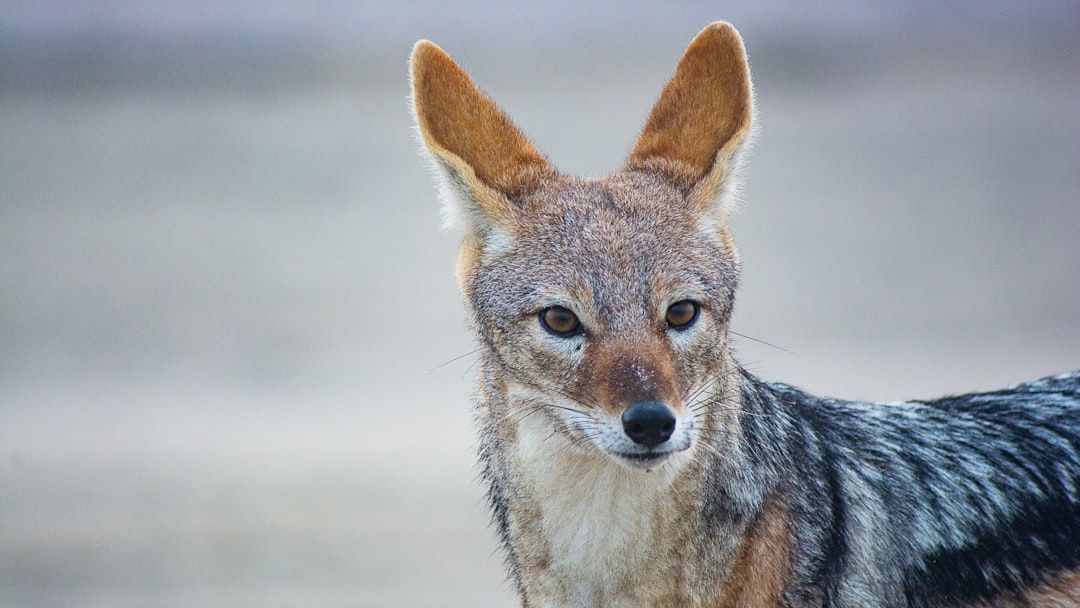
Picture a moonlit night in Yellowstone National Park. Two canine predators stalk through the shadows, both honed by millions of years of evolution into perfect hunters. Yet only one will earn the title of the smarter predator. Recent scientific breakthroughs have finally given us surprising answers to who truly reigns supreme in the battle of wits between these legendary hunters.
The question has fascinated researchers for decades, and now we have compelling evidence that challenges everything we thought we knew about canine intelligence.
The Intelligence Question That Divided Scientists
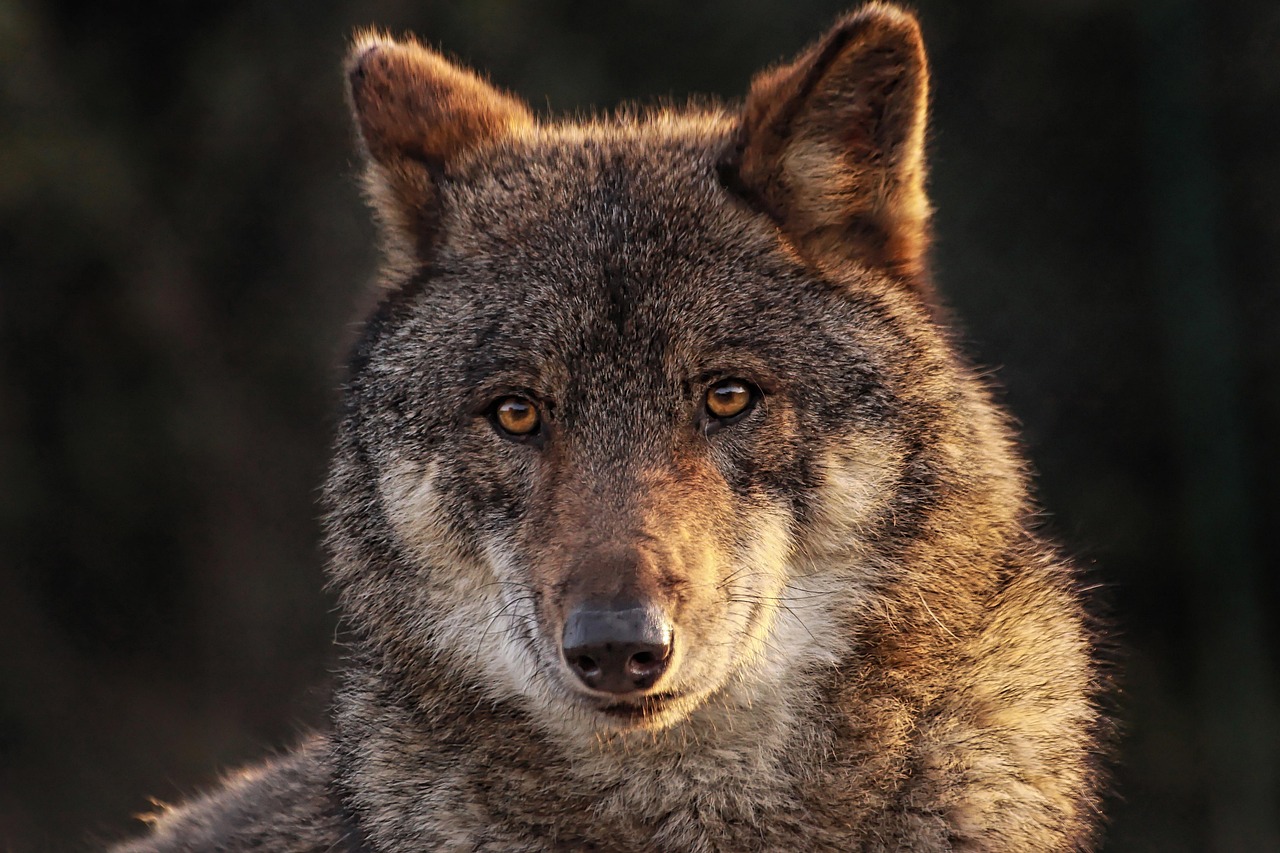
For years, researchers struggled to define intelligence in wild canids. Traditional measures seemed inadequate when comparing species with vastly different lifestyles and survival strategies.
The breakthrough came when scientists realized they needed to examine problem-solving abilities, adaptability, and hunting success rather than simple brain size comparisons. Studies have shown their ability to adapt to novel situations and learn from experience. They exhibit greater cognitive flexibility, adjusting their strategies based on changing circumstances.
Brain Power Battle: The Cognitive Comparison
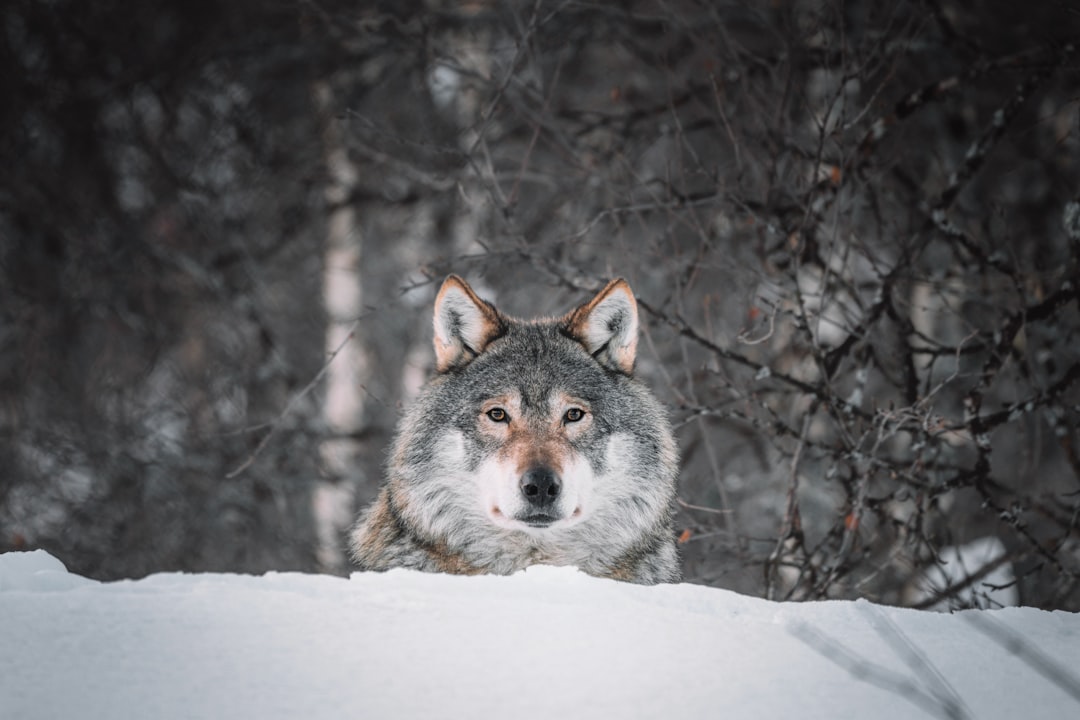
Wolves display greater cognitive flexibility in problem-solving, more complex social structures, and sophisticated cooperative hunting strategies. These factors suggest a higher level of certain types of intelligence. The evidence comes from controlled experiments comparing wolves and dogs, where wolves consistently demonstrated superior problem-solving abilities.
“Our study has shown that the wolf understands [cause-and-effect] connections better than our four-legged domesticated companions,” Previous work has shown that wolves have a greater drive to explore and remain focused on tasks compared to dogs. What this could means is that domesticated dogs are not less intelligent than wolves, it’s just that they don’t take the extra effort, or they lack the required level of curiosity, to solve problems.
Coyote Cunning: The Underestimated Genius
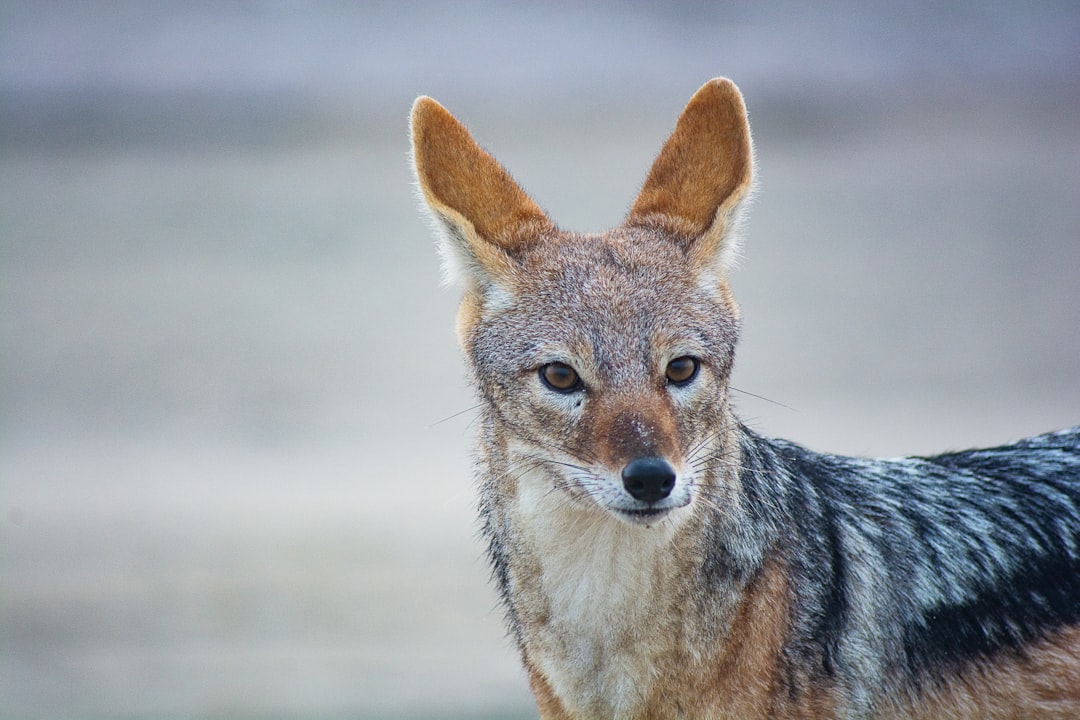
Coyotes come with remarkable problem-solving skills. If you put them under any conditions, then they will come out with creative solutions. They can utilize all their instinctive capabilities to resolve any problem or to achieve any goal. Their intelligence manifests differently than wolves, focusing on individual adaptability rather than group coordination.
Coyotes’ intelligence is evident in their ability to figure out how to survive in close proximity to humans. Additionally, both species exhibit their intelligence through their development of complex social systems. This adaptability has allowed coyotes to thrive in environments where wolves cannot survive.
Pack Intelligence vs. Solo Smarts
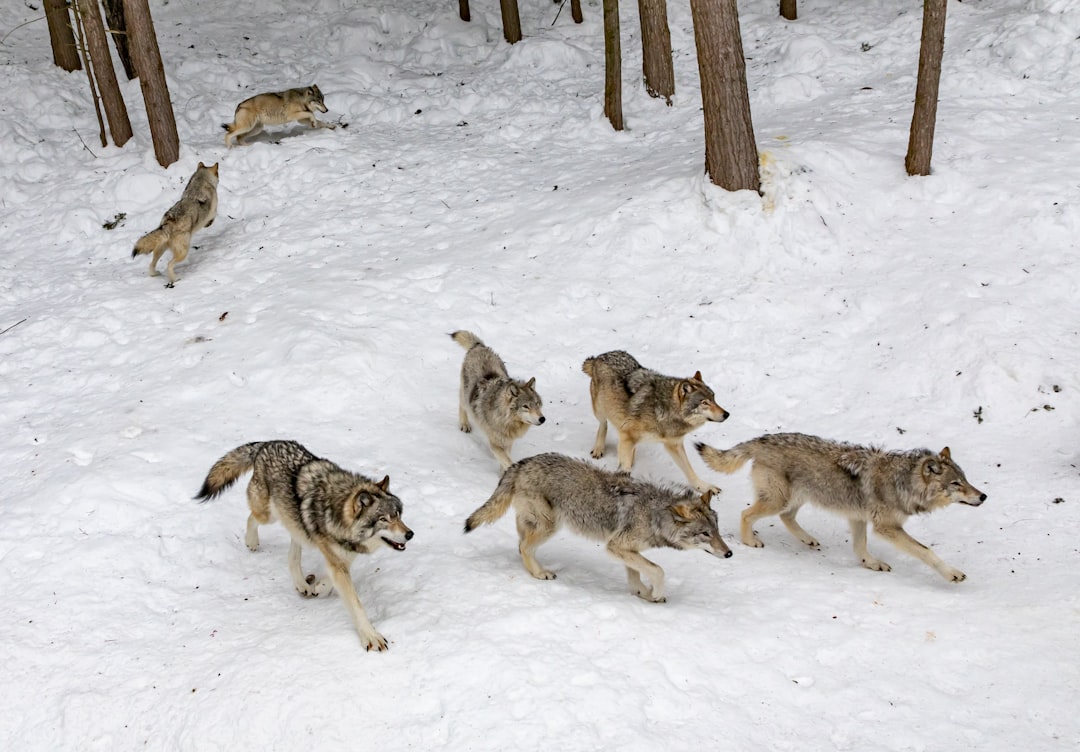
Wolves live in highly structured packs with complex social hierarchies. This necessitates sophisticated communication and cooperation, implying a higher level of social intelligence. The intricate dynamics within a wolf pack demand advanced cognitive abilities to navigate relationships and resolve conflicts. This social complexity is a significant factor contributing to their perceived higher intelligence.
Coyotes, while social animals, typically live in smaller, less rigidly structured family units. Their communication signals, though effective, are generally less complex than those of wolves. This difference in social structure reveals two distinct evolutionary paths to intelligence.
Hunting Strategies: Complex Coordination vs. Opportunistic Brilliance
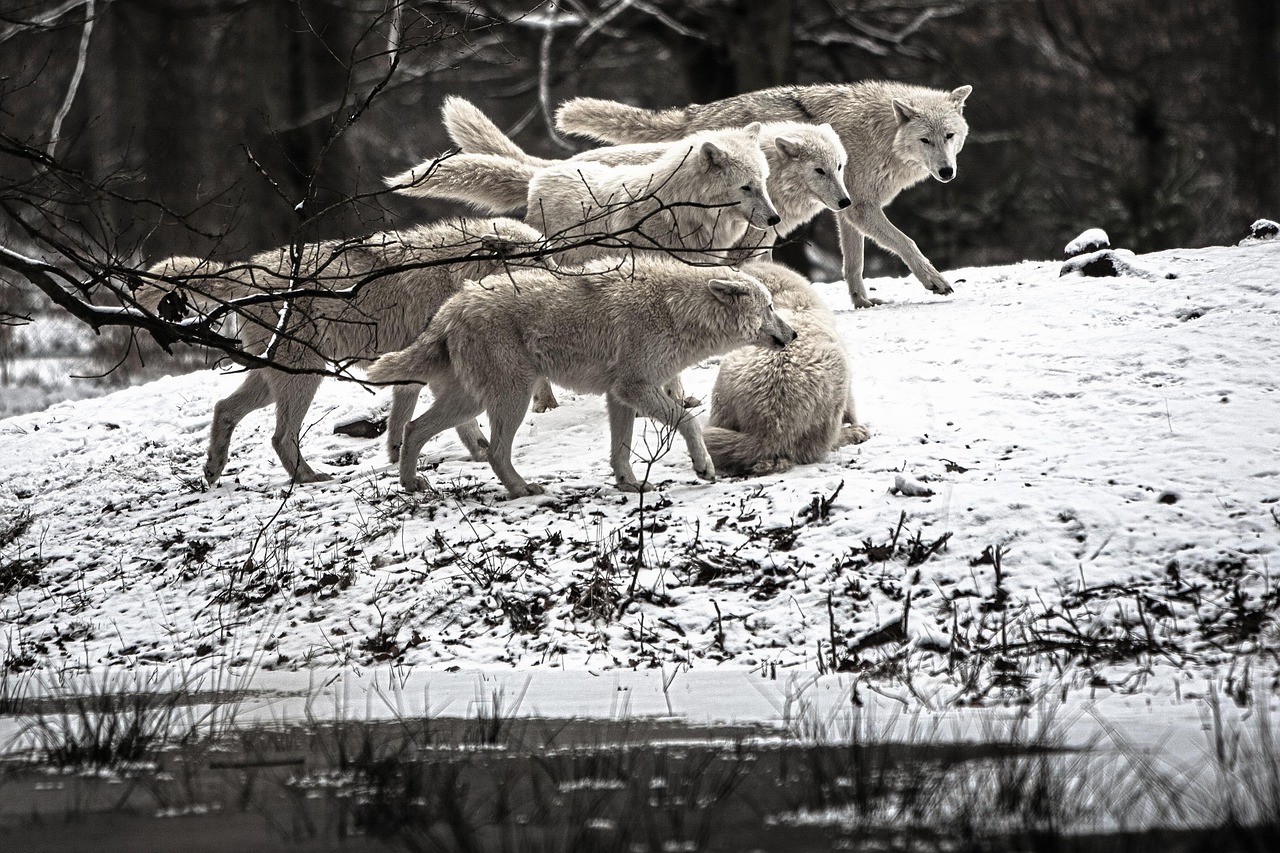
The hunting techniques employed by wolf packs are a testament to their adaptability and intelligence. Wolves are known for their strategic approach to hunting, which often involves a combination of stealth, endurance, and teamwork. When a potential prey is identified, wolves typically employ a stalking strategy, using the terrain to their advantage to remain undetected. This initial phase is crucial, as it allows the pack to get as close as possible without alerting the prey, thus conserving energy for the chase.
Coyotes, with their generally smaller bodies and better agility, favor smaller prey, such as small mammals. They’re skilled scavengers, too, known to frequent kill sites left by other predators. Coyotes and wolves have distinct diet preferences and hunting techniques. Coyotes, with their generally smaller bodies and better agility, favor smaller prey, such as small mammals. They’re skilled scavengers, too, known to frequent kill sites left by other predators.
The Surprising Research Results
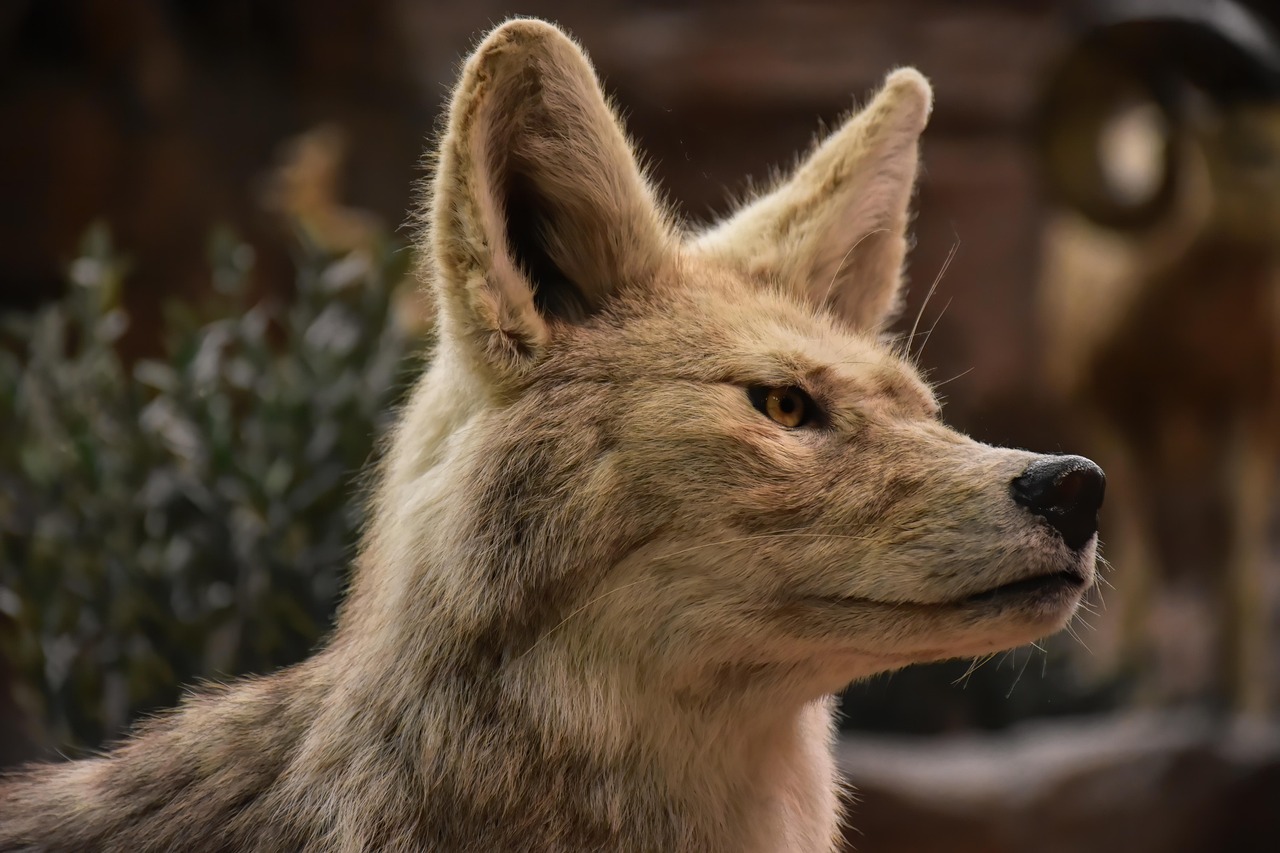
Mean coyote densities were 33% lower at wolf-abundant sites in GTNP, and densities declined 39% in Yellowstone National Park following wolf reintroduction. A strong negative relationship between coyote and wolf densities (beta = -3.988, P < 0.005, r(2) = 0.54, n = 16), both within and across study sites, supports the hypothesis that competition with wolves limits coyote populations.
“Our paper would support the general idea that in terms of regulating coyote populations, large carnivores probably have a stronger effect than broad-scale hunting regulations,” he said. “So if coyote numbers really need to come down, it’s going to be very challenging to do that without large predators.” The data reveals wolves dominate through superior pack coordination rather than individual intelligence.
Adaptability: The Ultimate Intelligence Test
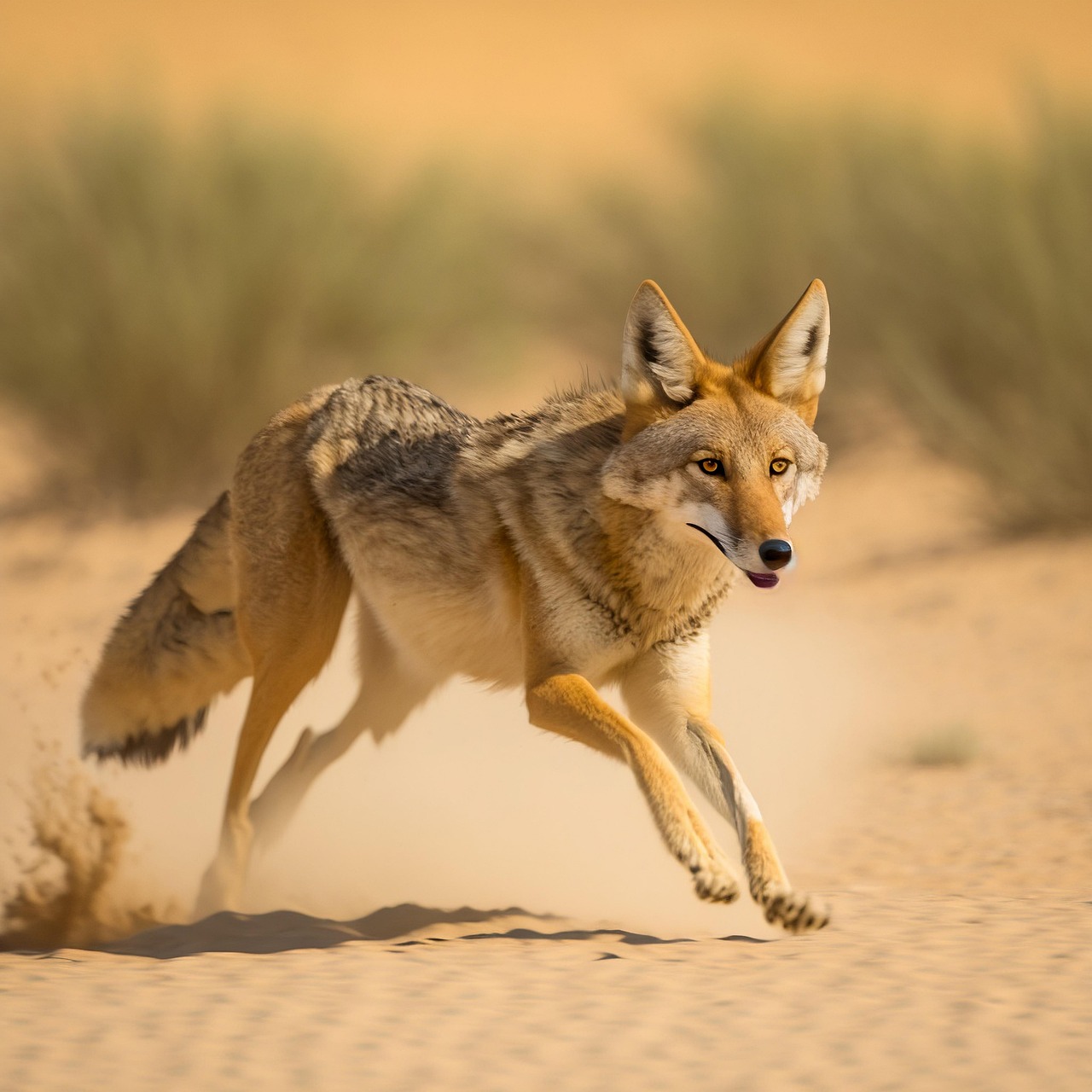
Coyotes have demonstrated remarkable adaptability to diverse environments and a broader diet than wolves. They are successful in a wide variety of habitats, from urban areas to remote wildernesses. This adaptability points to a different kind of intelligence: flexibility and resourcefulness in the face of changing conditions.
Wolves excel in wilderness environments but struggle to adapt to human-dominated landscapes. In the wild, coyotes and wolves claim distinct territories. Coyotes thrive across a wide range of climates and environments in North America and Central America. In the United States, people have spotted the species in all states except Hawaii. Wolves, on the other hand, prefer more secluded habitats, such as the remote wilderness of Eurasia and the northern reaches of North America.
The Verdict: Different Kinds of Smart
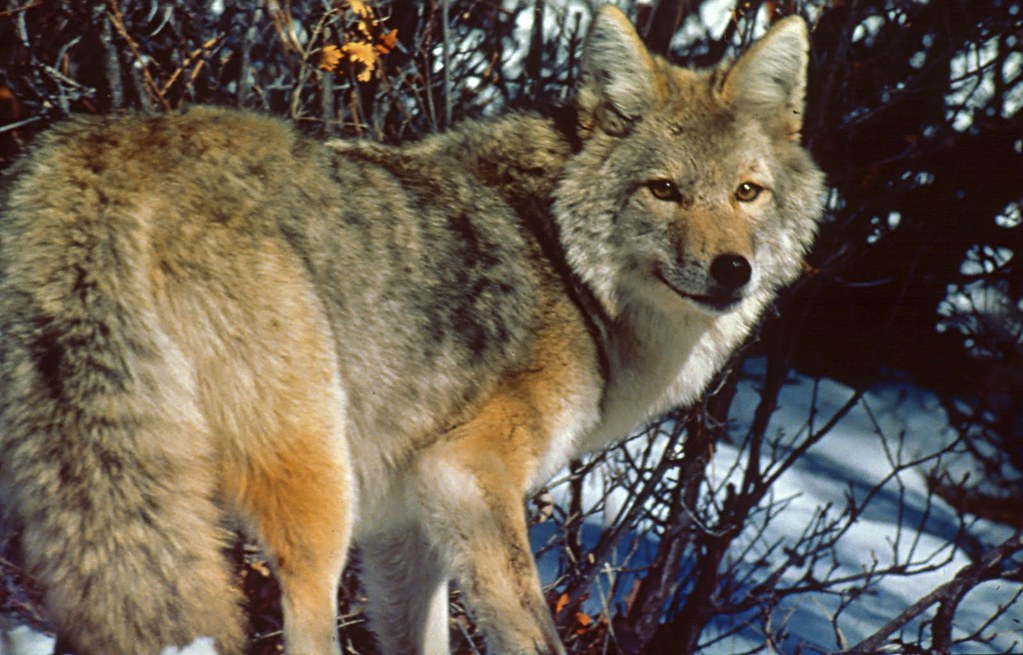
Determining whether wolves or coyotes are “smarter” is a complex question without a simple answer. Wolves display greater cognitive flexibility in problem-solving, more complex social structures, and sophisticated cooperative hunting strategies. These factors suggest a higher level of certain types of intelligence.
Ultimately, declaring one species “smarter” than the other is an oversimplification. Coyotes excel in adaptability and social intelligence, allowing them to thrive in a wide range of environments. Wolves excel in complex coordination and strategic thinking, making them highly successful pack hunters. Their brains are wired differently to match different challenges. Intelligence, it turns out, comes in multiple forms perfectly suited to each species’ survival needs.
Conclusion
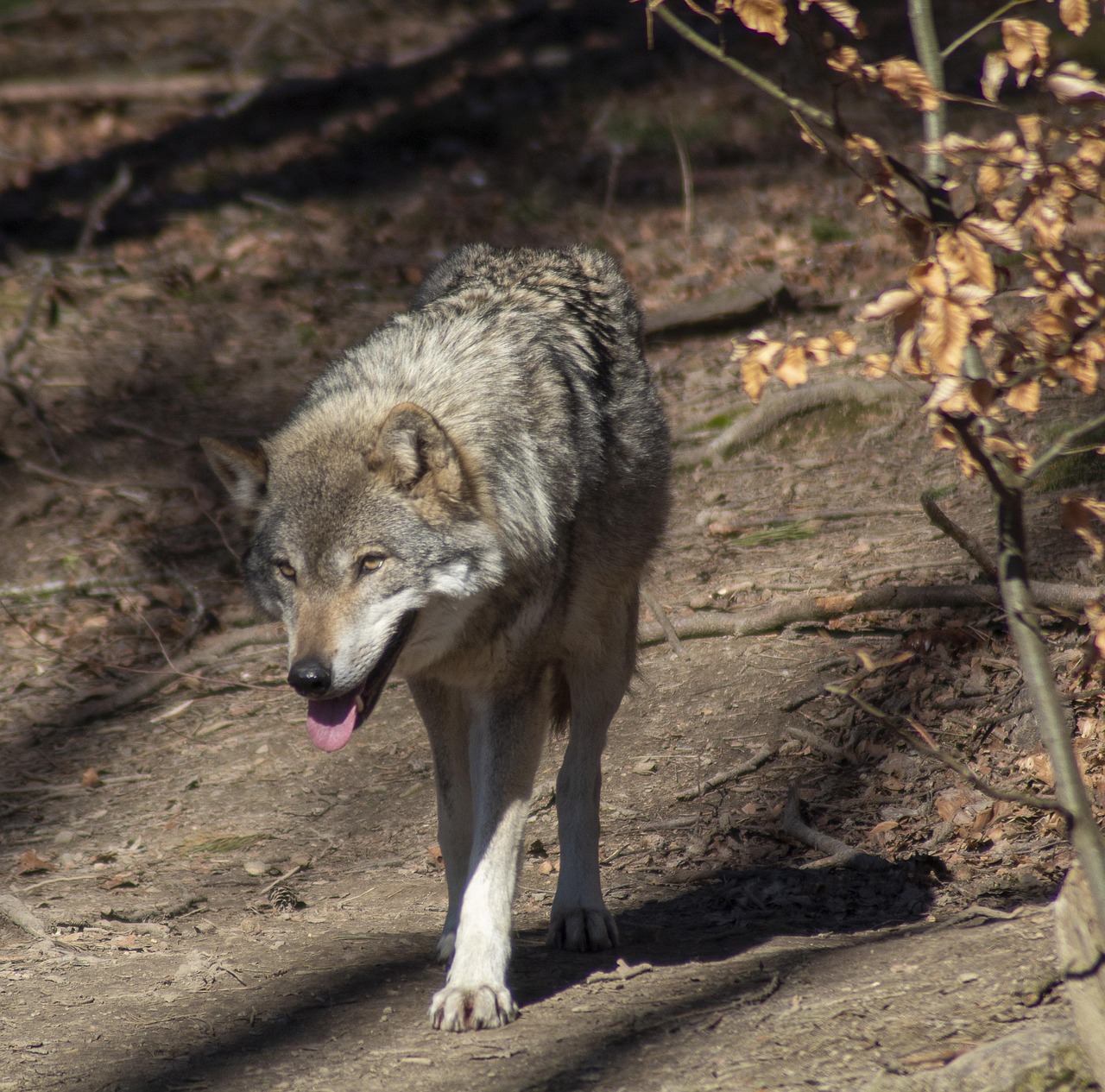
The age-old question of whether coyotes or wolves hunt smarter has revealed something far more fascinating than a simple winner. Scientists have discovered that both species possess remarkable intelligence, but they’ve evolved entirely different cognitive strategies. Wolves dominate through sophisticated pack coordination and complex problem-solving abilities, while coyotes excel through adaptability and opportunistic brilliance.
Rather than crowning one supreme hunter, research shows us that intelligence in the wild isn’t a single trait but a diverse toolkit. Wolves are the master strategists of pristine wilderness, while coyotes are the adaptable survivors of our changing world. Both deserve our respect as evolutionary marvels, each perfectly designed for their ecological niche.
What fascinates you more about these incredible hunters? Tell us in the comments.
