
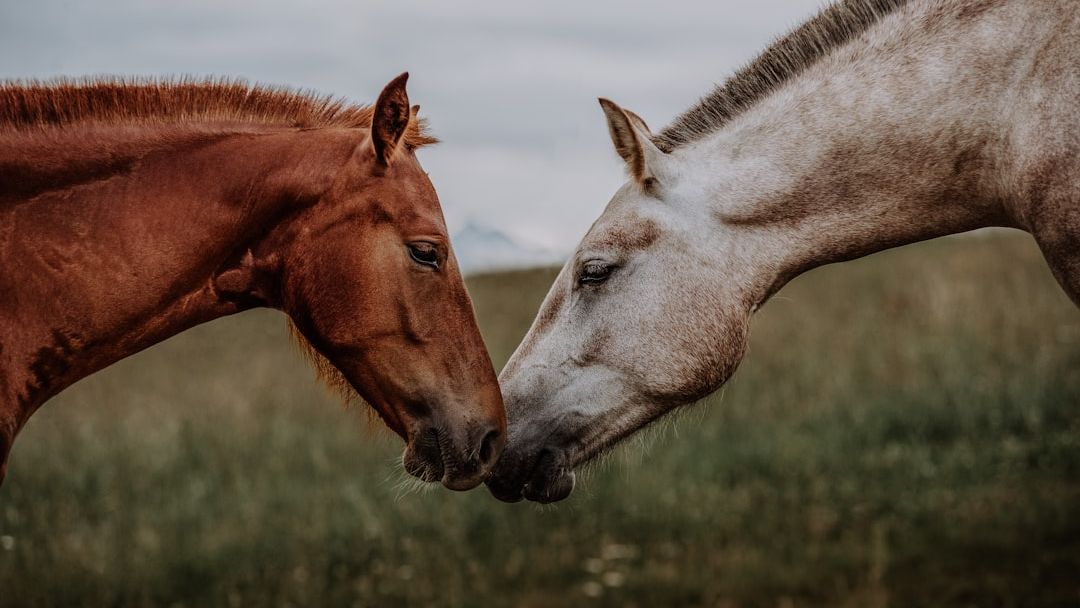
Picture this: a band of mustangs thundering across Nevada’s high desert, manes flowing, hooves drumming against ancient earth. These aren’t just horses, they’re living symbols of freedom that have roamed the American West for centuries. Yet behind their majestic presence lies a story filled with both wonder and concern, one that touches every horse lover’s heart.
America’s wild horses and burros number approximately 95,000 as of March 2024, scattered across ten western states in a landscape that’s both breathtaking and harsh. These remarkable animals face challenges we never see in our carefully managed barns – from scorching summers to bitter winters, from drought to predators, from government roundups to an uncertain future. Understanding their world helps us appreciate not just their resilience, but what their survival means for the spirit of wildness itself.
The Magnificent Reality of Mustang Life
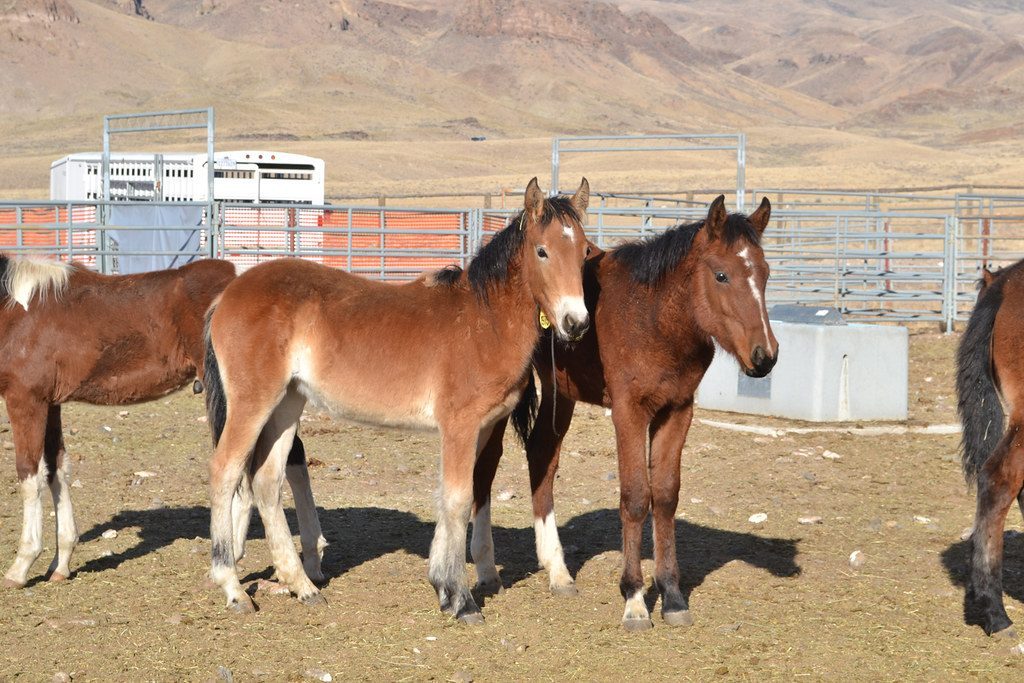
Wild horses aren’t just surviving out there, they’re thriving in ways that would astound most domestic horse owners. These animals live in complex social structures centered around family bands typically consisting of a dominant stallion, several mares, and their offspring, with the lead mare usually being the oldest and most experienced female who makes crucial decisions about movement, feeding areas, and safety.
What strikes me most is their incredible hardiness. While our pampered barn horses need blankets when temperatures drop, mustangs grow thick winter coats and huddle together for warmth. When compared to horses that have been domesticated, wild horses are known for their intelligence, strength, endurance, and sure-footedness. They’ve learned to navigate rocky terrain that would challenge even the most experienced trail horses.
The daily life of a wild horse is dictated by three basic needs: water, food, and safety. About 50 wild horses greeted researchers at a dry water well, waiting for BLM staff to fill it up because there isn’t enough naturally occurring water to keep the horses alive. This reality shows just how precarious their existence can be, especially during drought years.
Yet there’s something profoundly beautiful about watching these horses move as a coordinated unit across vast landscapes. They possess an awareness and connection to their environment that many domestic horses have lost.
The Complex Social World of Wild Herds
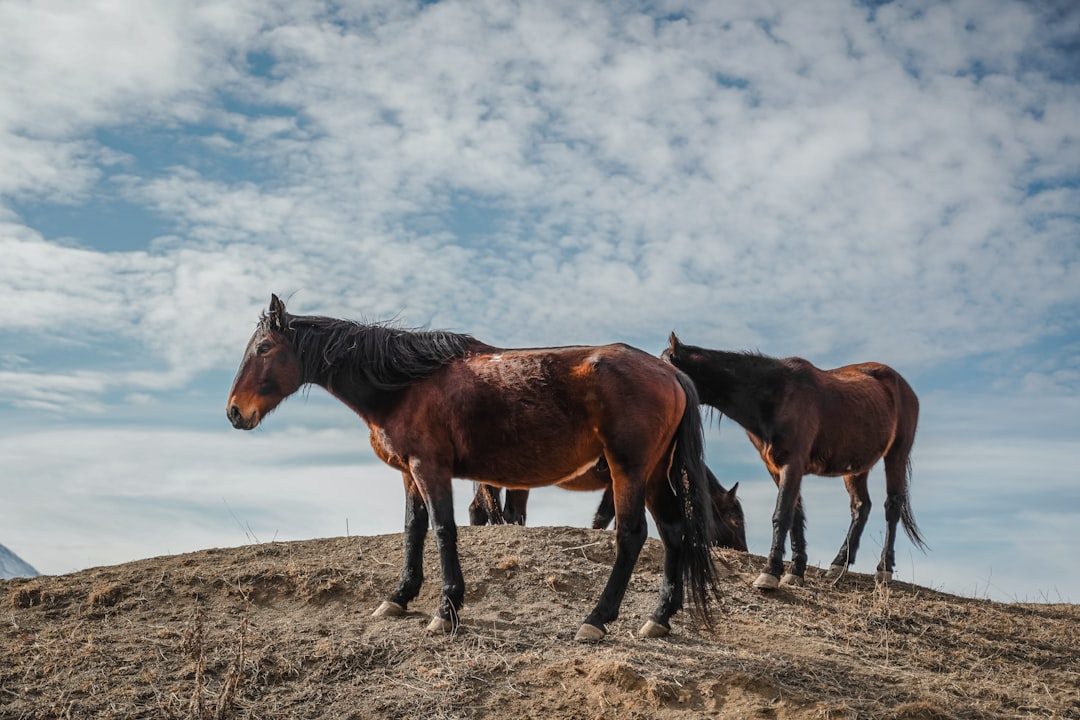
If you think domestic horse politics are complicated, wait until you learn about wild herd dynamics. Feral and wild horse “herds” are usually made up of several separate, small “bands” which share a territory, with sizes ranging from two to 25 individuals, mostly mares and their offspring, with one to five stallions.
Each band is led by a dominant mare (sometimes called the “lead mare” or the “boss mare”), and this isn’t just some romantic notion. These lead mares make life-or-death decisions about when to move to new grazing areas or flee from danger. When one horse becomes alerted to a predator, the others in the group adopt an alert state, triggering an escape response among all the horses in the group.
The stallion’s role is equally fascinating but different from what many people imagine. The reproductive success of the lead stallion is determined in part by his ability to prevent other males from mating with the mares of his harem, while the stallion also exercises protective behavior, patrolling around the band, and taking the initiative when the band encounters a potential threat.
What really gets me is how these relationships aren’t static. Individual bonds within bands may be based on family ties or individual preference, and these preferences can change as friendships come and go, foals grow up and depart to live elsewhere, making the social lives of horses tumultuous.
Communication Secrets From the Range
Wild horses have developed a subtle communication system that puts our barn horses to shame. Even a flick of the ear or tail is sufficient for a horse to “speak” to its entire herd, especially when a herd’s roles are clearly defined. This level of nuanced communication develops from living in constant cooperation with their herd mates.
Horses communicate with other herd members using body language, vocal sounds, and scents. To establish dominance, they may use squeals, pinned ears, rolling eyes, or the threat of kicking or biting. To show submissiveness, they often lower their head, chew, and lick their lips like they’re eating or drinking.
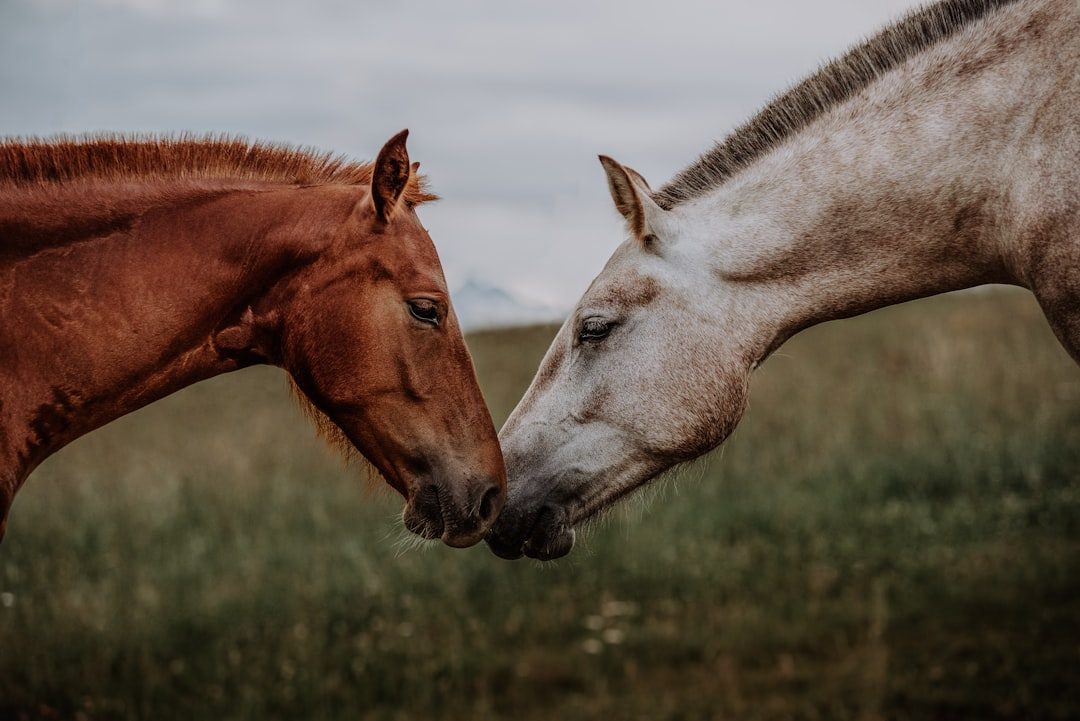
The most touching aspect of their communication involves positive interactions. Horses that are getting along well will stand close together peacefully and may do mutual grooming, where they nibble at each other’s withers, neck, and back, or stand nose-to-tail so they can swish flies away from each other.
The strongest positive social sign that horses give is rather anticlimactic: standing peacefully near each other. It’s a reminder that sometimes the deepest connections are the quietest ones.
Survival Challenges in a Harsh Landscape
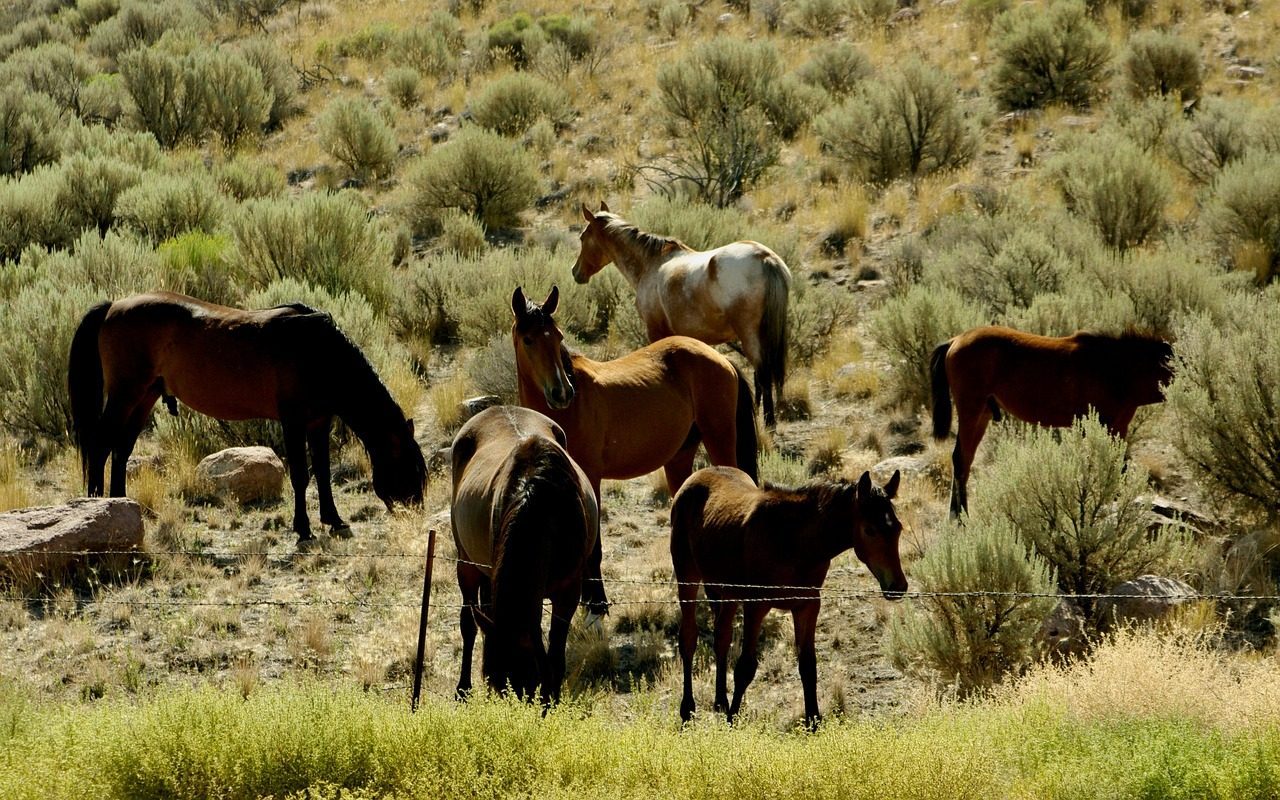
Living wild means facing dangers that our domestic horses never encounter. Wild horses require large amounts of forage to survive, and when populations exceed the carrying capacity of the land, overgrazing can occur, leading to damage to the land and a decline in the quality and availability of food for the horses.
The environmental challenges are relentless. Climate change poses significant challenges to the habitats of wild horses and burros, as weather patterns shift and resources become scarcer, creating new threats to their survival. Imagine trying to find water in the middle of a three-year drought, or surviving winter storms without shelter.
Habitat destruction due to development, mining, and other human activities can have a negative impact on wild horse populations, as their habitats are destroyed or fragmented, forcing wild horses to move into areas where they may be at greater risk of injury or death. These horses didn’t choose to live in increasingly limited spaces, yet they adapt with remarkable resilience.
What amazes me is their resourcefulness. They have no natural predators, which contributes to a high survivorship rate, but this also means they must regulate their own populations through natural means or face the consequences of overgrazing their ranges.
The Ecological Impact: Heroes or Villains?
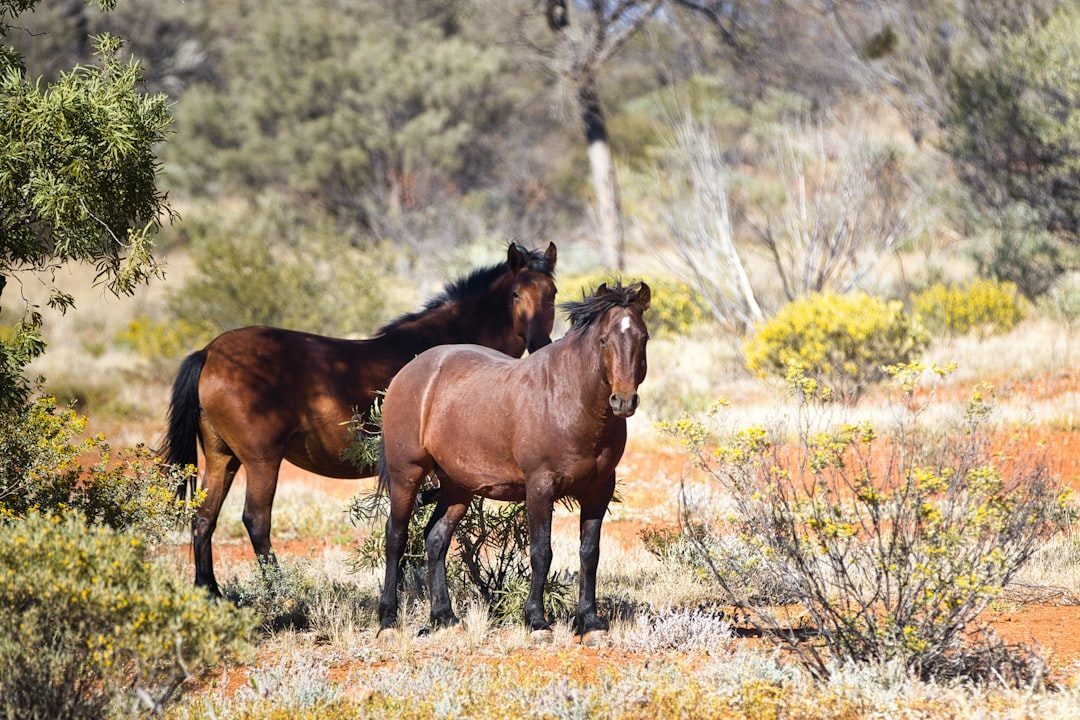
The question of wild horses’ environmental impact sparks heated debates, but the truth is more nuanced than either side admits. Wild horses and burros contribute to vegetation management through their grazing habits, helping maintain grassland ecosystems by preventing overgrowth and promoting plant diversity, while large grazing herbivores can reduce fire spread and intensity by reducing fuel biomass.
However, the horses have detrimental effects on the environment, especially when they are overpopulating an area, causing damage to river and stream environments, damaging plants, and compacting soils beyond normal levels. The key word here is “overpopulating,” which suggests that in appropriate numbers, they can actually benefit their ecosystems.
Horses and burros are especially useful as they are hindgut fermenters so they are more likely to consume dry and low-nutrient vegetation, like cheatgrass, that can be major drivers of wildfires, while their movement across the landscape can help aerate the soil and promote nutrient cycling. This challenges the simple narrative that wild horses are purely destructive.
Recent research has begun to shift perspectives. Research highlights wild burros’ role in enhancing desert ecosystems by creating water sources used by numerous native species, challenging the view of these animals as invasive and prompting a reevaluation of culling plans.
Government Management and Roundups
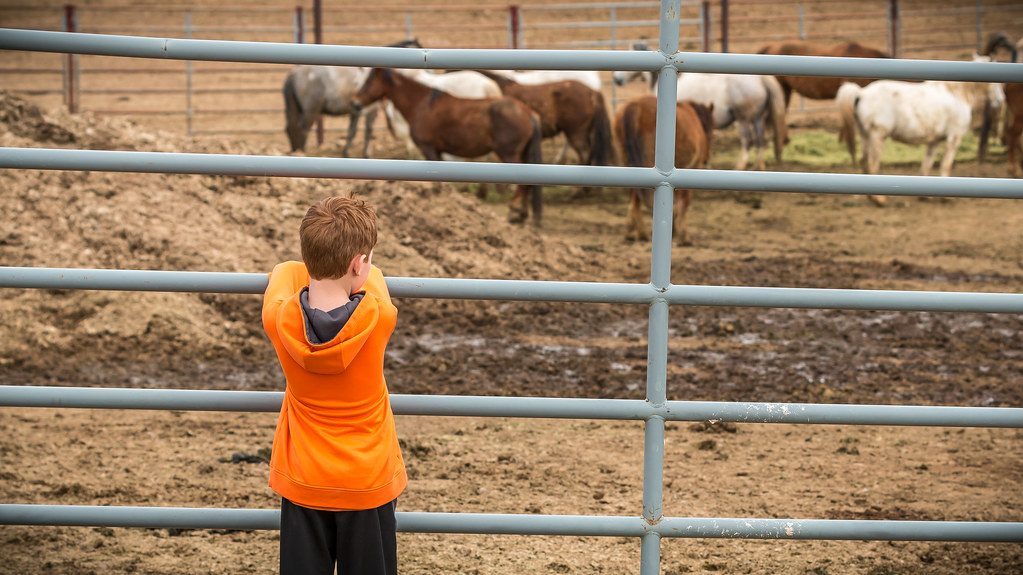
The reality of wild horse management is both heartbreaking and complex. Since March 2023, the BLM removed 11,784 animals from overpopulated herds and offered them for adoption to qualified homes, placing 7,887 animals into private care through adoptions, sales and transfers. While these numbers sound clinical, each represents an individual horse torn from its family band.
There are currently approximately 67,000 wild horses and burros in long term holding, with the BLM intending to remove an additional 20,000 from public rangelands this year. The cost of this system is staggering. The BLM’s total expenditures for gathers and removals and off-range holding costs jumped from roughly $44 million in 2014 to roughly $109 million in 2024.
The roundup process itself is controversial and traumatic for the horses. To capture a wild horse is to strip away the spirit and dignity of this proud and noble creature, while watching wild horses being run into a sales ring at a slaughter auction is an atrocity that defies description.
Fertility control offers a more humane alternative. The main drug used is PZP, a birth-control injection for horses that has a long history of use in wildlife species and is considered safe but is most effective for only one year, and in 2022, the agency treated 1,622 mares with contraceptives.
Hope for the Future
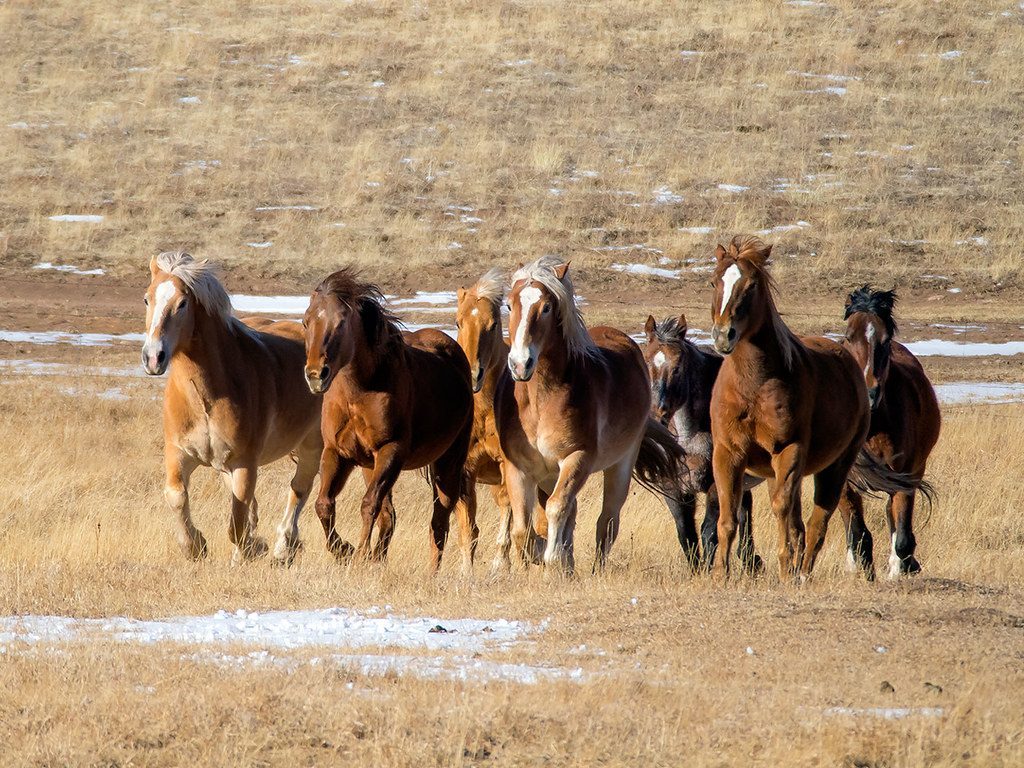
Despite the challenges, there are reasons for optimism about wild horses’ future. Conservation efforts are reforming wild horse and burro protection across the American West, expanding protected natural habitats in places like Fish Springs, Nevada, and setting conservation standards through leading wild horse fertility control initiatives, creating a new model for wild horse protection through conservation.
The key lies in finding balance. Experts have established the Free Roaming Equids and Ecosystem Sustainability Network, including more than 100 stakeholder groups from across the region, bringing people with diametrically opposing viewpoints face to face to work toward realistic solutions and improve communication.
What we can do is plan for the future and manage the land using the best available science to provide habitat, conserve biodiversity, and control exotic plants that we’ve introduced. This approach offers hope for both wild horses and the landscapes they call home.
Public support remains strong. The majority of Americans want these animals preserved and protected, believing they can be managed in the wild and moved to sanctuaries where people from around the world can have the privilege of seeing them in their natural habitat. This grassroots support provides the foundation for meaningful change in how we approach wild horse conservation.
**Conclusion**
America’s wild horses represent more than just feral animals on public lands – they embody a connection to our nation’s untamed spirit that grows more precious as our world becomes increasingly managed and controlled. Their story isn’t simple; it’s filled with ecological complexity, management challenges, and passionate debates about their rightful place in the modern American West.
Yet perhaps that’s exactly why they matter so much. In our perfectly climate-controlled barns with measured feed rations and planned breeding programs, we sometimes forget the raw power and intelligence that horses possessed before we domesticated them. These wild herds remind us daily that horses are capable of so much more than we often ask of them.
The future of America’s wild horses isn’t just about population numbers or grazing impacts. It’s about whether we have the wisdom and compassion to share the landscape with these magnificent creatures who ask for nothing more than freedom to live as horses were meant to live. What do you think – can we find that balance? Tell us in the comments.
