

When you picture getting a dog for your family, you probably imagine cozy cuddles, fun playtime, and teaching your kids responsibility. The reality is a lot messier. Dogs aren’t all built the same, especially when it comes to dealing with the unpredictable chaos that small children bring into a home. Kids move fast, scream suddenly, and have zero understanding of personal space. Some dogs handle this beautifully. Others, honestly, don’t.
I know it sounds harsh to say certain breeds shouldn’t be trusted around little ones. Every dog lover has stories about their sweet pit bull or gentle Akita who would never hurt a fly. Those exceptions exist. They’re real. Yet when we’re talking about the safety of toddlers who can’t read warning signs or defend themselves, we need to look at patterns, statistics, and breed characteristics that pose genuine risks. Let’s dive in.
Chihuahuas: Tiny Bodies, Big Attitudes

These tiny dogs may look harmless, but they can pack a punch and tend to be very bonded to one person, often showing no interest in being nice to anyone else. They are potential bite risks for small children, especially if they feel a child is invading their space, and this breed can be very moody, not wanting any disturbing or annoying things happening around them.
Here’s the thing: small dog bites often go unreported. A University of Pennsylvania study on Dachshunds and Chihuahuas found they displayed more aggressive behaviors than many larger, feared breeds. Parents tend to brush off a nip from a seven-pound dog, yet those bites frequently occur at face level with toddlers. Chihuahuas are very small and will be very sensitive to rough handling. A toddler who doesn’t understand gentle touch can accidentally hurt these fragile dogs, who then defend themselves with their teeth.
Akitas: Stern Protectors Who Don’t Tolerate Nonsense

Akitas are fearsome protectors, guarding their families at every turn and always on the lookout, but the serious Akita might not make the best playmate for your kids. Let’s be real: kids are chaos incarnate. They run, they shriek, they poke things they shouldn’t. Because Akitas are stern and somber, they don’t tolerate silliness or teasing very well, and if they think the children are being too erratic, they might not respond appropriately.
This breed often displays possessive behavior over food and toys which can be dangerous if a child approaches them while eating. That protective instinct sounds great in theory until you realize it extends beyond the family. An Akita might be protective of children in your family but dislike outsiders, which can be dangerous for guests. When your kid’s friend comes over for a playdate, you’re dealing with a potential nightmare scenario.
Rottweilers: Muscular Giants With Lengthy Puppyhood
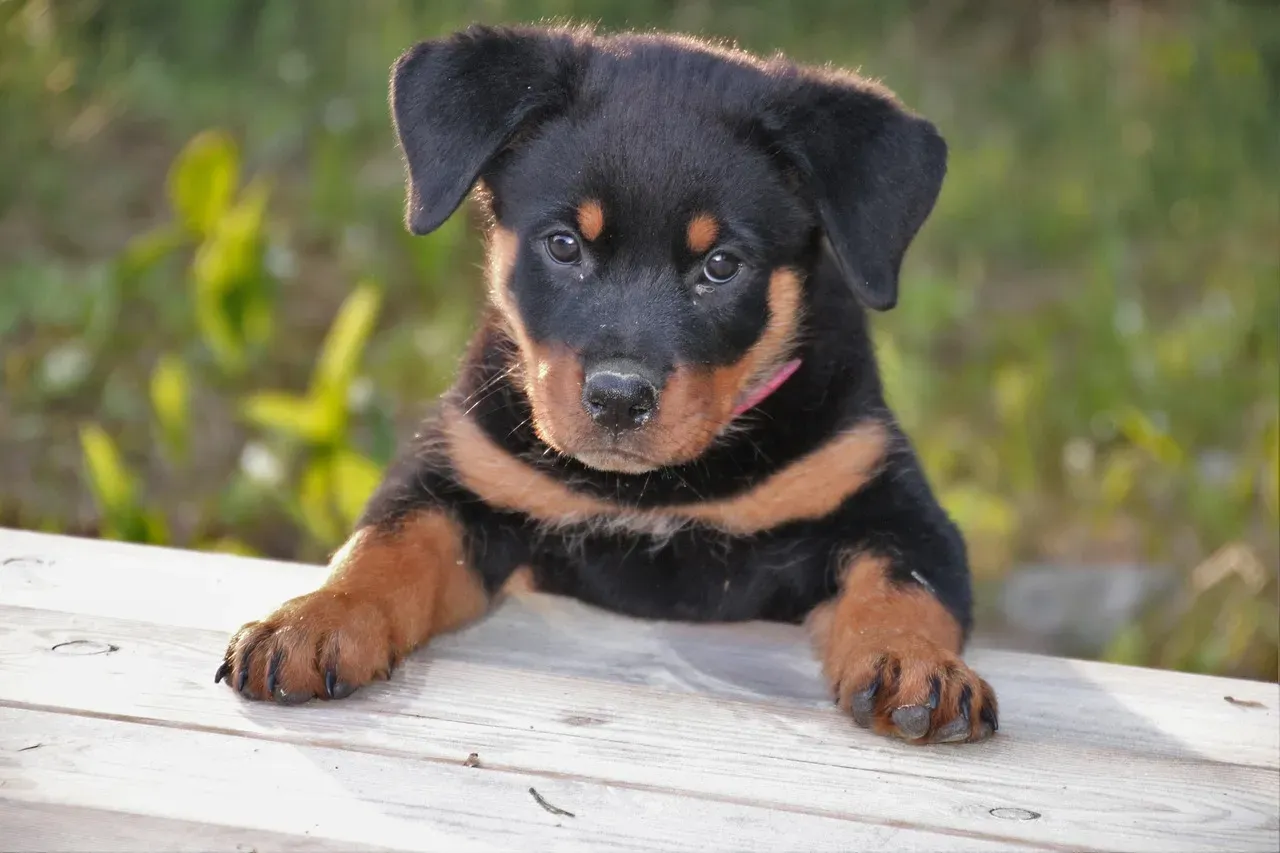
Rottweilers are powerful dogs frequently cited among the most aggressive dog breeds in statistical reports and were involved in 45 fatal attacks in the U.S. between 2005 and 2019. Now before you start typing angry comments, hear me out. Rottweilers are absolutely excellent family companions and can integrate well into many lifestyles, having a great tendency to be caretakers of younglings.
The problem isn’t malice. It’s physics. Some Rottweilers can be very loving and doting, but they are also muscular and thick, and your child might be a tripping hazard. A Rottweiler that isn’t fully trained yet might drag around kids on the leash, too. Since Rotties are big dogs, they mature slowly, making puppyhood last forever, long before they grow into their own feet. Imagine managing a rambunctious, untrained hundred-pound puppy around a three-year-old. That’s asking for trouble.
Alaskan Malamutes: Food-Possessive Powerhouses
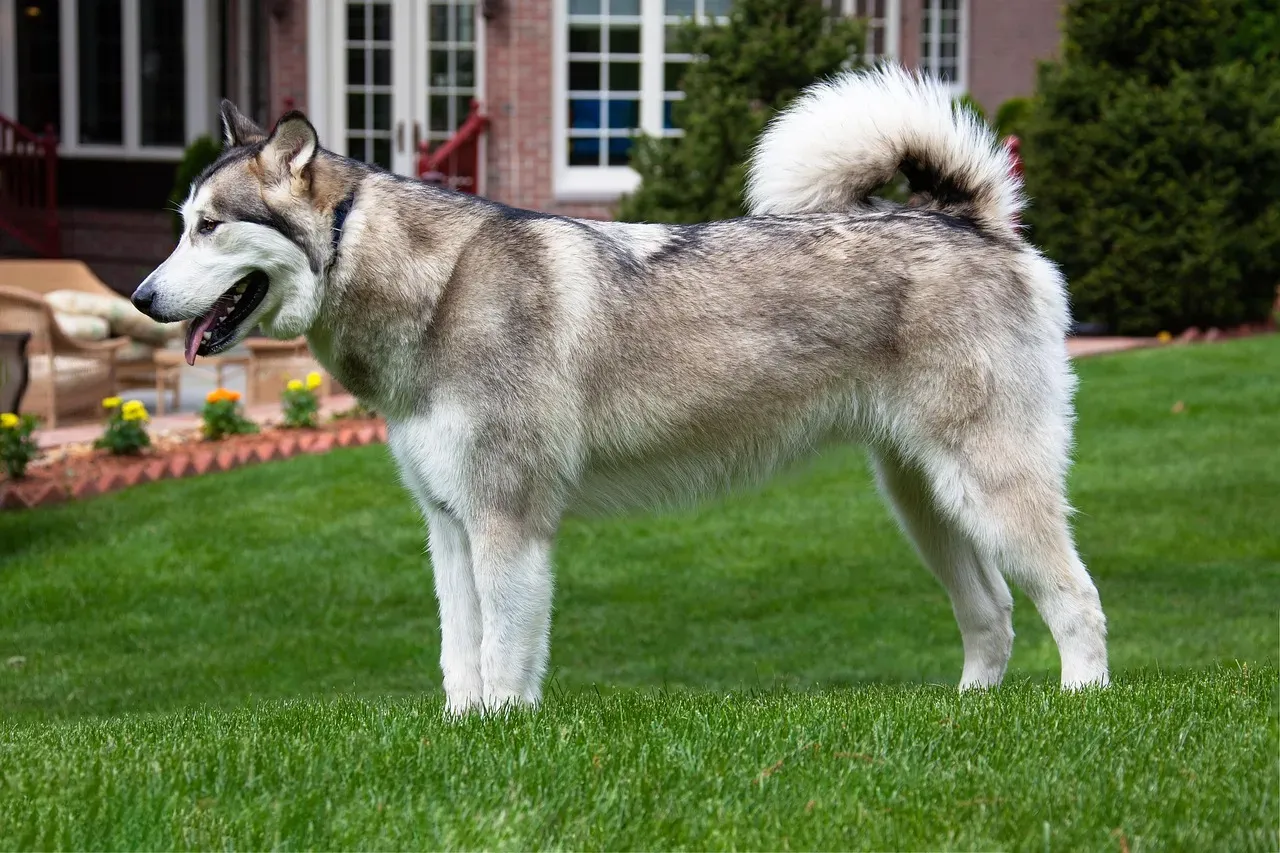
Alaskan Malamutes are massive sled dogs built for strength and endurance rather than gentle indoor companionship, and they are known for being extremely possessive of their food and may react aggressively if a child wanders near their bowl. These working dogs have intense drives bred into them over generations. Their play style is physical and rough which often leads to accidental injuries during interaction with smaller family members.
They have a high prey drive and can track and kill quickly. Small children move erratically, sometimes triggering that prey instinct unintentionally. They are often aggressive towards other dogs and this can result in injury to the other dog’s owner or to a child playing nearby. These aren’t dogs for relaxed suburban families with toddlers running around the backyard.
Dalmatians: High Energy Meets Hearing Problems

Dalmatians were historically bred to run alongside carriages and possess an inexhaustible amount of energy, and this high activity level often translates to a boisterous nature that can easily overwhelm or injure a small child. They look adorable in movies, which creates completely unrealistic expectations. The truth? These dogs need constant exercise and stimulation that most busy parents simply can’t provide.
They are prone to deafness which can lead to startling easily and snapping if a child approaches them from behind. Think about that for a second. Your toddler toddles up behind the dog to give it a hug, the dog can’t hear them coming, gets startled, and reacts defensively. It’s nobody’s fault, yet someone ends up needing stitches. Some risks just aren’t worth taking.
Conclusion
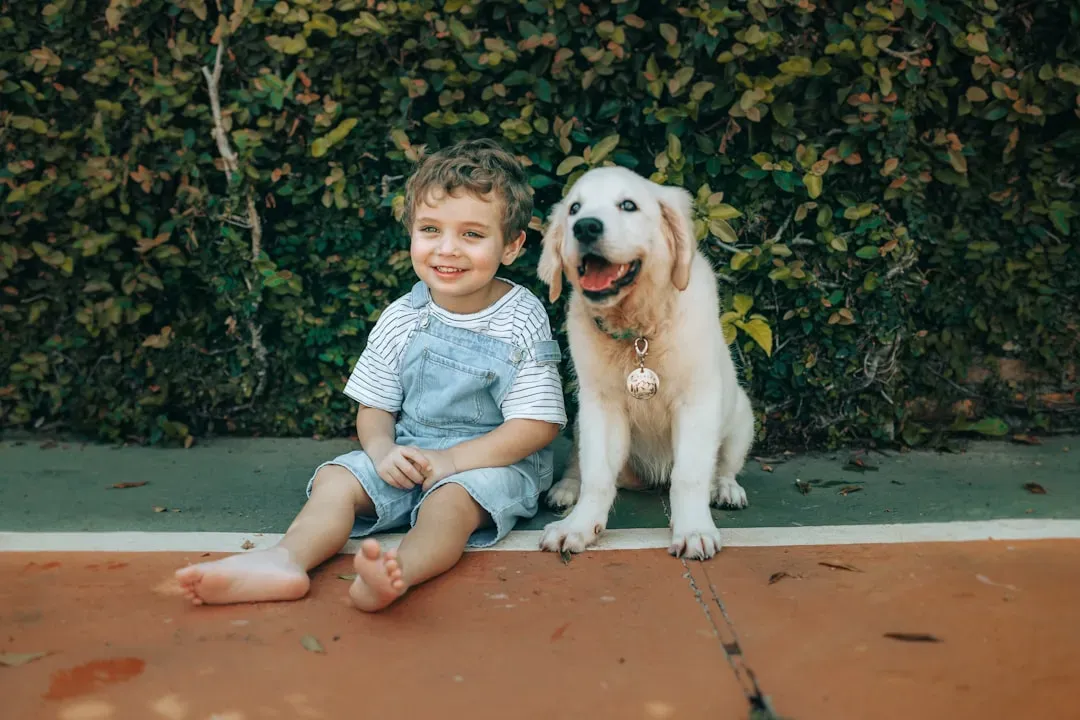
None of this means these breeds are inherently evil or that every single dog of these types will harm a child. If inappropriately trained or poorly socialized, any dog, regardless of breed, can be dangerous for young children. The difference is that certain breeds have temperaments, physical characteristics, or behavioral tendencies that make them higher risk around unpredictable little humans.
Children ages 1 to 5 are most at risk for dog bites. Those are the years when kids can’t read a dog’s body language, don’t understand boundaries, and can’t protect themselves if something goes wrong. Choosing a dog breed that naturally handles chaos, tolerates rough handling, and has predictable reactions gives your family the best chance at a safe, happy relationship. There are dozens of wonderful, child-friendly breeds out there. Why gamble with the ones that statistically struggle?
What do you think? Would you take the risk with these breeds, or stick with safer options? Tell us in the comments.
