
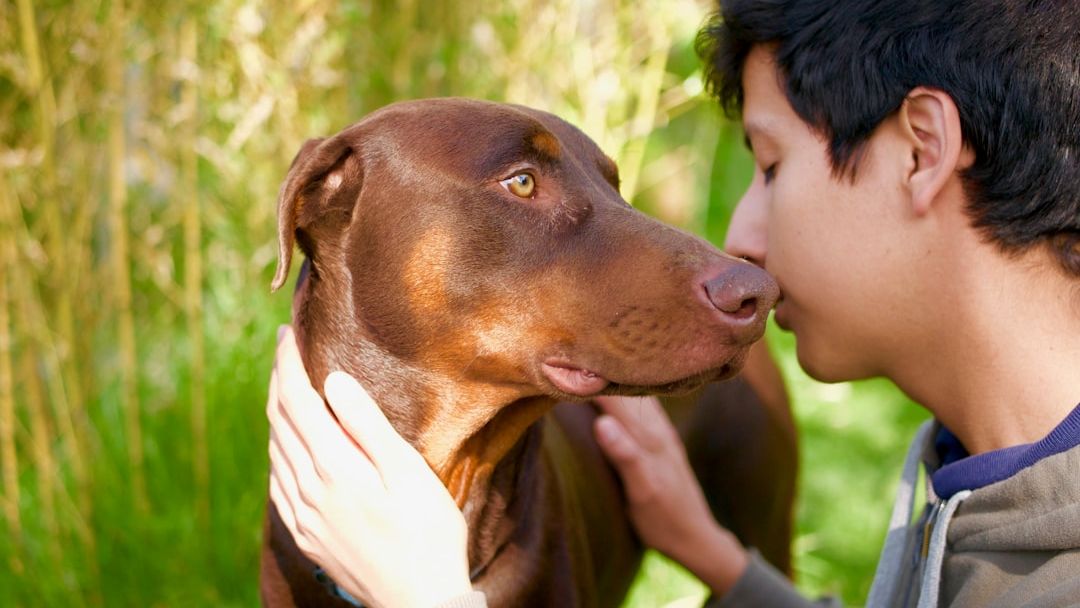
Most of us have had that moment. You’re sitting alone, feeling low without making a sound, and your dog quietly walks over and rests their head in your lap. It’s easy to chalk it up to coincidence or wishful thinking. It turns out, science has a more interesting explanation.
Dogs have been empirically shown to be particularly sensitive to human emotions, discriminating and showing differential responses to emotional cues expressed through body postures, facial expressions, vocalizations, and even odors. The depth of that sensitivity, however, is only now beginning to come into full focus. What researchers have uncovered over the past decade goes well beyond the anecdotes dog owners have shared for centuries.
A Relationship Shaped by Thousands of Years of Co-Evolution

The emotional attunement between dogs and humans didn’t happen by accident. Close association between humans and domestic dogs has occurred since dogs’ domestication, at least 30,000 years ago. That’s an enormous stretch of shared history, and it left deep marks on both species.
Dogs have smaller brains than their wild wolf ancestors, but in the process of domestication, their brains may have rewired to enhance social and emotional intelligence. Rather than a loss, this appears to be a meaningful trade-off. The social wiring became more refined, not less capable.
Dog puppies are more attracted to humans, read human gestures more skillfully, and make more eye contact with humans than wolf puppies. This difference emerges very early in development, suggesting it’s built into dogs at a deep biological level rather than purely learned through experience. Dogs’ ability to recognize human emotions appears to exceed the ability of other taxa, including wolves and chimpanzees, and it may be the result of the domestication process having selected for dogs that most proficiently communicate with humans.
Reading Faces, Voices, and Body Language All at Once
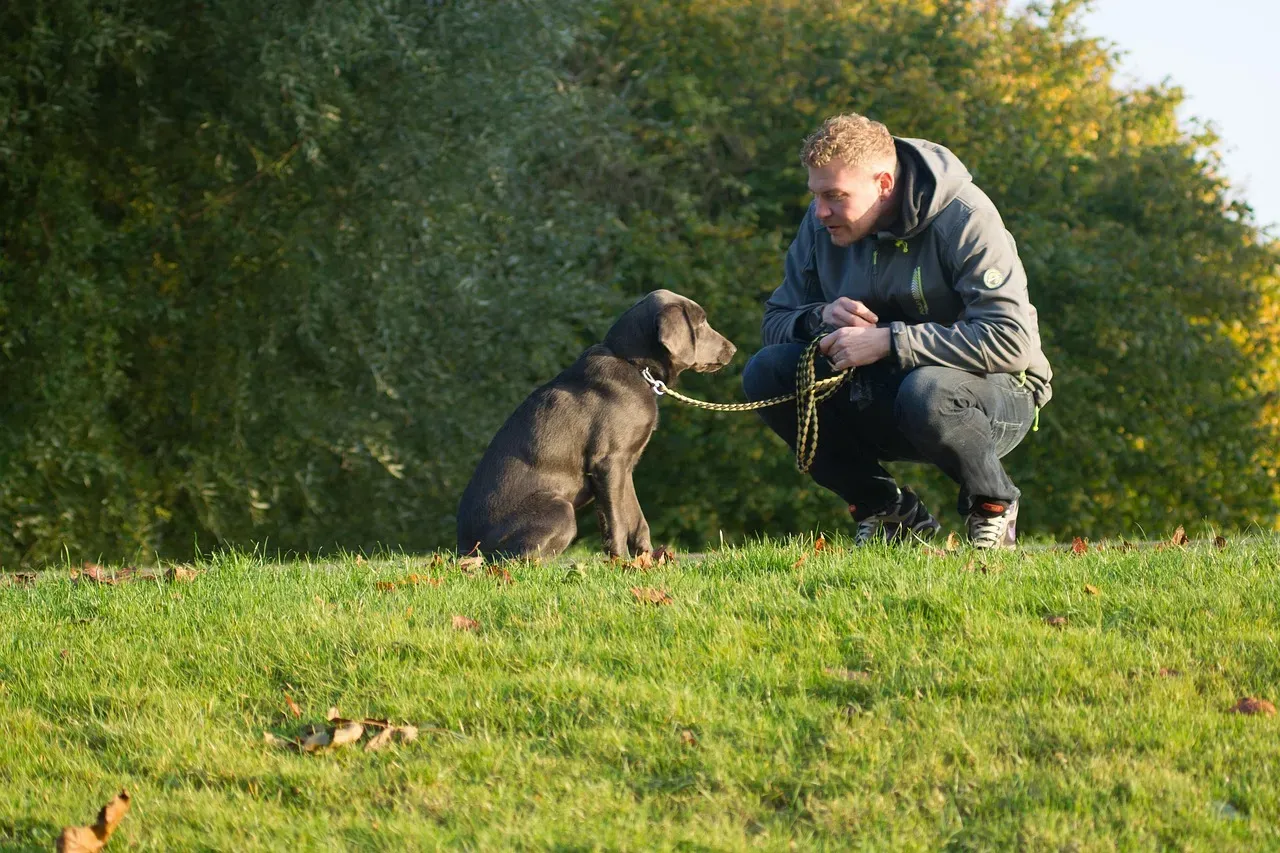
While previous studies indicated that dogs can differentiate between human emotions from cues such as facial expressions, research shows that dogs have the ability to integrate two different sources of sensory information into a coherent perception of emotion in both humans and dogs. To do so requires a system of internal categorization of emotional states. That’s a meaningful cognitive leap.
In one study of dogs and human facial expressions, a team of scientists demonstrated that dogs differentiate between happy and angry human faces, and that dogs find angry faces to be aversive. They don’t just notice a difference; they respond to it in behaviorally meaningful ways.
Dogs respond not just to any sound, but to the emotional tone of your voice. Brain scans reveal that emotionally charged sounds, such as a laugh, a cry, or an angry shout, activate dogs’ auditory cortex and the amygdala, a part of the brain involved in processing emotions. This suggests their emotional processing isn’t passive. Dogs show a subtle right-hemisphere bias when processing emotional cues, tending to gaze toward the left side of a human’s face when assessing expressions, a pattern also seen in humans and primates.
They Can Literally Smell How You Feel
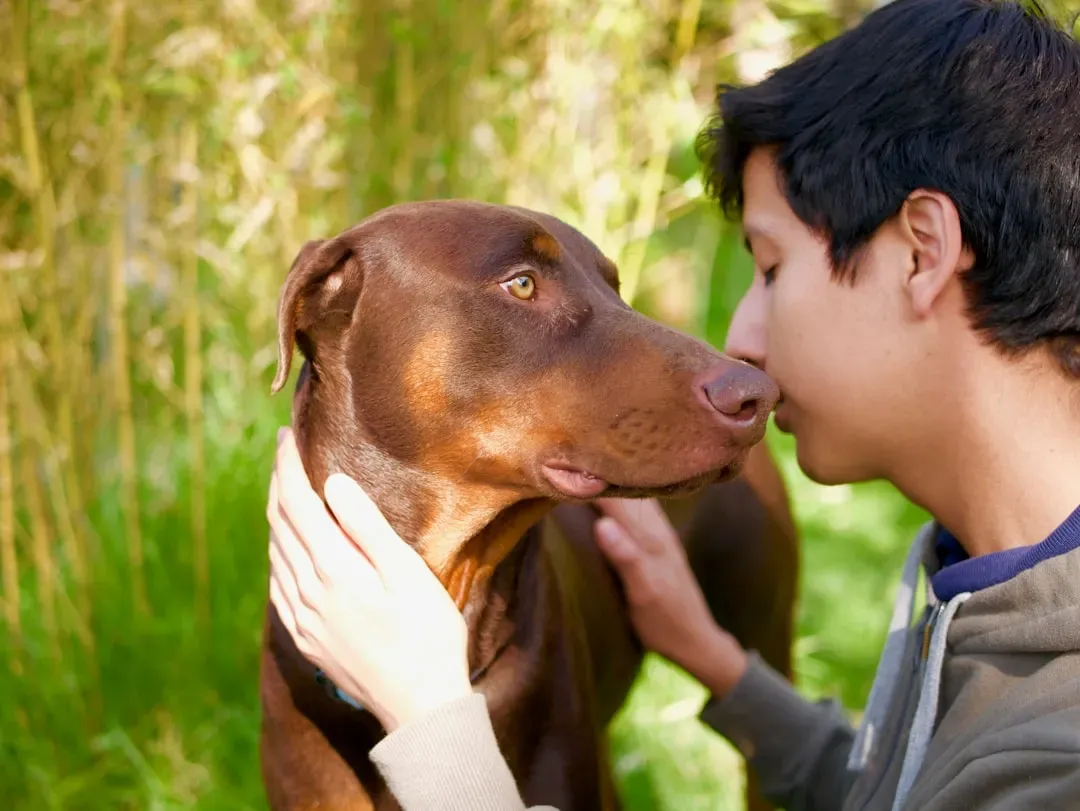
Here is where the story takes a genuinely remarkable turn. When humans experience fear, the body releases stress hormones like adrenaline and cortisol, creating distinct chemical changes in sweat and breath. Dogs can reliably detect these sudden shifts and often respond with caution or unease.
Dogs have up to 300 million olfactory receptors, while humans have about six million. That gives dogs a sniffing ability estimated to be tens of thousands of times more sensitive than ours. This isn’t just useful for finding truffles or tracking trails. It’s a continuous, real-time emotional feed.
Research provides evidence that dogs can detect an odour associated with acute stress in humans from breath and sweat alone, which provides a strong foundation for future investigations into areas such as emotional contagion. A University of Bristol study published in 2024 took this further, finding that dogs experience emotional contagion from the smell of human stress, leading them to make more “pessimistic” choices. Their mood shifts in response to yours, even without a single visual cue between you.
Real Emotions in Real Time, Not Just Trained Responses
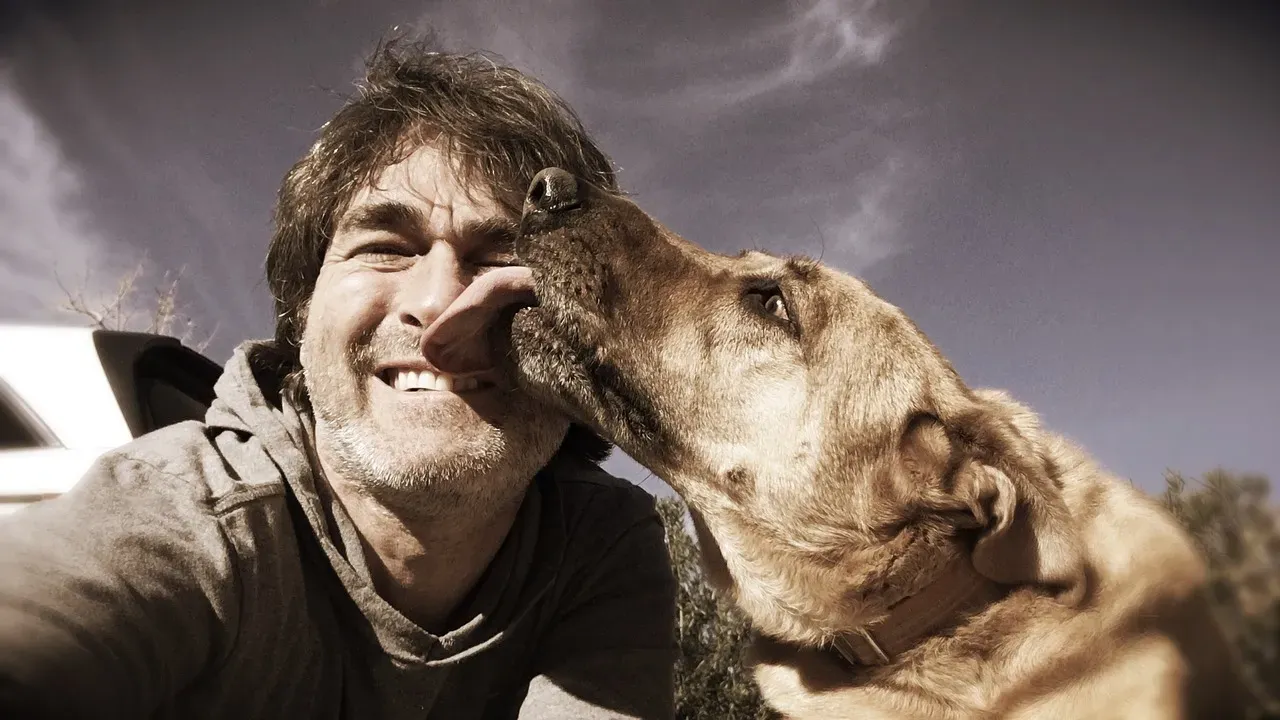
One lingering question in this research field has been whether dogs are simply responding to trained patterns, or whether they genuinely perceive authentic emotional states. A study published in the journal Animal Cognition helped address this directly.
A new study published in Animal Cognition closes an important gap by testing how dogs respond in real time to genuine human emotions. The results show that dogs indeed perceive differences in human emotion and behave differently depending on their owner’s emotional state. Crucially, the owners in this study didn’t even know the true purpose of the experiment, which ruled out owners inadvertently cueing their dogs.
Researchers found that dogs behaved differently depending on the owner’s emotional state: they gazed and jumped less at owners when they were sad, and their compliance with the “sit” command was also diminished. The behavior shifted without any explicit signal. The findings are evidence that dogs are able to functionally use the emotional information displayed by humans when faced with a social problem. They pay attention, obtain information and use this information to adjust their behaviour, and are able to use information previously stored in their memory from prior experiences with human emotional expressions to infer the emotional state of people.
The Surprising Asymmetry Between Dogs and Their Owners

There is an ironic twist buried in all of this research. While dogs are remarkably skilled at reading human emotions, new research from Arizona State University has revealed that people often do not perceive the true meaning of their pet’s emotions and can misread their dog. The reasons include a human misunderstanding of dog expressions due to a bias towards projecting human emotions onto pets.
Several studies have shown that dogs are remarkably good at recognizing human emotional expressions. They can tell what emotion a human face is showing or respond with concern to a weeping person. Where our comprehension of dogs’ emotions is so weak, their understanding of us is remarkably strong. It’s a genuinely lopsided dynamic.
Misinterpreting a dog’s emotional state can be dangerous. For example, mistaking a fearful dog for a happy one could cause humans to engage with the animal inappropriately, leading to an injury. Conversely, failing to recognize signs of distress could lead to neglect. The practical stakes here are real, not just scientific curiosities. When dogs and humans make gentle eye contact, both partners experience a surge of oxytocin, often dubbed the “love hormone.” In one study, owners who held long mutual gazes with their dogs had significantly higher oxytocin levels afterwards, and so did their dogs. This oxytocin feedback loop reinforces bonding, much like the gaze between a parent and infant.
Conclusion
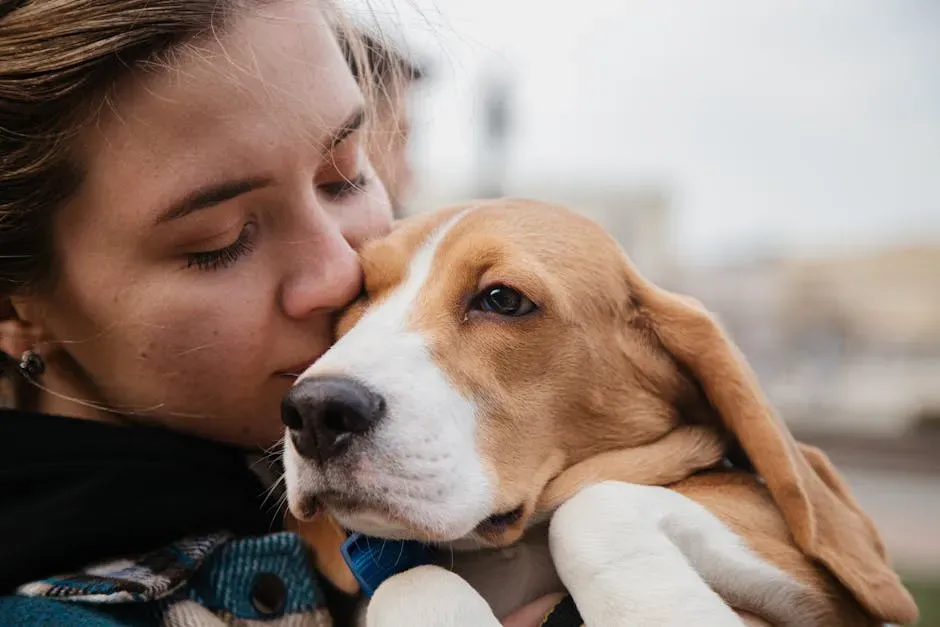
The science has moved well past the question of whether dogs understand our emotions. The more productive question now is how deep that understanding goes, and what it means for how we treat them in return.
Dogs understand human emotions far better than once imagined. They read our faces, listen to tone shifts, interpret body language, and even detect chemical changes in our scent. This emotional awareness strengthens the bond between humans and their dogs, but it also means our moods directly impact them.
There is something quietly humbling about that. Your dog doesn’t need you to explain how you’re feeling. In many ways, they already know before you’ve found the words. The more interesting question might be whether we’re paying them the same quality of attention in return.
