
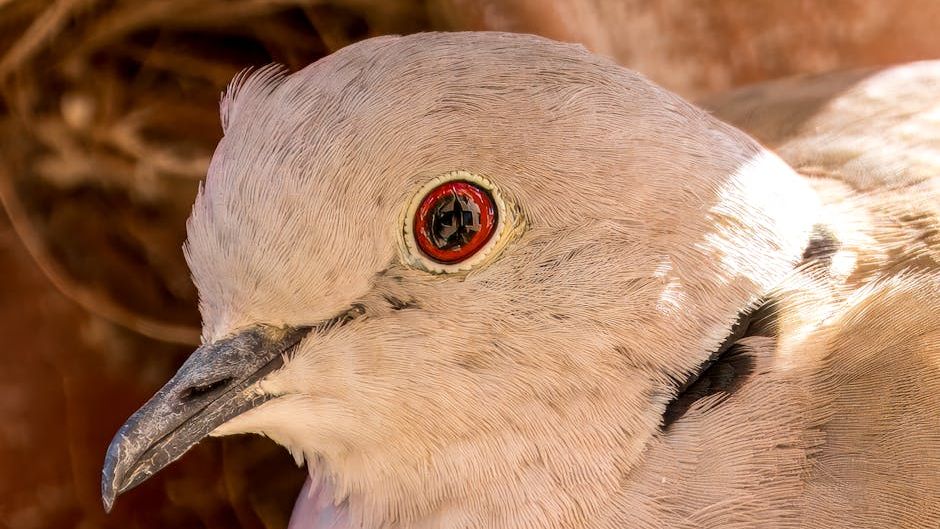
Picture a common mourning dove perched on your fence, cooing softly in the morning light. To us, its plumage looks like soft grays and subtle browns. That bird experiences a visual symphony far richer than anything our eyes can grasp.
Scientists have uncovered how doves perceive shades invisible to humans. Their world includes patterns and hues shaped by light we never notice. This ability changes everything from foraging to finding mates.
Human Vision: The Trichromatic Baseline
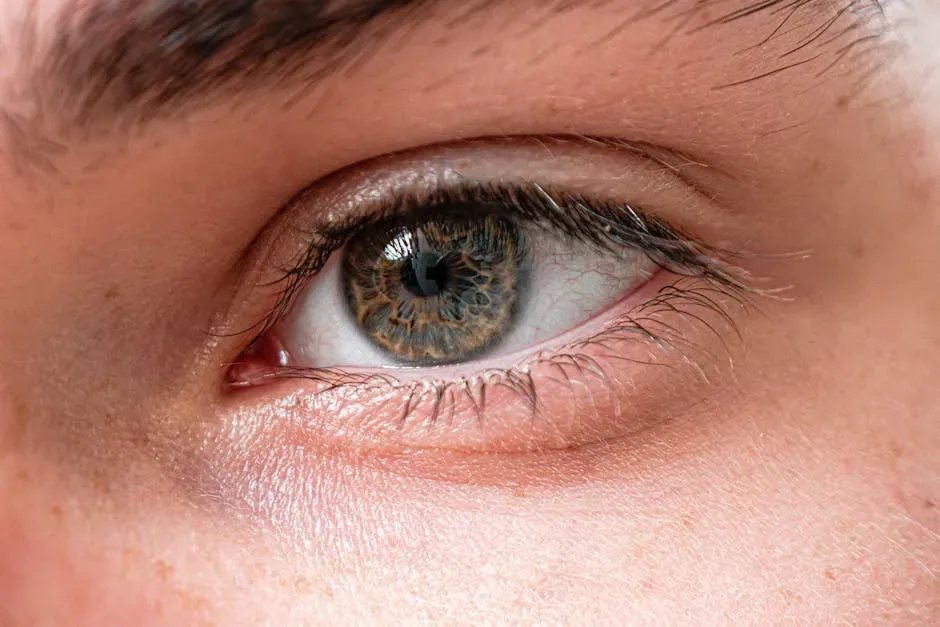
Humans rely on three types of cone cells in the retina. These detect red, green, and blue wavelengths roughly. Our lens blocks shorter ultraviolet rays, limiting the spectrum to about 400 to 700 nanometers.[1]
This setup lets us mix colors into millions of variations. Still, fine distinctions between similar shades often escape us. Birds surpass this with an extra layer of perception.[2]
Doves’ Tetrachromatic Eyes
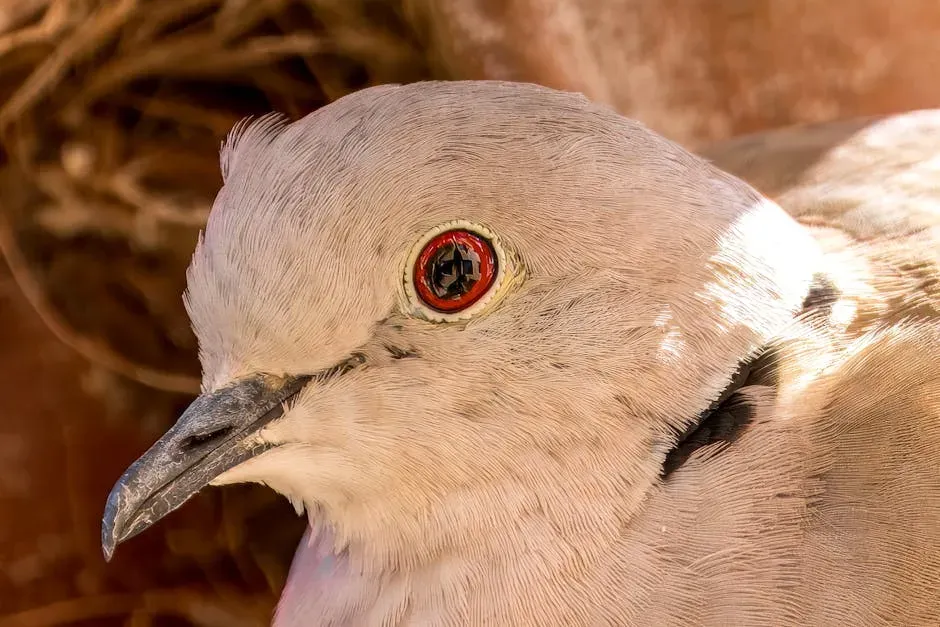
Doves belong to the Columbidae family, sharing traits with pigeons. They possess four cone types: violet-sensitive, blue, green, and red. This tetrachromacy expands their color space dramatically.[3]
Each cone holds a pigmented oil droplet that sharpens signals. These filters boost contrast and discrimination. Doves detect subtleties humans miss entirely.[1]
Studies confirm pigeons, close kin to doves, respond to these cones in tests. Their retinas pack more cones per area too. Vision stays crisp even in motion.
Perceiving Ultraviolet Light
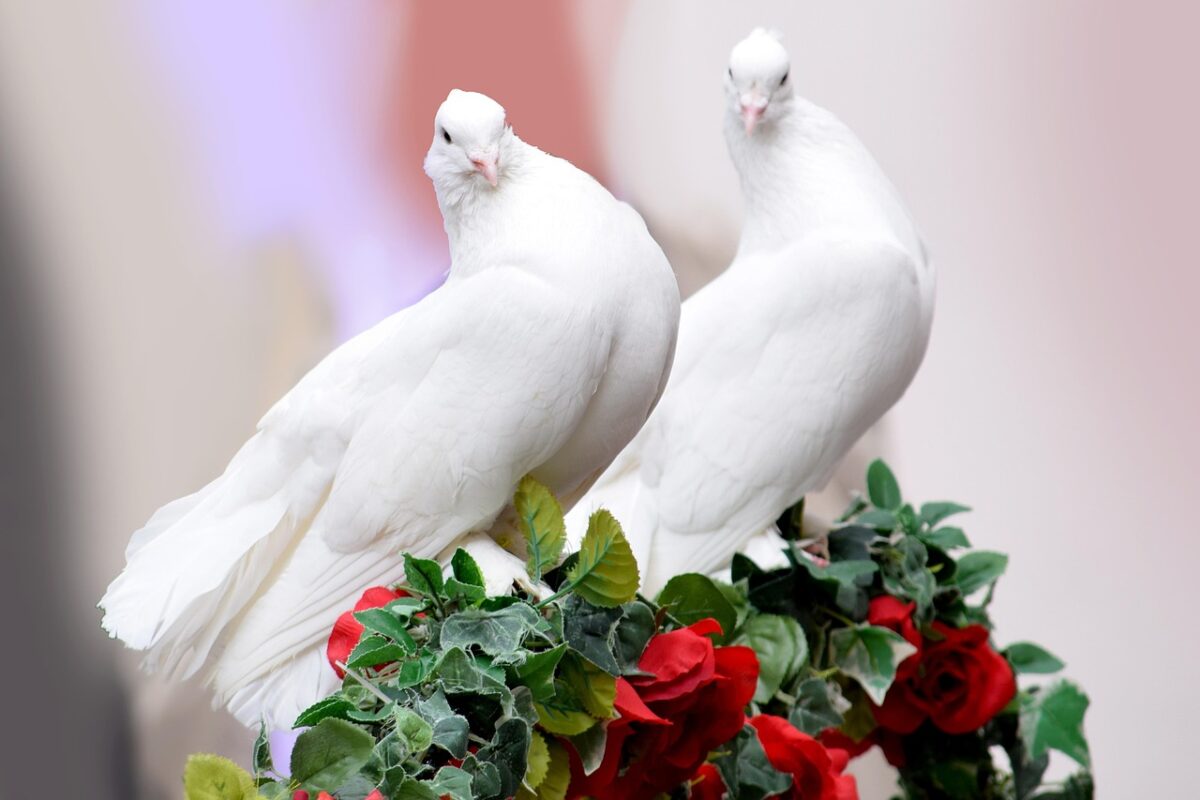
Doves see into the ultraviolet range around 300 to 400 nanometers. Their ocular media transmit these waves freely, unlike our blocking lenses. Violet-sensitive pigments peak near 404 nanometers in rock doves.[4]
This lets them spot UV reflections on feathers or food. Flowers and berries often glow under UV to avian eyes. Pigeons first revealed this in 1970s experiments.[2]
Such vision aids navigation and predator avoidance. Doves pick up trails marked by urine in UV. Their world layers this atop visible colors.
Colors Beyond Human Grasp
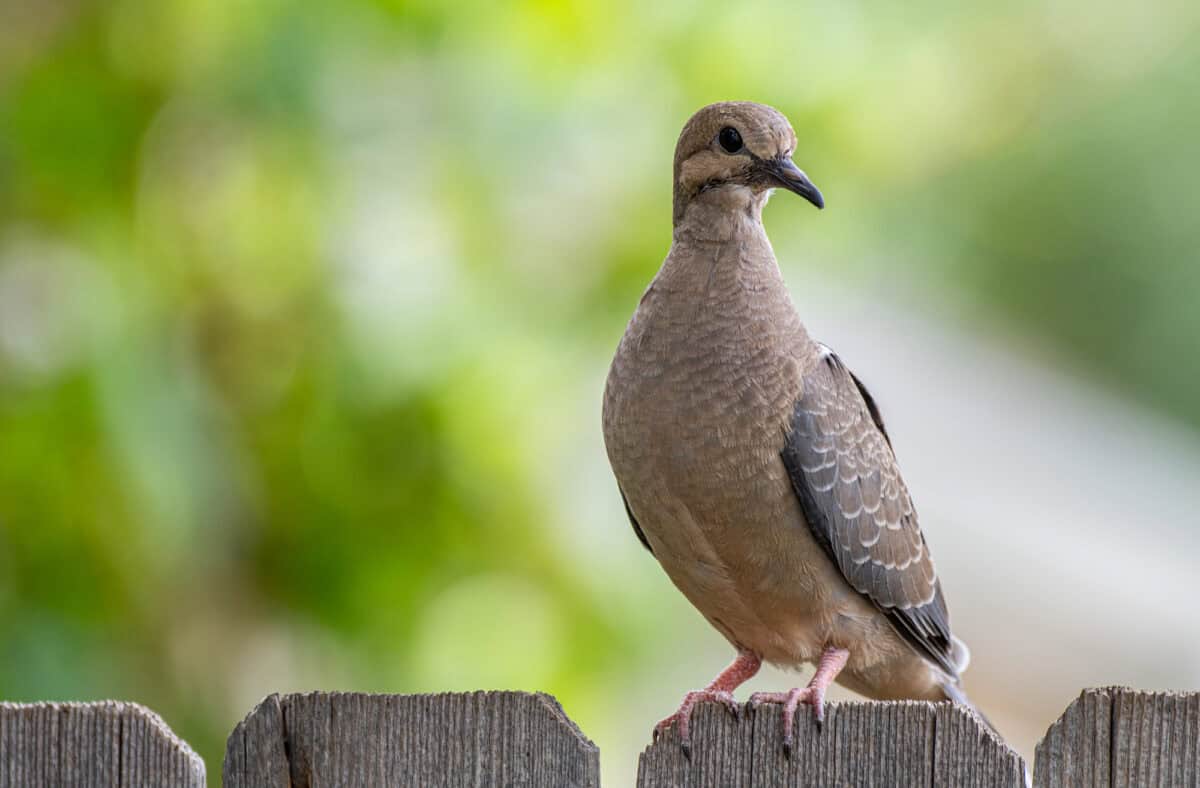
Tetrachromacy creates combinations like UV plus green, forming novel hues. Humans cannot simulate these; our brains lack the channels. Doves experience a four-dimensional palette.[3]
Plumage looks drab to us but dazzles them with UV patterns. Mate selection hinges on these hidden signals. Everyday objects shift dramatically in their view.[5]
Researchers model this as richer than our millions of shades. Doves likely distinguish far more gradations. Their reality pulses with vibrancy we imagine only vaguely.
Evolutionary Edges in Dove Survival
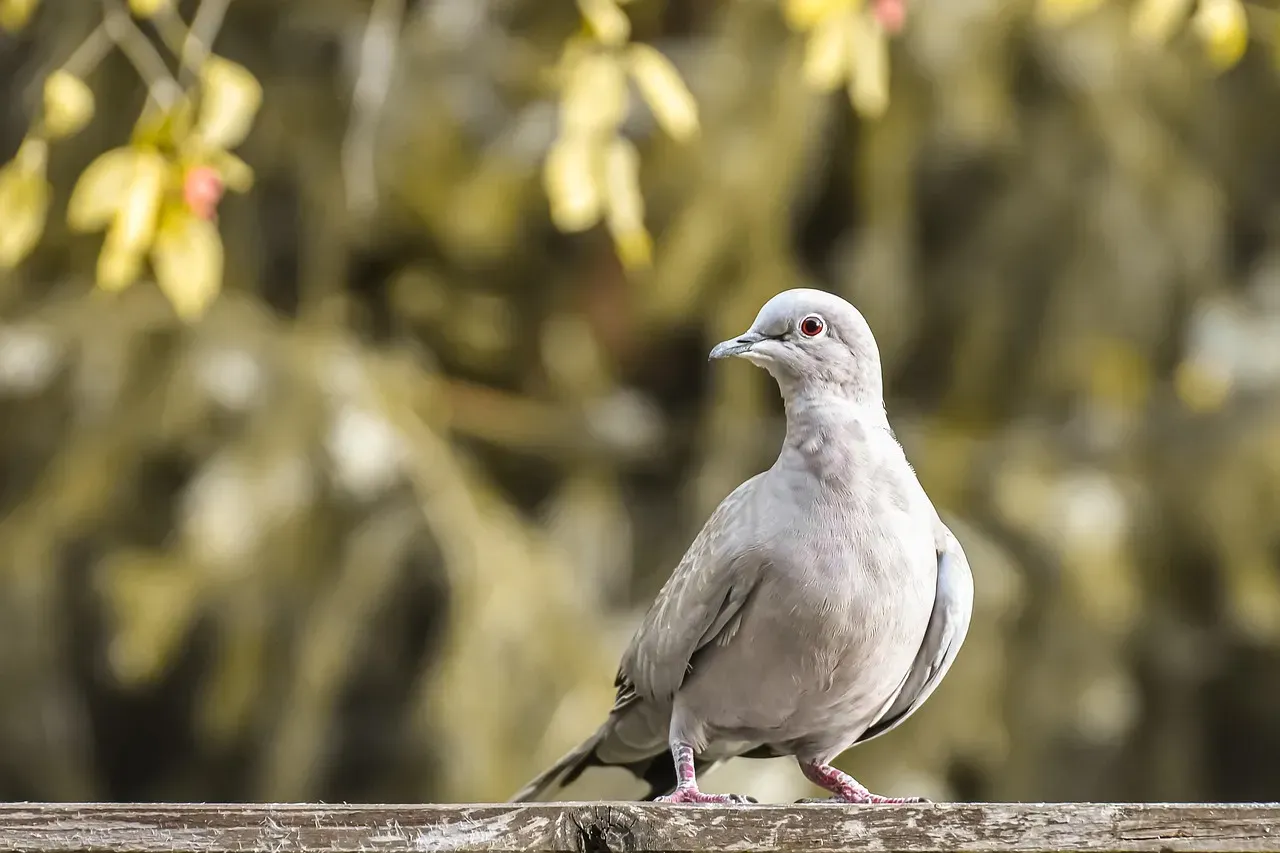
UV vision helps doves find nutrient-rich seeds reflecting those rays. It reveals ripe fruits invisible otherwise. Foraging efficiency rises in diverse habitats.[1]
In courtship, UV accents make partners stand out. Females assess males through these cues. This drives sexual selection across Columbidae.[3]
Hunters note doves spot movement over color alone. Yet broad spectrum aids evasion. Evolution honed this for urban and wild life alike.
Conclusion
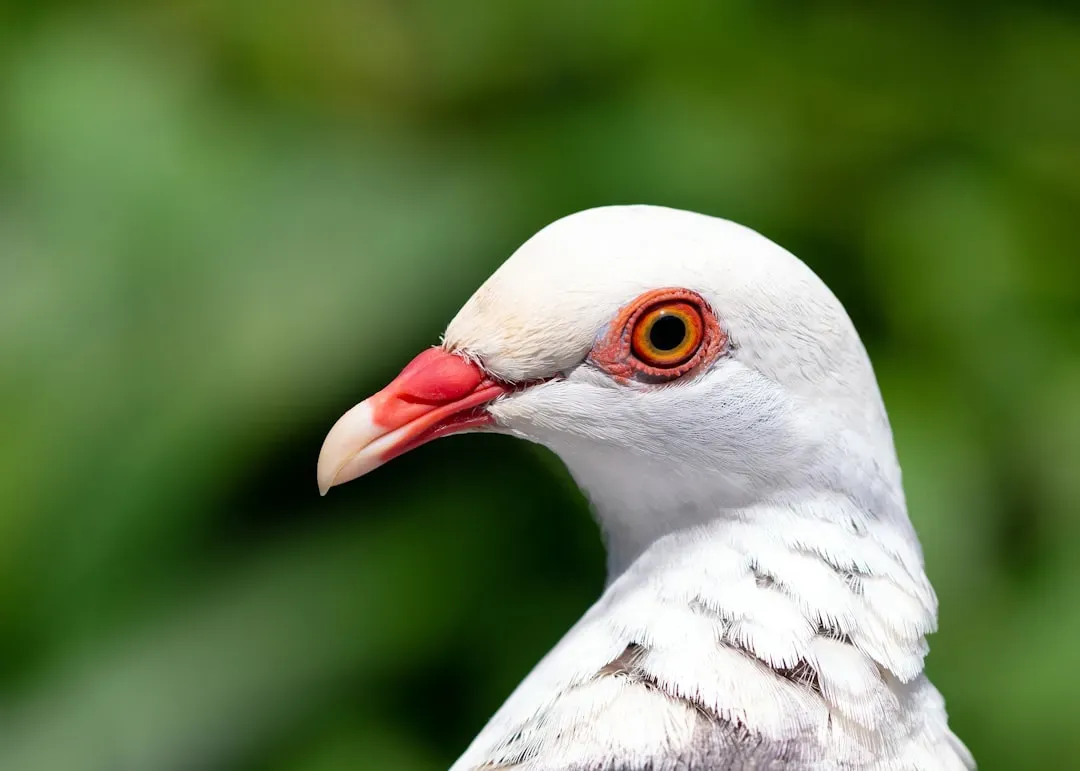
Doves reveal nature’s hidden artistry through their eyes. We glimpse hints via tech, yet true experience eludes us. Next time one visits your yard, ponder the rainbow it alone beholds.
This superpower underscores biodiversity’s wonders. Human limits spark curiosity about fellow creatures’ senses. Their colors remind us vision shapes reality uniquely.
