

The circus has traditionally been a place of wonder, excitement, and awe-inspiring performances. However, behind the vibrant lights and colorful acts lies a darker, often overlooked reality involving the treatment of circus animals. As society increasingly prioritizes animal welfare, the question emerges: should circus animals be banned for good? This article explores various facets of this issue, delving into the lives of circus animals and the ethical considerations surrounding their use in performances.
Historical Context of Animals in Circuses
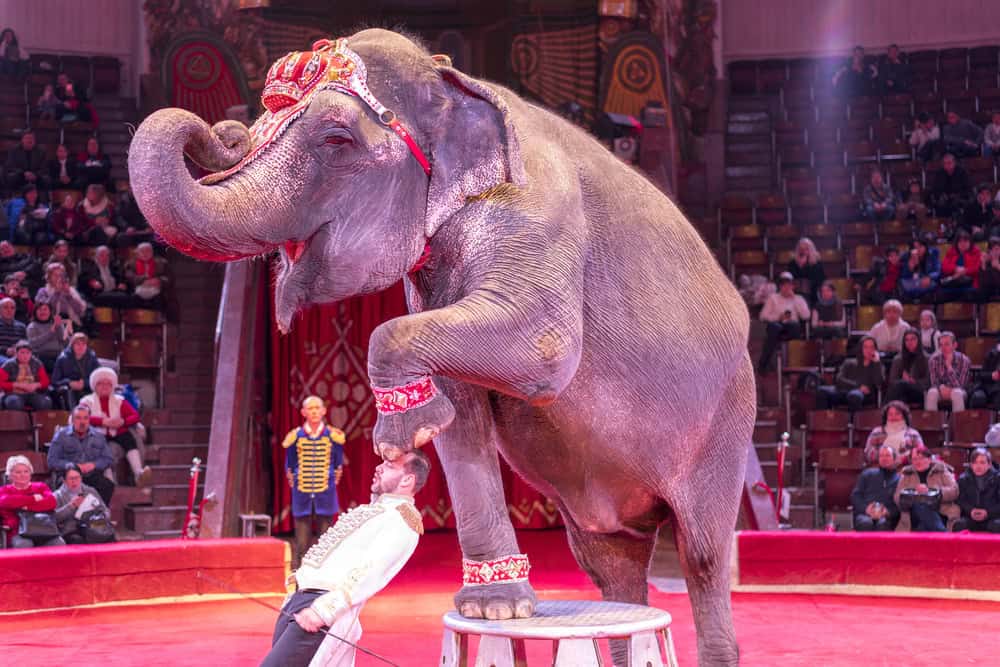
The use of animals in circuses dates back centuries, with the origins traced to ancient Rome. These performances have historically included exotic animals, celebrated for their majestic appearances and trained behaviors. By the 19th century, circuses with menageries became incredibly popular in Europe and the United States, showcasing lions, elephants, and bears to captivate audiences.
Animal Training Techniques: Behind the Curtain

Many circus animals are subjected to harsh training methods to ensure they execute impressive tricks on demand. These techniques often involve fear and punishment-based methods, where animals may be beaten or deprived of food and water to perform specific acts. Such treatment raises significant ethical concerns about the welfare and rights of animals.
Psychological Impact on Circus Animals

Life in the circus takes a significant toll on animals’ mental health. Constant confinement, frequent relocating, and strenuous performance schedules lead to stress and depression. Many animals exhibit stereotypic behaviors, such as pacing and swaying, indicative of distress. The lack of natural environment engagement further compounds these psychological woes.
Physical Consequences of Circus Life

Physical health issues are rampant among circus animals. Restricted space and insufficient exercise contribute to diseases and physical deformities. For instance, elephants in circuses are known to suffer from arthritis and foot problems due to prolonged confinement on hard surfaces without adequate movement.
Legislative Measures and Animal Welfare Laws

There is a growing global movement to protect circus animals, with numerous countries implementing legislation to curb their exploitation. Nations such as Bolivia, Greece, and the Netherlands have banned or severely restricted the use of animals in circuses. These laws are pivotal in challenging the ethical considerations of treating animals as mere entertainment props.
Public Sentiment Shifts Toward Animal Rights

Public awareness and sentiment toward animal rights have dramatically shifted in recent years. Numerous advocacy groups and media exposure have spotlighted the harsh realities circus animals endure, galvanizing public support for legislative changes and bans. This cultural shift is driving increased scrutiny and demand for ethical treatment of circus animals.
Technological Advancements: Virtual and Animal-Free Circuses

Innovations in technology are offering alternatives to traditional circuses. Virtual reality experiences and holograms can recreate the awe of animal performances without real animals. These advancements allow circuses to maintain the element of wonder, providing entertainment without ethical compromises.
Cultural and Economic Impacts of a Ban

Banning circus animals potentially impacts cultural traditions and economics. Many communities view traveling circuses as a heritage and fear losing this aspect to mechanized shows. Economically, transition away from animal acts may be challenging but can evolve to feature human-only performances and technological marvels, enriching audience experience.
Case Studies of Successful Ethical Circuses

Circuses like Cirque du Soleil exemplify successful operations without animal acts. These troupes prioritize human acrobatics, storytelling, and theatrical musical performances, proving circuses can thrive without animals. Ethical entertainment models are gaining traction and proving commercially successful globally.
The Role of Advocacy and Non-profits

Nonprofit organizations play a pivotal role in bringing attention to the plight of circus animals. Groups like PETA and the American Society for the Prevention of Cruelty to Animals (ASPCA) actively campaign against animal circuses and press for bans. Through lobbying, public education, and direct action, they continue to push the agenda for comprehensive reforms.
Alternative Career Paths for Displaced Circus Animals

Displaced circus animals often find refuge in sanctuaries and wildlife rehabilitation centers. These facilities provide space for animals to live out their remaining years in a more natural and nurturing environment. Efforts to transition these animals are essential in mitigating the consequences of bans.
Where Do We Go From Here?
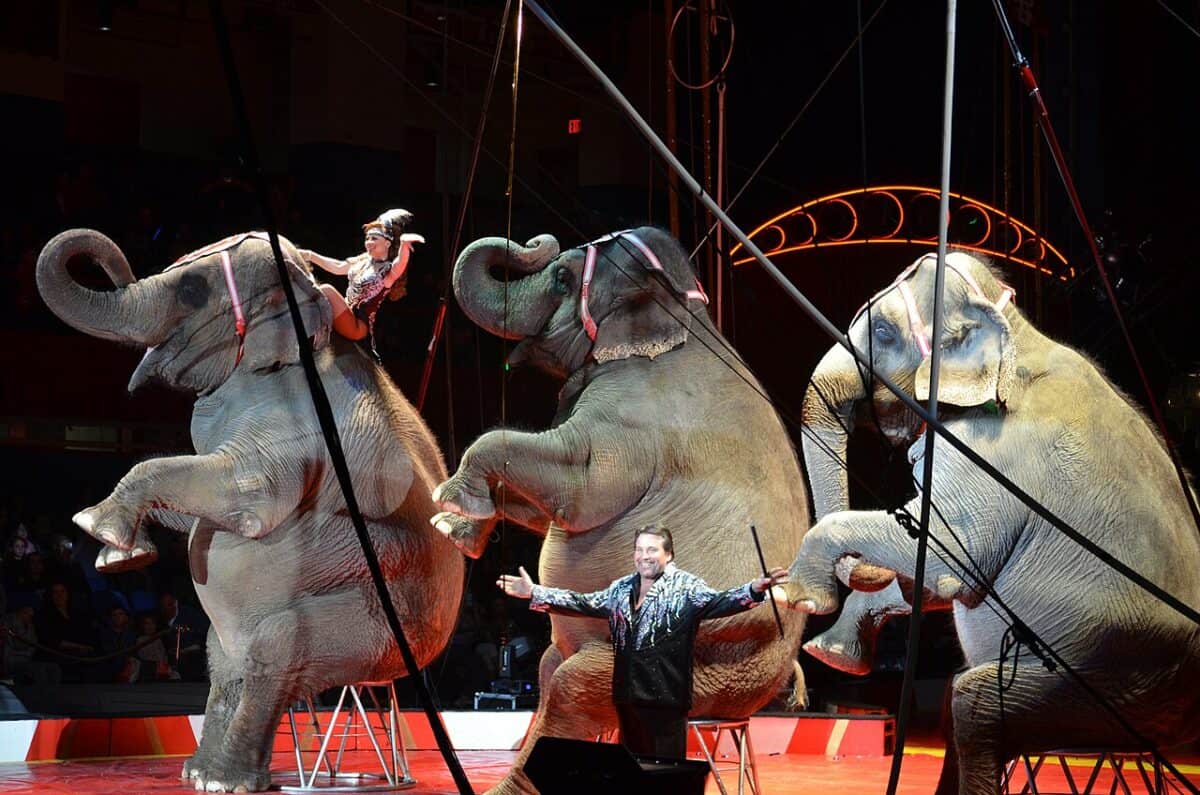
The journey toward banning circus animals is part of a broader movement toward enhanced animal rights globally. The future of circuses lies in evolving away from exploitation and redefining entertainment. Advocacy, legislation, and public awareness will continue to shape the dialogue and determine the fate of circus animals worldwide.
The plight of circus animals is a deeply emotive topic that resonates with individuals who value ethical treatment and respect for all living beings. As more people become informed and conscientious of the animals’ suffering, the push for bans and alternatives grows stronger, heralding a shift toward cruelty-free entertainment.

- The Comeback of the Bald Eagle: What Made It Work - June 3, 2026
- Top 10 Animals and Wildlife in Oklahoma - June 3, 2026
- Do Conservation Efforts Favor ‘Cute’ Animals Over Ecologically Important Ones? - June 3, 2026