
Most states get a break. When winter arrives, pest pressure drops, insects go dormant, and homeowners get a few months of breathing room. Florida doesn’t work that way. Florida’s unique climate makes pest control a year-round necessity, not a seasonal chore. That reality shapes daily life here in ways that newcomers don’t always anticipate.
Florida’s climate plays the most significant role in the state’s year-round pest activity. Warm temperatures allow pests to breed continuously, and high humidity creates ideal conditions for insects like termites, roaches, and ants. Understanding which pests you’re dealing with, and why they’re so stubbornly hard to eliminate, is the first real step toward protecting your home.
The Climate That Never Lets Up
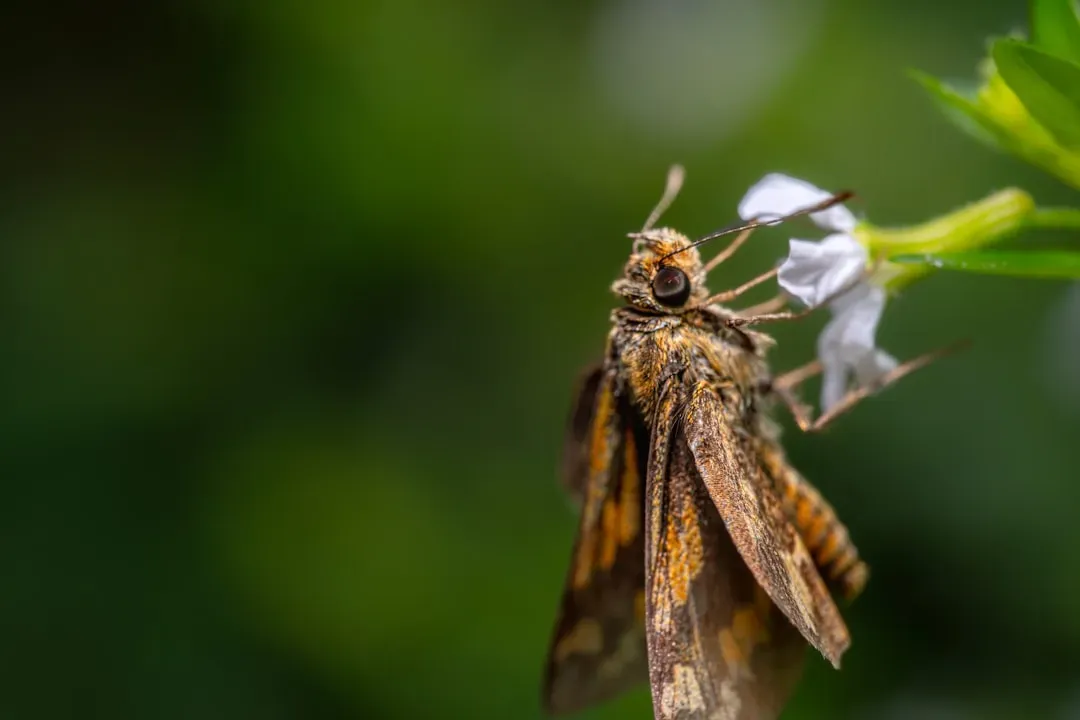
While mammals can produce their own heat source, insects aren’t able to, so they thrive in warm tropical environments like South Florida. More heat and humidity equals more bugs, making pest control an important part of everyday life here in Florida.
High levels of moisture can lead to increased breeding rates, faster growth and development, and longer lifespans for many types of insects. This means that even a minor increase in humidity can lead to a significant uptick in pest activity. That’s the fundamental challenge. There’s no cold snap to reset the cycle, and no dry season severe enough to drive pests away for long.
South Florida’s climate is tropical, meaning it’s hot and humid most of the year. The state receives about 60 inches of rain annually, which is a lot more than the U.S. average. The high humidity often hangs around 70% or more. This combination of rain and moisture creates an ideal environment for pests.
Cockroaches and Palmetto Bugs: The Unwelcome Regulars
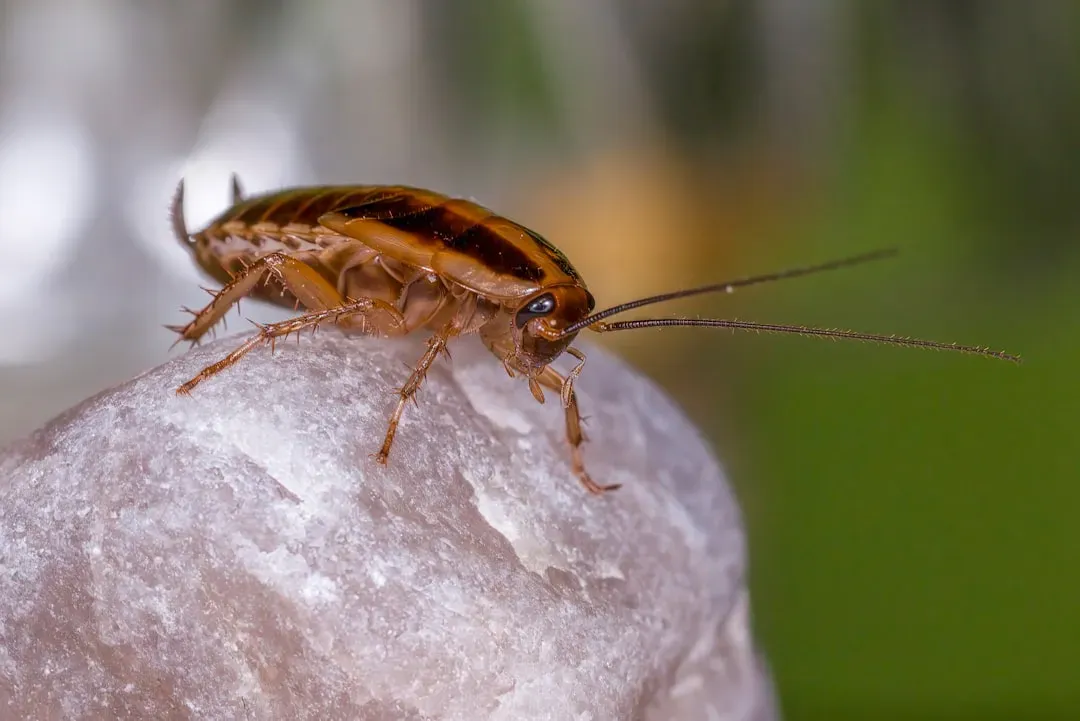
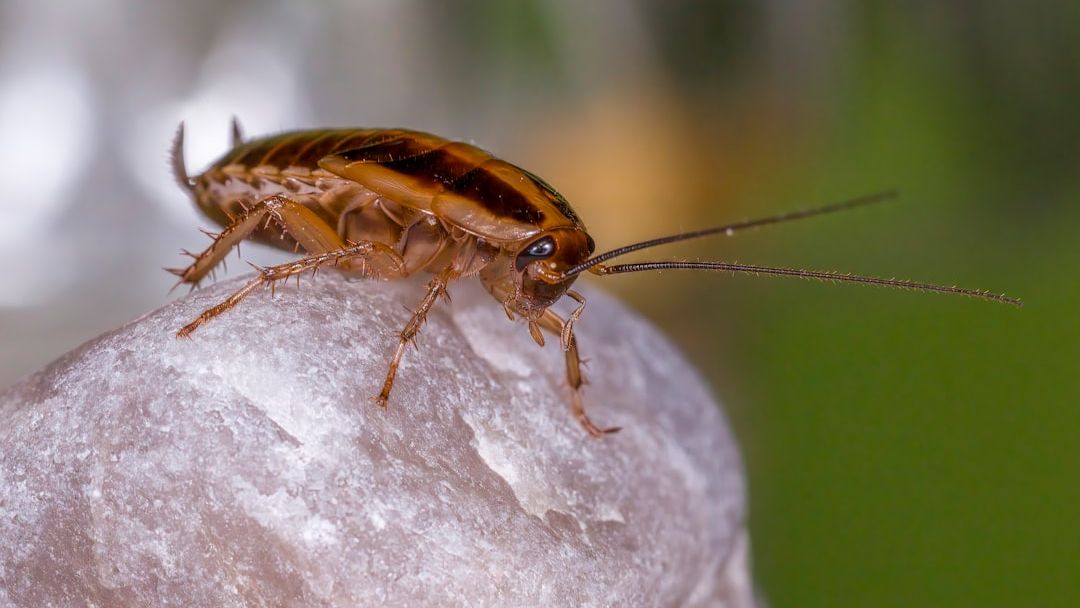
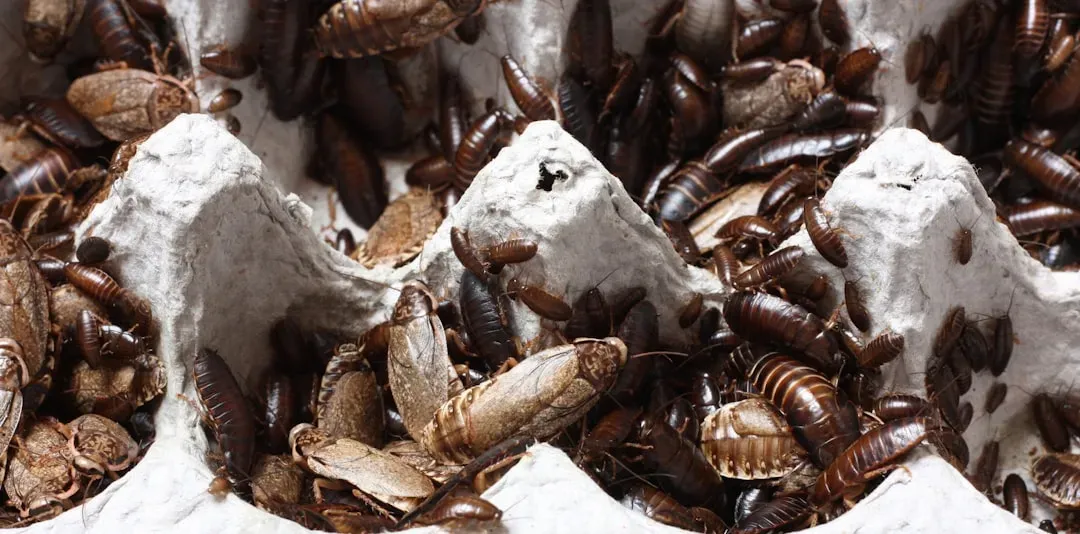
Cockroaches thrive in Florida’s warm, humid climate. The American cockroach, commonly known as the palmetto bug, is especially notorious here. These large, reddish-brown roaches often come inside looking for food or water. They’re not just a nuisance either. Roaches carry bacteria like Salmonella and E. coli, contaminating food and surfaces.
Roaches are known for their ability to adapt and survive in diverse environments, and the tropical climate of Central and Eastern Florida offers them ample opportunities to thrive. They often seek shelter in homes, buildings, and other structures, especially during periods of heavy rain. The humid conditions of the region can make eradication a continuous challenge.
German cockroach monitors need to be maintained consistently, as they thrive indoors year-round. That detail says it all. Even inside a climate-controlled home, the conditions can be close enough to ideal that populations sustain themselves without much help from outside.
Termites: The Silent and Costly Destroyers
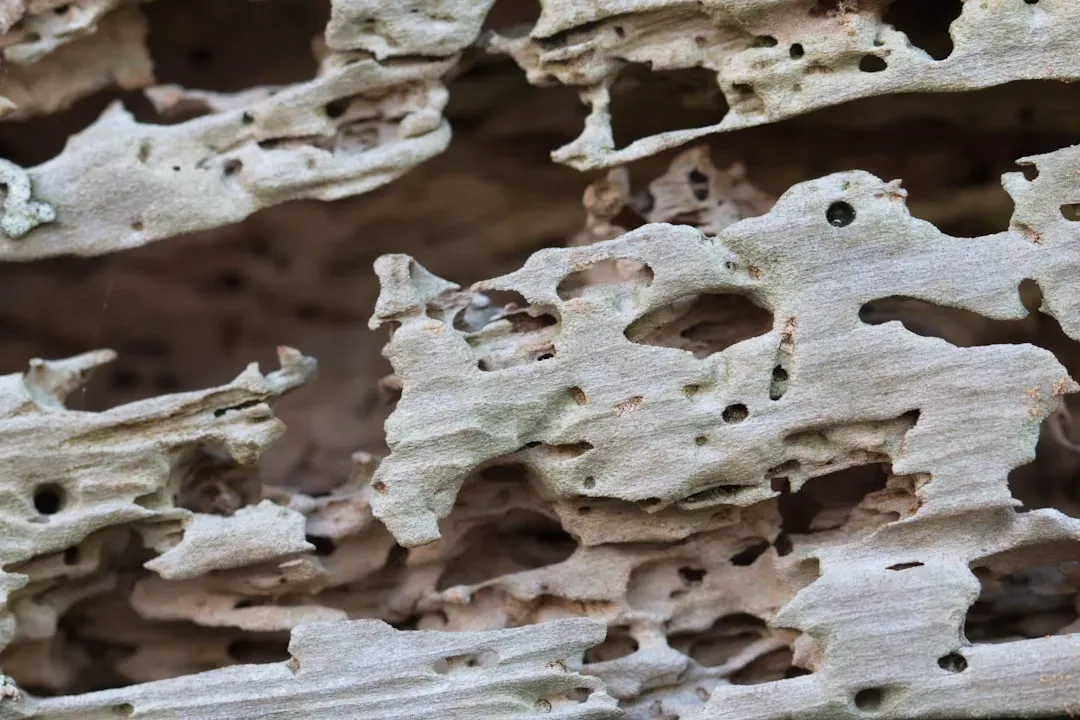
Known for causing $5 billion in property damage annually, termites are one of the most destructive pests that can be found infesting a home. Florida’s hot and humid climate serves as a comfortable living environment for drywood and subterranean termites, which are capable of inflicting serious structural damage on a home in a fairly short period of time.
Subterranean termites are one of the biggest threats to Florida homes. They’re silent destroyers, often causing damage for months before you even know they’re there. The window for catching an infestation early is frustratingly narrow. Termites alone cause billions of dollars in structural damage each year, chewing through wood and compromising the integrity of homes. Unlike other household issues, termite damage isn’t covered by most homeowners’ insurance, making prevention crucial.
Unlike subterranean termites, drywood termites don’t need soil. They live directly in the wood of your home, like attic beams or furniture. That distinction matters because it means treatment strategies differ considerably between the two species, and misidentifying the type can result in wasted effort and money.
Ants: Tiny Invaders in Very Large Numbers
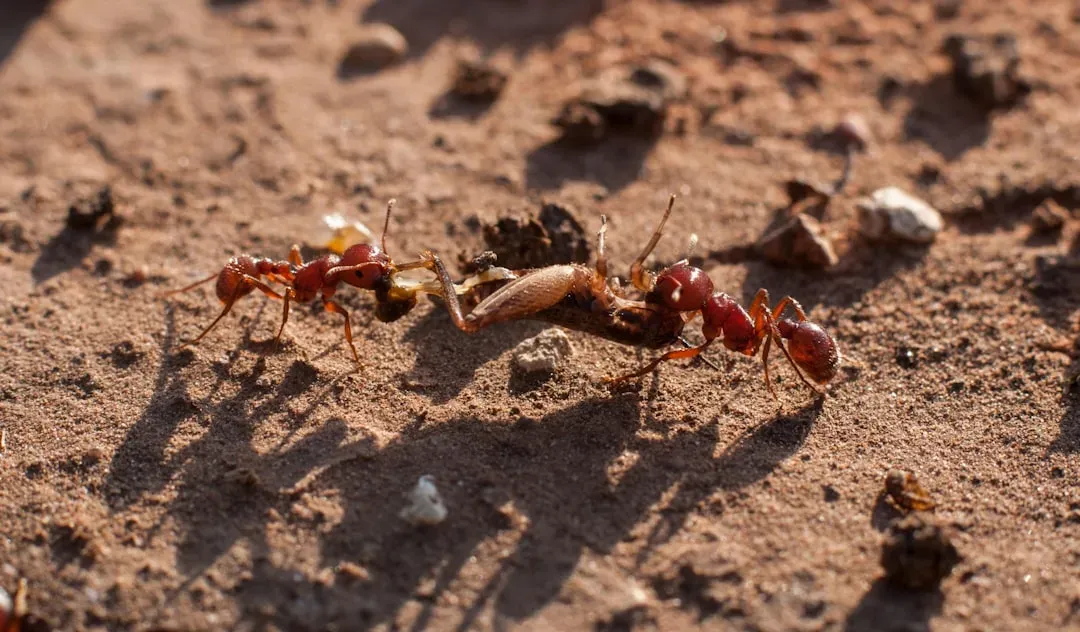
Home to over 32 ant species, almost every Florida homeowner has had to deal with ants at some point. Perhaps the most problematic ant species in Florida is fire ants. These ants can bite and cause severe allergic reactions. Fire ants aren’t just an outdoor annoyance, they actively push toward structures when conditions outside become too wet or dry.
From sugar ants in the kitchen to carpenter ants in the walls, these tiny invaders are relentless. Many homeowners make the mistake of treating ants with store-bought products, but unless the entire colony is eliminated, they keep coming back. That’s the core problem with DIY ant control in Florida. Killing what you can see rarely touches the colony itself.
Tawny crazy ants and white-footed ants are becoming more common across Florida homes, adding new complexity to an already crowded pest landscape. These newer invaders often behave differently from fire ants or ghost ants, meaning treatments that work for one species may do very little for another.
Mosquitoes: More Than Just an Itchy Bite
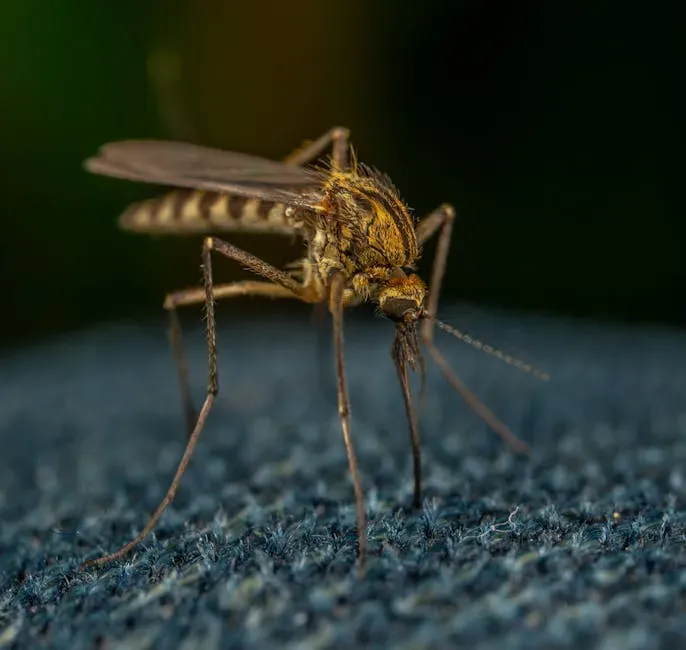
Known for their itchy bites and ability to transmit diseases like West Nile virus and dengue fever, mosquitoes are a constant concern in Florida due to the state’s abundant standing water and humid conditions. The health dimension of mosquito exposure in Florida is real and worth taking seriously, not just the discomfort.
Mosquitoes are difficult to control as they can rapidly multiply and need only half an inch of standing water to lay their eggs. That threshold is shockingly low. After a storm, you might notice more mosquitoes buzzing around because they have plenty of places to lay their eggs. In a state that averages 60 inches of rain a year, the opportunities for breeding are practically limitless.
Mosquito season runs nearly the entire year, with only brief slowdowns during the coolest winter months, particularly in North Florida. For most of the state, meaningful relief is rare. Backyards, patios, and even open windows represent a revolving door of exposure throughout most of the calendar year.
Rodents: An Overlooked but Serious Threat
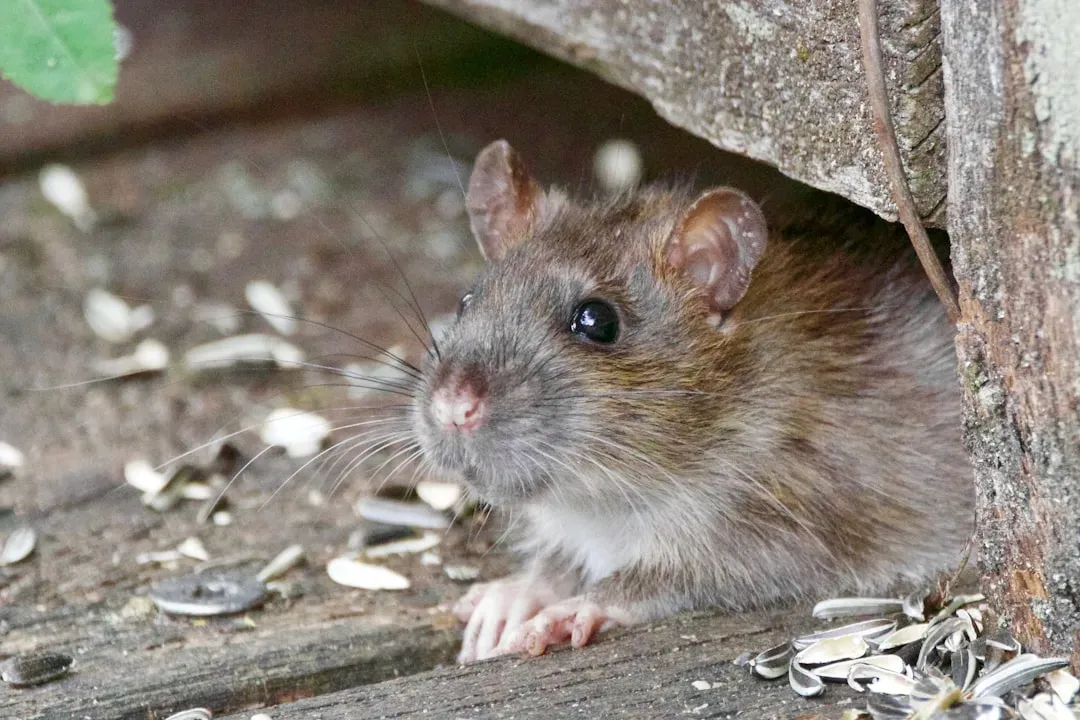
As rains taper off, rodents and other pests look for warm shelter, often inside your home. Florida winters are mild, so pests don’t entirely disappear; they move indoors. Rodents follow this pattern consistently. When outdoor conditions shift even slightly, walls, attics, and crawl spaces suddenly become attractive alternatives.
Mice and rats are both common in Florida and can be destructive. With a long history of transmitting diseases to humans, these critters can wreak havoc on your home, destroying electrical wires, eating through insulation, and even chewing through roofing materials. The fire risk alone makes rodent activity something homeowners can’t afford to ignore.
Rodents squeeze into tiny holes and bring diseases and messes with them. The entry points they exploit are often the same ones that let cockroaches, ants, and moisture inside. A gap that seems minor to the human eye is essentially a welcome mat for anything small enough to use it.
Fleas and Ticks: Year-Round Threats to Families and Pets
Cat fleas dominate in Florida, and control requires treatments for pets, home, and yard simultaneously. That three-front requirement is part of what makes flea control so demanding. Treating only the pet, or only the home, rarely solves the problem because populations quickly re-establish from untreated sources.
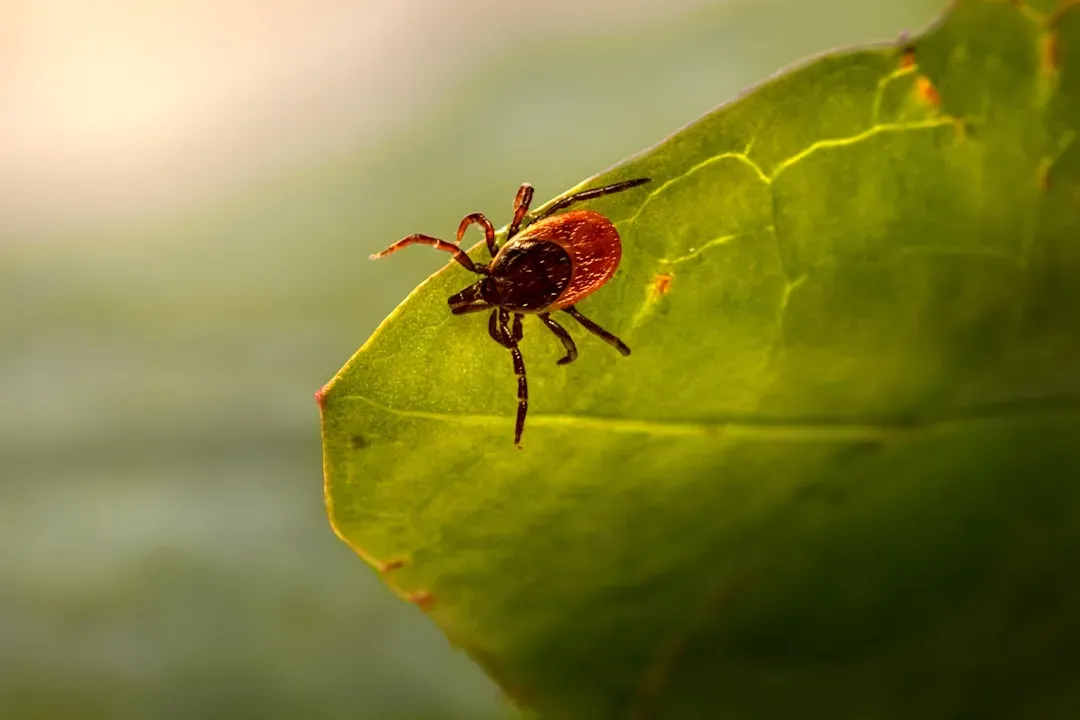
Florida’s mild winters allow ticks to remain active year-round. That’s a significant departure from how ticks behave in colder states, where winter provides at least some natural suppression. Ticks are a common pest in Florida, with Gulf Coast ticks among the most prevalent. These arachnids can feed off blood and potentially infect people with dangerous diseases like Lyme disease.
Pets can introduce fleas and ticks into homes, which can be particularly problematic in warm and humid conditions. Even well-maintained homes with indoor pets are vulnerable. A single outing in a grassy or wooded area can bring either pest inside, where warm interior conditions give them every advantage to multiply.
Why They’re So Hard to Stop: The Core Problem
Flying termites swarm in the spring, mosquito populations peak in the summer, and rodents seek warmth indoors when temperatures drop slightly in winter. Without routine pest management, a seasonal problem can quickly turn into a year-round infestation. The overlapping nature of these cycles means there’s never really an off-season for vigilance.
Many pests, including termites, cockroaches, and silverfish, are attracted to moist environments. High humidity in a Florida home can increase pest activity as these creatures seek out the damp, dark areas in which they thrive. Humidity is the common thread running through almost every pest problem in the state. Control it, and the problem shrinks. Let it persist, and every small crack or leak becomes an invitation.
DIY methods can help with minor issues, but Florida’s year-round pest pressure demands expert help, especially for termites, roaches, rodents, and mosquitoes. That’s not to say prevention doesn’t matter. Sealing entry points, eliminating standing water, and reducing indoor humidity all make a measurable difference. The trouble is that in Florida, the environment outside is always pushing back.
Conclusion: Accepting the Ongoing Battle
Living in Florida means accepting that pest control isn’t a one-time fix. It’s an ongoing practice, the same way you’d maintain an air conditioner or a roof. The risk of pests like termites, palmetto bugs, fire ants, and even invasive species means vigilance isn’t just for summer; it’s a year-round lifestyle.
The good news is that understanding your specific pest risks is half the battle. Sealing entry points, reducing outdoor clutter, and managing indoor humidity are essential pest-proofing strategies that genuinely shift the odds in a homeowner’s favor. Small, consistent actions compound over time.
Florida’s warmth and beauty come with a trade-off, and pests are part of that bargain. The homes that fare best aren’t necessarily the ones that eliminate every bug. They’re the ones where owners stay informed, stay consistent, and never quite let their guard down. In this climate, that mindset is less about paranoia and more about practical wisdom.
