
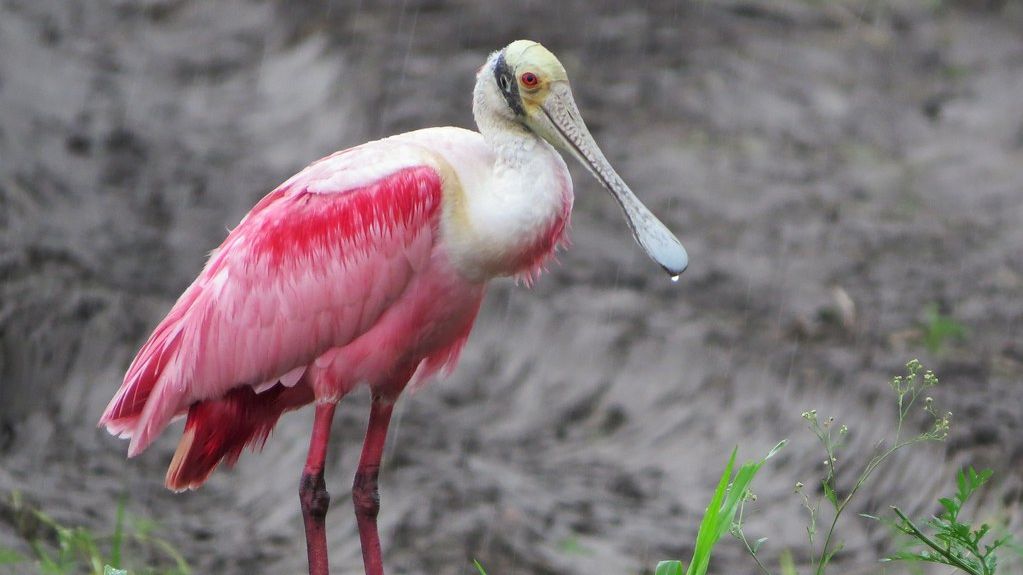
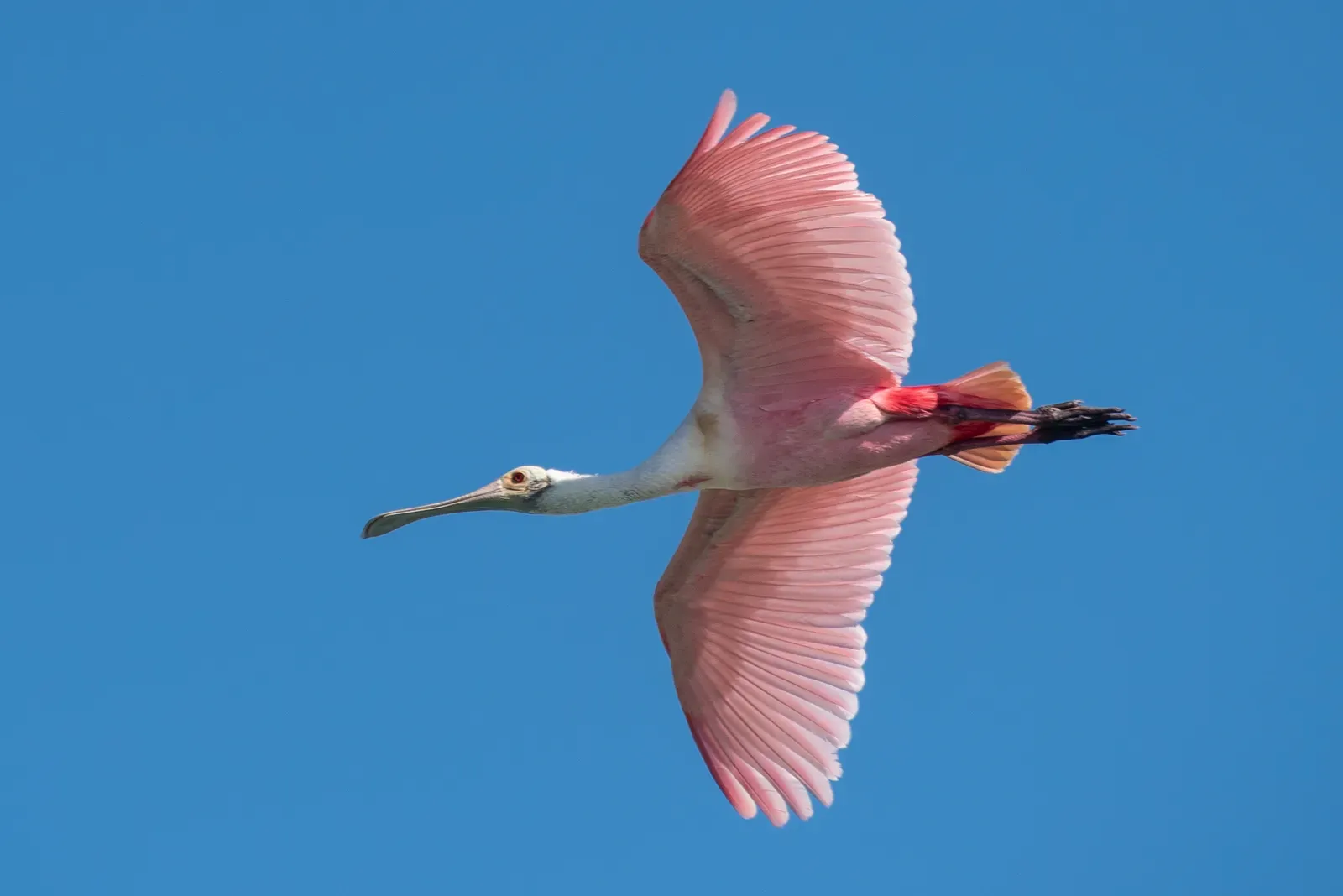
Every morning before the heat settles over Florida Bay, something extraordinary happens. Pink wings unfold over the shallow water like rose petals scattered across glass. These birds, with their ridiculous spoon shaped bills and cotton candy plumage, were once on the brink of vanishing completely.
Now they’re staging one of the most remarkable comebacks in conservation history. What changed? The answer lies in decades of painstaking wetland science and a willingness to listen to what the landscape was trying to tell us. Let’s be real, though, this wasn’t a simple fix, and honestly, the work is far from over.
From Fashionable Feathers to Near Extinction
By the late 1800s, plume hunting was in full swing, fueled by the vogue of decorating women’s hats with feathers. Think about that for a second. An entire species nearly wiped out because of fashion trends. Hunters killed millions of birds each year, targeting wading bird rookeries and leaving newly orphaned chicks to starve or be killed by predators.
Spoonbills dwindled to only 15 pairs in Florida, and nearly vanished entirely from the state, while their rivals, the flamingos, disappeared completely. Picture it: vast rookeries that once teemed with life reduced to near silence. Eventually, conservation laws like the Migratory Bird Treaty Act of 1918 gave the birds legal protection, and spoonbill populations slowly recovered over the next several decades. This protection arrived not a moment too soon. Largely due to Allen’s efforts and advocacy for the spoonbills, they rebounded locally and nationally, with approximately 1400 nesting pairs in Florida Bay by 1979.
Understanding the Spoonbill’s Unique Biology
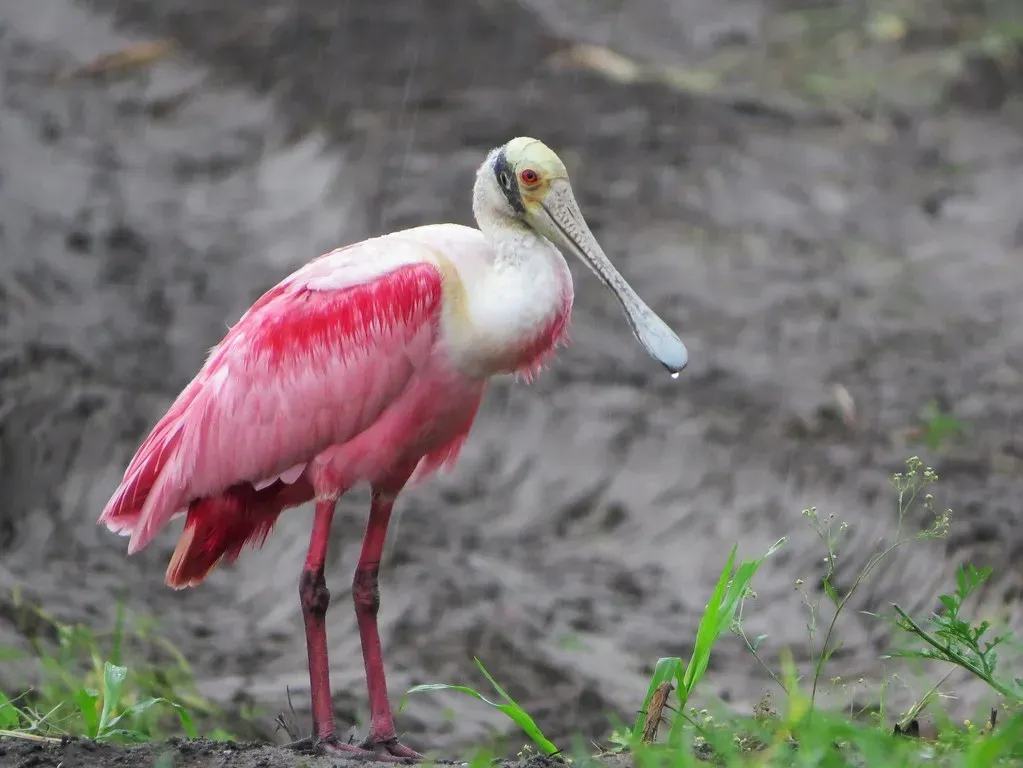
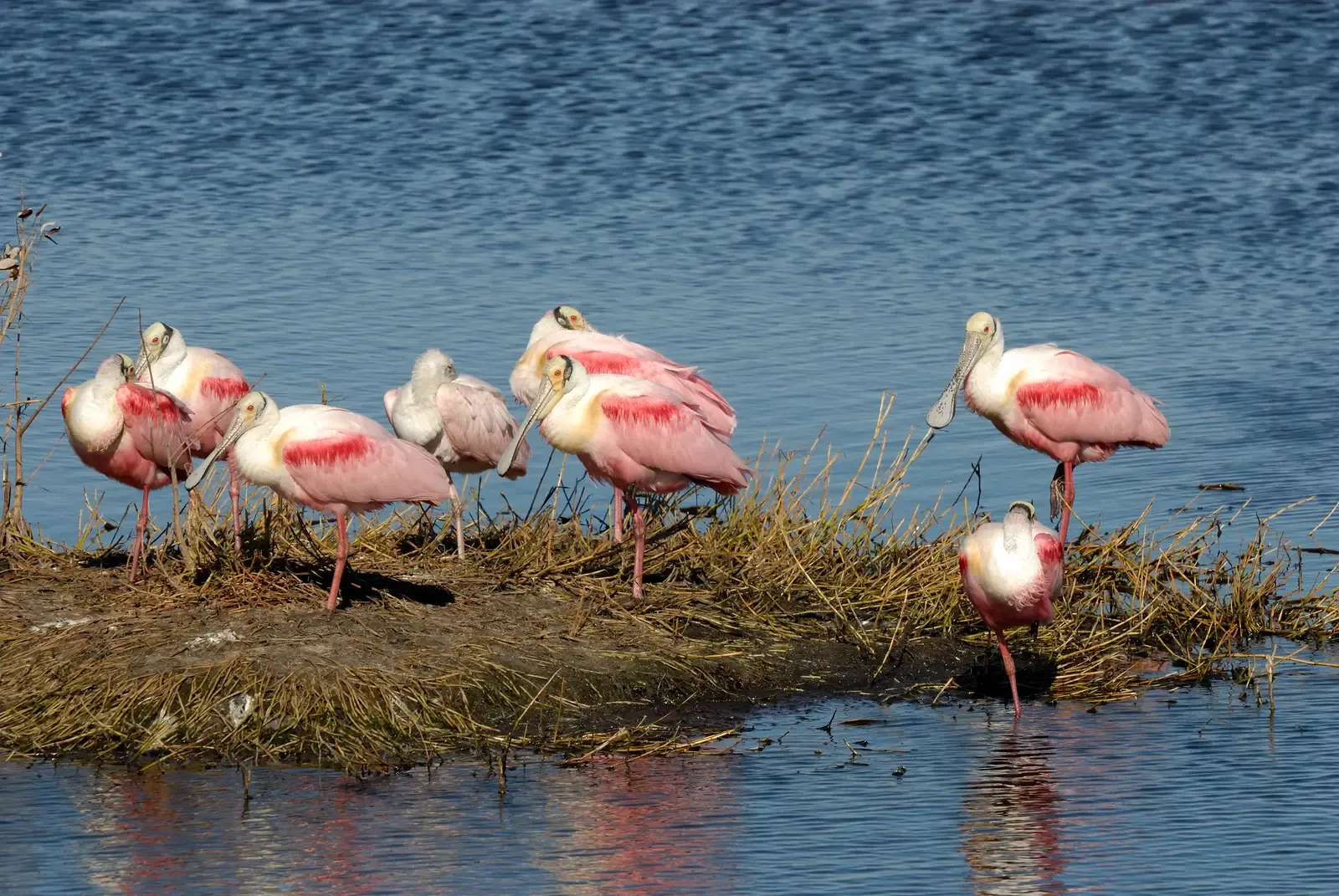
Here’s the thing about roseate spoonbills: they’re not just pretty to look at. The pink coloration comes from the organisms on which they feed, which are full of carotenoids. Their bodies literally wear what they eat. The more shrimp and crustaceans they consume, the pinker they become.
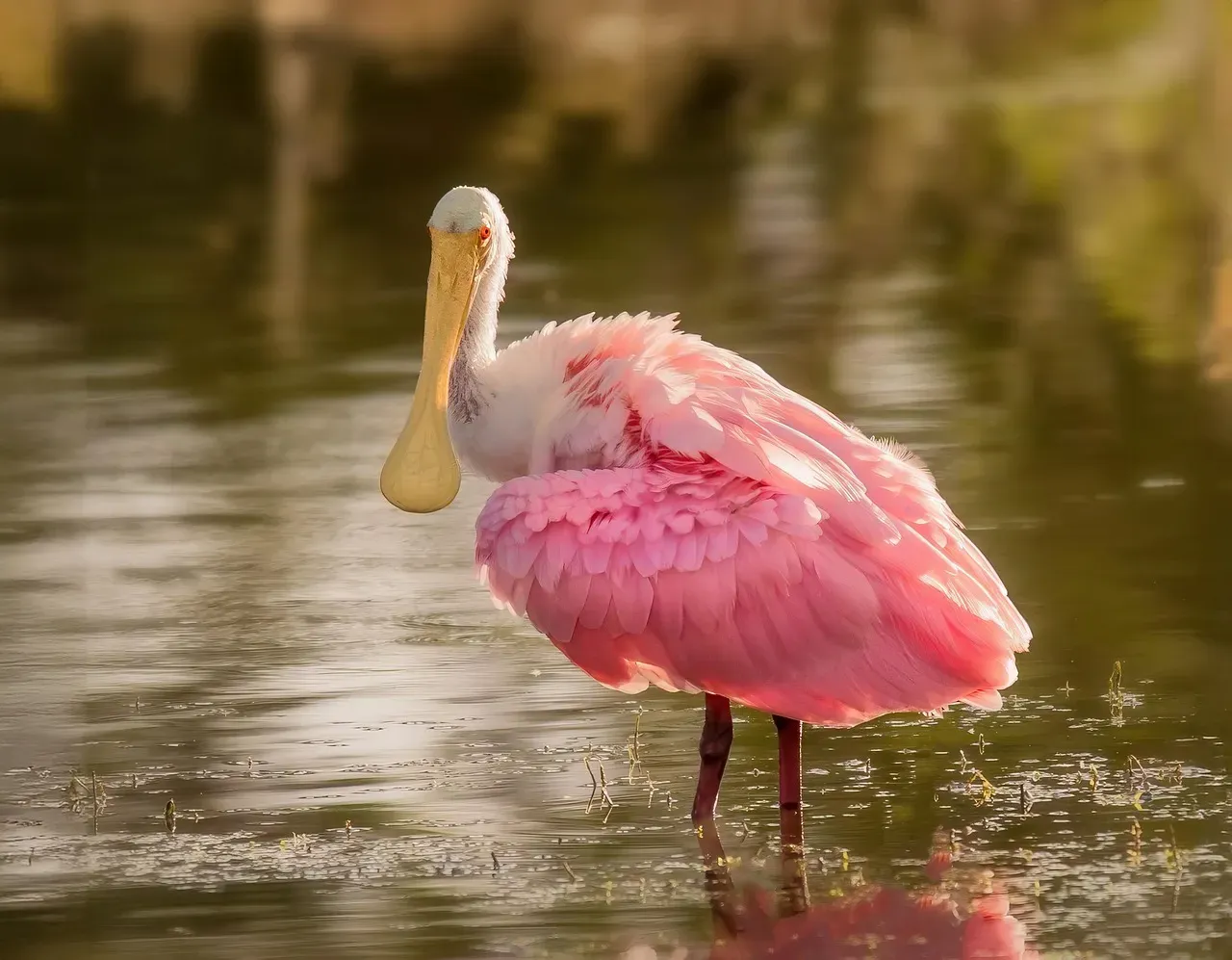
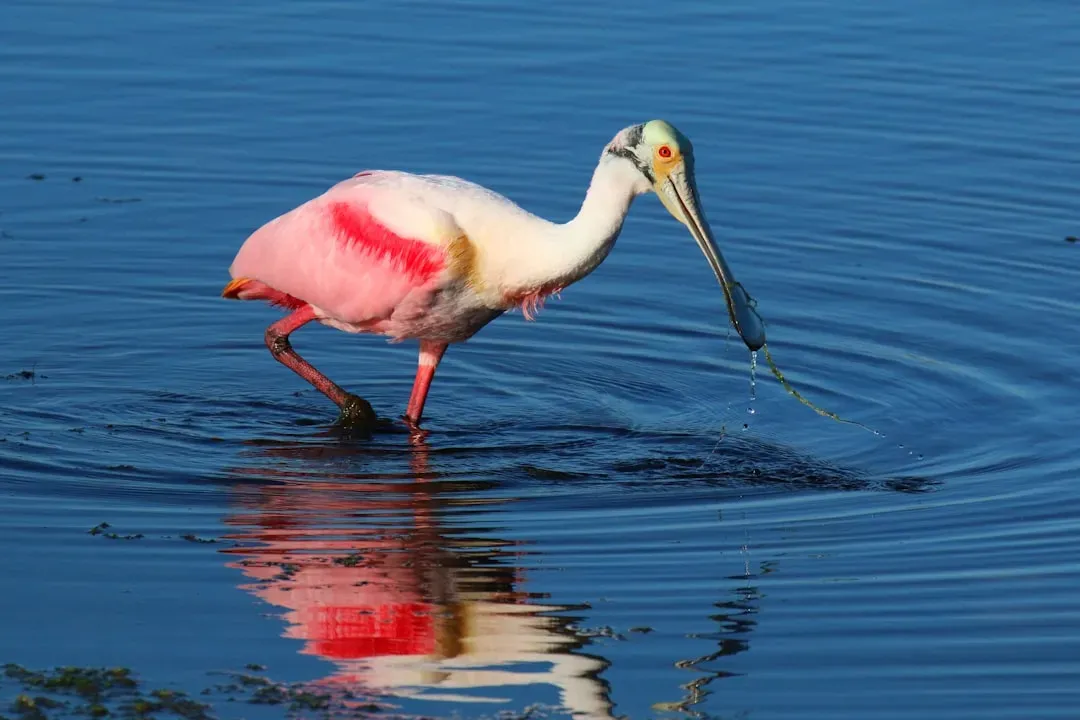
The roseate spoonbill has a large, spoon-shaped bill, which it sweeps back and forth in shallow water to capture prey. The specialized bill has sensitive nerve endings which help the birds search for food in shallow water. This touch based hunting method is wildly different from most wading birds that hunt by sight. The spoonbill’s touch-based strategy allows it to feed at night, when there’s less competition for resources. I think this adaptation shows just how clever evolution can be when it comes to finding a niche.
The diet of the roseate spoonbill primarily consists of crayfish, shrimp, crabs, and small fish. These prey items need specific water depths and conditions to thrive, which makes spoonbills incredibly sensitive to environmental changes.
Why Wetland Science Became the Game Changer
The roseate spoonbill is one ecological indicator species that meets these criteria within the Everglades ecosystem. Monitoring of roseate spoonbills in Florida Bay over the past 70 years has shown that aspects of this species’ reproduction respond to changes in hydrology and corresponding changes in prey abundance and availability. Scientists realized these birds were basically living thermometers for ecosystem health.
In 2000, Congress decided to address the ecosystem’s ruinous decline, approving an eight billion dollar plan to remove canals and levees, raise roadways, and build reservoirs to re-create the Everglades’ natural water flow. That number has since doubled. The Comprehensive Everglades Restoration Plan legally requires South Florida’s water managers to consult with ecologists when deciding where and when to release fresh water into the Everglades.
In July 2021, the Army Corps completed a project to restore the Kissimmee River by rehydrating 20,000 acres of wetlands and replacing 40 miles of drainage canals with river and floodplain. This wasn’t just engineering. It was art informed by decades of watching where the birds went, when they nested, and what they needed to survive. The science behind restoration involved understanding water depth, salinity levels, prey concentration, and timing. Get any of those wrong, and the whole thing fails.
The project is expected to increase the flow of clean, fresh water into Florida Bay by more than 220 billion gallons every year.
Population Recovery and Current Challenges
Let’s be honest, the comeback isn’t a straight line upward. Over the past decade Florida Bay’s spoonbills have steadily declined from around 400 nests in 2012 to 157 this past season, of which 34 fledged young. That’s a gut punch when you look at the numbers. However, the story gets more interesting when you zoom out.
Audubon visited the site and estimated 30-40 pairs of breeding Roseate Spoonbills at Hooker’s Prairie, making it one of the largest spoonbill breeding colonies in the region, second only to the Alafia Bank Bird Sanctuary. Spoonbills are adapting by moving northward and inland. As sea-level rise transforms South Florida’s fringe of wetlands into open ocean, Roseate Spoonbills are moving north. Land managers are following their lead, restoring the ecosystem with an eye for resilience, too.
Following decades of conservation efforts, and the effects of climate change, the range of the roseate spoonbill has expanded considerably in the 21st century. For instance, the species was recorded breeding in the state of Georgia for the first time in 2011. The birds are essentially telling scientists where to focus restoration efforts next. Populations aren’t just surviving, they’re pioneering new territories that weren’t historically part of their range.
The Road Ahead for Florida’s Pink Icon
Climate change creates multiple pressures. Warmer temperatures cause sea levels to rise. The sea level in Florida Bay has been inching up for decades, and since 2000, it has been climbing even faster. Water that’s too deep scatters prey fish, making it nearly impossible for spoonbills to feed their voracious chicks.
Stakeholders are looking to the climate changed future. They aim instead for a resilient Everglades, one that can survive stressors, such as extreme droughts or storms, and bounce back on its own. This represents a huge shift in thinking. Restoration isn’t about returning to some idealized past anymore. It’s about creating systems flexible enough to handle an unpredictable future.
The Roseate Spoonbill is a critical indicator species for Florida Bay and the Everglades – nesting success or failure points to Everglades restoration impacts and the ongoing impacts of a changing climate. Audubon researchers continue tracking individual birds, monitoring nesting sites, and collecting hydrological data. In total, Audubon has banded about 3,000 Roseate Spoonbills. Banding spoonbill chicks has led to a greater understanding of dispersal rates and behavioral structures after nesting season has ended. Every tagged bird tells a story about where the water is right, where prey concentrates, and how the ecosystem responds to restoration efforts.
The success of Florida’s roseate spoonbills isn’t just about saving one beautiful bird. It’s proof that when we invest in science based conservation, listen to ecological indicators, and commit to long term restoration, nature can bounce back. These pink ambassadors of the wetlands remind us that ecosystems are resilient when we give them half a chance. The work continues, challenging as ever, but those morning flights over Florida Bay prove that sometimes, against the odds, we get things right. What surprises you most about this remarkable recovery story?
