
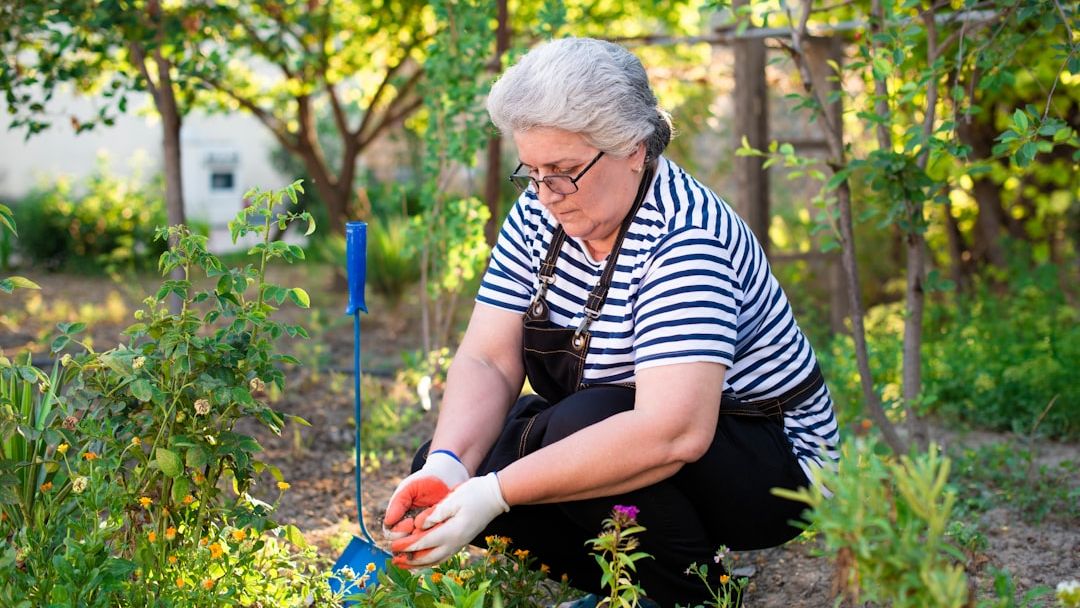
Something quiet is happening in backyards, community plots, and senior living courtyards across the country. Older Americans are picking up trowels, pressing seeds into soil, and finding something in that simple act that modern wellness routines rarely offer: a reason to step outside every single day.
In 2025, community gardening programs tailored for seniors are rapidly increasing in popularity across the United States. The reasons stretch well beyond hobby. For many older adults, the garden has become a place of physical movement, mental clarity, social connection, and genuine purpose.
A Growing Trend Taking Root Nationwide
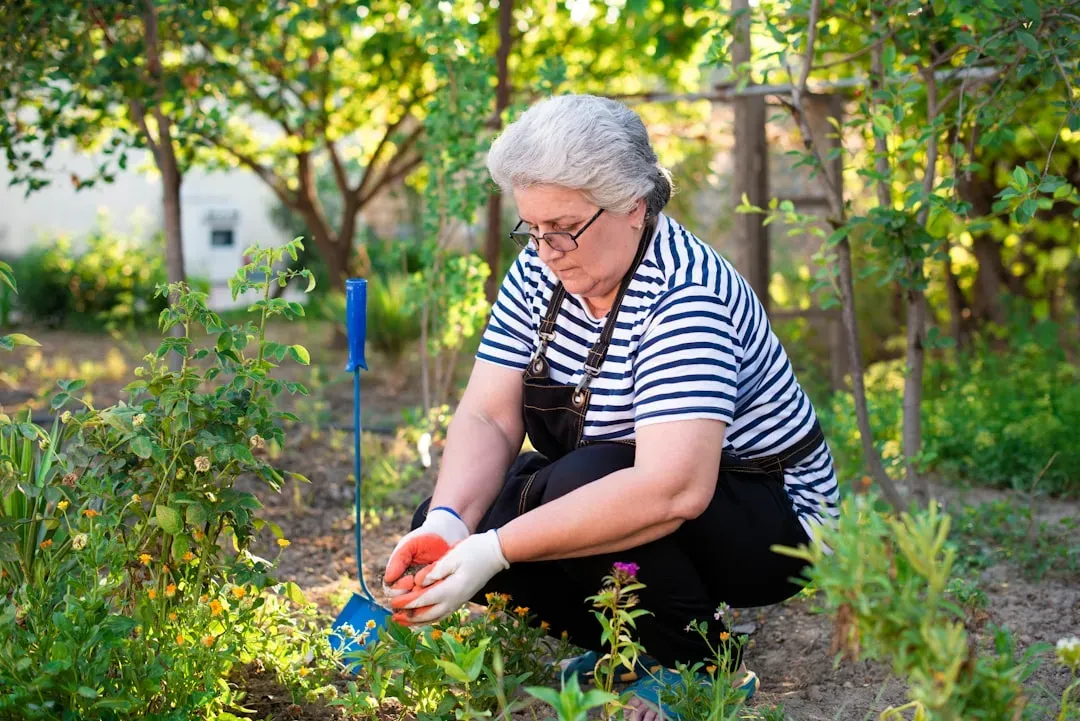
Interest in home gardening has remained remarkably high, with an estimated four out of five American households taking part in some sort of lawn or gardening activity, according to the National Gardening Association’s 2023 National Gardening Survey, which was a five-year high. Indoor houseplant gardening jumped in popularity more than any other category in that period.
Statista’s 2023 survey found that Gen X and Boomers showed the highest level of interest in gardening and planting, at an impressive 32 percent of respondents. That places older Americans among the most committed gardening demographics in the country, a reality that community organizations and retirement communities are beginning to take seriously.
Over 35 percent of local parks and community centers now offer structured gardening activities for older adults. This rise reflects a larger movement focused on active aging programs that promote physical, mental, and social health simultaneously.
The Physical Benefits Are Genuinely Significant
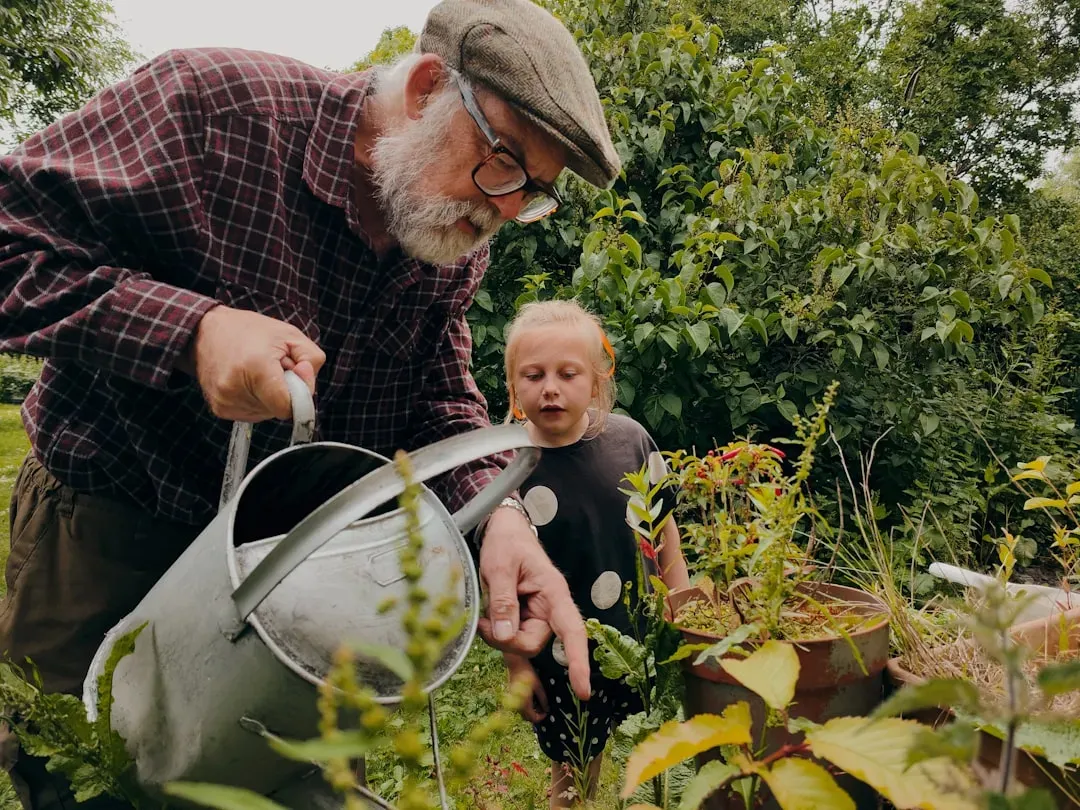
Research reveals that gardening can be an activity that promotes overall health and quality of life, physical strength, fitness and flexibility, cognitive ability, and socialization. It’s a finding that holds across a wide range of study designs and participant ages, making it one of the more consistent themes in senior health research.
A study published by the American Society for Horticulture Science found that older adults who were active gardeners had greater hand strength and dexterity than non-gardeners. The study’s participants were aged 58 to 86, and those who gardened had significantly higher grip strength than those who did not.
Gardening is not only therapeutic for the mind, it’s great for the body too. It provides a low-impact form of aerobic exercise, improving mobility, strength, balance, and endurance. Digging, planting, and watering help maintain hand-eye coordination and fine motor skills. Regular movement also helps manage chronic conditions, including arthritis, heart disease, and diabetes.
Mental Health and Cognitive Function Get a Quiet Lift
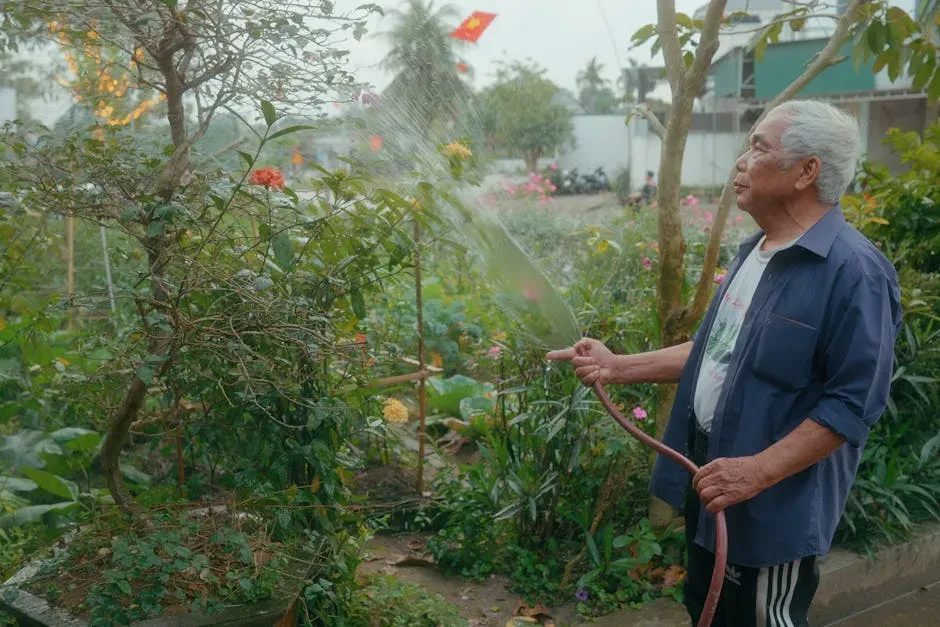
Research has shown that gardening supports emotional well-being and cognitive function in seniors. According to a study published in the International Journal of Environmental Research and Public Health, gardening reduces symptoms of depression and anxiety, while fostering a sense of accomplishment, purpose, and joy.
The act of planting, nurturing, and harvesting helps stimulate memory and focus, two cognitive functions that naturally decline with age. Gardens also provide rich sensory stimulation: the fragrance of blooming flowers, the feel of soil, and the vibrant colors of nature all work together to stimulate the brain and uplift the spirit.
Among older adults, recalling memories of past gardens, evoked by touch or scent while in a present garden, has the potential to cultivate feelings of well-being. This notion resonates with nostalgia literature, suggesting that such reminiscences infuse life with significance and a sense of personal continuity. By recreating past experiences and relational connections, seniors bridge the gap between the past and the present.
Community Gardens Are Fighting Loneliness
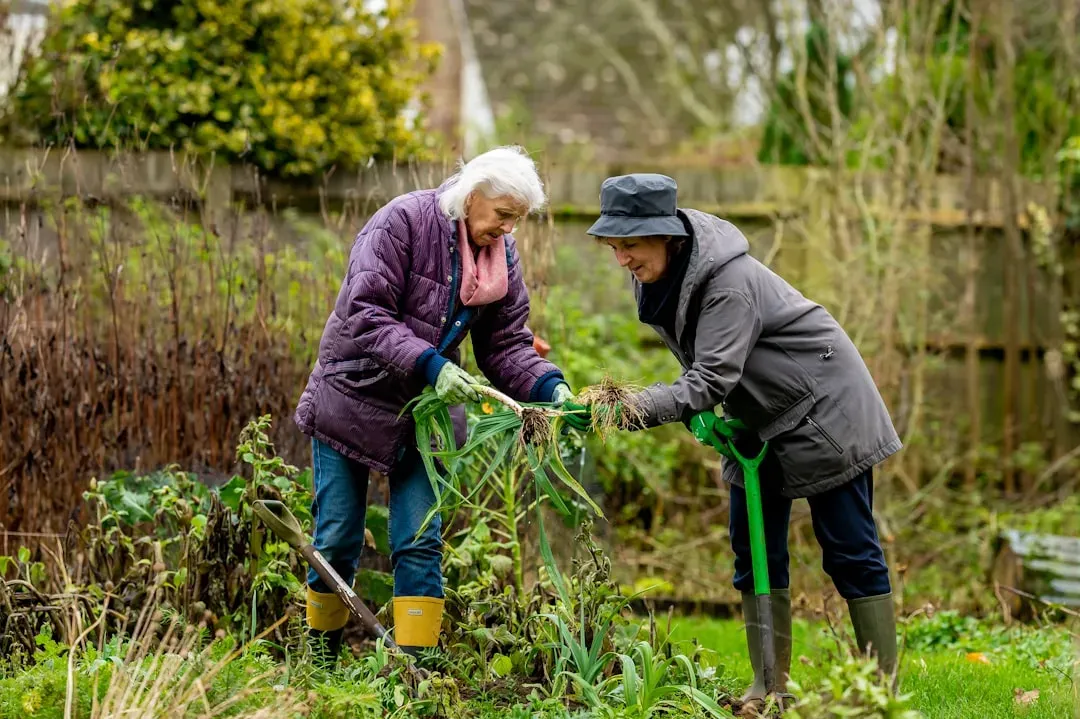
Nearly 35 percent of adults ages 50 to 80 feel isolated, according to the National Poll on Healthy Aging. About 73 percent of these seniors report having fair or poor mental health due to a lack of companionship. Chronic loneliness can affect physical, mental, and cognitive health, reducing longevity.
Social isolation is a significant concern for many seniors, and community gardens create natural gathering spaces where residents can build meaningful relationships. For seniors transitioning to a new community, gardens offer an immediate way to connect, easing the emotional adjustment and creating a sense of belonging.
The social benefits of gardening include meeting new people, making and maintaining friendships, and having a shared interest to connect with other people. Gardening groups are particularly valuable to older persons because of the social contact that membership affords. Shared gardening interests can help overcome the social isolation some older adults experience, through a greater sense of belonging, community, and social support.
Adaptive Gardening Is Keeping More Seniors in the Soil
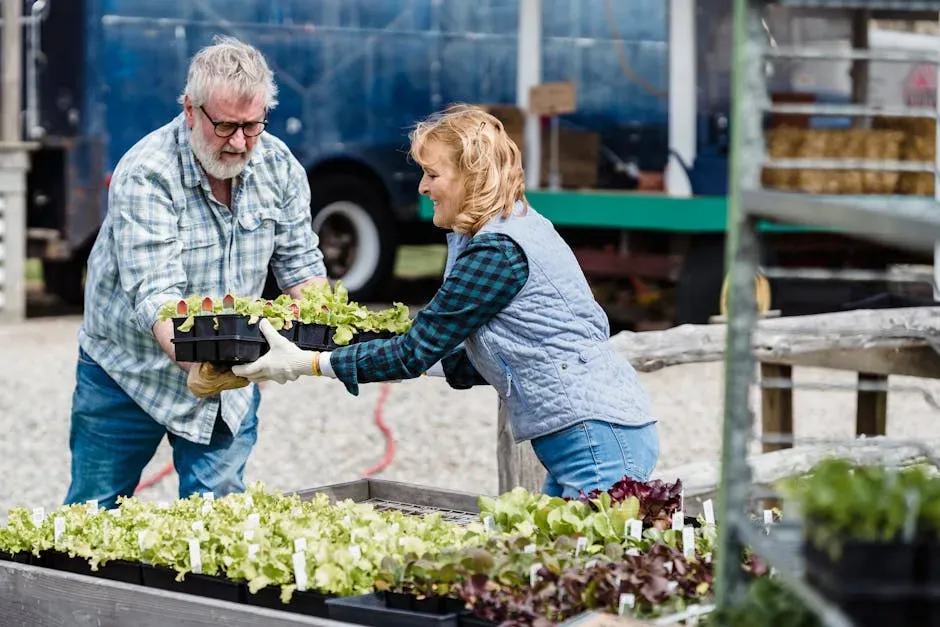
The relatively new field of adaptive gardening is developing techniques so that everyone, regardless of physical ability, can experience the joy of gardening. Adaptive gardening refers to the practice of adapting gardening tasks so they can be performed by anyone, even people with limited mobility.
Elevated gardening is among the most effective ways to protect the back and knees. Raised beds are the foundation of comfortable gardening for senior-aged people because they drastically reduce the need for constant bending or kneeling. These design changes have made it possible for gardeners well into their 80s to continue doing what they love.
Adaptive gardening tools are designed to reduce physical strain and accommodate various mobility limitations. These tools often feature ergonomic designs, extended handles, and lightweight materials, making gardening tasks more manageable. Long-handled tools reduce the need for bending and stretching, allowing seniors to work comfortably from a seated or standing position. Ergonomic hand tools with cushioned grips and non-slip handles provide better control and reduce hand fatigue.
Nutrition and Food Security Play a Real Role
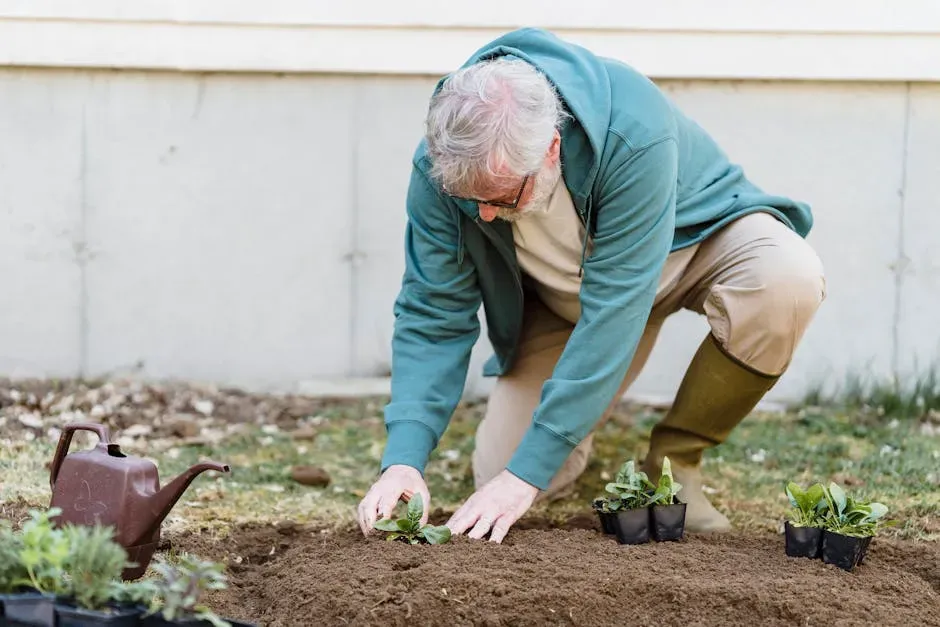
According to a study in the Journal of the Academy of Nutrition and Dietetics, gardening for seniors can reduce the risk of chronic conditions, such as heart disease and diabetes. Growing your own food is more than a satisfying hobby. For many older adults on fixed incomes, it carries real practical weight.
Access to homegrown fruits and vegetables supports better health outcomes for older adults. At least one study has shown that seniors who garden tend to eat healthier. This added motivation to eat more fruits and vegetables helps them manage chronic conditions like diabetes, high blood pressure, and osteoporosis.
Spending time outdoors while gardening does more than just help plants grow; it also boosts vitamin D levels. That combination of fresh produce and natural sunlight provides a straightforward but meaningful contribution to daily nutrition that many older Americans would otherwise miss.
Senior Living Communities Are Embracing the Garden
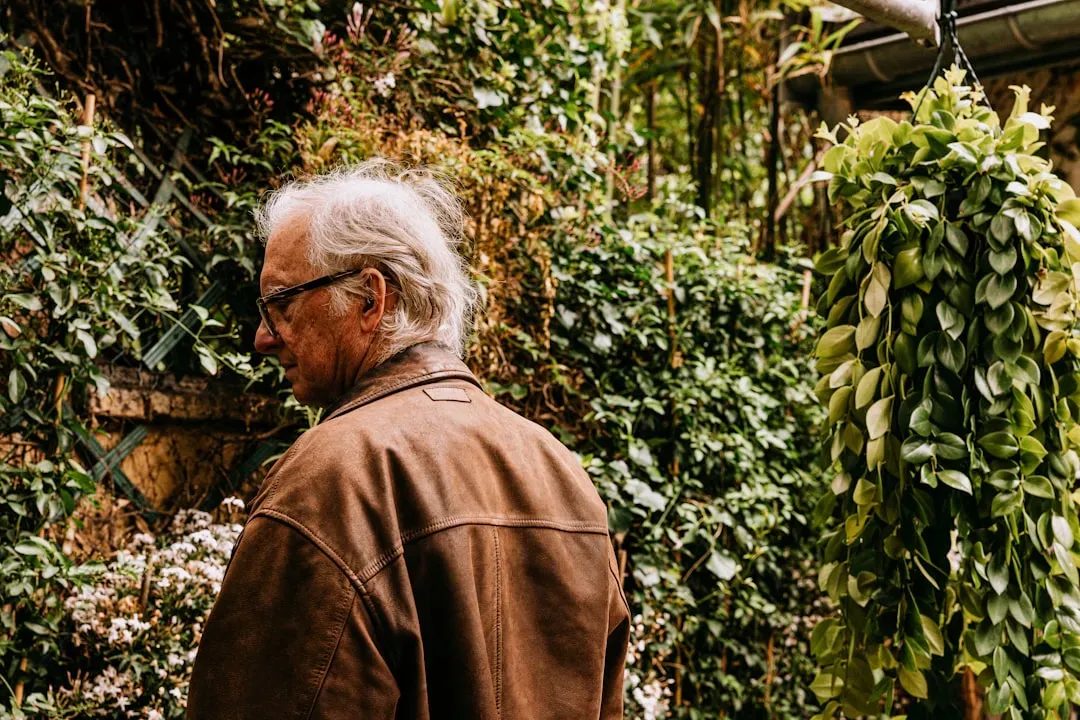
Today’s seniors are more active, engaged, and wellness-focused than ever before. Community gardens meet this demand by offering a meaningful way for residents to stay physically active, mentally stimulated, and socially involved.
Cities like Philadelphia and Sacramento have established community gardens with features like ADA-compliant paths, accessible raised beds, and shaded seating to accommodate seniors and disabled gardeners. This kind of intentional design sends a clear signal that gardening isn’t seen as a passive activity for older adults. It’s being built into the infrastructure of how communities support aging.
Gardening programs tailored for elderly individuals have emerged as powerful tools to promote physical health, mental well-being, and social connectivity. These initiatives, ranging from community garden projects to therapeutic horticulture programs, leverage the therapeutic benefits of interacting with nature to support healthy aging.
Conclusion: The Garden as a Place to Grow Older Well
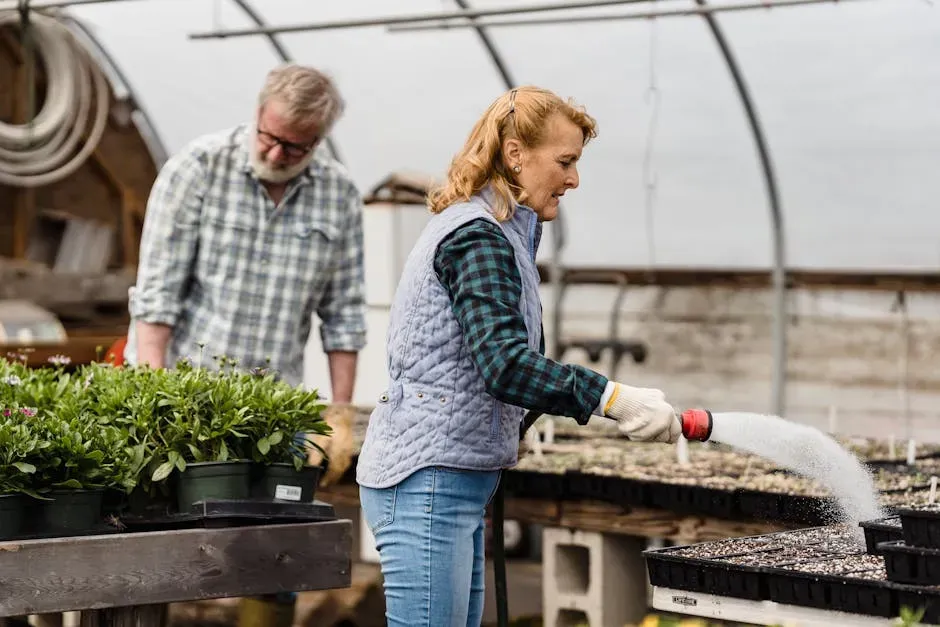
There’s a certain honesty to gardening that other wellness activities can’t quite replicate. A plant doesn’t care about your age or your limitations. It just needs attention, patience, and a bit of care. Those happen to be things that older Americans have in abundance.
Research suggests that gardening, however defined in terms of size or activity, is a key leisure pursuit for older adults that is fundamental to their well-being. These results provide support for the suggestion that gardening could be an effective and affordable population-level intervention to promote or sustain the health and well-being of older adults.
What’s unfolding across America’s backyards and community plots is less a trend than a rediscovery. Older adults are finding that the act of tending to something living, something that grows slowly and rewards consistency, maps remarkably well onto what it means to age with dignity and purpose. The soil, it turns out, doesn’t ask how old you are.
