


Off the crystalline shores of Hawaii, one of nature’s most enchanting displays unfolds daily as spinner dolphins perform their namesake aerial acrobatics. These charismatic marine mammals have become a cornerstone of Hawaii’s tourism industry, drawing thousands of visitors eager to swim alongside these playful cetaceans. However, beneath the surface of this seemingly harmonious interaction lies a complex conservation challenge that pits economic interests against the well-being of a vulnerable species. The spinner dolphins of Hawaii find themselves at the center of a growing debate: how can we balance the human desire for connection with wild animals against the biological needs and protection of these remarkable creatures?
The Iconic Hawaiian Spinner Dolphin

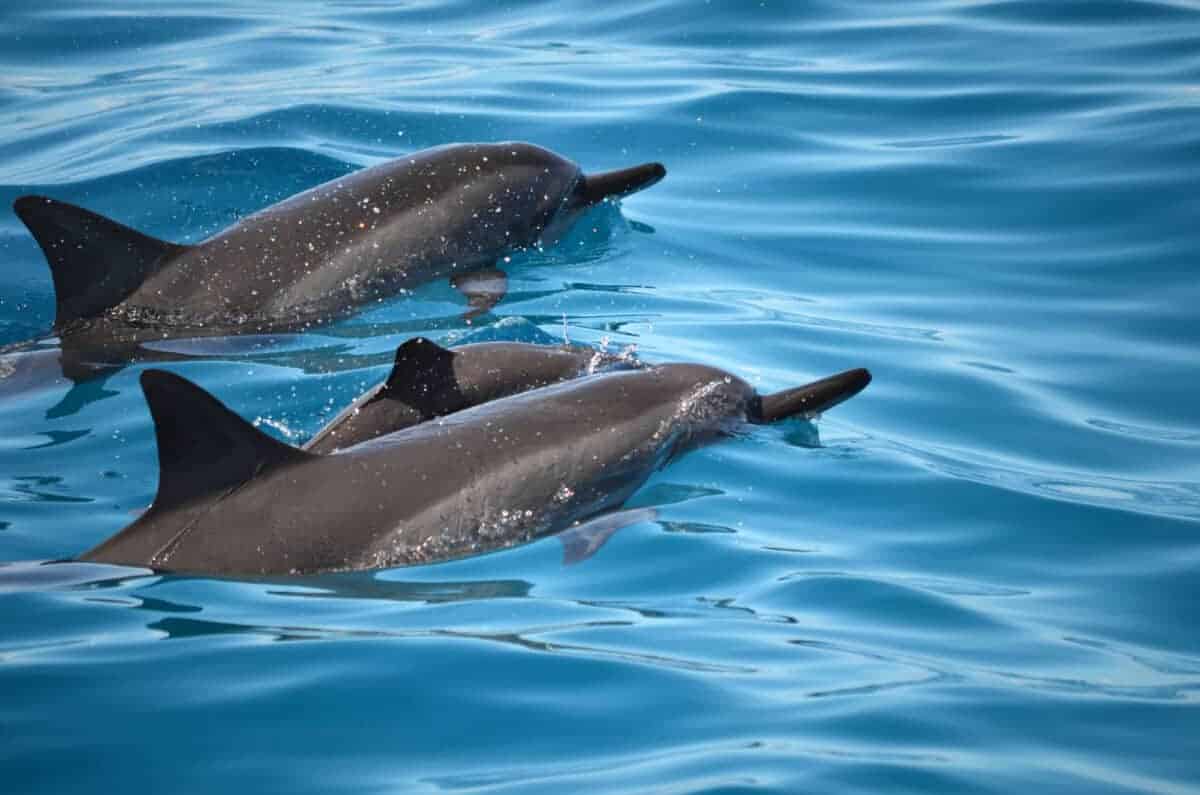
The Hawaiian spinner dolphin (Stenella longirostris longirostris) is a subspecies of the pantropical spinner dolphin that has adapted specifically to life in the Hawaiian archipelago. These slender cetaceans typically measure between 4 and 7 feet in length and weigh approximately 130-200 pounds. Their bodies display a distinctive tri-color pattern: dark gray backs, lighter gray sides, and white or pale gray undersides.
What truly distinguishes them, however, is their extraordinary spinning behavior—leaping from the water and rotating up to seven times along their longitudinal axis before returning to the sea with a splash. Scientists believe this spectacular behavior may serve multiple purposes: removing parasites, communication, courtship displays, or simply play. Their unique adaptation to Hawaii’s marine ecosystem makes them not just a biological treasure but a cultural icon of the islands.
Natural Behavior and Daily Rhythms

Spinner dolphins follow a predictable daily pattern that has evolved over millennia. They hunt cooperatively in deep offshore waters during the night, feeding primarily on small fish, squid, and shrimp that rise toward the surface in darkness. As dawn approaches, they return to shallow coastal bays and protected areas—known as “rest coves”—where they engage in social bonding, care for their young, and enter a crucial rest state.
This rest period isn’t merely relaxation but a vital biological necessity; dolphins rest only half their brain at a time (unihemispheric sleep) while maintaining enough awareness to surface for breathing and watch for predators. The sheltered bays of Hawaii provide the calm, protected environments essential for this vulnerable state. By late afternoon, they become more active, engaging in social play before heading offshore again as dusk falls to begin another night of hunting. This predictable pattern has made it easy for tour operators to locate them—but has also made these dolphins particularly vulnerable to human disturbance at their most sensitive time: when they need to rest.
The Rise of Dolphin Tourism in Hawaii
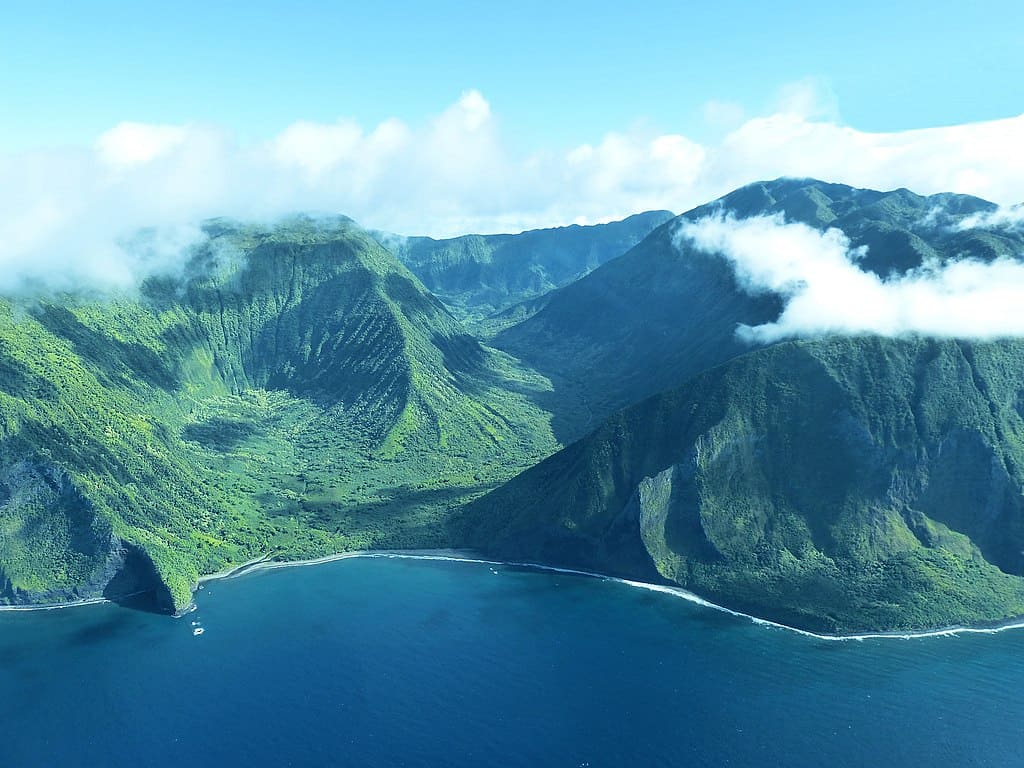
Hawaii’s dolphin tourism industry began gaining significant momentum in the 1980s and has since grown into a multi-million dollar sector. On islands like the Big Island, Oahu, Maui, and Kauai, dozens of tour operators offer various dolphin experiences, from boat-based viewing to “swim-with” opportunities. The appeal is undeniable—swimming alongside wild dolphins represents a bucket-list experience for many travelers seeking connection with nature. The industry contributes substantially to Hawaii’s economy, employing hundreds directly and supporting thousands more through related services.
Tourism statistics show that wildlife experiences, particularly dolphin encounters, rank among the top activities sought by Hawaii’s approximately 10 million annual visitors. A 2016 economic assessment estimated that dolphin-related tourism alone generates over $100 million annually for the state. Tour packages range from $100 for simple boat viewing to upwards of $250 for swim encounters, creating strong financial incentives for operators to provide reliable and close dolphin interactions—sometimes at the expense of the animals’ natural behavior patterns.
Scientific Concerns About Human Interactions

Research into the effects of tourism on spinner dolphins has revealed concerning patterns. Multiple peer-reviewed studies have documented significant behavioral changes when humans enter dolphin resting areas. A landmark 2012 study published in the Journal of Wildlife Management found that dolphins in heavily visited bays spent 37% less time resting compared to those in more isolated locations. More recent research has shown increased stress hormone levels in dolphins from tourist-heavy areas.
The science indicates that when spinner dolphins are repeatedly disturbed during their crucial daytime rest periods, they experience what biologists call “energy budget deficits”—essentially, they’re not getting enough rest to offset their high-energy nighttime hunting. This can lead to compromised immune function, reduced reproductive success, and altered habitat use patterns as dolphins abandon traditional resting areas that become too disturbed. Of particular concern is the cumulative effect; while a single disturbance might have minimal impact, dolphins in popular areas may face dozens of intrusions daily, year-round, with potentially population-level consequences over time. Marine mammal scientists specializing in spinner dolphins have increasingly advocated for stronger protections based on this growing body of evidence.
Cultural Significance to Native Hawaiians

For Native Hawaiians, spinner dolphins (nai’a) hold profound cultural significance that predates tourism by centuries. In Hawaiian cultural traditions, these dolphins are often considered ‘aumakua (family or ancestral guardians) for certain lineages, commanding deep respect and reciprocal care. Traditional Hawaiian values emphasize concepts like kuleana (responsibility) and malama (to care for), which extend to proper stewardship of marine life. Cultural practitioners and elders have expressed concern that commercialized dolphin interactions may disrespect these traditional relationships.
Some Native Hawaiian cultural experts have advocated for management approaches that honor indigenous perspectives on appropriate dolphin interactions, which historically emphasized observation from a respectful distance rather than direct contact. The traditional Hawaiian worldview recognizes the interconnectedness of all living things and acknowledges that humans have responsibilities toward other species—a perspective that often aligns with modern conservation science while emerging from a different knowledge system. Including these cultural dimensions adds important depth to the conversation about spinner dolphin management.
NOAA Regulations and Management Efforts
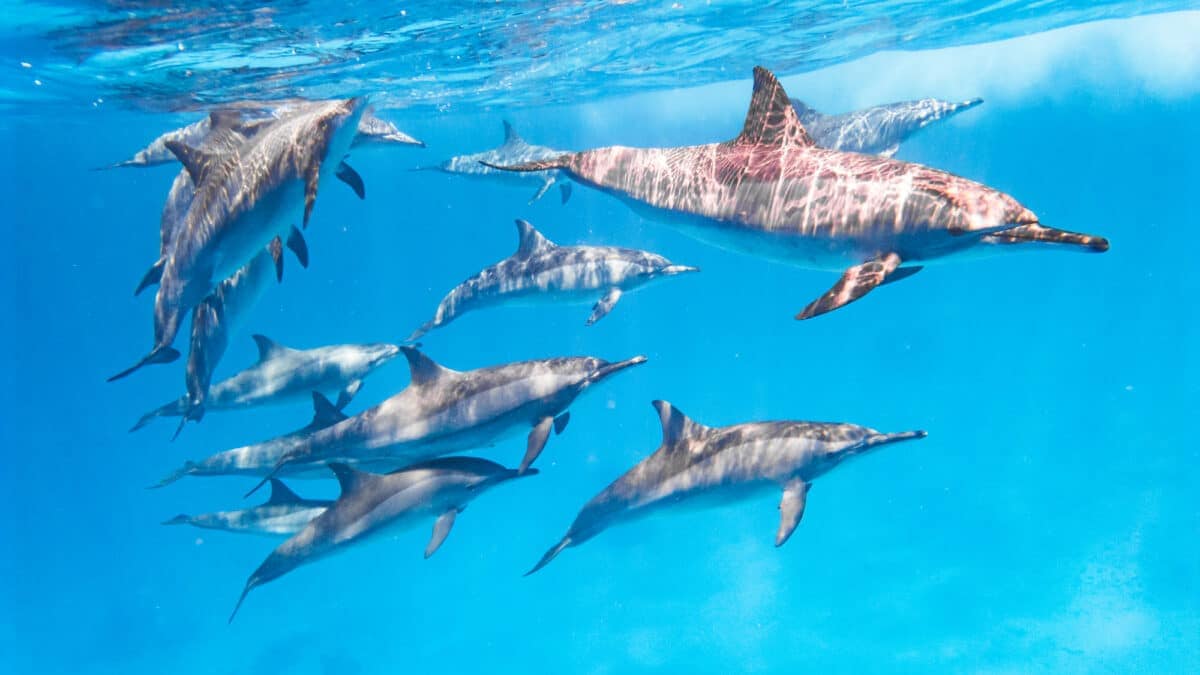
After years of research and public consultation, the National Oceanic and Atmospheric Administration (NOAA) implemented new protective regulations for Hawaiian spinner dolphins in October 2021. These rules prohibit swimming with, approaching, or remaining within 50 yards of spinner dolphins in Hawaii state and federal waters. The regulations specifically address the problem of harassment during the dolphins’ crucial resting periods.
Prior to these specific rules, spinner dolphins were already protected under the Marine Mammal Protection Act of 1972, which prohibits harassment of all marine mammals, defined as any act that has the potential to disturb a marine mammal by disrupting behavioral patterns. NOAA’s approach represents an attempt to balance economic interests with conservation needs by allowing boat-based viewing at appropriate distances while prohibiting the more disruptive swim-with activities. Enforcement remains challenging given Hawaii’s extensive coastline, though NOAA has increased educational outreach and partnered with local organizations to promote voluntary compliance. The regulations faced significant pushback from parts of the tourism industry during the extensive public comment period, highlighting the economic tensions inherent in the issue.
The Tourism Industry’s Response

The dolphin tourism industry has responded to increased regulation with mixed reactions. Some operators have embraced the changes, rebranding their offerings as “dolphin watching” rather than “dolphin swimming” experiences and using the regulations as an opportunity to educate visitors about dolphin conservation. These progressive operators emphasize the quality of the experience through respectful distance viewing, underwater hydrophones to hear dolphin vocalizations, and enriched educational content. However, other segments of the industry have resisted the regulations, arguing they threaten livelihoods and visitors’ opportunities to connect with nature.
Some operators have challenged the scientific basis for the 50-yard approach limit, suggesting that dolphins would approach boats voluntarily if not disturbed by the interaction. Industry associations have pointed to self-regulation efforts like the Dolphin SMART program, which promotes responsible viewing practices, as alternatives to government restrictions. The economic stakes are substantial; a 2018 survey of dolphin tour operators indicated that approximately 60% believed their businesses would face significant financial hardship if swim-with activities were prohibited, with some predicting closure. This economic reality underscores the challenge of transitioning to a more sustainable tourism model.
Alternative Tourism Models
Innovative approaches to dolphin tourism are emerging that aim to satisfy visitors’ desire for connection while minimizing impacts on dolphins. Several companies now offer “dolphin conservation tours” that maintain respectful distances while providing enhanced educational experiences through hydrophones, underwater cameras with monitors on board, and presentations by marine biologists. Some operators have diversified their offerings to include coral reef conservation activities, citizen science opportunities, or cultural experiences alongside more distant dolphin observation.
Virtual reality experiences are also being developed that allow visitors to “swim” with digital dolphins created from actual footage, providing the sensation of closeness without physical proximity to real animals. On Oahu’s Waianae Coast, a community-based tourism initiative partners with Native Hawaiian cultural practitioners to offer experiences that honor traditional relationships with dolphins while adhering to conservation guidelines. These alternative models demonstrate the potential for evolving beyond the swim-with paradigm toward experiences that may ultimately prove more sustainable, educational, and culturally appropriate. While these approaches may not capture the same market as direct swim experiences, they represent important innovations in reconciling tourism desires with conservation needs.
Population Health and Monitoring

Assessing the overall health and population trends of Hawaii’s spinner dolphins presents significant scientific challenges. Current population estimates suggest approximately 631 spinner dolphins inhabit the waters around the main Hawaiian Islands, though this number fluctuates seasonally and has margins of error. Long-term monitoring programs conducted by NOAA and research partners track key health indicators including reproductive rates, residency patterns, and evidence of human-induced injuries. Photo-identification catalogs maintained by research organizations have been crucial for documenting individual dolphins and their life histories.
While catastrophic population decline has not been documented, subtle changes in habitat use have been observed, with dolphins in heavily touristed areas showing signs of displacement to less optimal resting locations. Of particular concern is the potential for chronic stress to affect reproduction; female dolphins under stress may experience reduced pregnancy rates or compromised nursing capacity. The scientific consensus points to a population that is not currently in crisis but shows concerning signs of stress that could have long-term implications if tourism pressure continues unabated. Comprehensive population assessments remain a priority for informing future management decisions.
Global Context and Comparative Approaches

Hawaii’s spinner dolphin management challenges mirror similar situations worldwide where charismatic marine species attract tourism interest. Instructive comparisons can be drawn from locations like New Zealand, where strict regulations around dusky dolphin tourism in Kaikoura have successfully balanced tourism and conservation for decades. There, time-area closures that restrict boat access during critical periods have proven effective while maintaining a viable tourism industry. Similarly, Australia’s approach to bottlenose dolphin tourism in Shark Bay incorporates limited permits, mandatory rest periods when no boats can approach dolphins, and extensive guide training requirements.
In contrast, unregulated dolphin tourism in certain parts of the Mediterranean has been associated with documented population declines. The International Whaling Commission’s Whale Watching Committee has developed best practice guidelines that increasingly emphasize the precautionary principle—when scientific uncertainty exists about potential impacts, management should err on the side of species protection. Hawaii’s approach falls somewhere in the middle of the global regulatory spectrum—more protective than many unregulated locations but less restrictive than some of the most conservation-oriented models. This global context provides valuable perspectives for evaluating and potentially improving Hawaii’s management framework.
The Visitor Perspective

Understanding visitor attitudes and expectations is crucial to developing sustainable dolphin tourism. Research into tourist motivations reveals that while close physical proximity to dolphins is highly valued by many visitors, other factors also contribute significantly to satisfaction, including educational content, overall experience quality, and the perceived welfare of the animals. A 2019 survey of Hawaii visitors found that 78% expressed willingness to observe dolphins from a distance if they understood the conservation rationale, though 57% still indicated preference for swim-with experiences if available.
Importantly, visitor awareness of the potential impacts of their activities on dolphin welfare has increased substantially over the past decade, reflecting broader societal shifts toward more ethical wildlife tourism. This evolution in visitor attitudes presents an opportunity for reframing dolphin experiences around conservation and education rather than physical proximity alone. Tour operators report that when guides effectively communicate the reasons for maintaining distance—focusing on respect for the animals’ natural behavior and needs—most visitors respond positively. These findings suggest that visitor education represents a crucial component of any solution, potentially allowing for both meaningful nature experiences and improved conservation outcomes.
Future Research Needs

Despite decades of study, significant knowledge gaps remain in our understanding of Hawaii’s spinner dolphins and how tourism affects them. Priority research areas identified by scientists include more precise population assessment techniques, improved understanding of the long-term physiological effects of chronic disturbance, and better documentation of how human presence might alter critical behaviors like nursing or mating. Emerging technologies like drones with infrared cameras promise less invasive monitoring methods, while advances in environmental DNA (eDNA) sampling may allow scientists to assess dolphin health without direct contact.
Research on the socioeconomic dimensions of dolphin tourism also requires expansion, particularly regarding the potential for alternative tourism models to maintain economic benefits while reducing impacts. Interdisciplinary approaches that integrate biological, cultural, and economic perspectives are especially needed. The effects of climate change on spinner dolphin habitat and prey availability represent another critical research frontier, as warming oceans and changing oceanographic conditions may compound the stresses of tourism. Continued investment in research will be essential for adaptive management as conditions evolve and as we gain deeper understanding of how these intelligent marine mammals respond to human presence in their environment.
Conclusion: Finding Balance in Paradise

The spinner dolphins of Hawaii embody the complex challenges at the intersection of tourism, conservation, and cultural values in our modern world. The path forward requires acknowledging that these aren’t simply competing interests but interconnected dimensions of a shared future—one where healthy dolphin populations and sustainable tourism both depend on finding appropriate balance. The scientific evidence clearly indicates that spinner dolphins need greater protection from disturbance during their crucial resting periods, yet the economic and experiential value of dolphin tourism cannot be dismissed.
The most promising solutions embrace innovation rather than entrenchment, reimagining how meaningful connections with marine wildlife can occur while respecting biological needs and cultural values. Hawaii has an opportunity to develop a model of dolphin tourism that enhances rather than diminishes what makes these encounters special—the privilege of witnessing wild animals in their natural state, behaving as they have for millennia. In this vision, spinner dolphins would continue their aerial displays for generations to come, and Hawaii’s visitors would still experience the wonder of these remarkable animals, but with a deeper appreciation for what it means to share space respectfully with the wild creatures who call these islands home.

From exploring the marine wonders in the Azores and witnessing the vast savannas of Kenya, to delving deep into the rich biodiversity of South Africa and traversing iconic landscapes in Australia and the US like Yellowstone, Chris's experiences are vast.
With a penchant for diving alongside sharks, the ocean holds a special place in his heart.
Through his academic insights, he champions wildlife conservation, striving with 'Animals Around The Globe' to cultivate a profound connection between humans and animals, enhancing our mutual appreciation.
Connect with him at Feedback@animalsaroundtheglobe.com.