
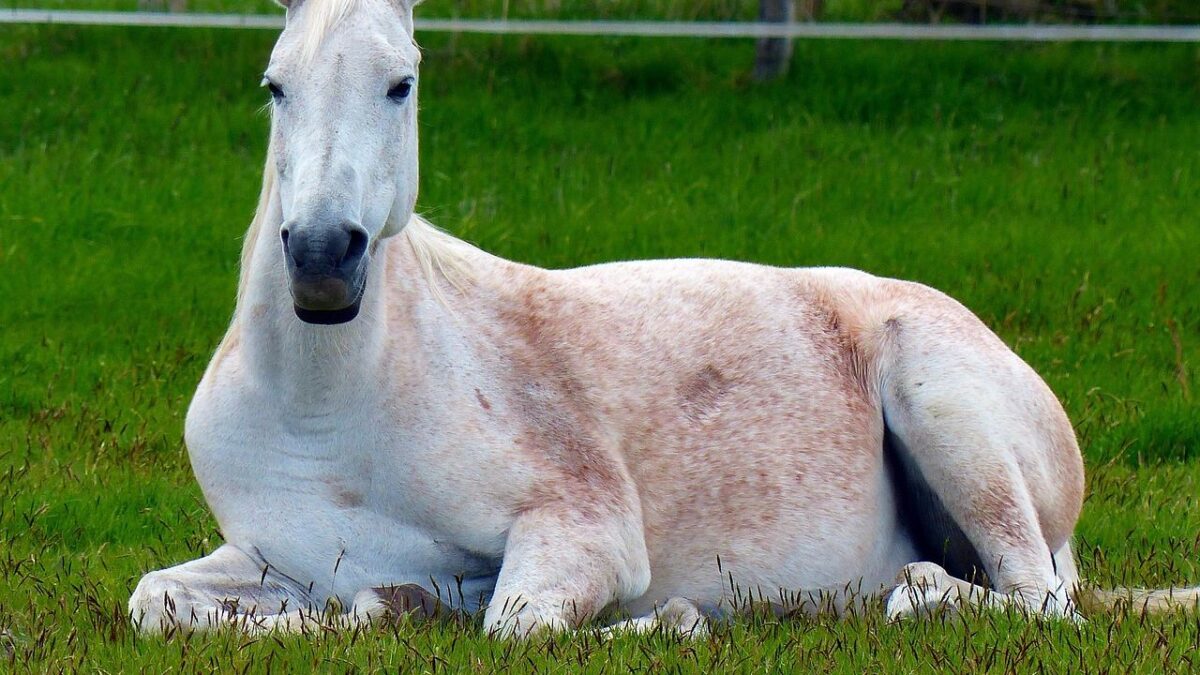
Most people know horses sleep on their feet. It’s one of those facts that sticks in the mind after childhood, something half-remembered from a school textbook or a visit to a stable. What far fewer people understand is that this ability tells only half the story. The real picture of how a horse sleeps is surprisingly complex, layered with evolutionary pressures, precise anatomy, and a genuine biological need that standing rest simply cannot satisfy.
There’s a quiet drama playing out in horse fields every night. Some horses doze upright. Others stretch out flat, completely vulnerable, trusting their surroundings enough to let every muscle go loose. Both behaviors matter. Both are necessary. Understanding why makes horses even more fascinating than the familiar headline suggests.
The Stay Apparatus: A Built-In Locking System
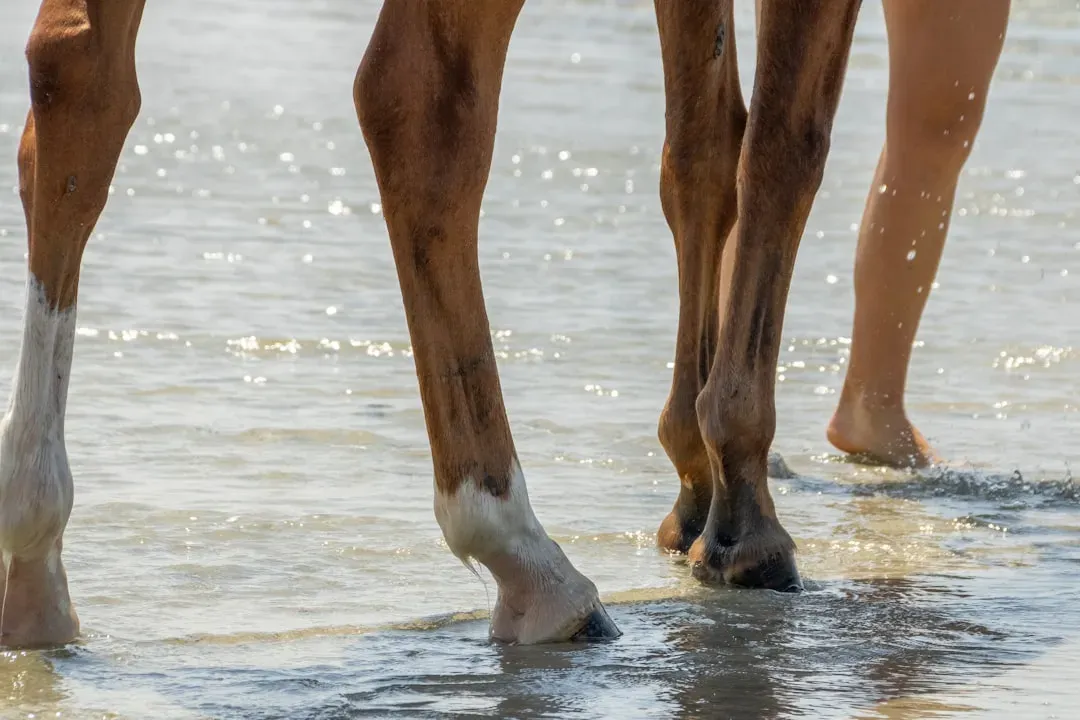
Sleeping while standing is possible because horses have a stay apparatus, a system of tendons, ligaments, and muscles that stabilizes the leg joints, essentially locking the legs in place and permitting sleep in an upright position. It’s a genuinely elegant piece of biological engineering.
The stay apparatus is an arrangement of muscles, tendons, and ligaments that work together so that an animal can remain standing with virtually no muscular effort. It is best known as the mechanism by which horses can enter a light sleep while still standing up.
This mechanism functions as a passive brake, locking the joints of the legs into a fixed position without requiring constant muscular effort. This allows the horse to relax and doze without the risk of collapsing. In the hind legs, the system is particularly intricate.
The medial patellar ligament latches over an enlargement on the femur to “lock” the patella in place, preventing flexion in the stifle and, via the reciprocal apparatus, the hock. Horses typically rest by shifting their weight to three legs while letting one hind leg relax, alternating this process to prevent fatigue.
The animal can periodically shift its weight to rest a different leg, and thus all limbs are able to be individually rested, reducing overall wear and tear. It’s a passive, rotating system that keeps a large animal comfortable across hours of standing rest.
Prey Animals and the Logic of Sleeping Upright
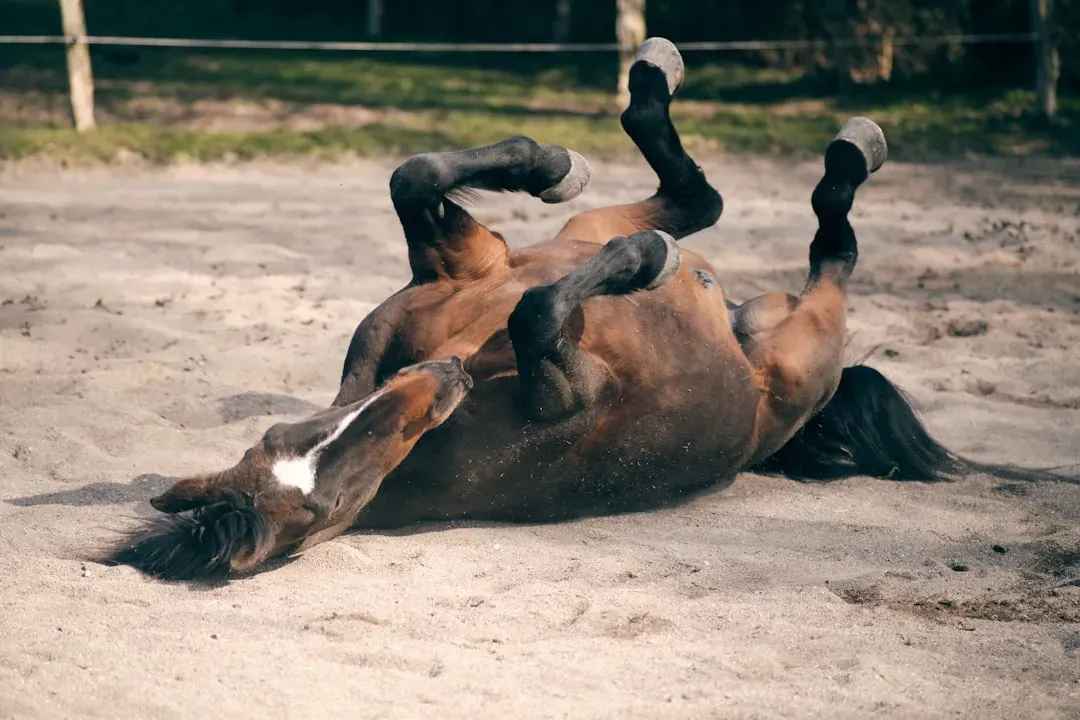
Sleeping upright is a direct result of the horse’s evolutionary history as a prey animal living on open plains. Remaining on their feet ensures instant flight readiness, allowing the horse to react immediately to a perceived threat. The time it takes a horse to rise from a lying position could mean the difference between escape and capture.
Horses are prey animals and sleeping standing up is one way in which they’ve adapted to the threat of predators. This survival mechanism allows them to remain somewhat alert and ready to quickly flee from predators without the delay and effort of getting up from the ground.
The unique features of equine sleep reflect the horse’s evolutionary history, which adapted them for vigilance and mobility. As prey animals, horses have developed ways to rest without becoming fully vulnerable. The ability to enter light sleep while upright and to remain partially alert has clear survival advantages.
Other equids, like donkeys and zebras, are also able to sleep standing up. The adaptation runs deep across the family, shaped by millions of years of open-terrain survival.
Why Standing Rest Is Not Enough: The Case for Lying Down
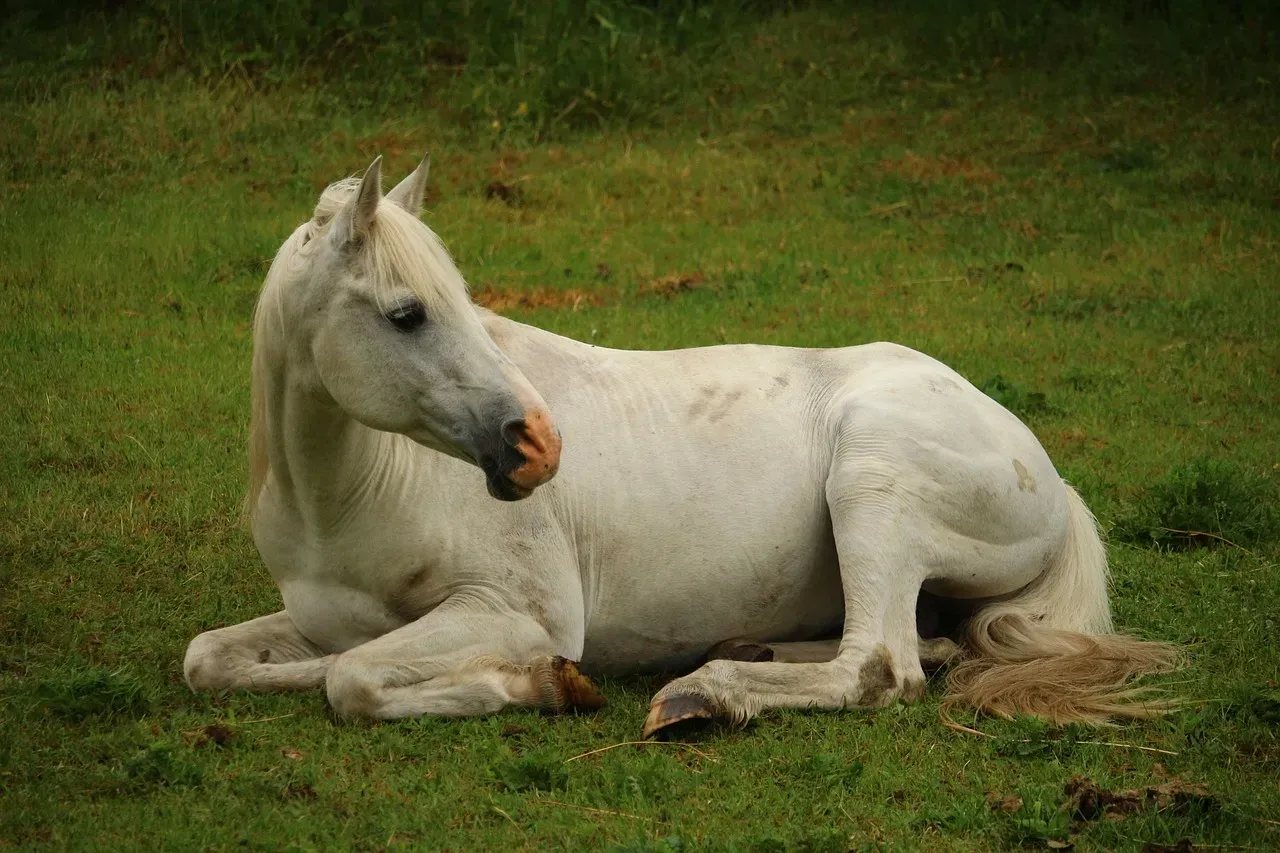
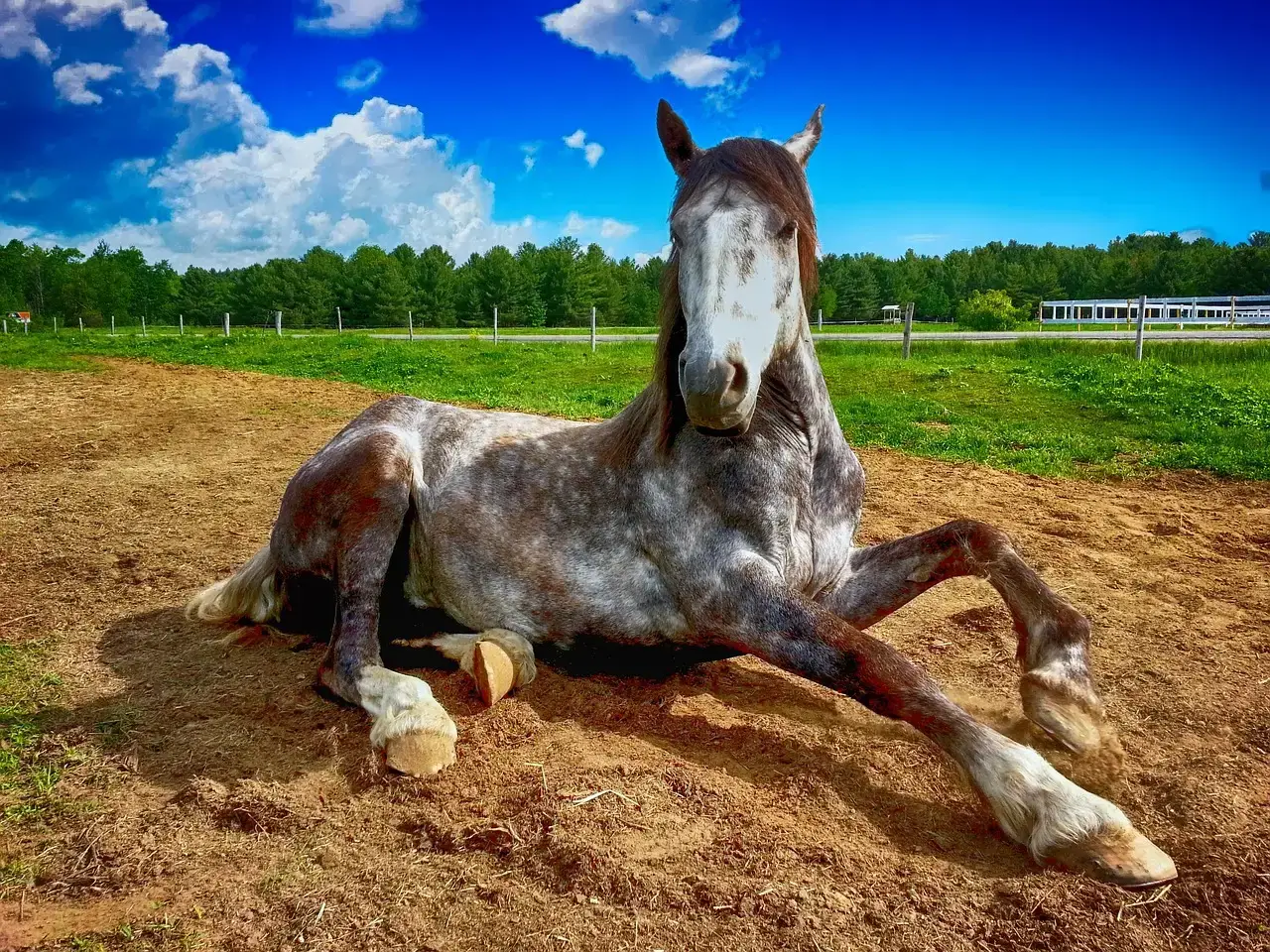
While horses do most of their sleeping while standing, they do need to lie down for more restorative sleep. Horses spend most of their time sleeping standing up, but they don’t actually reach full REM sleep when they’re standing.
The deep REM sleep stage requires complete muscle relaxation, a state known as muscle atonia. During this stage, the muscles supporting the horse’s body lose their tone, making it impossible for the horse to remain standing without falling. The stay apparatus, remarkable as it is, simply cannot hold a horse upright when all muscular control disappears.
Despite these micro-sleeps, horses still need to enter deeper REM sleep, the stage of sleep where the brain consolidates and processes information, mental concentration and mood regulation improve, and overall health, including brain function and cellular repair, is supported.
REM sleep plays an important role in a horse’s development and overall health. It’s when horses store what they’ve learned and repair brain cells, helping to maintain memory and concentration. Skipping it has real consequences, not just for performance, but for basic wellbeing.
While standing, horses can achieve “slow-wave,” or deep dreamless sleep, but an adequately rested horse requires at least 25 minutes of REM sleep per day, which can only happen while lying down. That’s a relatively small window, but it’s non-negotiable.
What Happens When a Horse Can’t Lie Down
Symptoms of sleep deprivation can occur in as little as five to seven days of incomplete REM sleep. For something that seems like a simple comfort issue, the health consequences are remarkably swift.
In extreme cases, a sleep-deprived horse might fall into REM sleep while standing. Without the stay apparatus engaged, this can cause a horse to collapse, resulting in injuries. This is often misread as a neurological problem or even narcolepsy.
Horses who avoid lying down, whether due to pain, stress, or environmental conditions, may accumulate a sleep deficit over time, with measurable effects on behavior, coordination, and welfare.
The horse’s weight alone applies pressure to areas of the body, restricting blood flow to vital organs and limbs. The lungs are also compressed, which can lead to abnormal breathing patterns. The pressure can also affect nerves, rendering the horse’s limbs temporarily paretic. So lying down too long carries its own risks. The balance is fine.
Creating Conditions That Allow Horses to Rest Properly
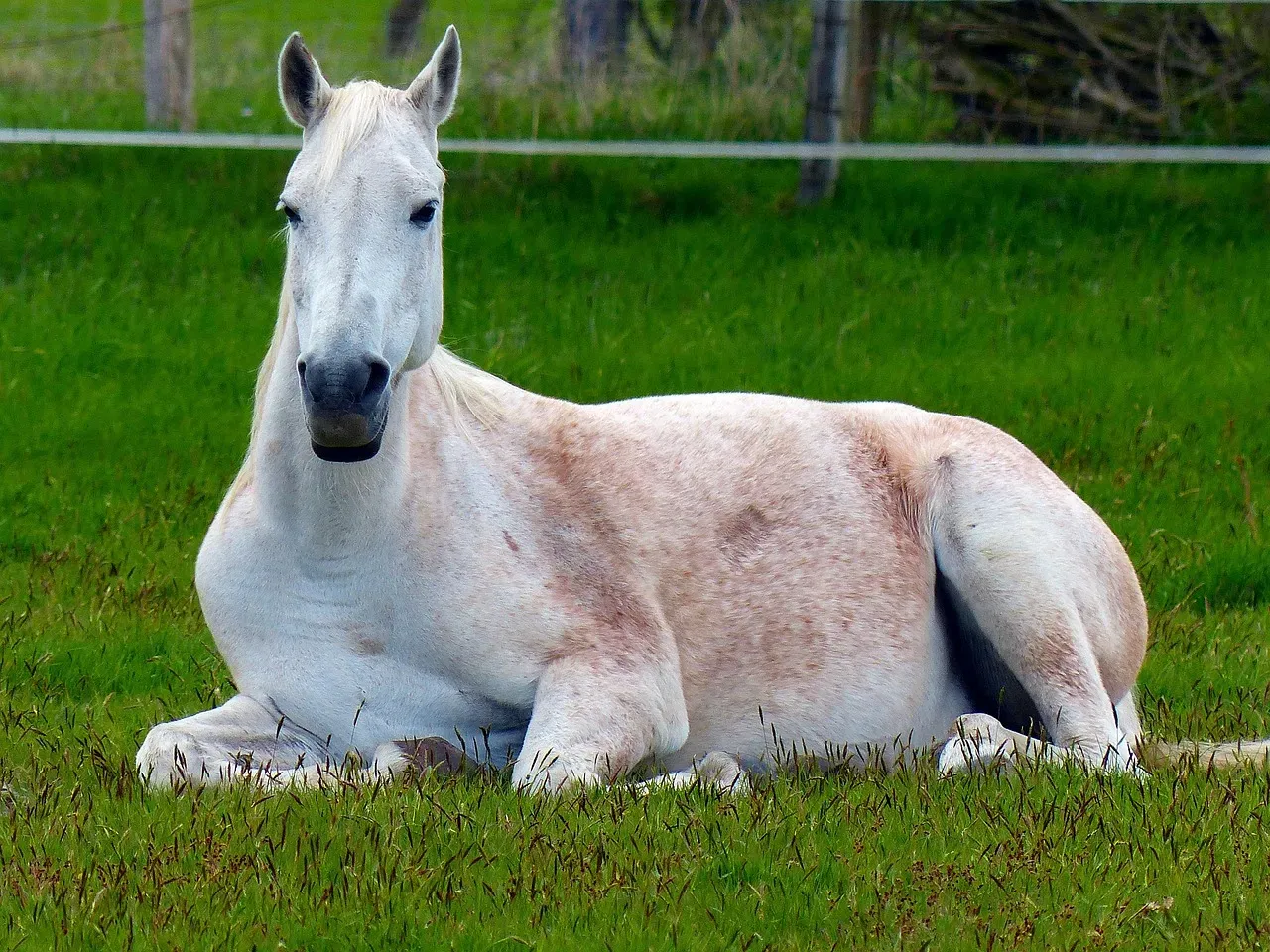
Because standing while sleeping is an adaptation to avoid predators, horses need to feel comfortable and safe before they are willing to lie down and sleep. In a domestic setting, that safety has to be provided by the environment and the people managing it.
Horses in a herd often take turns resting, with one or more individuals standing guard as a sentinel while others lie down for deep sleep. This behavior remains strong even in domesticated horses living in protected environments.
One study showed that horses are more likely to sleep when they have access to a soft, thick bedded and adequately sized area suitable for lying down. Another factor is how familiar your horse is with their surroundings. Many horses require a period to acclimate to a new barn or paddock before feeling safe enough to lie down and sleep.
Noise levels, lighting, stall comfort, and more can affect their ability to get good rest. Proper nutrition, a balanced diet, and drinking enough water also help. If they have pain from injuries or health conditions, a horse is less likely to achieve deep sleep.
Older horses may sleep more lightly and lie down less often due to discomfort, joint stiffness, or fear of not being able to rise. Foals, on the other hand, need significantly more sleep, and spend much of it in recumbent positions. Their developing nervous systems and rapid growth demand longer and deeper rest.
Conclusion
The ability to sleep standing up is one of nature’s more elegant solutions to a predator-prey problem that shaped horses over millions of years. The stay apparatus is a piece of structural ingenuity that keeps a thousand-pound animal safely on its feet with minimal effort. It deserves the admiration it gets.
Still, that ability comes with a ceiling. Because of the need for REM sleep, horses must lie down every day. If they don’t, they may experience sleep deprivation, which can be a serious health risk. The two behaviors are not in competition. They are part of one complete system.
For anyone who works with, owns, or simply cares about horses, the practical takeaway is straightforward: a horse that never lies down is a horse that isn’t truly resting. Providing space, safety, and companionship isn’t just about comfort. It’s about letting an animal do something its biology requires every single day.
