
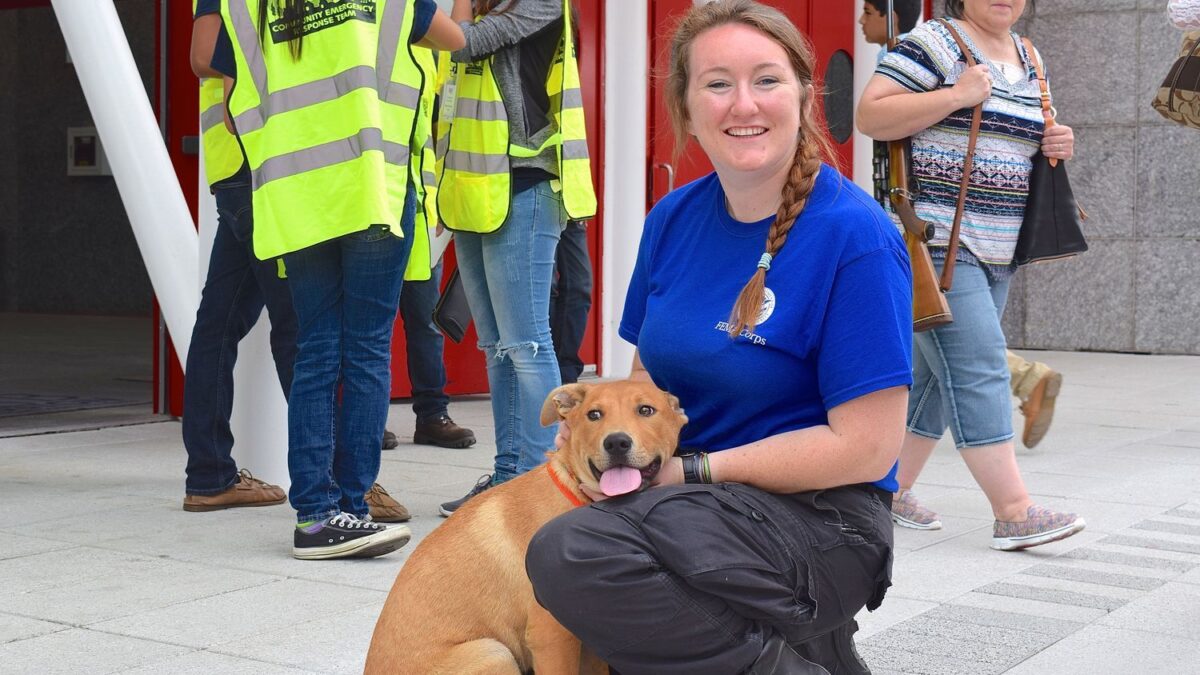
Every day, countless animals find themselves in shelters, waiting for someone to show up and make their lives just a little bit better. It’s easy to walk past the local animal shelter without thinking twice about what’s happening behind those walls. Honestly, I think we underestimate just how much these places need us.
The thing is, supporting your local shelter doesn’t always mean you have to adopt a pet or write a massive check. There are so many ways to get involved, from spending just an hour with a nervous dog to hosting a simple donation drive in your neighborhood. Let’s dive into how you can truly make a difference for the animals in your community.
Volunteer Your Time at the Shelter
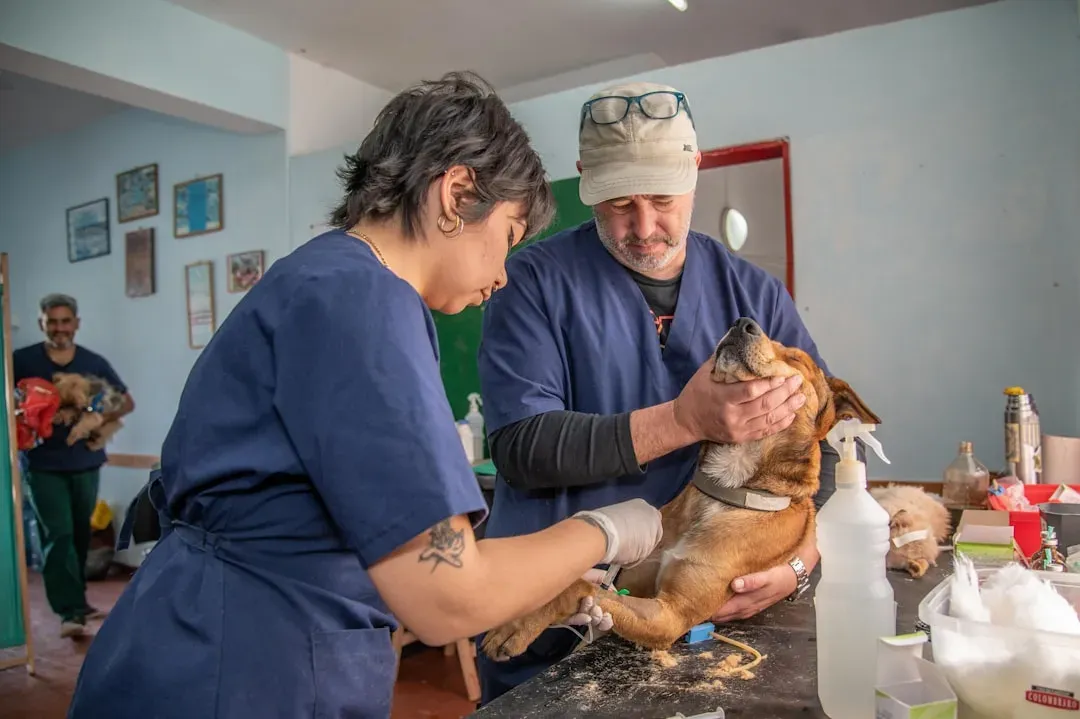
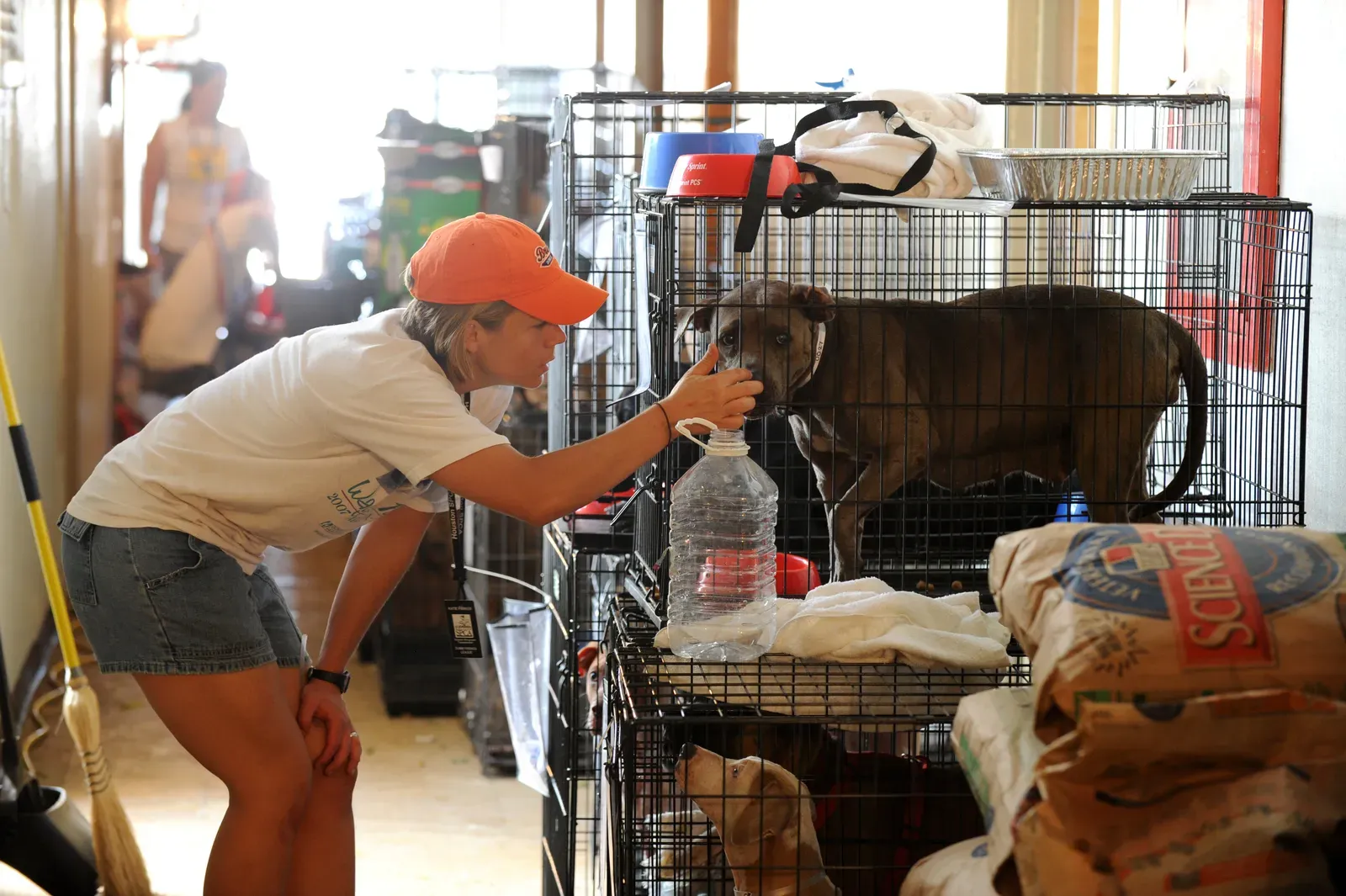
Here’s the thing about volunteering: it’s one of those rare situations where giving actually feels like receiving. Shelters need help with everything from walking dogs and socializing cats to cleaning facilities and assisting with adoption paperwork. The beauty of it is that there’s literally something for everyone, whether you’re comfortable handling animals or prefer working behind the scenes.
Most shelters ask for a commitment of just a few hours per month. Some programs require a minimum of four hours a month for six months or longer, which honestly isn’t much when you break it down. Think about it: that’s less time than binge-watching a single season of your favorite show.
You don’t even need previous animal experience for many positions. Programs offer opportunities to volunteers of all different levels of experience and backgrounds, providing training both for safety and personal growth. Maybe you’re great with organizing supplies, or perhaps you have a knack for photography. Shelters desperately need people to take appealing photos of animals to help them get adopted faster.
The work varies wildly depending on what you’re comfortable with. Tasks can include walking, cuddling, cleaning, training, enrichment, grooming, taking pictures, writing biographies and more. Let’s be real, there’s something deeply satisfying about helping a scared dog learn to trust people again or watching a timid cat finally start to purr.
Some shelters even have unique programs you might not expect. Reading programs provide children and young adults the chance to read their favorite books to shelter pets, with the rhythmic sound of reading being comforting and soothing to the animals. How cool is that? Kids get to practice reading while anxious pets get to relax.
Volunteers truly form the backbone of shelter operations. Volunteers are key in uniting homeless shelter pets with loving families, and there is a volunteer role for every person as there is always life-saving work to be accomplished. Without community members stepping up, many shelters simply couldn’t function at their current capacity.
Become a Foster Parent for Animals in Need
Fostering might sound intimidating at first, but it’s actually one of the most impactful things you can do for shelter animals. By fostering a pet, you help increase the number of animals the shelter is able to serve by providing a temporary home while they wait for their forever family. It’s like being a bridge between the shelter and a permanent home.
The commitment varies wildly depending on what you’re comfortable with. You could take a dog out for just a few hours, keep a cat for a weekend, or care for a litter of kittens for several weeks. Some programs offer trips as short as three days, which is perfect if you’re testing the waters.
Here’s what surprises most people: fostering is completely free. Shelters provide all the supplies and medical care you’ll need, including food, bowls, bedding, toys, crates, litter, and any medications. You’re just providing the space, time, and love. That’s it.
Foster families report that the experience changes not just the animal’s life but their own as well. Fostering saves lives, and scientific studies have shown that adult animals are adopted more quickly after a break from the shelter. The shelter environment can be incredibly stressful for animals, so even a short break in a home setting helps them show their true personalities.
There are different types of fostering needs throughout the year. Kitten season extends from spring to fall, and kitten foster periods may range from one to ten weeks. Meanwhile, shelters constantly need people willing to care for dogs who need extra socialization or cats recovering from minor medical procedures.
Can’t commit to weeks at a time? Day trips with shelter pets can look like a long hike or even just a drive around town, and one-night foster stays have been proven to reduce pets’ stress levels. You’d be amazed at the difference a single night away from the kennel can make for a stressed dog.
Still worried about getting too attached? Look, it happens. Fosters get first dibs on adoption within 48 hours of an inquiry. Sometimes the foster fails, and honestly, that’s a beautiful thing because it means another animal found their forever home with someone who already loves them.
Donate Money and Much-Needed Supplies
Let’s talk about the practical stuff that keeps shelters running. Money might not seem exciting compared to cuddling puppies, but it’s genuinely what allows rescue organizations to save lives. Donations allow shelters and rescue groups to increase adoptions, promote spay/neuter, create lifesaving programs, educate the public about animal welfare issues, and much more.
Monetary donations are especially valuable because they give shelters flexibility to address their most urgent needs. Maybe they suddenly have an influx of animals requiring emergency medical care. Perhaps they need to repair broken equipment or cover unexpected utility costs. Cash donations let them respond to whatever crisis pops up.
Besides gifts of cash, there are lots of other ways to provide financial support, such as donating stock or real estate or including a bequest in your will, as well as donations in the form of supplies, equipment, treats, or toys. Estate planning might sound morbid, but leaving even a small bequest to your local shelter can have a massive long-term impact.
Physical supplies are constantly needed too. Most shelters maintain wish lists on their websites or Amazon. Amazon Wish Lists are full of many items to choose from to be sent to the shelter, making it easy. You can order items directly from your couch and have them shipped to the shelter.
The supply needs are surprisingly diverse and often include things you might not expect. Animal shelters and rescue groups rely on the community to donate everyday supplies to support their daily operations. We’re talking about towels, blankets, cleaning supplies, cat litter, dog treats, toys, food bowls, and even office supplies for their administrative work.
Here’s a clever trick: Buy an extra bag of litter or box of dog treats when you shop for your pet and donate the extra. It’s such a small addition to your shopping trip, but those items add up quickly when multiple community members do it. You could also get creative with items you already have lying around your house, like turning old t-shirts into cat blankets.
Help Spread the Word About Adoptable Animals
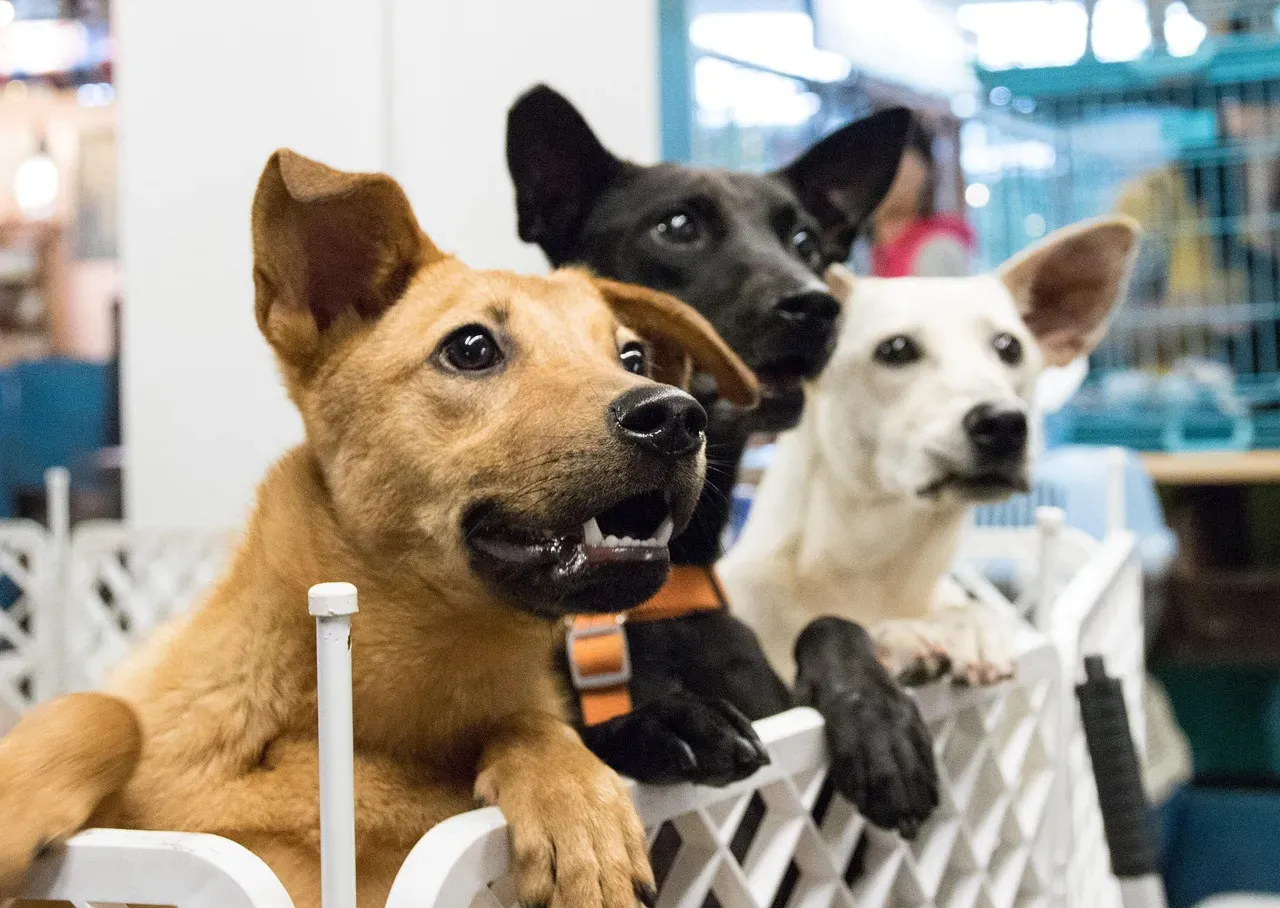
In our hyperconnected world, one of the easiest ways to help shelter animals is simply by talking about them. Social media has become an incredibly powerful adoption tool, and you don’t need thousands of followers to make an impact. You can use your social networking skills to promote adoptable animals by asking your favorite local rescue organization whether you can help with their social media efforts, or simply share their posts to encourage your friends to adopt.
Sharing is genuinely that simple. You see a post about a dog needing a home, you hit share, and suddenly dozens or even hundreds of people in your network see it. Shelters often have social media accounts where you can see the pets they have up for adoption, and even if you can’t adopt or physically help out, you can follow their accounts and share their posts to help reach more people who may be in a position to adopt or otherwise chip in.
Word-of-mouth advocacy extends beyond social media too. You can represent the organization to the community and help share information about their mission and programs by making phone calls, talking to community groups, distributing flyers, or promoting their work on social media. Maybe your workplace allows informational flyers in the break room, or perhaps your neighborhood has a community bulletin board.
Sometimes advocacy means speaking up for better policies. The work your local shelter does may be hindered by an outdated animal control ordinance or inadequate budget, and you can help by rallying support from your elected officials and working with shelter and rescue leaders to make necessary changes. Attending city council meetings might not sound glamorous, but it can result in real systemic improvements.
Photography and videography volunteers are worth their weight in gold at shelters. Quality photos dramatically increase an animal’s chances of getting adopted. If you’ve got even basic photography skills and a decent smartphone camera, offer to spend an afternoon taking pictures of the available animals. Professional-looking images can be the difference between an animal getting overlooked or receiving multiple adoption inquiries.
Organize Fundraising Events and Donation Drives
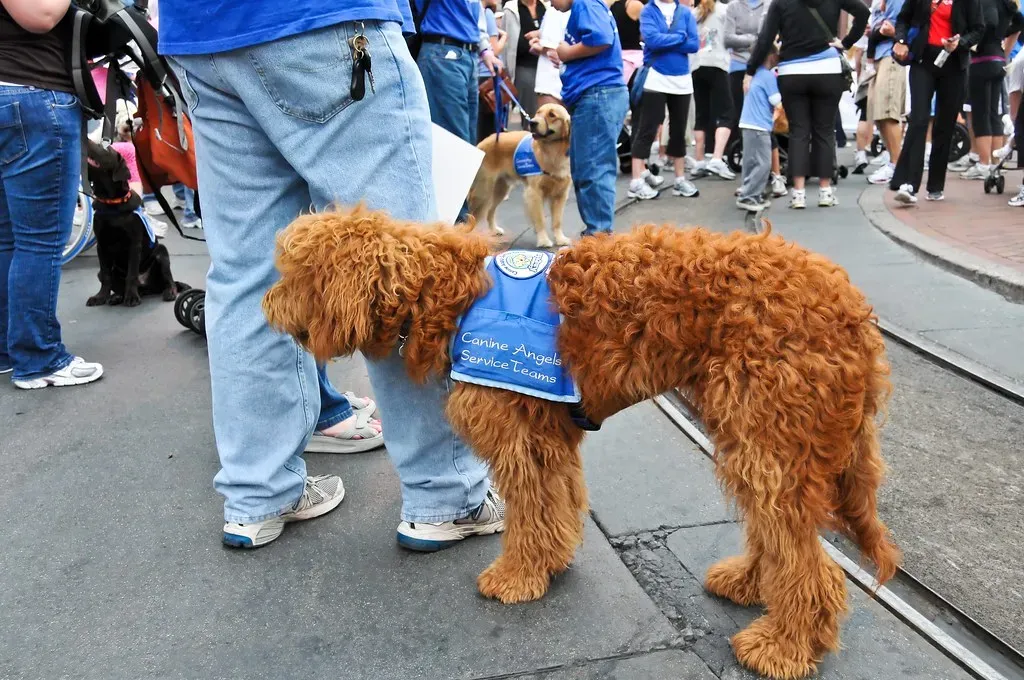
Community events serve a dual purpose: they raise needed funds while also increasing awareness about shelter work. Events like fun walks where community members can bring their pets raise funds through participant fees and sponsorships and serve as a platform for distributing educational materials. It doesn’t have to be complicated or expensive to organize.
Think smaller and more personal if big events feel overwhelming. You could invite friends to a supply drive party, maybe even a BBQ. People love a reason to gather, and when attending means bringing along a bag of dog food or some cat toys, most folks are happy to contribute. Make it fun with games or a potluck, and suddenly you’re making a difference while having a good time.
There are creative fundraising ideas that require minimal effort. Your favorite bar or restaurant might be willing to let you set up a donation jar or container, as loose change adds up quickly, and some shelters supply donation containers to businesses interested in partnering. Just asking a local business owner takes five minutes, but those jars can collect surprising amounts over time.
Virtual fundraising has exploded in recent years, making it easier than ever to raise money from your computer. You can set up crowdfunding campaigns through various platforms, share them with your network, and watch the donations roll in. The barrier to entry is incredibly low, you just need an internet connection and a willingness to tell people why your local shelter matters.
School and youth groups offer fantastic opportunities for organized drives. Youth volunteers ages 10 to 17 can assist alongside a parent with opportunities like making enrichment items and activities for pets, socializing with cats, helping with events, hosting donation drives, and cleaning laundry and dishes. Getting kids involved teaches compassion while accomplishing real work for the shelter.
Special events can target specific needs. Maybe the shelter desperately needs funds for a new medical equipment or renovations to their facilities. Creating a fundraiser with a specific goal and timeline often motivates people more than general donation requests. People like knowing exactly what their contribution will accomplish.
Support Spay and Neuter Programs
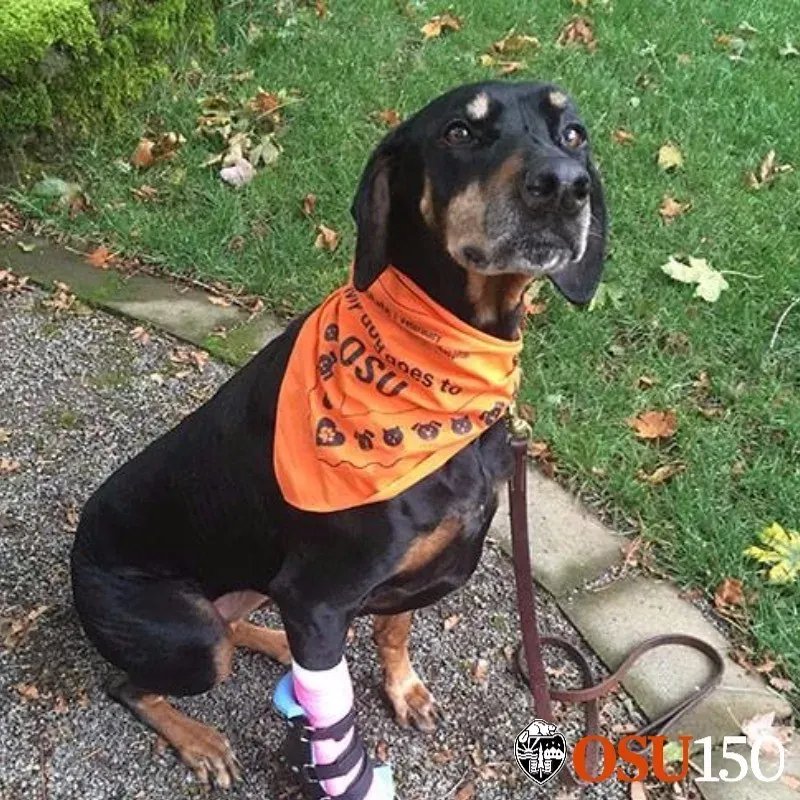
This might be the least glamorous topic, but it’s arguably the most important for long-term impact. Overpopulation is a growing problem and can be greatly reduced by spaying and neutering animals, as overpopulation contributes to overcrowded shelters and the three million cats and dogs facing euthanasia each year. Prevention truly is the most effective solution.
Responsible pet ownership includes spaying or neutering your pet, as this important practice helps to control the pet population by preventing unplanned litters and contributes to a more sustainable and manageable animal community. If you haven’t already had your own pets fixed, that’s honestly the first step. It’s basic but crucial.
Many people don’t spay or neuter their pets due to cost concerns or misconceptions about the procedure. If you want more people in your community to spay or neuter their pets, try to understand the reasons why they’re not, such as cost, cultural issues, or myths about the effects of spay/neuter. Once you understand the barriers, you can address them more effectively.
Shelters often run low-cost spay and neuter clinics that need community support to operate. Through community events, organizations are able to provide free vaccines, microchips, spay/neuter vouchers, pet supplies, and more to over a thousand pets in a single day. Volunteering at these events or spreading the word about their availability helps reach pet owners who might not otherwise be able to afford the procedures.
You can also fundraise specifically for spay and neuter programs if you’re passionate about addressing the root cause of shelter overcrowding. These targeted campaigns appeal to donors who want to support preventative measures rather than just managing the symptoms of pet overpopulation. It’s playing the long game, which is smart strategy for animal welfare.
Community cat programs particularly benefit from spay and neuter initiatives. The best way to help community cats is to do trap-neuter-vaccinate-return, as spaying or neutering the cats will make them healthier and happier while humanely reducing the community cat population by preventing them from giving birth to future generations of homeless kittens. These programs require volunteers, funding, and community education to be effective.
Conclusion
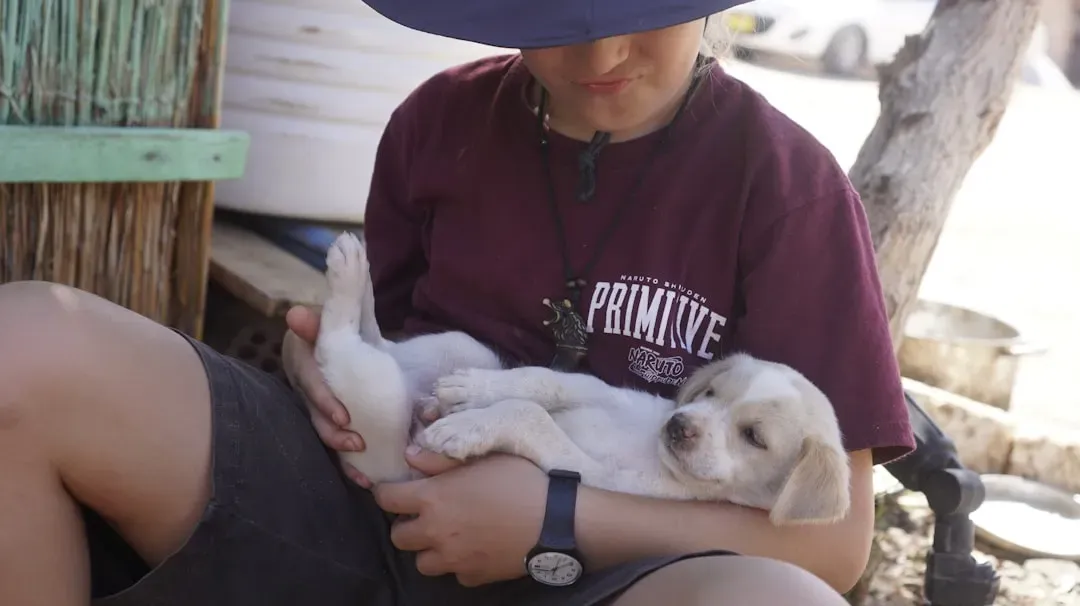
Supporting your local animal shelter doesn’t require superhero levels of commitment or a trust fund. It requires showing up in whatever way works for your life right now. Maybe that’s volunteering two hours a month, maybe it’s fostering a kitten for three weeks, or maybe it’s just consistently sharing adoptable animals on your social media. Every single action matters more than you probably realize.
The shelters and rescues in our communities are doing exhausting, heartbreaking, and beautiful work every single day. They’re operating on shoestring budgets with staff and volunteers who care deeply but can’t do it alone. They need us, the community members who benefit from living in a place that cares for its most vulnerable animals.
So here’s my challenge to you: pick one thing from this list and do it this month. Just one. See how it feels. You might discover that helping animals becomes one of the most rewarding parts of your routine. What’s your first step going to be? Tell us in the comments.
