

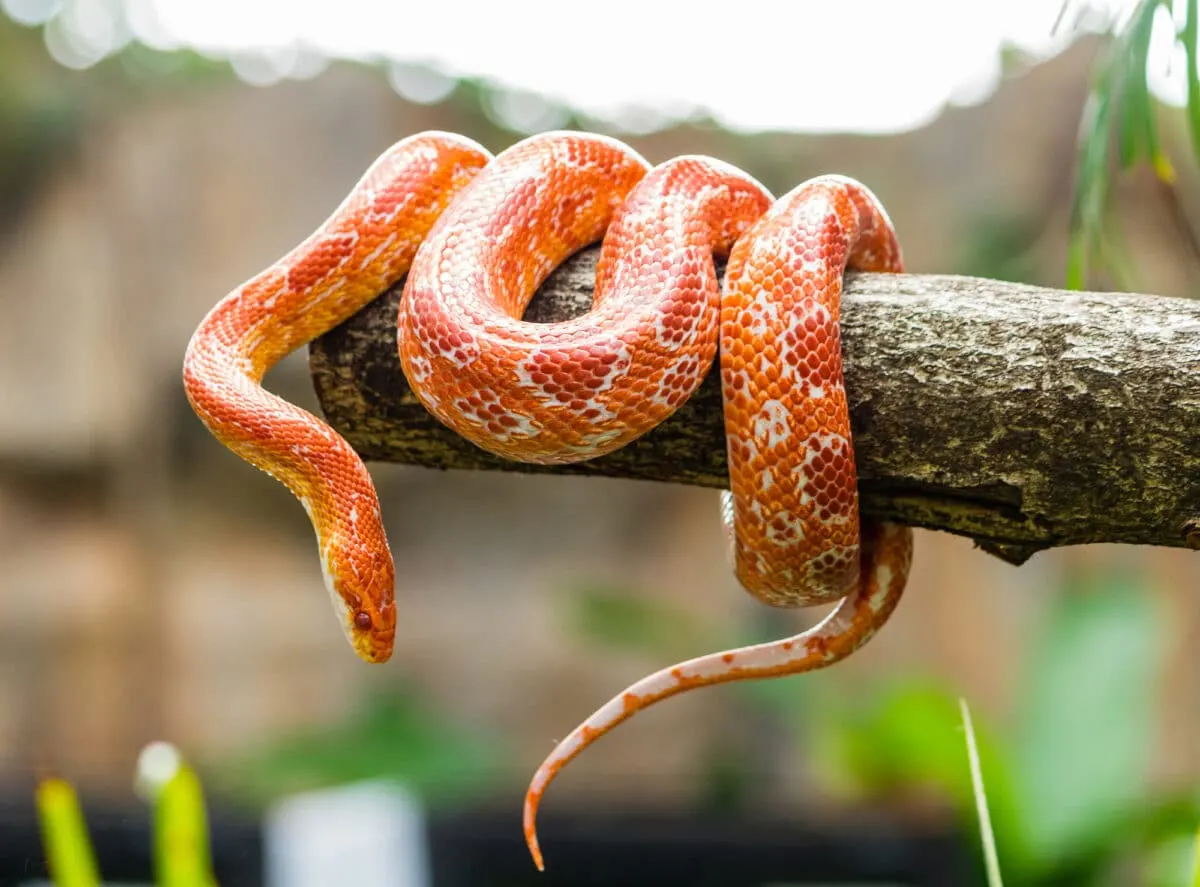
The corn snake (Pantherophis guttatus) has slithered its way into the hearts of American pet owners over the past several decades, becoming one of the nation’s most beloved reptile companions. Native to the southeastern United States, these colorful constrictors have transformed from wild creatures to cherished household pets through a fascinating journey of domestication, selective breeding, and changing public perception. Their rise in popularity wasn’t immediate but developed gradually as Americans began to appreciate reptiles as legitimate companion animals rather than merely exotic curiosities.
Today, corn snakes rank among the top three most popular pet snakes in America, alongside ball pythons and kingsnakes. Their ascent to this position reflects broader cultural shifts in how we view exotic pets and our increasing willingness to welcome non-traditional animals into our homes. Unlike many exotic species that remain difficult to keep in captivity, corn snakes have proven remarkably adaptable to domestic life, contributing significantly to their widespread appeal across diverse demographics of pet enthusiasts.
Natural History and Native Habitat
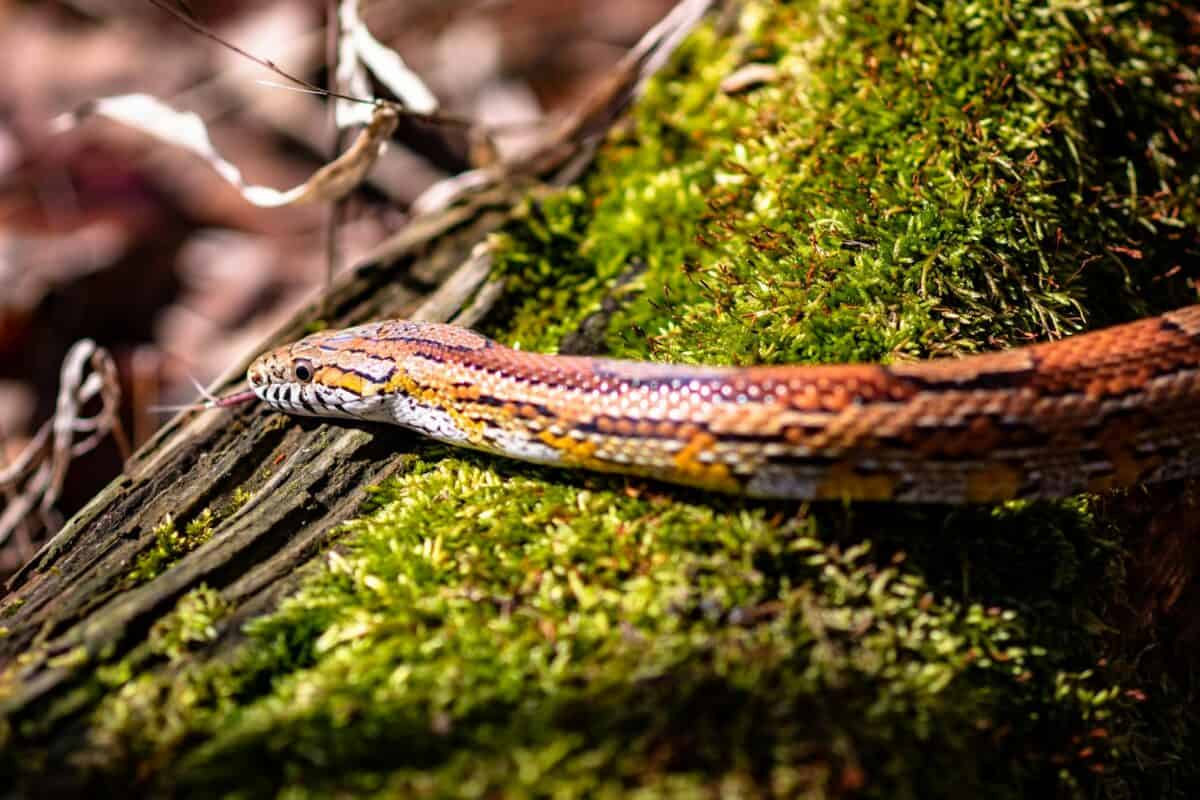
Corn snakes are native to the southeastern United States, ranging from New Jersey to Florida and west to Louisiana and parts of Kentucky. These colubrids thrive in a variety of habitats including overgrown fields, forest openings, trees, abandoned buildings and farmland. The name “corn snake” likely originated from their frequent presence around corn storage facilities, where they hunted rodents that fed on harvested corn. Their natural pattern of orange, red, or brownish scales with distinctive darker blotches provides excellent camouflage in their native woodland habitats.
In the wild, corn snakes typically grow to 3-5 feet in length and can live 15-20 years. They’re primarily terrestrial but are also skilled climbers, using their slender, muscular bodies to navigate tree branches in search of prey or to escape predators. Understanding their natural behavior and habitat requirements has been crucial for successful captive breeding programs and has informed proper husbandry practices that allow these reptiles to thrive in captivity. Their adaptability to various environments in their natural range has translated well to their ability to adjust to captive conditions.
The Perfect Beginner Snake

Corn snakes have earned their reputation as the quintessential starter snake for several compelling reasons. Their docile temperament stands out as perhaps their most appealing characteristic – most corn snakes rarely bite and quickly become accustomed to gentle handling. Unlike more temperamental species, corn snakes typically remain calm during interactions with humans, making them suitable even for families with children. Their manageable adult size of 3-5 feet strikes an ideal balance – substantial enough to be interesting but not so large as to require specialized housing or create safety concerns.
Additionally, corn snakes boast modest care requirements compared to many exotic pets. They don’t need elaborate lighting setups, specialized diets, or precisely controlled environmental parameters. Their feeding regimen is straightforward, accepting frozen-thawed mice that can be purchased and stored conveniently. They’re also remarkably hardy, resistant to many common reptile ailments when kept in appropriate conditions. This combination of friendly disposition, reasonable size, and uncomplicated care needs has positioned corn snakes as the gateway species for countless reptile enthusiasts, often serving as the first step in a lifelong passion for herpetology.
The Morphology and Breeding Revolution
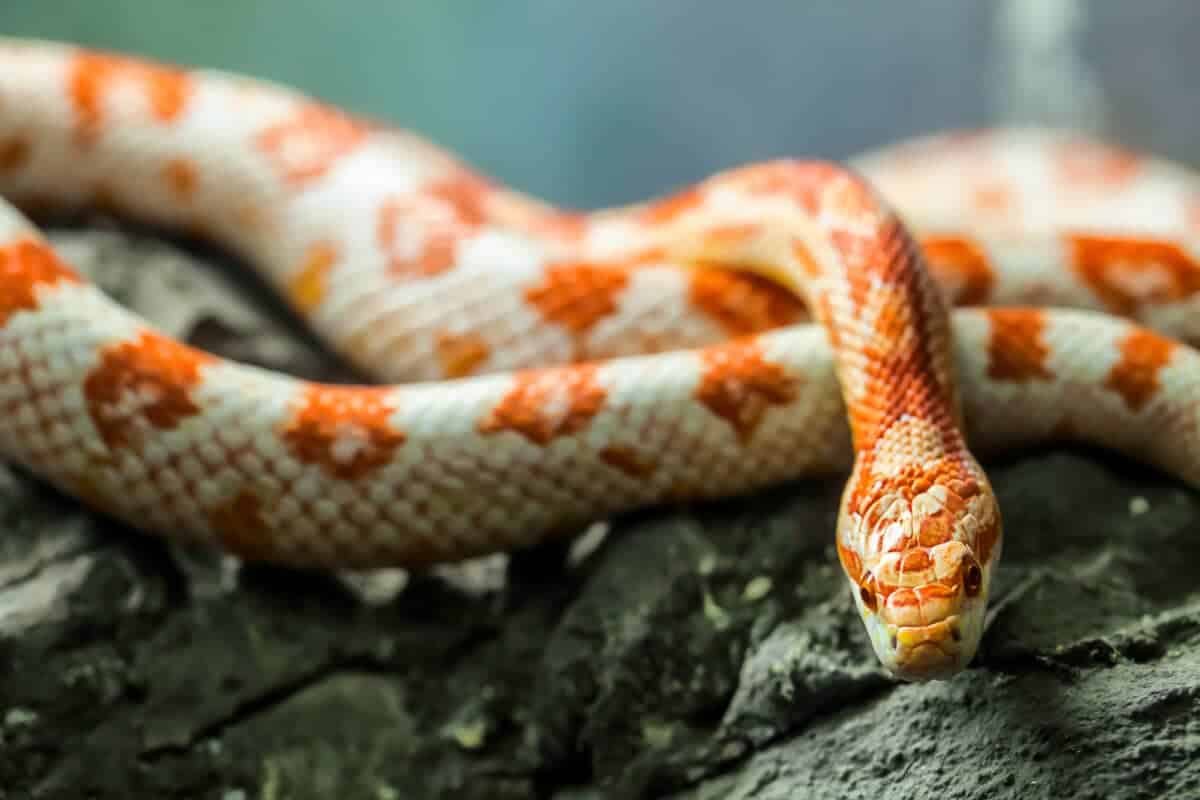
The corn snake hobby underwent a dramatic transformation in the 1980s and 1990s with the discovery and development of morphs – genetic variations that produce alternative colors and patterns. The first major breakthrough came with the identification of the amelanistic (albino) corn snake, which lacks black pigmentation and displays vibrant red and orange coloration. This discovery opened the floodgates for selective breeding efforts aimed at isolating and combining various genetic traits. Breeders began systematically pairing snakes with desirable characteristics, creating an explosion of captive-bred varieties that bear little resemblance to their wild ancestors.
Today, there are hundreds of distinct corn snake morphs available in the pet trade, including snow (combining amelanism and anerythrism), candy cane, butter, caramel, lavender, palmetto, and countless others. The morph revolution transformed corn snakes from simple pets into collector’s items, with rare combinations sometimes fetching thousands of dollars. This diversity of available appearances has significantly expanded the appeal of corn snakes, allowing owners to select pets that match their aesthetic preferences. The breeding community continues to discover new mutations and combine existing ones, ensuring that the variety of available corn snakes continues to expand year after year.
Captive Breeding Success Story

The widespread availability of corn snakes in the pet trade represents one of the most successful captive breeding programs for any reptile species. Unlike many exotic pets that still rely heavily on wild-caught specimens, virtually all corn snakes in today’s pet market are captive-bred, often for many generations. This transition began in earnest during the 1970s, when pioneering breeders like Don Soderberg and Rich Zuchowski developed reliable methods for breeding corn snakes in captivity. Their success laid the groundwork for a self-sustaining domestic population that eliminated the need for wild collection.
Captive breeding has produced snakes that are healthier, more docile, and better adapted to life in captivity than their wild counterparts. Through selective breeding, breeders have not only created diverse color morphs but have also inadvertently selected for behavioral traits that make corn snakes more suitable as pets – including reduced defensive responses, willingness to accept non-living prey, and tolerance for handling. This breeding success has had positive conservation implications as well, reducing pressure on wild populations while creating sustainable economic opportunities for breeders. The corn snake represents a model for how responsible captive breeding can satisfy market demand without depleting natural resources.
Affordability and Accessibility

One of the most significant factors in the corn snake’s rise to popularity is its remarkable affordability compared to other exotic pets. Basic morphs of corn snakes typically sell for $30-50, making them accessible to pet owners with modest budgets. This price point places corn snakes within the same financial range as traditional pets like hamsters or guinea pigs, removing a significant barrier to entry for prospective reptile keepers. Even specialized morphs have become increasingly affordable as breeding success has increased their availability, with only the rarest combinations commanding premium prices.
Beyond their purchase price, corn snakes remain economical throughout their lives. Their housing requirements are modest, with a single adult typically requiring nothing more elaborate than a 20-gallon terrarium with basic furnishings. Their feeding costs are minimal, with an adult requiring just one appropriately-sized mouse every 7-10 days. They don’t require expensive specialized lighting, and their heating needs can be met with simple, low-wattage heat sources. This ongoing affordability has made corn snakes particularly popular among younger enthusiasts, students, and families looking to experience exotic pet ownership without significant financial investment.
Housing Simplicity and Space Efficiency

The modest spatial requirements of corn snakes have significantly contributed to their popularity, particularly in an era when many Americans live in apartments or smaller homes with limited space for pets. A single adult corn snake can thrive in an enclosure as compact as 20 gallons (30″x12″x12″), making them suitable for keepers with spatial constraints. Unlike dogs that need outdoor exercise or large birds requiring flight space, corn snakes live contentedly in properly-equipped terrariums that can fit on a desk, dresser, or dedicated stand, allowing even urban dwellers to experience reptile keeping.
Setting up appropriate corn snake housing is straightforward and relatively inexpensive. They require basic elements including a secure enclosure, appropriate substrate (such as aspen shavings or cypress mulch), a few hiding spots, a water dish, and a heat source to create a proper thermal gradient. They don’t need UVB lighting (unlike many lizards), specialized humidifiers, or elaborate filtration systems. This simplicity makes corn snakes particularly appealing to first-time reptile keepers who might be intimidated by the complex setups required for more demanding species. Their housing efficiency has positioned corn snakes as ideal pets for college students, young professionals, and others with living arrangements that might preclude ownership of larger or more spatially demanding animals.
Feeding Convenience and Safety

The feeding regimen of corn snakes represents another significant advantage that has boosted their popularity as pets. Unlike many reptiles that require live insects, specialized diets, or frequent feeding, corn snakes thrive on a simple diet of pre-killed mice. Most captive specimens readily accept frozen-thawed rodents, which can be purchased in bulk, stored in a freezer, and thawed as needed. This eliminates the need for regular trips to pet stores and allows owners to maintain a steady supply of appropriate food. Adult corn snakes typically eat just once every 7-10 days, making their feeding schedule manageable even for busy owners.
The willingness of corn snakes to accept pre-killed prey also eliminates ethical and safety concerns associated with live feeding. Live rodents can injure snakes, particularly if left unattended in the enclosure, sometimes inflicting serious wounds that require veterinary attention. Additionally, many owners are uncomfortable with the prospect of feeding live animals to their pets. The corn snake’s acceptance of humanely euthanized, commercially produced feeder mice addresses both these issues, creating a feeding protocol that is convenient, safe, and ethically acceptable to most pet keepers. This straightforward approach to nutrition has removed a significant psychological barrier that might otherwise discourage potential owners from keeping snakes.
The Role of Media and Education

Media representation and educational outreach have played pivotal roles in reshaping public perception of corn snakes and other reptiles. Television programs like “The Crocodile Hunter,” “Wild Kingdom,” and various Animal Planet shows have brought reptiles into living rooms across America, portraying them as fascinating creatures rather than objects of fear. Wildlife educators frequently use corn snakes in public demonstrations due to their docile nature and striking appearance, providing positive, hands-on experiences that counteract ingrained ophidiophobia (fear of snakes). These educational encounters have been particularly influential in changing children’s attitudes toward snakes, creating generations more open to reptile keeping.
The internet has accelerated this educational trend, with countless YouTube channels, forums, and social media accounts dedicated to reptile keeping. Platforms like YouTube have allowed corn snake enthusiasts to share their experiences, care techniques, and the rewarding aspects of keeping these animals. Online reptile communities provide support and guidance for new keepers, reducing the learning curve and increasing success rates. This democratization of information has demystified reptile keeping, making what was once considered an esoteric hobby accessible to mainstream pet owners. By removing the veil of mystery that once surrounded reptile husbandry, these educational resources have enabled countless individuals to confidently bring corn snakes into their homes.
Legal Advantages in a Restrictive Landscape

The legal status of corn snakes has significantly contributed to their widespread popularity in an increasingly restrictive regulatory environment for exotic pets. While many localities have implemented bans or strict permitting requirements for keeping certain reptiles, corn snakes typically avoid such restrictions due to their manageable size, non-venomous nature, and lack of invasive potential in most regions. They remain legal in nearly all U.S. states and municipalities, even in places with otherwise stringent exotic pet regulations. This consistent legality has made corn snakes a safe choice for enthusiasts concerned about running afoul of animal ownership laws.
The contrast with other reptile species is stark – large constrictors like Burmese pythons face increasing restrictions after high-profile escapes and established invasive populations in Florida, while venomous species require special permits in most jurisdictions. Even some popular lizards face import restrictions or ownership bans in certain areas. Against this backdrop of increasing regulation, corn snakes stand out as a legally secure choice for reptile enthusiasts. This regulatory advantage has channeled many potential exotic pet owners toward corn snakes, particularly in urban and suburban areas where exotic pet restrictions are more common. Their legal status provides peace of mind that other species cannot offer in today’s complex regulatory landscape.
Conservation and Ethical Considerations

The successful domestication of corn snakes represents a positive model for sustainable exotic pet keeping that benefits both hobbyists and wild populations. Unlike many exotic pets that continue to be harvested from the wild, causing population declines and ecological disruption, the corn snake pet trade operates almost exclusively on captive-bred specimens. Wild collection of corn snakes for the pet industry has effectively ceased, as captive-bred individuals are more affordable, healthier, and better adapted to captivity. This self-sustaining captive population has removed pressure from wild corn snakes, allowing natural populations to thrive without commercial collection pressure.
The corn snake’s story offers valuable lessons for the broader exotic pet industry about creating sustainable, ethical supply chains through focused captive breeding efforts. Species that can be successfully bred in captivity, with traits selectively enhanced for captive life, provide better experiences for owners while protecting wild populations. This model contrasts sharply with ongoing conservation concerns surrounding wild-caught reptiles, amphibians, birds, and fish in the exotic pet trade. For conscientious consumers concerned about the ecological footprint of their pet choices, corn snakes represent an ethical option with minimal environmental impact – a factor that increasingly resonates with environmentally-aware pet owners, particularly younger generations with strong conservation values.
The Future of Corn Snakes in American Homes

The popularity of corn snakes shows no signs of waning as we move further into the 21st century. Their appeal continues to grow among diverse demographics, with particularly strong interest from millennials and Generation Z, who show increasing affinity for exotic and unconventional pets. The ongoing development of new morphs ensures that corn snakes remain at the cutting edge of reptile keeping, with novel colors and patterns regularly emerging to captivate enthusiasts. Advances in genetic understanding have accelerated this process, with breeders now able to predict offspring outcomes with increasing precision through knowledge of genetic inheritance patterns.
Looking ahead, corn snakes are poised to benefit from evolving attitudes toward pet ownership that prioritize compatibility with modern lifestyles. As urban living becomes more common and living spaces more compact, the space efficiency and low maintenance requirements of corn snakes position them ideally for contemporary pet keepers. Their long lifespan of 15-20+ years also aligns with changing perspectives that view pets as long-term companions rather than temporary additions to households. The corn snake’s remarkable journey from woodland dweller to beloved pet represents one of the most successful adaptations of a wild species to domestic life in recent history – a transformation that continues to evolve as these colorful serpents find new admirers in each generation of pet enthusiasts.
Conclusion

The ascent of the corn snake to its position as one of America’s favorite pets represents a remarkable convergence of factors – biological, cultural, economic, and practical – that have aligned to create the perfect reptilian companion. From their docile temperament and modest care requirements to their dazzling variety of colors and patterns, corn snakes offer accessible exotic pet ownership without the drawbacks that accompany many non-traditional pets. Their success story illustrates how selective breeding can create domestic animals specifically adapted to life alongside humans, similar to the domestication processes that gave us dogs, cats, and other familiar companions, but compressed into mere decades rather than millennia.
As attitudes continue to evolve regarding what constitutes an appropriate pet, corn snakes stand as ambassadors for reptile keeping, often serving as the first non-mammalian companion for households venturing beyond traditional pets. Their popularity transcends mere trends, resting on substantive advantages that make them genuinely suitable for a wide range of owners. In the tapestry of human-animal relationships, the bond between corn snakes and their keepers represents a relatively new thread, yet one that has quickly become integral to the American pet landscape. The journey of the corn snake from forest floor to terrarium exemplifies our expanding capacity to form meaningful connections with diverse animal species, enriching human experience while creating sustainable paths for responsible exotic pet ownership.

From exploring the marine wonders in the Azores and witnessing the vast savannas of Kenya, to delving deep into the rich biodiversity of South Africa and traversing iconic landscapes in Australia and the US like Yellowstone, Chris's experiences are vast.
With a penchant for diving alongside sharks, the ocean holds a special place in his heart.
Through his academic insights, he champions wildlife conservation, striving with 'Animals Around The Globe' to cultivate a profound connection between humans and animals, enhancing our mutual appreciation.
Connect with him at Feedback@animalsaroundtheglobe.com.
- This Butterfly Tastes With Its Feet - August 8, 2026
- The 9 Most Venomous Creatures You’d Never Guess Could Kill You - August 8, 2026
- How Bald Eagles Build Nests Bigger Than a Bathtub - August 8, 2026