
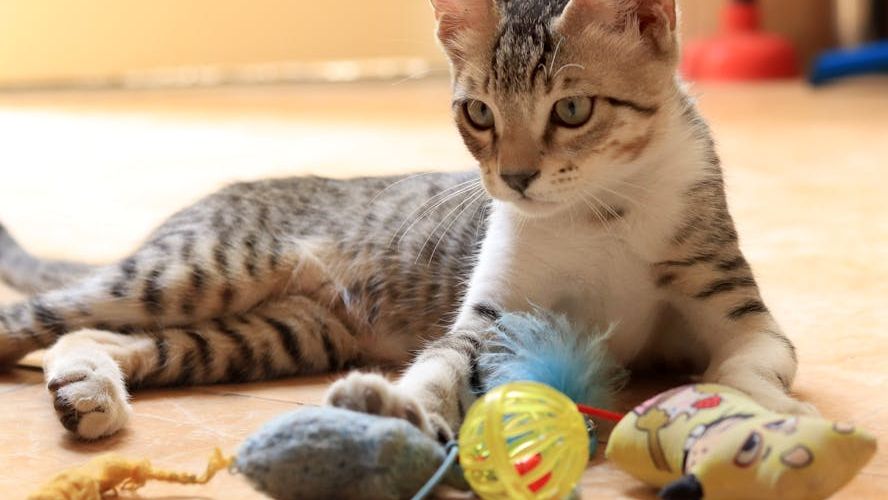
Cats have a remarkable gift for appearing completely unbothered. They stretch out in a sunbeam, yawn dramatically, and blink at you with the energy of someone who has absolutely zero concerns. Yet beneath that composed exterior, your feline companion might be quietly unraveling. Cat anxiety is far more common than most people realize, and because cats are wired to hide vulnerability, it often goes unnoticed for far too long.
Research has shown that the vast majority of cats exhibit stress-related behaviors at some point, with roughly a third showing chronic signs such as urine marking or aggression. That is a staggering number when you think about it. So if your cat has been hiding more, grooming obsessively, or turning into a tiny furry menace at random hours, there is a real chance anxiety is to blame. The good news? There is plenty you can do about it. Let’s dive in.
Recognize the Signs Before You Can Fix Them
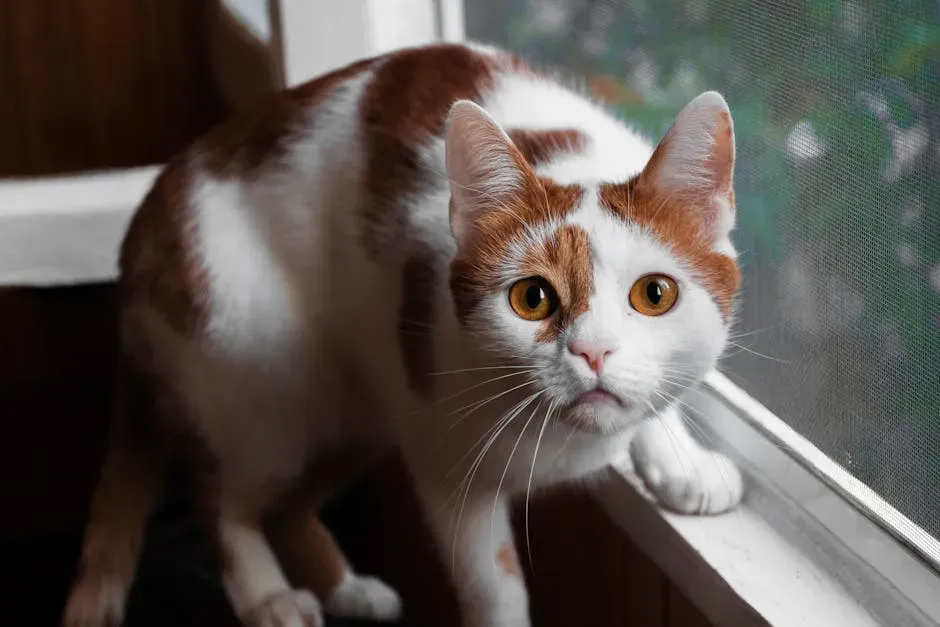
Here is the thing about anxious cats: they do not exactly raise their paw and ask for help. The domestic cat can be great at hiding signs of stress or pain. In the wild, this would help them avoid becoming an easy target for predators. So by the time the behavior becomes obvious, it has usually been brewing for a while.
If your cat has anxiety, you may notice pacing or restlessness, hiding, decreased appetite, vocalization, hypervigilance, trembling, salivation, and excessive grooming. Those are the classic flags. Some are easy to spot. Others, honestly, require you to pay close attention.
Excessive grooming that leads to hair loss or skin sores can sometimes go unnoticed for a while, as the belly and legs are common areas to overgroom. Think of it like a person who bites their nails until they bleed. The behavior itself brings brief relief, but the underlying tension is very much still there.
It is critical to recognise the symptoms of anxiety and understand that cat anxiety treatment can dramatically improve your pet’s quality of life. So the first step is simply paying closer attention to your cat, every single day.
Create a Safe, Predictable Environment
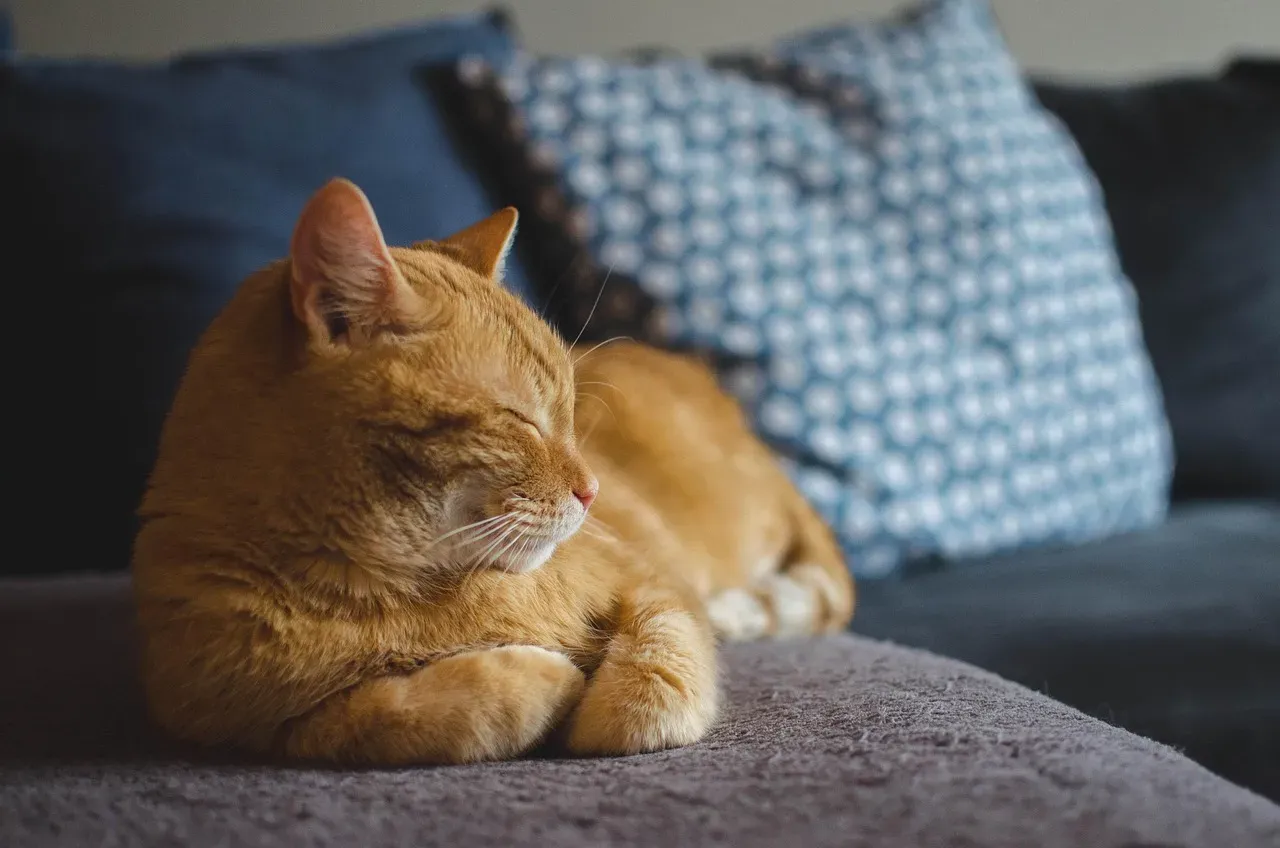
Imagine someone kept rearranging your furniture without telling you, brought strangers into your home unannounced, and blasted loud music at unpredictable hours. You would be a mess too. That is essentially what an unstimulating or chaotic home feels like to an anxious cat.
An essential part of treating anxiety in cats is providing a quiet, predictable environment. Cats are generally creatures of habit and prefer to keep their feeding, playtime, and rest times routine. Consistency is the backbone of a calm cat. It is almost boring how simple that sounds, but the results can be genuinely dramatic.
A dedicated safe space is a cornerstone of cat relaxation. Cats crave areas where they can retreat from chaos, and studies back this up: research found that cats with access to a quiet hideaway had roughly a quarter lower cortisol levels than those without. Think of it as building your cat their own personal sanctuary. A cozy corner. A covered bed. Even a cardboard box with a blanket inside works wonders.
If you have to move food, water, or litter boxes to a new location, try to do it over time. If you’re moving your cat to a new house, start them in a small space, then gradually open up the rest of the house. Slow transitions are your best friend here.
Use Pheromone Products Strategically
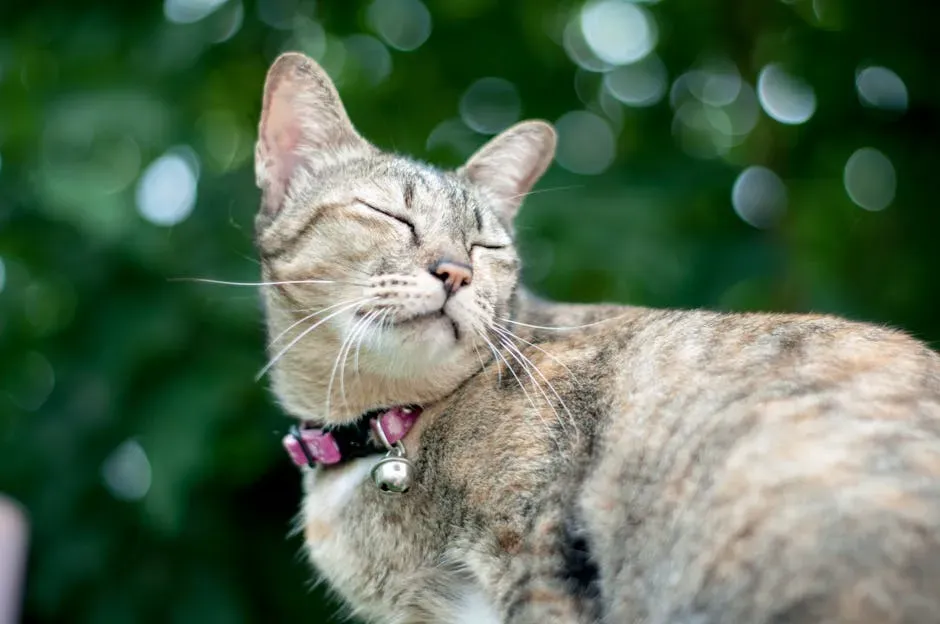
This one sounds almost too scientific to be real, but I think it is genuinely one of the most underrated tools in a cat owner’s toolkit. Pheromones can be a great way to combat cat anxiety. They are natural chemicals released by cats in response to certain emotions or stimuli, and other cats can smell these pheromones and understand them as messages.
Pheromone sprays and diffusers work by mimicking the positive, or “happy cat” pheromones, and can help calm stressed or anxious cats by reassuring them that all is well in the nearby environment. You can use sprays on bedding, scratching posts, and other common areas, and plug the pheromone diffusers into wall outlets around your home.
When cats feel secure, they rub their faces on objects, depositing pheromones as “happy markers.” Commercial pheromone products mimic these natural signals, creating an environment that communicates safety to on a chemical level. It is essentially like leaving friendly little sticky notes around the house that say “everything is fine, you are safe.”
What makes pheromone therapy particularly appealing is its non-invasive nature. The compounds are completely undetectable to humans but create a powerful sense of security for cats. They can also be used safely alongside other calming supplements for enhanced effects.
Enrich Their World With Play and Mental Stimulation
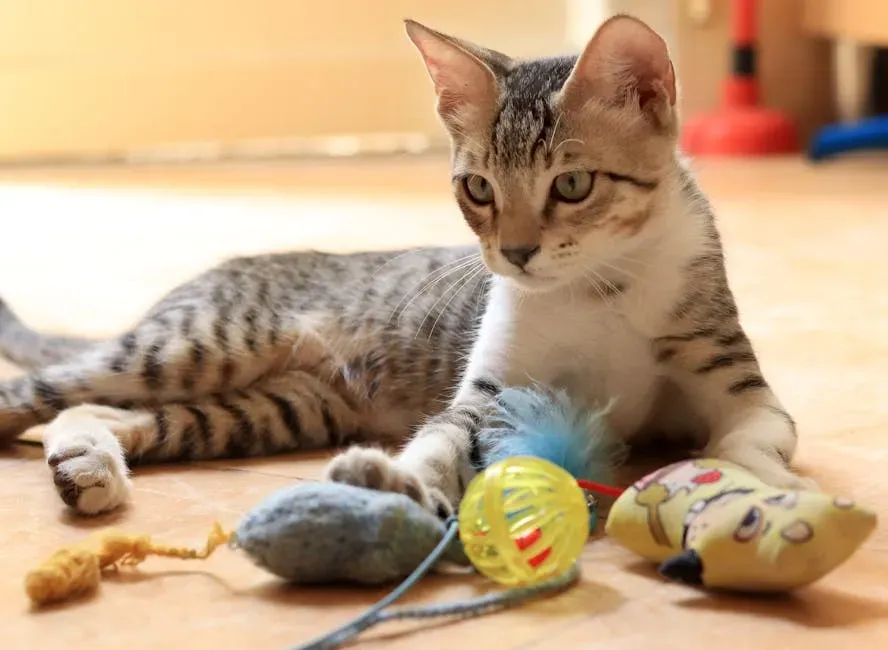
Let’s be real: a bored cat is often an anxious cat. It is no coincidence that indoor cats with nothing to do tend to develop the most problematic behaviors. A cat with excess energy will often channel it into nervous energy, so it is important to make sure they have enough toys, enrichment items and playtime each day to keep them in a calm and happy state of mind.
Engaging your cat in regular play sessions can help them burn off excess energy and minimise stress. To encourage healthful play, use toys such as feather wands or laser pointers that are not overly stimulating. Even fifteen minutes of focused play a day can shift the mood in a household noticeably.
Interactive toys, climbing structures, and puzzle feeders help relieve stress and boredom. For cats with separation anxiety, timed feeders and window perches can provide comfort during alone time. A window perch is such a simple thing, yet for an indoor cat, it is basically a Netflix subscription. Hours of bird-watching entertainment, no subscription fee required.
Relieve boredom and encourage your cat’s natural hunting instinct by placing puzzle toys filled with treats or your cat’s usual food around the house. Variety matters. Rotate the toys so things stay fresh and interesting.
Try Calming Supplements and Natural Remedies
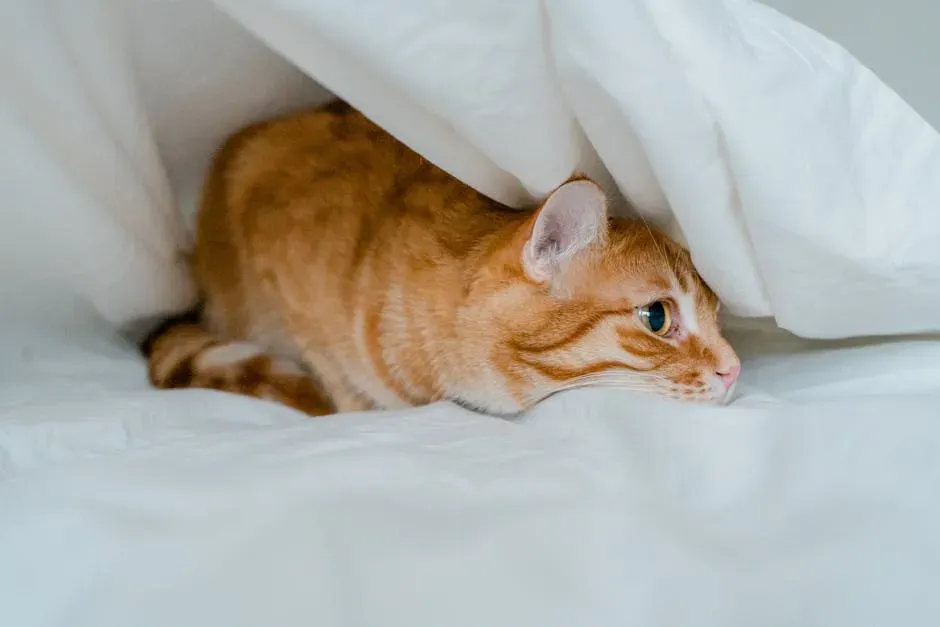
Not every anxious cat needs prescription medication. There is a whole spectrum of gentler options worth exploring first, and many of them have solid evidence behind them. Feline pheromone sprays, calming chews, and supplements with ingredients like L-theanine or tryptophan may help mild to moderate anxiety.
Natural supplements, like catnip, valerian root, or calming herbs, can help promote relaxation. Always consult with your veterinarian before trying new supplements to ensure they are safe for your cat’s specific needs. That last part is important. Not everything marketed as “natural” is automatically safe for cats, whose metabolism is quite different from ours or even a dog’s.
Sound can be a subtle but effective feline stress solution. Research found that classical music, played at low volume, lowered the heart rate of the vast majority of shelter cats during stressful events. Platforms like Spotify now offer cat-specific playlists that mix soft piano with purring frequencies. Honestly, if soft piano music and lavender could fix my stress too, I would not complain.
If your cat is having daily anxiety, is regularly triggered by the same stimulus, or has more than one episode of anxiety per month, schedule an appointment with your vet. In some cases, they may recommend using anti-anxiety medications.
Use Desensitization and Positive Reinforcement
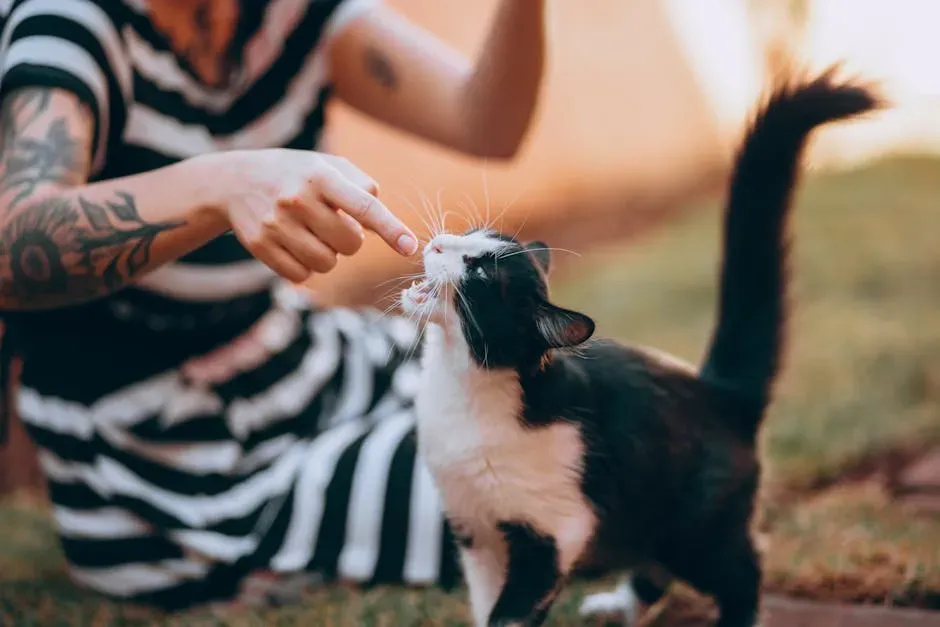
This approach is probably the most underused one, and that is a shame because it is remarkably effective when done consistently. The core idea is simple: gradually expose your cat to whatever frightens them, at such a low intensity that it does not actually trigger a stress response.
Desensitization is the repeated, controlled exposure to the stimulus that usually causes a fearful or anxious response. The key is that you expose your cat to the stimulus at a low level so that your cat does not show any signs of fear or stress. A popular version involves playing a sound that your cat is afraid of at such a low volume that there is no fear or stress. After playing the sound three or four times at a low volume without a reaction, you can then increase the volume very slightly and repeat the process.
Counterconditioning teaches your cat to change their response to the anxiety stimulus by using positive behavior reinforcement to replace anxious behaviors with more desirable ones. If your cat is afraid of another pet, feed them their favorite treat any time they see the other pet. Think of it as rewiring the brain’s alarm system with a steady stream of good associations.
Punishment can increase fear and worsen behavior. Instead, redirect aggressive or anxious behavior with toys or distance, and reinforce calm moments with treats and praise. Patience here is not optional. It is the whole game.
Know When to Call the Vet
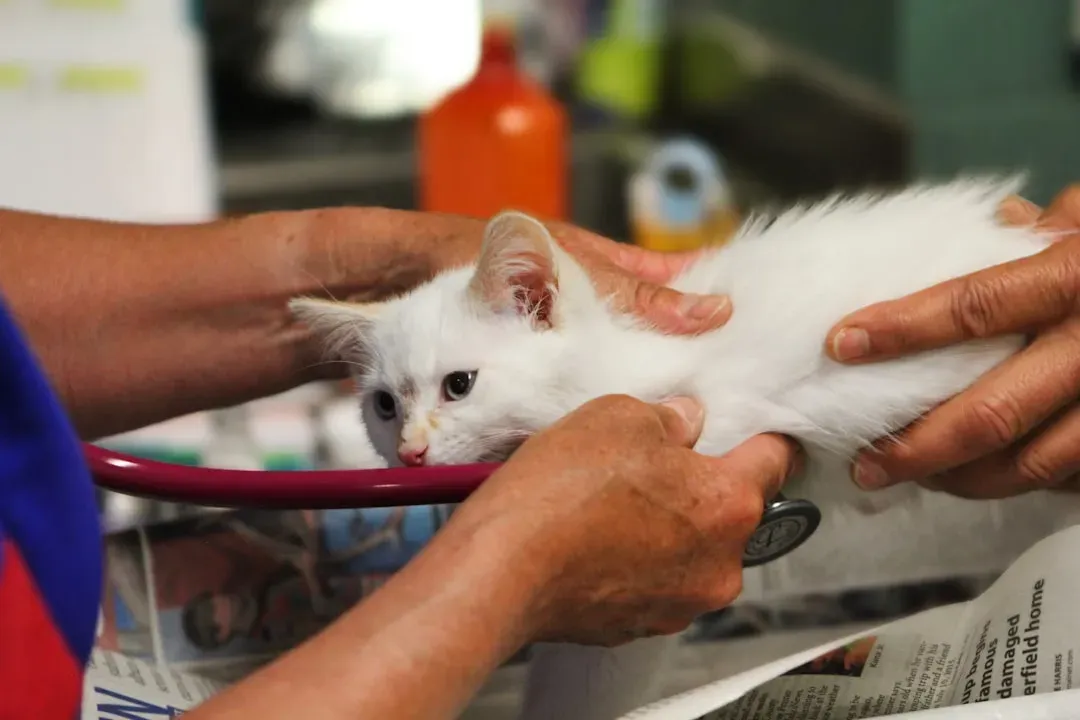
Sometimes, despite your best efforts, home strategies simply are not enough. And that is okay. Recognizing when professional help is needed is not a failure. It is the most responsible thing you can do for your cat.
Physical signs of anxiety, such as holding their tail tight against their body, holding their ears back and hair standing up, can also trigger a number of medical conditions, particularly Feline Lower Urinary Tract Disease and Upper Respiratory Infections. In other words, untreated anxiety is not just a behavioral problem. It can spiral into real physical illness.
Because illness and pain often cause feline anxiety, your veterinarian will perform diagnostic tests, which may include blood work, urinalysis, and X-rays, to rule out any underlying health issues. Any underlying health condition should be addressed as the first step in treating your cat’s anxiety disorder. This is why a vet visit is so important when the behavior changes suddenly or drastically.
The best way to treat most cases of anxiety is a multi-modal approach that combines behavioral modification techniques, making changes to your cat’s environment, natural calming aids, and potentially anti-anxiety medication, depending on the severity. Any underlying or linked medical conditions will need to be treated as well. Successful treatment plans require consistency and commitment, as it may take several months for your cat to overcome their anxiety.
Conclusion: A Calmer Cat Is a Healthier Cat
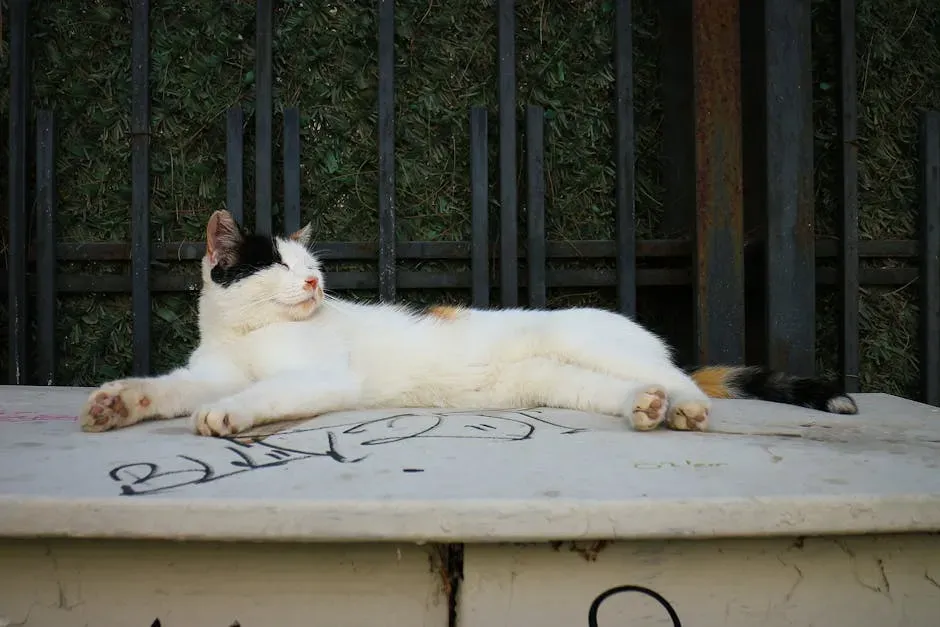
Caring for an anxious cat is, to be honest, one of those deeply rewarding yet quietly exhausting experiences that only fellow cat owners truly understand. It requires observation, patience, and a willingness to make small but meaningful adjustments. There is no one-size-fits-all fix. Every cat is different, every anxiety trigger is unique, and what works beautifully for one feline might do nothing for another.
Even small changes in their behavior and symptoms will have a meaningful and cumulative impact on their wellbeing and quality of life. That is the thing to hold onto on the harder days.
The relationship between you and your cat is a two-way street. A calmer cat does not just benefit them. Reducing feline anxiety is not just about the cat. Research has found that owners of calm cats reported notably lower stress levels themselves, highlighting the deep connection in the human-animal bond.
So take it one step at a time. Watch. Listen. Adjust. Your cat may not be able to say thank you in words, but that slow blink they give you from across the room? That is basically the highest compliment a cat can pay. What tip surprised you most? Share your experience in the comments below.

- 17 Things Cat Owners Did in the 1980s That Vets Would Never Recommend to Anyone Today - August 9, 2026
- What Cats Really Do at Night Will Surprise You 19 Behaviours Researchers Still Cannot Explain - August 9, 2026
- 18 American Places Park Rangers Say Almost Nobody Visits That Genuinely Deserve Far More Attention - August 9, 2026