
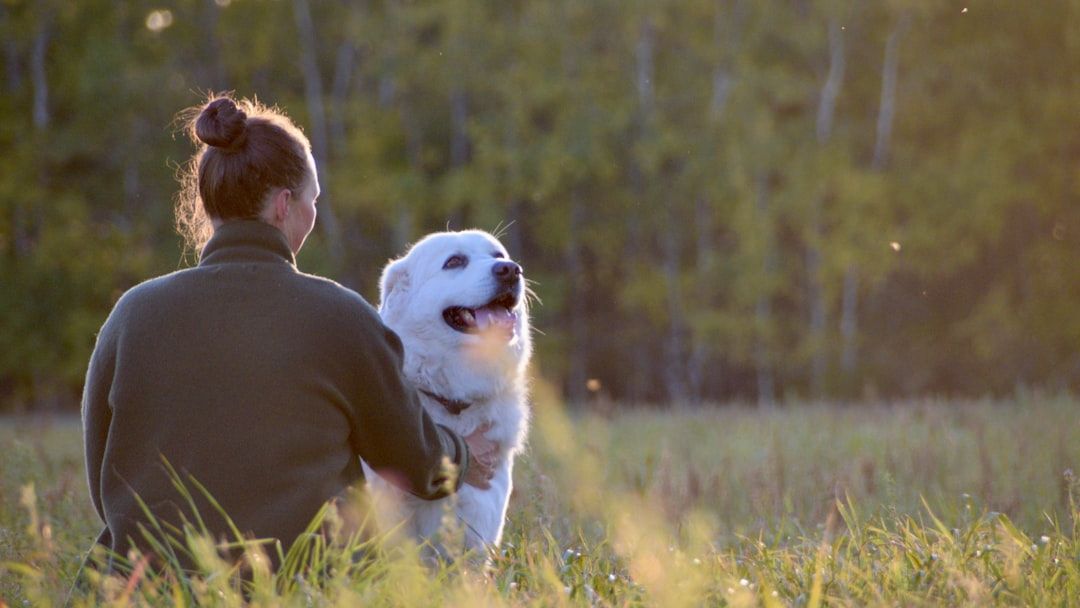
When your dog refuses to come when called or stubbornly plants himself during a walk, frustration builds quickly. That moment when you’re standing there, leash in hand, wondering what happened to the obedient companion you thought you were raising. Yet what feels like defiance often masks something entirely different.
The breakthrough comes not through force or louder commands, but through a profound shift in perspective. Modern dog training has discovered something remarkable: empathy serves as the most powerful tool for transforming seemingly stubborn behavior into genuine cooperation. Let’s explore how understanding your dog’s inner world can revolutionize your relationship.
The Hidden Language of So-Called Stubbornness
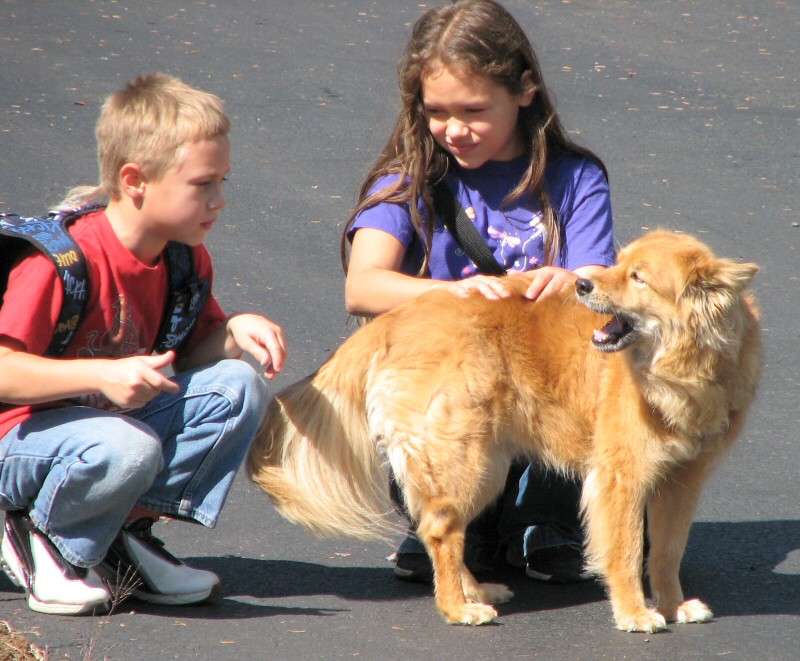
People often interpret this as their dog ignoring them or being stubborn, but the dog is expressing discomfort. When your dog suddenly stops responding to familiar commands, something deeper is happening beneath the surface. The dog is not being “stubborn”, it’s just because he’s a dog and only knows sit in that particular setting…sit means put your butt on the ground…while sitting in front of me…in the kitchen…when there’s food in the red plastic bowl that’s placed on the bone-shaped mat.
Dogs experience the world through completely different sensory filters than we do. This misunderstood communication can have various consequences. For example, a poor human-dog relationship. What appears as willful disobedience might actually signal confusion, fear, or simply a lack of understanding about what you’re asking.
Why Traditional Commands Sometimes Fall Flat
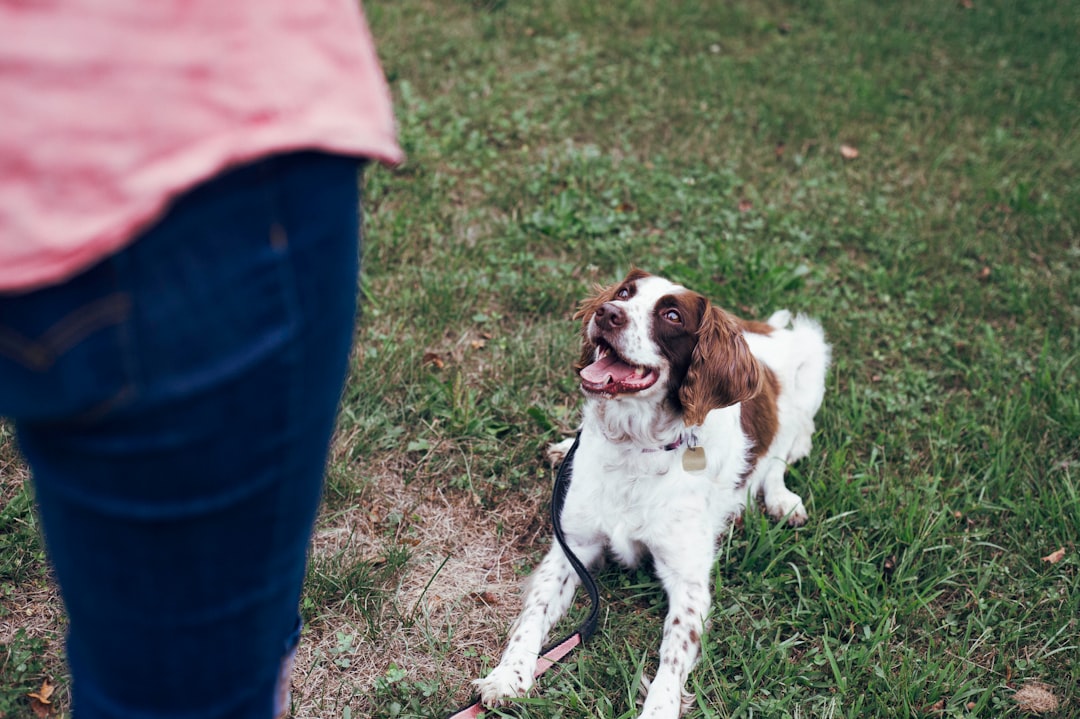
The dog needs to be taught to sit in a variety of settings until the light bulb goes off. When the dog understands, “Oh, I see, sit means to put my butt on the ground wherever I am.” the behavior has been “generalized.” This reveals a crucial insight about how dogs learn. They don’t automatically transfer knowledge from one situation to another like humans might assume.
Most dogs haven’t learned to rebel against authority. Usually, there are perfectly good reasons for why a dog “misbehaves”. The main reason is that they truly do not know what they are supposed to be doing differently. We can’t just tell a dog “no” and expect him to figure out what the right answer or action is. Understanding this fundamental truth changes everything about how we approach training challenges.
Understanding Your Dog’s Emotional World
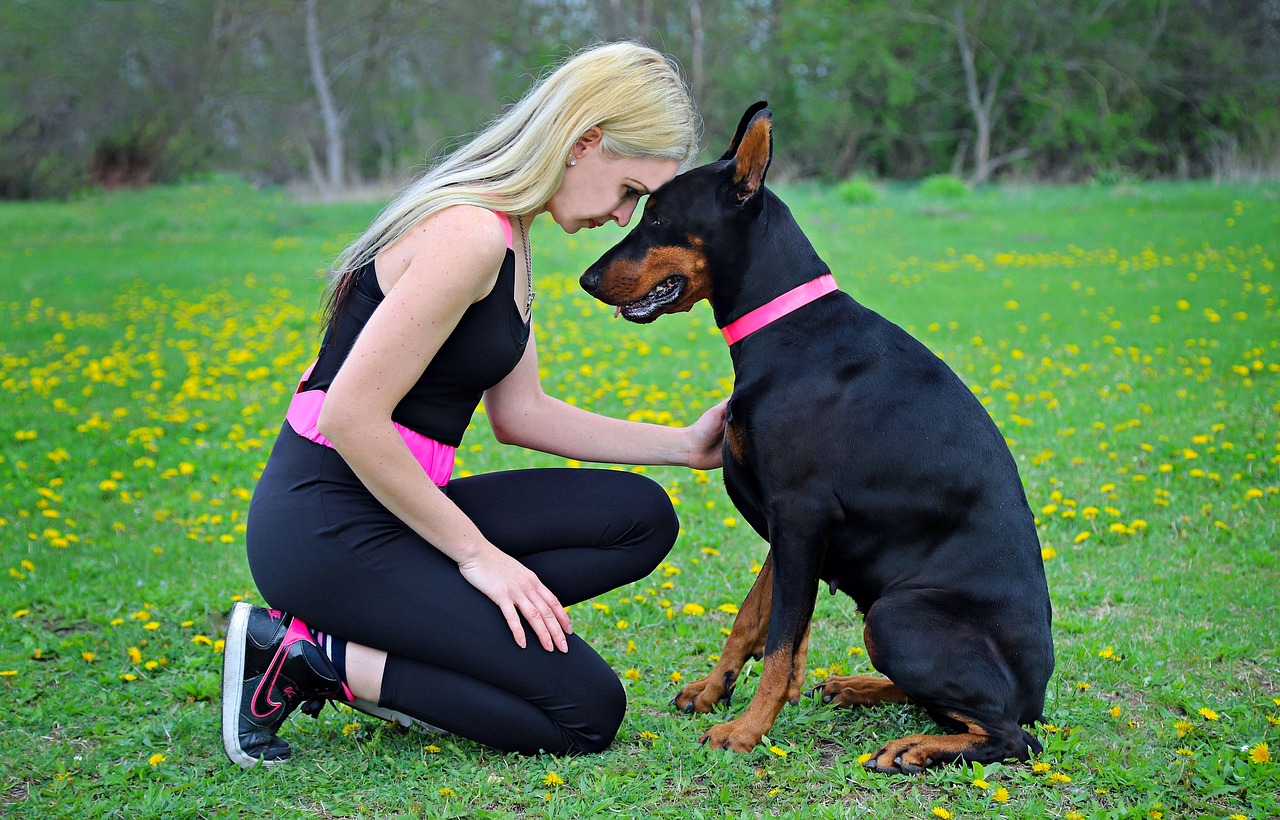
Almost all acts of aggression come from fear: Fear of (being hurt by) people, fear of losing a prized possession, or fear of the unknown. Once we become empathetic to the dog’s underlying fear and fix that issue, the resultant aggression will go away (with the help of some additional behavior modification techniques). Fear masquerades as many different behaviors that owners often misinterpret.
The science of dog emotions has evolved dramatically in recent years. Recent research has illuminated the depth of feelings dogs experience, strikingly similar to human emotions. This newfound knowledge, our empathy, serves as a foundation for modern training philosophies. Dogs feel anxiety, excitement, confusion, and joy much more intensely than previously understood.
The Empathy Revolution in Dog Training
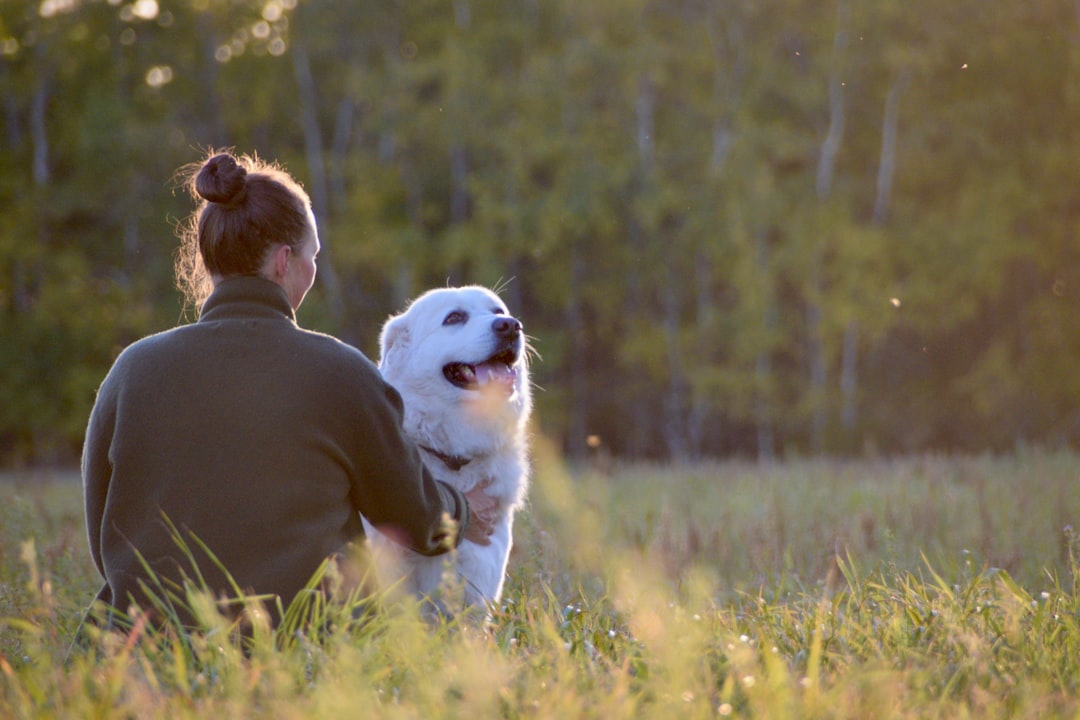
The success of positive reinforcement is indisputable, and the movement away from fear and coercion toward empathy and connection is gaining real momentum. Professional trainers worldwide are abandoning outdated dominance theories in favor of empathetic approaches that actually work better.
It is simply listening, holding space, withholding judgement, emotionally connecting, and communicating that incredibly healing message of “You’re not alone.” When applied to dog training, this empathetic mindset creates profound shifts in the relationship dynamic. My role is to explain to you how your dog perceives the world, or a specific situation, and why he is making the decisions he’s making. Once you understand how he sees things and why he reacted the way he did, your empathy will help you to more easily and quickly change the way he’s behaving to a way that you prefer.
Reading the Signs Your Dog Really Sends
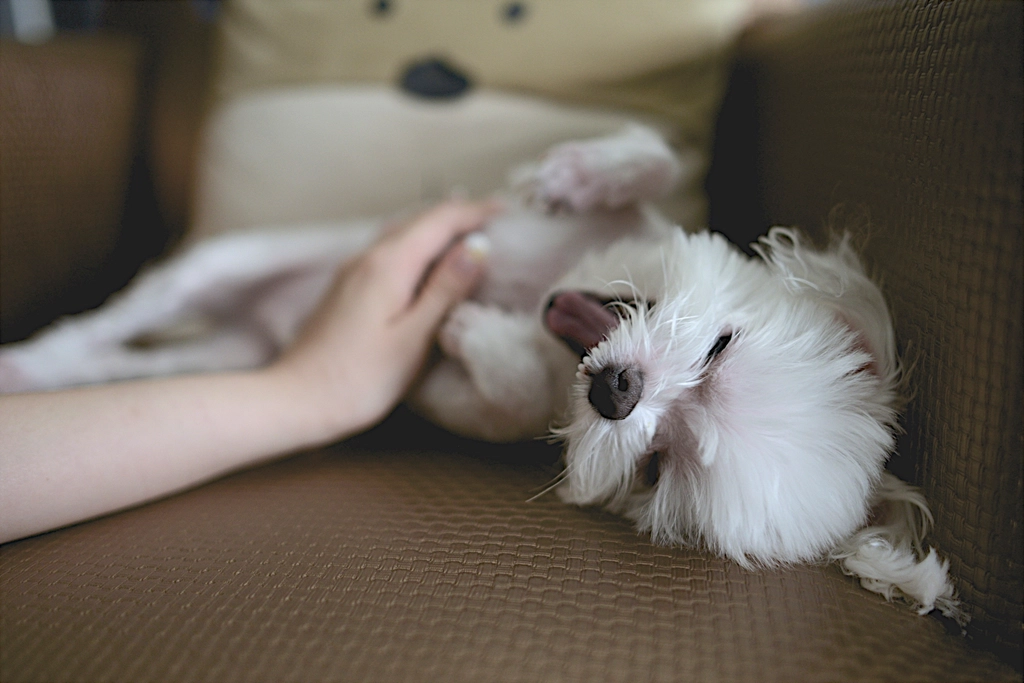
People yawn when they’re tired or bored, but dogs yawn when they’re stressed. According to Turid Rugaas, author of “On Talking Terms With Dogs: Calming Signals,” dogs use yawning to calm themselves in tense situations and to calm others, including their owners. These subtle signals often get missed completely by well-meaning owners.
Learning to recognize stress signals transforms training sessions from battles of will into collaborative conversations. Known as “whale eye,” when a dog shows the whites of the eyes, it’s a signal that they’re feeling anxious or stressed in a situation. You might see them when you make your dog uncomfortable, like when you pat your dog on the head, or when they’re afraid someone will steal a bone or toy. Understanding these communications helps prevent problems before they escalate.
Practical Empathy Techniques That Actually Work
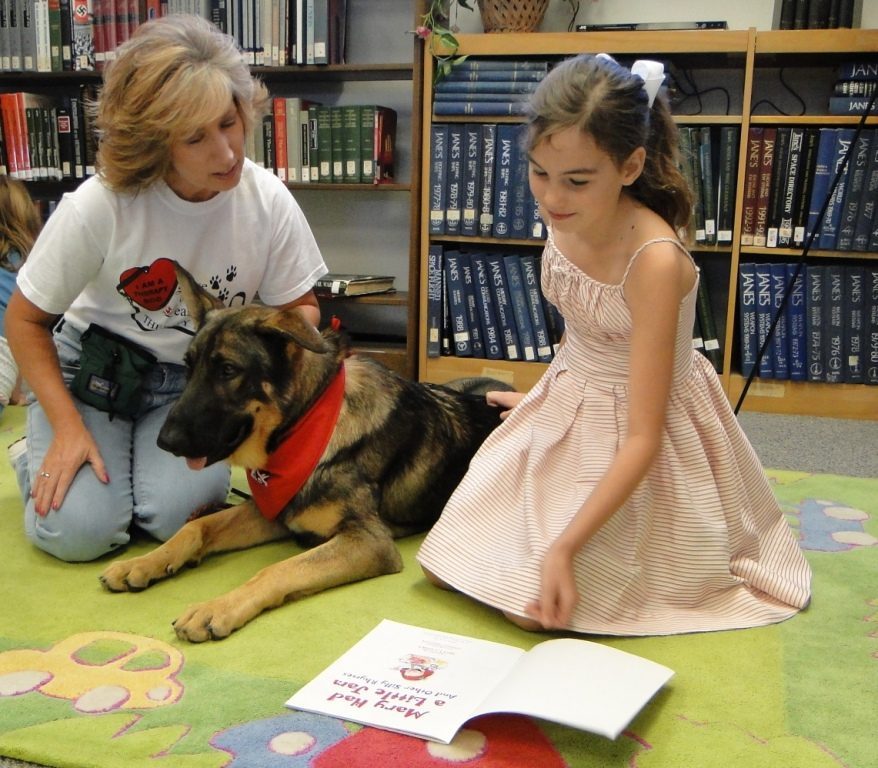
The best dog training tool by far is empathy. This isn’t just feel-good philosophy; it’s proven methodology that produces faster, more lasting results than traditional approaches. When we take the time to understand a dog’s perspective and emotional state, we can create a more positive training experience. Empathy allows us to connect with the dog on a deeper level, building trust and improving communication.
Start by observing your dog’s body language during different activities throughout the day. It involves us sometimes having to put our own feelings of frustration or aggravation aside and trying to see things from the dog’s perspective. At the end of the day, this will lend itself to a greater understanding and better relationship with the wonderful canine companions we share our lives with. This simple shift in attention often reveals patterns you never noticed before.
Creating Lasting Change Through Understanding
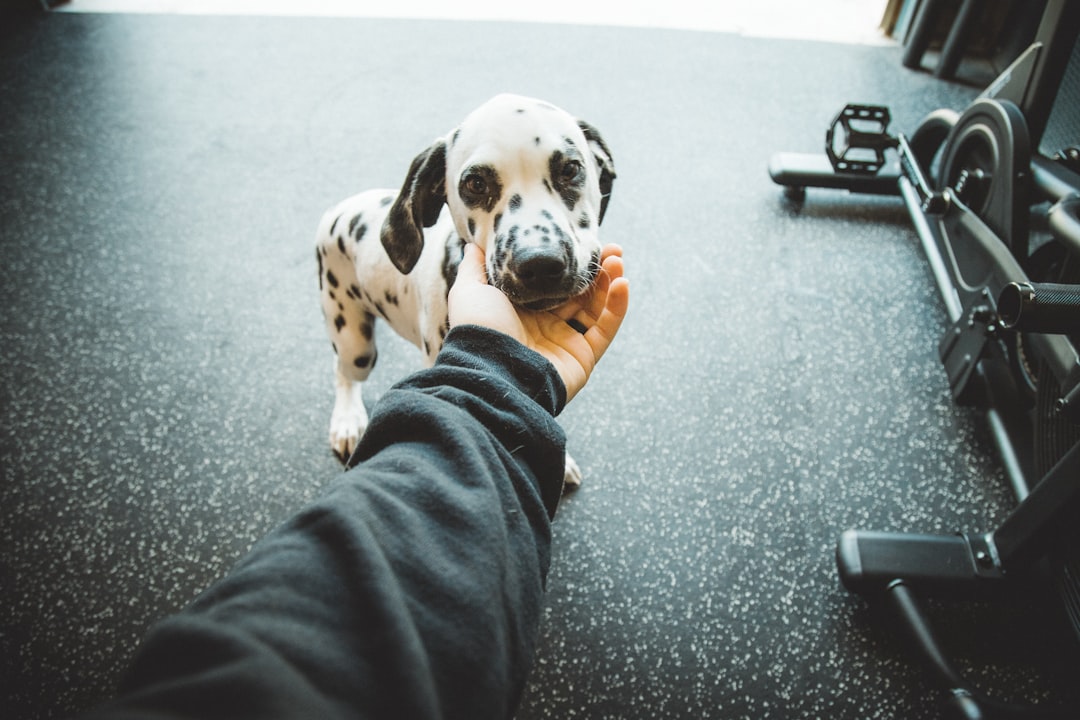
One of the most significant is that it can help address the underlying emotional or psychological issues that may be causing the dog’s behaviour. When you address root causes rather than just surface symptoms, behavioral changes become permanent rather than temporary fixes.
Recognising the emotions and needs of our dogs is paramount. When we truly empathise, we not only understand but also feel their experiences. This approach ensures our training methods resonate with kindness and understanding, fostering a bond that transcends mere obedience. This deeper connection creates a foundation where cooperation happens naturally because your dog genuinely wants to work with you.
The Transformation: From Conflict to Cooperation
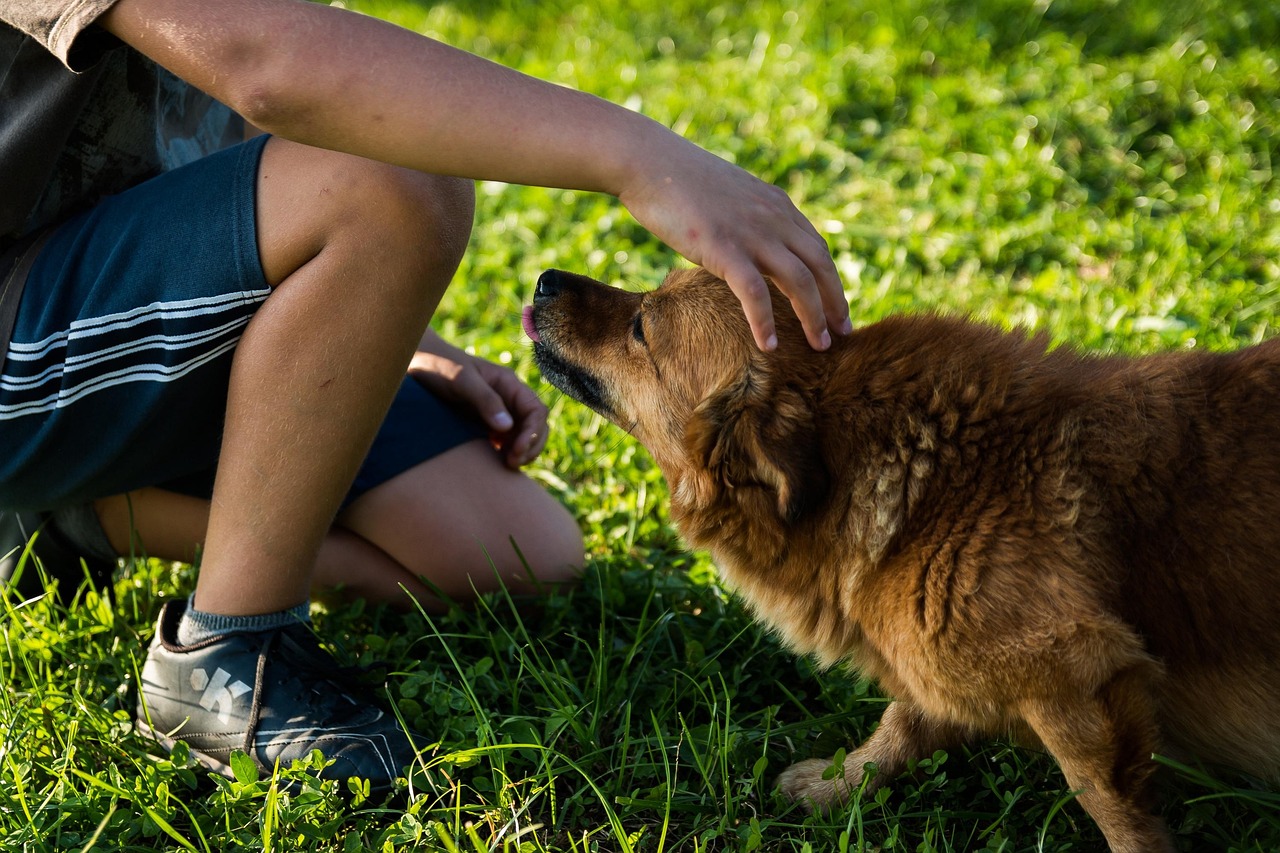
The moment you stop seeing your dog as stubborn and start seeing them as confused, overwhelmed, or simply trying their best with limited understanding, everything changes. Another benefit of empathy in dog training is that it can lead to improved communication and trust between the dog and their guardian. When we take the time to understand the dog’s perspective and emotional state, we can communicate more effectively with them. This can help us better understand their needs and desires and respond accordingly. When dogs feel understood and cared for, they are more likely to trust their guardian and cooperate with training efforts.
This transformation doesn’t happen overnight, but the results are remarkable. Dogs who previously seemed impossible to train suddenly become eager learners when they feel safe and understood. The “stubborn” behavior melts away, replaced by genuine engagement and willingness to participate in the learning process.
What started as a power struggle becomes a partnership built on mutual respect and understanding. Your dog transforms from an adversary into an ally, and training becomes something you both look forward to rather than dread.
What aspects of your dog’s behavior do you think might be misunderstood signs of stress or confusion rather than true stubbornness? The answer might surprise you and open up entirely new possibilities for your relationship.
