


Worried about unexpected vet bills?
Pet insurance can cover thousands in unexpected vet costs. Get a free quote from Lemonade in under 2 minutes.
Get My Free Quote →Sponsored · Opens Lemonade.com
Steve Irwin, fondly remembered as “The Crocodile Hunter,” revolutionized how the world perceives wildlife through his infectious enthusiasm and unwavering dedication to conservation. Before his untimely death in 2006, Irwin transformed from an Australian zookeeper into a global wildlife ambassador whose impact continues to resonate today. His unique approach to wildlife education – getting up close with dangerous animals while expressing childlike wonder – captivated audiences worldwide and fundamentally altered our relationship with the natural world. By bringing viewers face-to-face with misunderstood creatures and emphasizing conservation through entertainment, Irwin created a legacy that extends far beyond his television appearances. This article explores how one man’s passion changed global perspectives on wildlife and inspired generations of conservationists.
Early Life and the Foundations of a Conservation Icon

Born on February 22, 1962, in Essendon, Victoria, Australia, Steve Irwin was immersed in wildlife from his earliest days. His parents, Bob and Lyn Irwin, were wildlife enthusiasts who founded the Beerwah Reptile Park (later renamed Australia Zoo) in 1970. Young Steve received an unusual sixth birthday present that would foreshadow his future: a 12-foot scrub python. By age nine, he was already handling crocodiles under his father’s supervision, developing the skills that would later captivate global audiences.
This unique childhood laid the groundwork for Irwin’s distinctive approach to wildlife. Unlike traditional naturalists who observed from a distance, Steve believed in getting remarkably close to animals to truly understand them. He developed an almost supernatural ability to read animal behavior, which allowed him to interact with dangerous creatures in ways that seemed reckless to outsiders but were actually based on deep knowledge and respect. This foundation of intimate wildlife experience became the cornerstone of his educational philosophy: to truly care about animals, people needed to connect with them on an emotional level.
The Birth of “The Crocodile Hunter” Phenomenon

The worldwide phenomenon of “The Crocodile Hunter” began almost by accident in 1991. While trapping crocodiles as part of his conservation work in North Queensland, Steve met American naturalist Terri Raines who was visiting Australia. Their shared passion for wildlife led to romance, marriage, and eventually, a honeymoon spent trapping crocodiles together. This expedition was filmed and became the first episode of what would grow into the wildly successful “Crocodile Hunter” series, debuting in 1996 on Australian television before being picked up by Discovery Channel in the United States.
The show’s formula was revolutionary for wildlife programming. Rather than the hushed, reverent tones of traditional nature documentaries, Irwin brought unprecedented energy, using his now-iconic phrases like “Crikey!” while getting astonishingly close to dangerous animals. His approach was entertaining and educational simultaneously, making complex ecological concepts accessible to audiences who had never before engaged with wildlife conservation. By 1999, the show was reaching over 500 million viewers in 130 countries, transforming Irwin into one of the world’s most recognizable conservationists and forever changing the landscape of wildlife television.
Humanizing the “Monsters”: Changing Perceptions of Feared Species
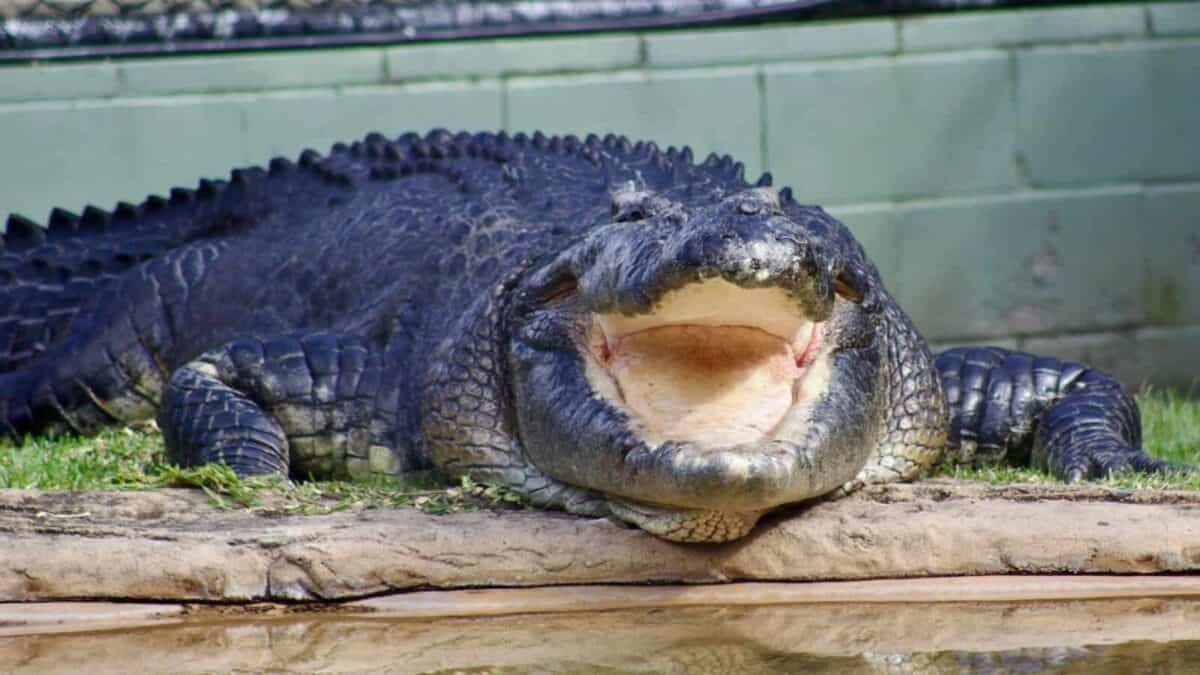
Perhaps Irwin’s most profound impact was his ability to transform public perception of feared and misunderstood animals. Before “The Crocodile Hunter,” creatures like crocodiles, snakes, and spiders were predominantly portrayed in media as threats to be eliminated rather than essential parts of ecological systems. Irwin challenged this narrative by showcasing these animals’ beauty, complexity, and ecological importance. His genuine excitement when handling venomous snakes or massive crocodiles communicated a message more powerful than words: these animals deserve our respect and protection, not our fear and persecution.
This shift in perspective had real-world conservation implications. After exposure to Irwin’s programming, many viewers reported changed attitudes toward predator species and increased support for their conservation. Research from the University of Queensland found that regions with high viewership of Irwin’s shows showed measurable increases in public support for crocodile conservation initiatives. By helping viewers see through the eyes of these animals rather than viewing them as monsters, Irwin initiated a paradigm shift in how humans relate to predator species that continues to benefit conservation efforts globally.
The “Conservation Through Excitement” Approach

Irwin pioneered what might be called the “conservation through excitement” approach to environmental education. Traditional conservation messaging often relied on guilt, fear, or dry scientific data to motivate action. Irwin recognized these approaches had limited appeal to mainstream audiences and instead developed a method that made conservation feel thrilling and accessible. By displaying genuine wonder and enthusiasm, he made viewers feel they were participating in an adventure rather than receiving a lecture about environmental responsibility.
This revolutionary approach bridged the gap between entertainment and education in ways never before achieved in wildlife programming. According to data from the Wildlife Warriors organization that Irwin founded, this strategy proved remarkably effective at reaching demographics previously unengaged with conservation issues. Young people, in particular, responded to Irwin’s high-energy style, with surveys showing 72% of children who watched his programs reported increased interest in wildlife protection. By demonstrating that conservation could be exciting rather than burdensome, Irwin expanded the audience for environmental messaging far beyond traditional conservation circles.
Creating Global Wildlife Ambassadors

One of Irwin’s most enduring legacies has been the creation of a new generation of wildlife ambassadors who carry forward his approach to conservation education. Prominent figures like Jeff Corwin, Coyote Peterson, and Bindi Irwin (Steve’s daughter) have all acknowledged Irwin’s profound influence on their work. These successors have adapted his hands-on, enthusiastic approach for new platforms while maintaining his core principle: creating emotional connections between audiences and wildlife drives conservation action.
This multiplier effect has exponentially expanded Irwin’s impact. Today’s wildlife content creators reach billions through social media platforms that didn’t exist during Irwin’s lifetime, yet many employ techniques he pioneered. According to YouTube analytics, wildlife channels using engagement styles similar to Irwin’s generate 165% more viewer interaction than traditional documentary-style content. By inspiring these ambassadors, Irwin ensured his conservation message would continue reaching new audiences long after his passing, creating a self-perpetuating cycle of wildlife advocacy that continues to grow in scope and influence.
The Australia Zoo: Evolution of a Conservation Hub
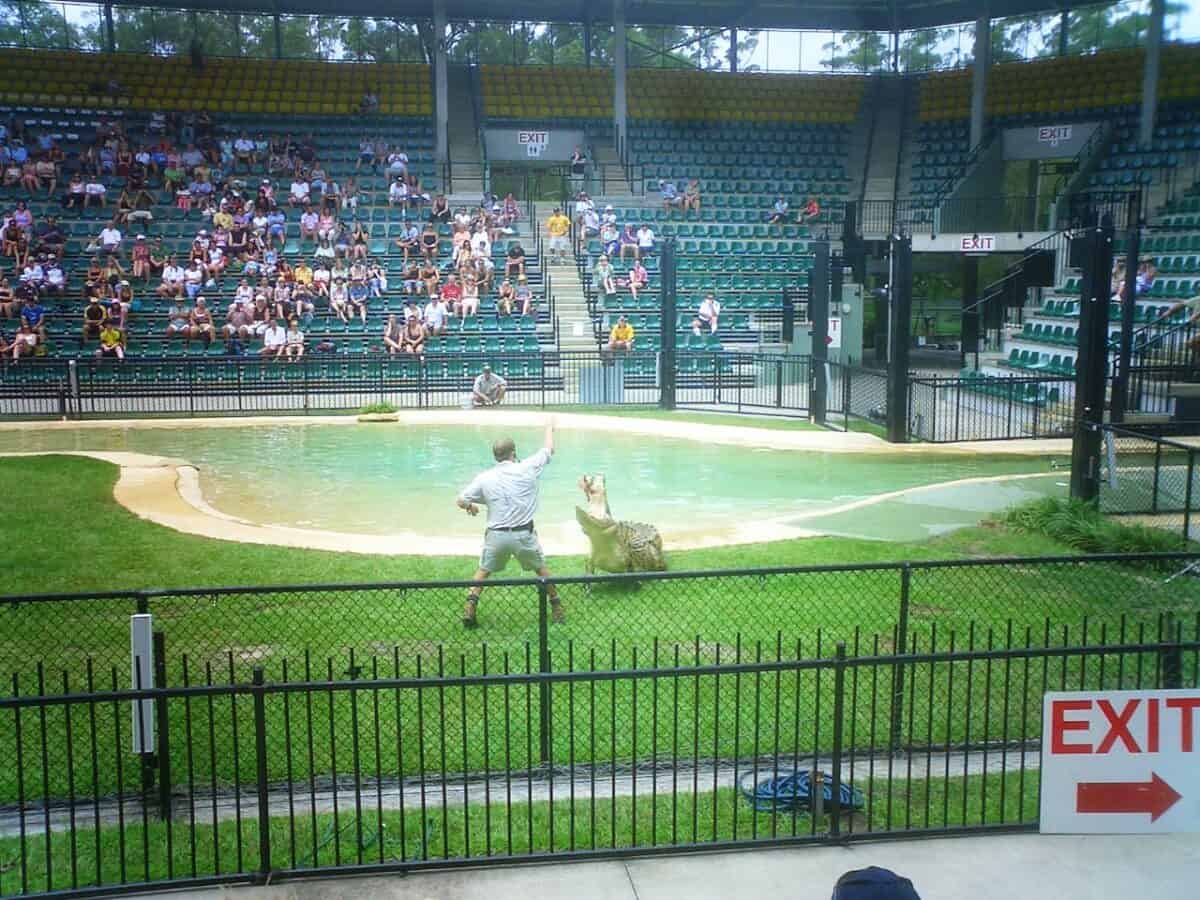
Under Steve Irwin’s vision, Australia Zoo transformed from a modest family-run reptile park into an internationally recognized conservation center spanning over 1,000 acres. Irwin reimagined what a zoo could be, creating immersive exhibits that prioritized animal welfare while educating visitors about conservation. Unlike traditional zoos of the era that emphasized entertainment through animal performances, Australia Zoo pioneered demonstrations that showcased natural behaviors while educating about threats facing wildlife in their native habitats.
The zoo became a model for conservation-focused animal facilities worldwide. Its Wildlife Hospital, opened in 2004, has treated over 90,000 native Australian animals, many affected by habitat loss, road accidents, or domestic pet attacks. Beyond direct animal care, the facility serves as a research center developing innovative wildlife medical treatments. Through its evolution, Australia Zoo embodied Irwin’s belief that conservation facilities should serve multiple purposes: rehabilitation, education, research, and inspiring public action. This integrated approach has influenced zoo management practices globally, with facilities from Singapore to San Diego adopting elements of the Australia Zoo model.
Wildlife Warriors: Building a Conservation Movement

In 2002, Steve and Terri Irwin founded Wildlife Warriors Worldwide (originally called the Steve Irwin Conservation Foundation), creating an organization that would institutionalize their conservation philosophy. The foundation represented Irwin’s recognition that individual charisma alone couldn’t solve the growing threats to wildlife; systematic, organized action was required. Wildlife Warriors focuses on habitat purchase and protection, anti-poaching initiatives, wildlife rescue, and conservation research across multiple continents.
The organization has had remarkable tangible impact, protecting over 463,000 acres of critical habitat globally and supporting conservation projects for threatened species from Sumatran tigers to Tasmanian devils. Perhaps more significantly, Wildlife Warriors pioneered the concept of turning viewers into activists through accessible entry points to conservation work. Their “adopt an animal” programs and small-donation models made wildlife protection accessible to ordinary people, including children, who might previously have felt powerless to affect global conservation. This democratization of conservation action remains one of Irwin’s most significant contributions, creating pathways for millions to move from passive viewers to active participants in wildlife protection.
Redefining “Masculinity” in Wildlife Conservation
Steve Irwin subtly but significantly transformed cultural perceptions of masculinity in relation to environmental activism. Before Irwin, conservation was often viewed through one of two lenses: either as the domain of scientific experts in lab coats or as a “soft” concern associated with feminine sensibilities. Irwin presented a third model: a rugged, physically brave figure who also displayed open emotional connection to animals and unabashed enthusiasm for their welfare. His willingness to show tenderness toward baby animals one moment and wrestle crocodiles the next expanded the cultural permission for men to express care for wildlife.
This recalibration of gender expectations in conservation had measurable impact. According to surveys conducted by the Australian Wildlife Conservation Foundation, male viewership of nature programming increased by 43% during the height of Irwin’s popularity, and male participation in conservation volunteering rose significantly in regions where his shows had high viewership. By modeling a version of masculinity that embraced both physical courage and emotional openness, Irwin helped make wildlife advocacy accessible across gender lines, significantly expanding the pool of potential conservationists and challenging limiting stereotypes about who could be passionate about animal protection.
Technology and Media Innovation in Wildlife Education

Irwin’s savvy use of emerging media technologies revolutionized how wildlife content reached global audiences. While not the first wildlife presenter to use television, Irwin and his production team pioneered filming techniques that created unprecedented intimacy between viewers and animals. His camera crews developed specialized equipment for capturing close-up footage of dangerous animals safely, creating visual experiences previously impossible in wildlife programming. These innovations allowed viewers to see details of animal behavior and physiology that had been inaccessible to general audiences.
Beyond technical innovations, Irwin recognized early the power of cross-platform media integration. He expanded from television into feature films (The Crocodile Hunter: Collision Course), merchandise, video games, and early digital content, creating multiple entry points to his conservation message. This multimedia approach became a template for modern wildlife education, which now spans traditional television, streaming services, social media, and interactive digital experiences. According to media analysis by Conservation International, this multi-channel strategy significantly increased retention of conservation messaging compared to single-platform approaches, with viewers exposed to wildlife content across multiple formats showing 78% higher recall of conservation information.
Influencing Conservation Policy and Funding

Behind his public persona as an entertainer, Irwin wielded significant influence in conservation policy circles. His celebrity status gave him access to political leaders and decision-makers often inaccessible to traditional conservationists. Irwin leveraged this access to advocate for strengthened wildlife protection laws, expanded marine protected areas, and increased funding for anti-poaching efforts. In 2002, he successfully lobbied the Australian government to establish stronger protections for the Great Barrier Reef, helping secure legislation that increased no-take zones from 4.5% to 33% of the Marine Park area.
Irwin also transformed how conservation initiatives were funded. By demonstrating wildlife’s commercial appeal through his successful media ventures, he showed potential donors and governments that conservation could generate revenue through tourism and educational media. According to financial analyses by the Australian Conservation Foundation, regions featured in Irwin’s programs saw tourism revenue increases averaging 23%, creating economic incentives for habitat protection. This “conservation economy” approach helped shift perception of wildlife protection from a charitable expense to a potential economic asset, influencing how governments and private sector entities approach funding conservation initiatives to this day.
The Irwin Legacy: Continuing Impact Through Family

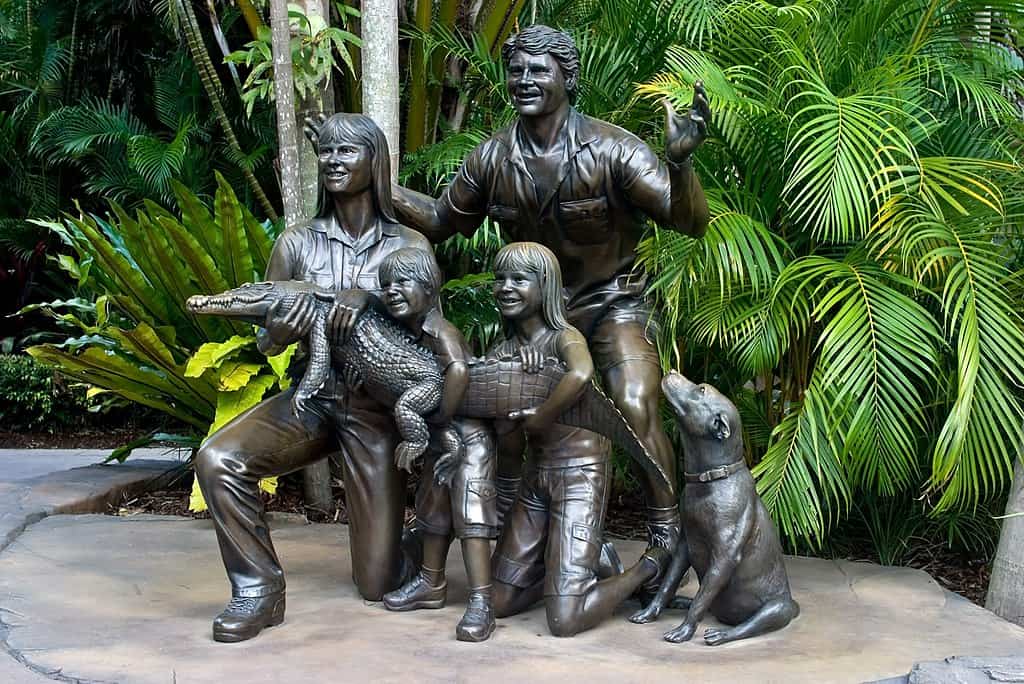
When Steve Irwin died in 2006 after being pierced by a stingray barb while filming, many wondered if his conservation impact would fade. Instead, his family transformed personal tragedy into renewed mission, with Terri, Bindi, and Robert Irwin each stepping into public roles as wildlife advocates. Their continued work has maintained and expanded Steve’s conservation legacy while adapting his messaging for new generations and platforms. Bindi Irwin has become a respected conservation voice, winning “Dancing with the Stars” in 2015 and using her platform to advocate for wildlife protection to younger audiences.
Robert Irwin has particularly carried forward his father’s approach to wildlife education, demonstrating remarkable similarity in his enthusiastic presentation style while developing his own identity as a wildlife photographer and conservationist. His appearances on programs like “The Tonight Show” have introduced Irwin-style wildlife education to viewers who may never have seen Steve’s original programs. Together, the Irwin family has ensured continuity in the conservation movement Steve began, with Australia Zoo, Wildlife Warriors, and their media presence continuing to expand. Recent data shows the Irwin family’s social media accounts reach over 15 million followers combined, continuing to spread wildlife conservation messaging to global audiences in the digital age.
The Enduring Impact of the Crocodile Hunter
Steve Irwin’s revolution in wildlife education and conservation represents one of the most significant shifts in how humans relate to the natural world in recent history. Through his passionate, hands-on approach, he transformed wildlife television from a niche interest to mainstream entertainment while simultaneously delivering substantive conservation messaging. This democratization of wildlife knowledge reached audiences who would never have engaged with traditional nature documentaries, creating millions of wildlife advocates across demographic boundaries.
His legacy lives on not just through his family and Australia Zoo, but through fundamental changes in how conservation is communicated, funded, and perceived globally. Contemporary wildlife protection efforts continue to benefit from the emotional connection to animals that Irwin fostered in his audience. As humanity faces unprecedented biodiversity challenges, the approach Irwin pioneered—making people care deeply about wildlife through personal connection rather than abstract concern—remains perhaps our most powerful tool for motivating conservation action. In transforming how we see wildlife, Irwin may have given endangered species their best chance at survival: a global audience that doesn’t just know about them, but truly cares about their future.
Worried about unexpected vet bills?
Pet insurance can cover thousands in unexpected vet costs. Get a free quote from Lemonade in under 2 minutes.
Get My Free Quote →Sponsored · Opens Lemonade.com

From exploring the marine wonders in the Azores and witnessing the vast savannas of Kenya, to delving deep into the rich biodiversity of South Africa and traversing iconic landscapes in Australia and the US like Yellowstone, Chris's experiences are vast.
With a penchant for diving alongside sharks, the ocean holds a special place in his heart.
Through his academic insights, he champions wildlife conservation, striving with 'Animals Around The Globe' to cultivate a profound connection between humans and animals, enhancing our mutual appreciation.
Connect with him at Feedback@animalsaroundtheglobe.com.
- How Male Emperor Penguins Keep Eggs Warm in Antarctic Winters - June 6, 2026
- Why You’re More Likely to See Bison Near Roads in Summer - June 6, 2026
- Why the Ethics of Eating Veal Still Divide Consumers - June 6, 2026