
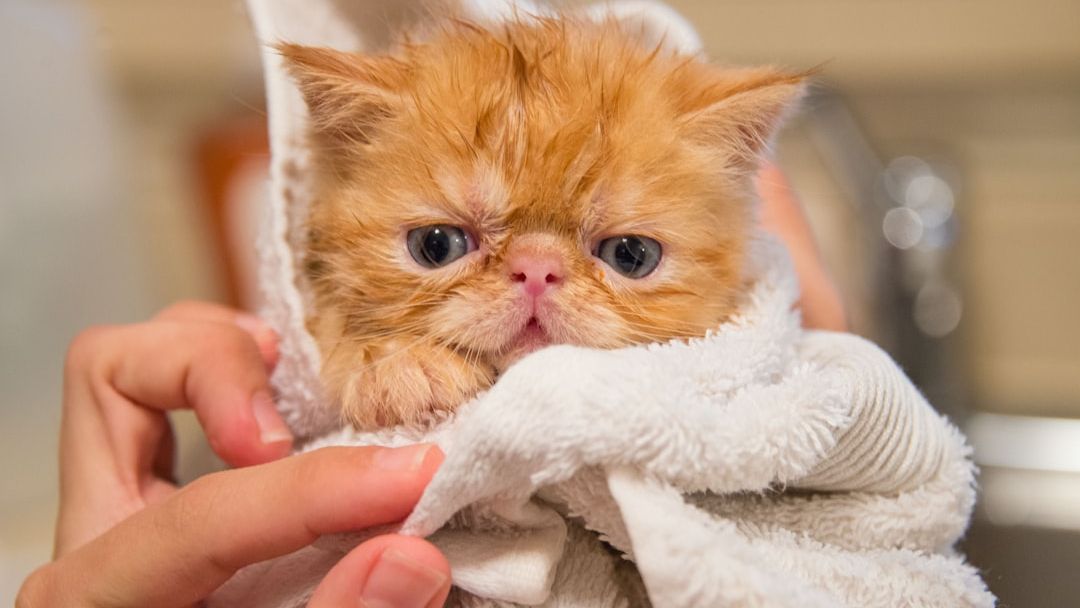
Discovering fleas on your new kitten can feel like a punch to the gut. These tiny parasites are more than just a nuisance. For such a small, delicate creature, fleas can pose serious health risks, from constant itching to potentially life-threatening anemia. The challenge becomes even trickier when you realize that many conventional flea treatments aren’t safe for young kittens.
Finding the right approach means balancing effectiveness with safety. You want those fleas gone yesterday, yet you’re terrified of using something that could harm your vulnerable little furball. Let’s dive into the safest ways to tackle this problem head on, because your kitten deserves relief without unnecessary risks.
Understanding the Age and Weight Guidelines for Flea Treatments
Here’s the thing: not all flea treatments are created equal when it comes to kittens. Most products aren’t appropriate for kittens younger than eight weeks, though some topical and oral flea preventives can be used starting at that age. Weight matters too. An eight week old kitten usually weighs around two pounds, and most products are safe for use in kittens older than eight to ten weeks or over two pounds.
The reason behind these restrictions? Flea products typically haven’t been tested on kittens younger or smaller than this, so they may contain doses that are too high for young, tiny kittens. Reading every label carefully is absolutely crucial. What works for an adult cat might be dangerous for a kitten, even if the kitten seems healthy and active.
All kittens eight weeks and older should be on preventive treatments for fleas, ticks, and intestinal parasites. Still, if your kitten is younger than that magic eight week mark, you’ll need to rely on gentler methods that we’ll explore shortly. Let’s be real, nobody wants to accidentally poison their kitten while trying to help them.
Safe Treatment Options for Very Young Kittens Under Eight Weeks
When your kitten is too young for commercial flea products, manual removal becomes your best friend. For very young kittens under eight weeks, the safest option is using a flea comb on them once or twice a day. It requires patience and consistency, yet it works. You’re physically removing adult fleas without exposing your tiny kitten to any chemicals whatsoever.
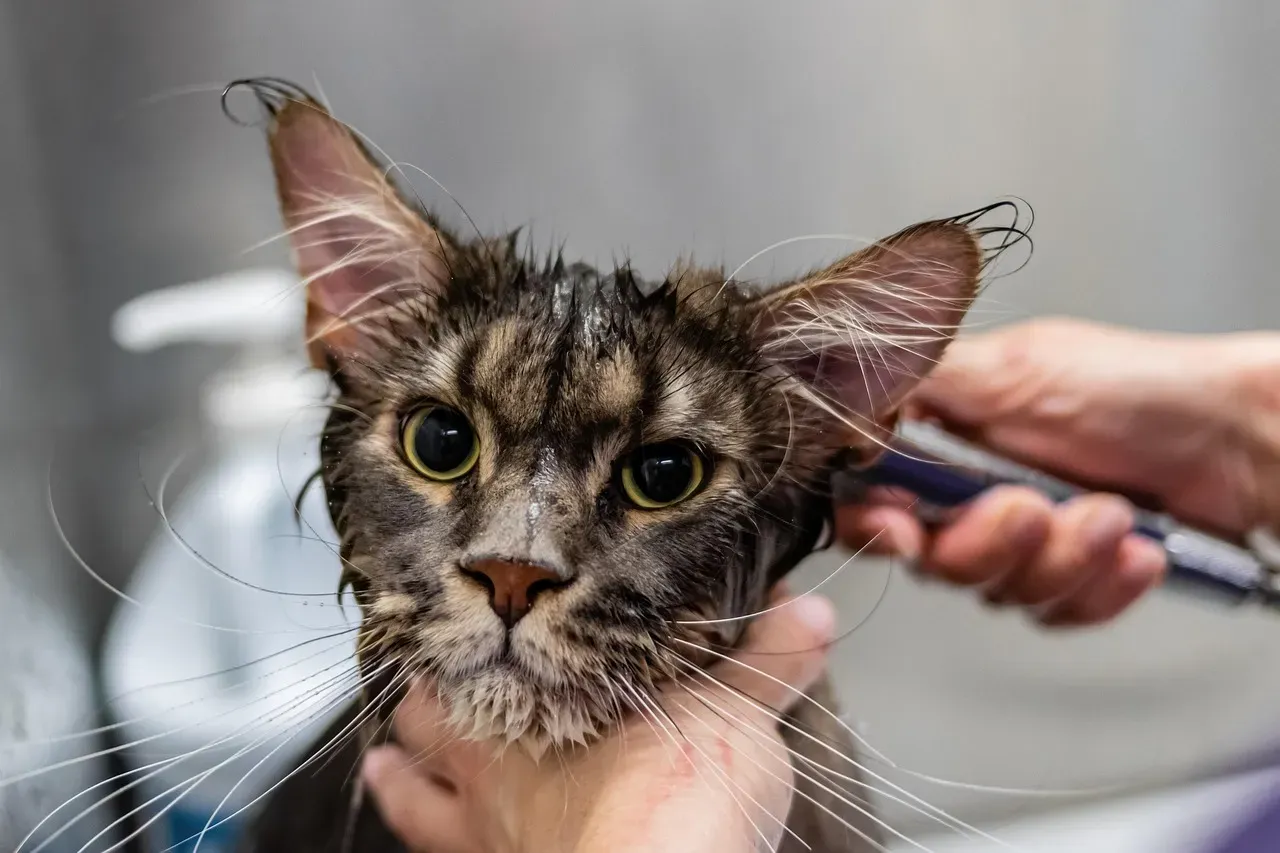
Bathing is another safe alternative for the youngest kittens. A gentle bath with dish soap will help to kill the live fleas and wash away the larvae and flea dirt. Dawn dish soap or a natural baby shampoo works wonders. Simply rinsing a kitten in warm water will physically remove many adult fleas, even without medicated shampoo.
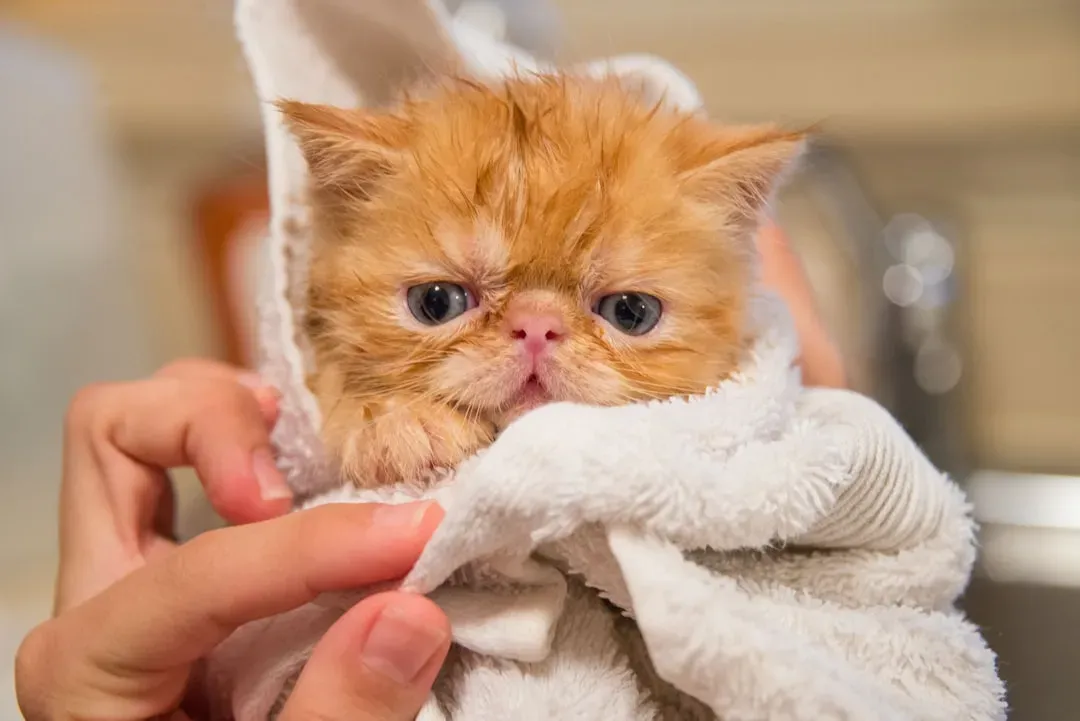
Keep the bath short – ideally under two minutes – because kittens can become chilled or panicked during the process. Use warm, not hot, water to prevent hypothermia, and be sure to thoroughly dry your kitten after the bath. These methods only address the fleas currently on your kitten. They won’t prevent new fleas from hopping aboard later, so you’ll need to treat the environment too.
Temperature control is critical. Young kittens can’t regulate their body temperature effectively, so keeping them warm post-bath is non-negotiable. Place them in a warm spot with a heating pad wrapped in a towel once they’re dry.
The Risks of Using Inappropriate Flea Products
Using the wrong flea product on a kitten isn’t just ineffective – it can be downright deadly. The ingredients in dog flea and tick products are highly toxic and even fatal if used on cats. Never, ever use a dog flea treatment on your kitten, no matter how desperate you feel. The consequences can include tremors, seizures, and worse.
Cats have a poor ability to process certain compounds, which means that many kinds of essential oils can be toxic to cats, even at low doses and concentrations. Natural doesn’t automatically mean safe for kittens. Many so-called natural flea remedies contain essential oils that sound harmless but are actually dangerous for your cat.
Flea treatments can quickly induce poisoning in kittens if too much product or the wrong product is used, and symptoms can appear anywhere from one to twelve hours after administration. If you accidentally apply something unsafe, immediately bathe your kitten in lukewarm water with gentle dish soap, then call your veterinarian or local animal hospital right away.
I think the scariest part is how quickly things can go south. One moment your kitten seems fine, and hours later they’re experiencing neurological symptoms. Always double check that any product is specifically labeled for cats and appropriate for your kitten’s age and weight.
Bathing Techniques That Protect Your Kitten
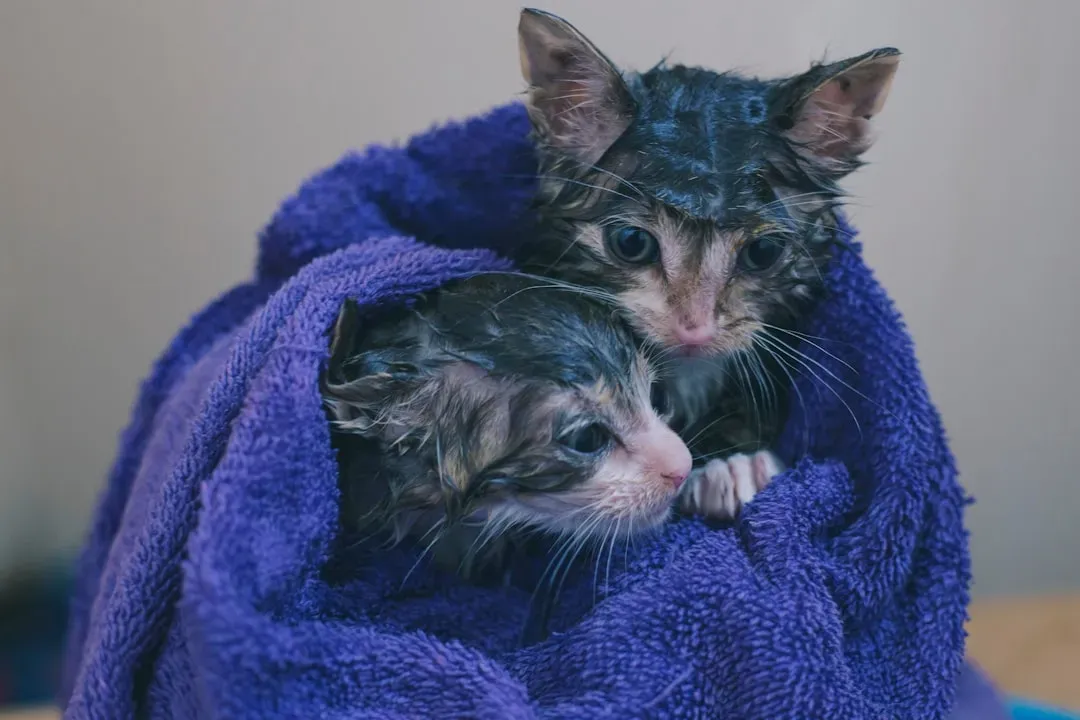
Bathing a kitten requires strategy, not just soap and water. Start by creating a barrier around the neck with a small ring of soap to prevent fleas from escaping to the kitten’s face. Create a ring of soapy water around the kitten’s neck, which will act as a barrier so that fleas do not run up the body and onto the head, then wash the neck first and work your way down.
Never spray or dunk a kitten’s head underwater. Instead, use a damp washcloth to spot clean the face while avoiding the eyes, nose, ears, and mouth. Work quickly but gently – the entire bath should take less than two minutes if possible. Kittens can become stressed or hypothermic during longer baths.
Drying is just as important as washing. Pat the kitten dry with a towel first, then you can use a blow dryer on the lowest setting if needed. Keep it at least two feet away and keep moving it around to avoid overheating any one spot. Some folks find it easier to just use towels and then place the kitten in a warm, draft-free area.
The temperature of the water matters more than you’d think. It should feel comfortably warm to your wrist, similar to what you’d use for a human baby. Too hot risks burns; too cold causes dangerous chilling. Honestly, I’d rather err on the side of slightly cooler than risk scalding.
Effective Flea Prevention Products for Kittens Eight Weeks and Older
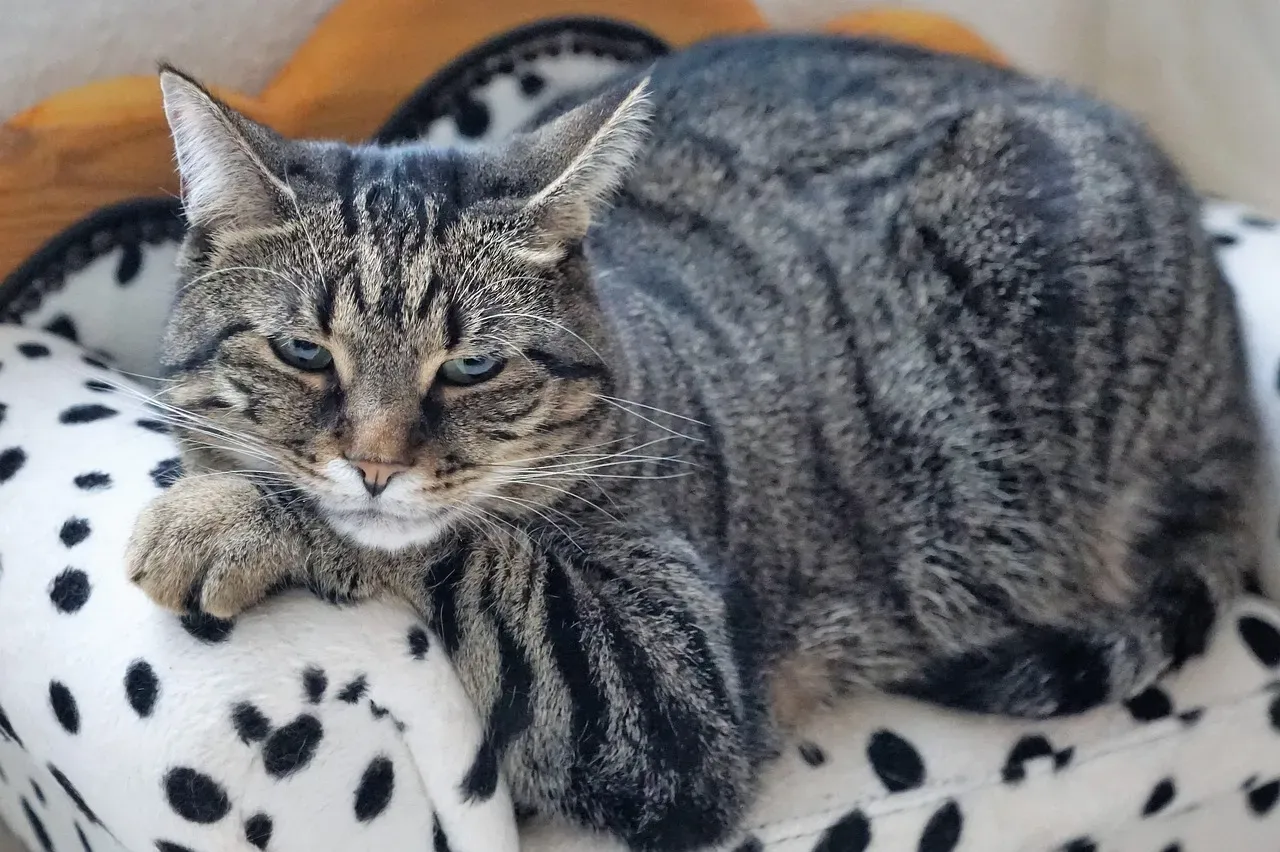
Once your kitten hits that eight week milestone and weighs enough, the world of flea prevention opens up considerably. Many flea and tick prevention options for kittens will start killing fleas in hours and should be started as soon as possible in infestations. Topical treatments like Frontline Plus and Advantage II are popular choices that veterinarians frequently recommend.
One dose of CAPSTAR starts killing adult fleas in just thirty minutes and is safe for cats and kittens two pounds of body weight or greater and four weeks of age or older. Fast-acting oral treatments provide rapid relief when you need it most. They’re particularly useful during active infestations when you need immediate results.
Prescription options exist too. Revolution for kittens offers broader protection beyond just fleas. It’s available through your veterinarian and can address multiple parasites simultaneously. The downside? You’ll need that prescription, which means a vet visit and potentially higher cost.
Different products offer different durations of protection. Some last thirty days, while others might provide coverage for slightly longer or shorter periods. Consistency matters – skipping doses can leave your kitten vulnerable and allow flea populations to rebound. Monthly applications typically work best for most kitten owners.
Environmental Control and Preventing Reinfestation
Treating your kitten alone won’t solve the problem because fleas live in your environment too. Be sure to wash the kitten’s bedding and sanitize the kitten’s environment to kill any remaining fleas or flea eggs so that the kitten can be flea-free for good. Hot water and high heat drying are your allies here – fleas and their eggs can’t survive those conditions.
Vacuuming becomes a daily ritual during flea infestations. Focus on carpets, furniture, baseboards, and anywhere your kitten spends time. Immediately dispose of the vacuum bag or empty the canister into a sealed plastic bag outside your home. Flea eggs and larvae hiding in those spaces will reinfest your kitten if left untreated.
If you have one pet that has fleas, it’s likely all your pets are infected, so you’ll need to treat all of them in order to get the infestation cleared. This includes dogs, other cats, and any furry household members. Treating only the kitten while ignoring other pets is like bailing water from a sinking boat without fixing the hole.
Here’s where it gets frustrating – the flea life cycle means eggs and larvae in your environment will continue hatching for weeks. Female fleas can lay dozens of eggs per day, and those eggs drop off into your carpets and furniture. Breaking this cycle requires persistence and treating both pets and environment simultaneously.
Recognizing When Your Kitten Needs Veterinary Care
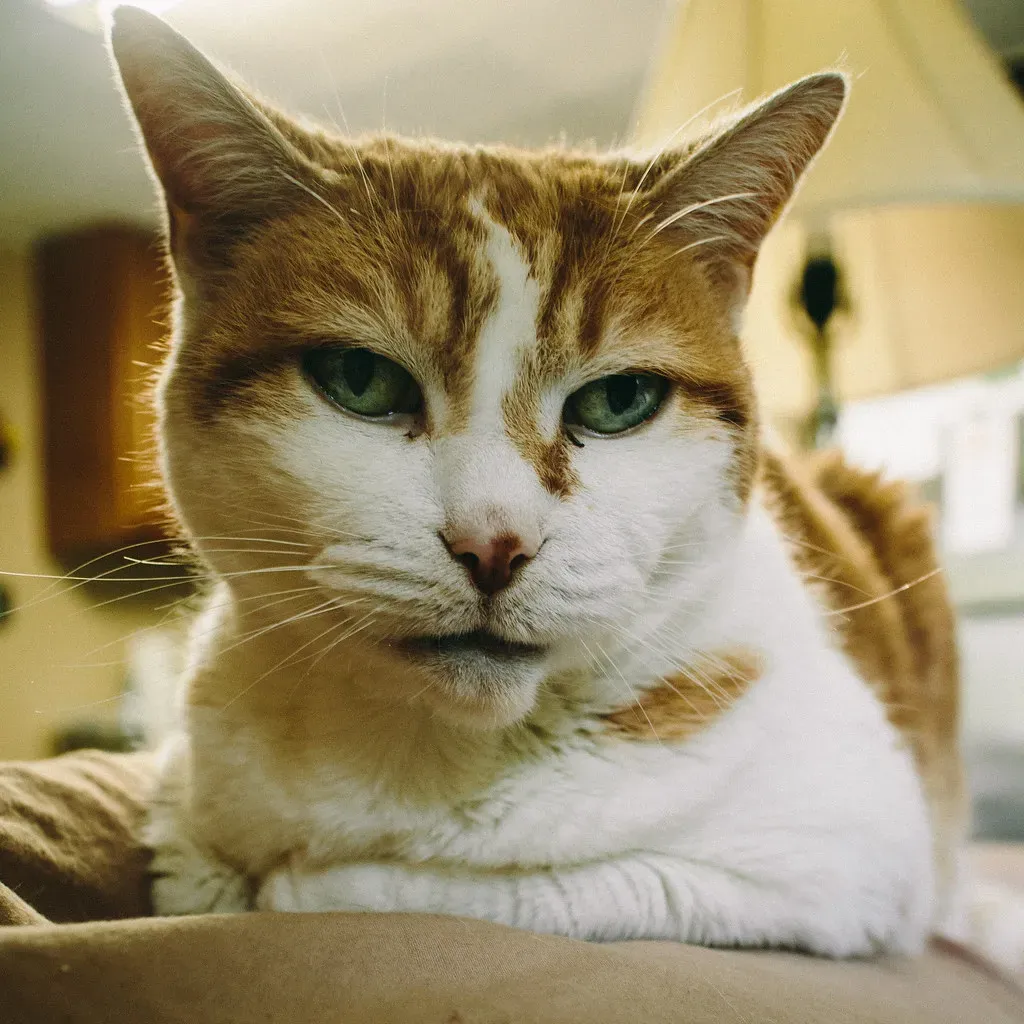
Sometimes DIY flea treatment isn’t enough, and recognizing warning signs is crucial. Kittens are especially vulnerable to complications, and fleas pose a unique risk especially in very young, tiny kittens, since these parasites can suck enough blood to cause anemia. Pale gums, lethargy, and weakness are red flags that demand immediate veterinary attention.
Kittens can quickly become dangerously sick from both fleas and from the effects of inappropriate flea treatments, therefore it’s vital that pet parents understand how to safely remove fleas from kittens and never treat a sick kitten for fleas without first talking to your veterinarian. If your kitten shows any signs of illness – vomiting, diarrhea, lack of appetite, or unusual behavior – get professional help before attempting treatment.
Heavy infestations require veterinary intervention. When you’re seeing dozens of fleas or your kitten seems covered in flea dirt, professional treatment becomes necessary. Your vet can assess whether your kitten needs supportive care alongside flea treatment, especially if anemia is suspected.
Trust your instincts. If something feels off about your kitten’s condition or reaction to treatment, calling your vet is always the right move. They can recommend specific products appropriate for your kitten’s individual situation and provide guidance on environmental treatment strategies.
Conclusion
Treating safely requires knowledge, patience, and the right approach for your kitten’s age and size. From gentle flea combing and bathing for the tiniest kittens to effective topical and oral treatments for older ones, you have multiple options that balance safety with results. Remember that environmental control is just as important as treating your kitten directly – fleas in your home will continue the cycle of reinfestation if left unchecked.
The key takeaway? Never use products not specifically labeled for kittens, especially dog flea treatments that can be fatal to cats. When in doubt, consult your veterinarian before trying any new treatment. Starting prevention early and maintaining consistency will keep your kitten comfortable and flea-free for the long haul.
What’s been your experience dealing with fleas on young kittens? Did any particular method work better than others for you?
