

Ticks are more than just unpleasant bloodsuckers that latch onto your dog after an outdoor adventure. They carry diseases and can turn a peaceful walk in the park into a nightmare of itching, scratching, and veterinary bills. For pet parents seeking a natural solution, diatomaceous earth has emerged as an intriguing alternative to chemical treatments. This fine, off-white powder might look harmless, but it’s garnered attention for its ability to kill ticks and other pests without introducing harsh chemicals into your dog’s life.
Yet, with conflicting opinions swirling around the internet, it’s hard to know what’s truly safe and effective. Is this ancient substance really the answer, or is it just another overhyped remedy? Let’s dive in.
What Exactly Is Diatomaceous Earth
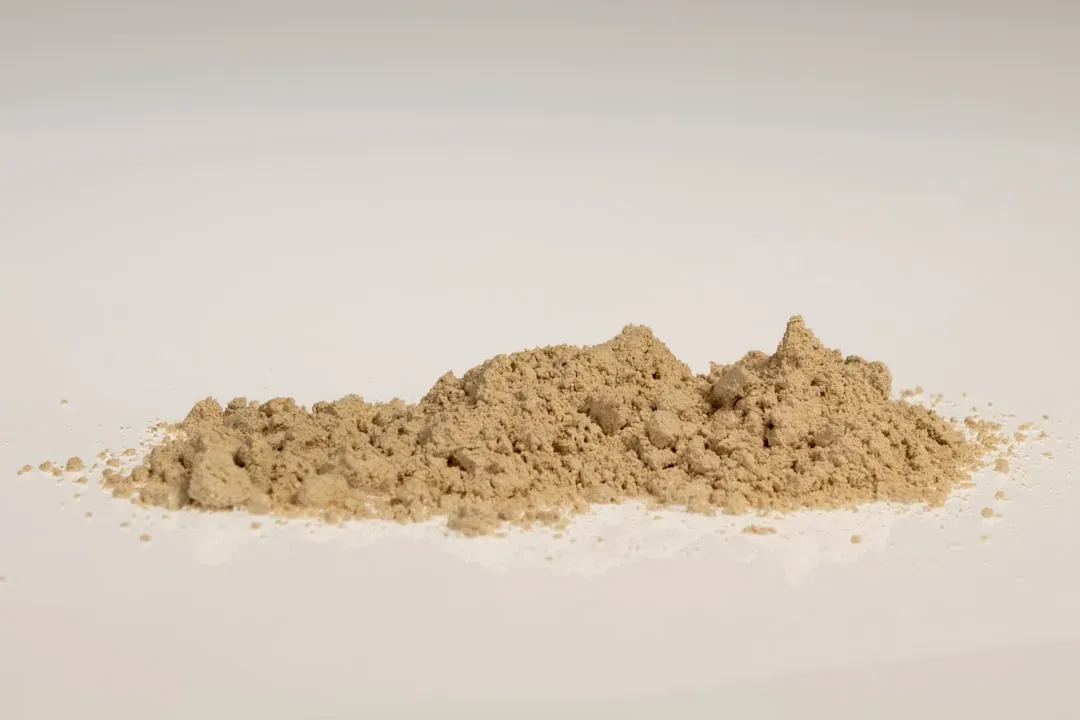
Diatomaceous earth is a naturally occurring sedimentary rock that has been crumbled into a fine white to off-white powder. The substance is made from tiny, fossilized sea creatures called diatoms, which are microscopic organisms that leave behind tiny, porous shells that collect on the bottom of the sea. Picture millions of years worth of algae skeletons compressed into a silky, chalk-like dust. Under a microscope, the powder resembles shards of glass with razor-sharp edges.
Food-grade diatomaceous earth is low in crystalline silica and safe for humans, while filter-grade diatomaceous earth is high in crystalline silica, which is toxic to all mammals. This distinction is absolutely critical. Pool-grade DE, often used in filtration systems, can cause serious harm if applied to pets or ingested. Only food-grade DE should ever be considered for use around your dog.
How Diatomaceous Earth Kills Ticks
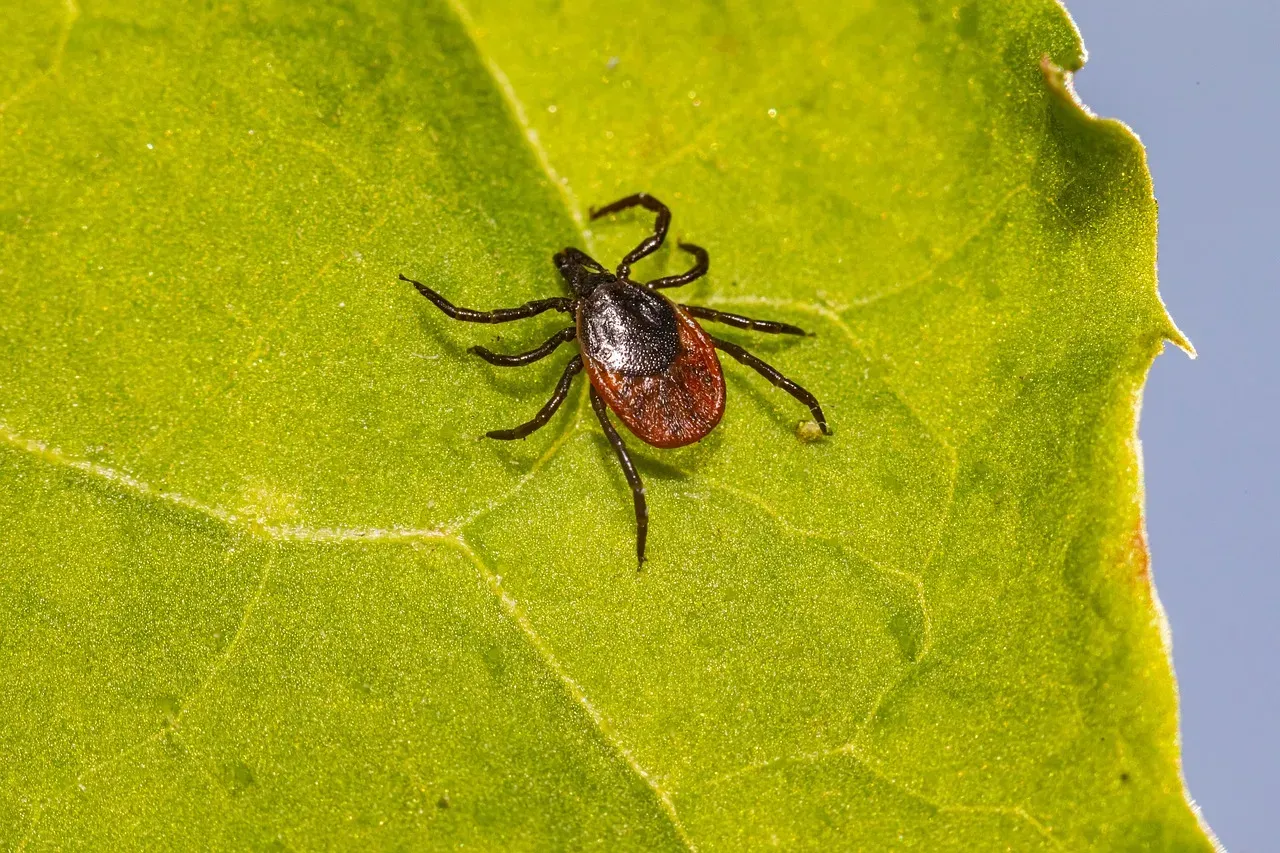
Here’s where things get interesting. Diatomaceous earth doesn’t work like conventional pesticides that poison insects. It causes insects to dry out and die by absorbing oils and fats from the cuticle of the insect’s exoskeleton, and its sharp edges are abrasive, speeding up the process. When a tick crawls over the powder, those microscopic glass-like fragments score the waxy outer layer of its body.
The sharp edges in DE polish away the waxy coating of any insect after it crawls through it, and over time the waxy coating is compromised and the body fluids are sucked out causing the tick to dehydrate and die. Think of it as death by a thousand tiny cuts. The pest loses moisture rapidly and eventually dies from dehydration, typically within hours to a couple of days. This mechanical action means ticks can’t develop resistance to it like they might with chemical treatments.
Applying Diatomaceous Earth Directly to Your Dog

To apply DE to your dog, you can sprinkle a small amount onto their coat, avoiding the eyes and nose, and then brush it in. The application process should be done carefully and preferably outdoors or in a well-ventilated area. Start by protecting your dog’s face, particularly covering their snout and eyes to prevent inhalation or irritation.
Apply a light dusting of DE to your pet’s coat, focusing on the back, belly, neck, and tail base, rubbing it gently into the fur down to the skin, while covering or cupping your pet’s eyes and nose during application to prevent irritation. Work the powder through the fur with your hands, making sure it reaches the skin where ticks are most likely to attach. Repeat this process every three to four days during an active infestation, or apply it before heading to tick-prone areas as a preventative measure.
Treating Your Home and Yard

Treating your dog alone won’t solve a tick problem. When using diatomaceous earth to battle fleas and ticks on pets, you must employ a three-prong approach: targeting pests hiding in your pet’s fur, treating areas in the house that they spend time in, and working to repel bugs from your yard. Ticks can hide in carpets, bedding, furniture, and outdoor vegetation, waiting for the perfect opportunity to hop onto a host.
Apply your diatomaceous earth for ticks to where the carpet or flooring meets the baseboard or wall, to entryways like window and door frames, and in furniture, rugs, fabrics, and drapes. Focus on areas where your dog spends the most time. Leave application down on those locations for seven days and then vacuum the application up. In the yard, dust areas where ticks typically lurk, such as tall grass, shaded spots, and brush piles. Keep in mind that DE loses effectiveness when wet, so reapply after rain or watering.
Safety Concerns and Precautions

Let’s be real, not everything natural is automatically safe. Though this substance is considered nontoxic to people and pets, it doesn’t mean that using diatomaceous earth for dogs is without risk, as you should avoid applying the product directly to a dog’s skin because it can irritate their eyes, skin, and respiratory system. The most significant concern is the potential for respiratory irritation if the powder is inhaled, as dogs may experience coughing, wheezing, or difficulty breathing if they accidentally breathe in the fine dust particles.
Pet parents should not apply products directly to a dog’s skin or on their bedding since this can cause irritation and drying of their skin, and dust can get into a pet’s eyes and lead to watering or redness. Always wear gloves and a face mask during application to protect yourself, and make sure your dog doesn’t inhale large amounts of the dust. If your dog has pre-existing respiratory issues or sensitive skin, consult with your veterinarian before using DE.
The Effectiveness Debate and Alternatives

Honestly, the veterinary community remains divided on diatomaceous earth. Some veterinarians say diatomaceous earth is certainly not a parasite prevention method they advise using in veterinary school and have never recommended a client use it. Being exposed to diatomaceous earth can kill an adult flea within a few hours and may kill off some larvae, however, this product isn’t very effective at killing insect eggs, which can remain on your dog’s fur and bedding and continue the cycle of reproduction. This limitation means that while DE can reduce pest populations, it may not completely eradicate an infestation on its own.
It can be used in the veterinary industry to control external parasites, such as fleas and ticks, using a holistic approach, but many veterinarians recommend alternative products for more effective flea control instead. Pharmaceutical options like spot-on treatments, oral medications, and tick collars often provide faster, more reliable results. Weigh the pros and cons carefully. If you have a severe tick problem, combining DE with other methods or opting for veterinary-recommended treatments might be the smarter route.
What do you think? Have you tried diatomaceous earth on your dog, or do you prefer sticking with conventional treatments? Share your experiences in the comments.
