


In the secretive world of wolf packs, one of nature’s most remarkable educational systems unfolds each spring. Wolf pups enter the world as helpless bundles of fur, yet within months, they transform into capable hunters able to bring down prey many times their size. This remarkable transformation doesn’t happen by accident—it’s the result of a sophisticated, multi-staged teaching process that wolf parents and pack members have perfected over millennia. From playful beginnings to deadly serious hunting expeditions, the education of young wolves represents one of the animal kingdom’s most impressive examples of knowledge transfer between generations. Let’s explore how these apex predators ensure their offspring master the complex art of hunting, a skill essential not just for individual survival but for the continued existence of the pack itself.
The First Lessons Begin at the Den

Wolf education begins when pups are just weeks old, still confined to the safety of the den. These early lessons don’t involve actual hunting but lay crucial groundwork for later skills. Adult wolves return from hunts with meat in their stomachs, which they regurgitate for the hungry pups. This process does more than simply feed the young—it introduces them to the smells, tastes, and textures of prey animals they’ll eventually hunt themselves. Researchers have observed that adults will sometimes bring small pieces of prey back to the den intact, allowing curious pups to investigate and interact with these foreign objects.
As pups grow stronger, adults also engage them in gentle mouthing games that help develop jaw strength and teach bite inhibition—a critical skill for both pack harmony and eventually dispatching prey efficiently. These seemingly simple interactions represent the foundation of hunting education, occurring long before the pups ever leave the security of the den site. During this phase, pups also begin to recognize the distinctive scents of different prey species through the adults’ returning with prey odors on their fur and breath, creating mental associations that will serve them well during future hunts.
Play as Practice: The Power of Wolf Games

By the time wolf pups reach 3-4 weeks of age, their education takes a more active turn through play. What looks like simple roughhousing to human observers actually represents sophisticated practice for hunting scenarios. During play sessions, pups chase each other, taking turns playing predator and prey. They practice stalking, pouncing, and coordinated takedowns—all skills they’ll need for real hunting. Adult wolves often participate in these games, adjusting their strength and speed to provide appropriate challenges as the pups develop. These games strengthen muscles, improve coordination, and build endurance while simultaneously developing hunting techniques.
Researchers studying wolf play behavior have documented how these sessions grow increasingly complex as pups mature. Simple chasing games evolve into elaborate scenarios where pups practice flanking maneuvers and ambush techniques. Pack members will often bring objects like sticks or bones that pups can practice carrying and tugging, developing the neck and jaw muscles essential for killing and carrying prey. Through play, young wolves also learn their place in the pack hierarchy, which directly translates to their role in coordinated hunts. This playful foundation continues throughout their first year, with games becoming progressively more sophisticated in parallel with their hunting education.
From Spectators to Participants: First Hunt Observations
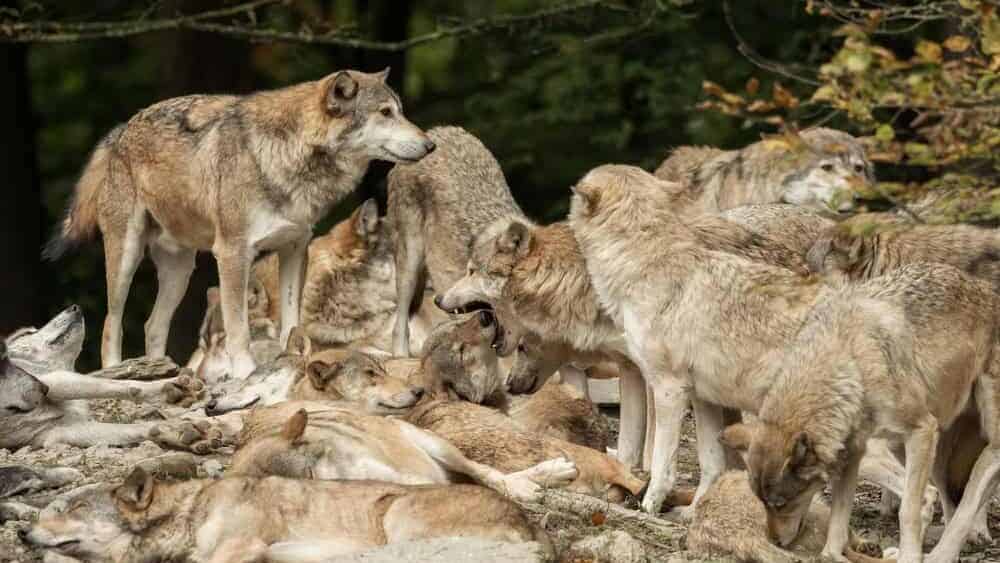
Around 4-5 months of age, wolf pups begin accompanying adults on hunts, though initially only as observers. These first exposures to actual hunting are crucial learning opportunities where pups witness the strategies and techniques they’ve been practicing through play applied in real-life situations. Adult wolves appear to deliberately slow the pace of these educational hunts, sometimes even exaggerating movements as if demonstrating specific techniques. The pups, relegated to a safe distance, watch intently as adults demonstrate stalking, coordination, and takedown techniques. During this observation phase, the young wolves learn to read terrain, understand wind direction, and recognize the subtle signals passed between hunting pack members.
Scientists studying wild wolf packs have documented how adults modify their hunting behavior when accompanied by pups. They choose smaller prey, hunt closer to den sites, and demonstrate greater patience throughout the process. The adults occasionally pause during the stalk to ensure pups are watching and keeping up with the group. Researchers have noted that adult wolves will sometimes deliberately allow prey to escape during these learning hunts, extending the demonstration phase and giving pups multiple opportunities to observe pursuit techniques. These observation hunts continue for several weeks before pups are gradually allowed more active participation, ensuring they understand the fundamentals before risking their safety in actual takedowns.
Communication Skills: The Hidden Language of the Hunt
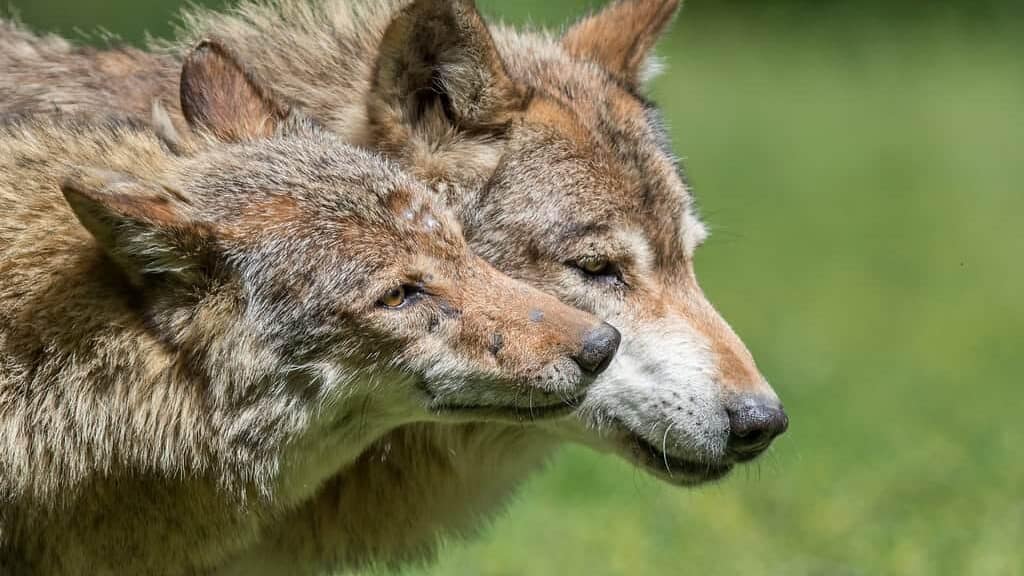
Central to successful wolf hunting is the sophisticated communication system used to coordinate pack movements. Young wolves must master this complex language of subtle ear positions, tail movements, body postures, and vocalizations. Adults teach this communication system through consistent demonstration and correction. During hunts, experienced wolves constantly signal intentions and observations to one another, creating a coordinated effort that allows the pack to function as a single hunting unit. Young wolves learn to recognize and respond to these signals through repeated exposure and practice, gradually becoming fluent in this silent language.
The communication education extends beyond the hunt itself. At rendezvous sites (areas where packs gather between hunts), adults engage pups in communication exercises. They practice howling together, teaching pups the distinctions between various call types—assembly howls, territorial proclamations, and hunting coordination calls. Researchers have documented how adults will correct improper signals from pups, sometimes physically repositioning a young wolf’s ears or tail to demonstrate the proper position. This meticulous attention to communication details ensures that future hunts will benefit from clear coordination, significantly improving hunting success rates as these pups mature into full hunting partners.
Specialized Roles: Learning Position-Specific Skills
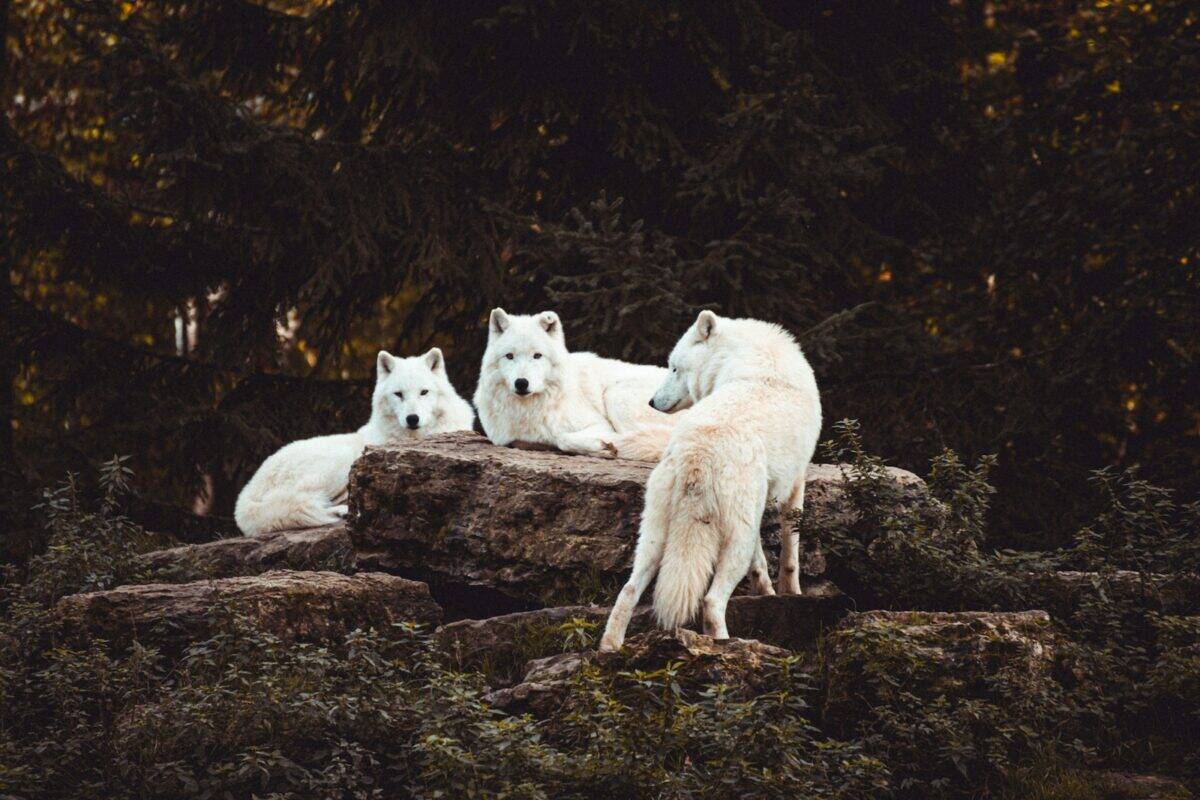
Wolf packs don’t hunt as undifferentiated groups—they operate with specialized roles that maximize hunting efficiency. As pups mature, they begin training for specific positions based on their individual strengths, temperament, and place in the pack hierarchy. Some wolves specialize in tracking and pursuit, others in flanking maneuvers to cut off escape routes, while still others focus on the dangerous work of the actual takedown. Adult wolves assess the aptitudes of each young pack member and provide tailored instruction that develops their natural abilities. This specialization begins around 6-8 months of age, when physical differences between pups become more pronounced.
Researchers have observed that certain training exercises appear designed to develop skills for specific hunting roles. Pups showing speed and endurance receive more chase-oriented play from adults, while stronger, more solidly built youngsters get more wrestling and takedown practice. Through this customized education, the pack ensures that each member develops complementary skills that enhance the group’s overall hunting effectiveness. This specialization represents a sophisticated form of division of labor rarely seen in non-human species and contributes significantly to the impressive hunting success rate of mature wolf packs, which can approach 20% in favorable conditions—remarkably high for predators pursuing large prey.
Progressive Responsibility: Gradually Joining the Hunt

Between 8-10 months of age, young wolves begin taking increasingly active roles in actual hunts, though still under close supervision. Their participation follows a carefully graduated progression. First, they’re allowed to join the tracking phase, following scent trails alongside experienced adults. Next, they participate in surrounding and containing prey, positions that contribute to the hunt’s success while keeping them away from the most dangerous moments. Only after demonstrating proficiency in these supporting roles are young wolves permitted to participate in actual takedowns. This progressive approach ensures safety while providing practical experience in increasingly challenging aspects of hunting.
The education during this phase includes immediate feedback. Adults will intervene if a young wolf makes a dangerous or strategically poor decision during a hunt. Researchers have documented instances where adult wolves physically block youngsters from premature charges or pull them back from hazardous situations. This real-time correction continues throughout the first year of hunting participation. Interestingly, studies show that packs with more adolescent wolves tend to select prey that offers better learning opportunities—animals that are challenging enough to require teamwork but not so dangerous as to pose serious threats to inexperienced hunters. This deliberate selection of “educational prey” demonstrates the priority wolves place on the hunting education of their young.
Learning Prey-Specific Tactics
Different prey requires different hunting approaches, and young wolves must learn specialized tactics for various target species. The techniques needed to bring down a moose differ substantially from those used for deer, elk, or smaller prey like beavers or hares. Adult wolves provide specialized instruction for each prey type, often focusing initially on the most common prey in their territory. Young wolves learn the unique vulnerabilities, defense mechanisms, and escape patterns of each species. They’re taught where to bite, how to approach, and which strategies are most effective for specific animals. This prey-specific education represents one of the most sophisticated aspects of wolf hunting instruction.
Observations of wolf packs in diverse habitats reveal how this specialized knowledge is transmitted. In territories with multiple prey species, packs systematically expose young wolves to different hunting scenarios over the course of their first year. Researchers have documented how techniques vary dramatically between prey types—from the quick pounce and neck bite used for smaller animals to the dangerous, coordinated harassment strategy employed against moose or bison. Studies indicate that wolves with experience hunting multiple prey species show greater cognitive flexibility and problem-solving abilities, suggesting that this varied education develops not just specific skills but broader hunting intelligence that serves wolves throughout their lives.
The Role of Failure in Wolf Education

Contrary to what might be expected, failure plays a crucial educational role in wolf hunting instruction. Adults don’t shield young wolves from unsuccessful hunts—they use these experiences as valuable teaching moments. Failed hunts allow young wolves to witness the consequences of poor coordination, inappropriate timing, or tactical errors. After unsuccessful attempts, researchers have observed adult wolves gathering with youngsters, often engaging in what appears to be post-hunt analysis through body language and interaction patterns. These sessions seem to function as debriefings where lessons from the failure are reinforced before the next attempt.
Studies tracking hunting success rates show that young wolves experience significantly more failures than adults, but these rates improve dramatically following each unsuccessful hunt, suggesting active learning from mistakes. Scientists have noted that wolf packs with more frequent hunting attempts (including many failures) tend to develop more skilled young hunters more quickly than those that hunt less frequently but with higher individual success rates. This counter-intuitive finding highlights how wolves have evolved to use failure as a pedagogical tool. Failed hunts also teach crucial lessons about prey selection, helping young wolves learn to identify vulnerable individuals within prey herds—a skill that significantly improves hunting efficiency as they mature.
Weather and Seasonal Adaptations

Wolf hunting education includes learning how to adapt techniques to different weather conditions and seasons. Young wolves must understand how deep snow changes pursuit strategies, how ice affects takedown techniques, and how seasonal prey behaviors require tactical adjustments. Adults demonstrate these adaptations through year-round hunting, with young wolves observing and participating in hunts across all conditions their territory experiences. Winter hunts often showcase how wolves can use deep snow to their advantage when pursuing ungulates like deer or elk, whose high body weight causes them to sink while wolves can move more efficiently across the snow’s surface.
Researchers tracking wolf movements have documented how hunting patterns shift seasonally, with these changes reflected in the education of young pack members. Spring hunts focus on newborn prey animals, teaching specialized techniques for separating vulnerable young from protective mothers. Summer education often incorporates ambush techniques appropriate for dense vegetation. Fall hunting coincides with prey migration patterns, teaching tracking over longer distances. This comprehensive seasonal education ensures young wolves develop a flexible hunting repertoire that can sustain the pack through changing environmental conditions. Studies indicate that packs with more extensive seasonal experience demonstrate greater resilience during unusual weather events or climate shifts, highlighting the adaptive value of this comprehensive education.
Refining Skills: Advanced Hunting Techniques

By their second year, young wolves begin learning more sophisticated hunting strategies. These advanced techniques include relay hunting (where wolves take turns pursuing prey to overcome endurance advantages), strategic herding (manipulating prey movement toward ambush points or hazardous terrain), and specialized approaches for dangerous prey. Adult wolves demonstrate these complex strategies through example, gradually incorporating younger pack members into more challenging roles. This advanced education builds upon the fundamental skills established during their first year, creating hunters capable of tackling the most challenging prey under difficult conditions.
Research using GPS tracking collars has revealed how wolves systematically position themselves during these advanced hunts, with young wolves initially placed in supporting positions before gradually rotating into more demanding roles. Studies show that these complex strategies can take several years to fully master, with hunting proficiency continuing to improve throughout a wolf’s life. Particularly noteworthy is how older, experienced pack members—often grandparents to the youngest wolves—take special roles in teaching these advanced techniques. These elder wolves, while sometimes past their physical prime, contribute significantly to pack survival through their educational contributions, passing down hunting knowledge accumulated over many years and preserving techniques that might otherwise be lost between generations.
The Psychological Dimension: Confidence Building

Beyond physical skills and tactical knowledge, adult wolves systematically build psychological attributes essential for successful hunting. Young wolves must develop confidence, persistence, and appropriate risk assessment to become effective hunters. Adult wolves facilitate this psychological development through carefully structured experiences that progressively challenge young wolves while ensuring they experience sufficient success to build confidence. Researchers have documented how adults will sometimes intentionally create opportunities for young wolves to make successful contributions to hunts, reinforcing their developing skills and building their hunting confidence.
Studies of wolf behavior show that adults exhibit remarkable patience with learning wolves, tolerating mistakes that would not be accepted from fully mature pack members. This educational grace period appears designed to allow psychological development to occur alongside physical skill acquisition. Scientists have noted that wolves raised without this structured confidence-building (such as those hand-raised by humans and later released) show significantly lower hunting success rates despite having similar physical capabilities to wild-raised wolves. This underscores the critical importance of the psychological dimension of wolf hunting education. By the time young wolves reach full maturity around age two, they have developed not just the physical skills for hunting but also the mental attributes—confidence, decision-making ability, and resilience—that transform them into truly effective predators.
The Lifelong Journey of a Wolf Hunter

The education of a wolf hunter represents one of nature’s most impressive knowledge transfer systems, transforming helpless pups into sophisticated predators through a carefully structured curriculum of observation, play, guided participation, and progressive responsibility. This educational process spans nearly two years before a wolf reaches full hunting proficiency, yet learning continues throughout their lives as they encounter new challenges and prey types. The investment wolf packs make in educating their young highlights the critical importance of hunting skills for species survival. Without this knowledge transfer between generations, wolves could not maintain the hunting efficiency necessary to sustain themselves and their offspring in challenging environments.
This sophisticated teaching system also illuminates the remarkable cognitive capabilities of wolves, demonstrating their ability to assess individual aptitudes, tailor instruction, and progressively build complex skill sets in their young. These educational behaviors represent some of the most advanced teaching documented in non-human species. For conservationists working to protect wolves and their habitats, understanding this educational process emphasizes why stable pack structures and sufficient territory are essential for wolf survival. When human activities disrupt pack composition or restrict hunting territories, they don’t just impact individual wolves but potentially compromise the entire knowledge transfer system that has sustained these remarkable predators for millennia. The story of how wolves teach their young to hunt reminds us that these animals are not simply instinct-driven predators but sophisticated, intelligent beings with rich social lives and impressive cognitive abilities.

From exploring the marine wonders in the Azores and witnessing the vast savannas of Kenya, to delving deep into the rich biodiversity of South Africa and traversing iconic landscapes in Australia and the US like Yellowstone, Chris's experiences are vast.
With a penchant for diving alongside sharks, the ocean holds a special place in his heart.
Through his academic insights, he champions wildlife conservation, striving with 'Animals Around The Globe' to cultivate a profound connection between humans and animals, enhancing our mutual appreciation.
Connect with him at Feedback@animalsaroundtheglobe.com.