
When a once-busy garden suddenly falls silent, it can feel a bit heartbreaking. That soft background soundtrack of chirps, whistles, and wingbeats disappears, and you’re left wondering what went wrong and how to fix it without turning your yard into a messy jungle.
The good news: birds are surprisingly quick to respond when you give them what they actually need, not just what looks cute in a catalog. With a handful of smart changes, you can turn a quiet, empty space into a buzzing, fluttering refuge again, often in a matter of days or weeks. Let’s walk through the changes that make the biggest, fastest difference.
1. Swap the “Perfect Lawn” for a Bird-Friendly Patchwork
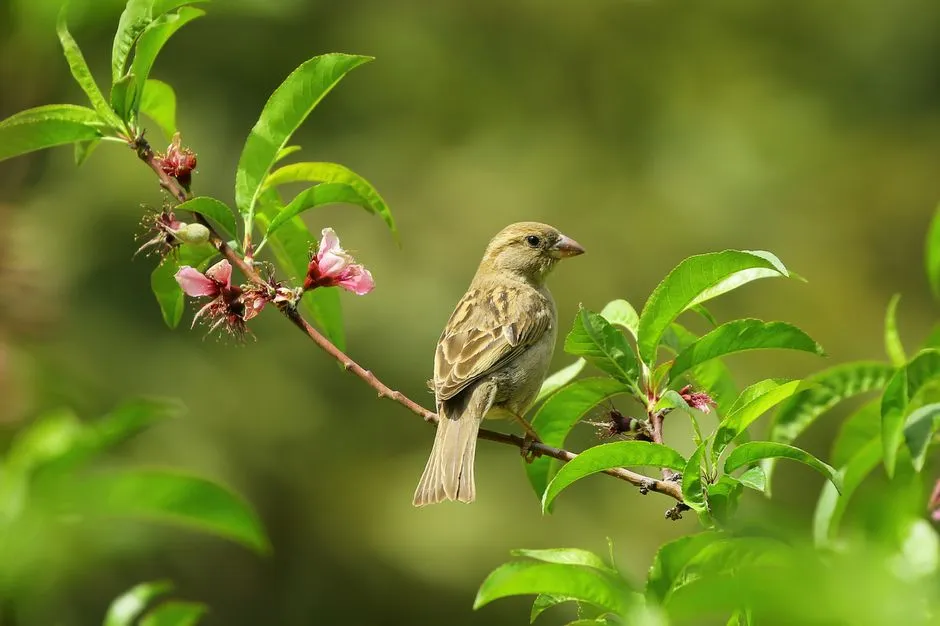
Here’s the hard truth first: that flawless, golf-course lawn is basically a green desert for birds. Short, uniform grass offers almost no seeds, very few insects, and nowhere to hide, so birds may fly right over it without stopping. When you loosen your grip on the perfect lawn, you instantly open the door to a more alive, more interesting yard.
Start by shrinking the lawn rather than ripping it out all at once. Let a corner grow a little longer, overseed with clover, or convert a strip along the fence into native flowers and shrubs. Think patchwork quilt, not manicured carpet; even a modest change in structure and plant diversity can tempt birds to pause, forage, and eventually stick around.
2. Put Out Clean, Consistent Water (Not Just Food)
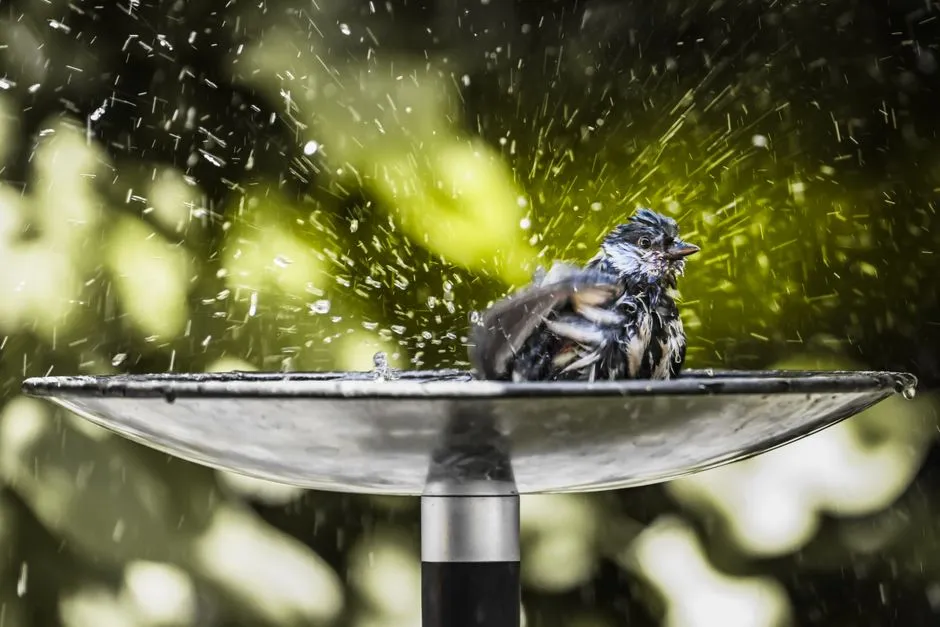
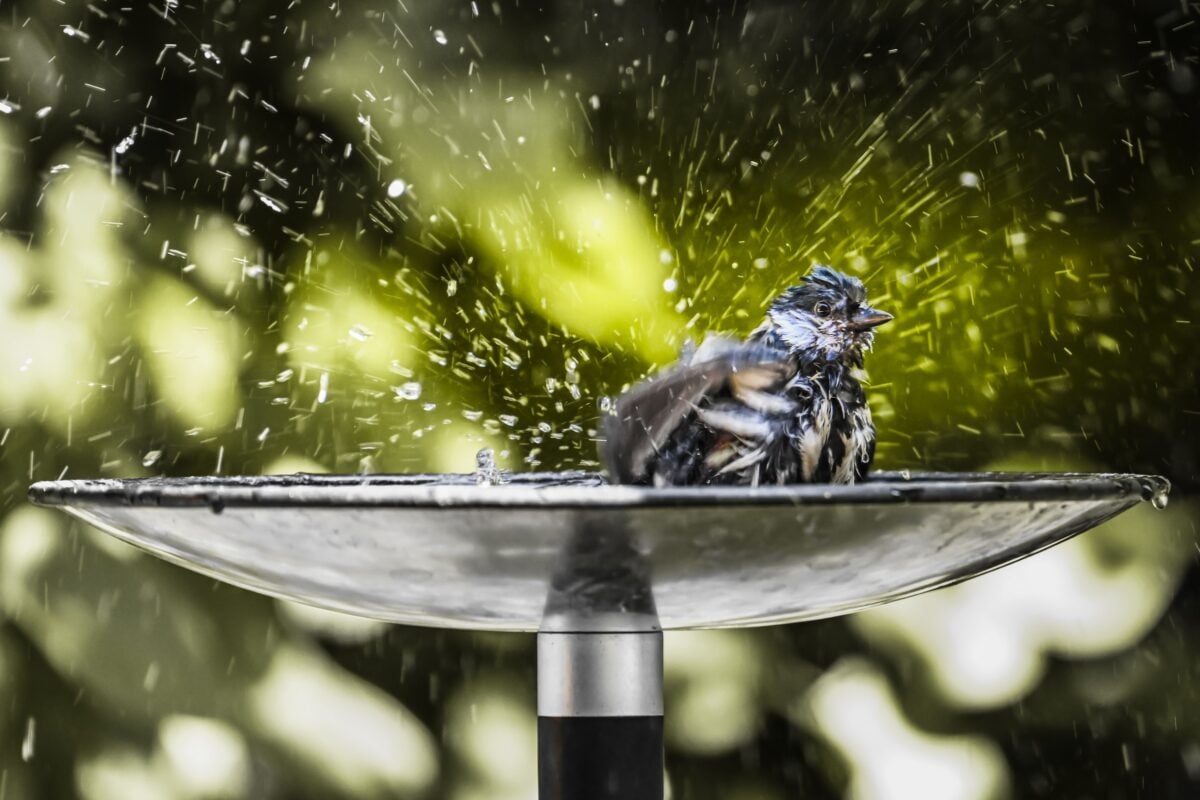
Most people rush to buy bird feeders, but water is often what pulls birds in fastest, especially in warm or dry weather. Birds need safe places to drink and bathe, and they’ll travel to find a reliable water source, even if food is available elsewhere. A simple birdbath or shallow dish can suddenly become the neighborhood hotspot.
The key is cleanliness and consistency. Change the water every day or two, scrub away algae, and keep the basin shallow with gently sloping sides so even small birds feel safe. If you can add movement with a small bubbler or dripper, do it: the sound and sparkle of moving water acts like a flashing neon sign that says, “Hey, over here!”
3. Replace Exotic Ornamentals with Native Plants
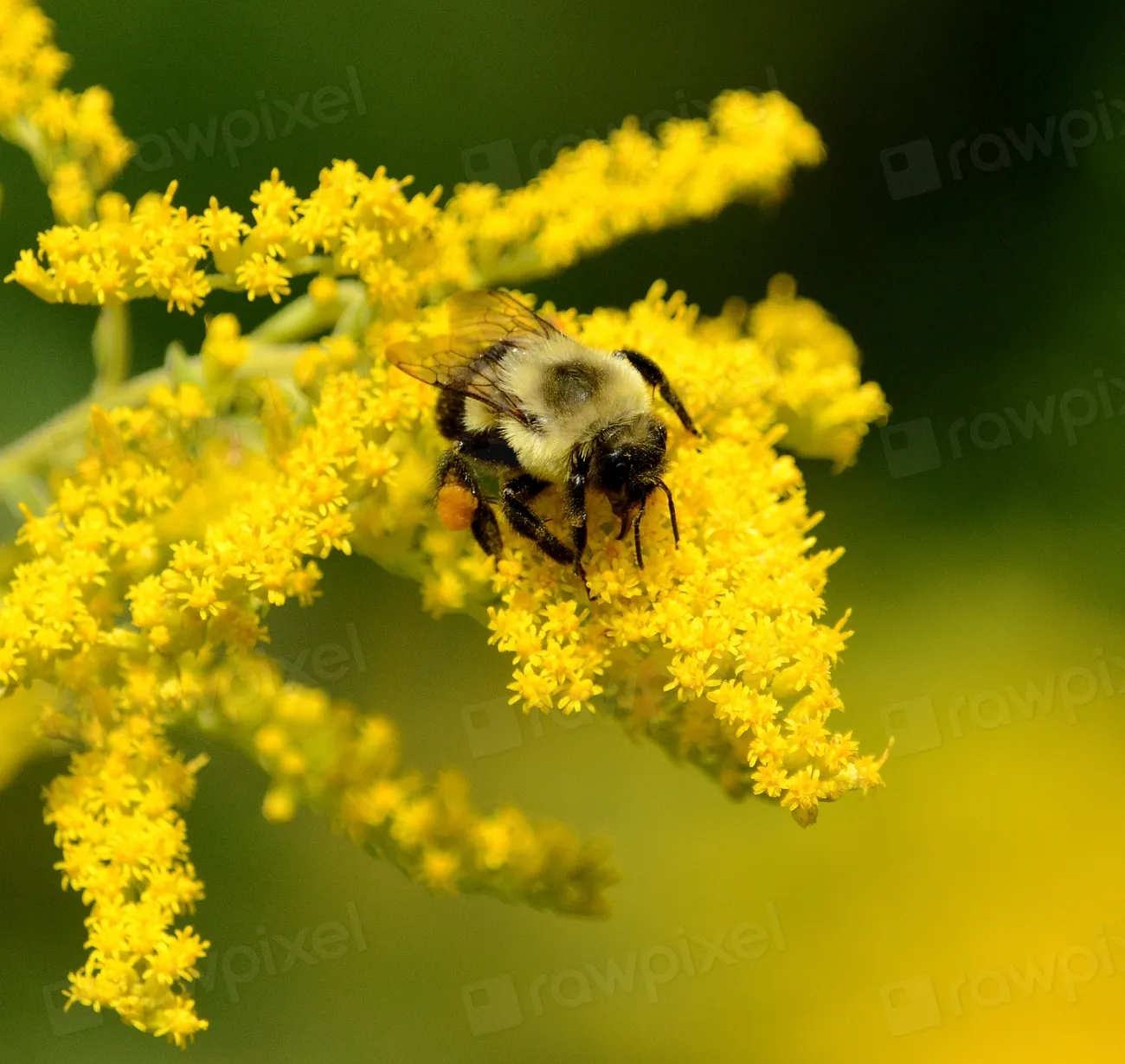
If your garden is filled with beautiful but exotic shrubs and flowers, it might look lush to you but empty to birds. Many imported plants don’t produce the right kind of nectar, seeds, or insects that local birds evolved with. Native plants, on the other hand, act like a full-service rest stop: food, shelter, nesting material, and cover from predators.
Look up what’s native to your specific region and start swapping in a few species at a time – native berries, seed-producing flowers, and region-appropriate trees. As the natives establish, you’ll notice more bugs, which is a very good sign; birds chase insect abundance like people chase good restaurants. The more you turn your yard into a slice of local habitat, the faster the bird traffic resumes.
4. Create Layered “Vertical Habitat” Instead of Flat Space
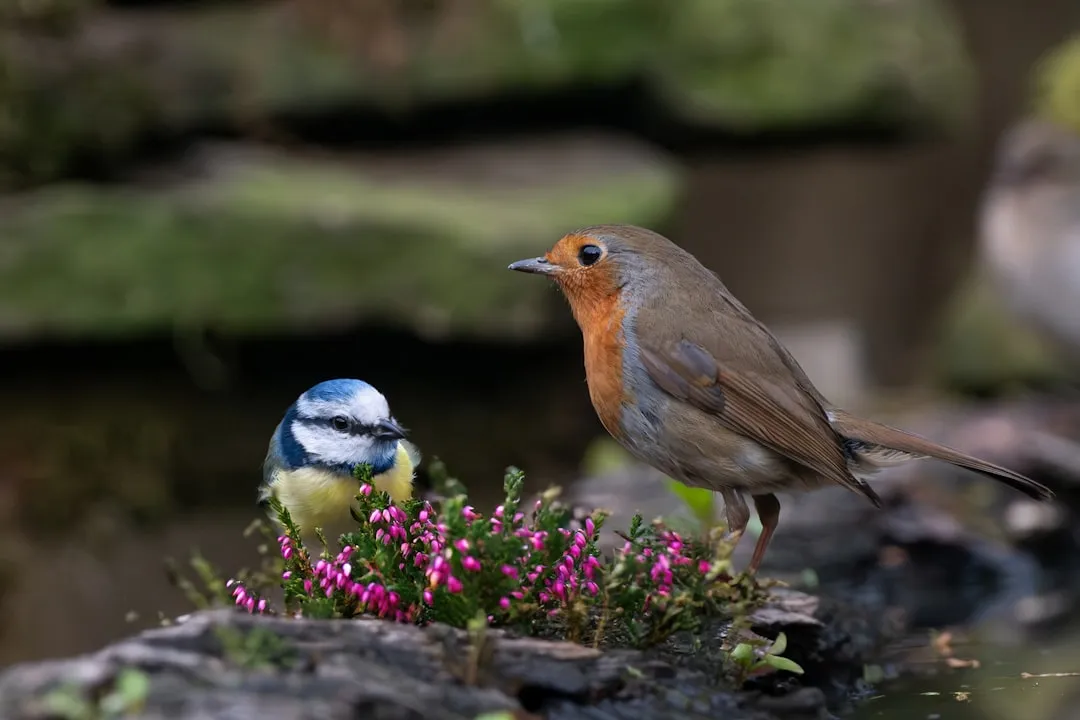
Many quiet gardens share one big problem: everything is either ground-level or very tall, with nothing in between. Birds like layers – ground cover, low shrubs, taller bushes, and trees – because each layer offers different food and safety options. A flat, open yard makes them feel exposed and vulnerable.
Picture a natural woodland edge as your model. Add low-growing perennials, then medium-height shrubs, then small trees, giving birds multiple “floors” to perch on, forage from, and dart between. This creates a three-dimensional playground where birds can flee to cover in a split second, which dramatically increases their willingness to hang out in your space.
5. Offer High-Quality Seed Instead of Cheap Mixed Fillers
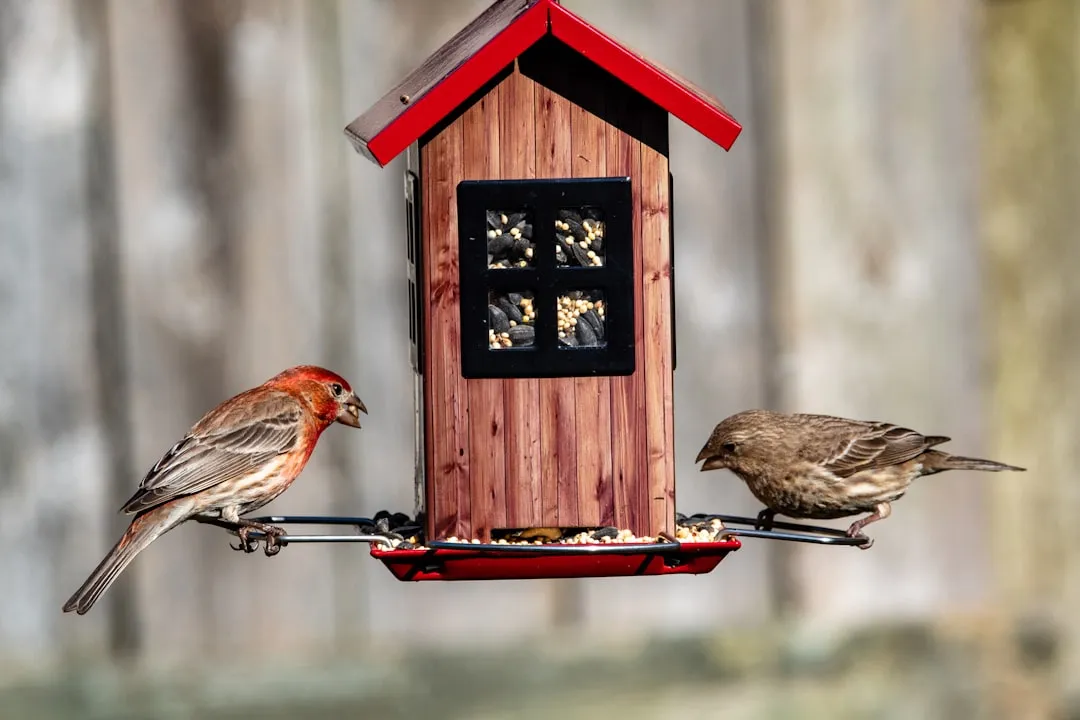
If you’ve noticed that your feeders are full but no one’s visiting, the seed mix might be the problem. Many bargain blends are heavy on filler grains like milo or wheat that most common backyard birds barely touch. The result: spilled, rotting piles under the feeder and hardly any feathered guests actually staying to eat.
Switching to high-quality, bird-preferred options can change things shockingly fast. Try black oil sunflower seeds, nyjer for finches, or a good no-waste blend that cuts out the junk. Within days, you may see chickadees, finches, and sparrows testing the new menu, and once word spreads in the local bird world, your yard can go from ghost town to breakfast rush.
6. Add Shelter Spots and Hiding Places
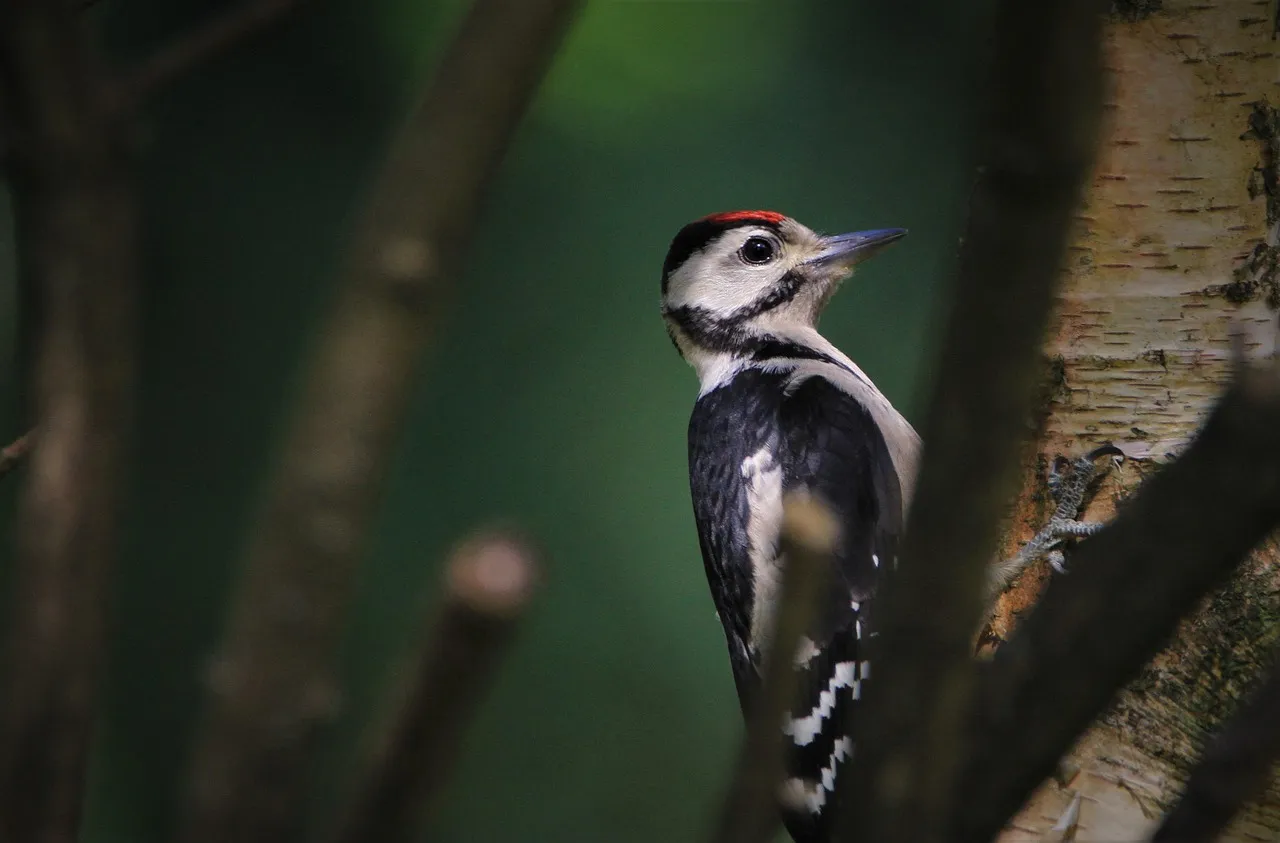
Birds will not linger where they feel like they’re on stage with no backstage exit. A yard with nothing but open lawn and a couple of isolated trees leaves them nowhere to duck into if a hawk cruises by or a cat appears. If your garden looks “tidy” but exposed, that loneliness you hear is really just cautious silence.
To fix it, think like a nervous sparrow. Add dense shrubs, thorny bushes, evergreen clumps, or even brush piles in the less-visible corners of your yard. These pockets of safety act as emergency exits and resting spots, letting birds relax enough to sing, preen, and feed out in the open a bit more, because they know they can bolt back to cover in a heartbeat.
7. Let Some Leaves, Sticks, and Seedheads Stay
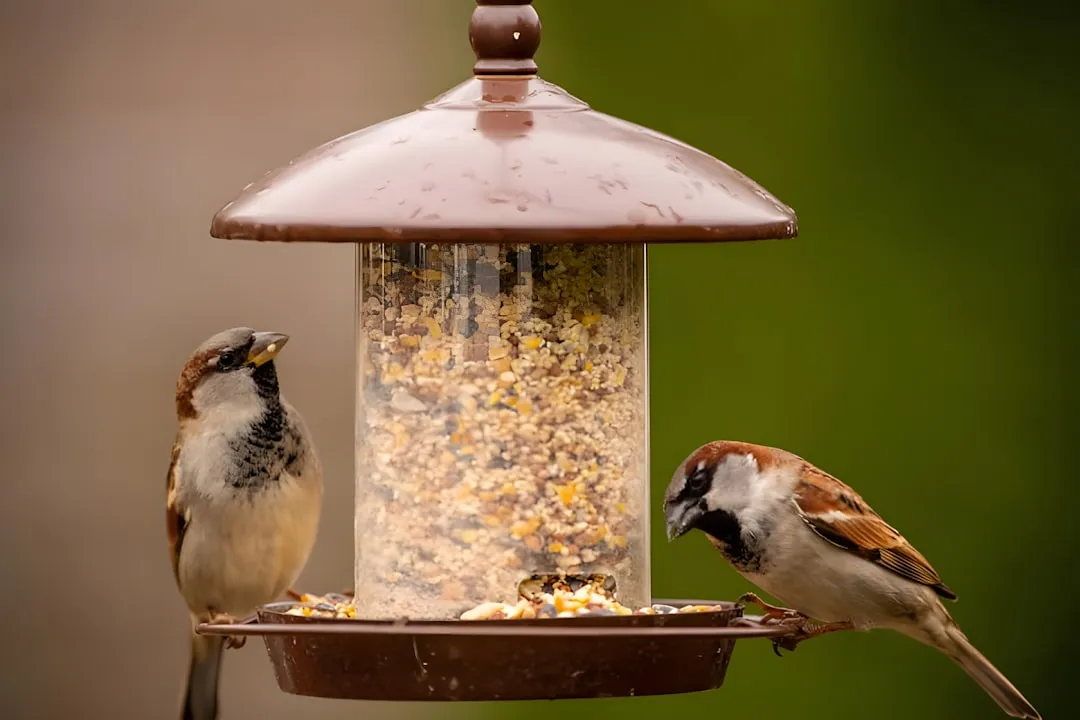
Hyper-tidy gardening can unintentionally wipe out everything birds rely on between seasons. When you rake every leaf, cut every stem at ground level, and bag every seedhead, you strip away insect habitat, natural mulch, and foraging material. It’s like clearing out the pantry and then wondering why nobody comes over for dinner.
Try leaving a light layer of leaves under shrubs and on beds, and let some flower stalks and seedheads stand through fall and winter. Those “messy” bits harbor insects, provide seeds, and offer nesting material later. To your neighbors it may look slightly wild; to the birds, it looks like a fully stocked supermarket and a craft store rolled into one.
8. Keep Cats Indoors and Reduce Predator Pressure
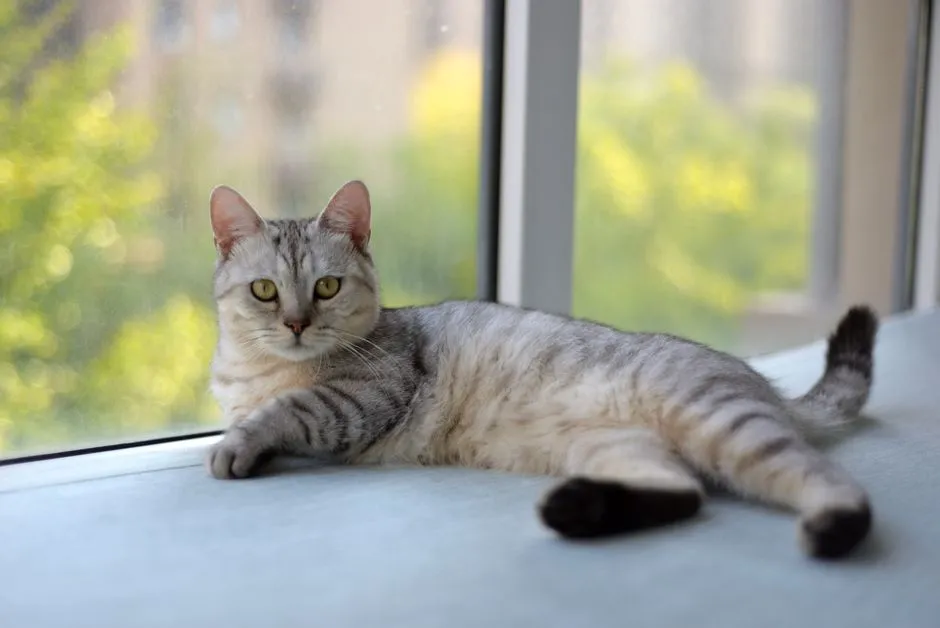
One roaming cat can silence an entire yard, even if it rarely catches anything. Birds are constantly scanning for danger, and the presence of a stealthy ground predator changes their behavior dramatically. I learned this the hard way when a neighbor’s new outdoor cat coincided perfectly with my bird traffic dropping to nearly nothing.
If you have a cat, consider keeping it indoors, using a catio, or at least supervising outside time. Talk kindly with neighbors if multiple cats are hunting in your yard; sometimes simple changes, like adding a bell collar, can help. Combine that with more dense shrubs and elevated perches, and you’ll see birds relax enough to return, sing, and forage without looking over their shoulders every second.
9. Add Nesting Boxes and Natural Nest Sites
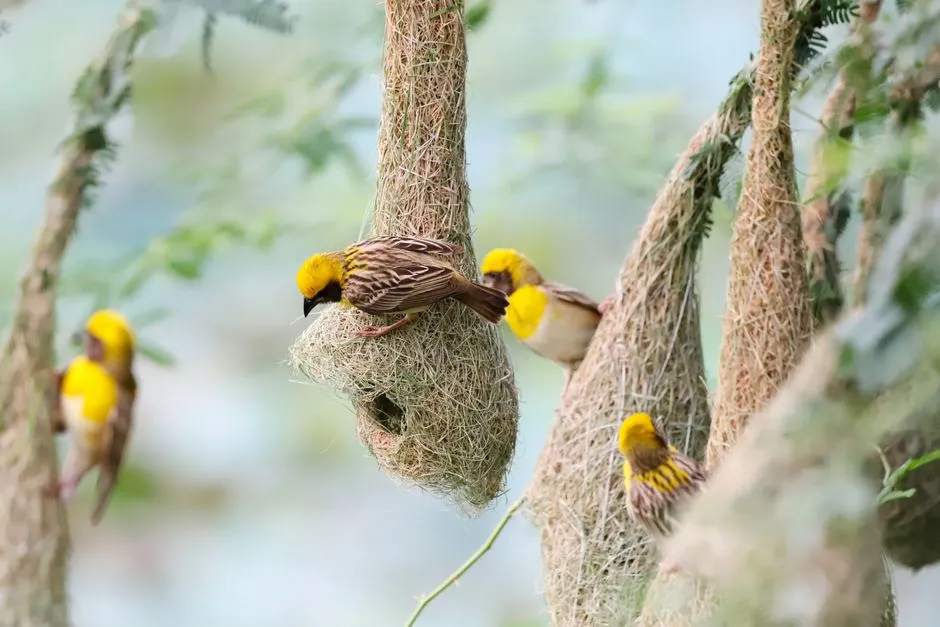
Birds will visit briefly for food and water, but they truly commit to a garden once they can raise young there. If your space lacks old trees, cavities, or dense shrubs, there may be nowhere for them to nest. That means your yard is a diner, not a neighborhood, and birds may only swing by occasionally.
Installing well-designed nest boxes for species common in your area can change that dynamic. Pair them with natural nesting spots like dense hedges, climbing vines, and small trees. When birds feel they can safely raise a family in your garden, your “quiet problem” shifts into a months-long chorus of begging calls, parental alarm notes, and triumphant morning songs.
10. Provide Food Across the Seasons, Not Just in Winter
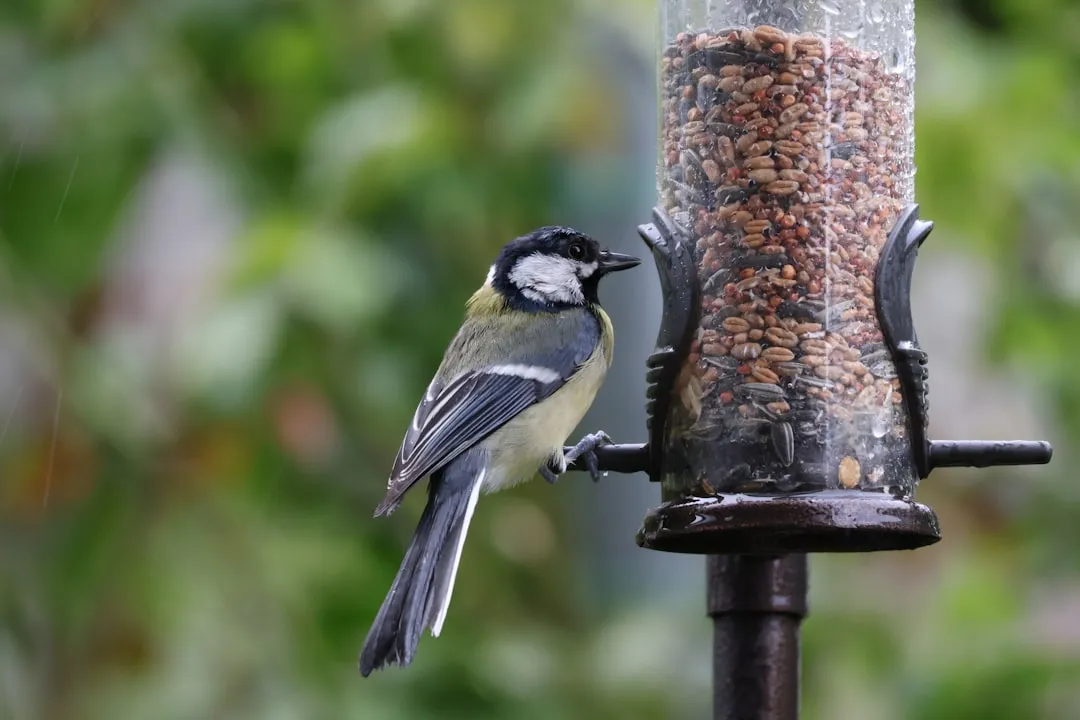
Many people only think about birds when it’s cold, putting out seed in winter and forgetting about the rest of the year. But spring and summer are energy-intensive seasons too, especially when birds are nesting and feeding young. If your garden is abundant in winter but barren in summer, they may not choose it as their long-term home.
Plan for a rolling buffet: early-blooming flowers, summer berries, fall seedheads, and winter nuts or suet. Rotate feeder offerings as the seasons change while also relying on your plants to do most of the work. Over time, birds learn that your yard is reliable year-round, not just a seasonal stopover when things are tough.
11. Cut Down on Pesticides and “Bug-Free” Obsession

Here’s a slightly uncomfortable truth: no insects means no birds. A lot of backyard birds feed primarily on bugs or rely on insects to raise their chicks, even if they also love seeds. When we saturate our gardens with pesticides to chase a spotless, bite-free yard, we’re wiping out the very foundation of the bird food chain.
Instead of aiming for a bug-free garden, aim for a balanced one. Reserve targeted, minimal treatments only when absolutely necessary, and skip broad, blanket sprays completely. Over time you’ll see more bees, beetles, caterpillars, and yes, a few chewed leaves – but you’ll also see more birds swooping in to do their part in pest control the natural way.
12. Introduce Berry- and Fruit-Producing Shrubs
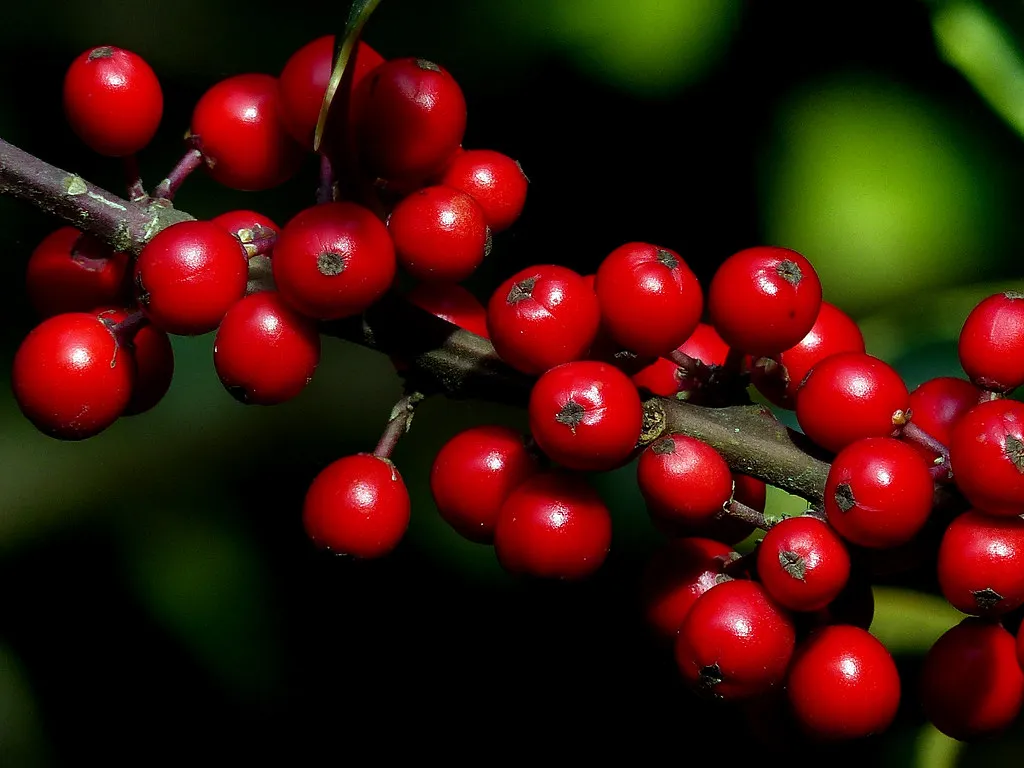
If your garden is mostly flowers and foliage, it might look pretty but lack dense, calorie-rich food sources. Many birds rely heavily on berries, especially during migration and fall when they need to pack on energy. A yard with no fruiting plants can feel like a place with nice decoration but no actual meals.
Adding shrubs like serviceberry, elderberry, viburnum, or other region-appropriate fruiting plants can transform things. These shrubs often double as shelter, giving birds a place to perch while they eat. Once the berries ripen, watch how quickly the word spreads: you may wake up one morning to a whole flock stripping a bush you barely noticed the day before.
13. Use Multiple Small Feeders, Not One Crowded Spot
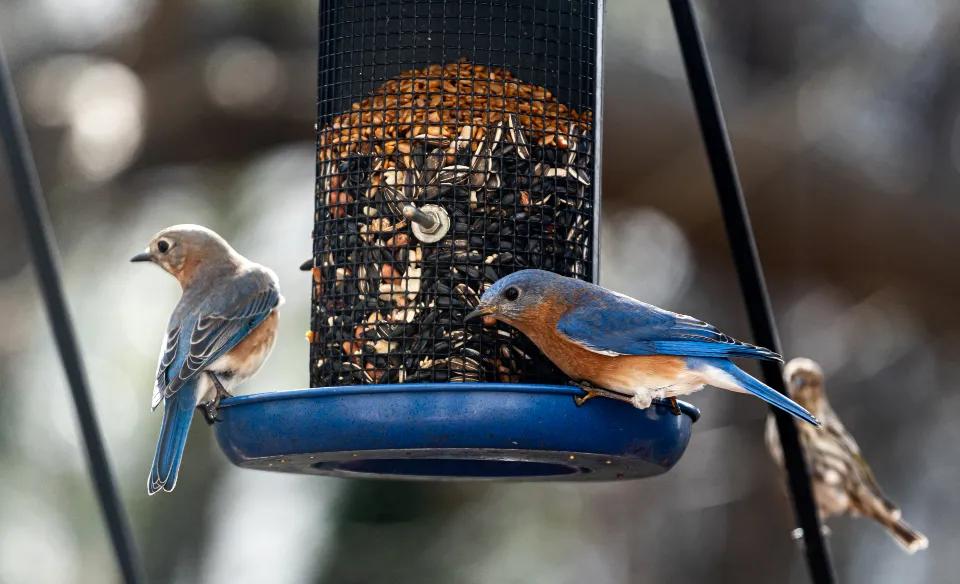
One big feeder can become a noisy war zone, especially when aggressive species dominate and chase others away. Shy birds like smaller finches or timid sparrows may simply give up and avoid your yard altogether if they keep getting bullied. From the outside, it can look like “no birds,” when in reality it’s just the loudest ones controlling the space.
Try spreading out several smaller feeders in different corners and at different heights. Offer different foods in each – sunflower seeds in one, nyjer in another, maybe suet in a third – to attract a wider variety of species. This reduces conflict and makes your yard feel like several quiet cafes instead of a single overcrowded bar.
14. Add Perches and “Lookout Points” Near Food and Water
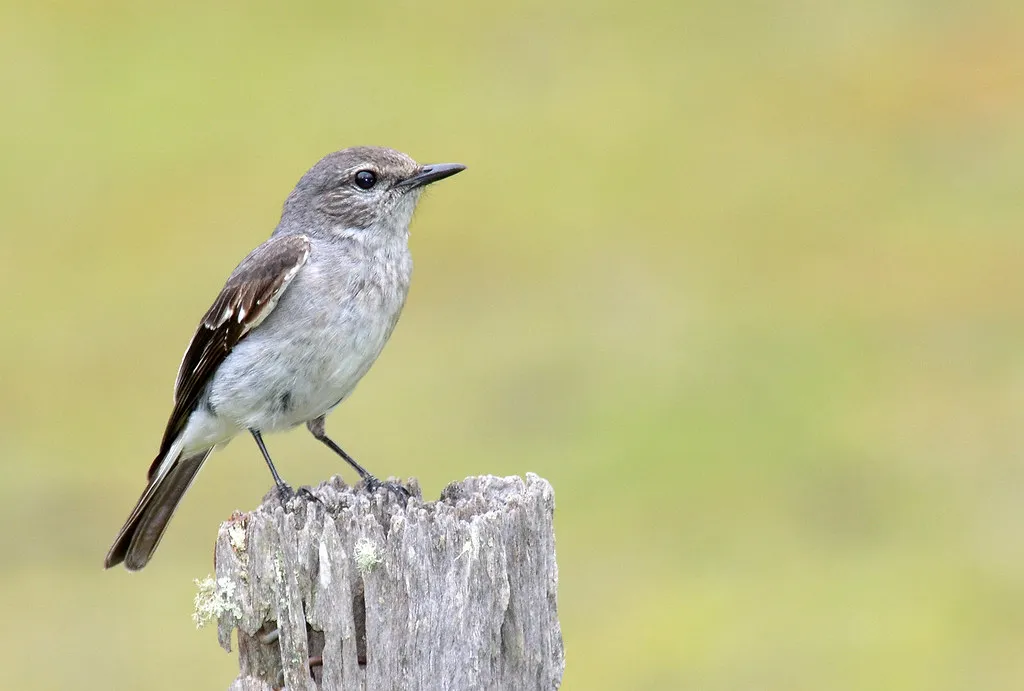
Birds are cautious, and they rarely dive straight into a feeder or bath without scanning the area first. If there are no safe perches nearby, they may circle and move on, especially if predators have been an issue before. A bare, open zone around food and water can make them nervous, even if you’ve done everything else right.
Place feeders and birdbaths within quick flight of shrubs, small trees, or even strategically placed branches stuck into the ground. These perches act like observation decks where birds can check for danger before committing. Once they feel they have an easy escape route, they become much more confident about visiting and revisiting your setup.
15. Think About Noise, Light, and Human Activity
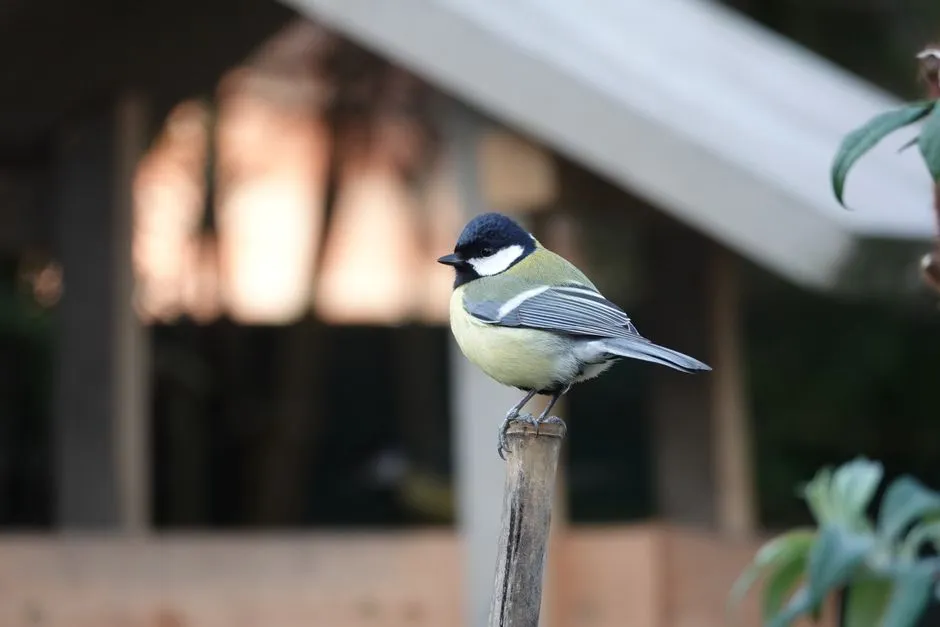
Sometimes the problem isn’t what you planted but how the space feels: loud, bright, and constantly disturbed. Continuous noise from machinery, bright security lights that stay on all night, or frequent chasing and shouting can make birds avoid the area. Imagine trying to relax in a cafe with floodlights and a leaf blower running all day – it’s not exactly inviting.
Look honestly at how your yard is used. Can you reduce nighttime lighting, limit the use of loud tools during peak feeding times, or create a quieter corner where activity is minimal? Birds adapt well to humans, but they do better when at least part of your garden feels like a calm, predictable refuge rather than a stage for constant commotion.
16. Plant Climbing Vines and Living Screens
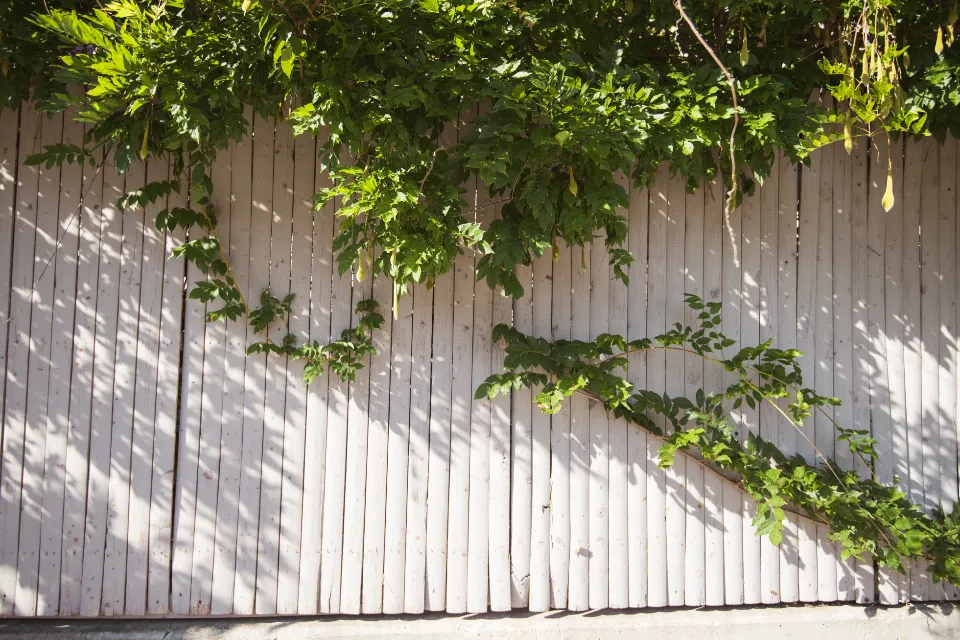
Bare fences and walls are wasted vertical real estate from a bird’s point of view. When you cover them with climbing vines or trellised plants, you suddenly create nesting nooks, insect habitat, and safe travel routes. Even a simple vine can turn a cold, hard surface into a living corridor that birds use all day long.
Choose region-appropriate climbers that offer flowers, berries, or dense foliage. Over time, you may see birds slipping in and out of the greenery, building nests where you only see leaves. It’s a subtle change that doesn’t eat into your yard’s floor space but makes the whole garden feel more alive and sheltered.
17. Leave Some Dead Wood, Snags, and Logs
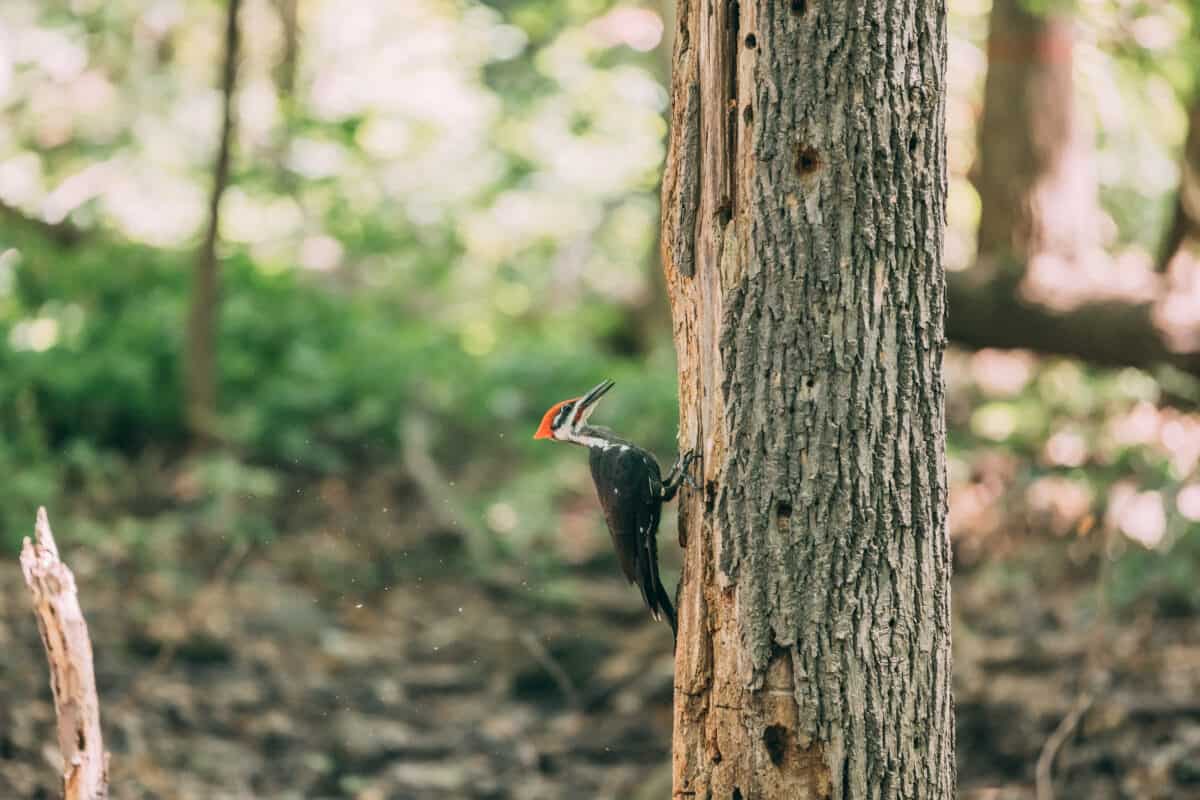
The instinct to remove every dead branch or log is strong, especially if you’re used to a very polished look. But dead wood is one of the richest micro-habitats for insects, fungi, and cavity-nesting birds. When you remove it all, you’re essentially erasing a huge portion of the natural buffet and housing market birds rely on.
If it’s safe to do so, leave a dead tree trunk (a snag), a few larger branches stacked in a corner, or a decaying log along a fence line. Woodpeckers, nuthatches, and other insect-loving birds are drawn to these structures. They may look lifeless at first glance, but quietly they become hives of activity that support an entire community of creatures – and the birds that eat them.
18. Be Patient, Observant, and Willing to Tweak
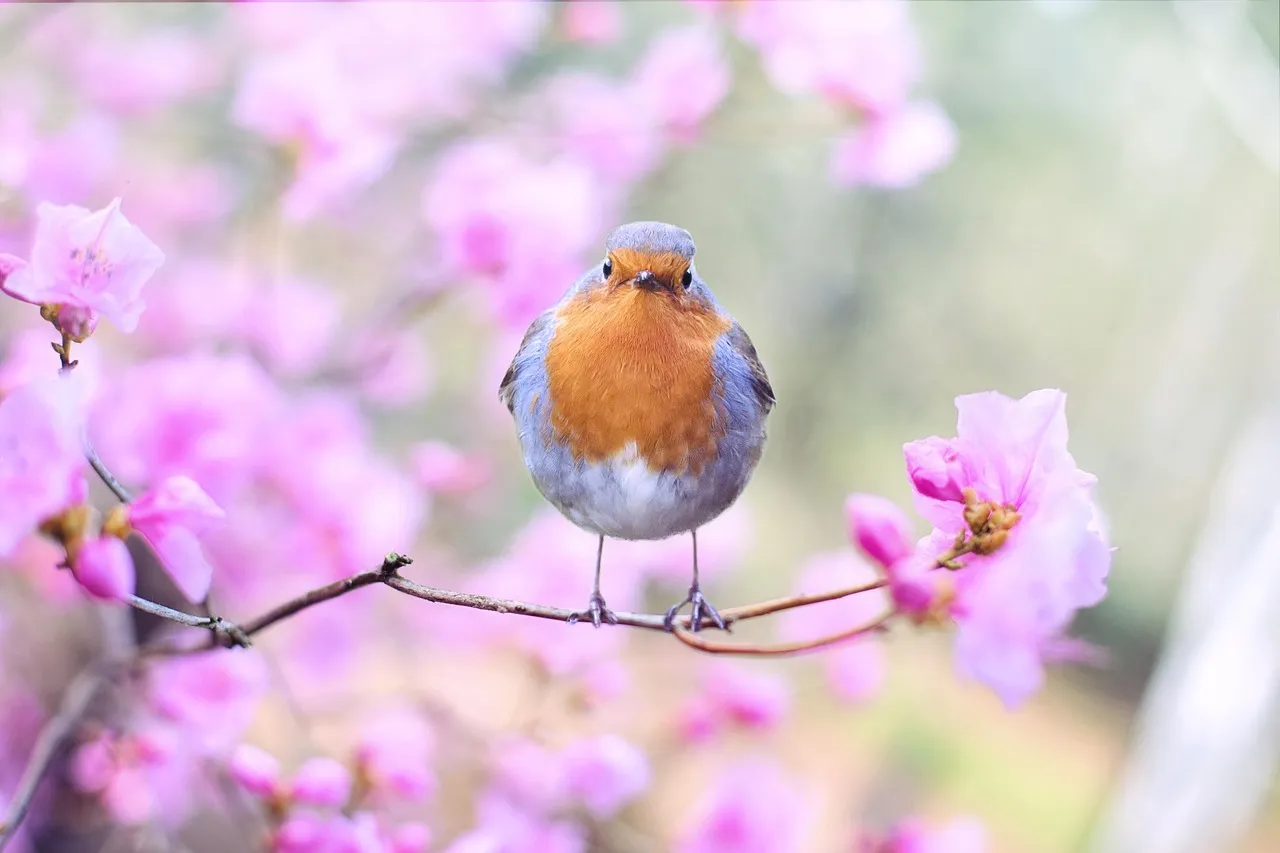
One of the hardest parts of reviving a quiet garden is accepting that birds follow their own timelines, not ours. Sometimes you make a change and see results in two days; other times it takes a season or two for word to spread and plants to mature. If you expect instant transformation, every normal delay feels like failure, and it’s tempting to give up too soon.
Instead, treat your garden like a living experiment. Notice which plants attract the most activity, which feeders get ignored, and which times of day feel most alive. Adjust slowly, keep a little notebook if you like, and stay curious. That sense of partnership with your space – rather than control over it – often brings the most satisfying, long-lasting return of birdsong.
Conclusion: A Noisy Garden Is a Sign of a Living One
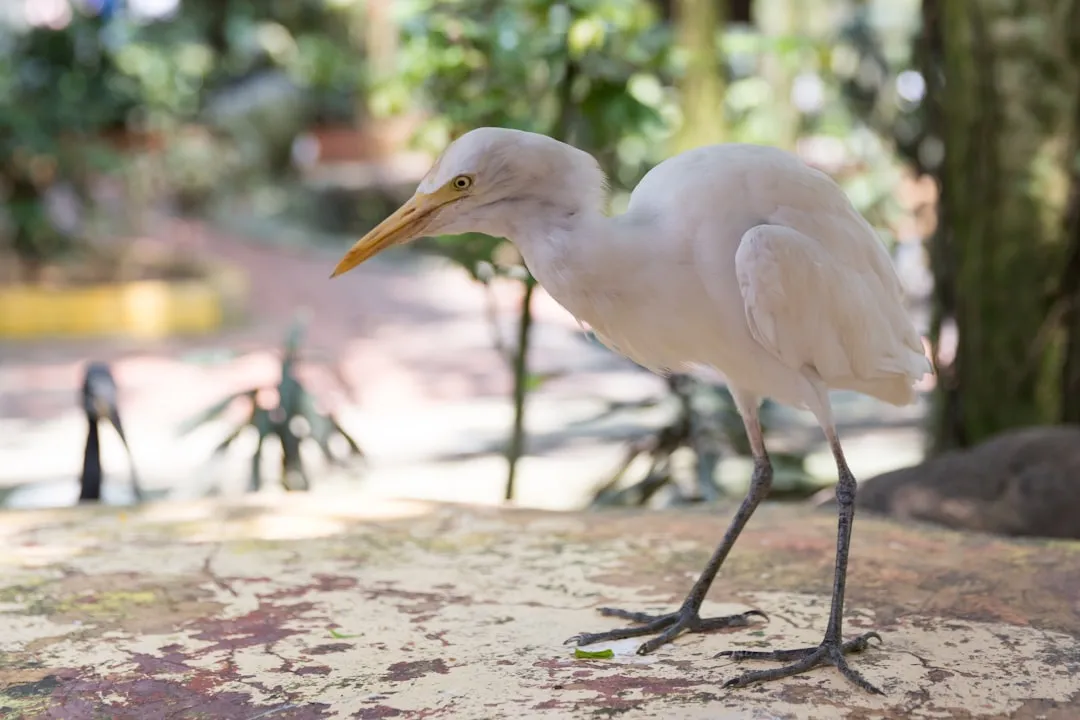
When a garden goes quiet, it’s rarely an accident; it’s usually the sum of a lot of small choices that made the space easier for us but harder for birds. The flipside is powerful: a series of thoughtful changes, even modest ones, can bring life rushing back faster than you’d expect. Trading a slice of perfection for a slice of wildness is a bargain that pays off every time you hear that first bold song at dawn.
In my view, a truly beautiful garden is not the one that looks best in photos but the one that hums, rustles, and chirps with wild energy. You do not need a huge budget, a massive yard, or expert status – just a willingness to provide real food, real shelter, and a bit of patience. When your garden finally fills with fluttering wings again, the question won’t be whether it was worth it; it’ll be how you ever tolerated the silence before. Would you have guessed that a few “messy” choices could sound this good?
