
There’s something thrilling about witnessing nature take its course after years of silence. Picture a bird that can’t fly, stays awake all night, and waits years between breeding seasons. Sounds like a terrible survival strategy, right? Yet these peculiar parrots have endured for millions of years. Now, after a four-year wait, they’re finally getting busy again.
New Zealand officials announced in early January that the critically endangered kākāpō is breeding for the first time in four years. This isn’t just exciting news for bird enthusiasts. With only 236 birds alive today, every breeding season carries massive weight. Let’s be real, when your entire species could fit on a few buses, every new chick matters enormously.
The Peculiar Parrot That Defies Logic
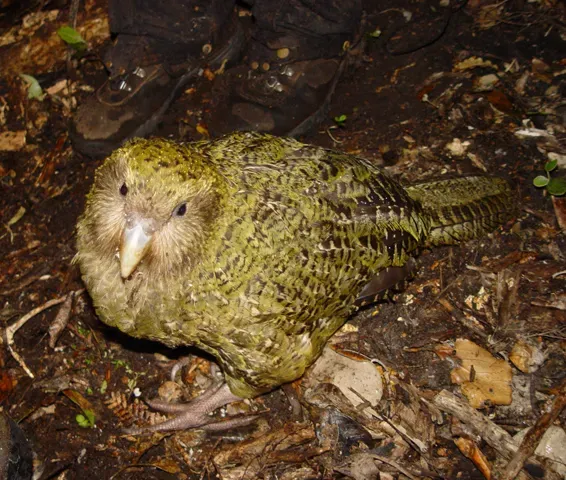
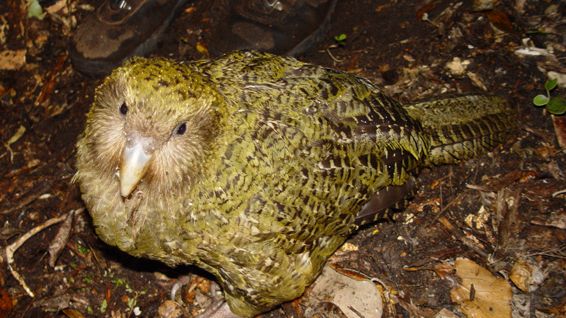
Kākāpō are large, flightless, nocturnal parrots with mottled green and yellow plumage that only breed every two to four years. If you’re trying to picture what these birds look like, imagine a chubby, owl-faced parrot that waddles around the forest floor at night. They’re not your typical tropical parrot squawking from tree branches.
Here’s the thing though. Males in peak breeding condition can weigh around 4 kg, making them absolute units in the parrot world. Their defense mechanism? They freeze when threatened, hoping their green feathers blend into the foliage. Honestly, it worked perfectly fine for millions of years until humans showed up with cats and rats.
Why the Long Wait Between Breeding Seasons
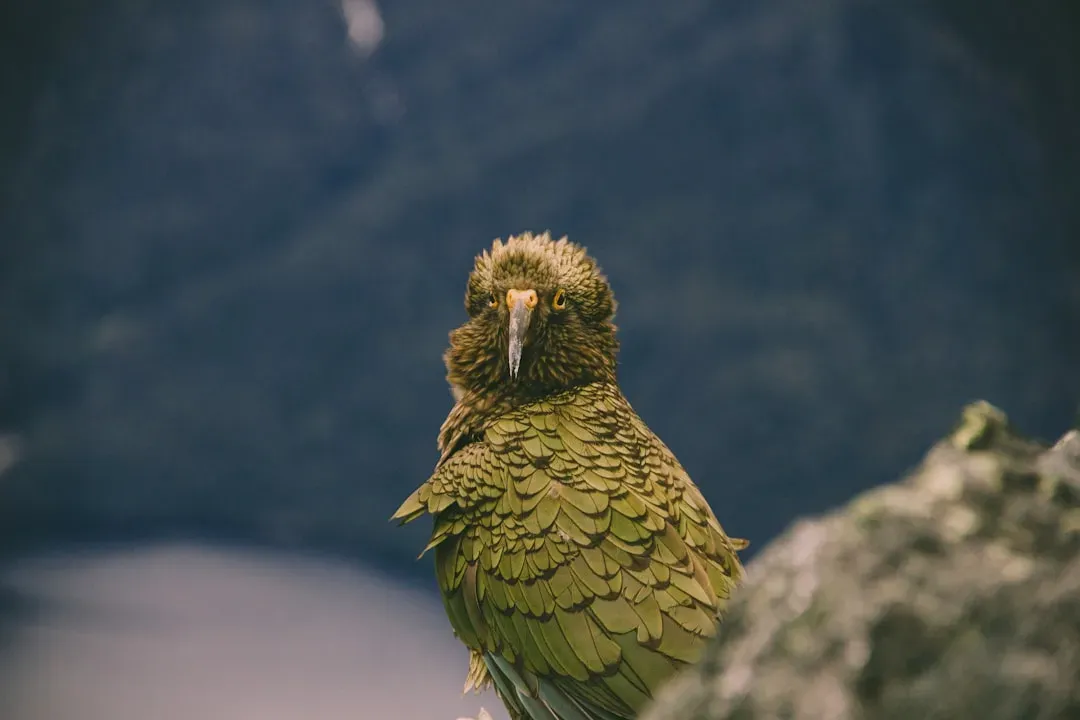
Breeding seasons are triggered by the mass fruiting of the rimu tree, a native conifer that can live for more than 600 years. The birds essentially wait for nature’s signal before they start their mating rituals. When rimu trees produce abundant fruit, that’s when kākāpō know conditions are right for raising chicks.
The last mass fruiting occurred in 2022, which explains the four-year gap. The latest data for 2026 shows record-high predictions of around 50 to 60 percent fruiting across all three breeding islands, meaning nearly all of the 87 breeding-age females could potentially nest in 2026. The rimu fruit provides essential calcium and vitamin D that females need for egg production and chick development.
A Mating Ritual Like No Other Parrot
Kākāpō are the only lek-breeding parrot in the world, with males gathering in a communal area called a lek to display to females. Think of it as nature’s bizarre nightclub where males compete for female attention through sound rather than flashy dance moves.
Male kākāpō spend months preparing track and bowl systems, which are networks of cleared paths and depressions that help resonate sound, where they perform booming and chinging courtship calls. These calls can carry for miles through the forest. The nightly displays to attract females from across the island can last for weeks or even months on end. After all that effort, once mating happens, the males are done. The female takes on all parenting duties, including nesting, incubating, and raising the chicks solo.
From the Brink of Extinction to Cautious Hope
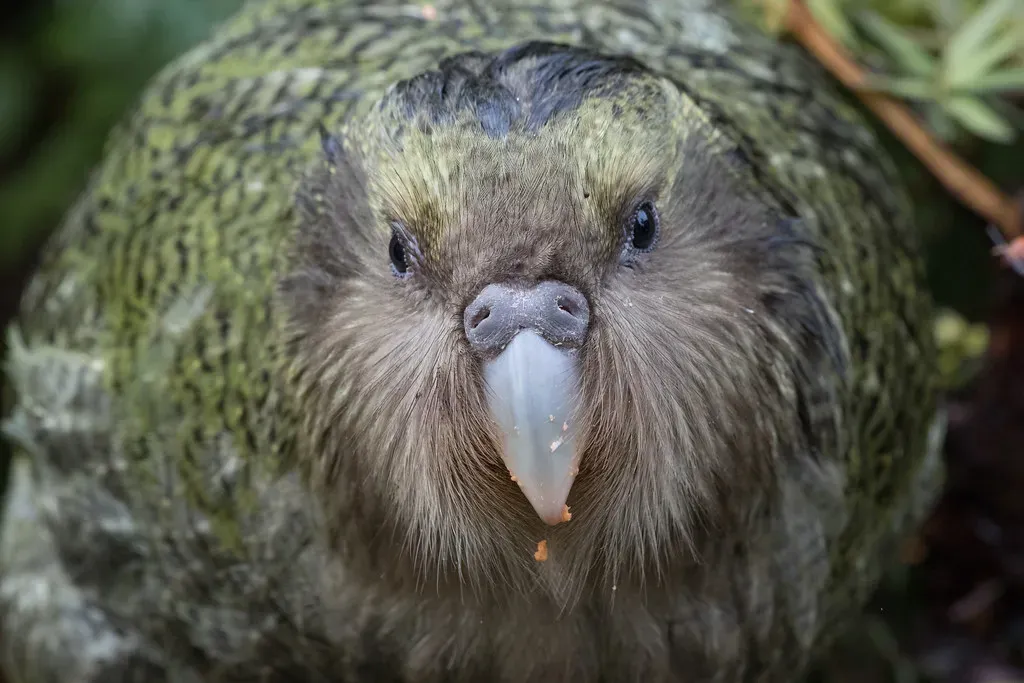
Birds became critically endangered by the mid-1900s due to human expansion across New Zealand, but intensive management has raised kākāpō numbers from just 51 individuals over the last 30 years. That’s an astonishing recovery story, honestly. Half a century ago, many scientists thought these birds were already extinct.
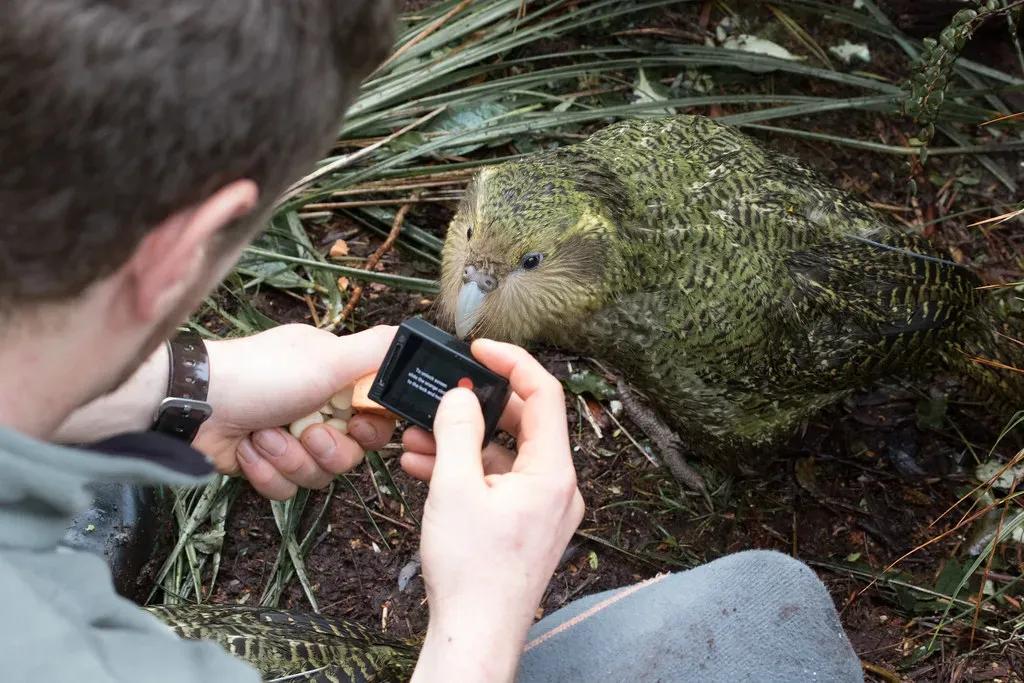
All kākāpō wear backpack radio transmitters to monitor their location and activities. Every single bird is tracked, studied, and protected with an intensity rarely seen in conservation. There are three breeding populations on Whenua Hou/Codfish Island near Rakiura, and Fiordland’s Pukenui/Anchor Island and Te Kāhaku/Chalky Island. These remote, predator-free islands are the only places where kākāpō can safely raise their young.
Record-Breaking Breeding Season Ahead
The 2026 breeding season could produce the most chicks since records began 30 years ago. I know it sounds crazy, but the conditions seem almost perfect this year. Most kākāpō females raise one chick each breeding season, so with over eighty breeding-age females potentially nesting, the numbers could be significant.
Officials expect the first chicks of the season to hatch around mid-February. Yet conservationists aren’t just counting chicks anymore. Success is no longer measured by numbers alone, as the goal is to create healthy, self-sustaining populations of kākāpō that are thriving, not just surviving. The shift toward less intensive management means allowing nature to take a more natural course, even if that means accepting some losses along the way.
The Road to True Recovery
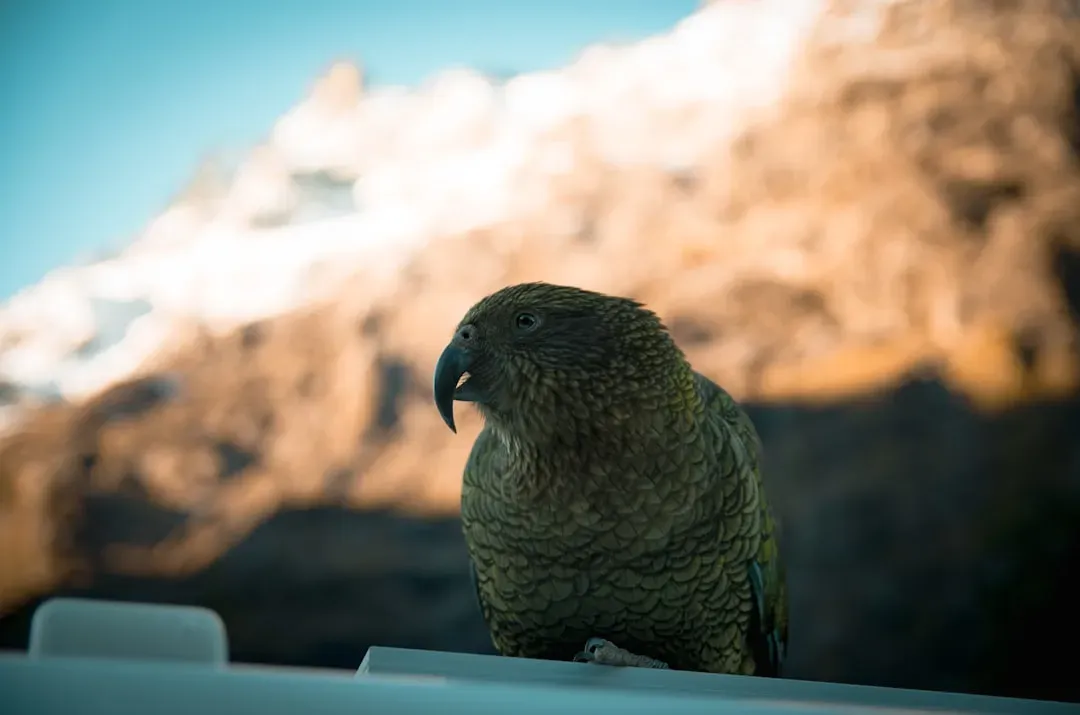
Here’s the thing about conservation. It’s not just about boosting numbers. With each successful breeding season, the program aims to reduce the level of intensive, hands-on management to return to a more natural state. That means fewer human interventions, less artificial incubation, and more trust in the birds’ natural parenting abilities.
Ongoing research on genetics and disease are helping support a healthy population, but the most pressing challenge is finding more suitable habitat. The current islands can only support so many birds before overcrowding becomes an issue. Plans are underway to make larger islands predator-free, which would give kākāpō the space they desperately need to truly thrive as a self-sustaining population.
These peculiar parrots have come back from the edge of oblivion through decades of tireless conservation work. The 2026 breeding season represents hope, resilience, and the possibility that one day, hearing a kākāpō boom in the New Zealand night might become normal again. What do you think – could these odd, flightless parrots truly make a full comeback?
